![]()
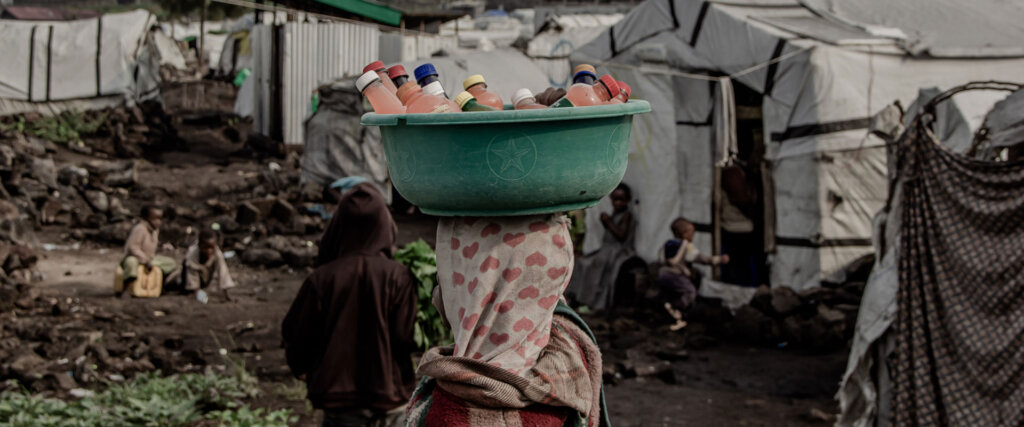
Since early 2025, the Democratic Republic of Congo's eastern provinces have faced severe instability due to the M23 rebel group's takeover of Goma and Bukavu. This conflict has led to widespread violence, displacement, and a collapse of essential services, including sexual and reproductive health care.
Over 10,000 cases of sexual violence have been reported, and access to medical and psychological support remains critically limited. Ipas DRC has responded with resilience, implementing contingency plans to maintain and restore services in affected areas. Here is more on the impact of this crisis on reproductive health, and the strategic actions taken by Ipas DRC to uphold the rights and health of women and girls.
Conflict and Health System Breakdown
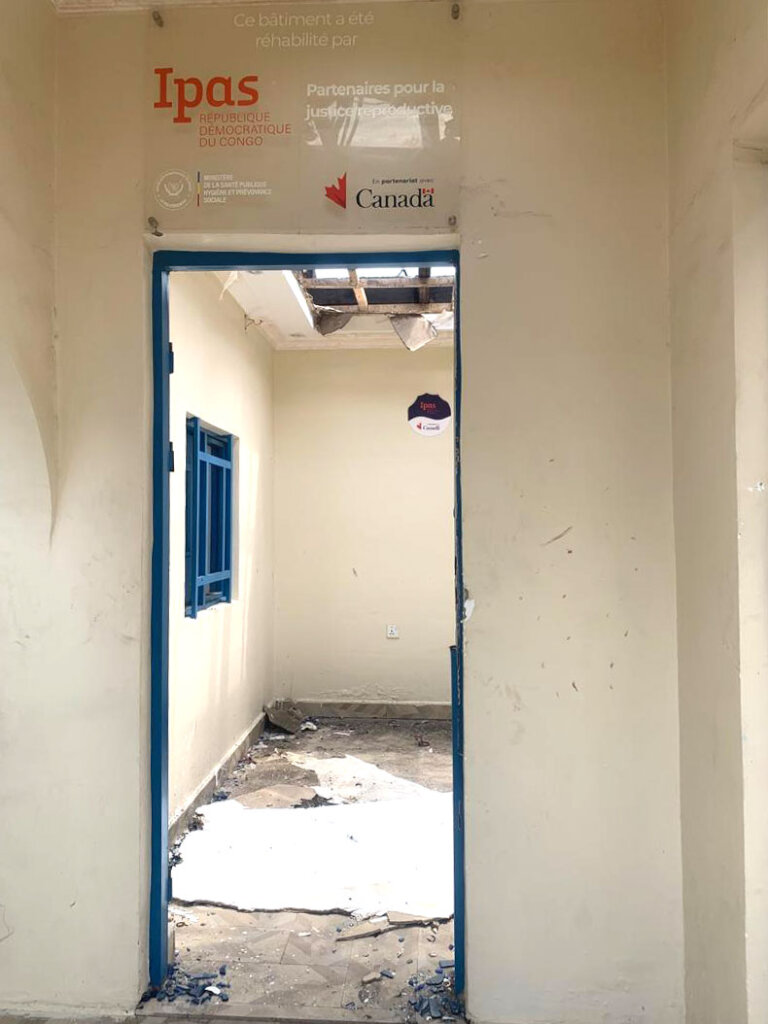
The violence following the M23 rebel group’s seizure of Goma and Bukavulead to a collapse of local governance and widespread insecurity that has displaced communities and dismantled health infrastructure. UNICEF reports over 10,000 cases of rape and sexual violence in North and South Kivu between February and August 2025. Survivors are left without access to emergency contraception, STI treatment, or psychological support. Only three of the 15 health facilities supported by Ipas DRC remain in government-controlled zones, and these are facing severe supply shortages.
“The takeover of North and South Kivu by M23 has severely weakened the health system and access to abortion care for women and youth. Of the 15 health facilities Ipas supports, only three remain in government-controlled zones and are cut off from supply chains. These facilities are experiencing shortages of sexual and reproductive health medications, limiting accessibility,” says Dr. Moise Musa Byamungu, health system and social and behavior change communication officer for Ipas DRC’s Bukavu office.
Ipas DRC’s Strategic Response
Despite the crisis, Ipas DRC has implemented a robust contingency plan to maintain essential services.
- Established a community health center to replace the military hospital.
- Trained new health professionals and supported ongoing supervision at health centers.
- Secured temporary contraceptive supplies through our partners DKT International following the destruction of a crucialUNFPA site and suspension of USAID funding.
- Maintained operations at most sites, with the exception ofBisengimana Hospital due to staff displacement.
- Restored services at all supported facilities, excluding the military hospital which now functions as a war casualty treatment center.
Most supported sites have resumed operations, except for the military hospital, which now serves as a war casualty treatment center. Ipas staff have maintained communication with health officials, even in rebel-controlled zones, to ensure delivery of supplies and data collection.
Operational Adaptations and Resilience
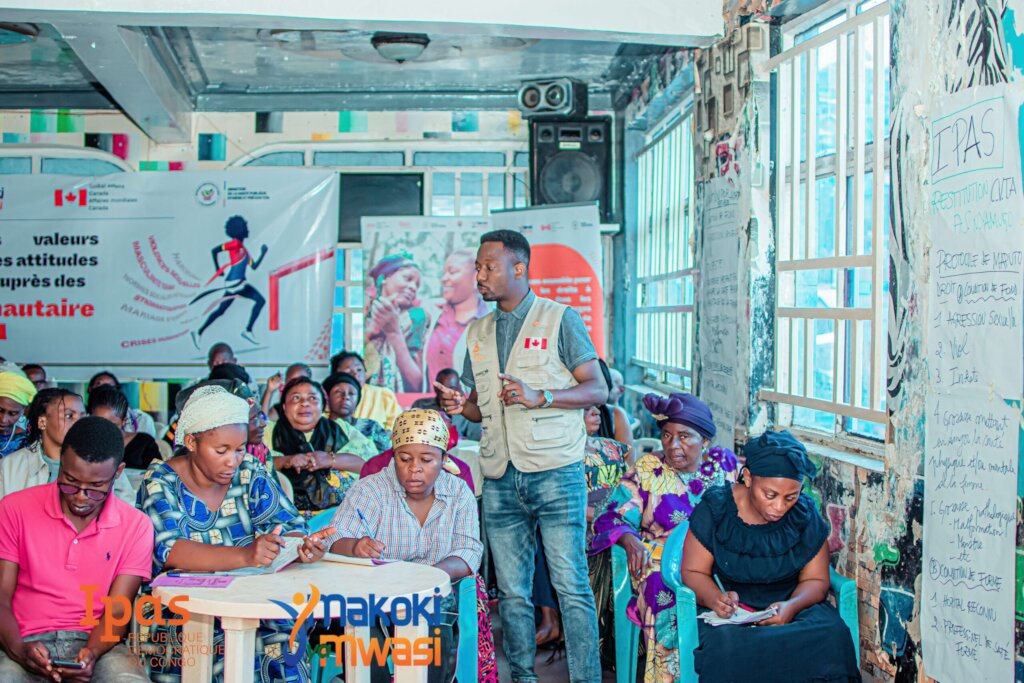
Field visits by community health workershave been reduced due to security concerns, but local coordination has intensified through virtual engagements. Secure and supervised protocols for supply distribution have been implemented, led by health zone officials. Ipas DRC has strengthened communication with service providers, enabling better monitoring and tracking of services. Collaboration with Health Zone Offices continues even in high-risk areas, demonstrating Ipas’s commitment to sustaining reproductive health services under challenging conditions.
Continued Commitment
Despite ongoing disruptions and institutional changes within government partners, Ipas DRC remains focused on its mission. Strategic partnerships with the National Program for Reproductive Health have enabled continued technical and operational collaboration. This adaptive strategy ensures uninterrupted service delivery and reinforces Ipas DRC’s dedication to protecting the rights and health of women and girls in fragile contexts.
![]()
![]() Attachments:
Attachments:
![Share on Twitter]()
![Share on Facebook]()