![Youth Researchers in Zambia]()
Youth Researchers in Zambia
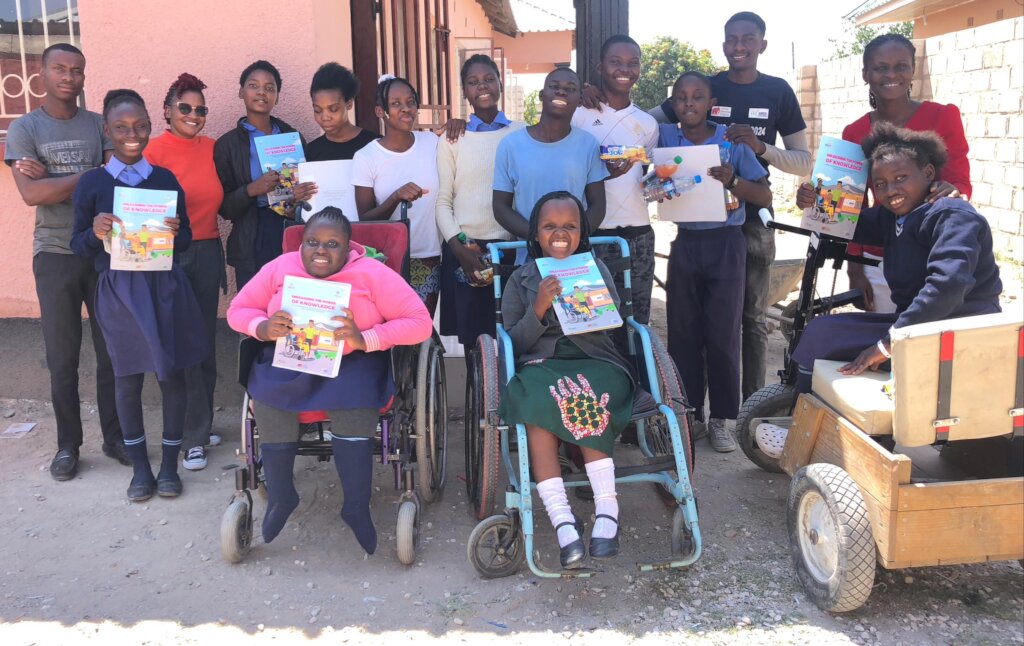
Almost 10 months of research have led us to our findings today on how a community-led organization in Sub-Saharan Africa can end period poverty for girls in their community. However, it is much more complicated than one might think!
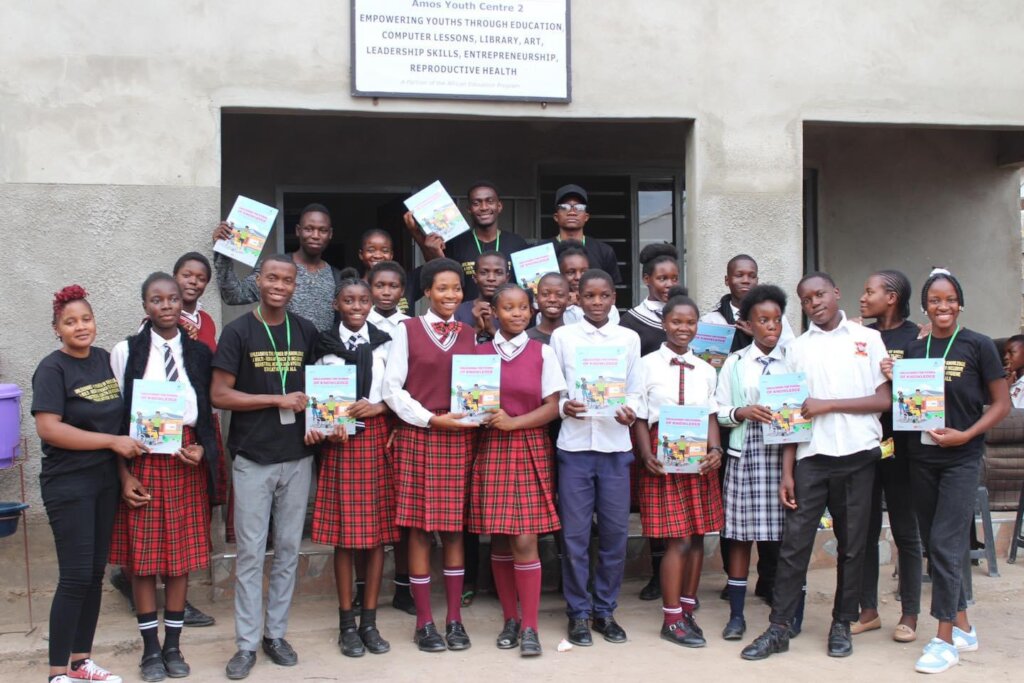
Our flagship Learning & Leadership Center in Kafue, Zambia, named the Amos Youth Centre (AYC), just completed the USAID Youth Excel Research-to-Change grant to formulate, test, and iterate on community-driven solutions for changing the cultural and social taboos surrounding menstrual health and hygiene. The USAID Youth Excel: Our Knowledge, Leading Change program tests and adapts solutions to strengthen menstrual health and hygiene management for girls' education through youth-led “research-to- change” (implementation research) approaches for positive youth development.
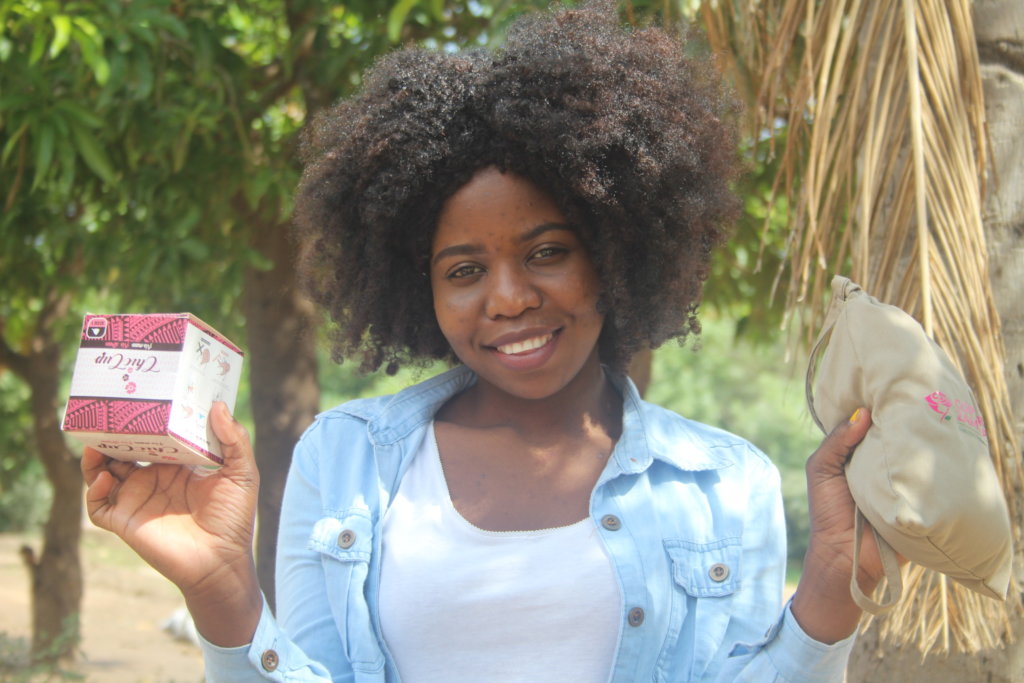
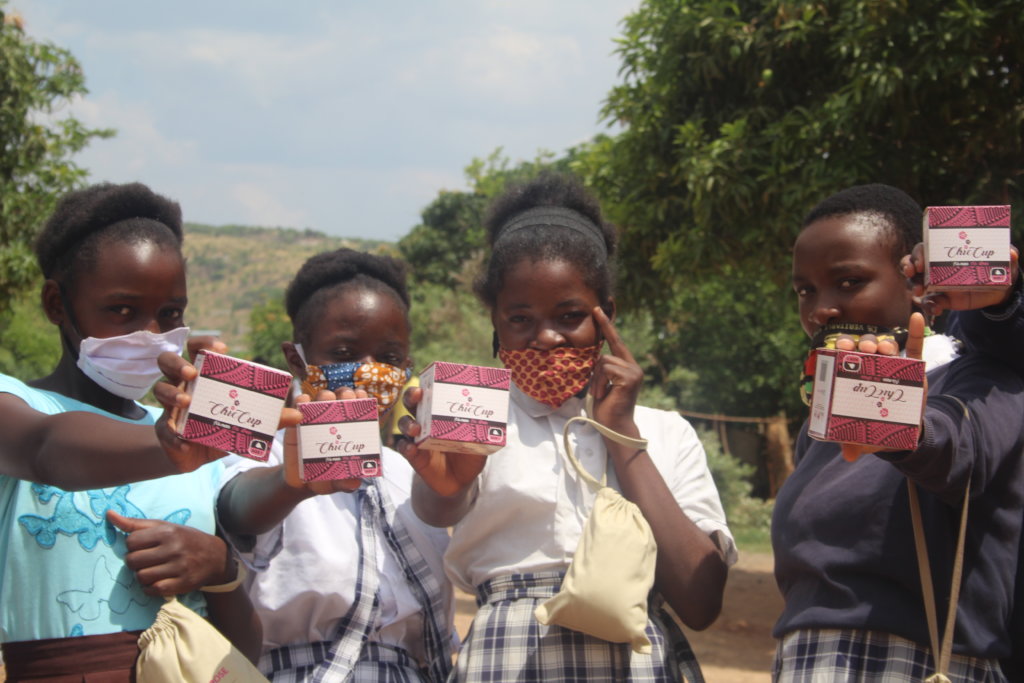
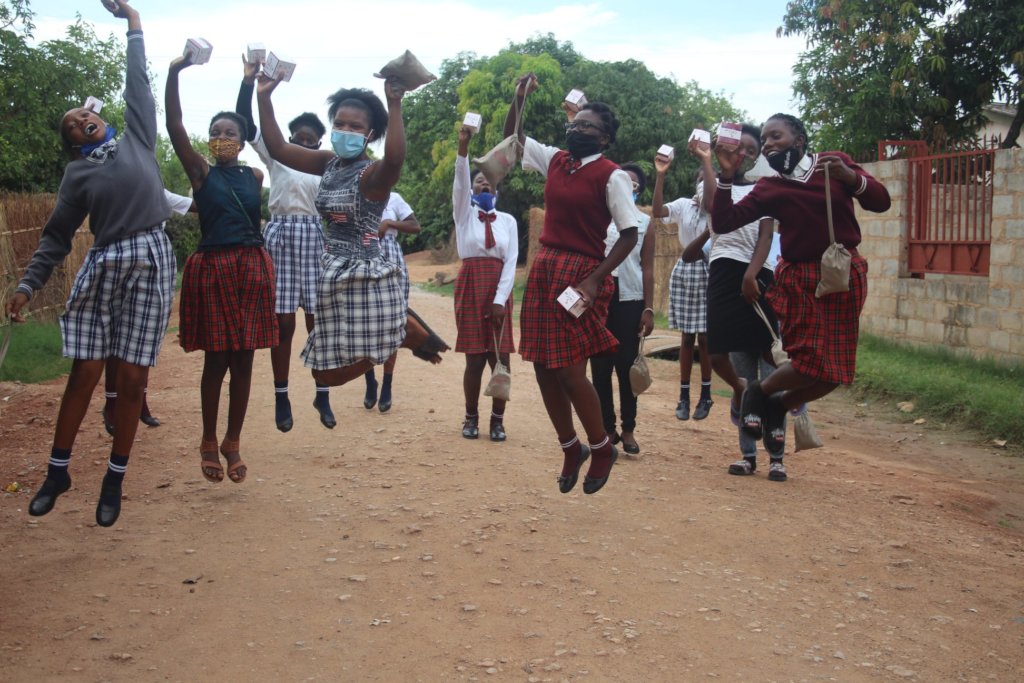
AYC’s Reproductive Health Access Initiative (RHAI) is a 4-year-old program that provides adolescent girls and young women ages 9-25 with a safe and friendly environment to access reusable menstrual products and reproductive health information that they would otherwise go without. The RHAI distributes menstrual hygiene products, i.e., reusable menstrual pads, reusable menstrual cups and period underwear, through product training and menstrual and reproductive health educational workshops and seminars. However, areas of improvement and expansion remain. The RHAI hopes to expand on past lessons and new learning goals identified to continue serving young girls and women to the best of its ability for years to come. This grant has given AYC an opportunity to conduct research in order to learn how to best adjust the program for more effective and efficient implementation.
What were we seeking to learn from our research? To determine whether providing menstrual cups, training and education to students' mothers in the RHAI increases the uptake and use of menstrual cups among girls so that we may increase the number of mothers participating in the RHAI program. Why was this important for our organization and the work that we do? To understand the extent to which the inclusion of parents and guardians at the onset of the menstrual cup distribution increases the acceptance and use of the menstrual cups among participants.
Key Findings:
- The statistics collected indicated that 75% of the mothers who received the menstrual cup and training were not talking about the menstrual cup to their daughters/girls. From our focus group discussions, the mothers mentioned they were not very comfortable with the menstrual cup as it conflicts with cultural beliefs which state that “nothing should be inserted inside a young girl’s vagina (as they believe this will break her virginity)”.
- Lack of communication between mothers and daughters about menarche. 25% of the girls not in our program reported that their mothers do not talk openly about menstrual health and hygiene. Some mothers were not aware that their daughters had started their monthly menstrual cycles. The girls shared that they had not disclosed the onset of their periods to their mothers/guardians due to timidity.
What Did We Learn from the Data?
It was observed that most of the girls from the community had little or no knowledge about the menstrual cup. It was discovered that there is room for improvements/research in distribution of more convenient menstrual hygiene products to persons with mobility impairment, i.e., menstrual cups may not be the right fit or user friendly for all girls.
The findings that were surprising to us? Girls that have received a menstrual cup reported increased participation in school activities because they did not have to “make trips” to the bathroom for a quick change during school hours. Many schools still lack adequate bathrooms and many girls were leaving school grounds and going home to change -- often not returning. Girls on the program also reported a reduction in school absenteeism due to access to free menstrual hygiene products.
What's Up Next?
- Increasing Access and Options: In collaboration with local partners like Pride Community Health Organization (PRICHO), we're unlocking access to inclusive, judgment-free reproductive health consultations, pregnancy and HIV testing, contraception, and educational materials.
- Promoting Peer Education: To amplify the impact of the RHAI, the Learning & Leadership Center partners with Gold Youth Development Agency to train our youth as peer educators so they can teach their fellow students about reproductive health, contraception, teenage pregnancies, HIV prevention, and self-esteem — and further drive community-led change.
- Creating Girls' Agency: Guided by our belief that access to modern menstrual health knowledge and supplies changes lives, we distribute reusable cups, pads, and period underwear, and empower girls at the Learning & Leadership Center to choose what works best for them. The freedom of choosing the product they use is vital for creating girls’ agency and lifting them up to participate fully in their education and in public life.
- Empowering Boys: Recognizing that boys, girls, women, and men can all participate in community-led change, the Boys Talk Club meets weekly at the Learning & Leadership Center to educate boys about gender equity, reproductive / menstrual health, and how they can empower girls and women.
Our Work: Shifting Community Perspectives. We believe that community members are best-positioned to create sustainable change, so we’re working with family members in the community to start a dialogue and to shift perspectives on menstrual health, contraception, and reproductive rights.
Thank you for your support of our work!
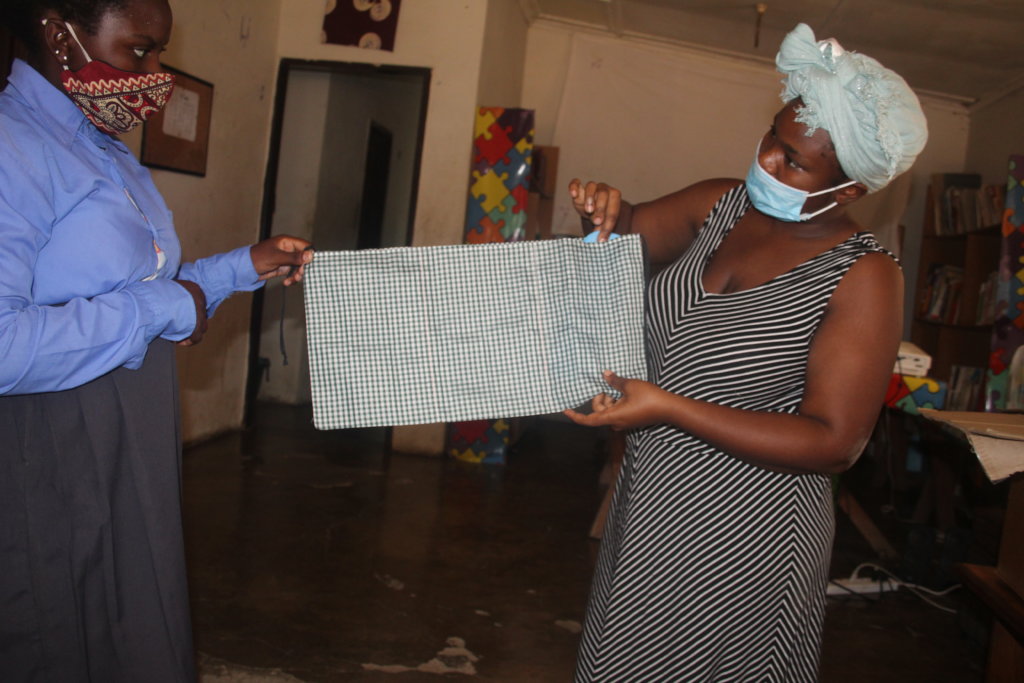
![One on One Interviews]()
One on One Interviews
![Focus Group Discussions]()
Focus Group Discussions
![MHH Discussion on Menstrual Cups]()
MHH Discussion on Menstrual Cups
Links: