By Megumi Ito | Researcher
Thank you very much for your continued support of the SMILE Ghana Project. My name is Megumi Ito, and I am a researcher at ACE.
ACE is implementing the SMILE Ghana Project in cocoa-producing areas of Ghana, working to protect children from hazardous child labour and support their education.
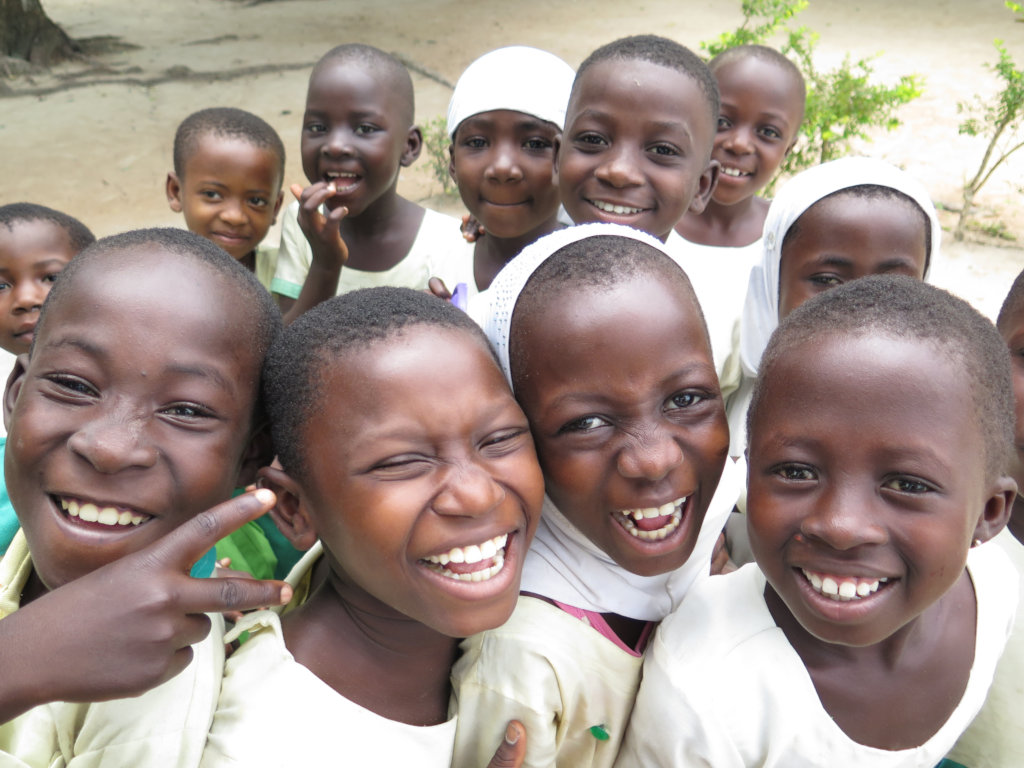
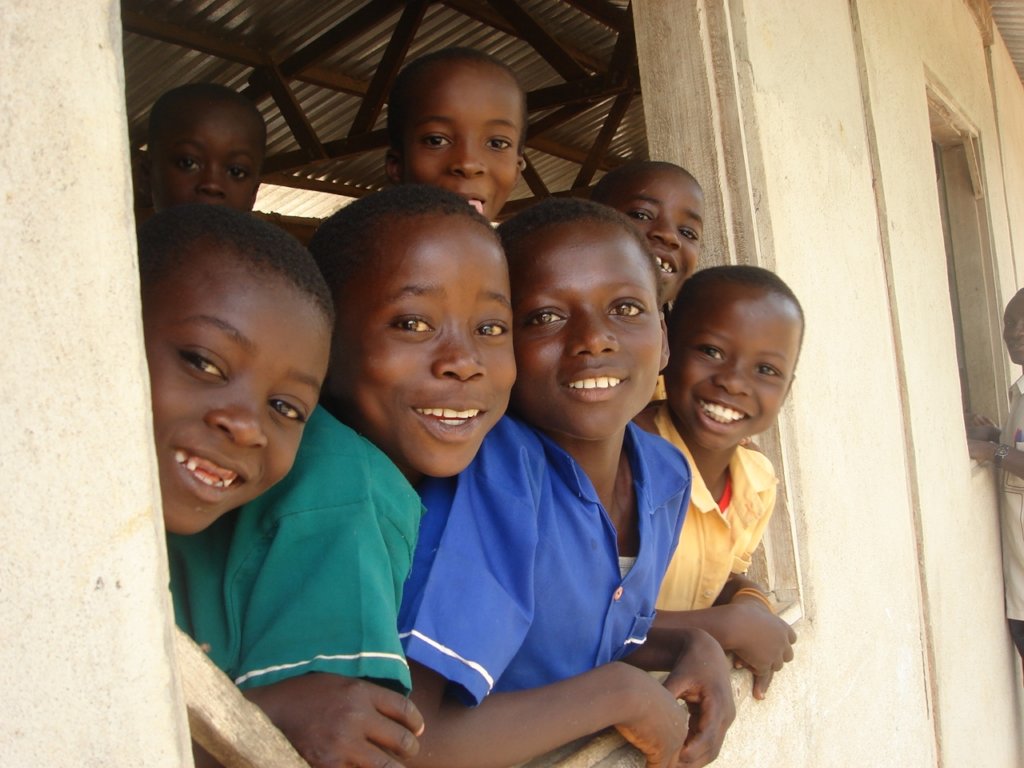
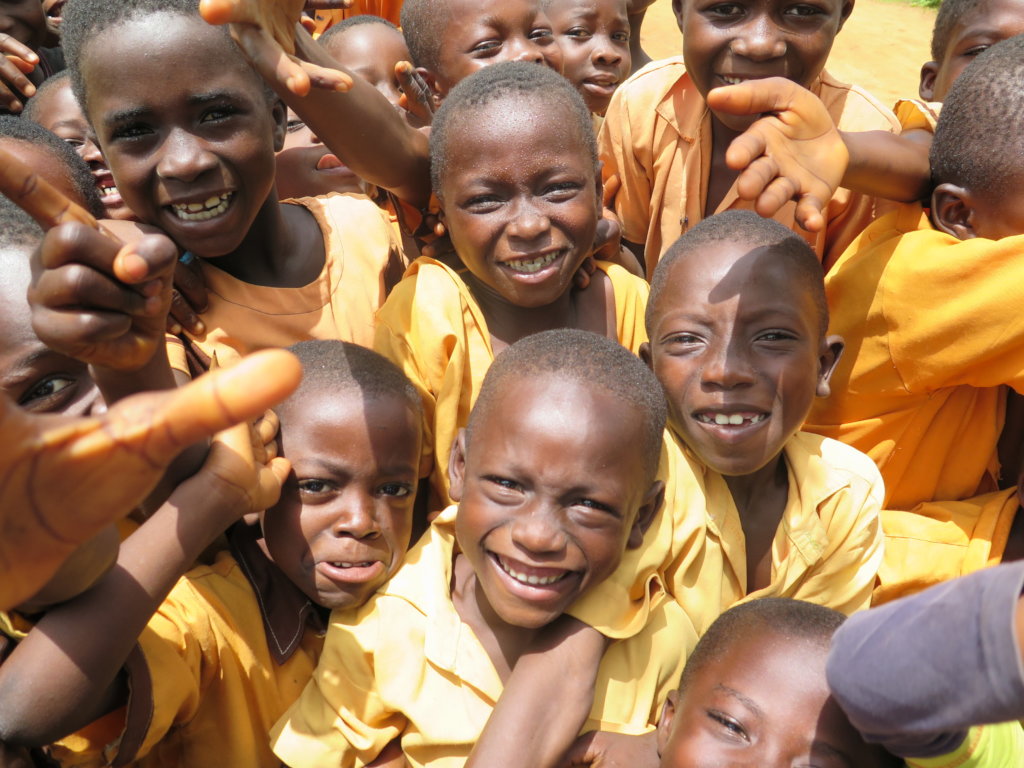
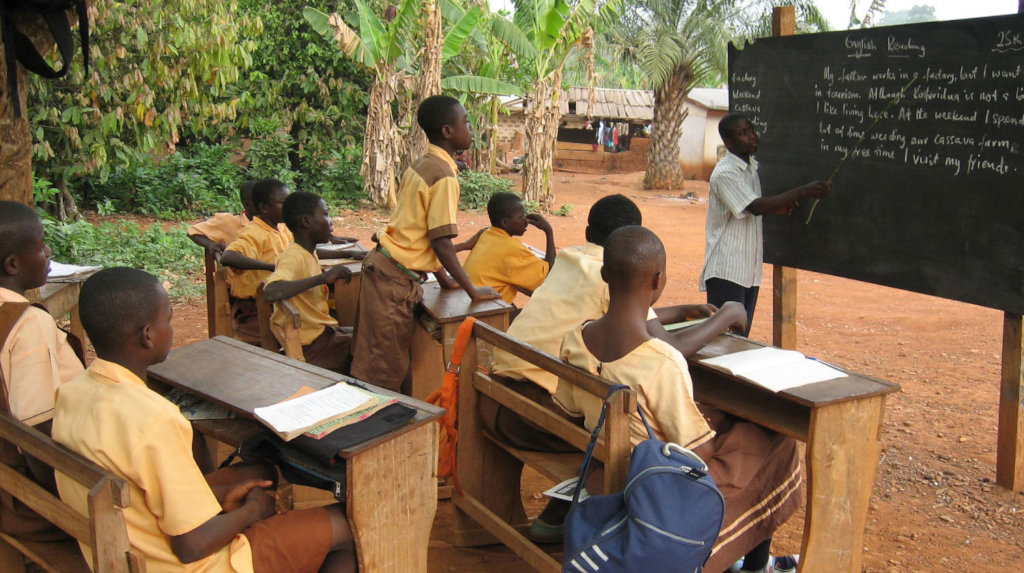
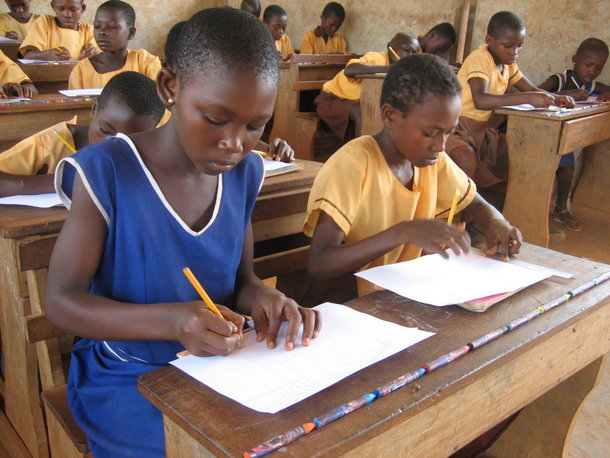
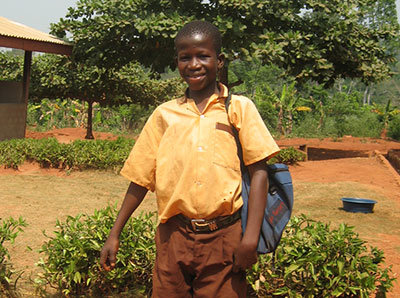
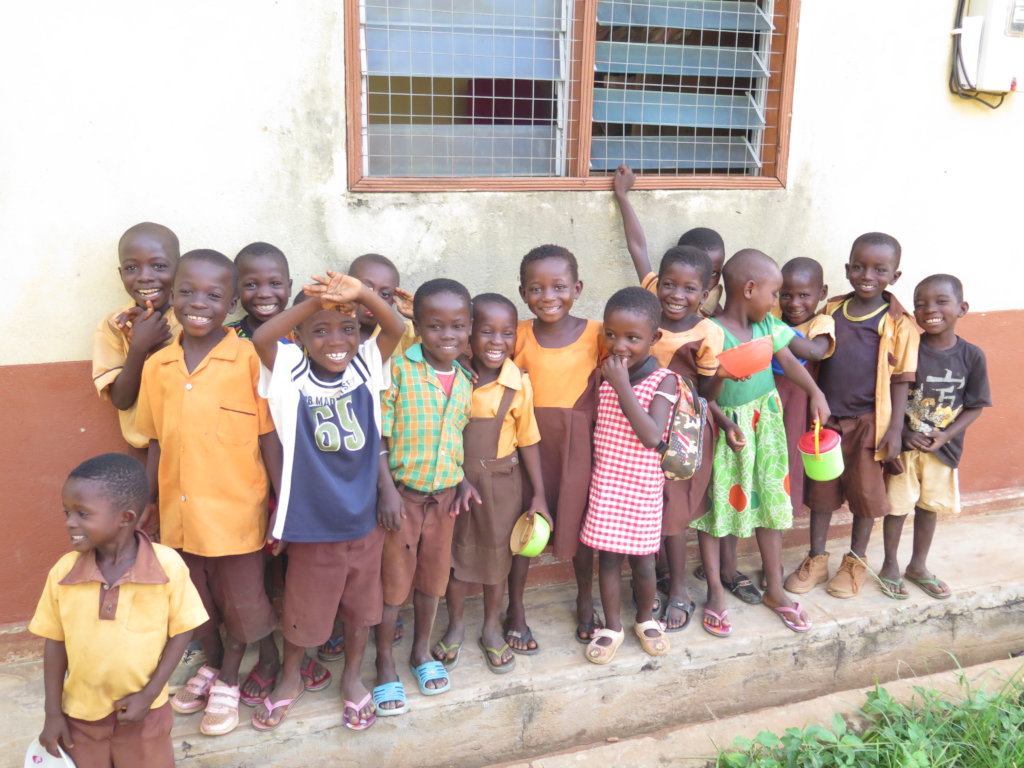
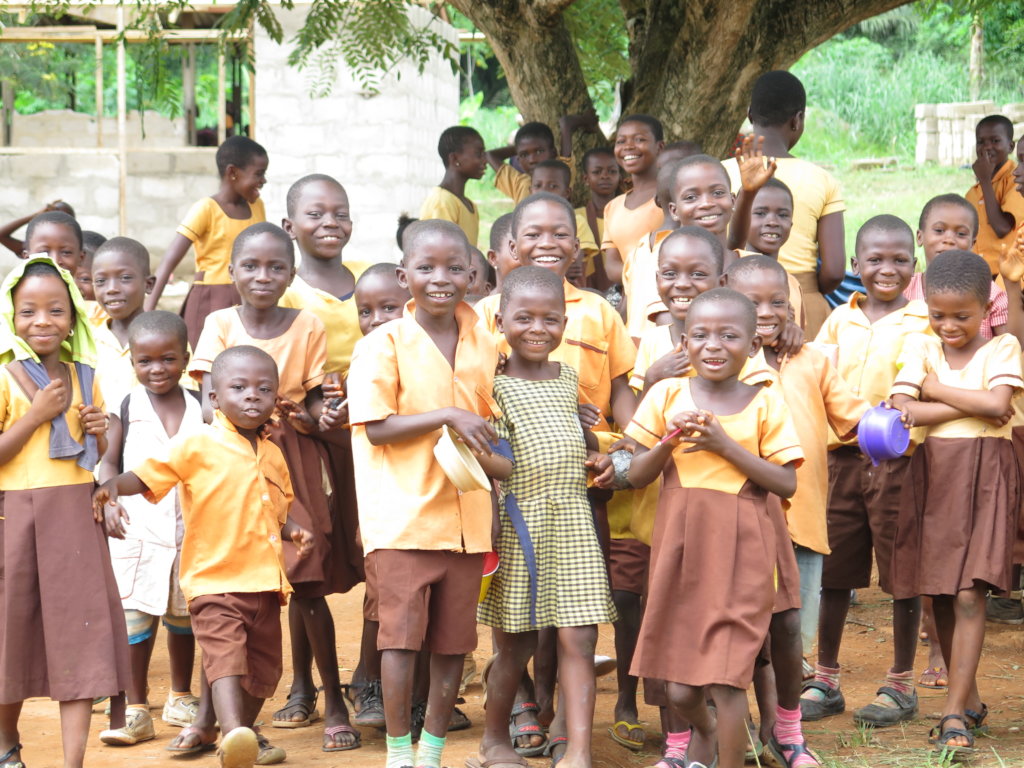
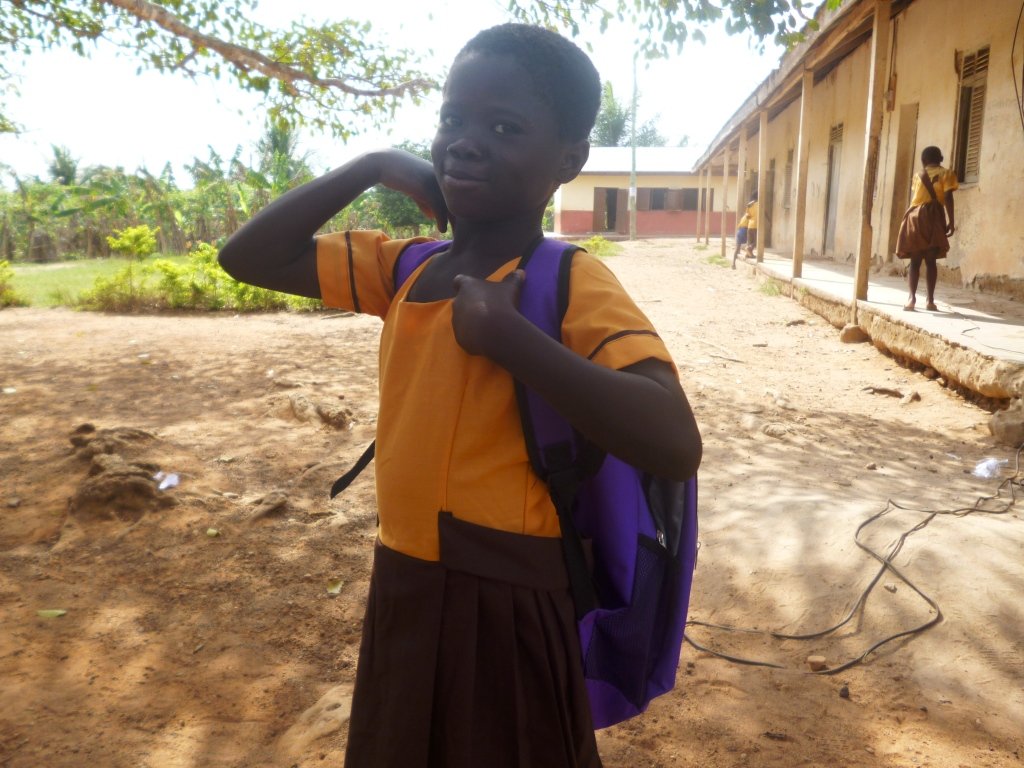
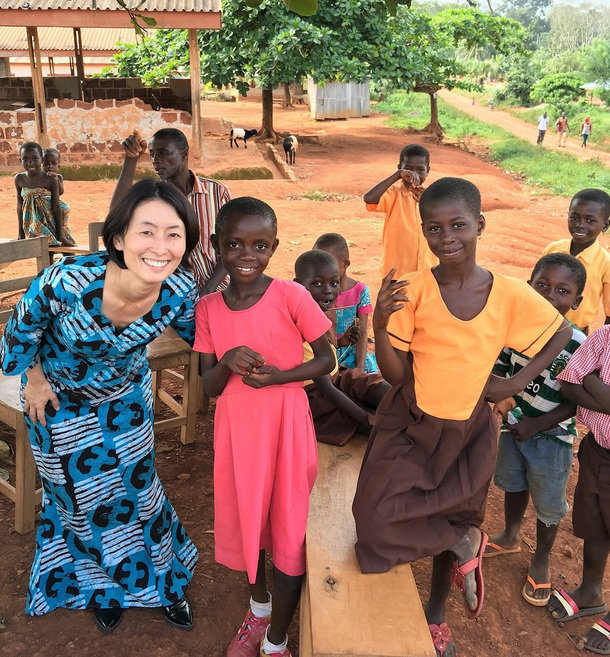
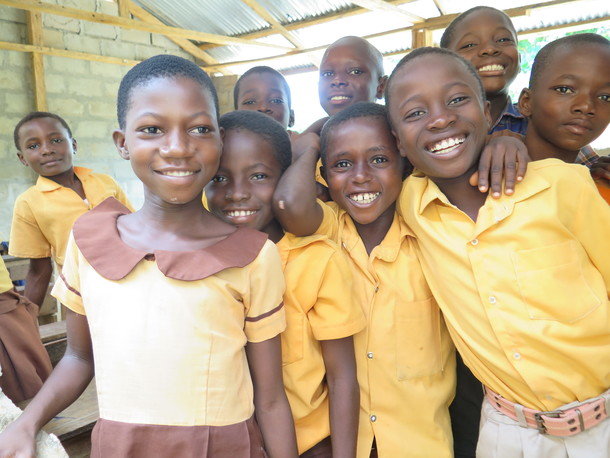
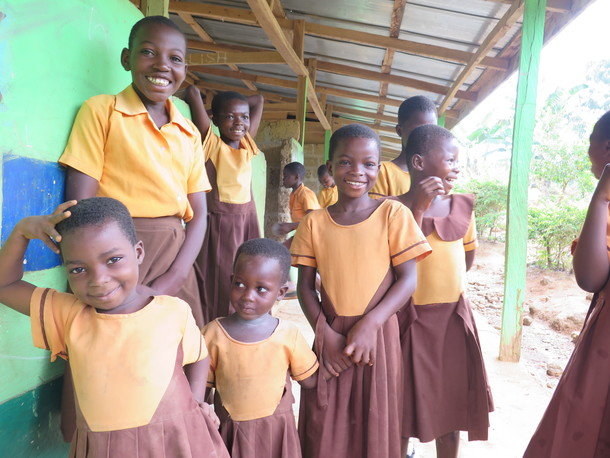
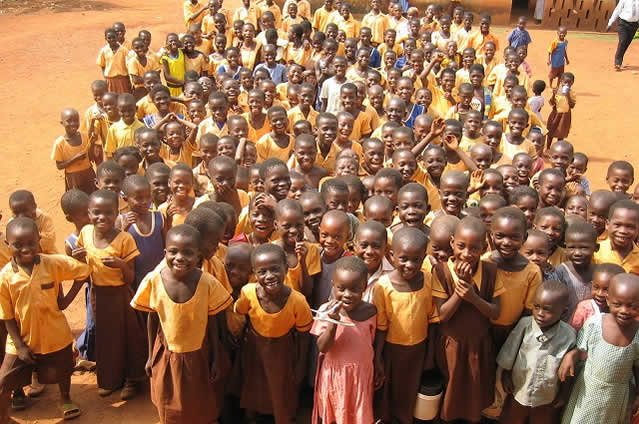
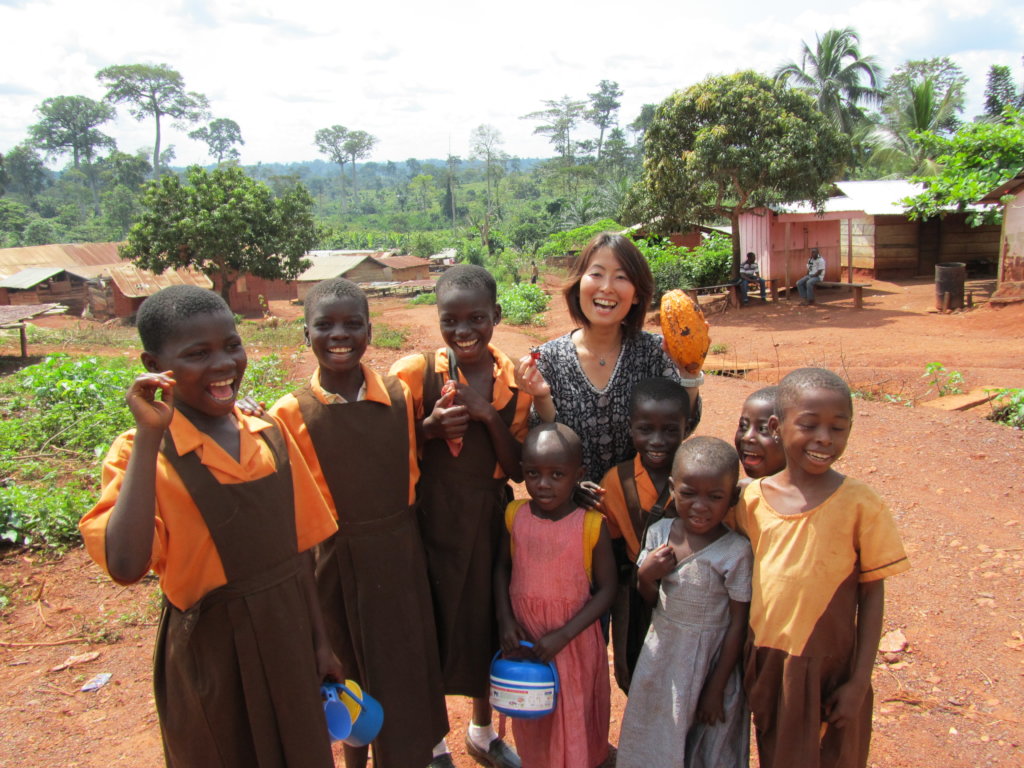
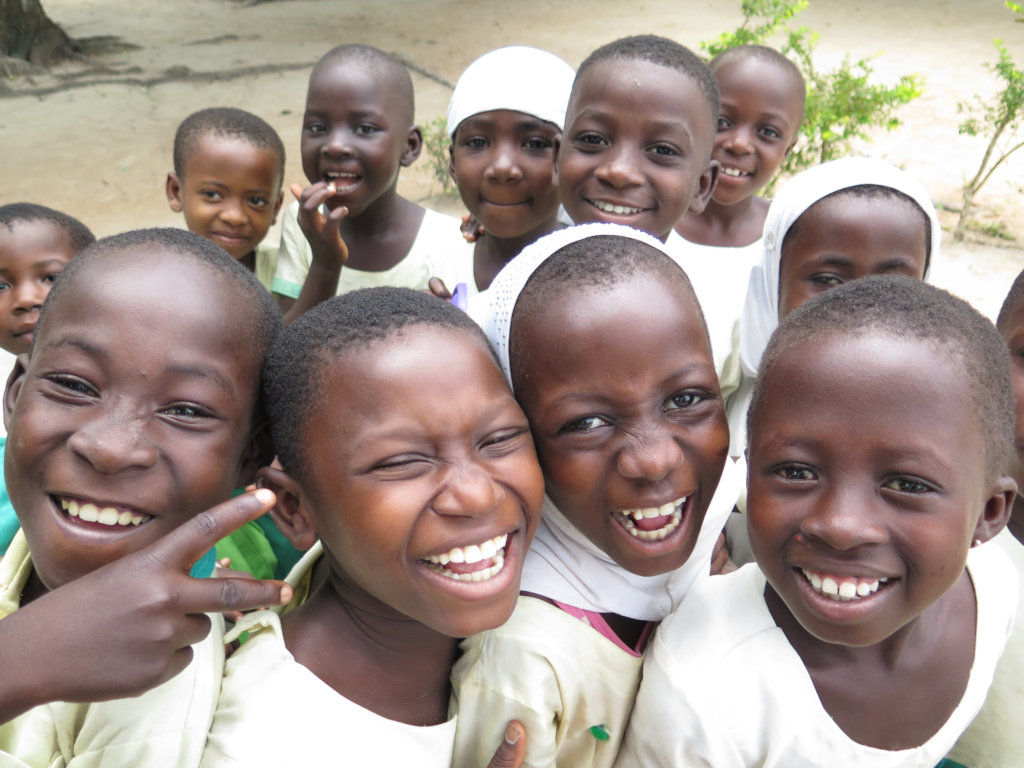
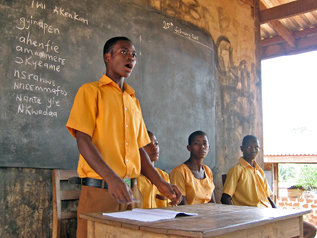
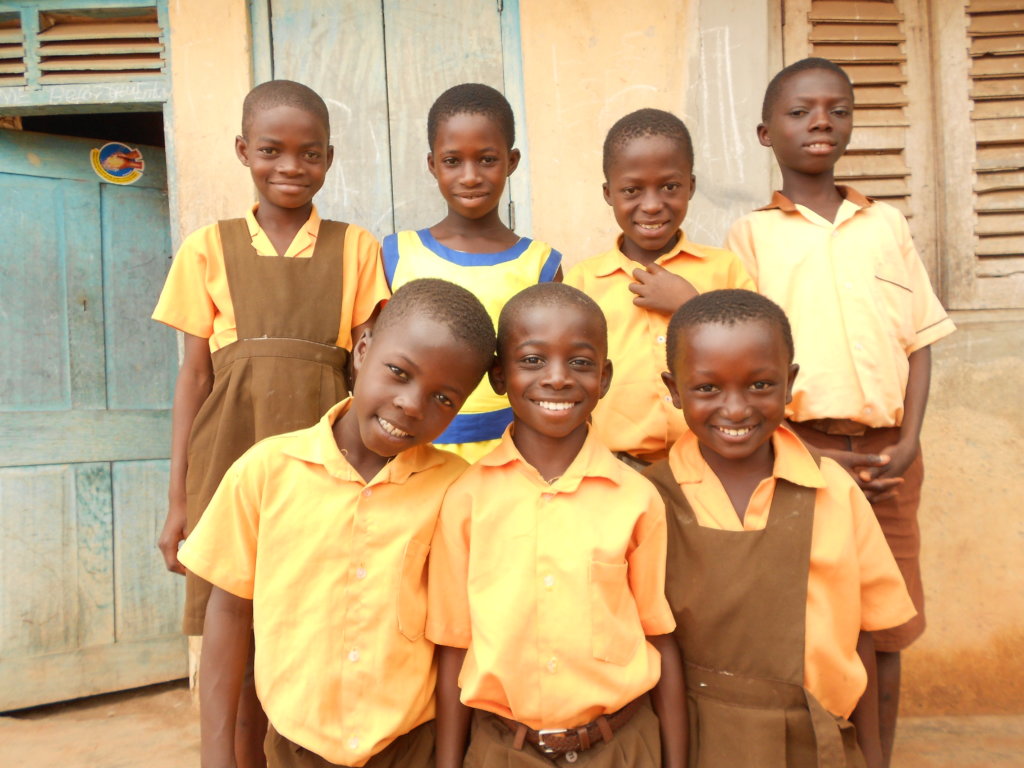
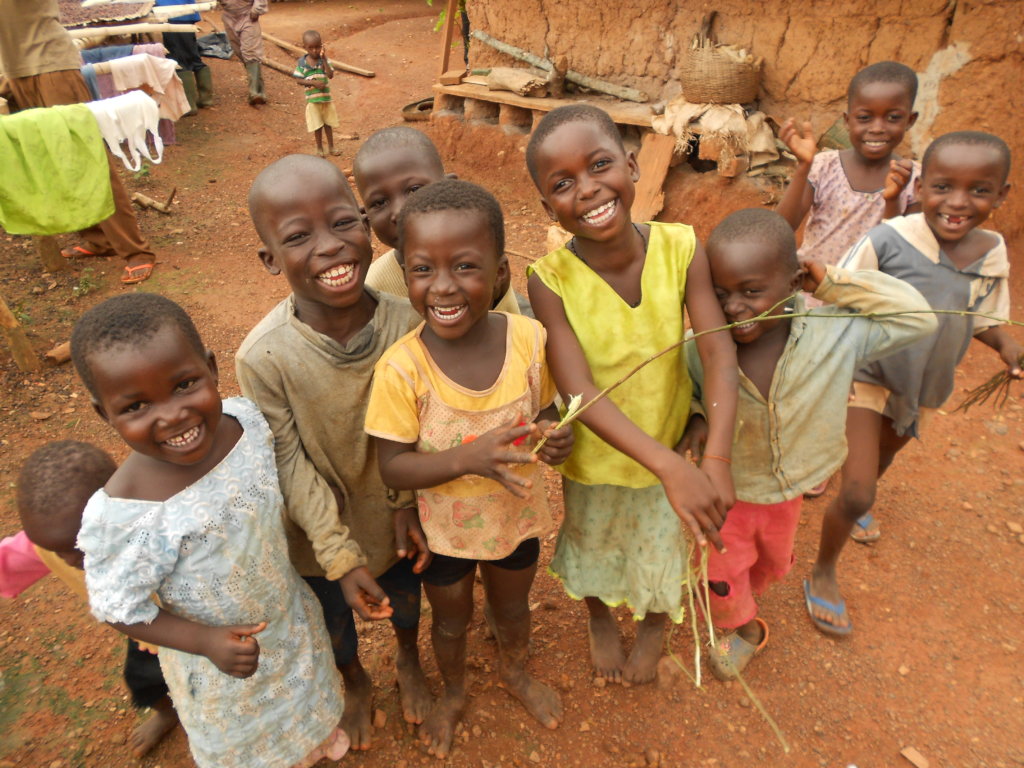
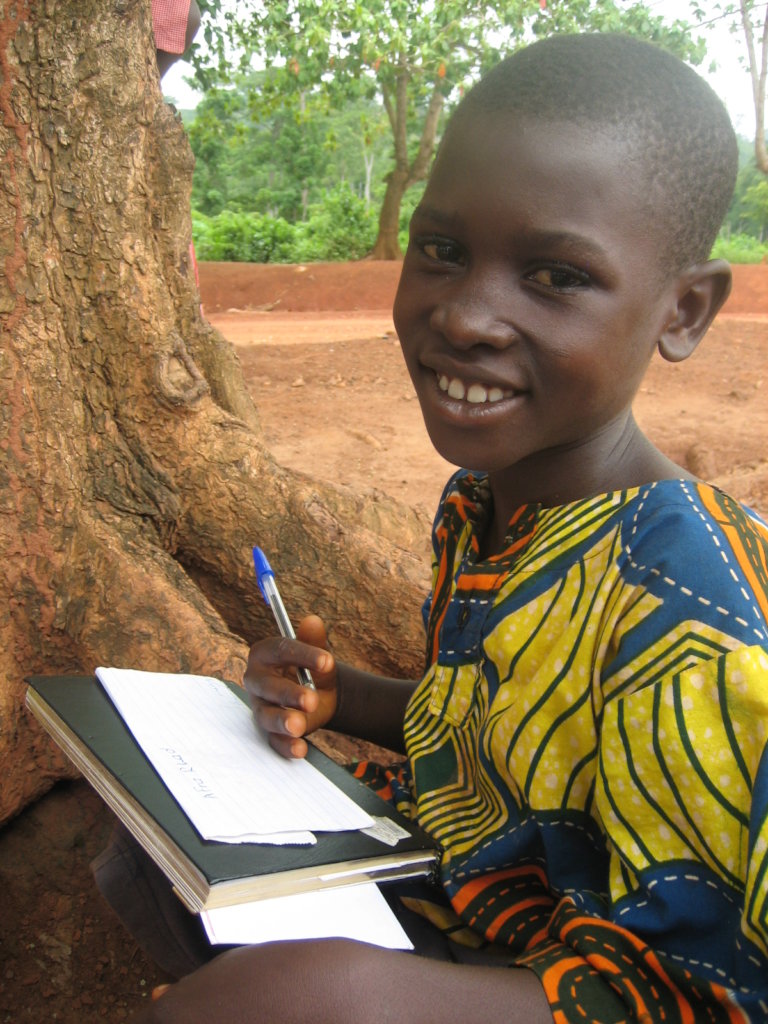
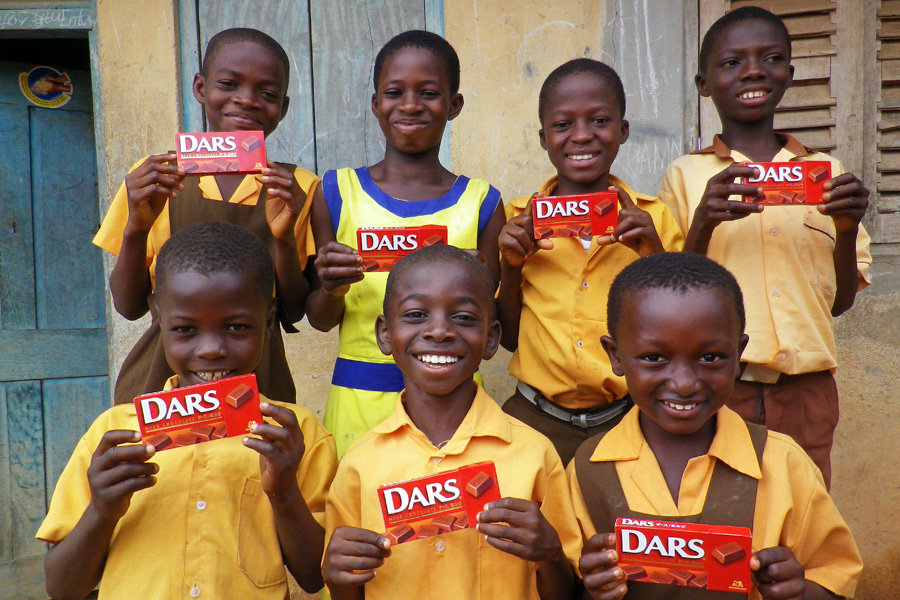
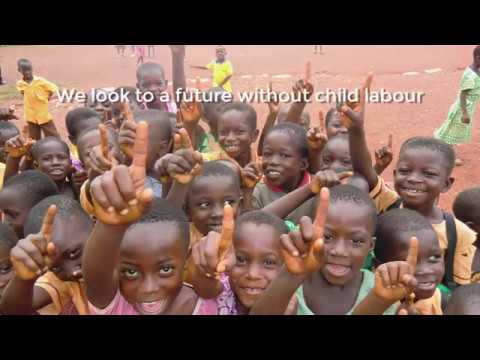
In March, I visited two communities that have completed the SMILE Ghana Project. At the schools we visited, the children greeted us with smiles. Some answered shyly when asked about their lessons, while others jumped with excitement at having guests—fondly watched over by members of the Community Child Protection Committee (CCPC).
Witnessing this, I deeply felt that “the children’s sense of security exists because of the community’s vigilance.” In this report, I would like to introduce the work of the CCPC, which plays a central role in protecting children in Ghana through the SMILE Ghana Project.
The Community Mechanism Supporting Children: Community Child Protection Committee (CCPC)
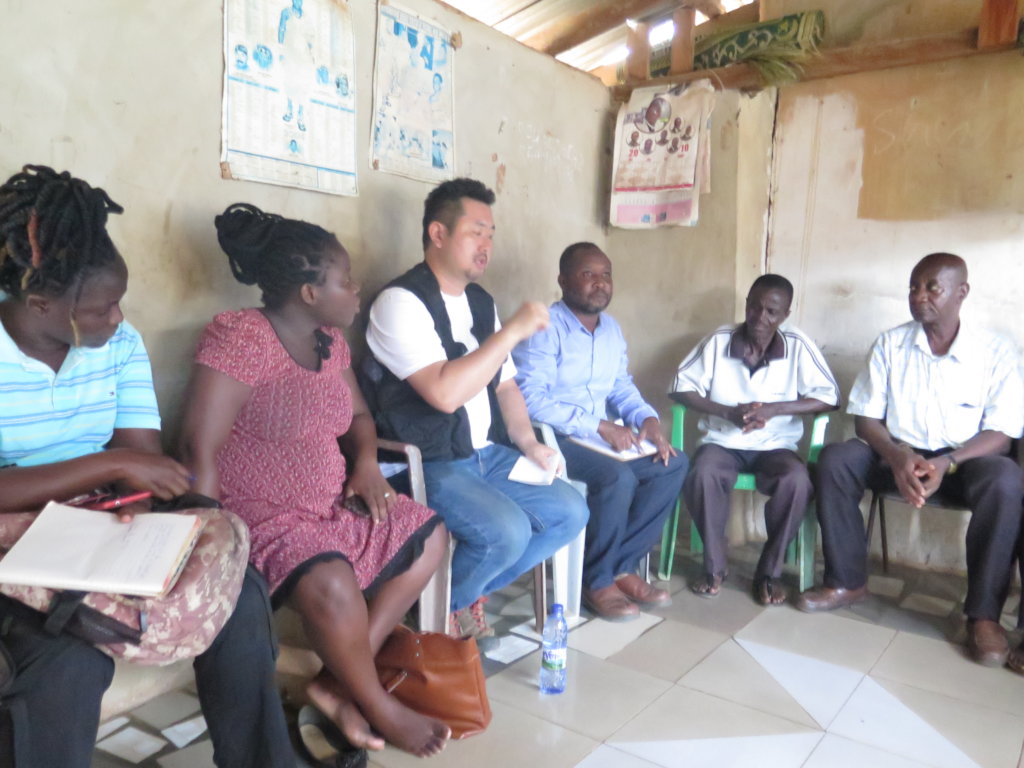
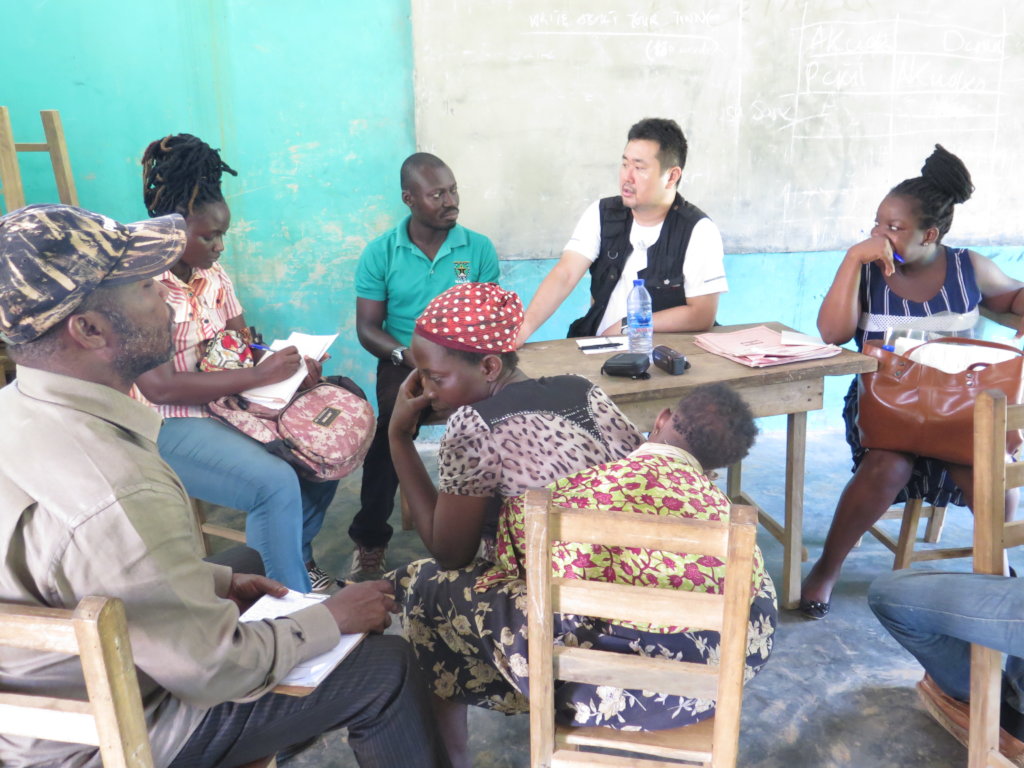
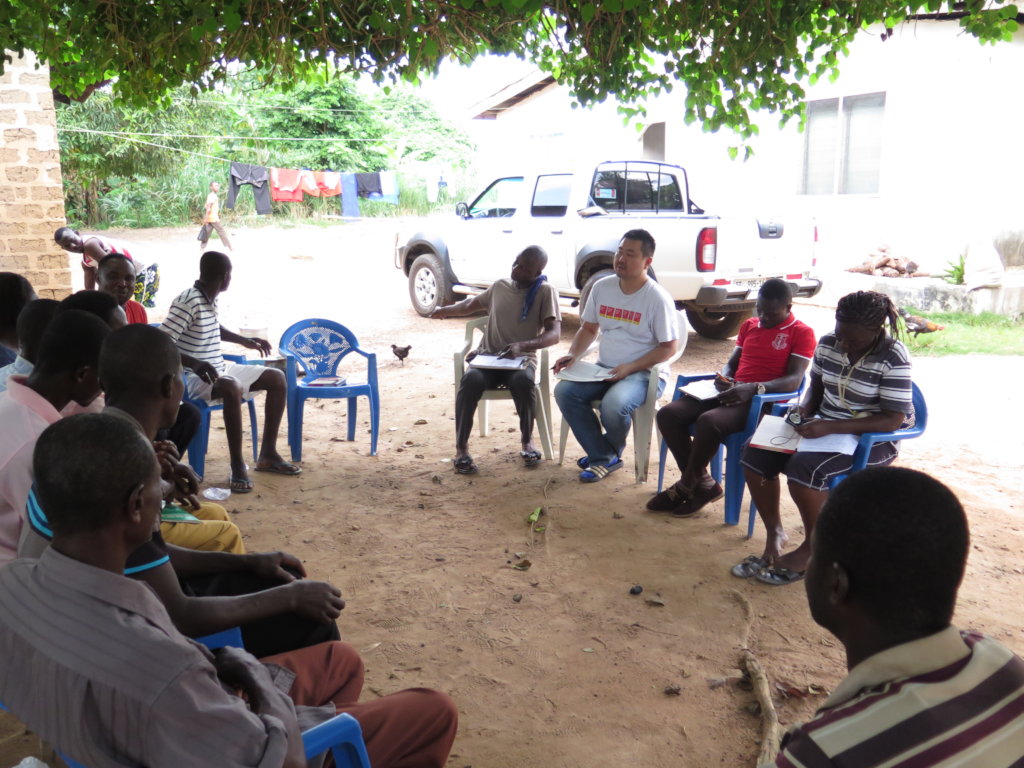
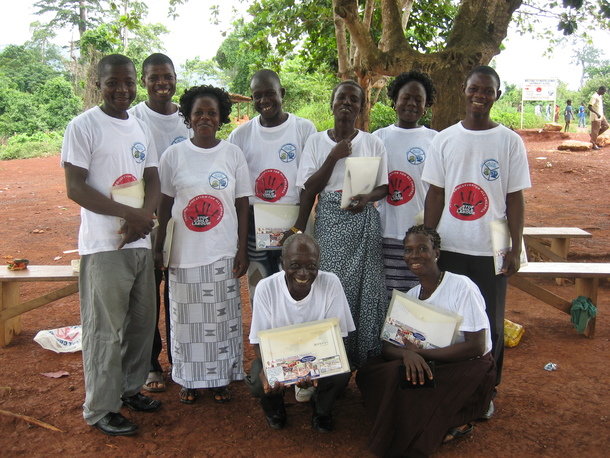
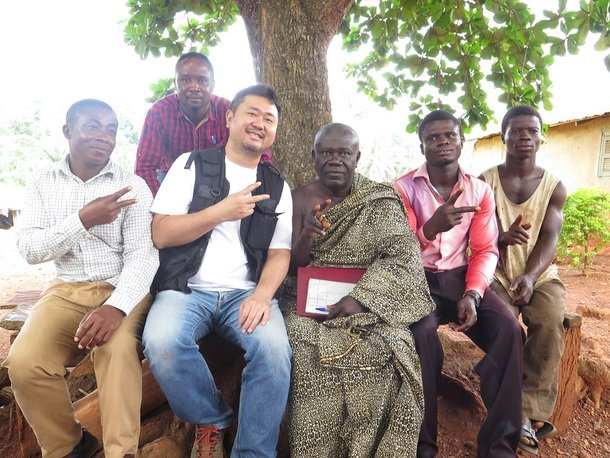
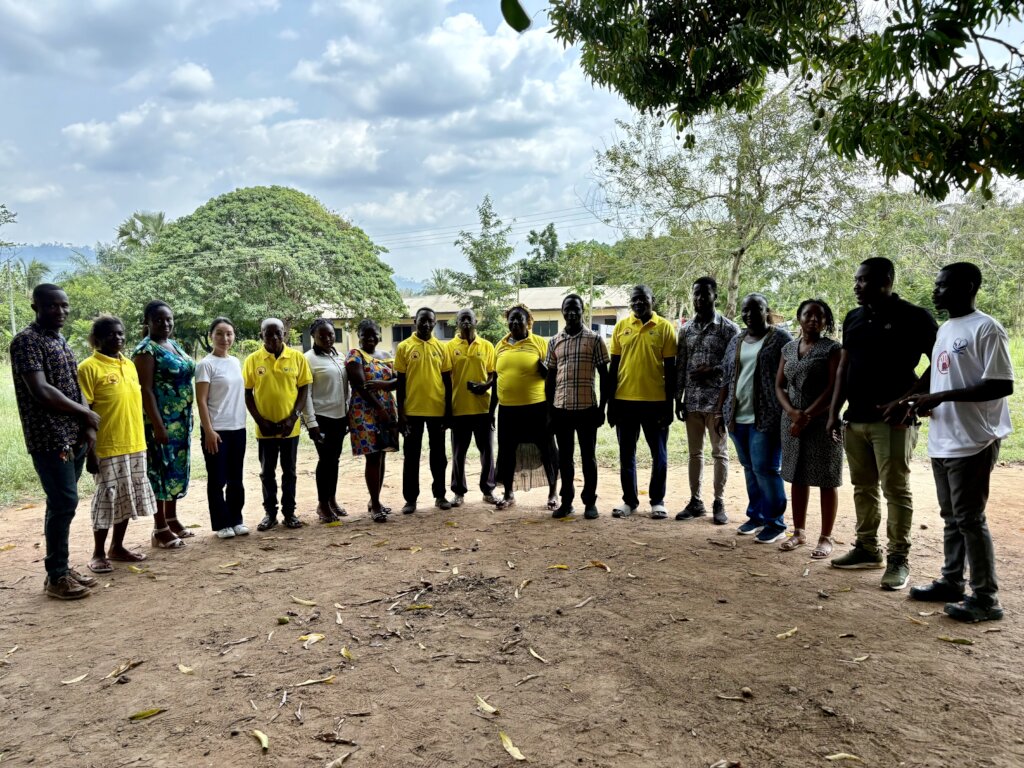
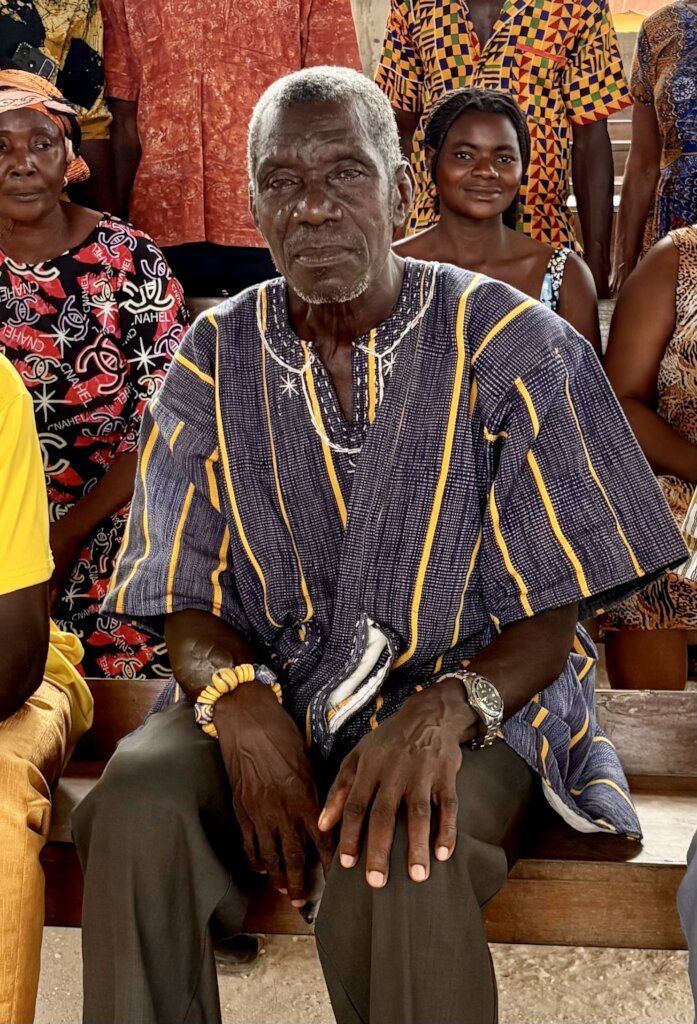
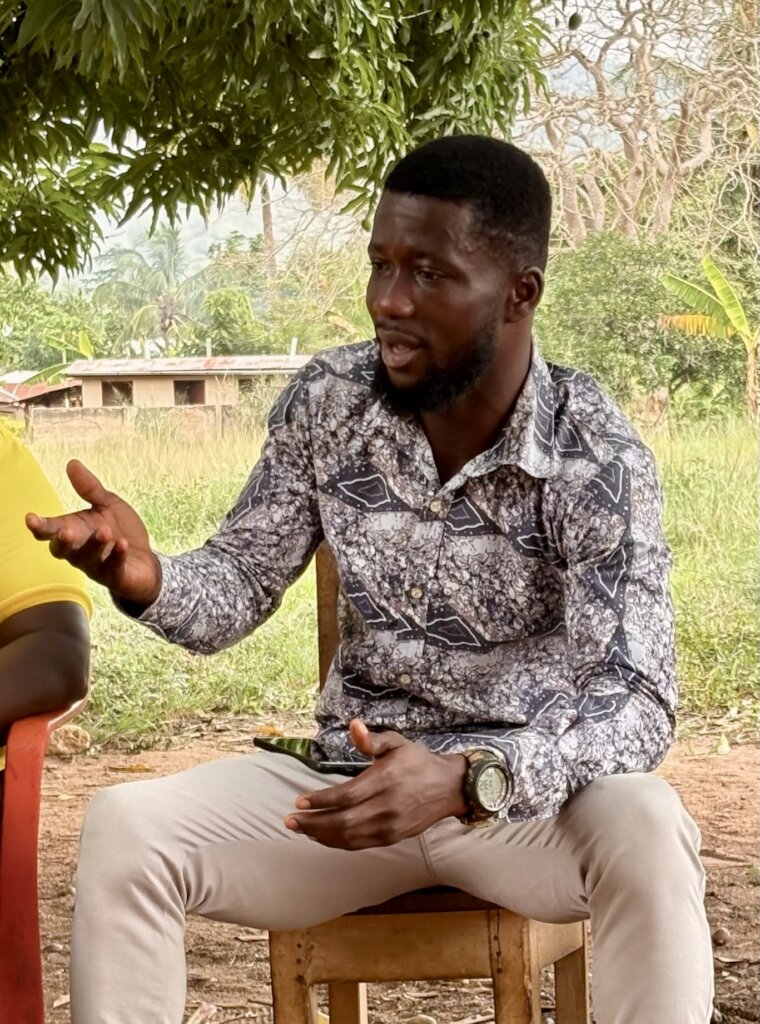
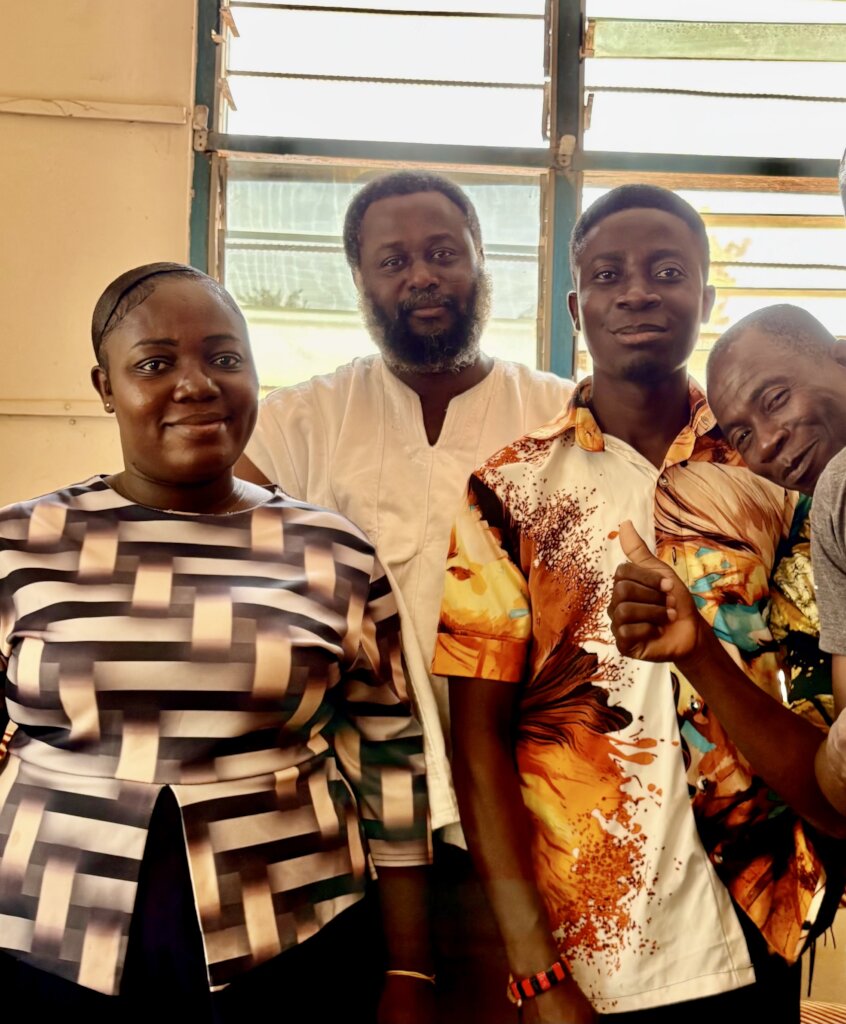
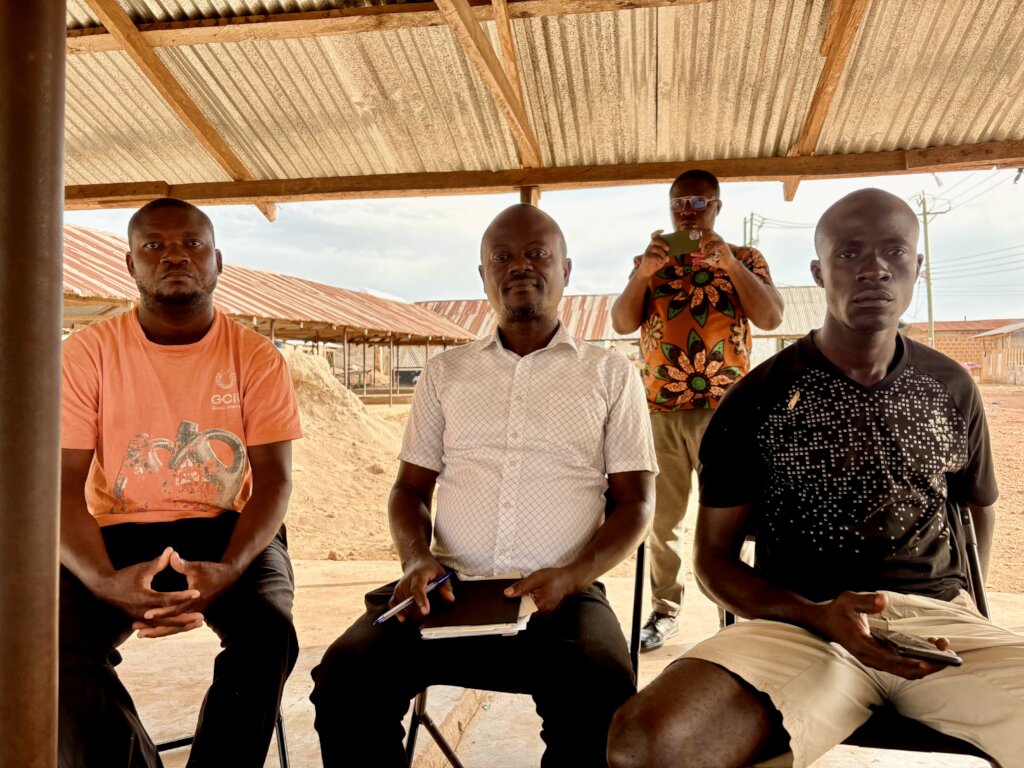
The CCPC is a volunteer organization within the community, established to prevent child labour and safeguard children. Its members include the village chief, queenmother (a traditional female leader), religious leaders, educators, and local councilors—ensuring that child protection is a shared community responsibility.
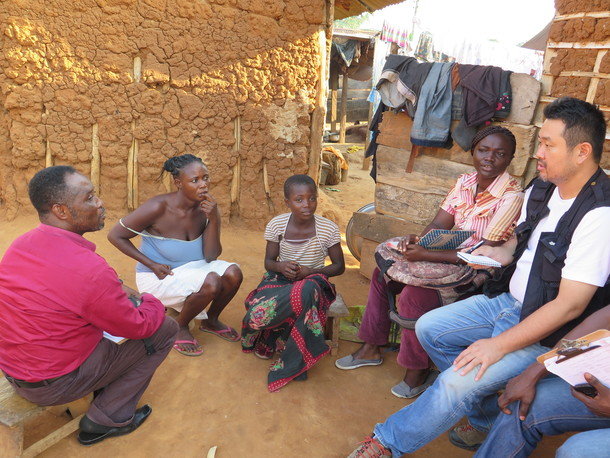
The CCPC regularly patrols the community to check whether any children are engaged in child labour and visits households where children are frequently absent from school.
For example, they address cases such as:
Through home visits, the CCPC learns about each family’s circumstances. Based on the needs identified, they may provide school supplies or persuade parents to send their children to school.
However, the community alone cannot address all challenges. Improving school infrastructure and increasing household income require collaboration with government and external organizations. Therefore, under the SMILE Ghana Project, ACE supports CCPCs by strengthening their connections with district-level administrative bodies. For example, we assist CCPCs in developing and updating community action plans. Documenting local issues, needs, and priorities in a formal plan helps estimate funding requirements and secure support from government agencies and external partners.
Community Leaders
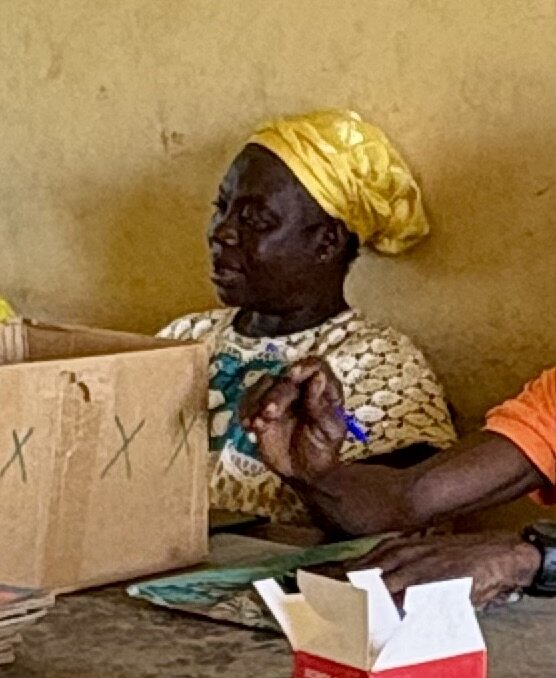
The CCPC includes key community leaders who each contribute to protecting children and improving education in their respective roles:
Reflections on Visiting Ghana
I was deeply moved by the community-wide support embodied by the CCPC. Such cohesive local involvement in child welfare is rare in Japan today. Even when families face difficulties, information is often not shared between homes, schools, and local governments.
During my own childhood in rural Japan, neighbors naturally looked after each other’s children—bringing snacks when mothers were away or helping with childcare during commutes. That warm, forgotten memory came rushing back as I observed the caring scenes in Ghana, filling my heart with nostalgia and hope.
Thanks to your generous support, the SMILE Ghana Project will continue to create safe and nurturing environments for children through the tireless work of CCPCs.
We will continue to share the voices and faces of Ghanaian children and their communities, inviting you to reflect with us on how to build compassionate societies—both in Ghana and in Japan.
We deeply appreciate your ongoing, warm support.
Project reports on GlobalGiving are posted directly to globalgiving.org by Project Leaders as they are completed, generally every 3-4 months. To protect the integrity of these documents, GlobalGiving does not alter them; therefore you may find some language or formatting issues.
If you donate to this project or have donated to this project, you can receive an email when this project posts a report. You can also subscribe for reports without donating.



Support this important cause by creating a personalized fundraising page.
Start a Fundraiser