By Lijimol | Project Leader
The months of November-January had a mix of slow pace and in depth understanding of child rights and other themes. Thus, activities were crafted with utmost care and interesting for children to connect to these sessions, without feeling too abstract.
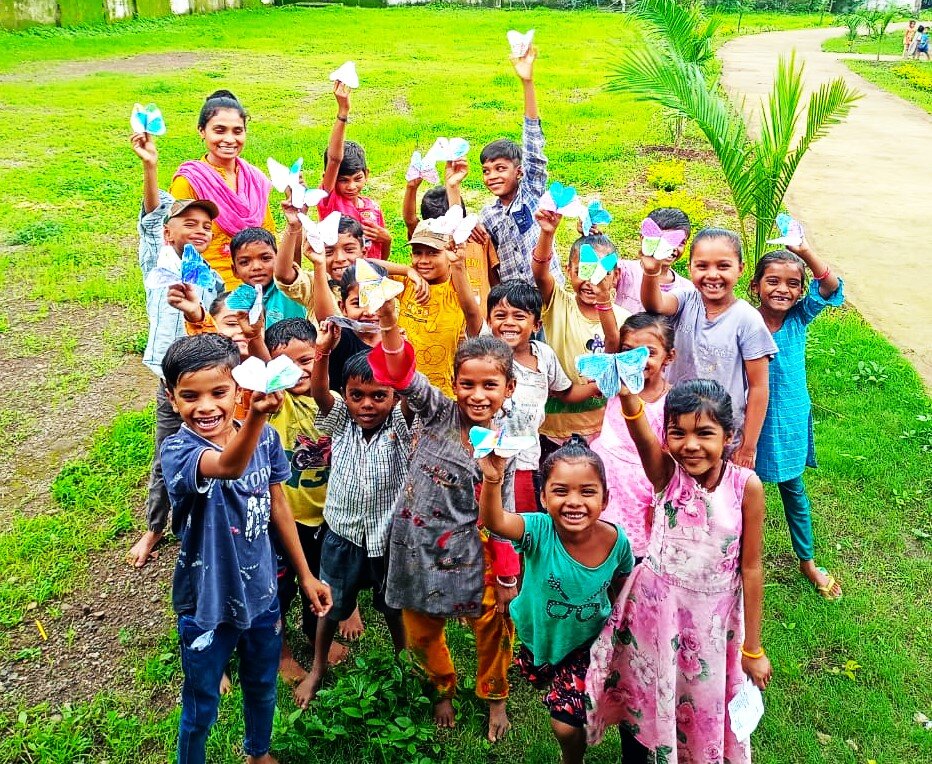
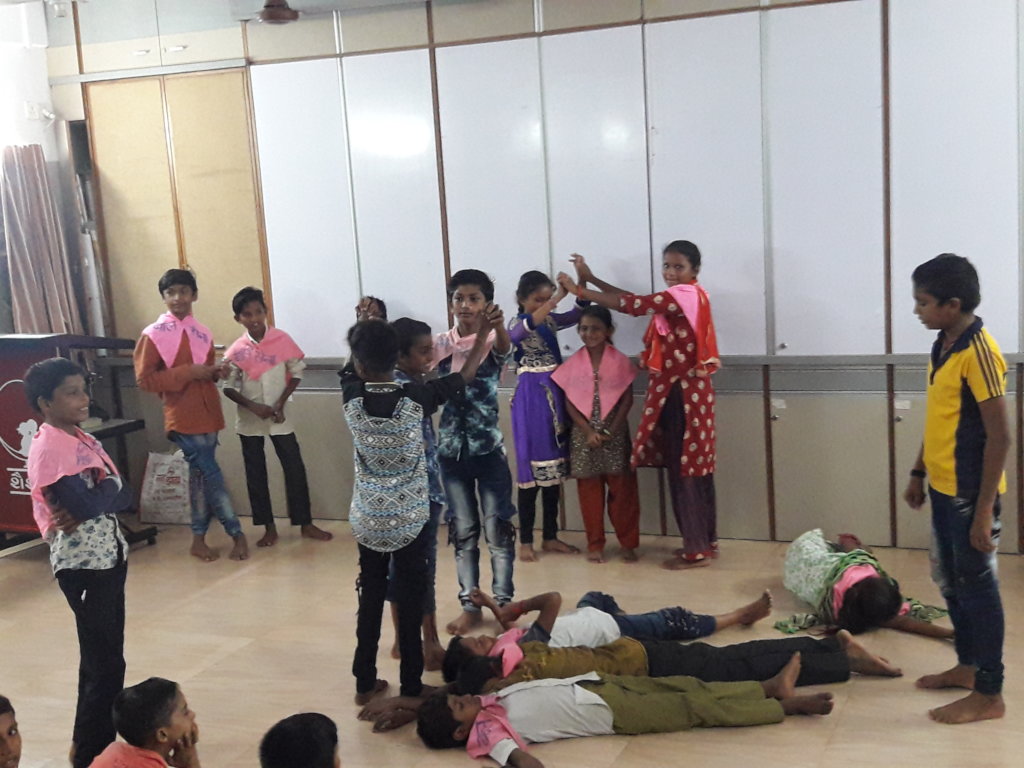
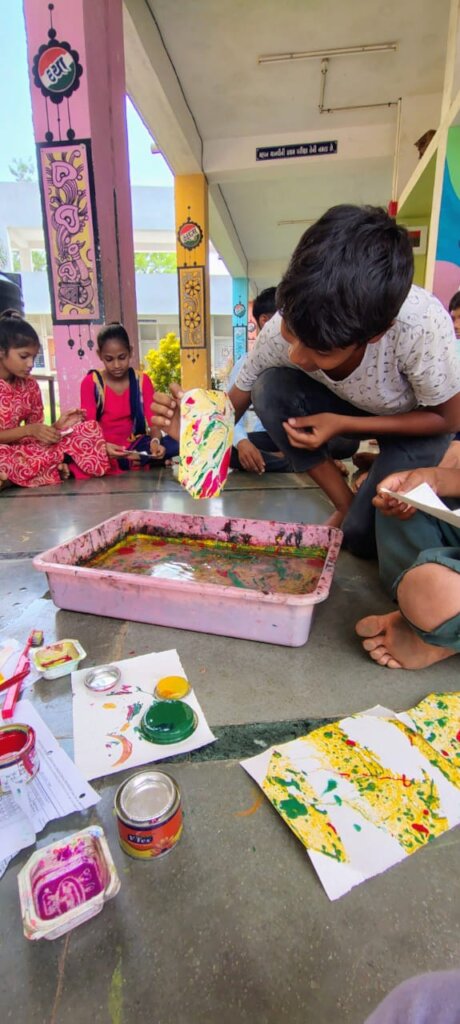
After children came from their Diwali vacation, we set the pace with fun science experiments and hands on activities. This was followed by celebration of Child Rights Week Celebration (CRW) from 14th-21st November. A set of activities including am movie screening (Neighbours), a skit by facilitators, a demonstration and finally a patriotic song explored the ideals of fraternity, non-violence, humanity and living together peacefully irrespective of differences.The Balsena children in Bhavnagar came up with this proposition of doing the CRW under the themes of peace and communal harmony because of growing instances of violence in the country.
Learning Computer
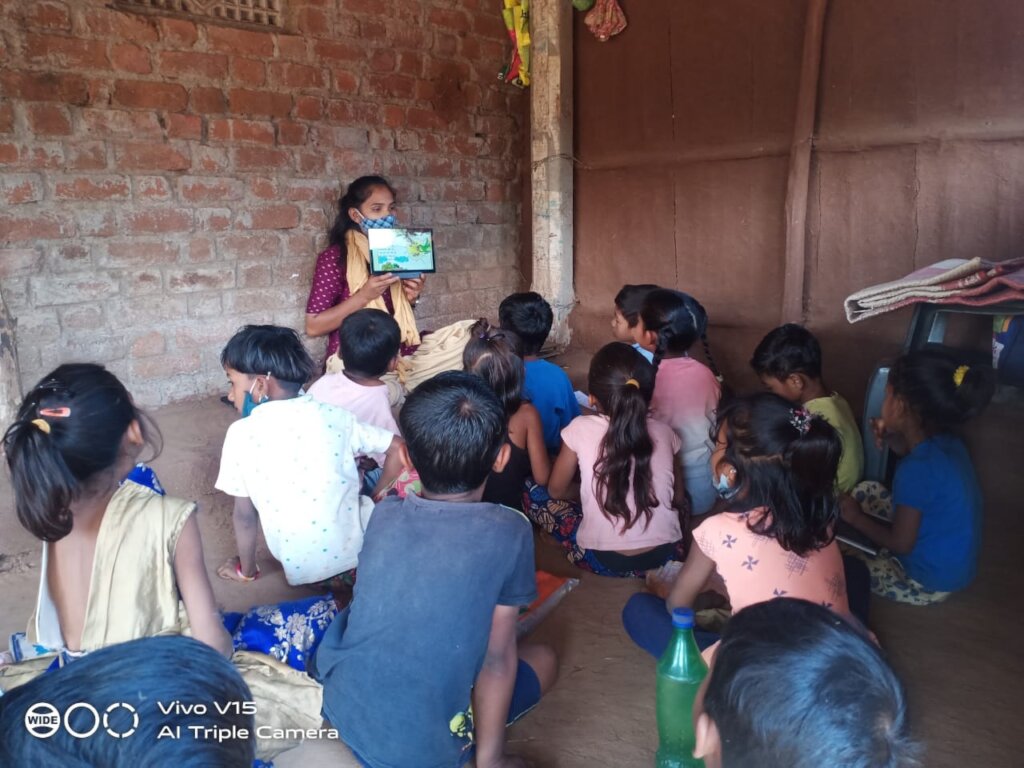
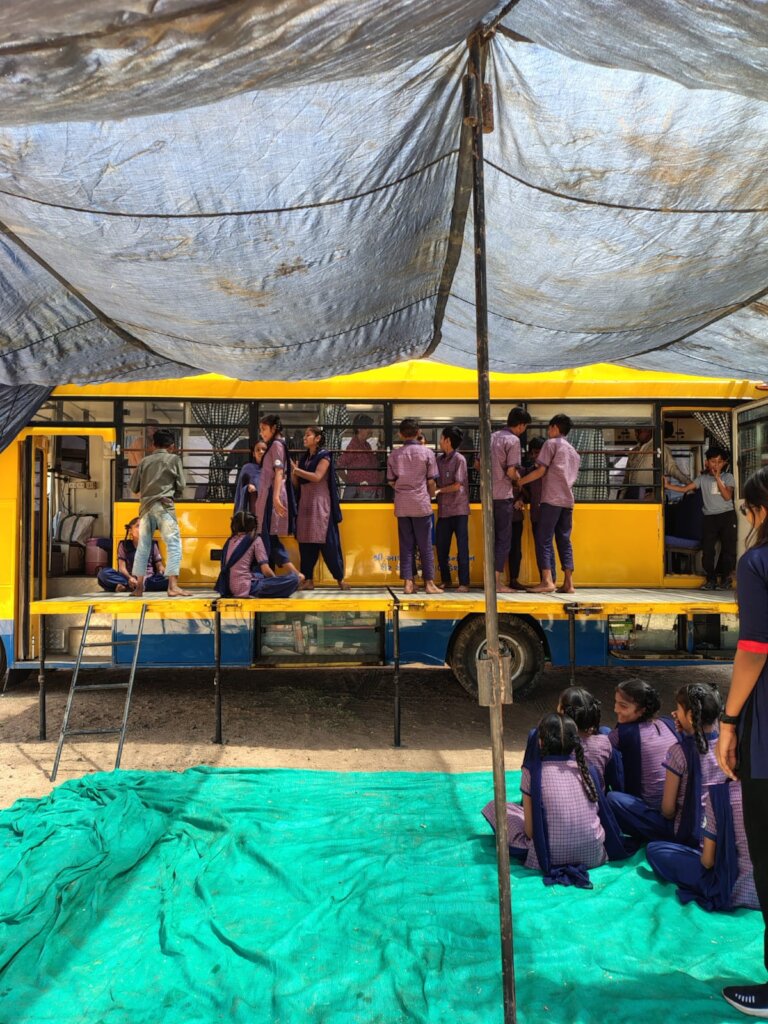
From December, we began laptop sessionsin the MMRCwith priority given to children in 6th and 7th grades of Aashramshalas and 9th gradegirlsand we havecompleted 33 sessions with the children, majorly working on basics.
Family Groups for Peer support in Aashramshalas
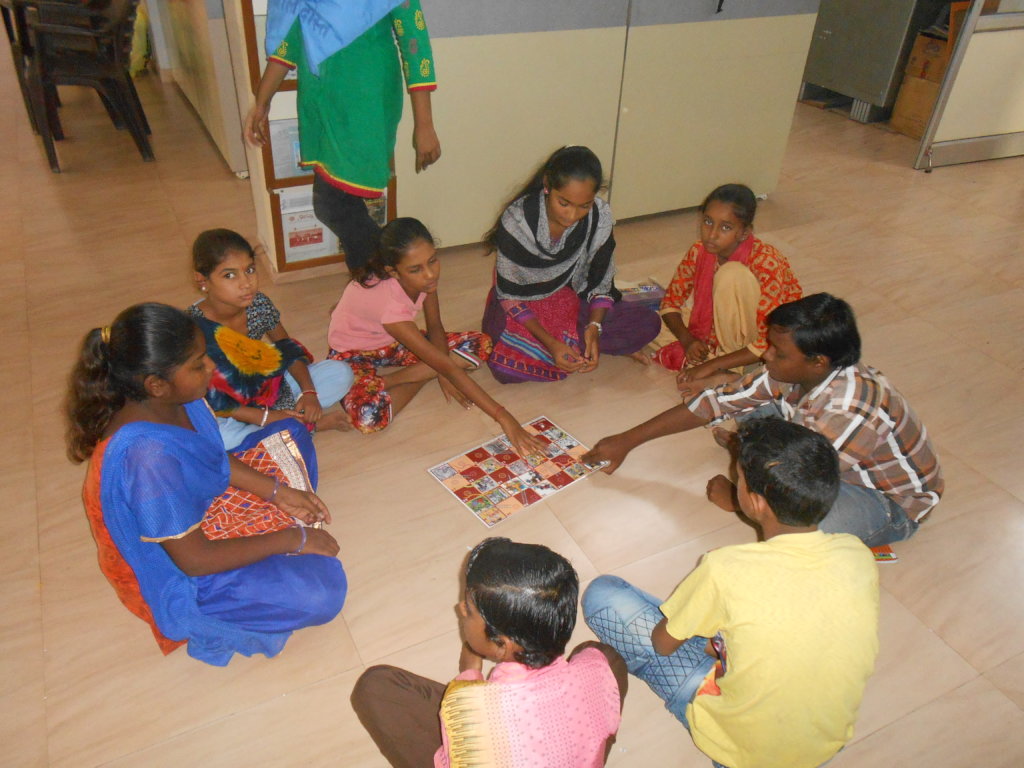
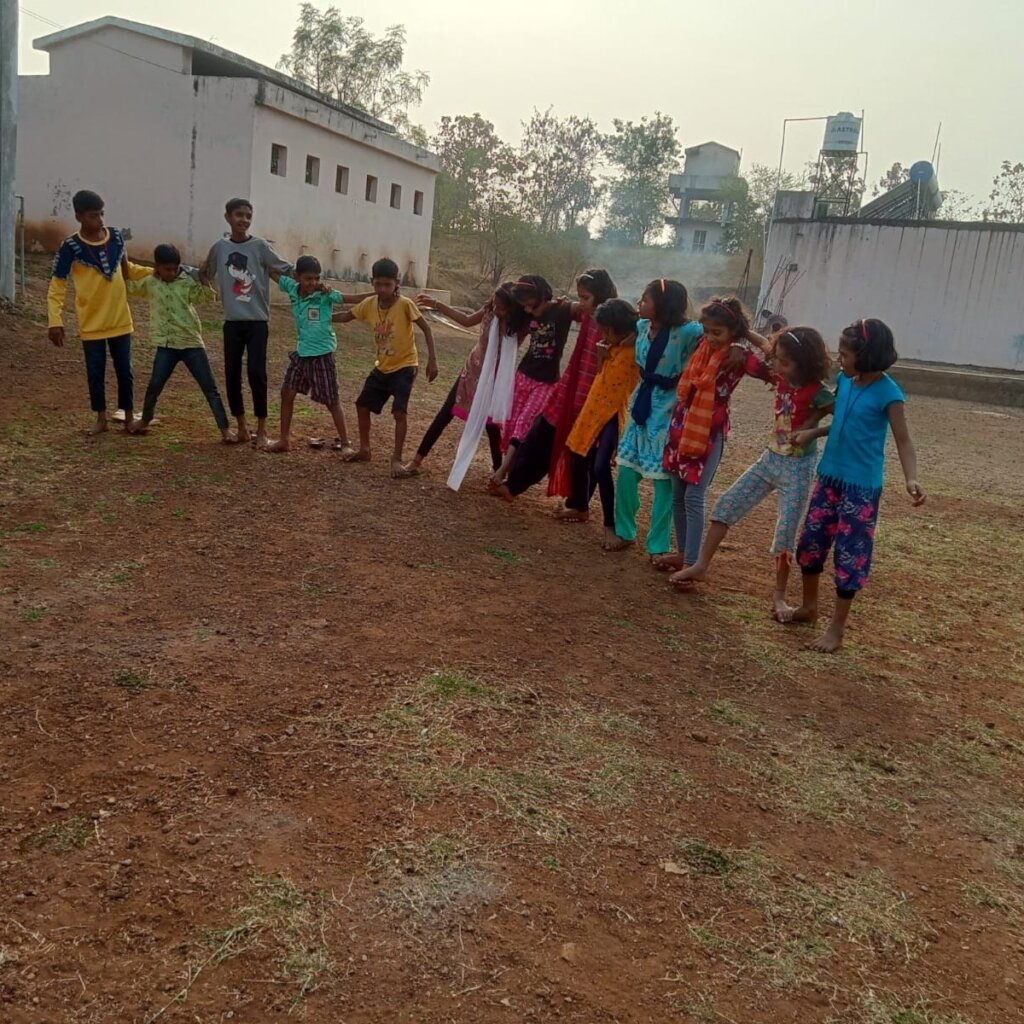
We had made family groups in Aashramshalas and children were hesitant in theinitialmonths to always sit in family groups. Also, these are mix gender groups and older childrenwereshy andwerehesitant to express and work together. Currently there are considerable changesobservedin this behaviour. There was a heartwarming instance where girls and boys of grade 8 were playing together in the family group without our initiation.
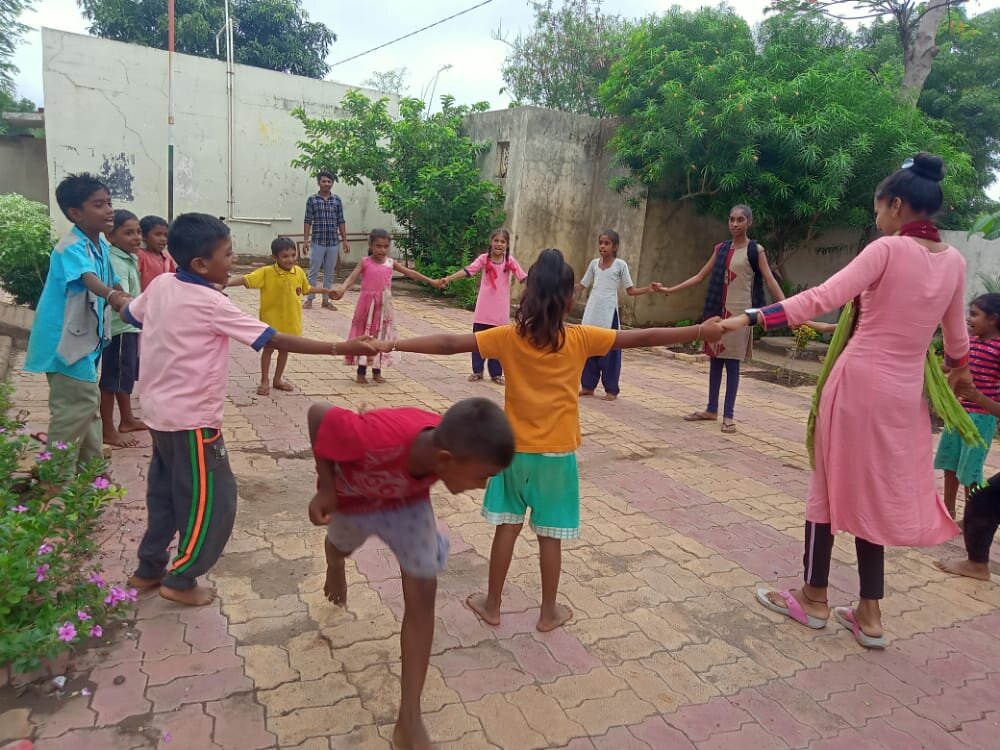
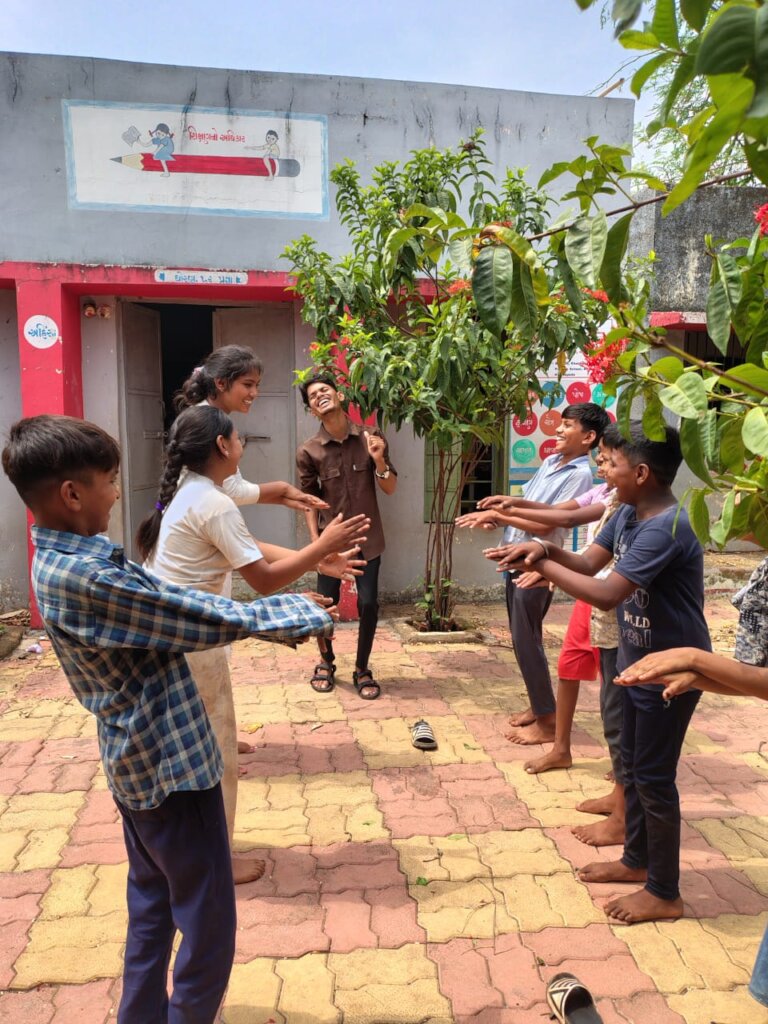
The efforts for creating spaces where children in all genders inAashramshalascan play and do activities together is continuing. There has been encouraging instances and observations that boost us to keep our efforts consistently. Family groups are playing its part to bridge this gap.
For instance, during the laptop sessions, we did not separate children based on gender or any other basis for seating. But organically in one ofAashramshalasthey sat together and learnt computer together. They helped and supported each other in learning a new skill.
In one another session, when girls and boys were asked to work together, they hesitated at first. Then a girl showed courage and said: "We study together and are in the same class, so we must be also doing activities together”.
Mental Health
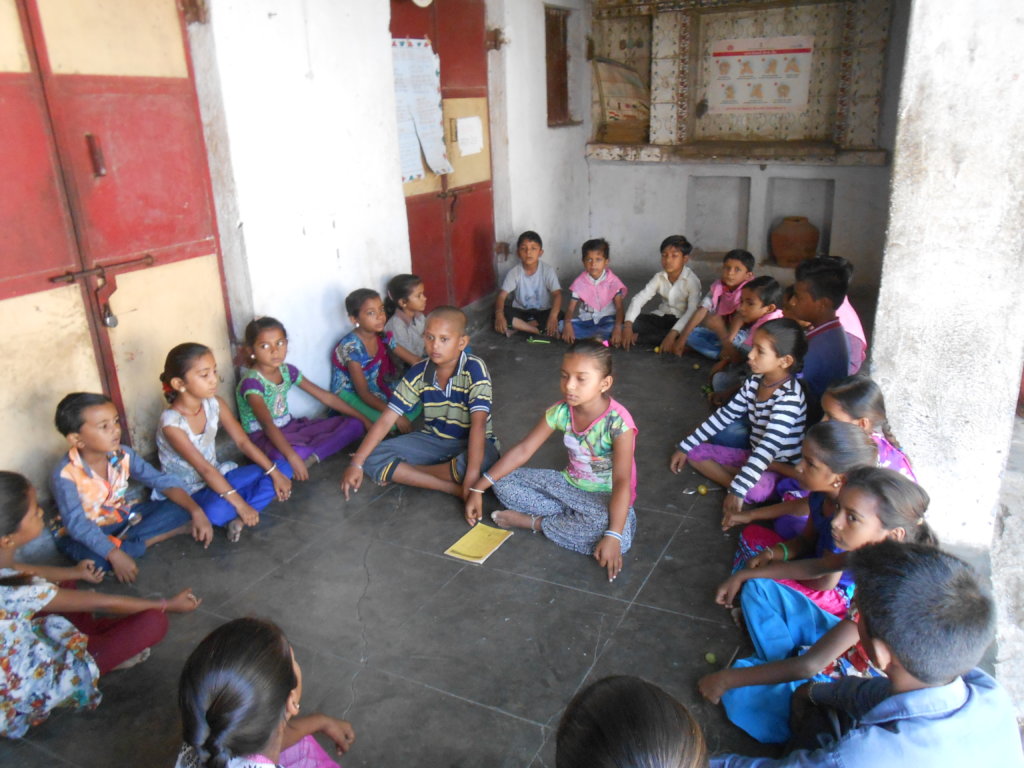
Children have begun to openly recognize and express emotions during the dailyemotioncheck in time.Majority of children(70.3 % of total sessions)are in the mid-rangeof the emotion check in scale(50-75% of children canidentifyand expressemotions)
At one of the Aashramshala, children share their feelingsandthe reason behind it.Once a child expressed being feeling guilty becauseshe hada fight withher friend oreven feelingconfidence because ofbeing appreciated by teachersduring athletics.Sometimes children share their feelings in detail like Today I feellonely becauseI am missing home.
These instancesis a shift in vocabulary of children for expressingtheir feelings as it is not narrowed tojustbeing happyorsad.
Leadership Camp with children:
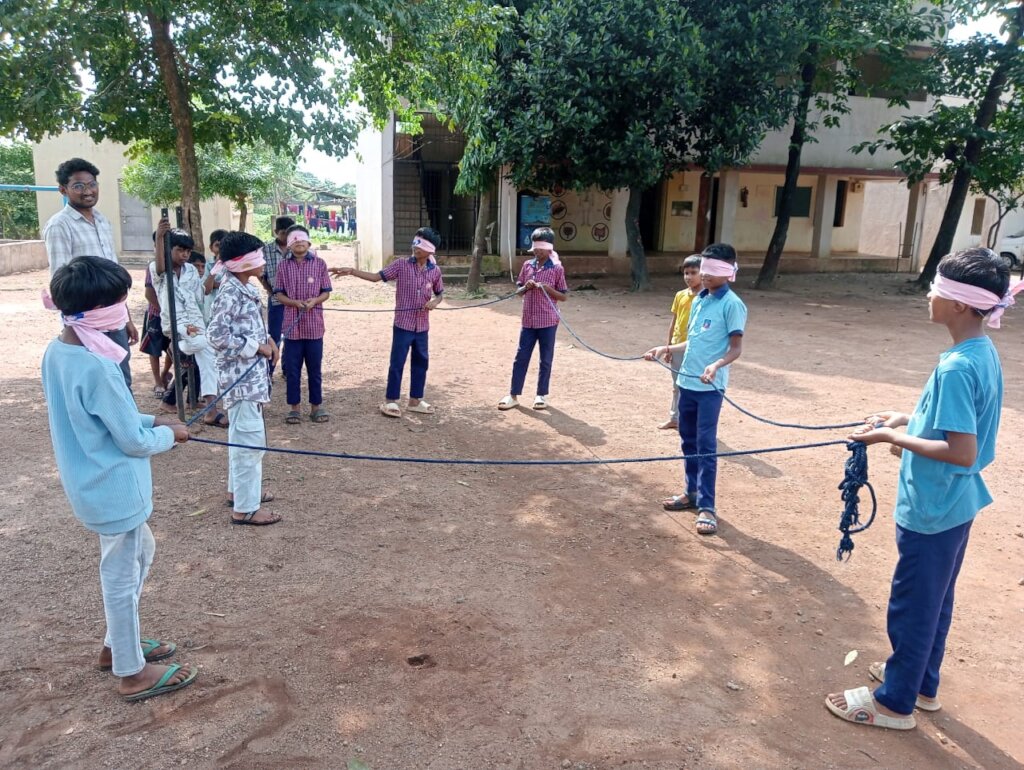
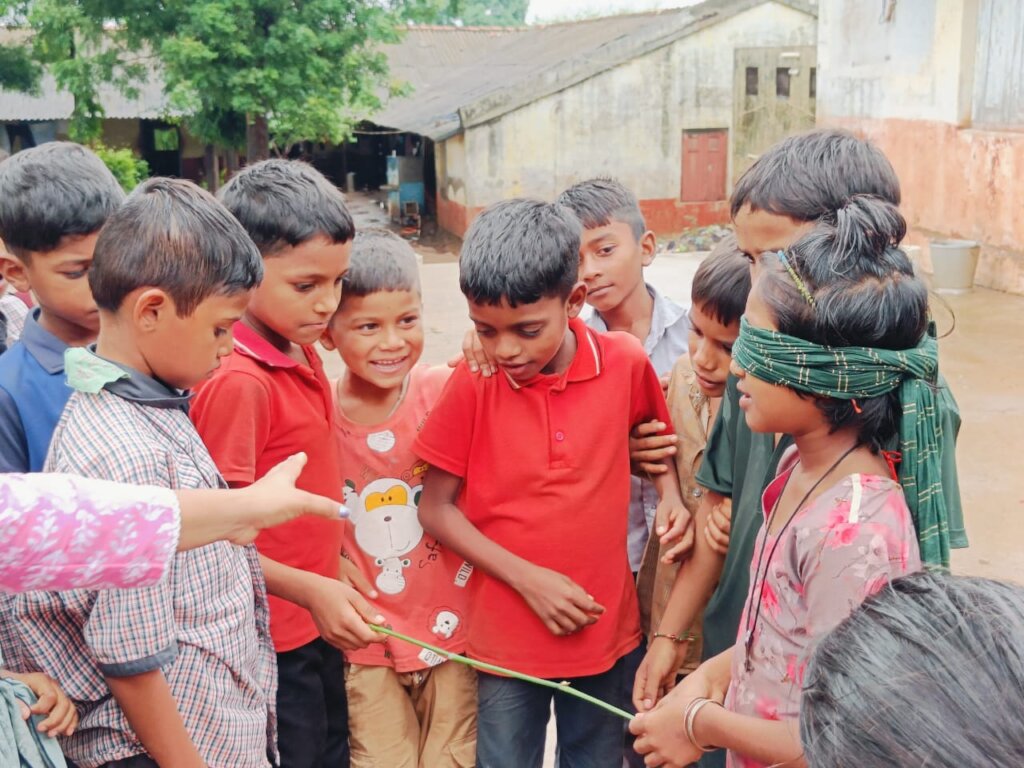
As a pilot initiative, we conducted our first leadership campwith20 children from two Aashramshalas. This camp is part of our long-term plan to develop peer leaders who will eventuallyfacilitatesessions with other children, boosting overall confidence. Initially, the children were shy to share about themselves. The older girls took the lead in sessions and team-building games, while the younger children in grades 7 and 8participatedenthusiastically butalsodemonstrateda need for stronger reflection skills.
Child Rights Sessions in Aashramshalas:
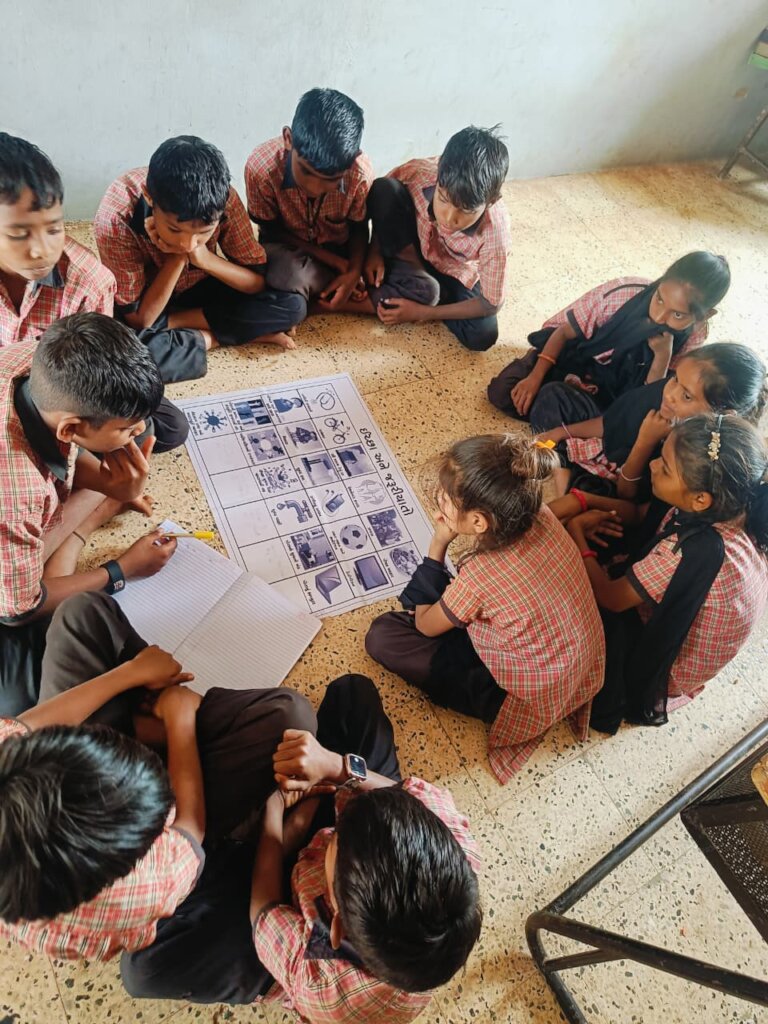
This year we developed new child rights sessions that are easier for Aashramshala children tocomprehend. Based on last year's learnings, children found Right to Protection and Right to Participation concepts difficult. The new sessions address these challenges.We were able to complete the four rights till the month of January, We employed games, role plays, real stories of the children to make children understand about each right. A total of 343 child right sessions were completed in these reporting months.
In the Needs and Wants session—a precursor to child rights discussions—most children ranked parental love and affection above all other needs and wants, with a safe home and surroundings also topping the list.
After the Right to Protection sessions, children were surprised to learn that teachers cannot beat them or use any form of corporal punishment. Some children showed confidence that they will report such violence to responsible adults. We have currently asked children to share any such instances with us first to avoid blame or penalty falling on them.
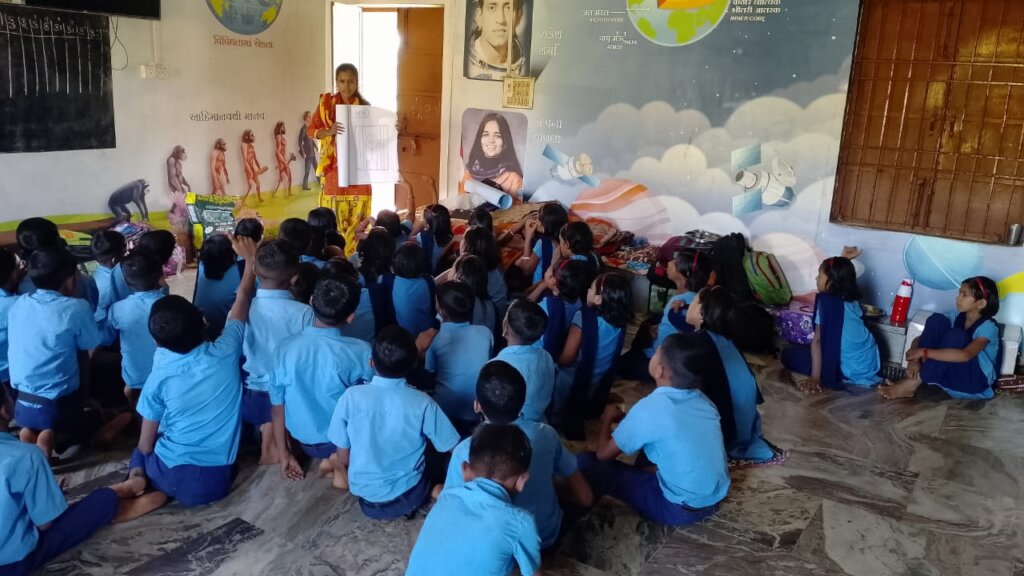
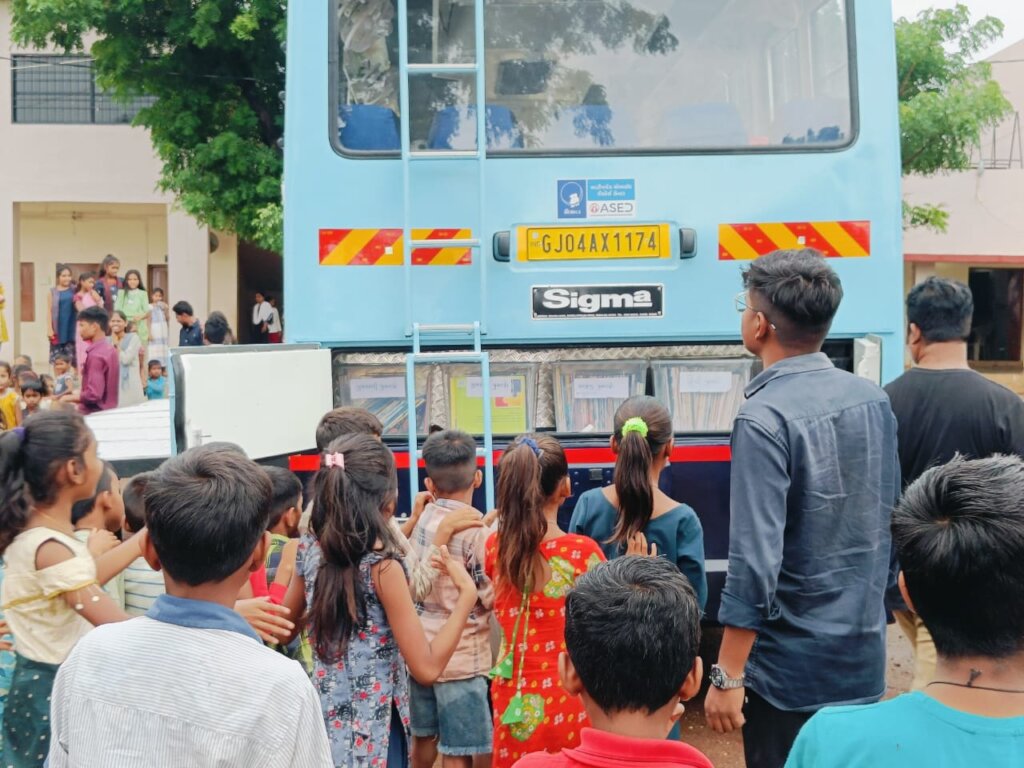
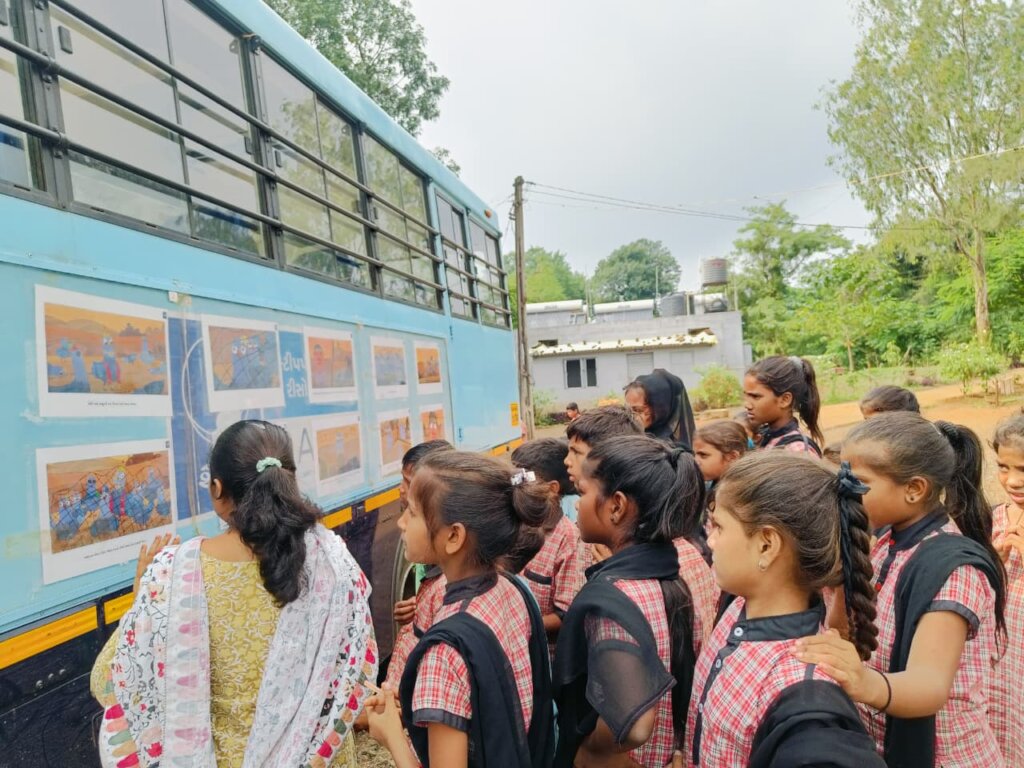
A total of 172 exhibitions were also carried out through MMRC for visual comprehension of child rights.
Building Trust and safe space in Aashramshala
In oneAashramshala, afourth-gradegirl experienced her first period and felt scared due to lack of prior information. Some older girls teased her, questioning how menstruation could begin at sucha young age. These reactions deepened her discomfort, but she courageously chose to share her fears and frustrations with us. We reassured her that this is normal and that menstruation can begin as early as age eight. We also spoke with the older girls, explaining that menstruation results from hormonal changes and can start at different ages for each girl. We emphasized how they could support her emotionally and create a sensitive, caring environment. The older girls understood and agreed to be respectful, showing their willingness to support their younger peer—a promising step forward.
AAMLI TIMLI
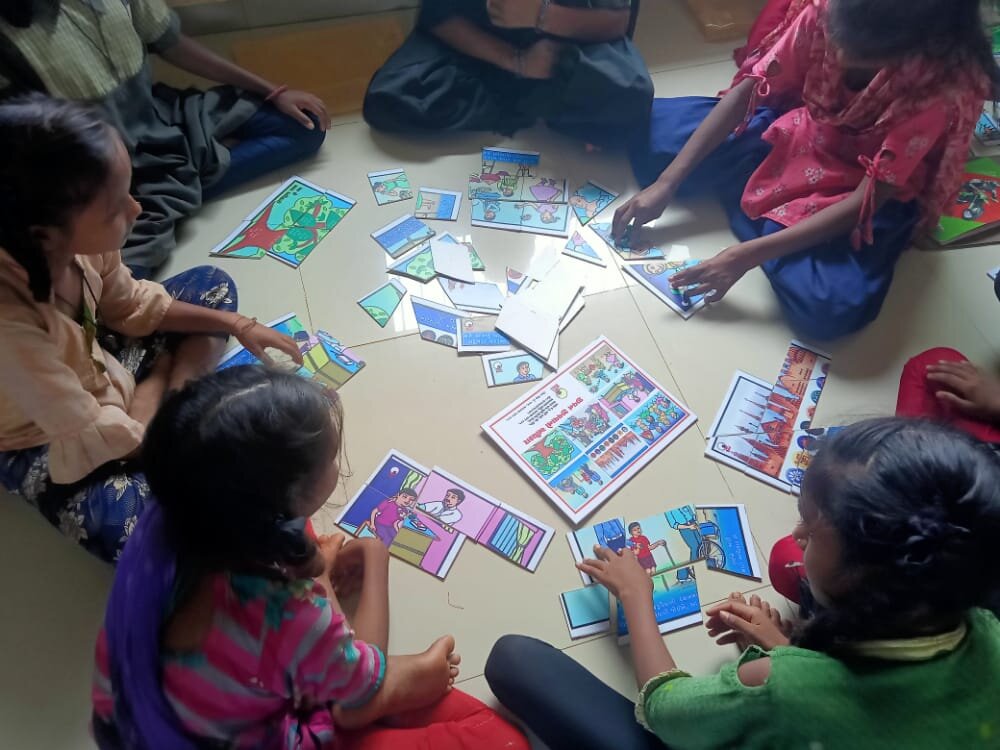
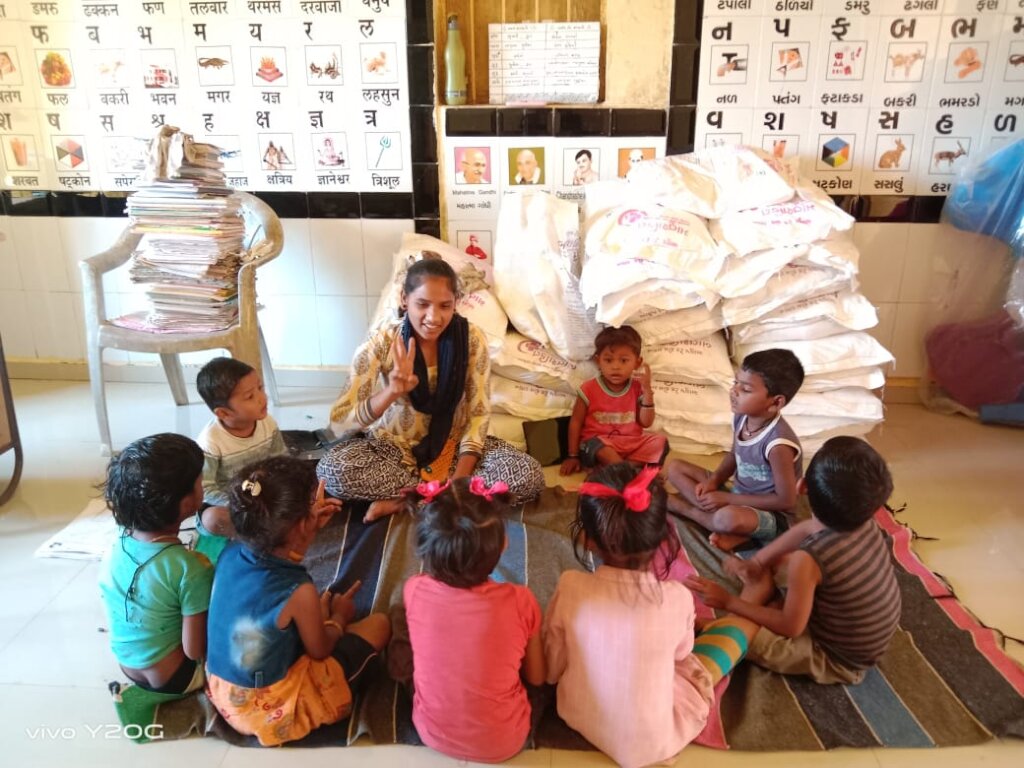
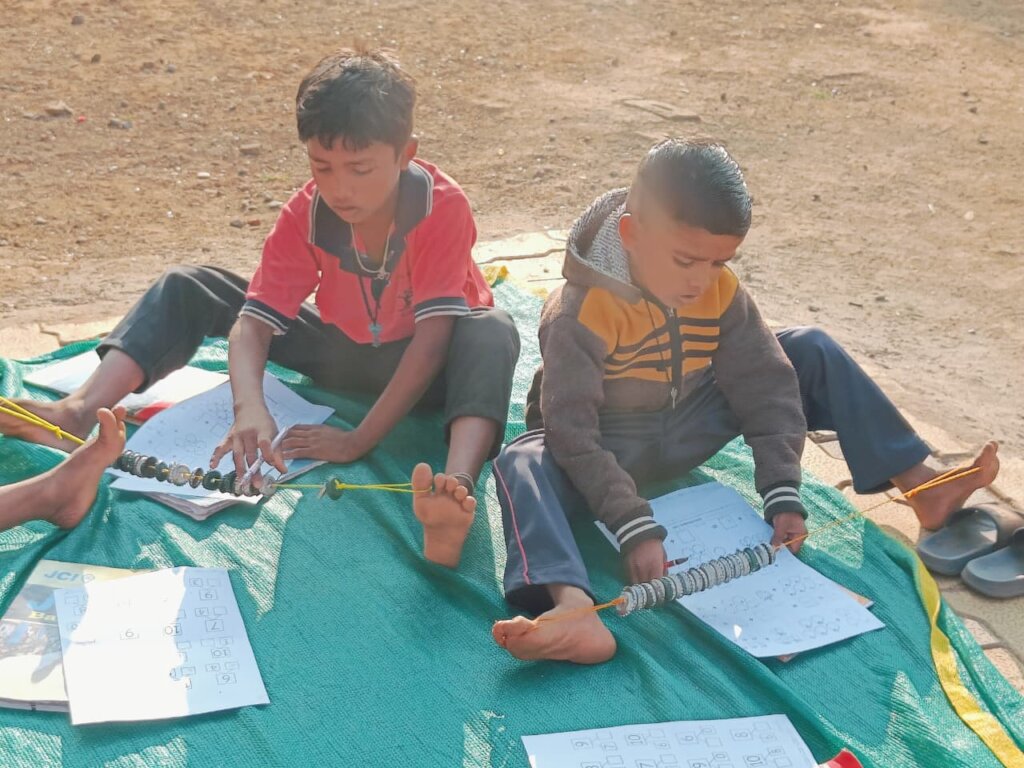
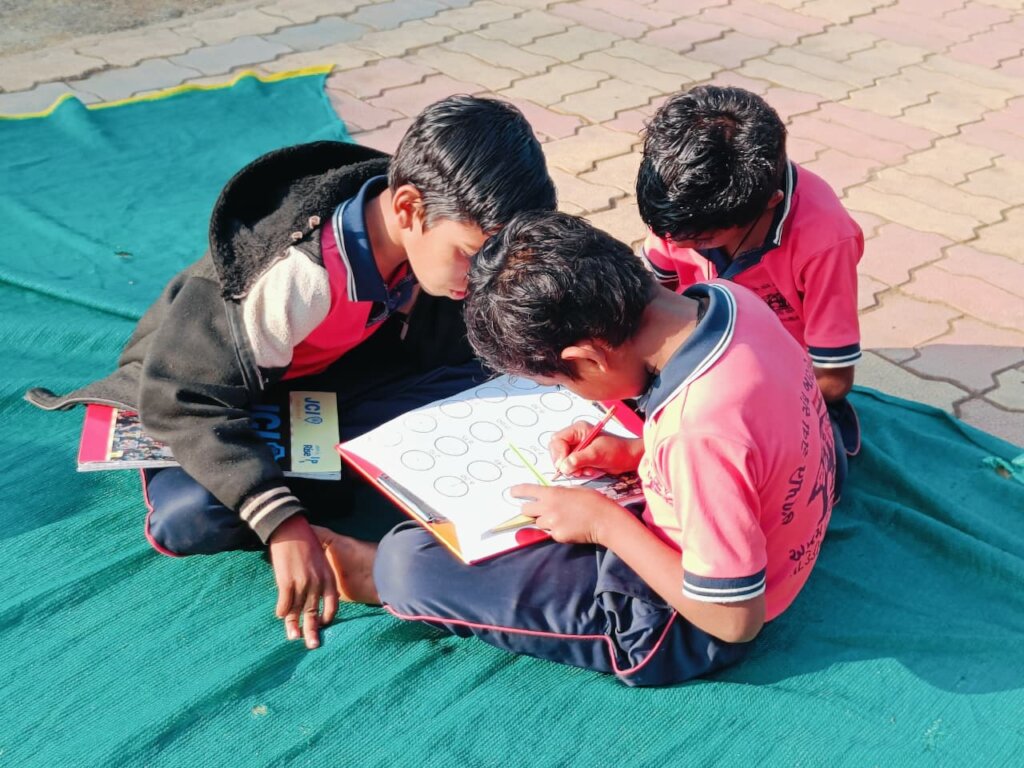
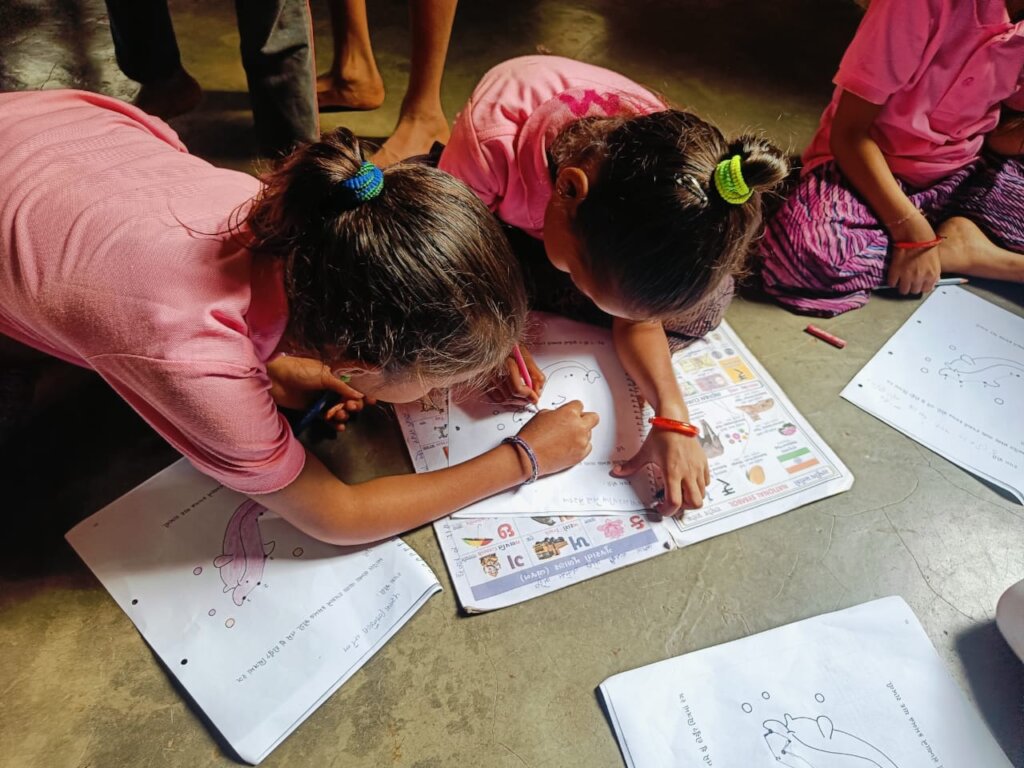
In the month of November after children came from their Diwali vacation we began with midline assessments. Through games and activities their understanding and skills on language, writing, time etc were addressed. For smaller children of grades1-5, we focussed on language and numeracy these reporting period. We used a 17-part language learning series called Bhasha pothi to make children identify each Gujarati letter and spot those letters in common items. Following that we began doing the numeracy sessions. With the help of low cost TLMs using bottle caps, pebbles, Balgeets ( songs) and stories we facilitated a total of 78 sessions with children in this period.
In the month of December, we also began experimenting with keeping a facilitator in a single Aashramshala for the whole day. Here the person takes each grade from 1-5 separately giving children of each grade ample time and attention. This has shown great improvement in children’s attention and their interest in learning. We are looking forward to positive results,
Staff Training
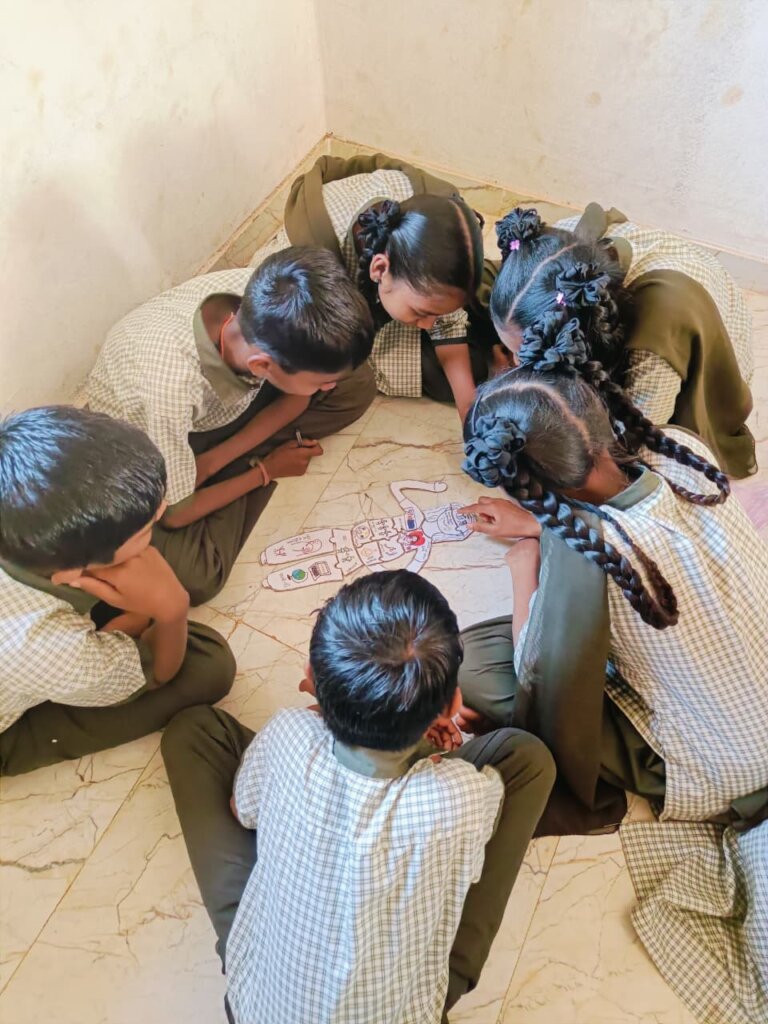
In the month of October and First November when Aashramshalas were closed for Diwali holidays, we had an intensive 10 days team train on child rights, Shaishav’s values and refresher on Shaishav’s mission and vision, Learning and Development Goals. In addition to this AVEHI Abacus, an organisation based in Mumbai also did an training on their first part of Me and My body.
By Lijimol | Project Coordinator
By Chandan Mohanty | Project Coordinator
Project reports on GlobalGiving are posted directly to globalgiving.org by Project Leaders as they are completed, generally every 3-4 months. To protect the integrity of these documents, GlobalGiving does not alter them; therefore you may find some language or formatting issues.
If you donate to this project or have donated to this project, you can receive an email when this project posts a report. You can also subscribe for reports without donating.



Support this important cause by creating a personalized fundraising page.
Start a Fundraiser