By SARATH BABU N B | Project Leader
“For us, bees are not just a source of honey—they are our livelihood.” Kunjikali emotionally said. Through the Bees for Life initiative, tribal communities are building skills that protect pollinators and secure their future.
Building Skills to Sustain Bees and Livelihoods
For many tribal families, honey harvesting is a way of life passed down through generations. Yet changing environments, declining bee populations, and limited market access often make this livelihood uncertain. Under its Bees for Life initiative, the Tropical Institute of Ecological Sciences (TIES) organized a two-day capacity-building programme to help communities strengthen sustainable beekeeping practices and secure more stable incomes.
Empowering Communities Through Conservation-Based Apiculture
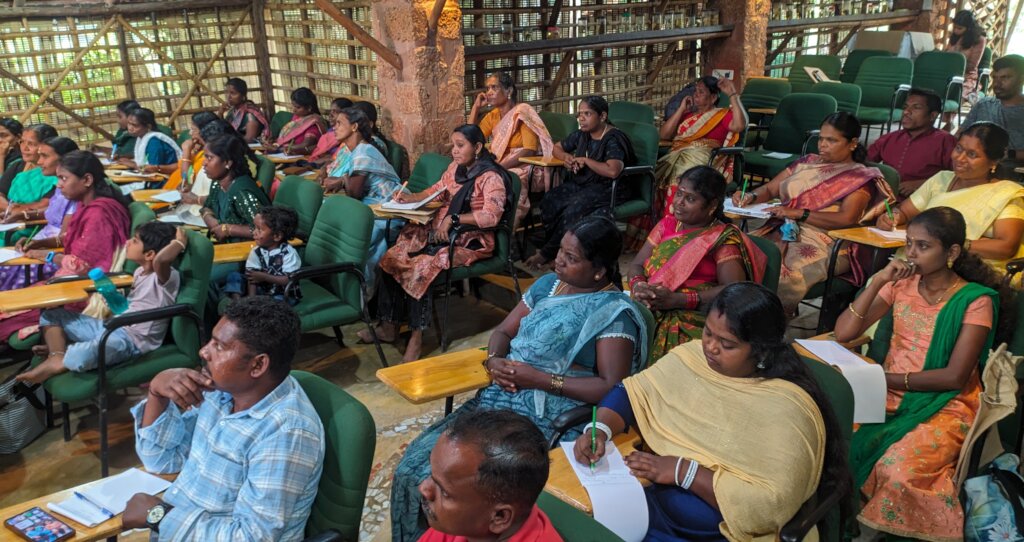
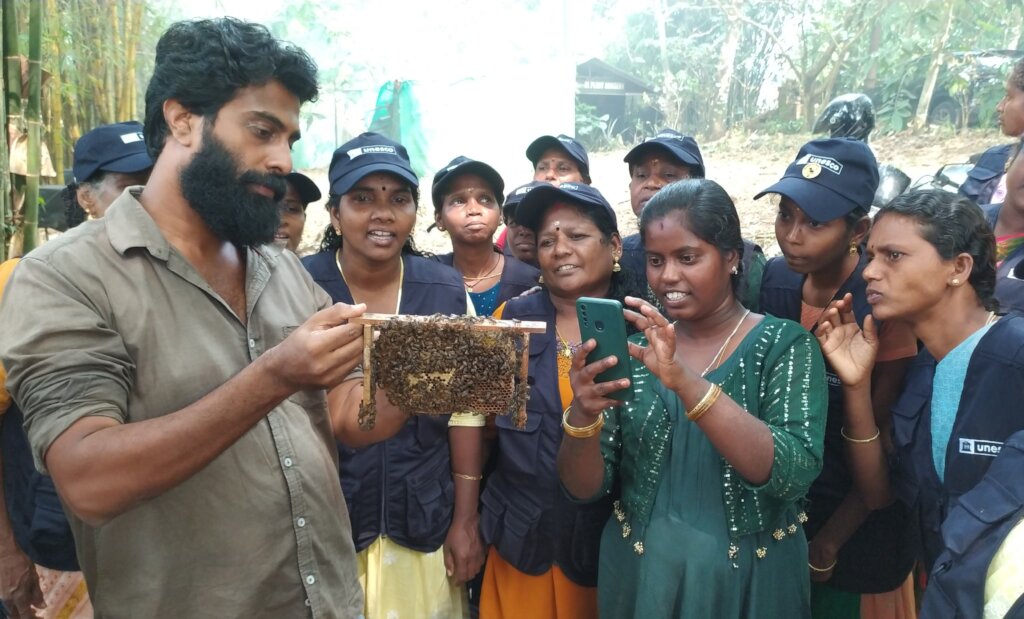
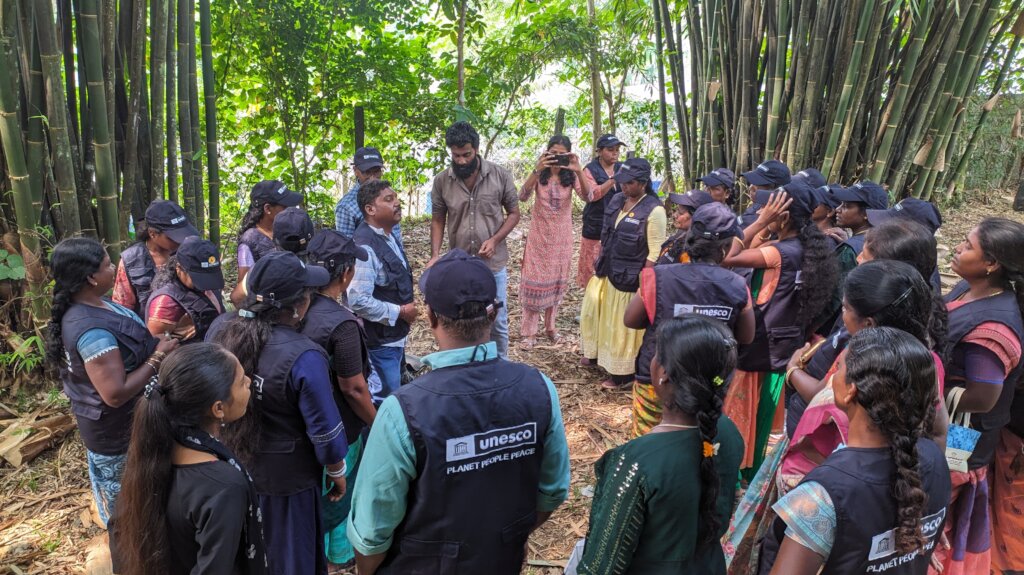
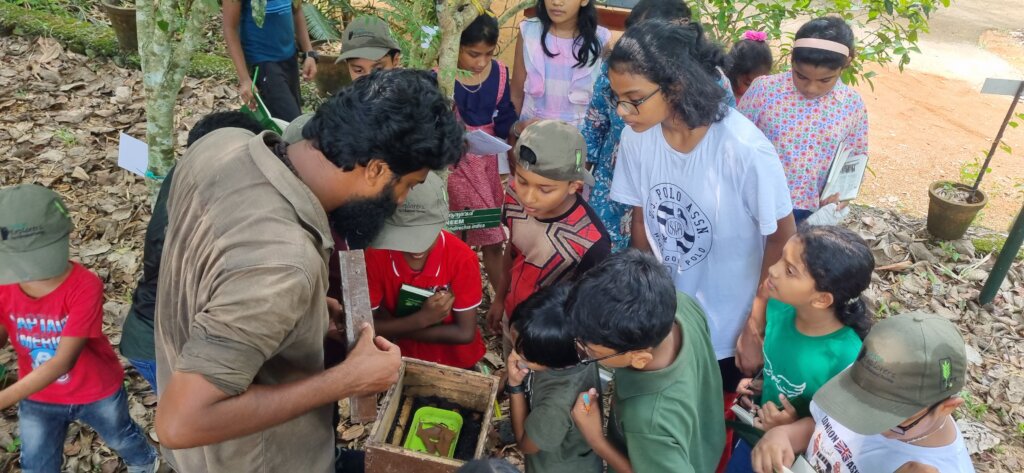
Held at the TIES campus in Velloor, Kottayam, the training brought together 24 tribal honey harvesters from Wayanad and the Nilgiris. Participants learned how protecting bees also protects their own future. Sessions focused on sustainable apiculture as a conservation-linked livelihood, highlighting the role of honey bees in supporting biodiversity, agriculture, and food security.
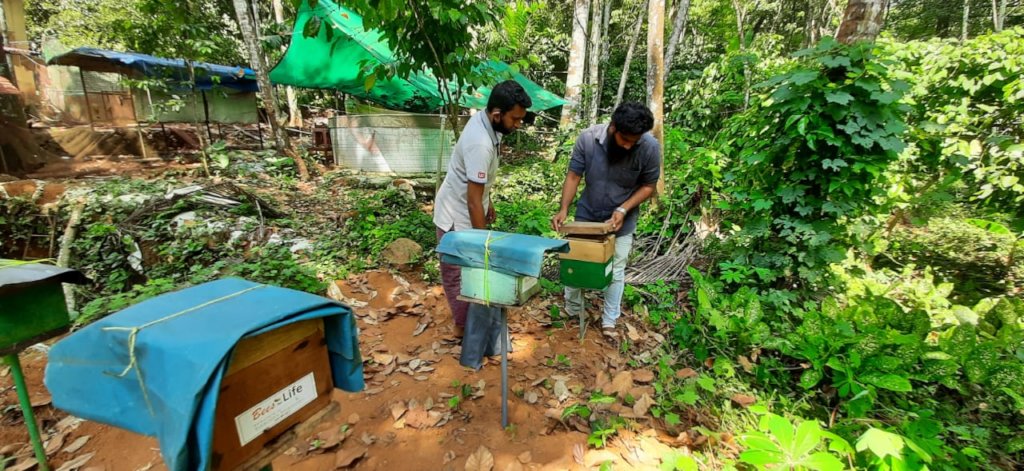
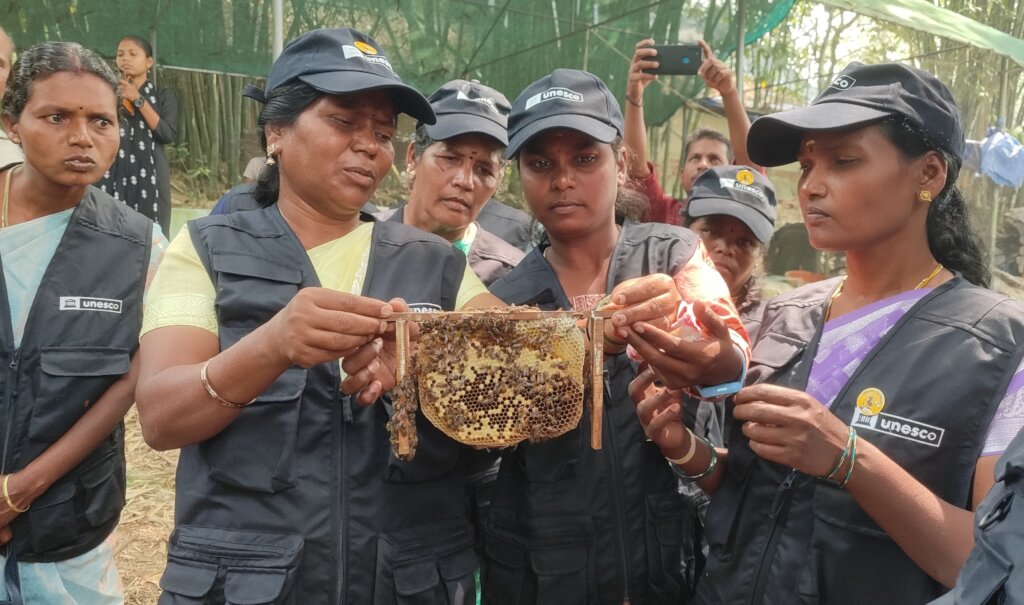
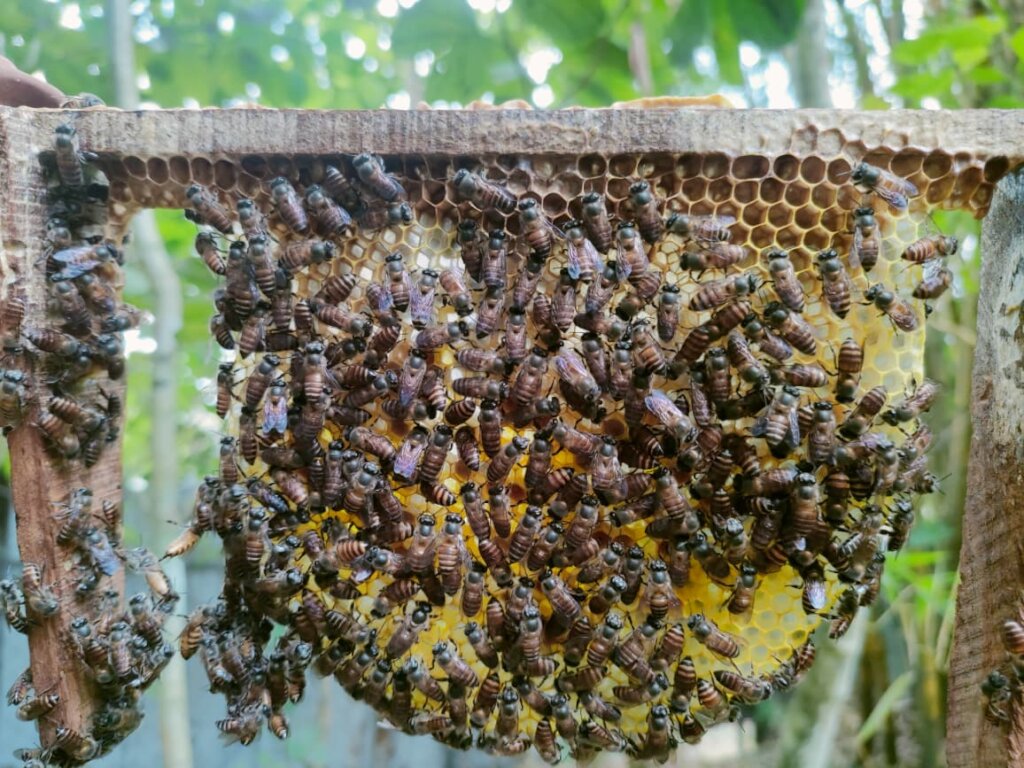
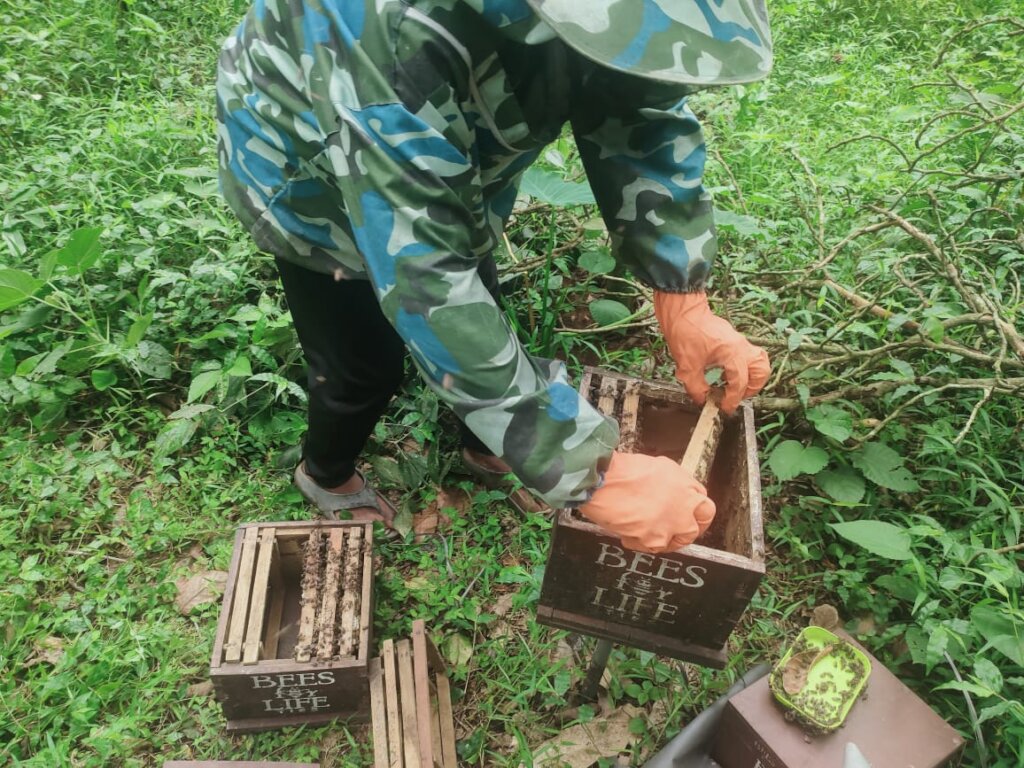
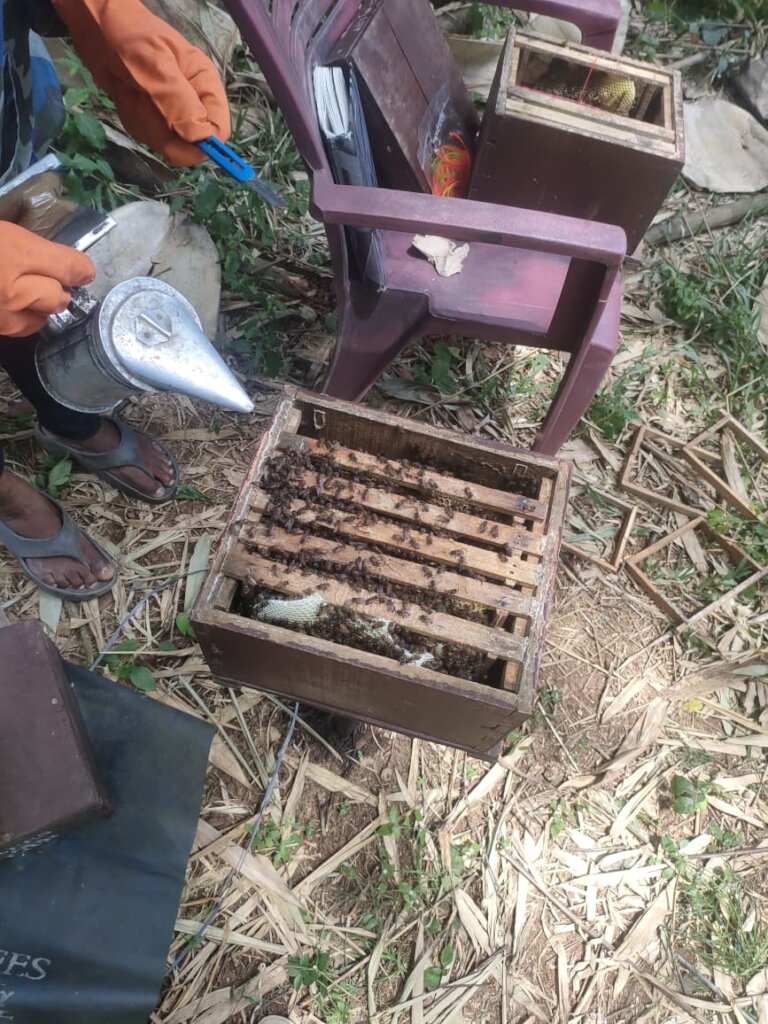
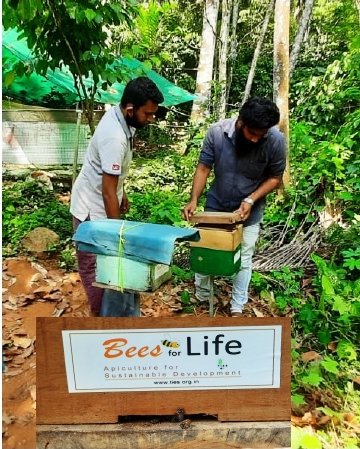
“We learned how to care for the colonies properly and divide them without harming the bees,” shared one participant. Hands-on training in bee colony management and division helped participants build confidence while understanding the importance of working in harmony with nature.
Improving Quality, Market Access, and Value Addition
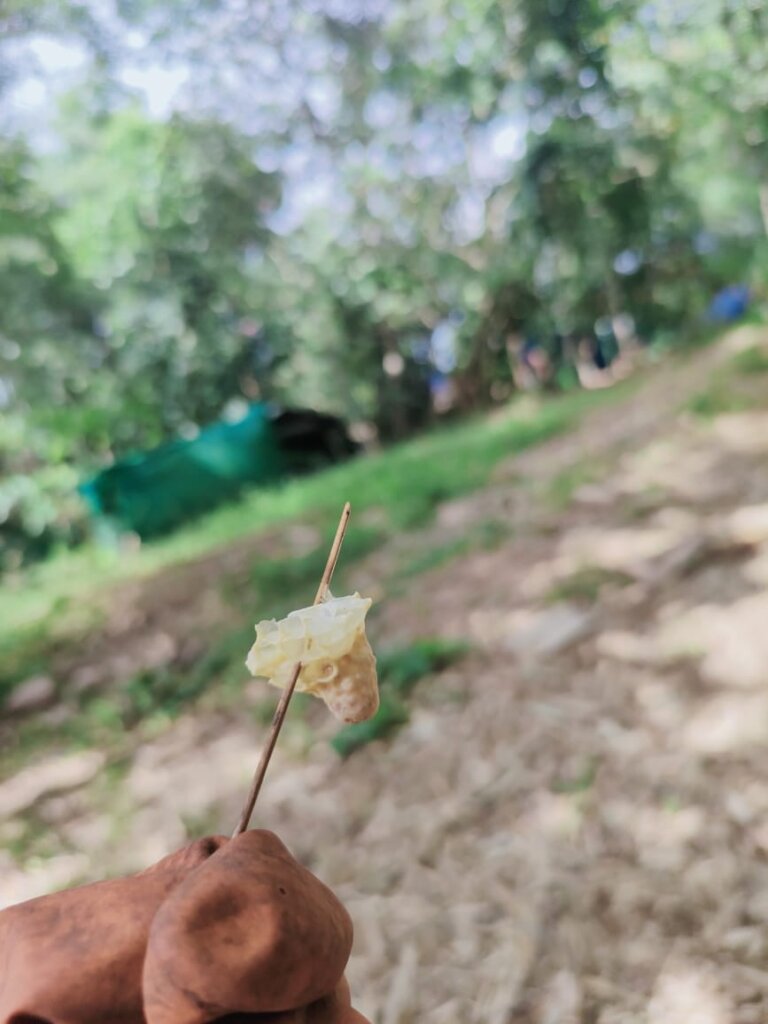
For many participants, selling raw honey meant low and uncertain returns. The programme addressed this by training participants in honey quality standards and basic laboratory analysis, helping them understand how quality builds trust and better prices in the market.
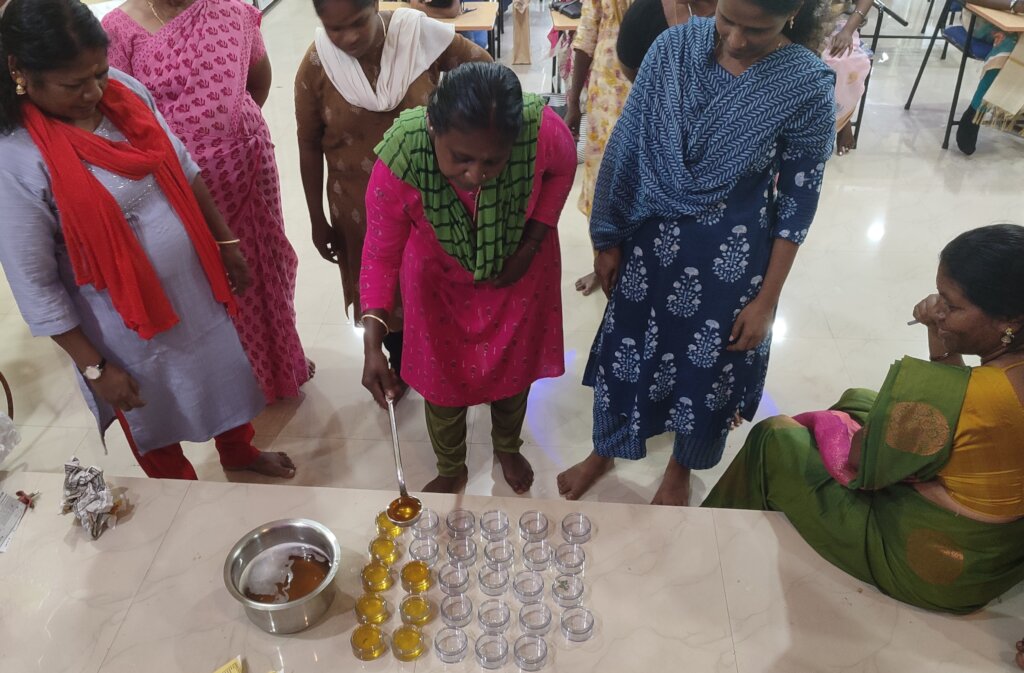
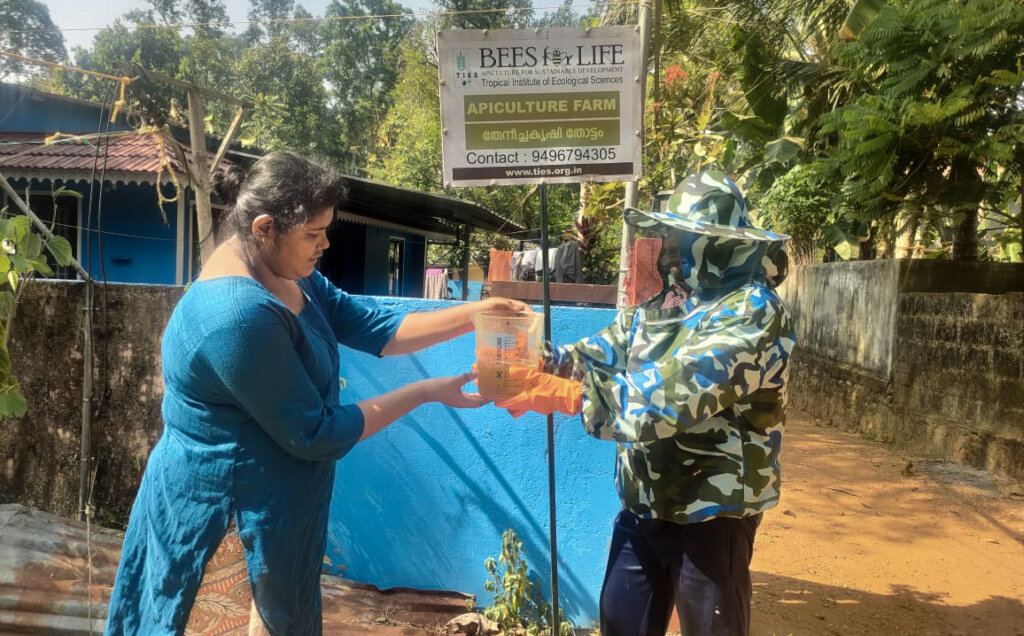
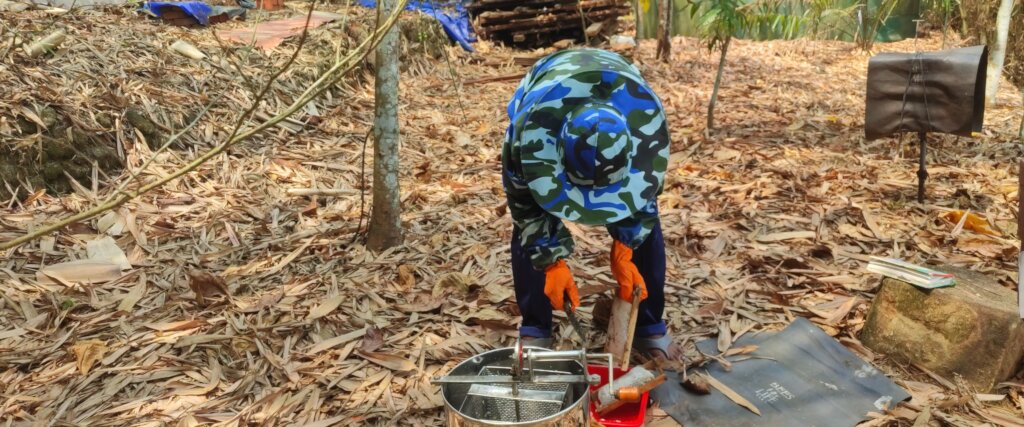
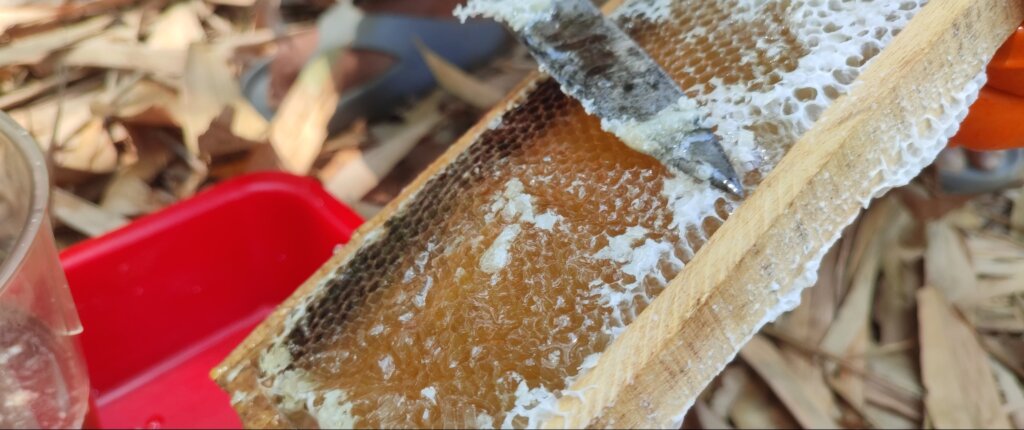
The second day focused on value addition and income diversification. Participants practiced hygienic honey processing, filtration, and storage, and learned to make beeswax- and honey-based products such as soaps, lip balms, body balms, and face packs. “Now we know how to make more from what we already have,” another participant said.
Strengthening Project Outcomes
This training strengthened the Bees for Life project by improving skills, enhancing honey quality, and opening new income pathways. By blending conservation education with practical livelihood support, TIES is helping tribal communities protect pollinators while building economic resilience.
How Your Support Makes a Difference
Your support through GlobalGiving helps tribal families care for bees, improve honey quality, and create new livelihood opportunities. Every contribution supports pollinator conservation while empowering communities to build secure, nature-based futures—for themselves and for the ecosystems they protect.
By SARATH BABU N B | Project Leader
By SARATH BABU N B | Project Leader
Project reports on GlobalGiving are posted directly to globalgiving.org by Project Leaders as they are completed, generally every 3-4 months. To protect the integrity of these documents, GlobalGiving does not alter them; therefore you may find some language or formatting issues.
If you donate to this project or have donated to this project, you can receive an email when this project posts a report. You can also subscribe for reports without donating.



Support this important cause by creating a personalized fundraising page.
Start a Fundraiser