By Mohammed Ajrinija | Program Manager Relief & Rebuilding
When the quake shattered mountain springs and cracked ancient canals, we knew that bringing water back to life would take more than pipes—it would take the sun.
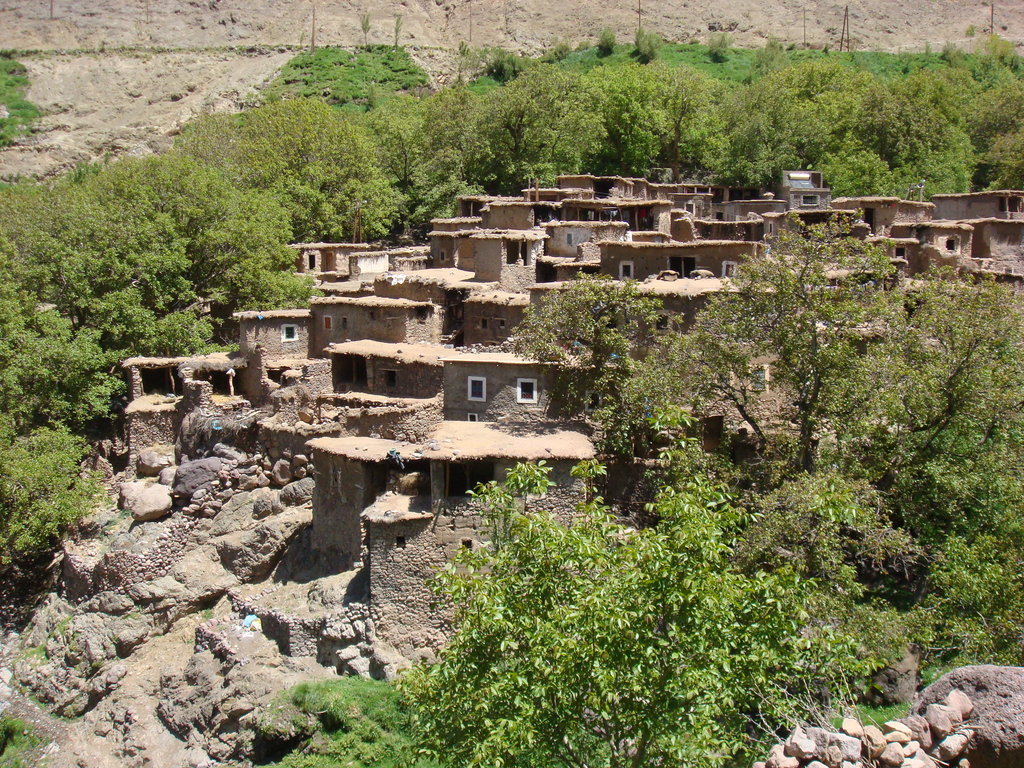
Between November 2024 and May 2025, our team at the High Atlas Foundation, backed by GlobalGiving, quietly installed solar pumps and built irrigation basins in four High Atlas villages.
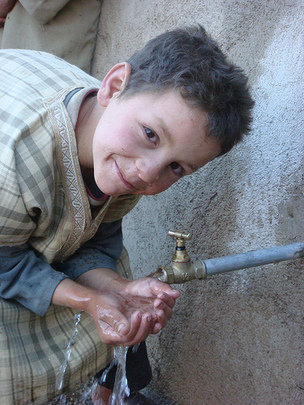
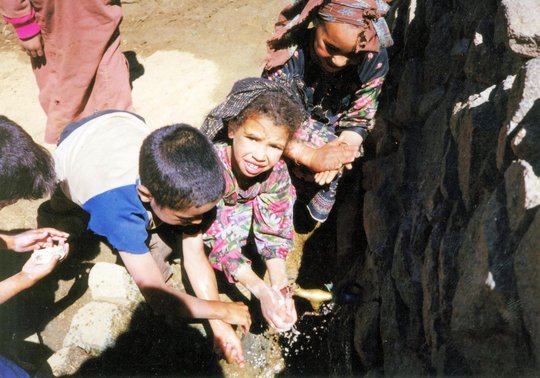
The result? Villagers trading in diesel generators and bucket brigades for a sun-driven, hands-free flow of water.
Solar Pumps: Wells and Springs That Run on Sunshine
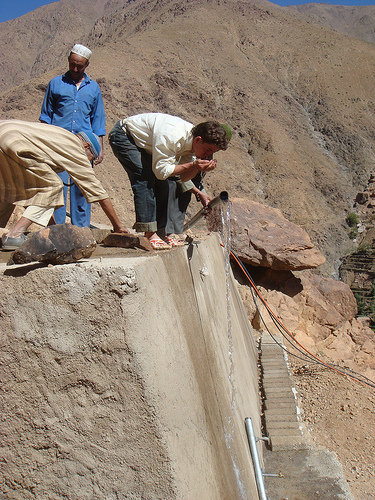
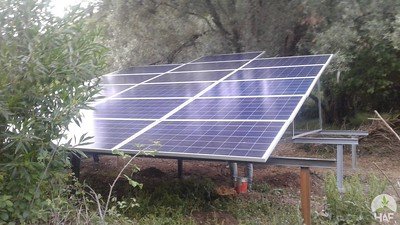
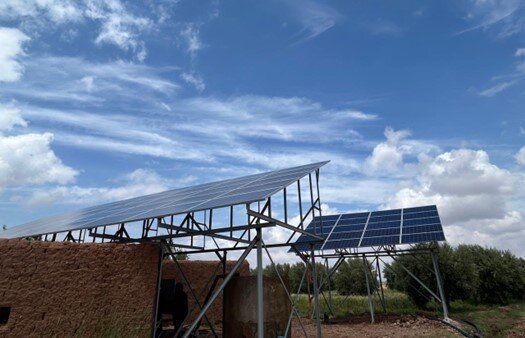
In Wizemaran, Imlil and Ouled Khlifa, we bolted 180 photovoltaic panels onto roofs and hillsides. Those panels now power three robust pumps—one in each village—that draw water from deep wells without a drop of diesel.
In Wizemaran, the pump hums even before sunrise, filling an 80 m³ tank and pushing water through 4 km of shiny new pipes. No waiting for fuel deliveries; it simply works whenever daylight hits the panels.
Imlil’s high-altitude well got its solar makeover in April. Gravity now carries that water down to two brand-new 75 m³ basins, ready at any moment to quench orchards and vegetable plots.
Ouled Khlifa, saw its solar array flipped on in March. Sixty panels now drive a pump that feeds 6 km of pipe, keeping faucets and animal troughs full day and night.
By swapping diesel for sunlight, these villages save money, cut maintenance headaches—and, best of all, control their own water supply with the flip of a switch.
Basins & Canals: Catching Every Precious Drop
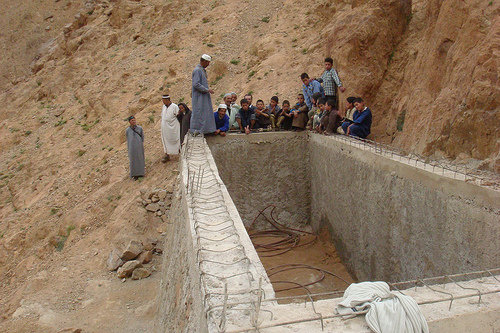
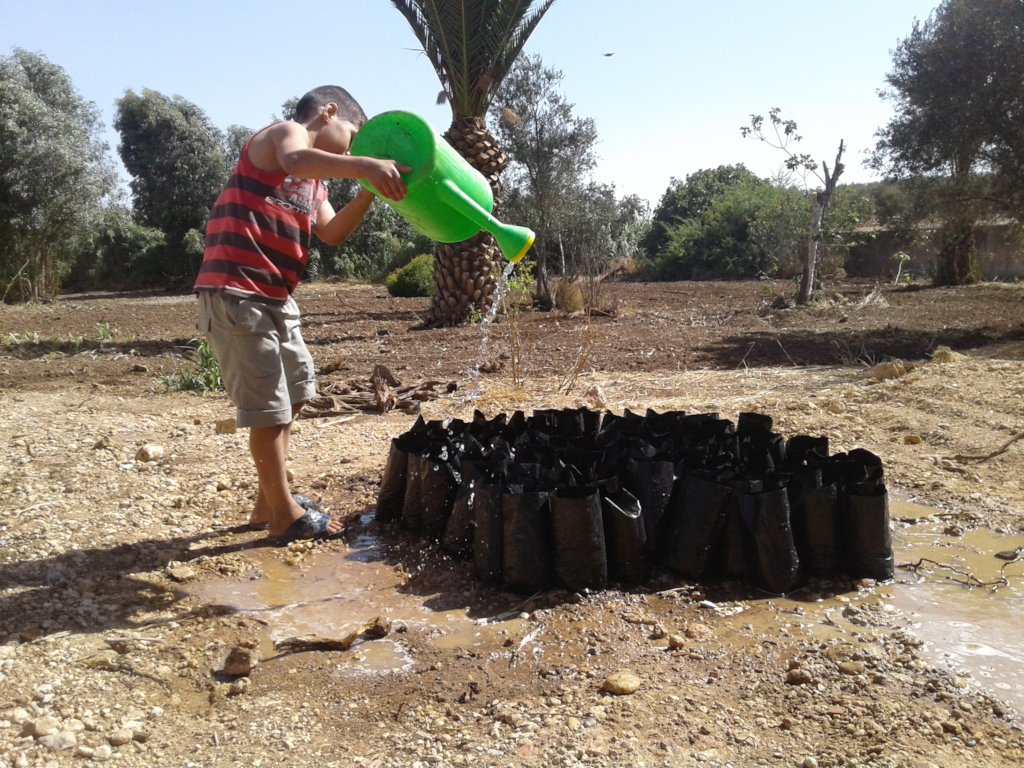
Power is only part of the story. We also built five new irrigation basins—two in Boughzir, one in Wizemaran and two in Imlil—each holding up to 120 m³ of water. That means a slow drizzle today becomes a drip-fed lifeline tomorrow.
Boughzir’s basins and four kilometers of fresh piping mean farmers finally water their cherry and almond trees on schedule, instead of chasing spring flows.
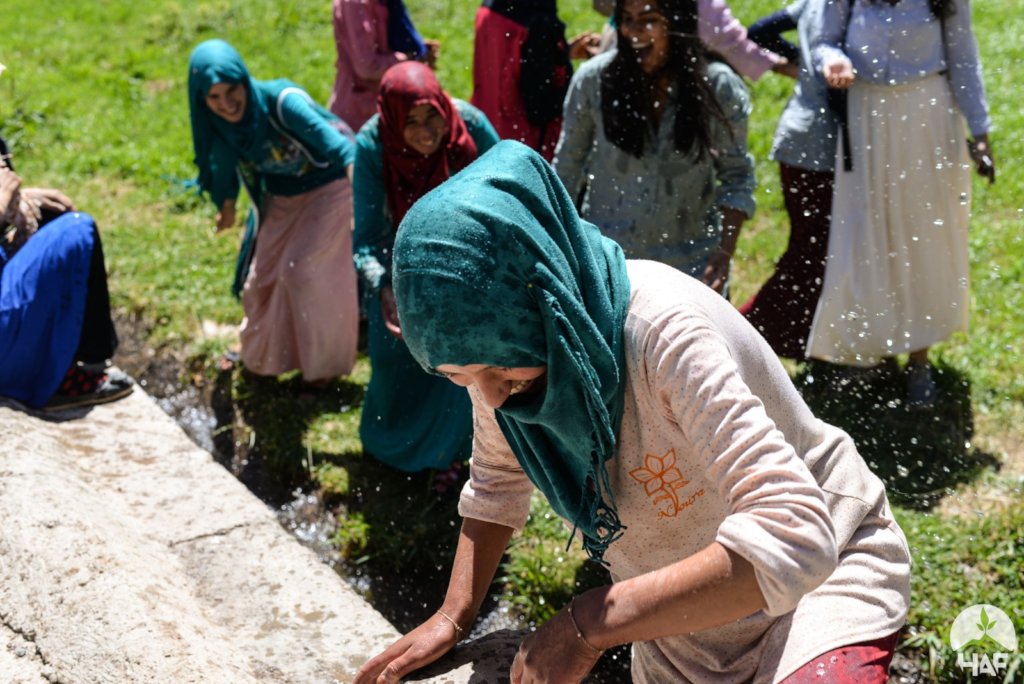
In Wizemaran, we repaired 2.8 km of historic sequia and carved 150 m of new canals, reviving ancestral terraces that had lain dry since the quake.
Imlil’s twin basins perch like glassy mirrors in the sun, delivering a steady stream down to fields below—no pump needed once they’re topped off.
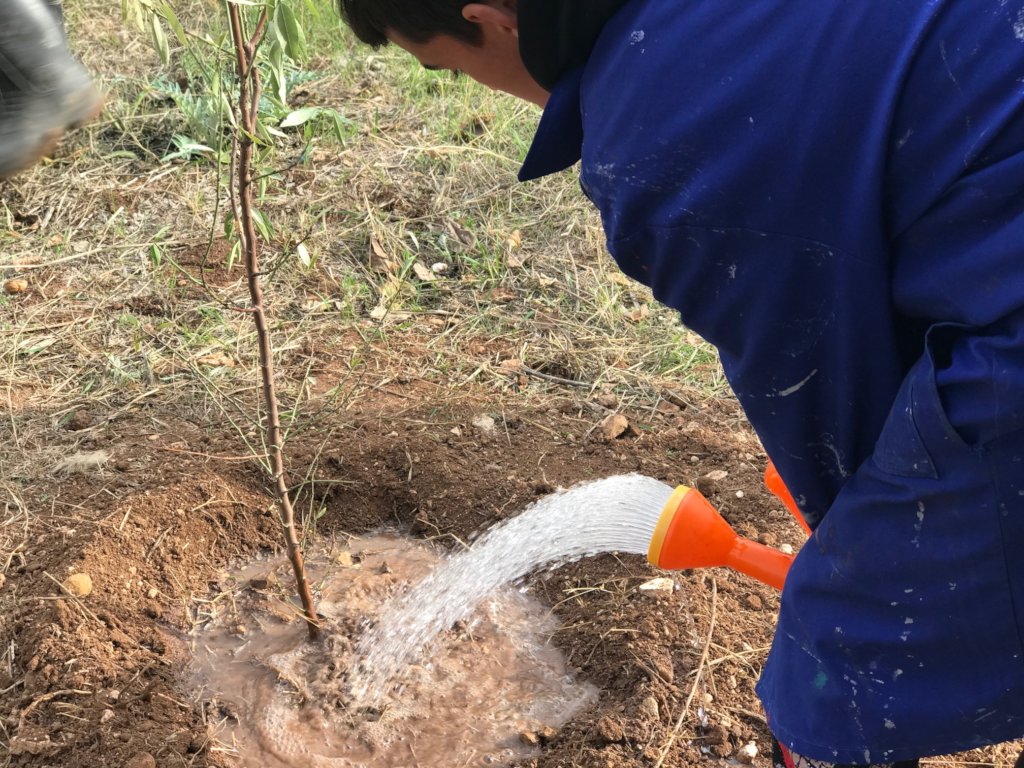
All told, these basins can store around 600 m³ of water. When the time comes to plant those 50 000 endemic fruit trees, every sapling will have a reservoir waiting.
Beyond Pipes: Independence & Hope
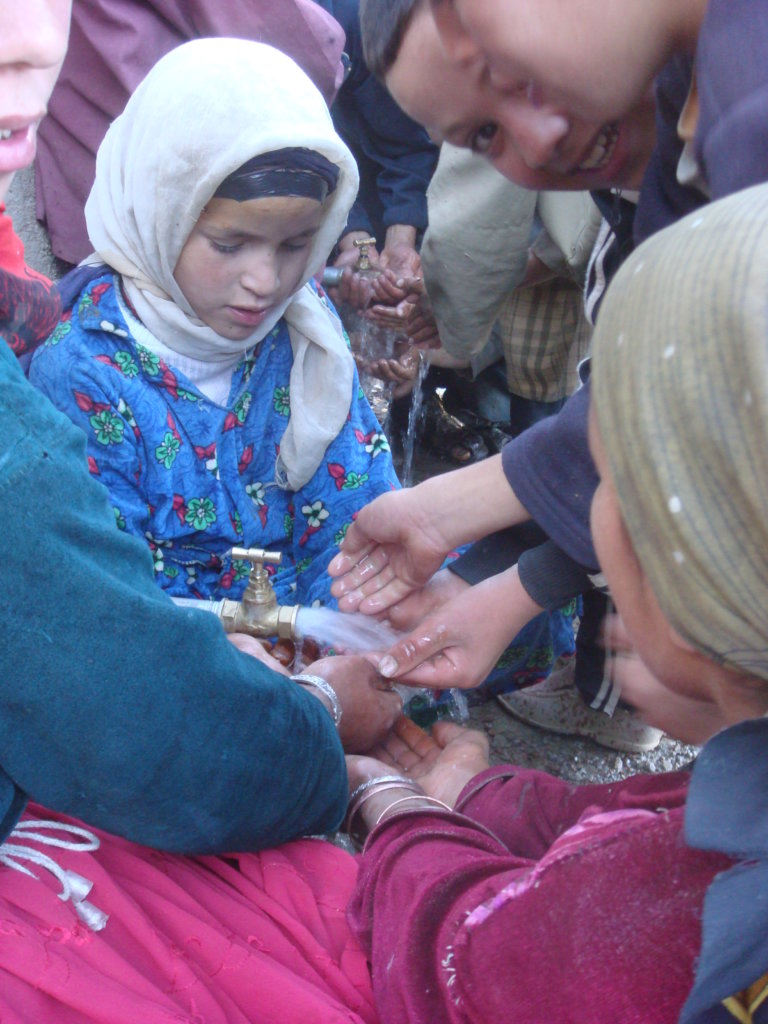
This isn’t just infrastructure—it’s freedom. Women and girls no longer shoulder heavy jugs at dawn; farmers plan their crops around seasons, not generator schedules. And by tapping into clean solar power, these communities have a blueprint for resilience: wells that run on the weather, basins that capture every drop, and canals that whisper life back into terraced slopes.
Next, we’ll carry this model to all 21 villages in the Aghbar Valley. Because when the sun fuels your water, you’re not just rebuilding—you’re reimagining what’s possible.
Project reports on GlobalGiving are posted directly to globalgiving.org by Project Leaders as they are completed, generally every 3-4 months. To protect the integrity of these documents, GlobalGiving does not alter them; therefore you may find some language or formatting issues.
If you donate to this project or have donated to this project, you can receive an email when this project posts a report. You can also subscribe for reports without donating.



Support this important cause by creating a personalized fundraising page.
Start a Fundraiser