By Liseth Anaya | Psychologist
Hay historias que no se pueden medir a través de diagnósticos definitivos, sino a través de pequeños pero significativos logros que transforman una vida.
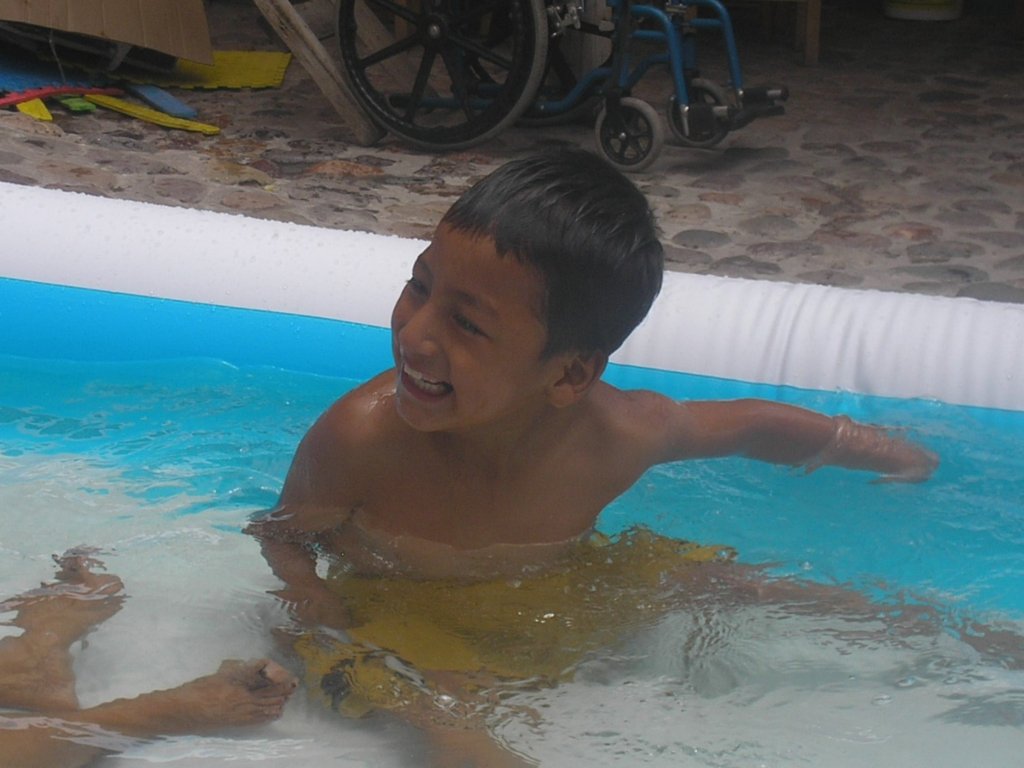
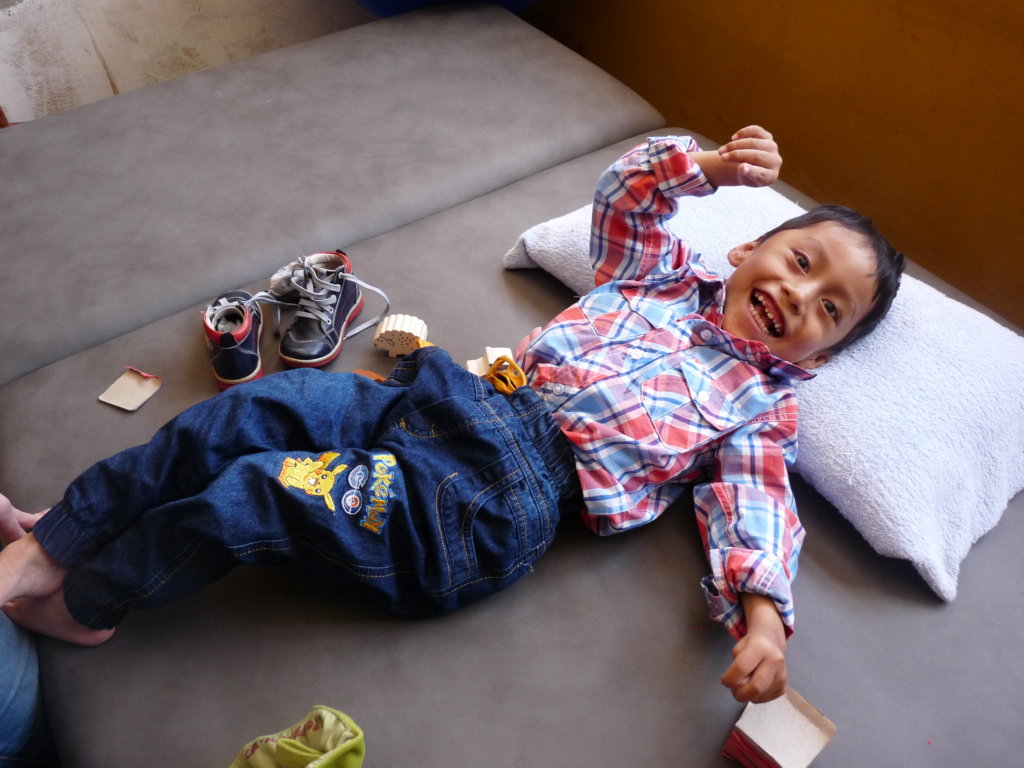
Gino Alexis, de 12 años, llegó con dificultades de conducta y agresividad significativa, sin un diagnóstico claro. Su madre lo acompañaba con una incertidumbre constante que, a menudo, pesaba más que cualquier diagnóstico clínico. Desde el servicio de psicología, se consideró oportuno intervenir primero con ella, entendiendo que si su angustia emocional seguía intensificándose, poco se podría avanzar en la mejora de Gino sin antes apoyar su bienestar.
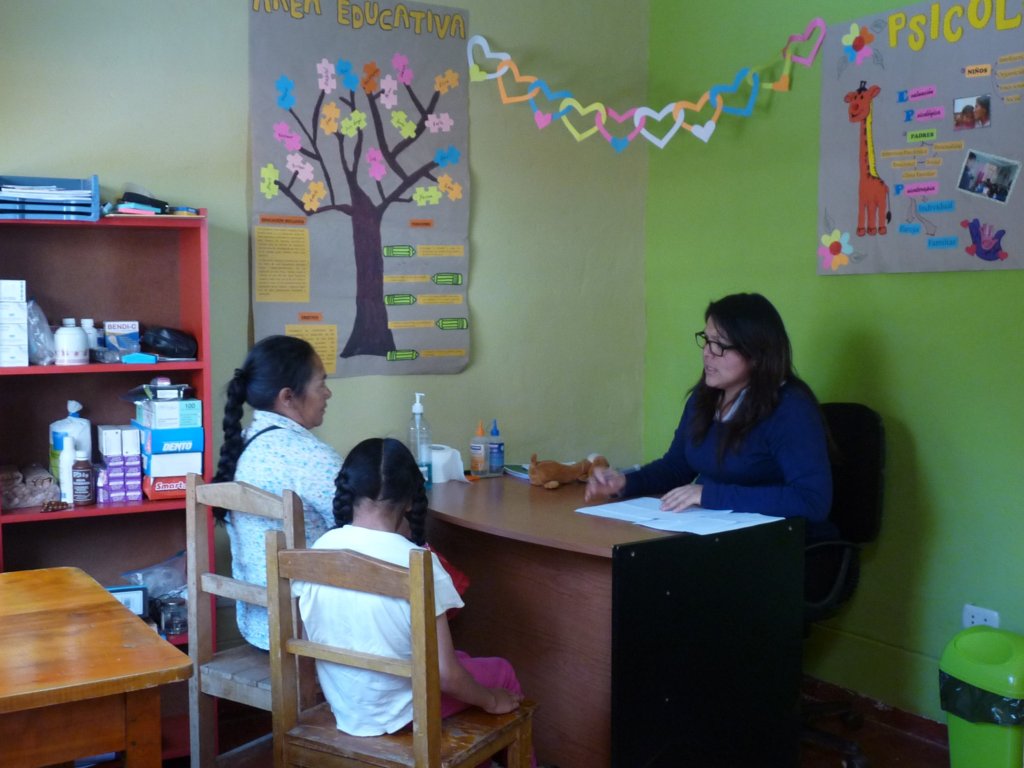
Durante varios meses, se atendió el duelo que experimentaba , un duelo arraigado en un diagnóstico abrupto e incierto que recibió cuando Gino tenía menos de cuatro años. El temor persistente por el futuro de su hijo, sumado a los continuos conflictos familiares, había erosionado gradualmente su autoestima. Los meses de apoyo psicológico le sirvieron para recordarle que ella también importa, que no está sola y que cuidar a otro a menudo requiere aprender a cuidarse a sí misma .
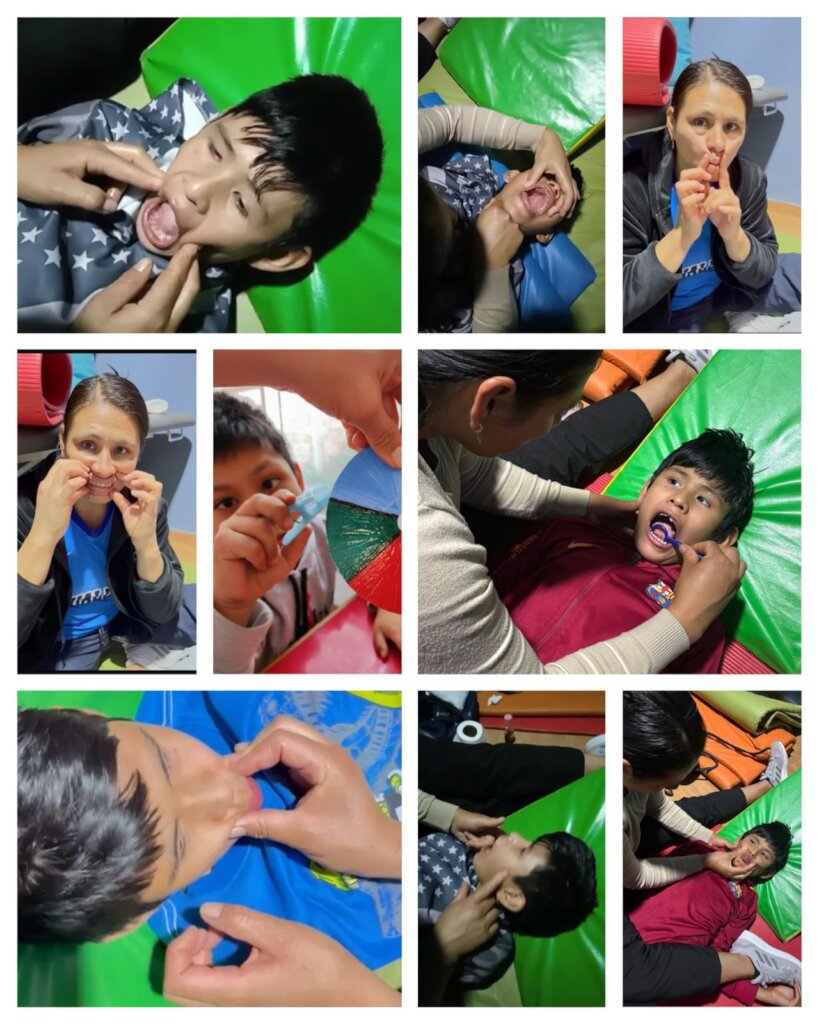
Mientras su madre mostraba una mejoría psicológica, Gino continuó con fisioterapia para apoyar la regulación sensorial y la función motora. Su cuerpo parecía desorganizado, su procesamiento sensorial alterado y su lenguaje muy limitado . También se notaba que tenía poco control sobre la salivación. El trabajo terapéutico con él no fue inmediato ni sencillo; fue un proceso gradual que requirió constancia y la participación activa de su madre.
Para reducir su agresividad , el servicio de psicología implementó un enfoque gradual, lo que permitió a Gino familiarizarse con el espacio terapéutico y no percibirlo como una amenaza. Se utilizaron canciones y objetos de su preferencia para facilitar la conexión y generar confianza. Para estimular el lenguaje, que era casi inexistente , se incorporaron herramientas orofaciales, como pequeñas paletas y cuentas, junto con movimientos faciales suaves, ejercicios de apertura y cierre de la boca, actividades de movilidad lingual y estimulación sensorial para activar respuestas que su cuerpo aún no podía iniciar de forma independiente.
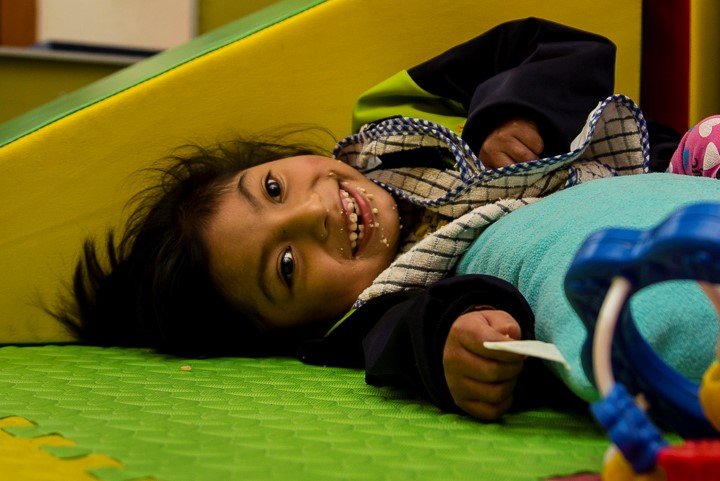
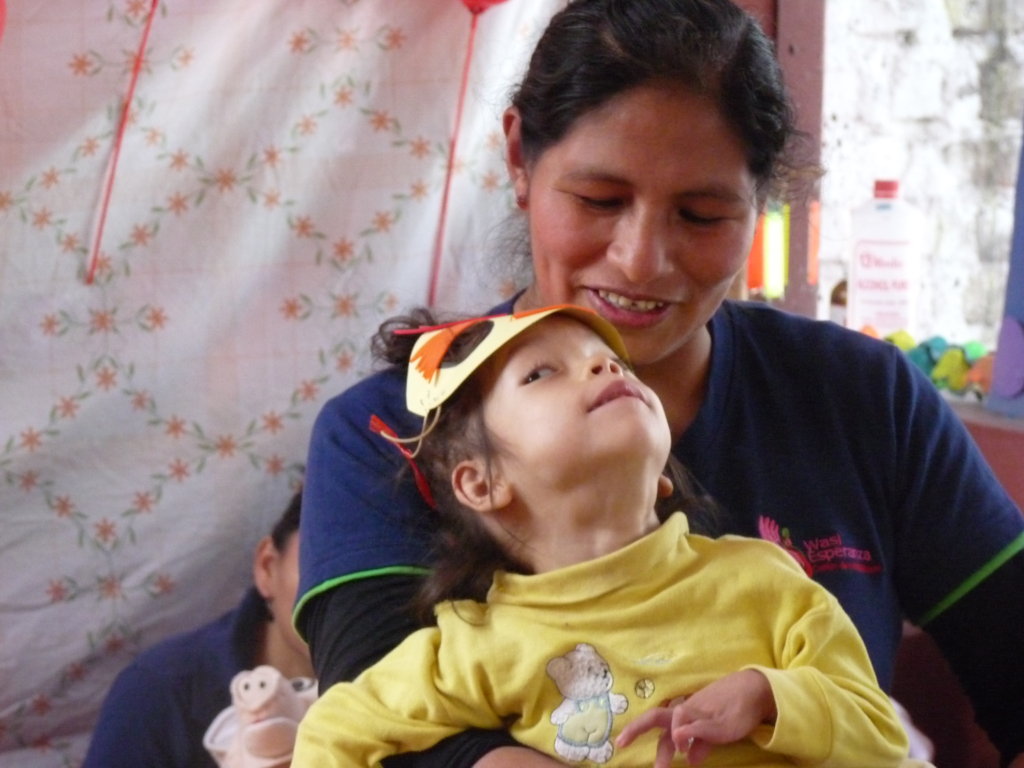
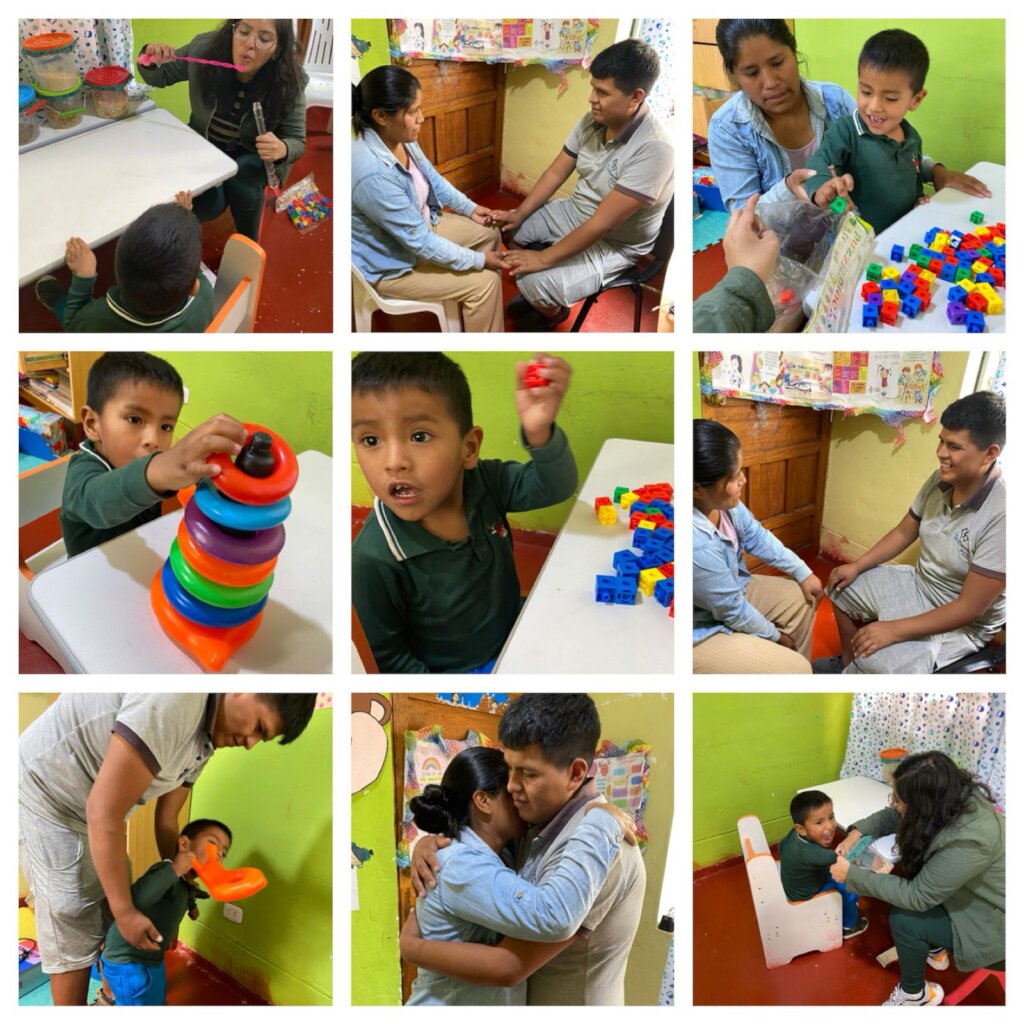
Al principio, Gino babeaba constantemente y se resistía, quejándose durante estos ejercicios. Sin embargo, gracias a la constancia de su madre al practicar a diario y dentro de los plazos indicados , se adaptó gradualmente. Hoy, Gino controla la deglución y responde positivamente a diversos estímulos. Además, su comportamiento agresivo ha disminuido significativamente; ahora sonríe y puede mostrar afecto, incluso ofreciendo abrazos cuando quiere.
Junto con estos logros llegó algo aún más significativo: comenzó a producir sonidos más claros . Sonidos que, de alguna manera, nos comunican que está aquí, presente, aprendiendo y avanzando. Y aunque para muchos esto pueda parecer un pequeño paso, para su madre representó un hito, una señal de esperanza y la prueba de que el progreso es posible. Hoy, no hablamos de una cura; hablamos de regulación, de conexión y de una esperanza real. Hablamos de una madre más tranquila y de un niño que logró lo que antes parecía imposible.
By Liseth Anaya | Psychologist
By Liseth Anaya | Project Psychologist
Project reports on GlobalGiving are posted directly to globalgiving.org by Project Leaders as they are completed, generally every 3-4 months. To protect the integrity of these documents, GlobalGiving does not alter them; therefore you may find some language or formatting issues.
If you donate to this project or have donated to this project, you can receive an email when this project posts a report. You can also subscribe for reports without donating.



Support this important cause by creating a personalized fundraising page.
Start a Fundraiser