By Andrea Vogt | International Director Operation Mercy
Dear friends of Operation Mercy,
I promised you in my last email that I would get back to you after my visit to Central Asia — and so I want to do that before I head out on my next trip, this time to Jordan. But more about that later.
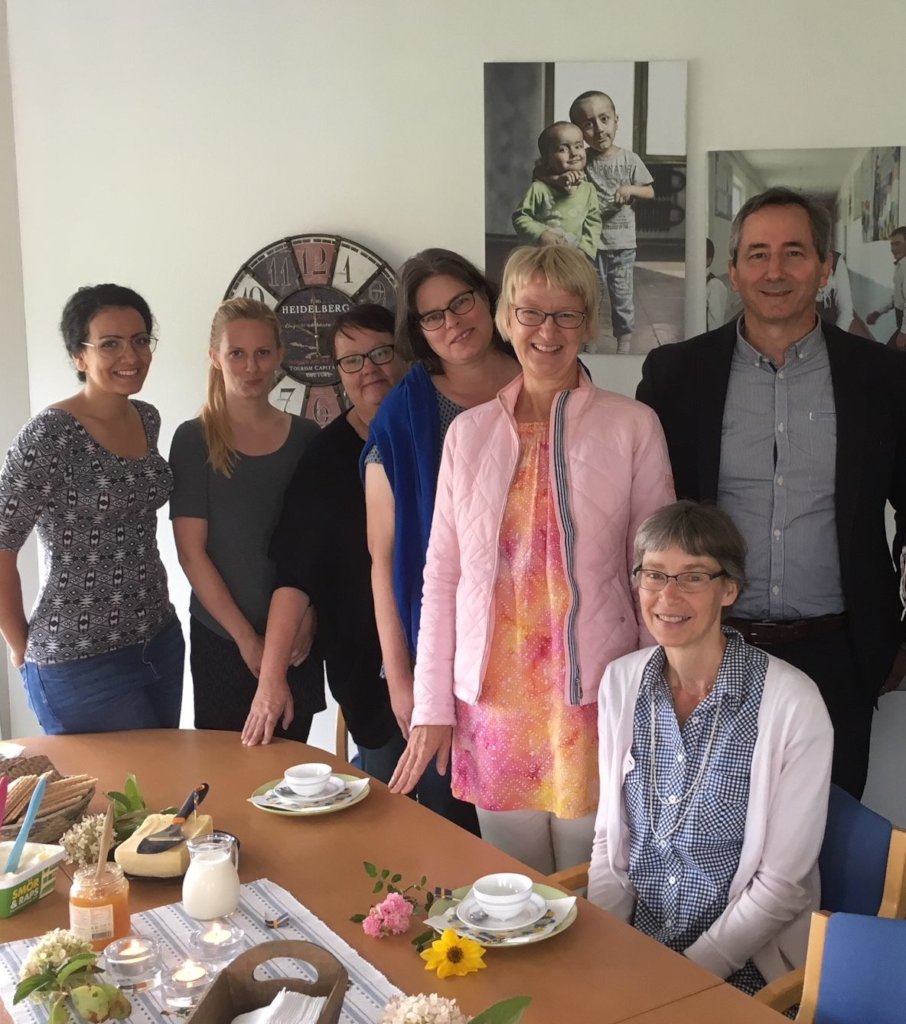
I had an amazing two weeks with our people in Central Asia! I am so proud of so many of them. As I mentioned before, I lived for 20 years in the region — to see the progress these countries have made, and especially how we as Operation Mercy have been able to contribute and ensure that the most vulnerable are not left behind in the process, is so encouraging.
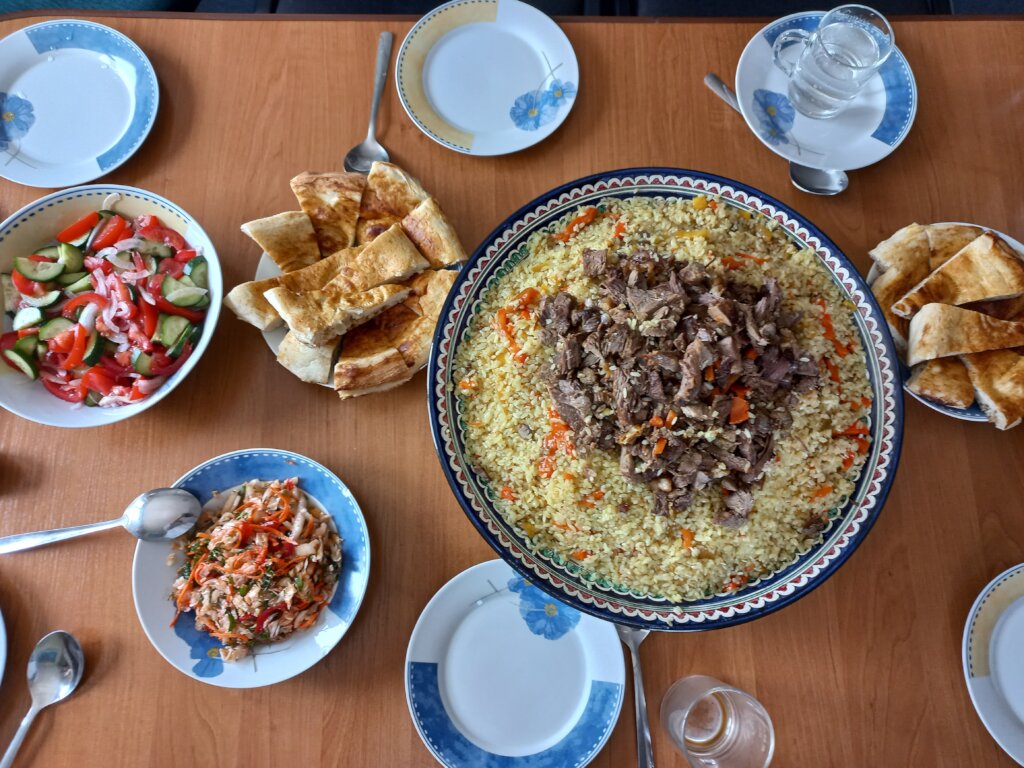
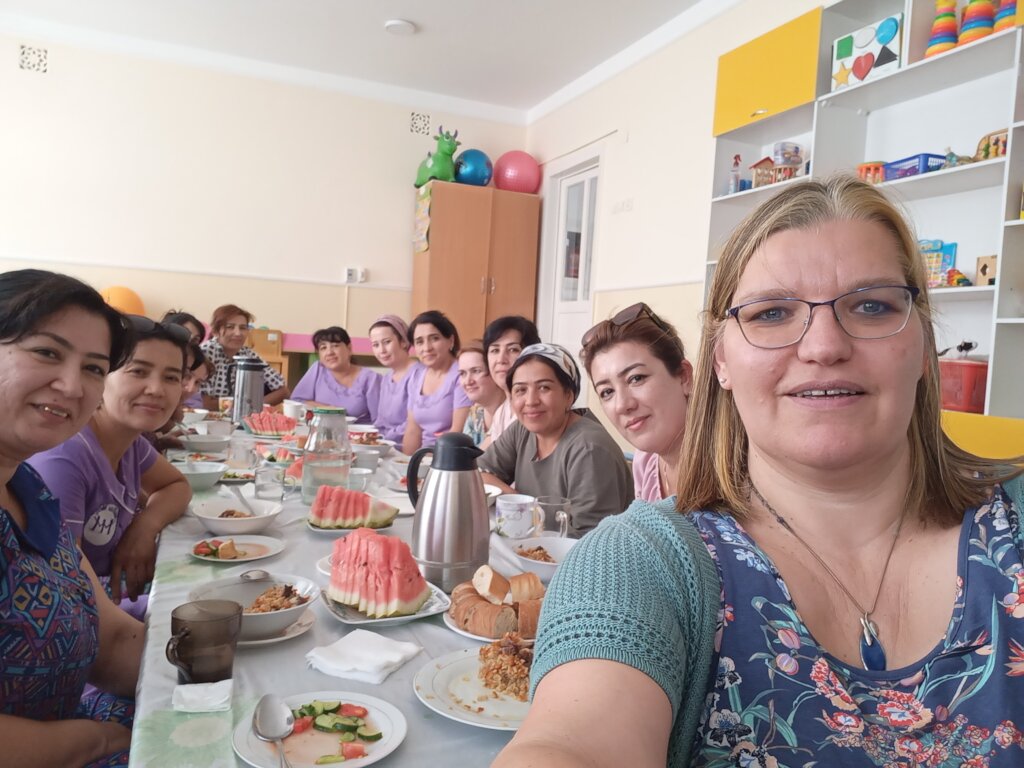
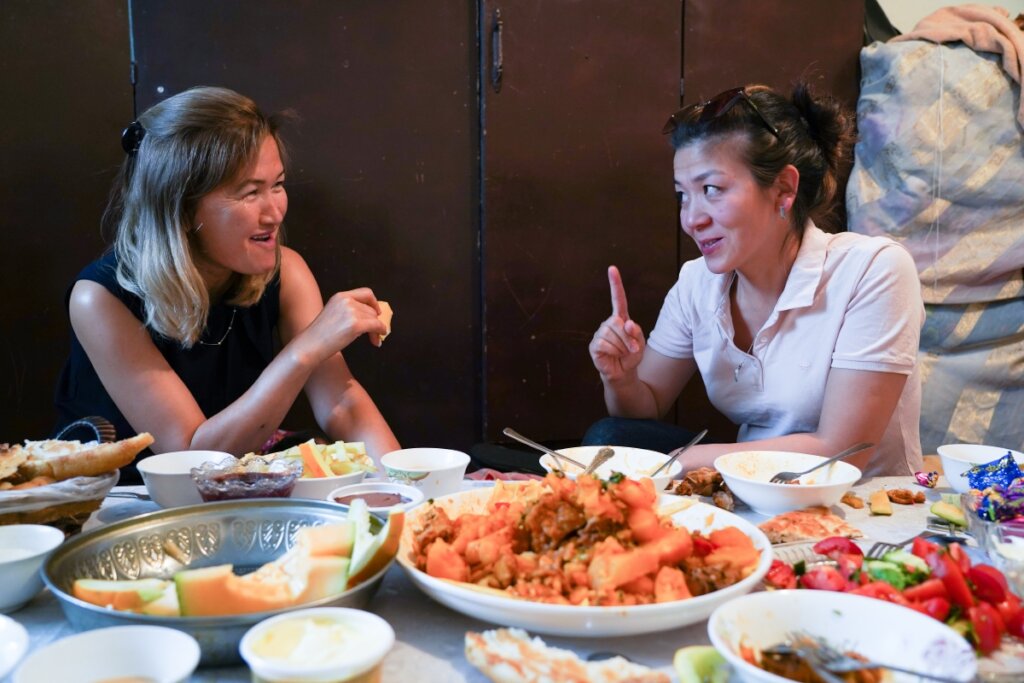
In Almaty, Kazakhstan, I visited our Sparkling Freedom project for the first time. Over lunch with a handful of women working in the sex industry — many of them my age, some even talking about their grandchildren — I was struck by how different their stories are from the stereotypes we might hold. Many have been trapped in this work for years. Often, their families back home have no idea what “Mum” or “Grandma” does for business in the big city.
Then one woman shared that she has saved enough money to get a small flat — she wants out. Through months and years of relationship-building with our team, she has gained the self-confidence and self-worth to believe she can do this — that she can leave and start over, even at this stage of life. What a moment it was to witness her share this with our project manager! The team is ready to journey with her and support her in her next steps.
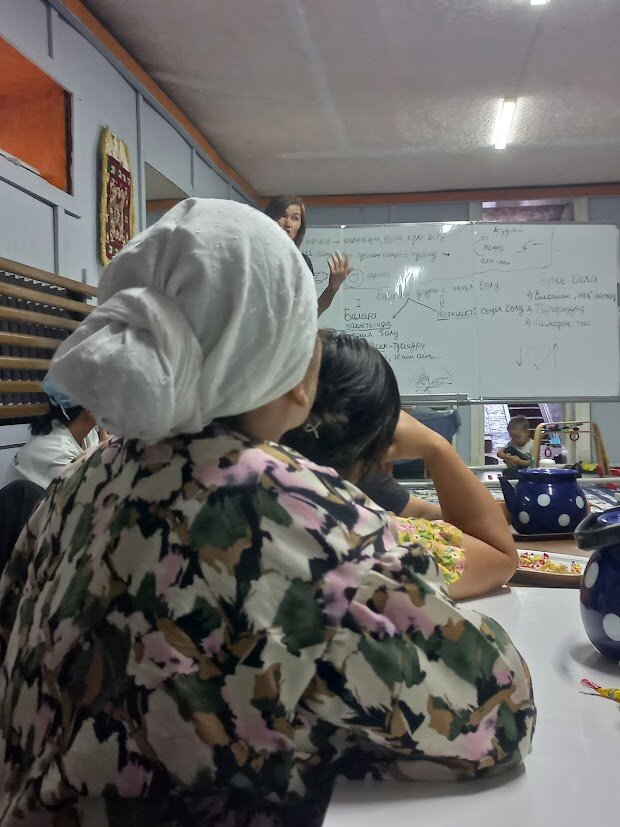
Back in the office, we worked on project evaluations and planning — looking at the synergies between the Sparkling Freedom project and the Women’s Empowerment project, which supports women at risk, often those stuck in abusive relationships.
We want to dig deeper: what can the two projects learn from each other? What are the common root causes? The new leadership team in Kazakhstan is eager to learn and expand the projects into new areas — new parts of Kazakhstan where women face the same struggles. Being able to train, coach, and walk with them through these processes is one of the highlights of my work in the International Office.
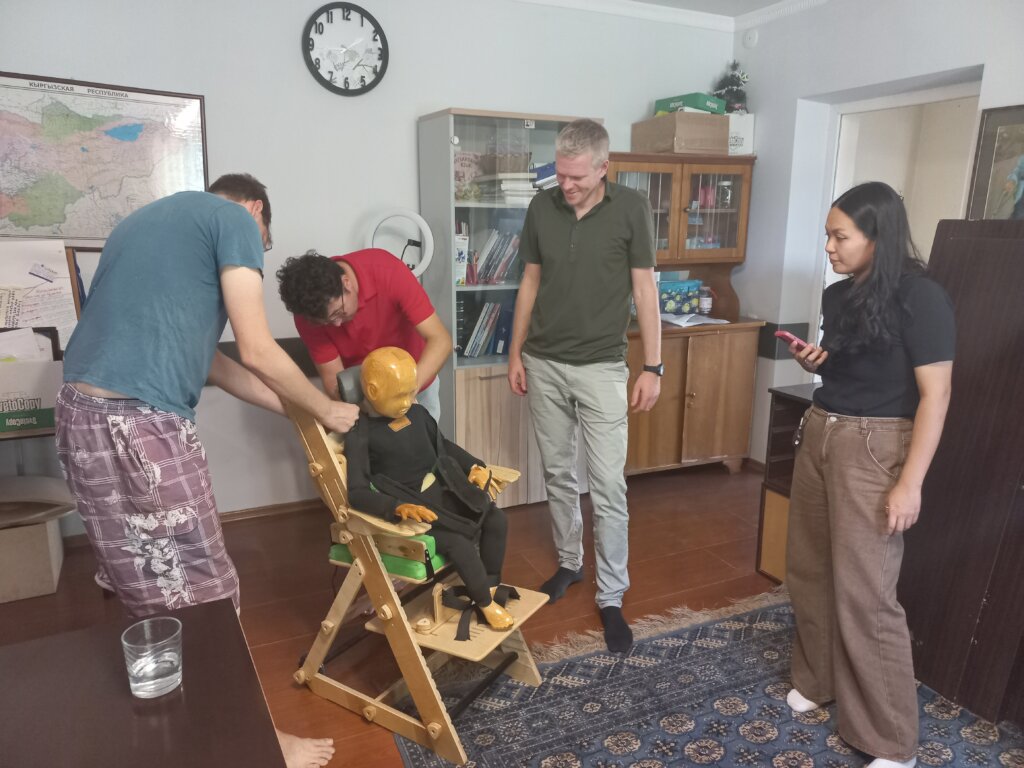
Then we made a surprise trip to Bishkek, Kyrgyzstan — only four hours by car from Almaty. Members of the Almaty Partnership Project for Children with Disabilities met, for the first time with our partners in Bishkek who build professional assistive devices at low cost. It quickly became clear that the two projects complement each other perfectly. Special chairs were loaded up to bring back to Almaty, and all agreed they want to continue learning and cooperating across the border. Peer learning across projects and countries is one of our current strategic goals — so it was wonderful to see it in action!
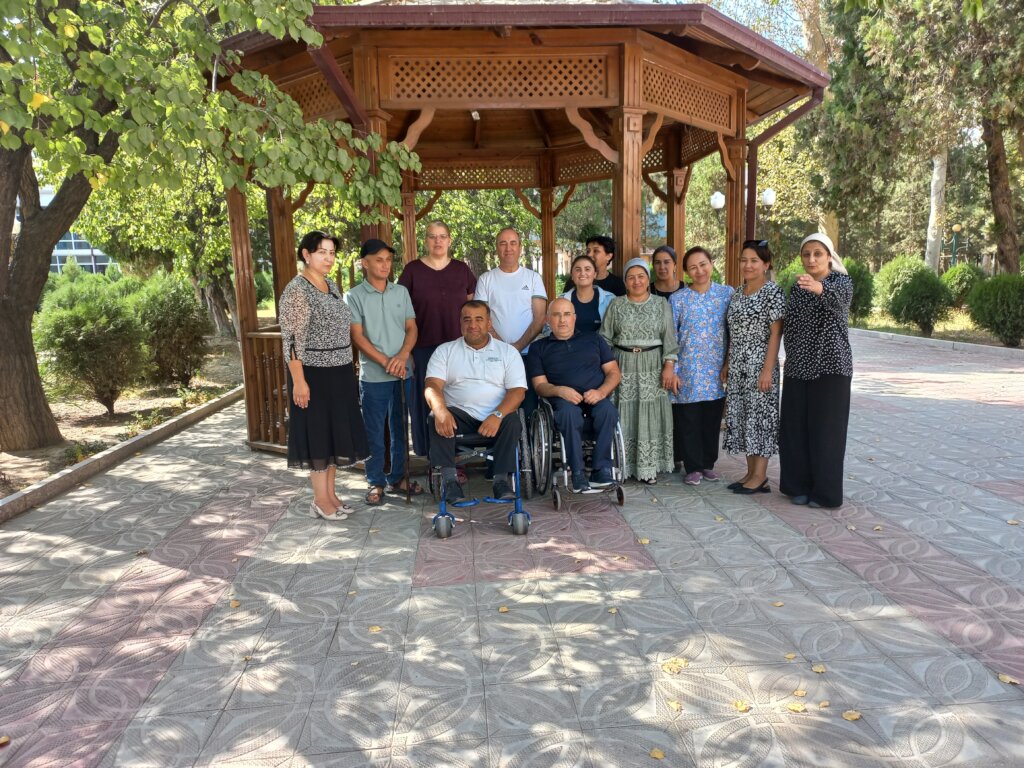
Disability was also the main theme during week two in Tajikistan. Here, our local partners are wrapping up a project that has been supported by the Swedish government for years. Due to changes in international aid funding, the government cancelled the contract after one year and nine months of a three-year programme.
After the initial shock, the team worked hard to fit as many of the planned outcomes as possible into the remaining months.
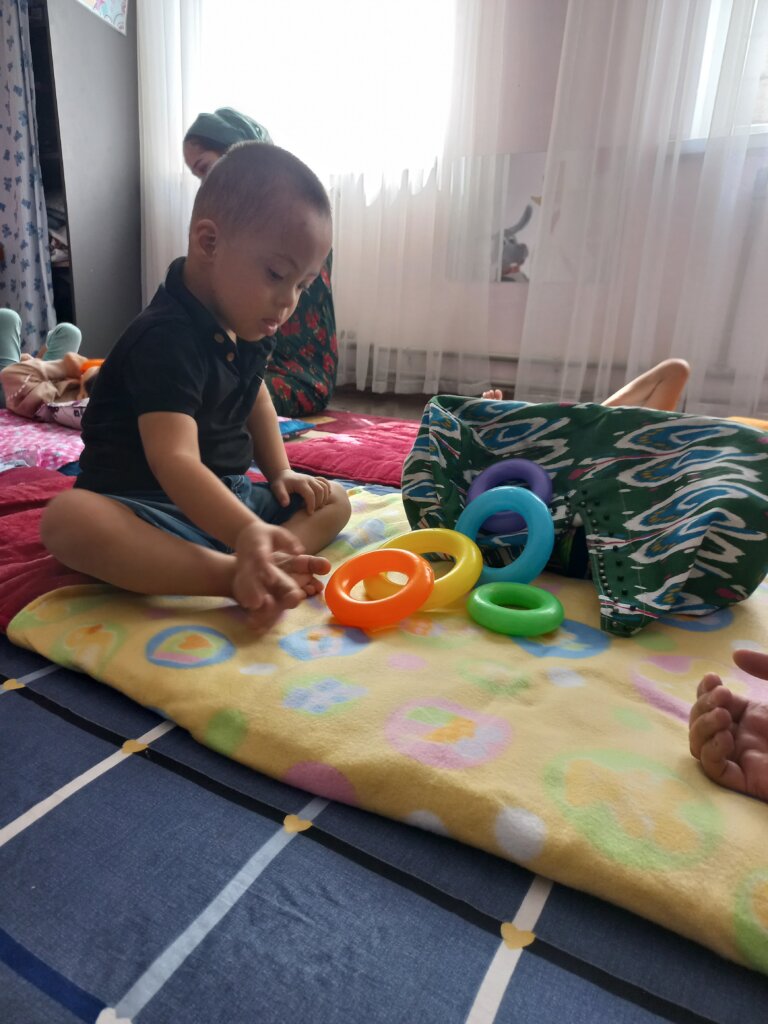
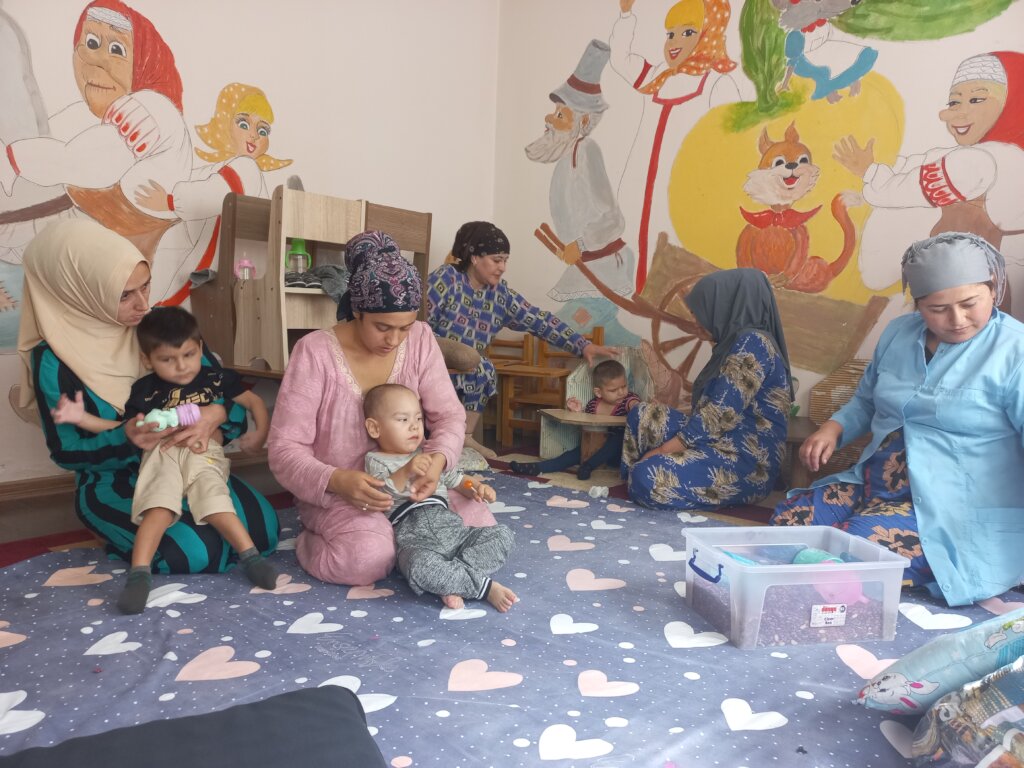
And wow, have they worked hard! Teachers and social workers have been trained; children are not only receiving rehabilitation but also going to school. A meeting with a representative from the Ministry of Education was especially encouraging — they endorsed our partners’ training as the main national training on inclusive education in Tajikistan.
A new area of focus has been female hygiene and reproductive health for girls and women with disabilities. The stories uncovered in this area were often heartbreaking, but the change achieved through simple, practical means has been truly amazing.
Now we are working together on a new funding proposal for a private foundation, as well as the final report to the Swedish government. We hope and pray that this important work can continue.
Finally, a partnership with a second local Tajik NGO was renewed. Some misunderstandings were cleared up, expectations were communicated more clearly face-to-face — and that, too, is part of our work. Not everything is always perfect; conflict happens. But we strive for understanding, to learn from mistakes, and — as in this case — to celebrate when we can continue and renew our partnerships.
So this is part of the roller-coaster ride I go on as International Director — and also what my international team supports faithfully in the background.
Next week, we begin a Project Cycle Management training in Jordan for new managers — many of them local Jordanians, as well as representatives from other Operation Mercy countries. Keeping our people well-trained, maintaining high project quality, and ensuring that our engagement with the community is professional and hope-giving — that is our goal.
Thank you for joining us in this!
Warm regards,
Andrea
By Andrea Vogt | International Director Operation Mercy
By Andrea Vogt | International Director Operation Mercy
Project reports on GlobalGiving are posted directly to globalgiving.org by Project Leaders as they are completed, generally every 3-4 months. To protect the integrity of these documents, GlobalGiving does not alter them; therefore you may find some language or formatting issues.
If you donate to this project or have donated to this project, you can receive an email when this project posts a report. You can also subscribe for reports without donating.



Support this important cause by creating a personalized fundraising page.
Start a Fundraiser