By Ariel Wu | International Social Media Manager
When the Road Breaks: How a Mountain Village’s Quiet Preparedness Paid Off
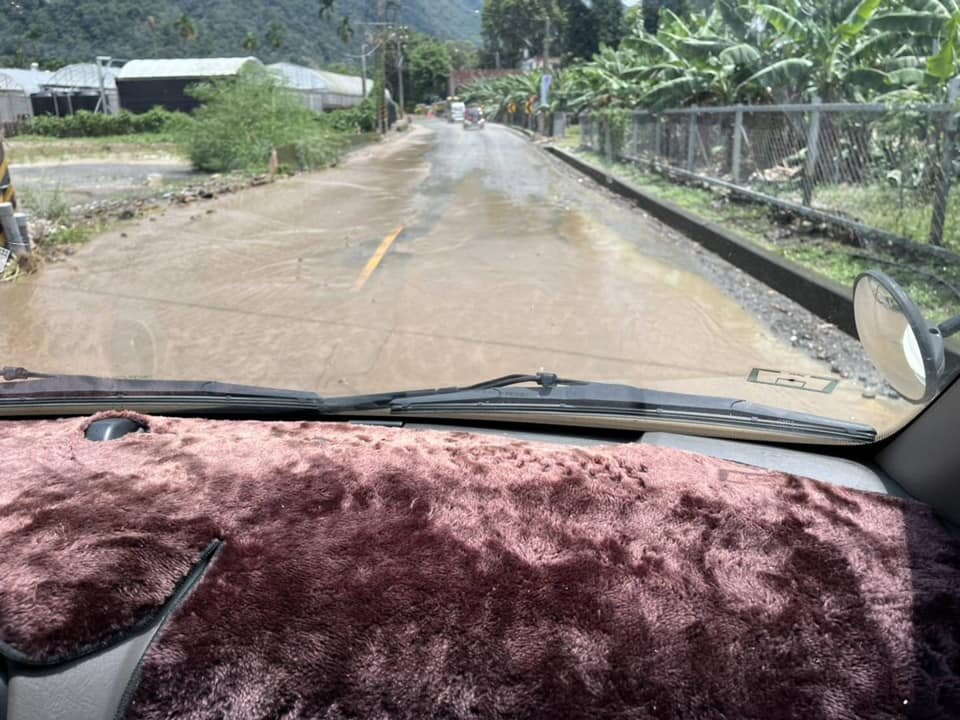
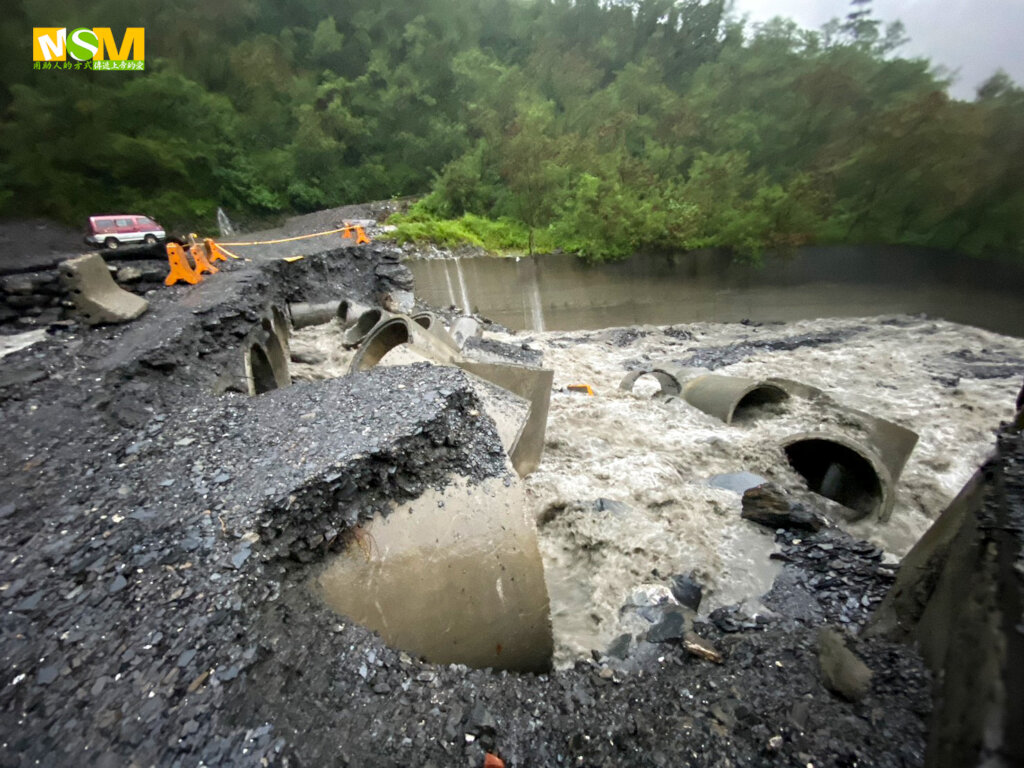
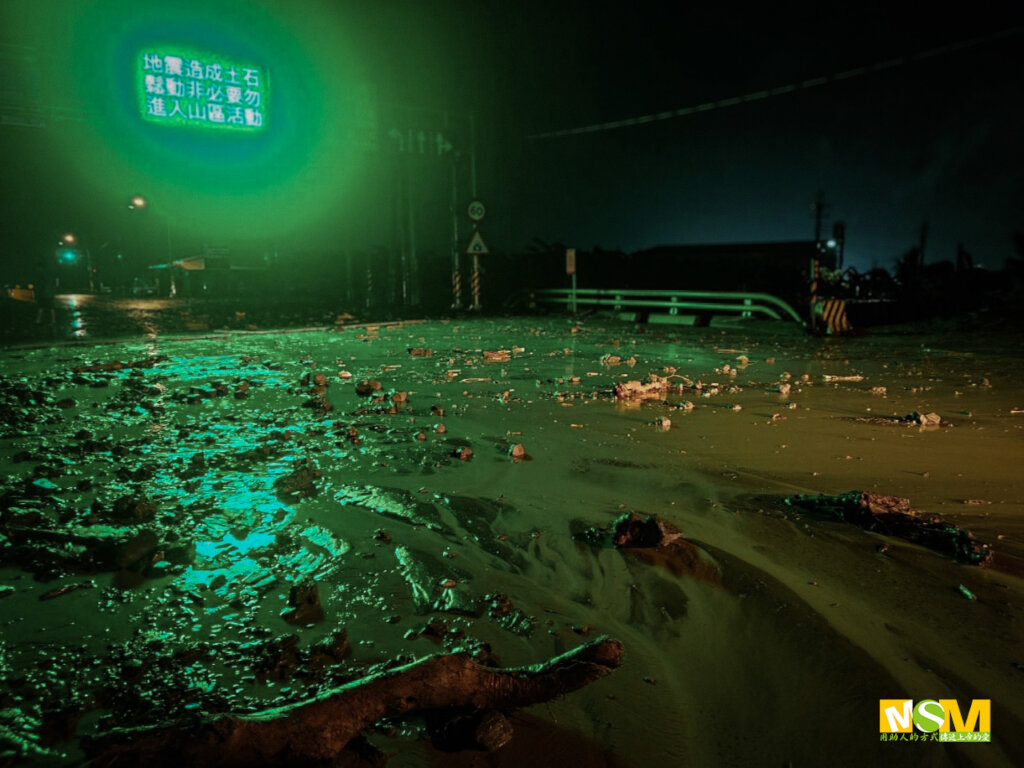
In early July 2025, Typhoon Danas struck Taiwan’s southern region with torrential rain and fierce winds. In the remote Dawu Village (Labuwan in the Rukai language) of Pingtung County, landslides and flooding quickly severed the road into the village. Power and communication were lost. Dawu Village became an island, with no way in or out.
But it wasn’t the first time this had happened.
A Lesson from Morakot
Back in 2009, Typhoon Morakot devastated much of Taiwan. All three bridges connecting Dawu to the outside world were destroyed, leaving residents stranded for a full week until helicopters could reach them. Although Dawu was one of the few Indigenous villages later deemed safe enough to remain inhabited, the disaster exposed just how fragile access to necessities could be in remote mountain villages.
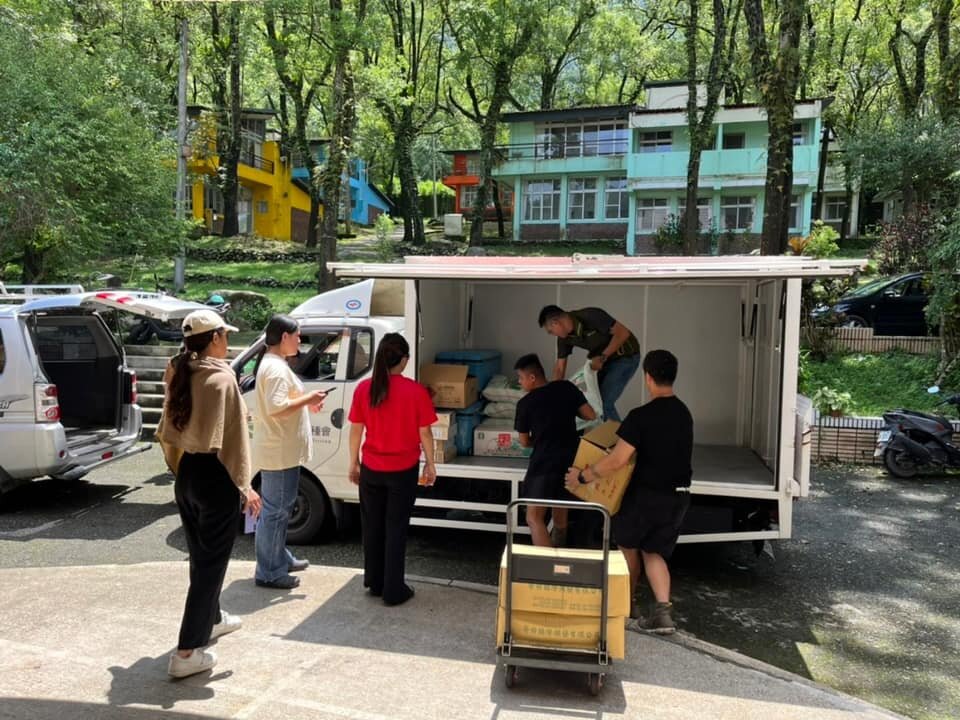
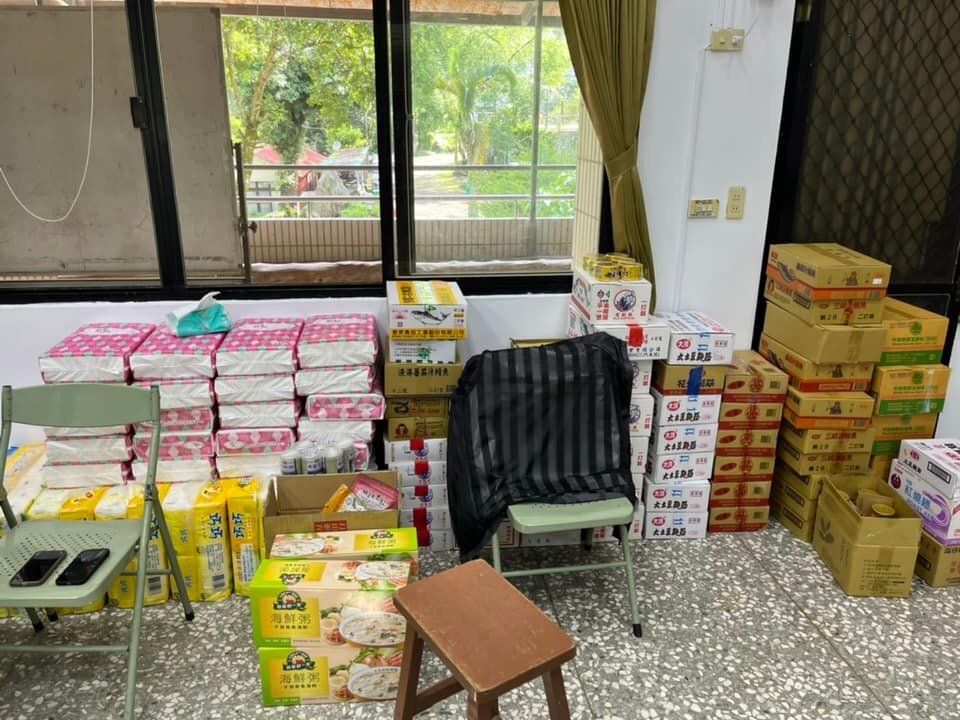
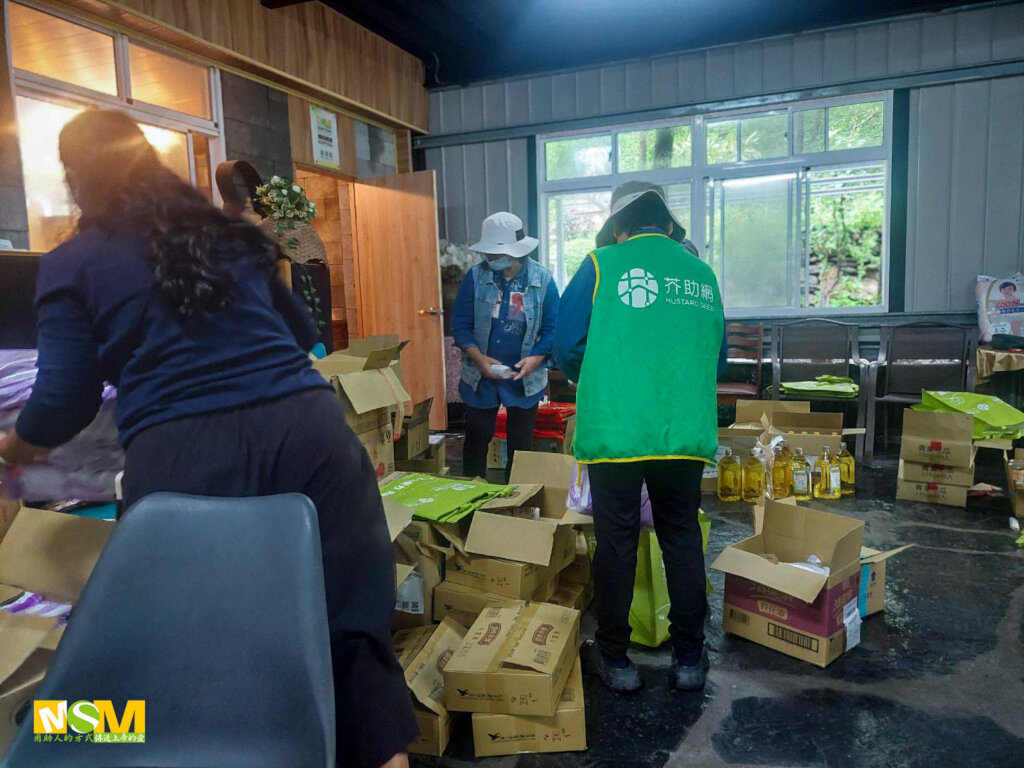
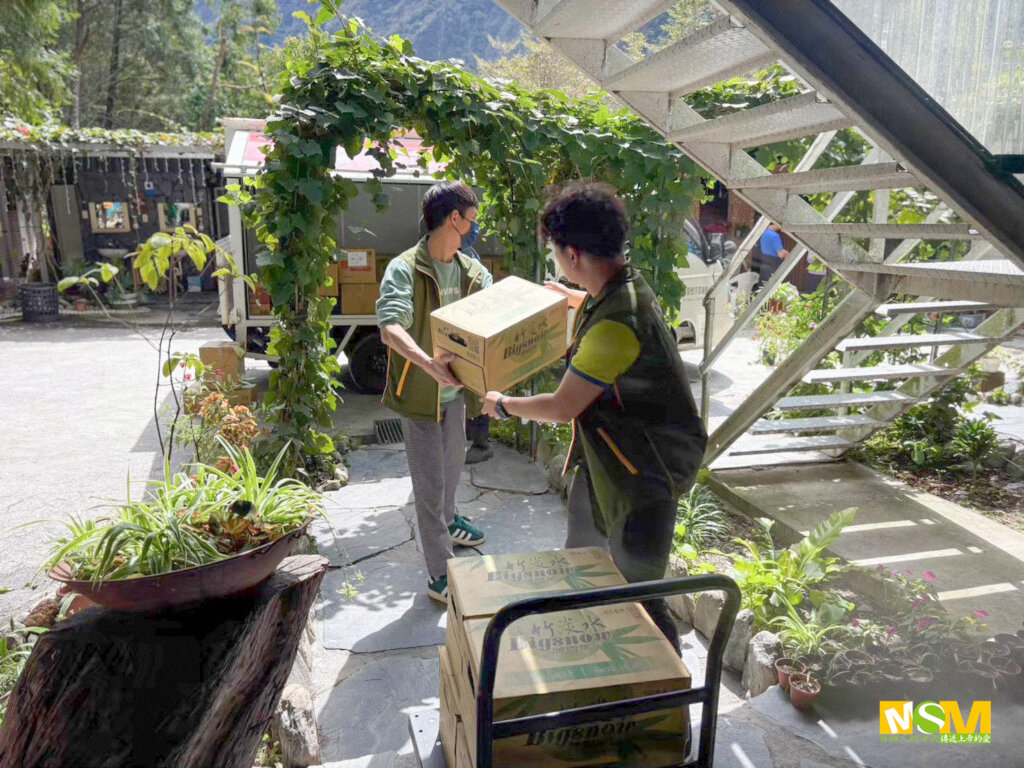
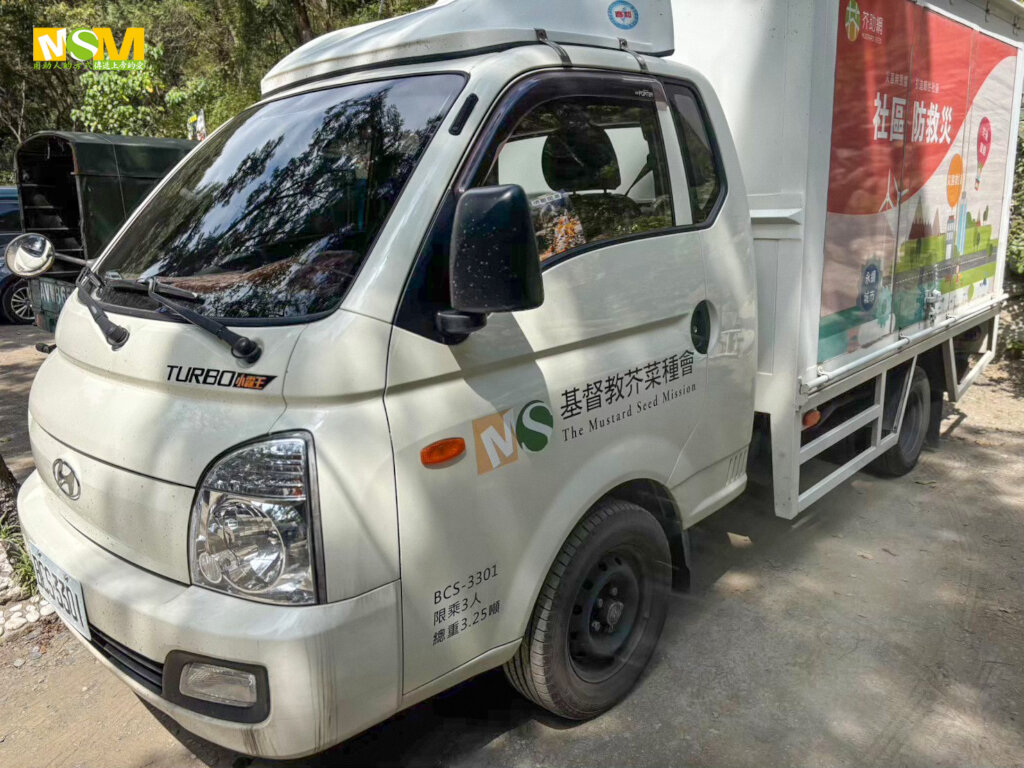
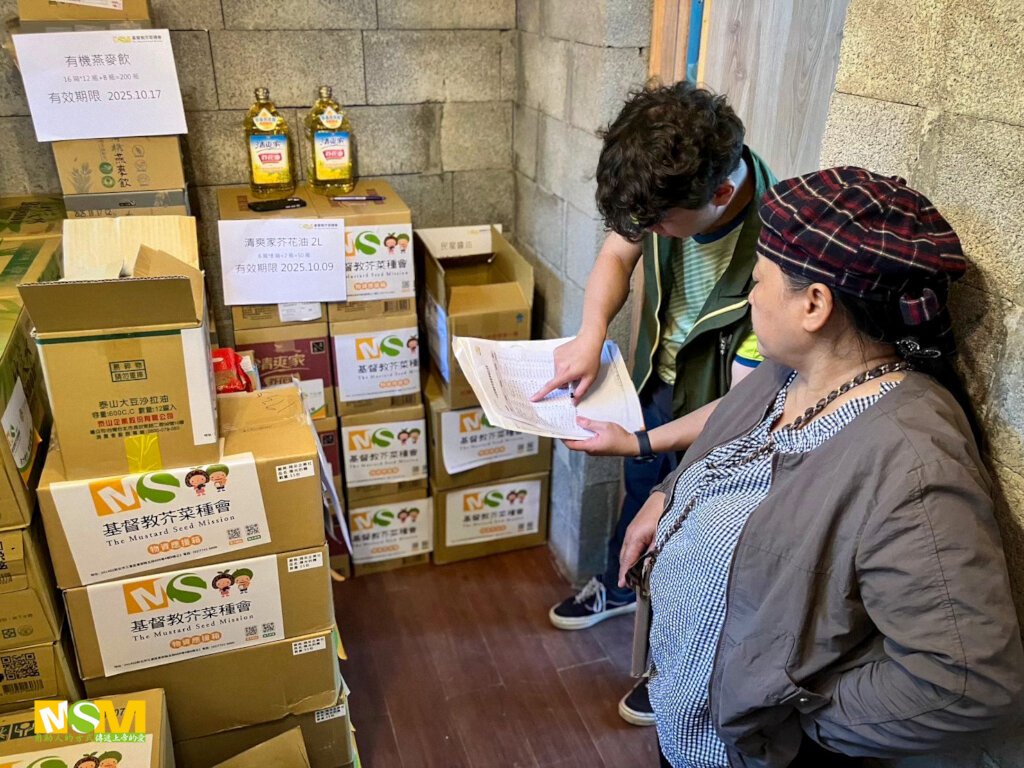
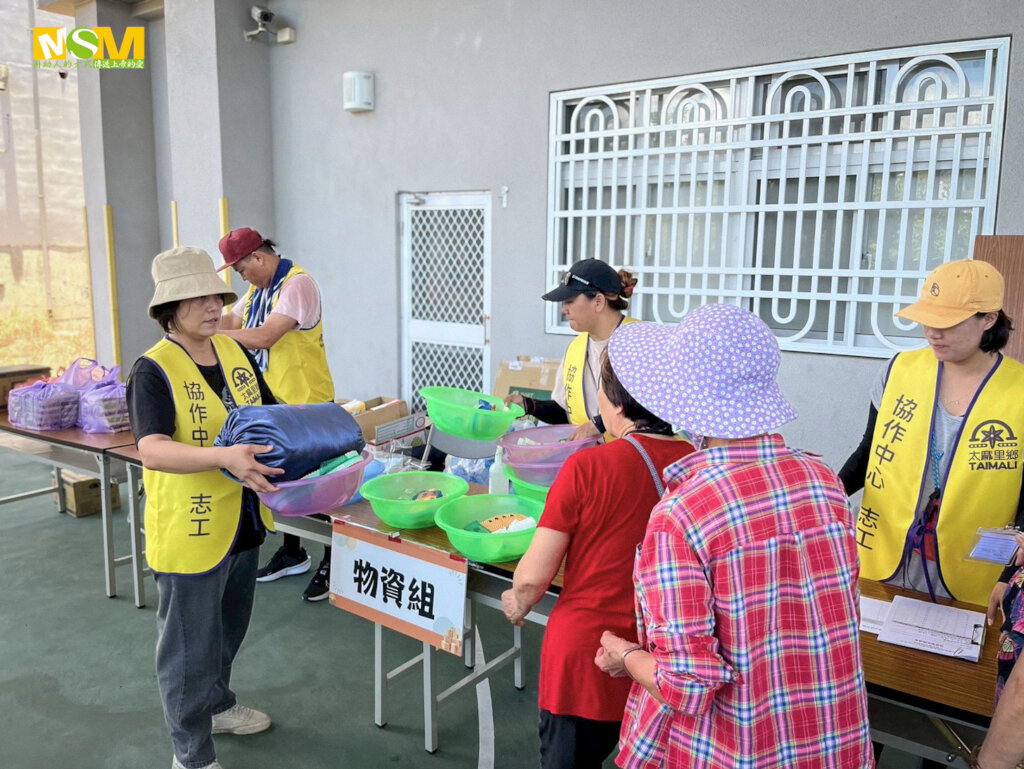
In response, The Mustard Seed Mission worked with local partners to establish a disaster food reserve center in the village. Stocked with 3 days’ worth of supplies, this preemptive measure ensures that, should roads be cut off again, the community wouldn’t be left helpless.
The Test of Typhoon Danas
When Danas made landfall in the summer of 2025, the village was once again cut off. Roads were blocked, power was out, and with no signal, outside contact was impossible. News outlets later reported that the Wutai township mayor had to cross the flooded mountain terrain on foot to deliver urgent medicine.
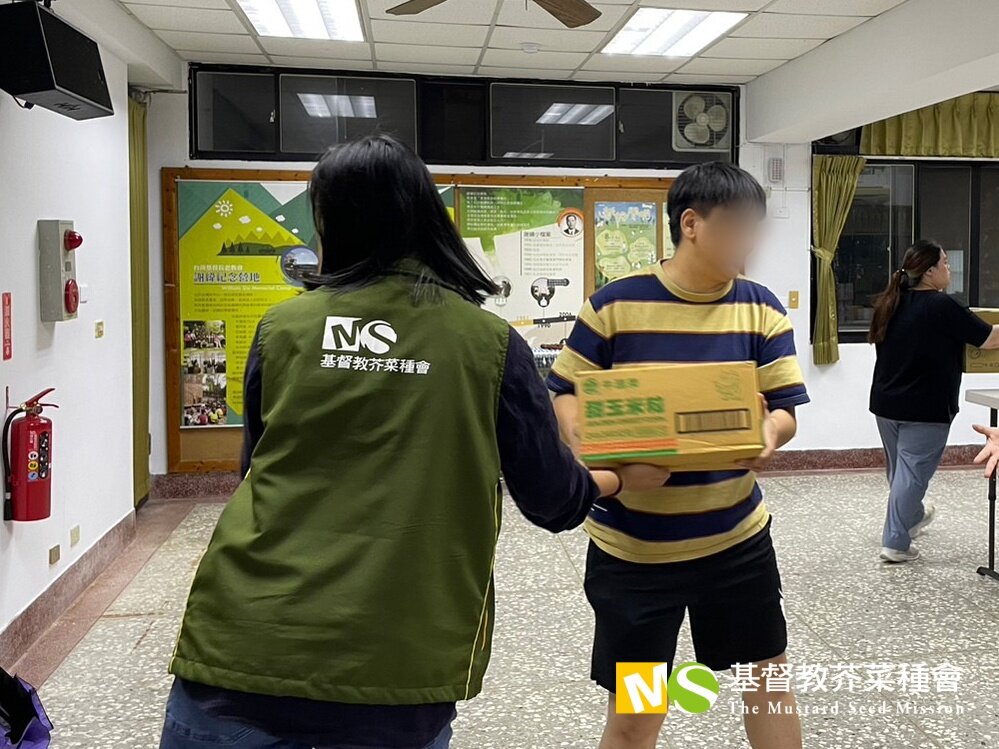
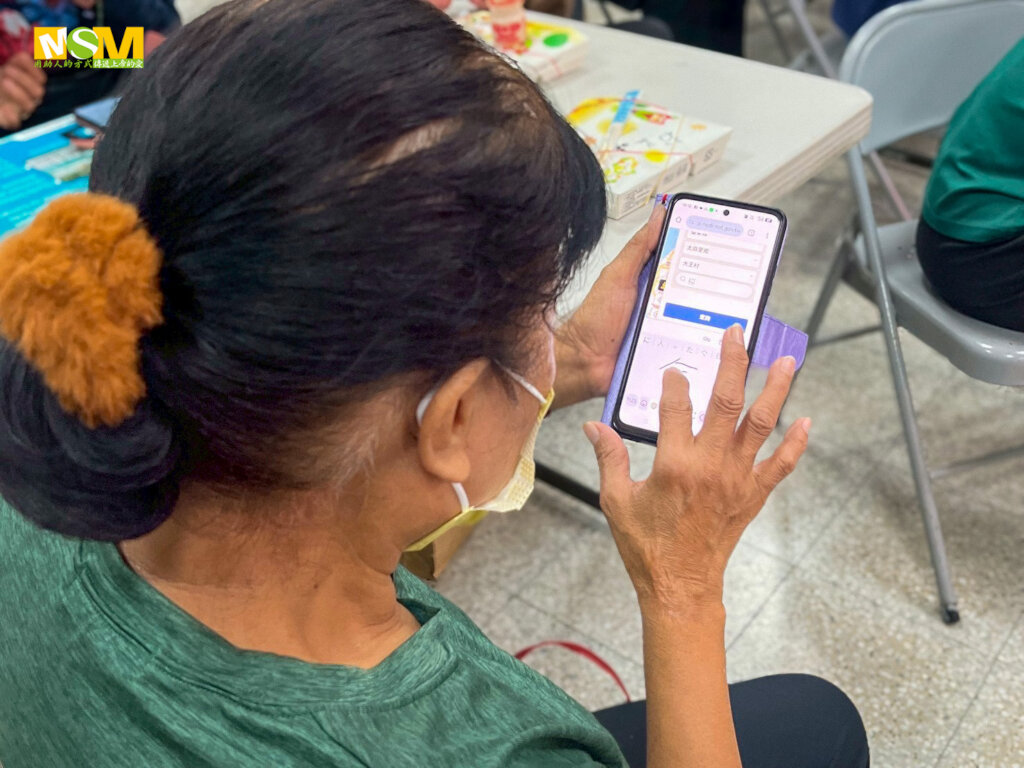
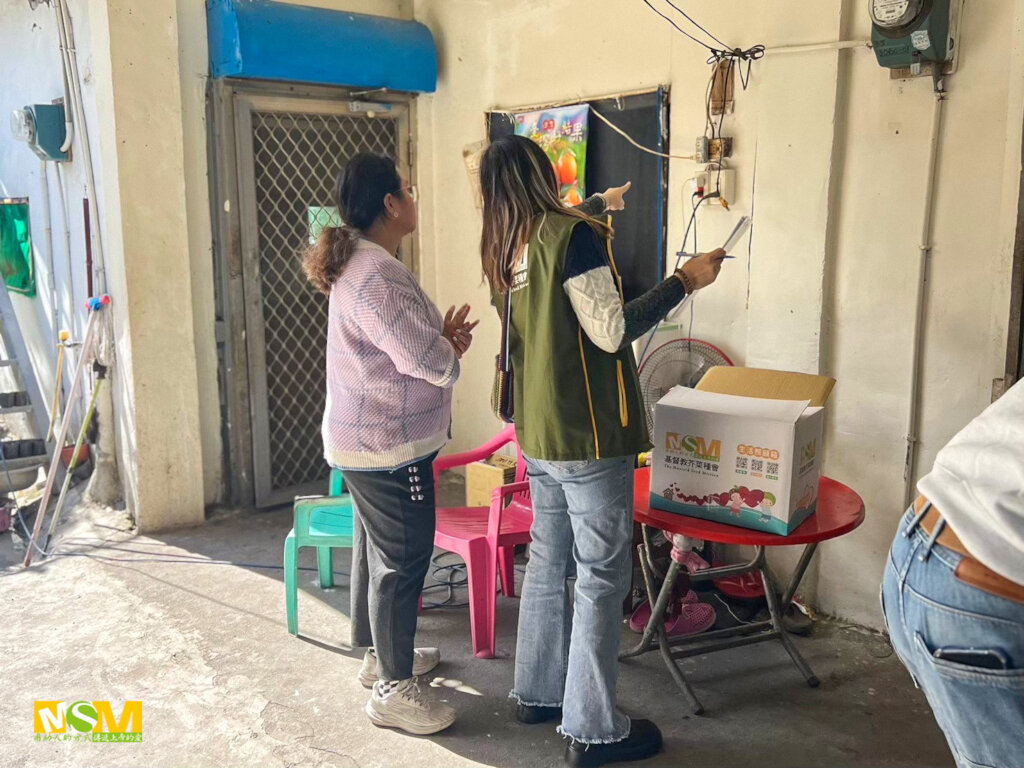
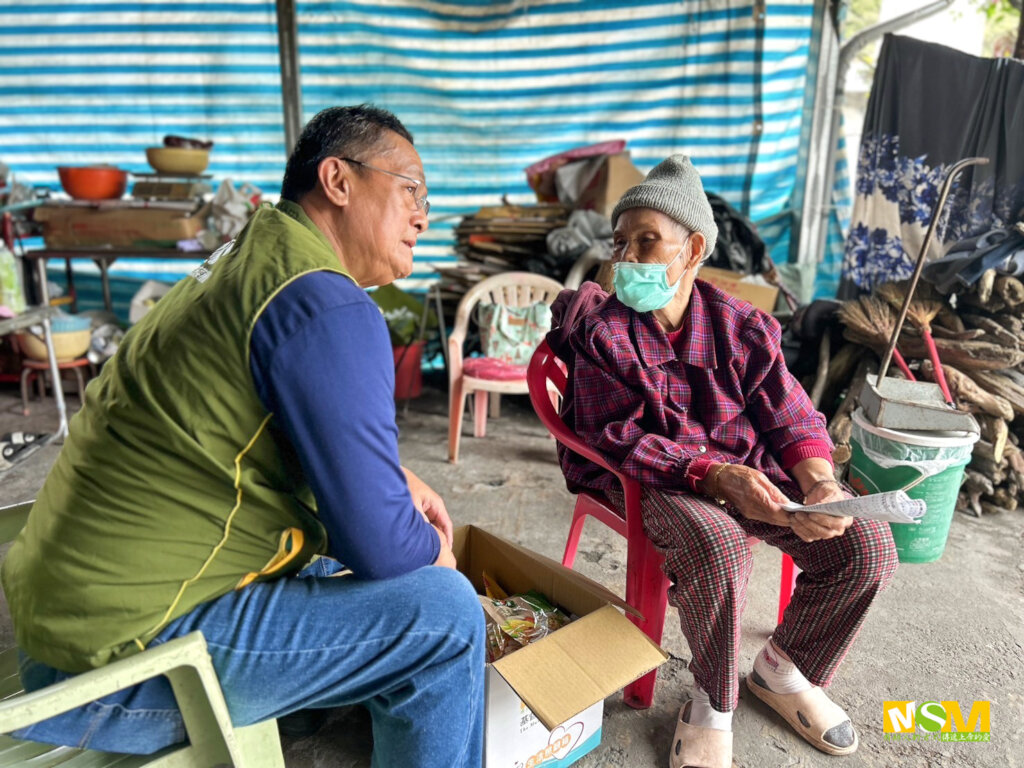
When MSM finally reached the local reserve center manager. The update brought relief: “There was damage, but everyone is safe. And the supplies are holding.” She had already distributed food kits to 50 households—including rice, noodles, canned goods, baby formula, oatmeal, and bottled water.
Because of the food reserve center, families didn’t have to wait or worry during the most uncertain hours after the storm.
Why It Matters
According to the estimation by the World Bank, 99% of the Taiwanese population lives in areas exposed to multiple natural hazards, making it one of the most disaster-prone regions in the world. In villages like Dawu, with limited access and only one narrow road in or out, isolation during emergencies isn’t just a possibility, but a pattern.
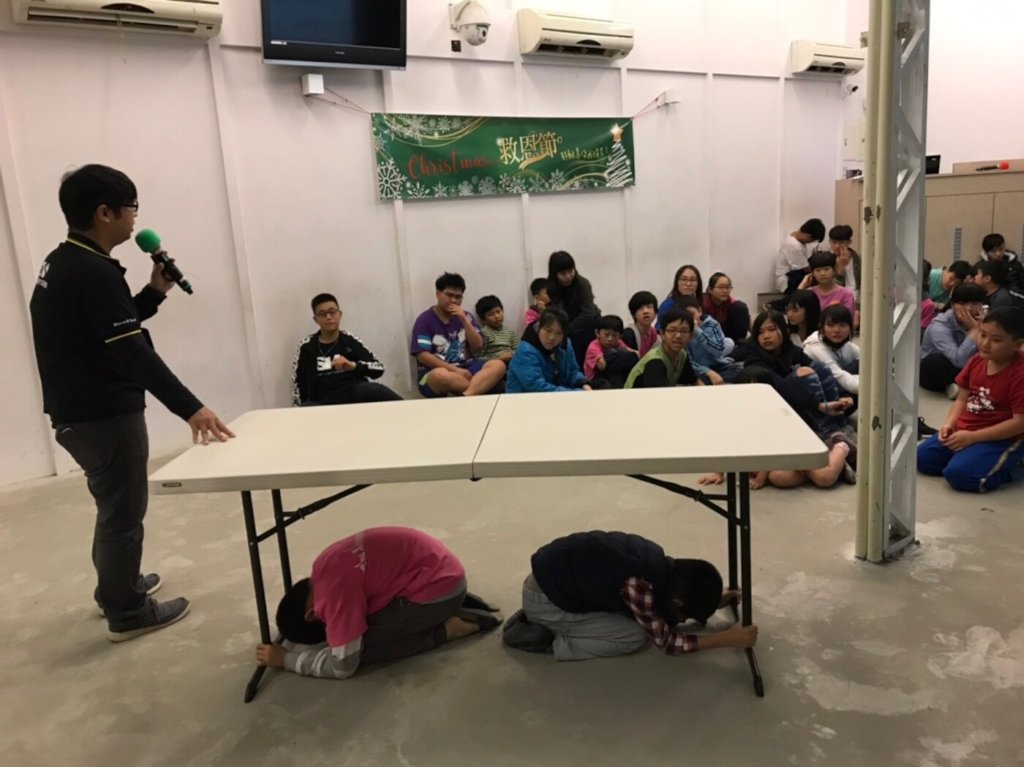
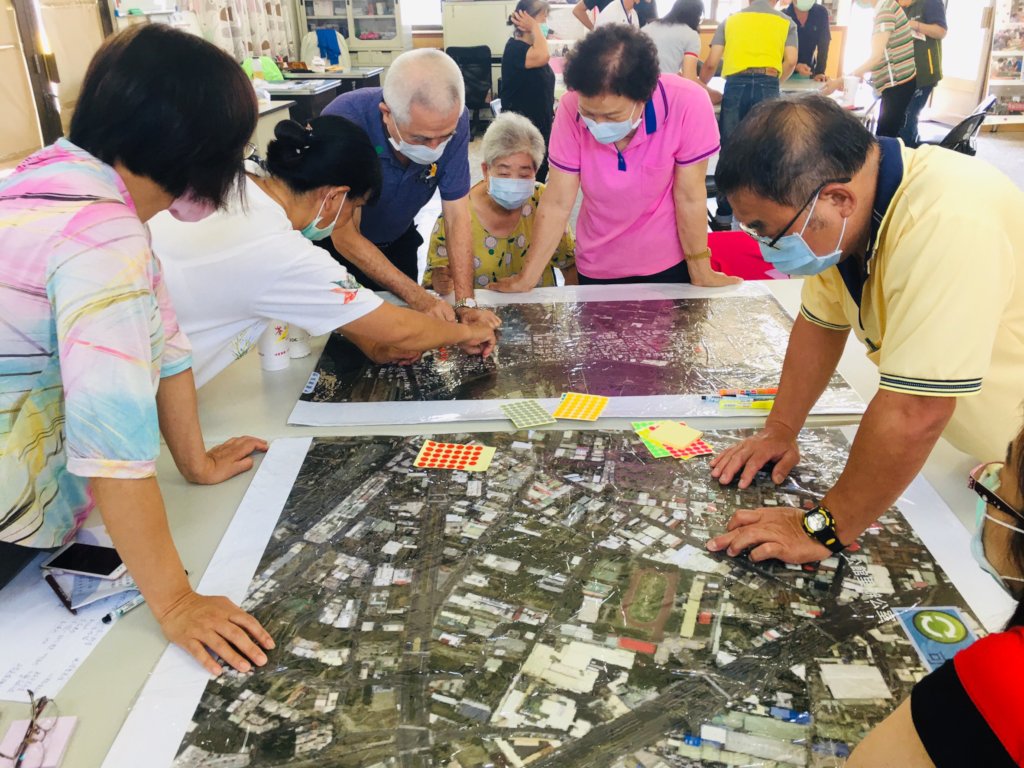
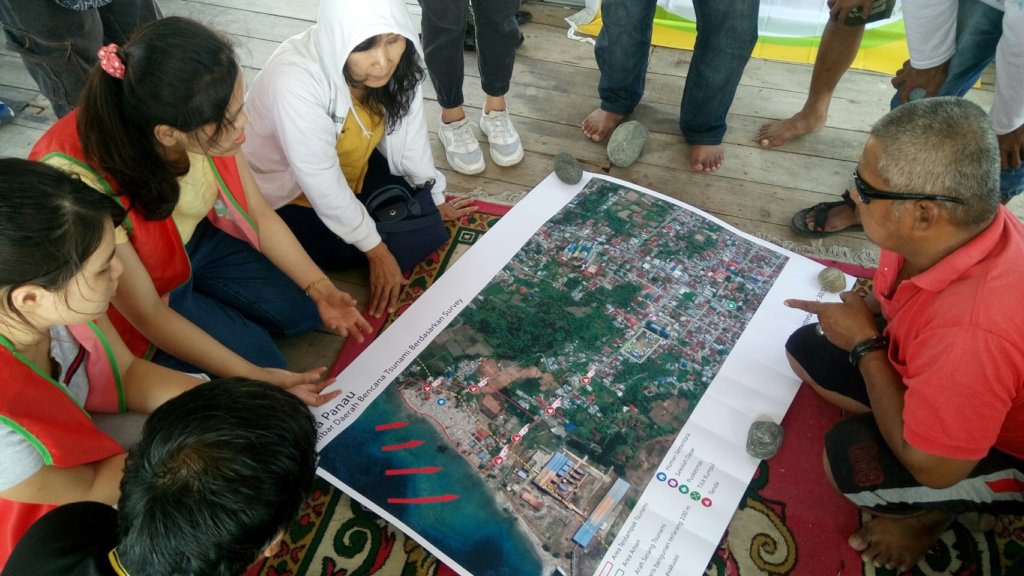
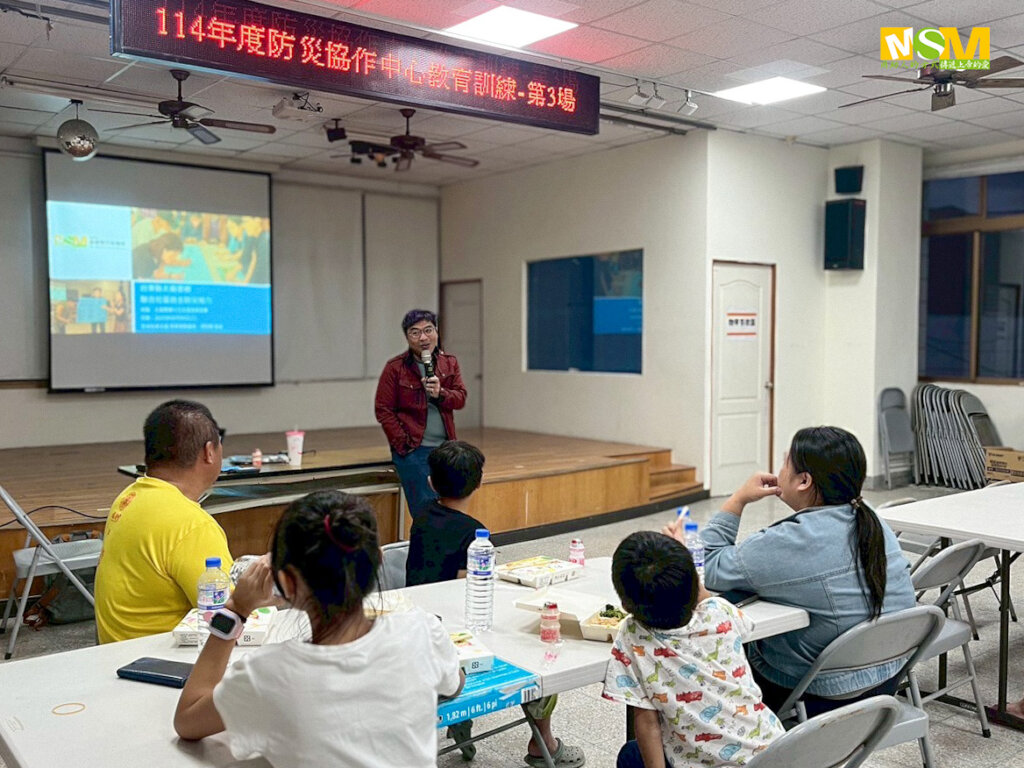
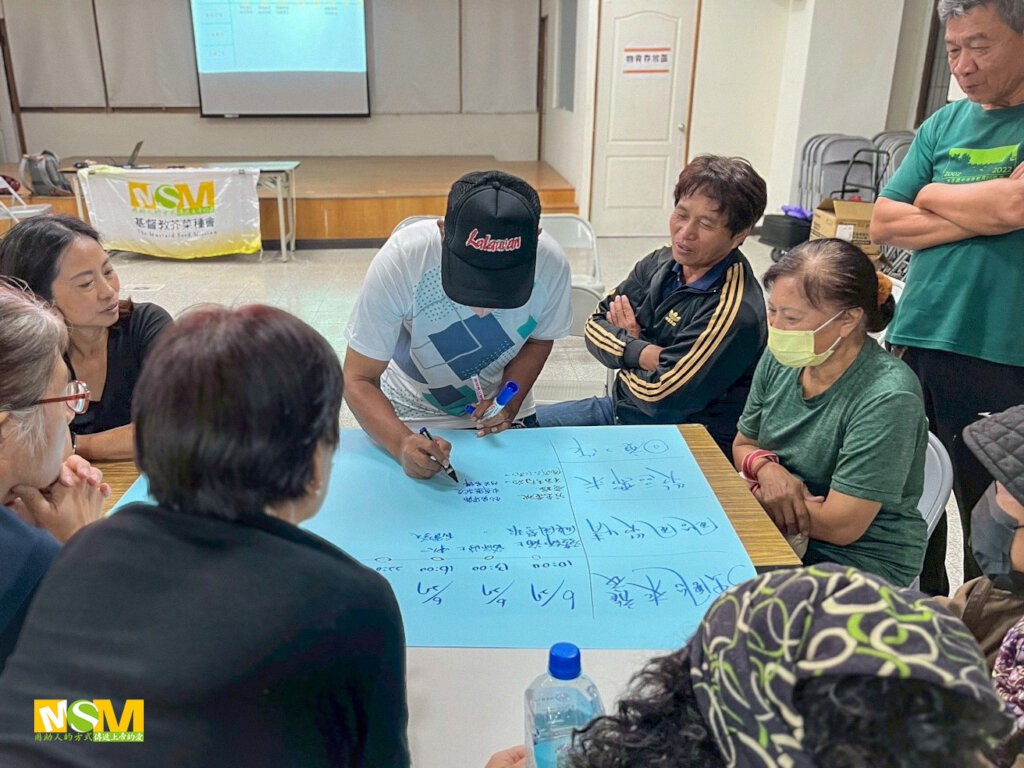
That’s why proactive preparedness matters. It may be quiet, steady, and easily goes unnoticed, but it works. By setting up food reserve centers, training local managers, and establishing clear response protocols, communities are better equipped to handle the unexpected.
Disasters don’t wait. Neither can preparation.
Dawu village showed what a difference readiness can make. With your support, The Mustard Seed Mission can help more remote communities set up supply centers, conduct training, and build long-term resilience in advance.
Disaster waits for no one. Support long-term disaster preparedness and help more villages get ready before the next storm hits.
For friends in Taiwan: https://bit.ly/3WiZ9h1
Support us via GlobalGiving: https://bit.ly/409rerW
Corporate Giving via Benevity: https://bit.ly/4dVydK2
By Ariel Wu | International Social Media Manager
By Ariel Wu | International Social Media Manager
Project reports on GlobalGiving are posted directly to globalgiving.org by Project Leaders as they are completed, generally every 3-4 months. To protect the integrity of these documents, GlobalGiving does not alter them; therefore you may find some language or formatting issues.
If you donate to this project or have donated to this project, you can receive an email when this project posts a report. You can also subscribe for reports without donating.



Support this important cause by creating a personalized fundraising page.
Start a Fundraiser