By Ama Morris | HAF Intern
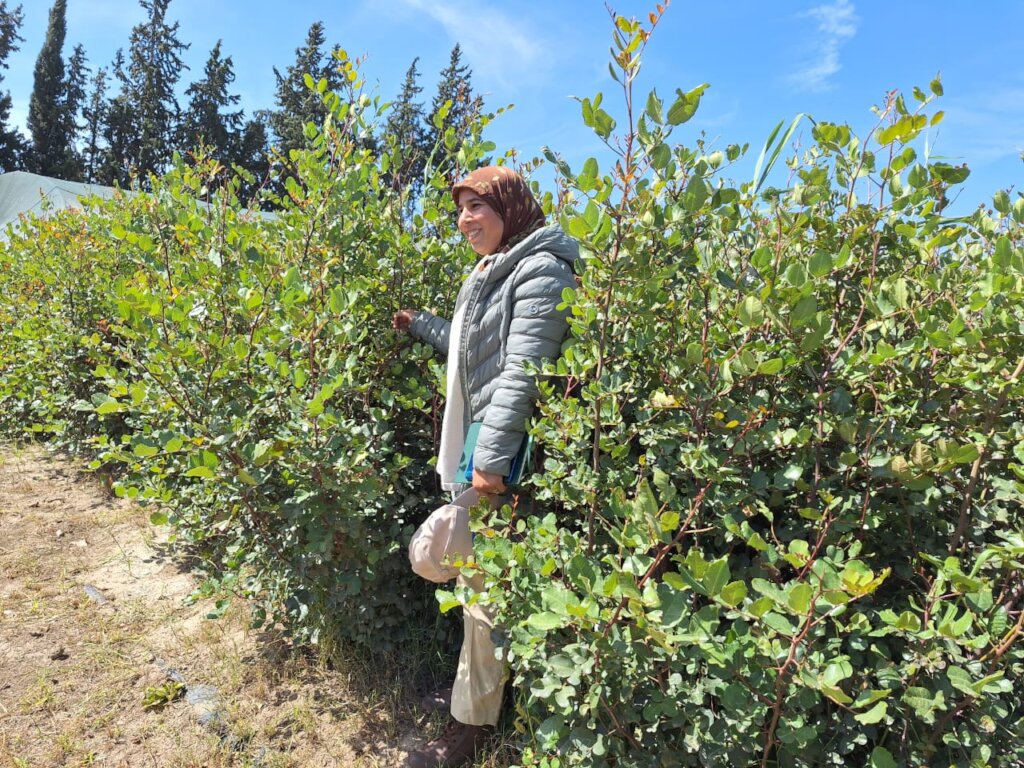
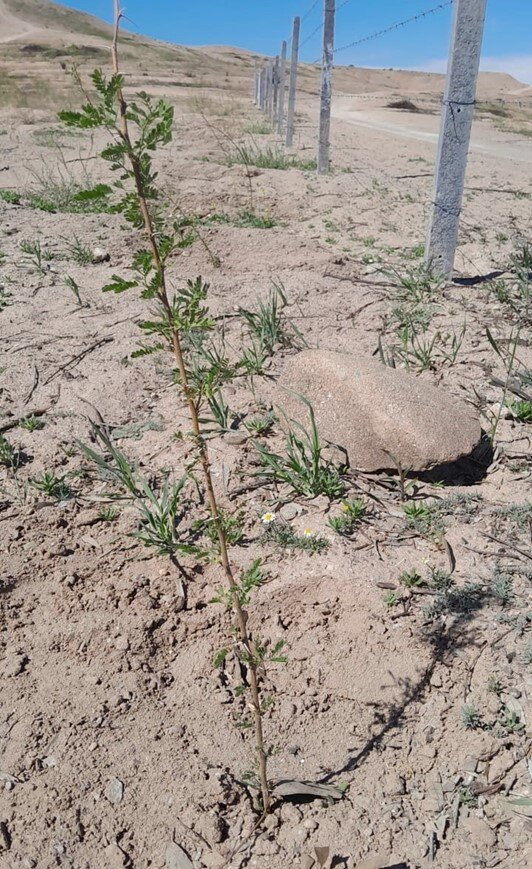
The Acacia tree, a genus of over a thousand species of shrubs and trees in the legume family, is a silent guardian of the world's arid and semi-arid landscapes.
From the Australian outback, where they are known as "wattles," to the sprawling Sahara, these trees are defined by a remarkable biological partnership.
This partnership begins at the roots. Acacias form a symbiotic relationship with rhizobia bacteria, housing them in specialized structures called root nodules.
Within these nodules, the bacteria perform the vital task of converting atmospheric nitrogen, a form of the element most plants cannot use, into ammonia.
This process, known as nitrogen fixation, effectively turns the Acacia into a self-fertilizing organism.
The tree uses this nitrogen to grow, and when its leaves fall or roots decompose, this essential nutrient is released into the soil, enriching the land for surrounding plants and restoring fertility to degraded grounds.
In Morocco, the presence of Acacia is a testament to its resilience. Four primary species anchor the ecosystem:
These trees are deeply integrated into local traditions and survival strategies.
The pounded leaves of Acacia are used in a suppurative paste to treat wounds, while powdered bark serves as a gastric stimulant.
The trees provide critical shade for livestock, and their pods are a source of fodder, especially in the harsh dry season.
The economic potential of Acacia is also documented. Globally, species like Acacia mearnsii have been cultivated on a large scale for tannins and timber.
The gum exuded by certain species, known as gum arabic, is used in the food and pharmaceutical industries.
This combination of ecological utility and economic value positions Acacia as a species of interest for sustainable development in challenging environments.
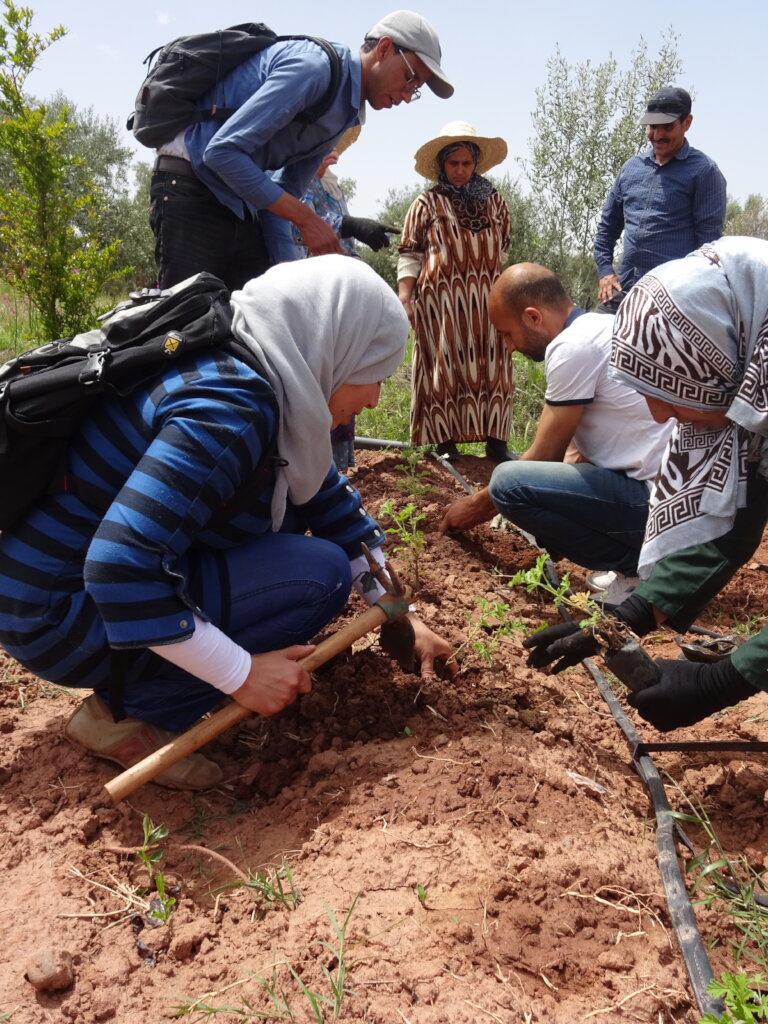
Cultivation of Acacia aligns with environmental challenges. Their drought tolerance and ability to thrive in poor soils make them suitable for land reclamation and agroforestry projects.
By stabilizing soil and improving fertility, they can help combat desertification.
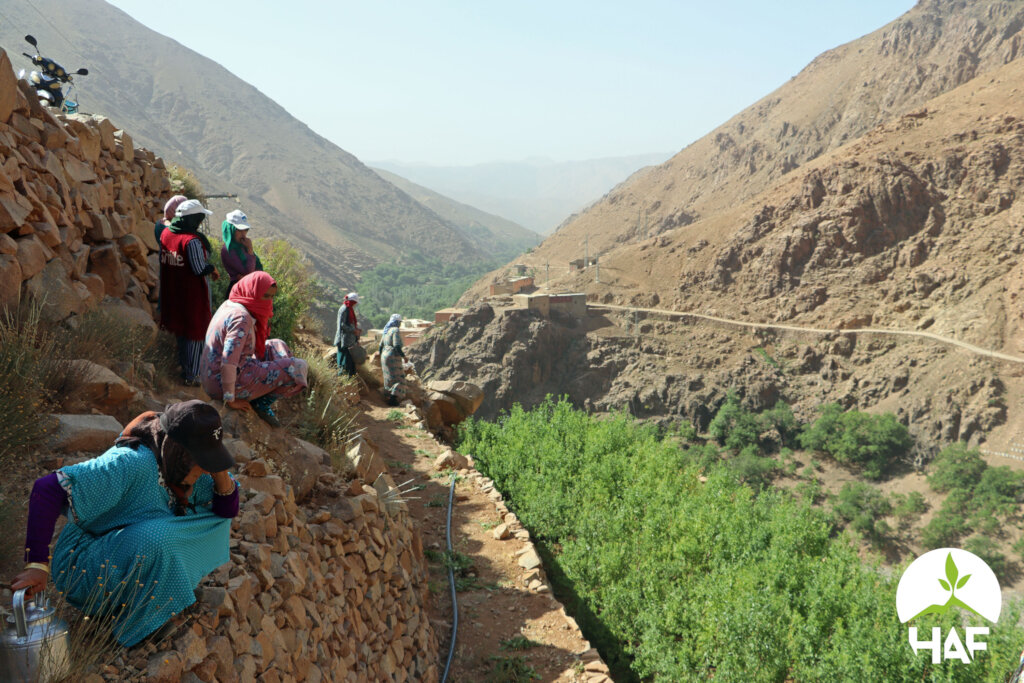
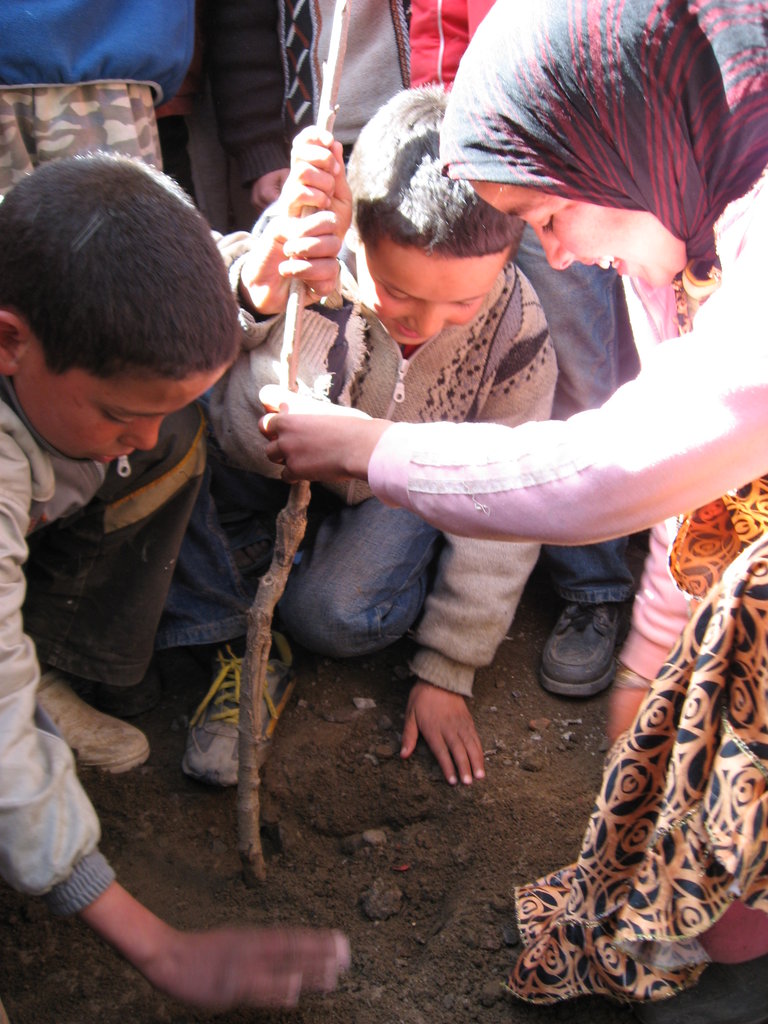
The cultivation of native species like those in Morocco offers a pathway to not only restore ecological balance but also to create sustainable resources, from timber and tannin to gum and fodder, that support rural communities in the face of a changing climate.
Project reports on GlobalGiving are posted directly to globalgiving.org by Project Leaders as they are completed, generally every 3-4 months. To protect the integrity of these documents, GlobalGiving does not alter them; therefore you may find some language or formatting issues.
If you donate to this project or have donated to this project, you can receive an email when this project posts a report. You can also subscribe for reports without donating.



Support this important cause by creating a personalized fundraising page.
Start a Fundraiser