By Ariadna Godreau Aubert | Founder and director
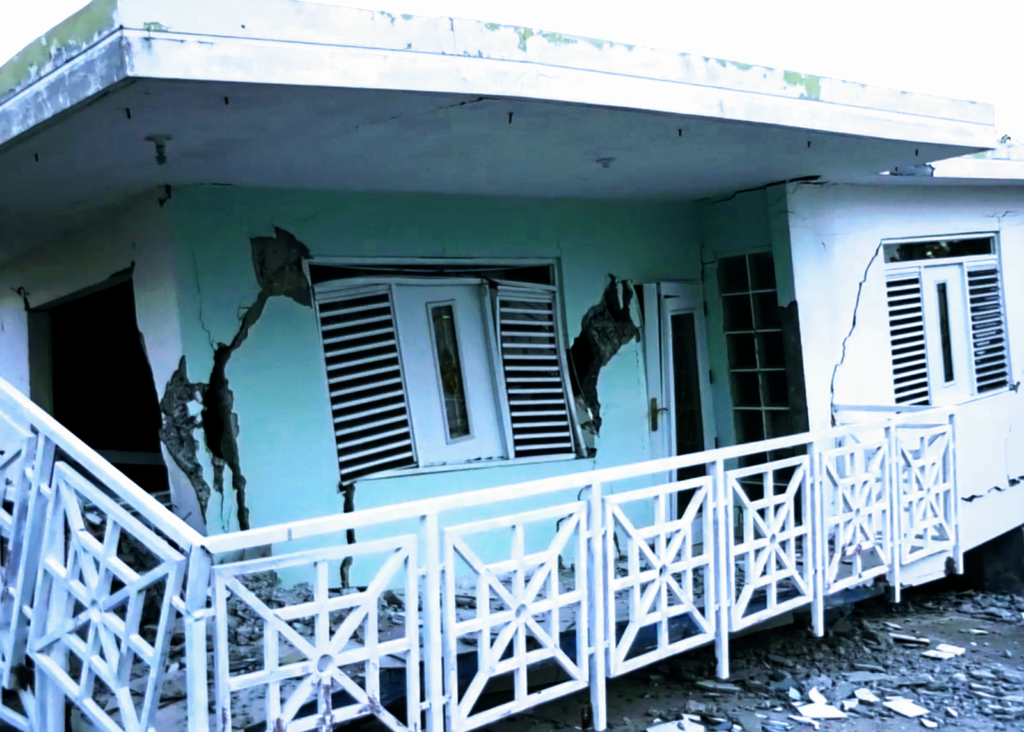
In just a few days, it will be eight years since Hurricane María struck Puerto Rico, devastating homes, infrastructure, and lives across the island. Despite considerable allocations of recovery funds and the impressive efforts carried out at the community and civic levels, Puerto Rico today finds itself in a difficult crossroads marked by vulnerability and precarity.
It is not only that thousands of families never received a fair recovery—left without safe housing and without adequate response from the agencies charged with protecting them—but also that, over the years, housing needs, the urgency for reliable essential services, and the government’s capacity to respond have all worsened. We now face the peak of hurricane season once again, in the midst of a climate crisis that manifests itself in extreme weather events. The recent passage of Hurricane Erin, which grew from a category 1 to a category 4 storm in less than 24 hours, reminds us of the speed with which these risks intensify and the justified anxiety they generate across our communities.
From our perspective, those of us who believe in just recovery understand that the goal is not to return to the day before María, but rather to build conditions that reflect true resilience and genuine progress in our ability to respond to disasters. Yet, this year we witnessed the same familiar challenges: government improvisation, poor communication, and legitimate doubts about whether the resources are in place to mitigate an emergency.
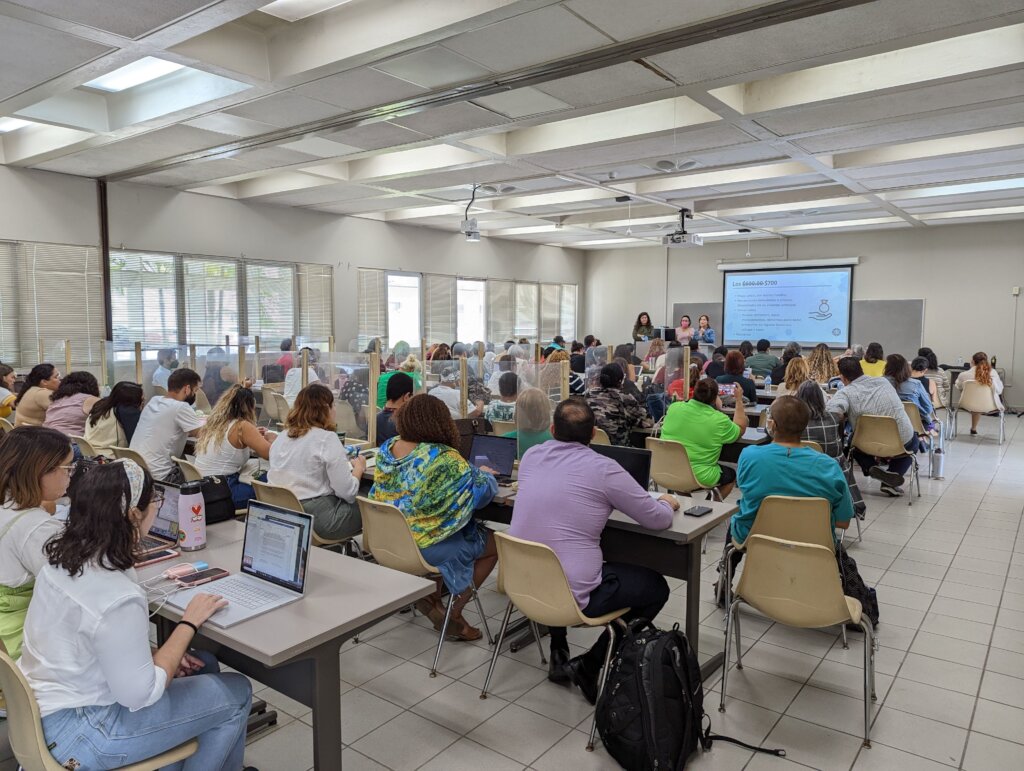
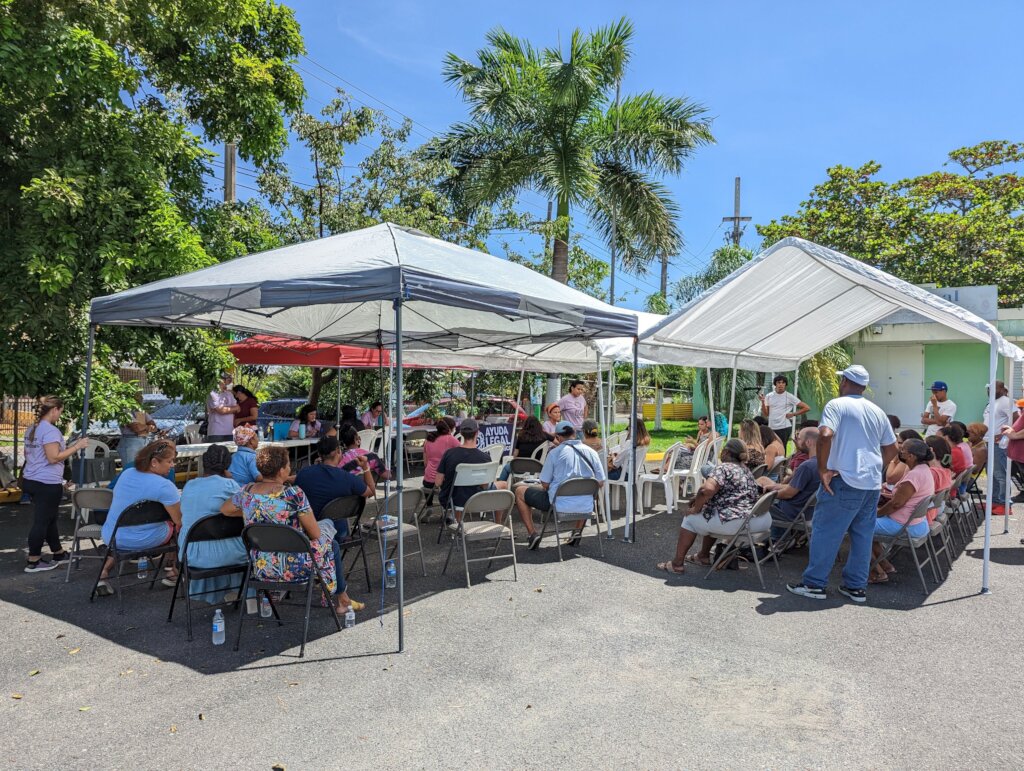
In this scenario, our work in legal accompaniment and advocacy remains urgent. Families continue to fight for justice after hurricanes, floods, and earthquakes. At the same time, many others now seek guidance about housing insurance claims, their rights even without documents proving property ownership, or where to turn for assistance with repairs.
We also know that the crisis does not impact everyone equally. That is why our new protocols and efforts are directed especially toward older adults, communities at risk of displacement due to flooding, and immigrant families. We know that a just recovery is one in which no one is left behind.
In the coming months, we need your support to sustain this work of defense, accompaniment, and community preparedness. Help us keep the fight for a just recovery alive—as both a demand and a common goal.
In solidarity
Project reports on GlobalGiving are posted directly to globalgiving.org by Project Leaders as they are completed, generally every 3-4 months. To protect the integrity of these documents, GlobalGiving does not alter them; therefore you may find some language or formatting issues.
If you donate to this project or have donated to this project, you can receive an email when this project posts a report. You can also subscribe for reports without donating.



Support this important cause by creating a personalized fundraising page.
Start a Fundraiser