By Tilda Christensson | Program Manager
Dear Supporters
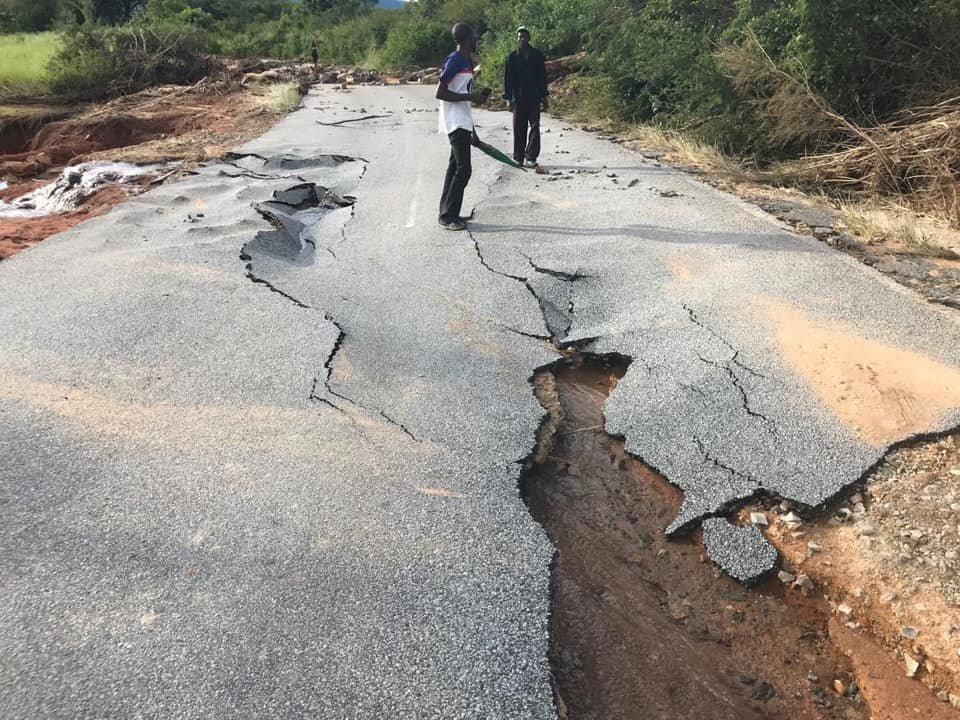
As schools across the cyclone-affected districts open their doors fo the start of the second term, this assessment highlights that many schools are doing so under difficult circumstances. Many have a shortage of teaching and learning materials, damaged or destroyed school infrastructure, a reduction in staff, low attendance and teachers and learners who require a range of support. Whilst the vast majority of schools remain broadly functional, the quality and safety of the learning envirnment and overall capacity to meet the needs of girls and boys is reduced as a result of the emergency. This presents a significant risk to the learning and well being of 90,847 school-aged girls and boys in the 139 cyclone affected schols. It is vital that adequate resourcing and support is provided to affected schools, to ensure they are not only open, but are safe for learners nd conductive for learning.
Whilst Chimanimani and Chipinge emerged as the worst affected districts, all 60 assessed schools were impacted b the cyclone in multiple ways. It is important that all affected schools in all affected districts receive the support needed to meet the needs of all the children and ensure that learning continues to take place in safe spaces during the second school term and beyond. The most vunerable children, among them girls and children living with disabilities. Unaccompanied and Separated Children, and children from very poor households will require specific attention and, where needed, targeted support.
Safeguarding the wellbeing and learning of children in the face of climate change and recurrent emergencies, requires a joint effort to promote Early Recovery and to Build Back Better, including high quality and resilient rehabilitation and reconstruction. Emergency Preparedness and Disaster Risk Reduction(DRR) at National, district, community and school level and increased resourcing to the education sector. The Education Cluster calls on humanitarian actors, donors and government and non-governmental agencies to redouble efforts to restore safe learning spaces and ensure continued access to learning for cyclone affected girls and boys in the immediate future as well as the longer term.
With Gratitude
Tilda
Project reports on GlobalGiving are posted directly to globalgiving.org by Project Leaders as they are completed, generally every 3-4 months. To protect the integrity of these documents, GlobalGiving does not alter them; therefore you may find some language or formatting issues.
If you donate to this project or have donated to this project, you can receive an email when this project posts a report. You can also subscribe for reports without donating.










