By Tilda Christensson | Program Manager
Dear Supporters,
As part of the sustainable development goals, number 17 - partnerships for the goals, the GVI Trust has been working and partnering with local organisations on the ground in Zimbabwe to provide support for the victims of the cyclone that hit Zimbabwe in March earlier this year. To ensure stability and local ownership, GVI Trust work closely with established organisations across the globe, and the same goes for our efforts in Zimbabwe. The last quarter has been focusing on finding partners and identify the need within the community, to ensure sustainability and high impact.
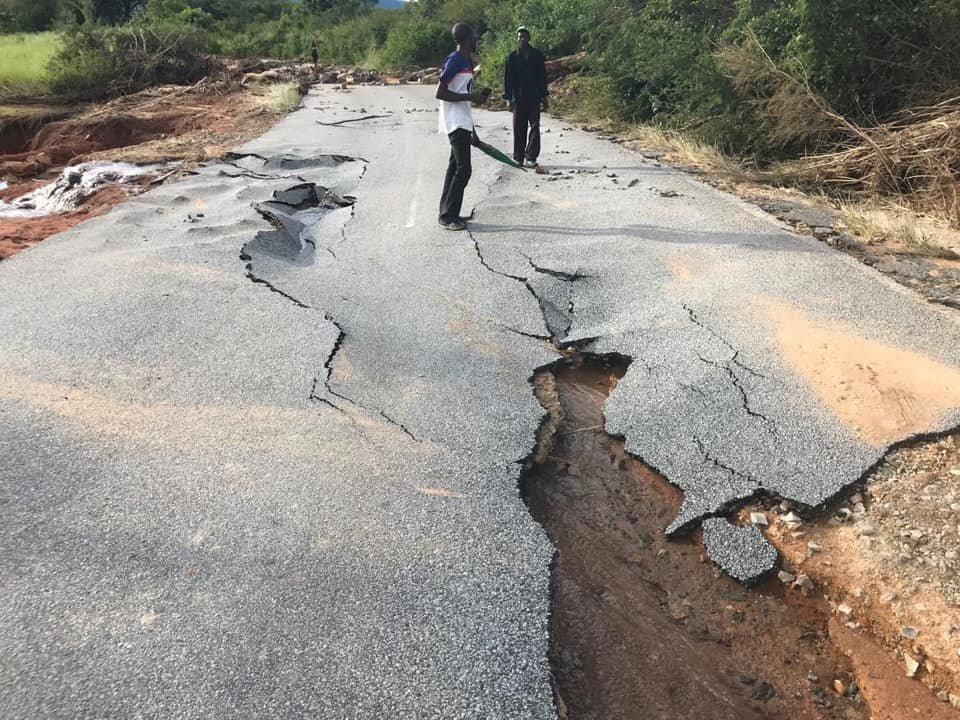
2019 has been a year with strong focus on the climate, and finding strategies to stop the temperature from increasing which has been causing severe weather changes across the globe and one natural disaster after the other. And Zimbabwe is no exception. In March 2019, Zimbabwe experienced cyclone Idai, a natural disaster which impacted 139 schools in six different districts. This promotes a risk for over 90,000 children to their health and learning opportunities, an issue which the GVI Trust is taking seriously.
Over the last quarter, the GVI Trust’s Head of Project Development Africa has met with several local NGOs who has been up in the region to assist in the rebuilding of the communities which were affected by Cyclone Idai. One of the trends which has been identified through research and meetings with leaders is that children are those who are always worst affected by natural disasters. One of the many meetings was with a local NGO which are providing case management for children affected by the cyclone. Through years of experience, the NGO has noticed that in situations like this, there will not be one programme which fits all. So instead, each child’s needs are analysed and supported to ensure that they will be able to manage and cope considering the circumstances. The stories they heard, focusing specifically around the issue of school participation was mainly that many students do not attend schools due to the lack of funds to pay school fees, uniforms, stationary, packed lunch as they may have lost their family, or the family has entered into extreme poverty due to loss of resources. The stories told by local NGOs are many and whilst the communities are resilient, there is still a lot of work to be done as the original funds received through multilateral organisations are now decreasing as the emergency state has passed. This does however not mean that the community is financially stable, specifically as Zimbabwe as a whole are going through an economic crisis with high inflation, lack of currency and extraordinary unemployment rates. Naturally, regions subject to climate change fall even further behind making the journey towards sustainability so much longer.
As Greta Thunberg takes her movement Friday for the Future to the next level, people are starting to get a real understanding of the climate issues which we are phasing, and what we need to do to have a positive impact, or at least a neutral one, on the planet. Whilst this movement is extremely important to raise awareness, assistance must still be provided to those who suffer from natural disasters today as people in need do not have the time to rely on policy change and innovative climate solutions. Therefore, the two strategies must happen simultaneously.
The work to provide support to the victims of Cyclone Idai are well underway in Zimbabwe. The cyclone, which is estimated to have but over 90,000 children at risk, happen in March 2019 and the journey to recovery as been difficult as Zimbabwe are simultaneously facing an economic crisis. Nevertheless, local NGOs are on the ground supporting in both rebuilding infrastructure but also to provide case management to ensure custom made support for each childs’ individual needs. Thus, the work has only started and we need to ensure that victims of climate change get the assistance they need whilst simultaneously working on innovative solutions and behaviour change to halt the climate crisis.
Thank you for your continuous support, without you none of this would be possible.
Zimbabwe Relief
Project reports on GlobalGiving are posted directly to globalgiving.org by Project Leaders as they are completed, generally every 3-4 months. To protect the integrity of these documents, GlobalGiving does not alter them; therefore you may find some language or formatting issues.
If you donate to this project or have donated to this project, you can receive an email when this project posts a report. You can also subscribe for reports without donating.










