By Debra aka Brique Zeiner | Chairwoman
Learning Through Growing
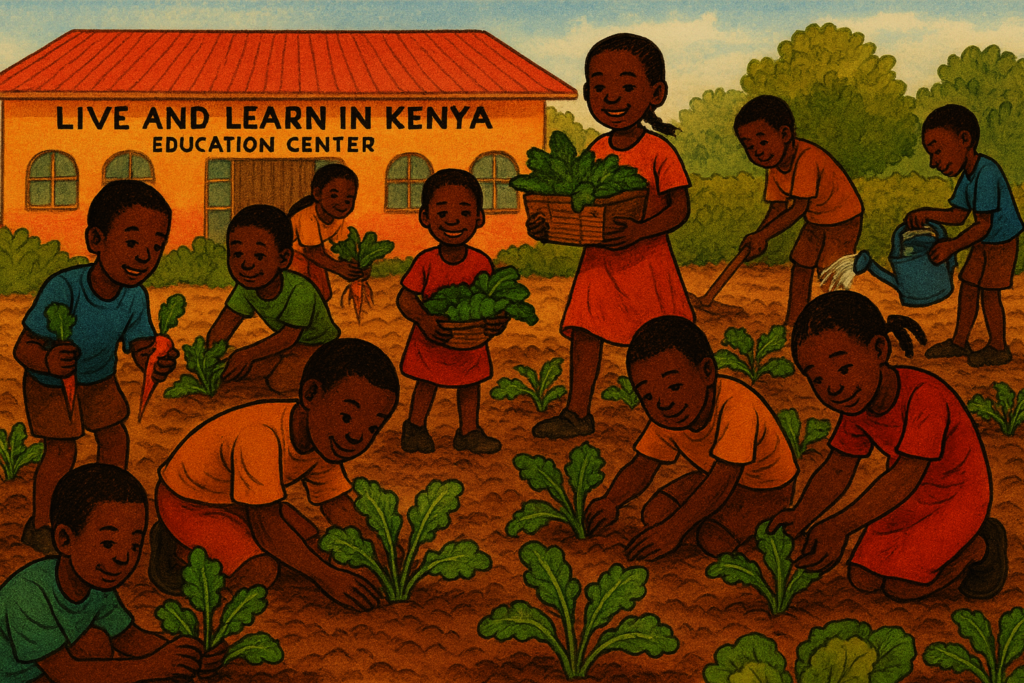
Gardening is integrated into the school curriculum as both a science and life skills subject.
Children learn:
How plants grow: from seeds to harvest
Soil preparation: composting, watering, and fertilization
Planting techniques: spacing, timing, and care
Pest control: natural methods using herbs and companion planting - we have a small lavender field
Nutrition: what each vegetable contributes to the body
Responsibility: the importance of daily care and observation
Cooperation: working as a team, sharing tasks and rewards
For children who have grown up surrounded by scarcity, watching a tiny seed grow into something edible is a magical experience.
It teaches patience, respect for nature, and the satisfaction of earning a meal with their own two hands.
The Kitchen Connection – From Garden to Plate
Once harvested, the produce is:
Cleaned and sorted
Delivered to the school kitchen
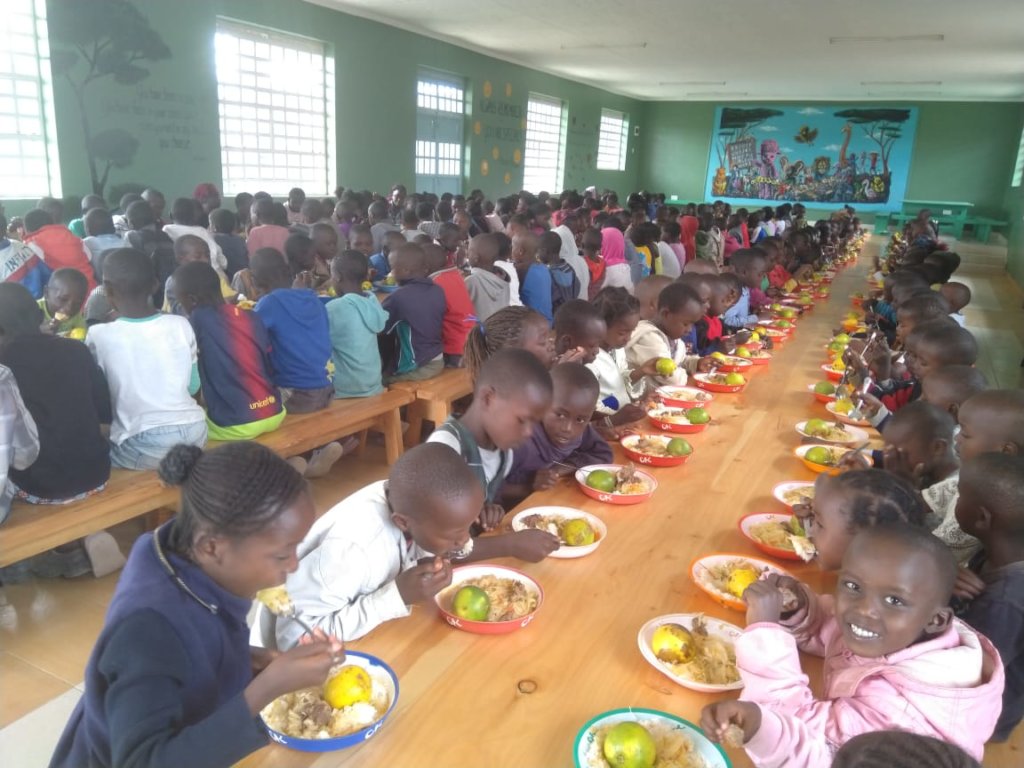
Incorporated into daily meals for the children
Meals like githeri (a stew of maize and beans), kale and ugali, or fresh vegetable stew become richer and more varied when school-grown vegetables are added.
Children proudly point out, “I planted that kale!” or “That maize for ugali came from our plot!”
It creates a powerful connection:
“I grew this. I am capable. I can feed myself and others.”
The Role of Parents – Cultivating Together
Parents are not bystanders in this process—they are active participants.
Many of the families have received micro-credit loans from LLK to start their own kitchen gardens at home. These small gardens provide vegetables for their families and even extra produce to sell at local markets.
Through monthly workshops, parents learn:
Sustainable gardening techniques
Rainwater collection for irrigation
How to build compost heaps
Meal planning and food safety
Simple preservation methods like sun-drying vegetables
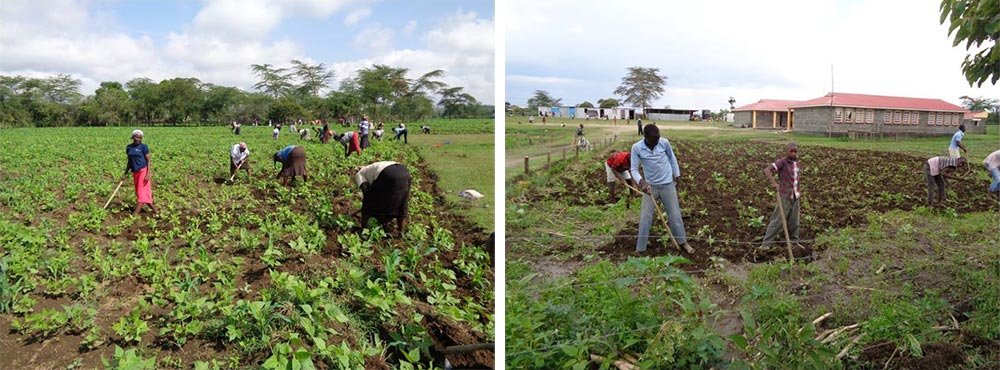
Some parents now volunteer in the rented school field or assist with planting, weeding, harvesting and drying beans and maize during special “Community Days.”
Together, children and parents plant and harvest —reconnecting with the land, rediscovering pride, and reimagining their future.
The Maize Harvest – A Celebration of Self-Reliance
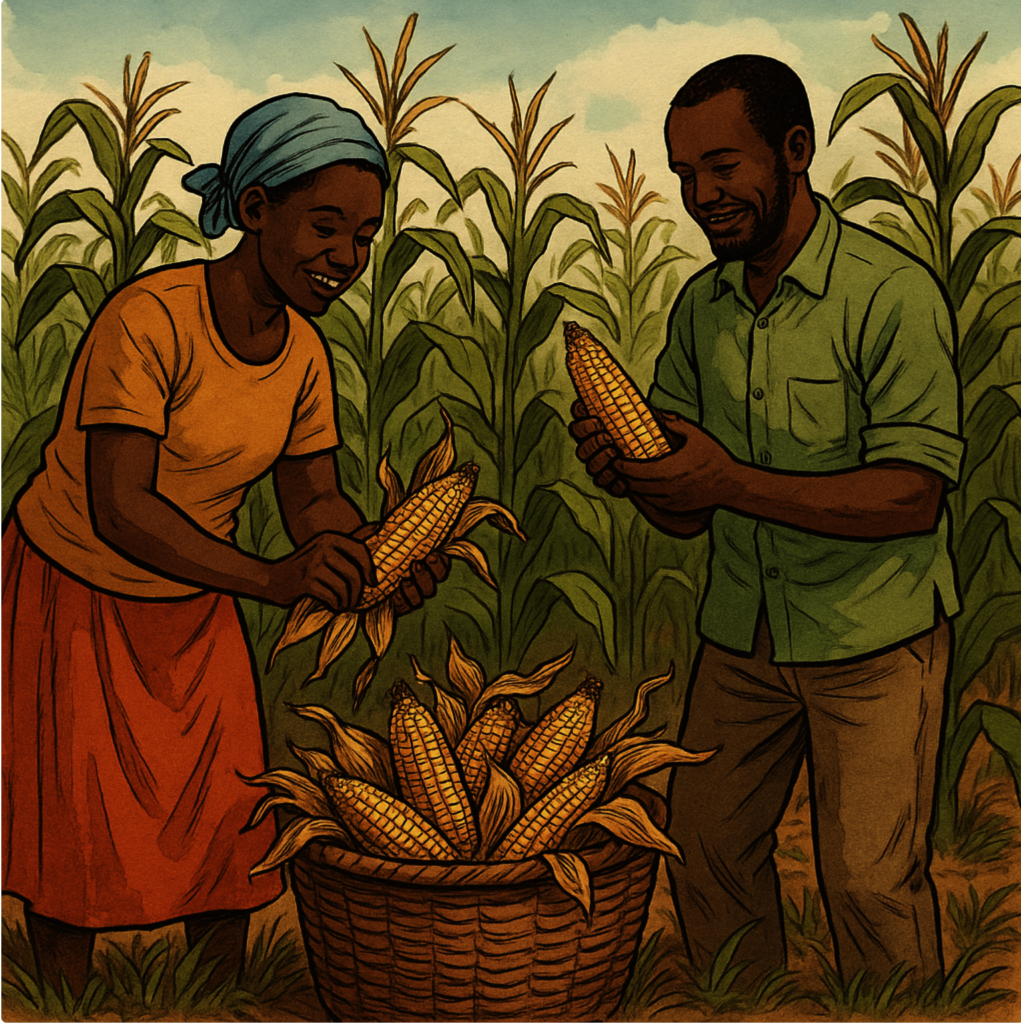
Every year, a highlight of the program is the maize harvest. With the help of parents harvest the tall maize stalks from the school plot.
The maize is husked, dried, and stored.
Some is milled into flour for ugali, Kenya’s staple dish.
Some is cooked whole in stews or roasted during community events.
The husks and stalks are composted or used for animal bedding.
The harvest day is festive—full of singing, laughter, and gratitude.
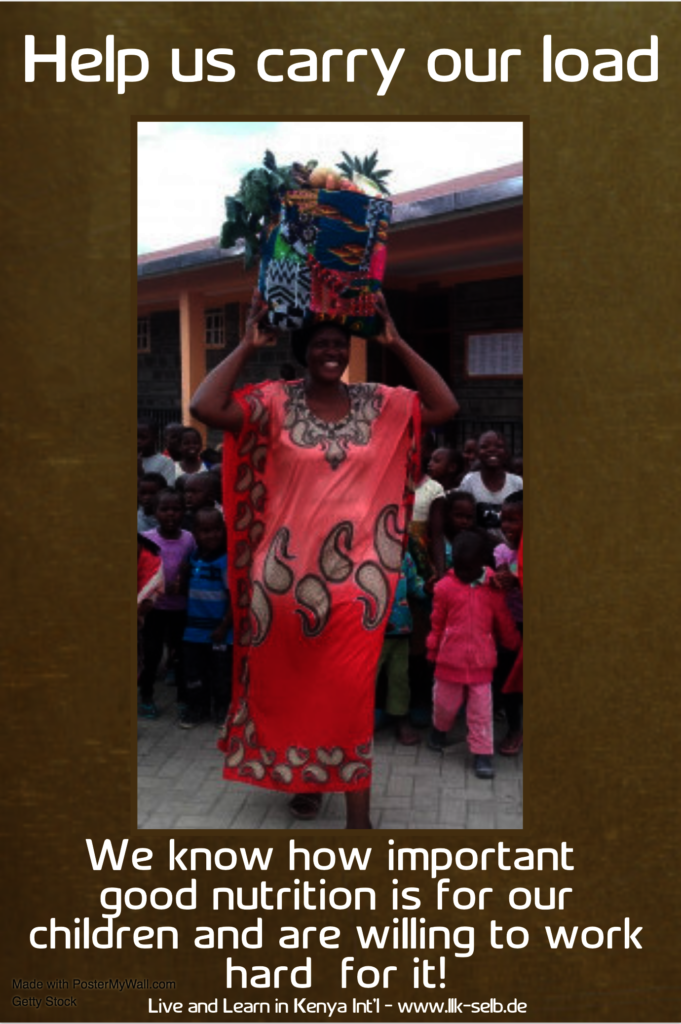
Children beam with joy as they watch with pride as their parents carry baskets full of maize, beans, and vegetables - knowing that their families are part of an important community.
Cooking Classes – Turning Nutrition into Tradition
In the LLK kitchen and in the classroom, children also learn basic cooking skills.
They are taught to:
Chop vegetables safely
Wash ingredients properly
Measure ingredients for cooking
Work as a team in preparing meals
Learn traditional Kenyan recipes with a healthy twist
Some older students even express interest in becoming chefs or nutritionists, inspired by their work in the school kitchen.
The message is simple:
“Healthy food starts with you.”
Sustainability at the Core
The gardening and food-growing programs at LLK are designed to be sustainable and community-driven:
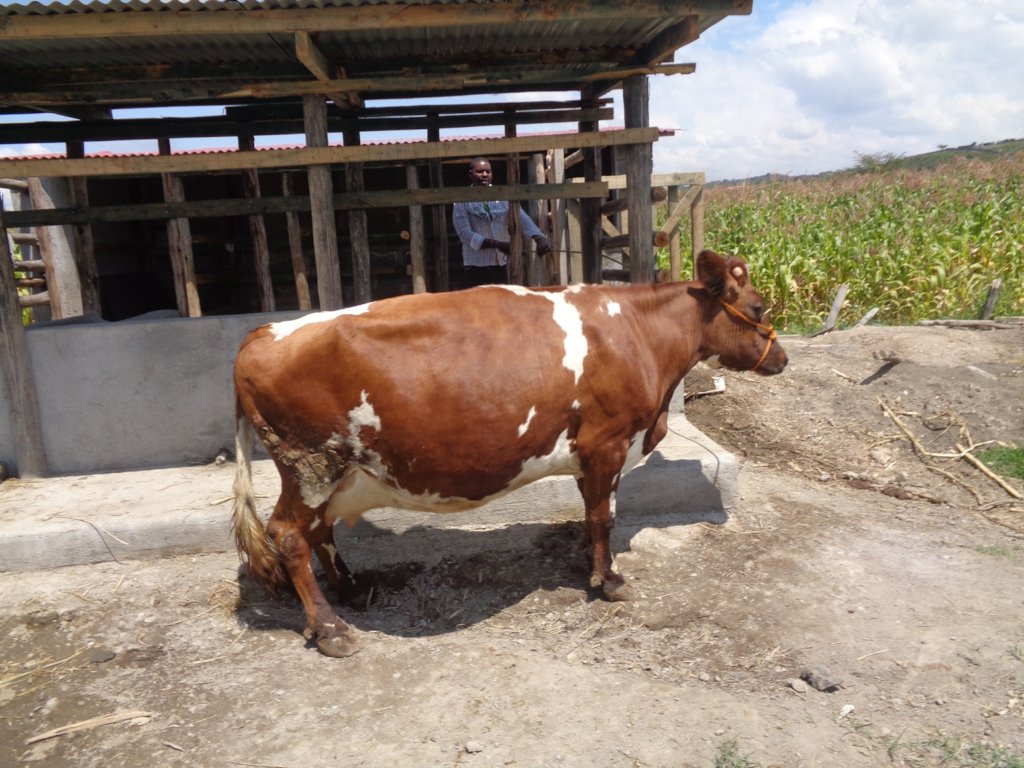
Use of compost and animal manure from the LLK cow
Water conservation through mulching and drip irrigation
Natural pest repellents like lavender
Involving children and families in every stage
This is not charity.
It is empowerment—rooted in knowledge and cultivated with care.
Impact Highlights
80% of LLK families now grow some food at home.
The school kitchen uses garden produce weekly.
Food cost savings thanks to garden harvests.
Malnutrition has decreased significantly due to consistent vegetable intake.
Increased student engagement and attendance during garden season.
Girls, in particular, show high interest in gardening and cooking as life skills.
Community Testimonies
“Before, I had to buy everything. Now, my daughter watches as I help to harvest and cook vegetables and eat at the Center when it's my turn to cook” – Naomi, parent of LLK student
“When I harvest kale, I feel like a farmer. One day I will grow food for many people.” – James, 12
“We used to be ashamed of having little. Now, we are proud of growing much.” – LLK Parent Group
Global Support – Making It Possible
Many of LLK’s gardening initiatives have been made possible through generous donors who:
Sponsored tools and seeds
Provided funding for water tanks and a well
Donated fencing
Supported the staff salary of a full-time garden caretaker/guard
Have agricultural backgrounds
Visitors are welcome to take part—plant a tree, help weed the garden, or join in harvesting.
It’s a hands-on experience that connects people to the earth—and to the community.
Dreams for the Future
The LLK team hopes to expand its sustainability efforts:
Add greenhouses for year-round growing
Buy instead of having to rent a field
Create a “Farm to Table” youth club
With continued support, these dreams can become realities.
Join the Harvest
Whether you’re sponsoring a child, volunteering, or simply cheering us on from afar—you are part of the harvest.
You are helping children:
Eat healthier
Learn deeply
Work proudly
Dream bigger
You are growing not just vegetables—but hope.
Asante Sana – Thank You
To every sponsor, gardener, teacher, and parent who has planted even one seed—
To every child who’s learned to pull weeds with joy—
To every donor who helped buy a spade, a seedling, or a watering can—
Because of you, our gardens grow.
And so do our children.
Brique Zeiner
Project reports on GlobalGiving are posted directly to globalgiving.org by Project Leaders as they are completed, generally every 3-4 months. To protect the integrity of these documents, GlobalGiving does not alter them; therefore you may find some language or formatting issues.
If you donate to this project or have donated to this project, you can receive an email when this project posts a report. You can also subscribe for reports without donating.



Support this important cause by creating a personalized fundraising page.
Start a Fundraiser