By IsraAID Staff | IsraAID South Sudan
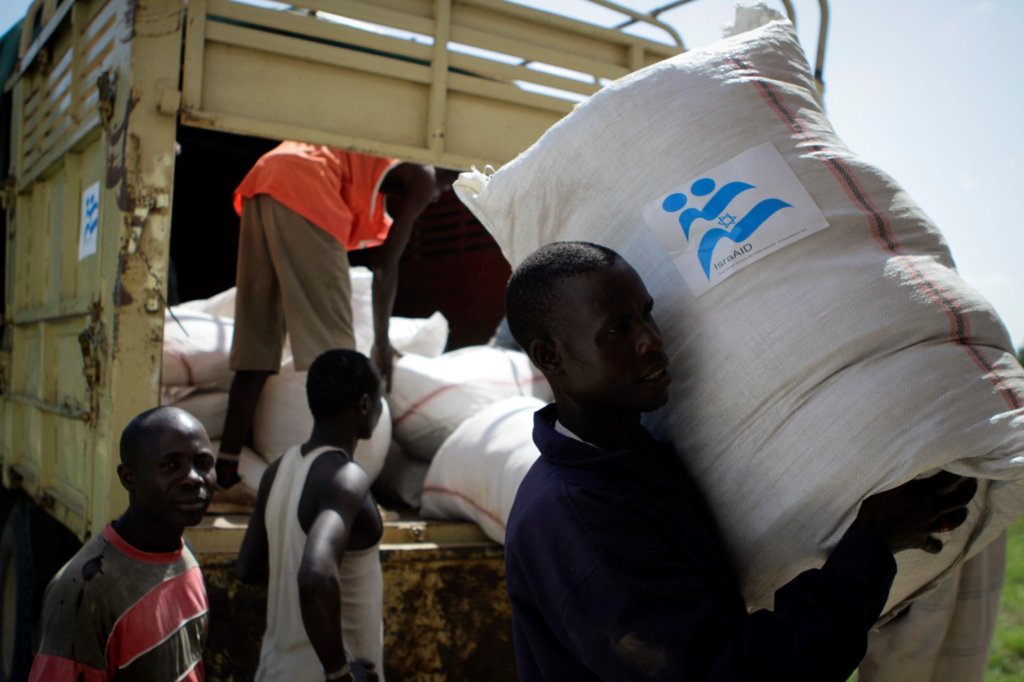
Over the last 10 years, IsraAID has been active in South Sudan providing urgent humanitarian support to survivors of gender-based violence through our educational and emotional support centers. These centers are critical, life-saving resources for women and girls, who have experienced displacement due to an ongoing military conflict in which rape is consistently used as a weapon of war. Immense instability is one factor that contributes to extremely high rates of gender-based violence—including rape, assault, forced marriage, and other forms of abuse—as the economy remains in shambles, reporting mechanisms are weak, educational resources are extremely limited, and cultural norms perpetuate these cyclical challenges.
According to United Nations actors, 65% of women and girls in South Sudan will be or are survivors of gender-based violence. COVID-19 has further exacerbated conditions on the ground: since the pandemic began, 1,500 South Sudanese teenage girls have been married or impregnated and there has been a 300% increase in cases of gender-based violence reported to IsraAID. Conflict in South Sudan has persisted since July 2013, when heavy fighting killed hundreds of civilians and displaced many more. Ongoing insecurity and lack of basic services continue to prevent millions from returning home: 1.6 million people are internally displaced and 2.2 million are refugees in the region. 80% of the population lives on less than $1 a day, and 8.3 million people in South Sudan are in need of humanitarian aid.
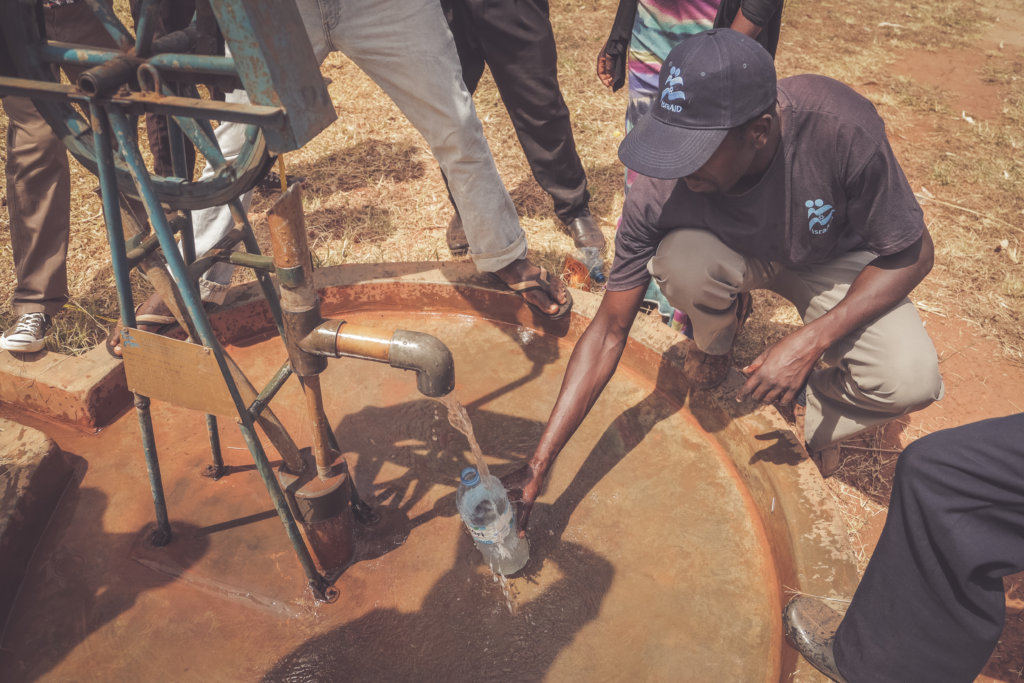
For the last decade, IsraAID has operated twelve women’s centers across the country, where we can provide some of the best trauma support methodologies, key educational resources, and innovative water management solutions developed in Israel.
These spaces enable IsraAID to continue providing critical support including:
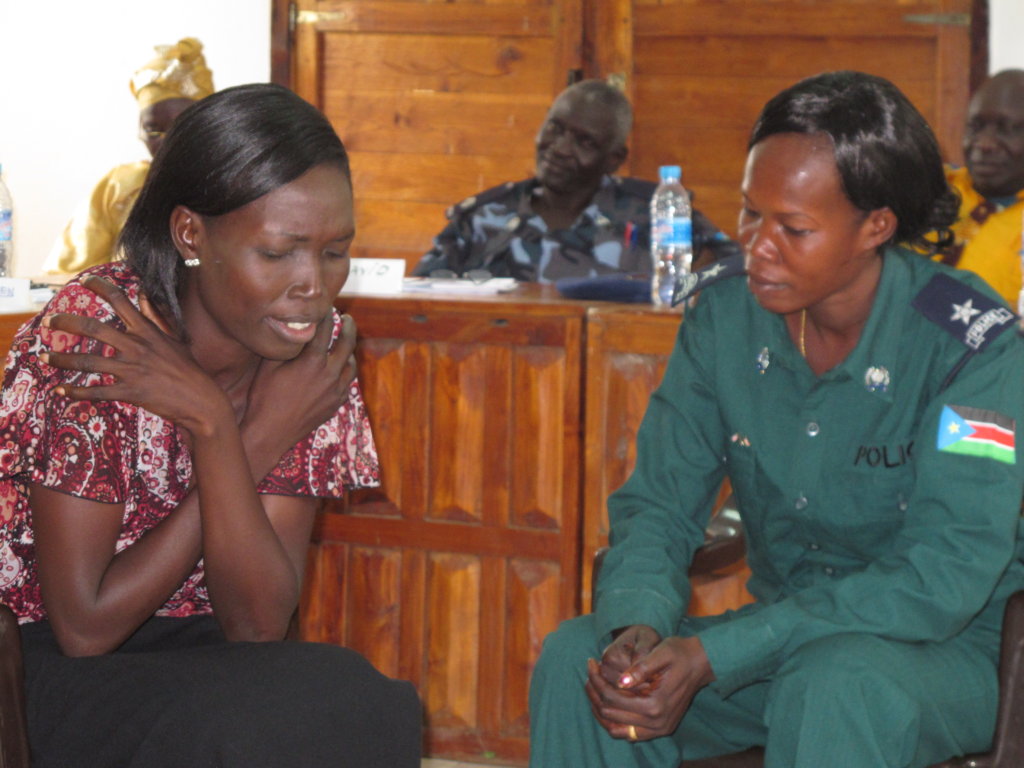
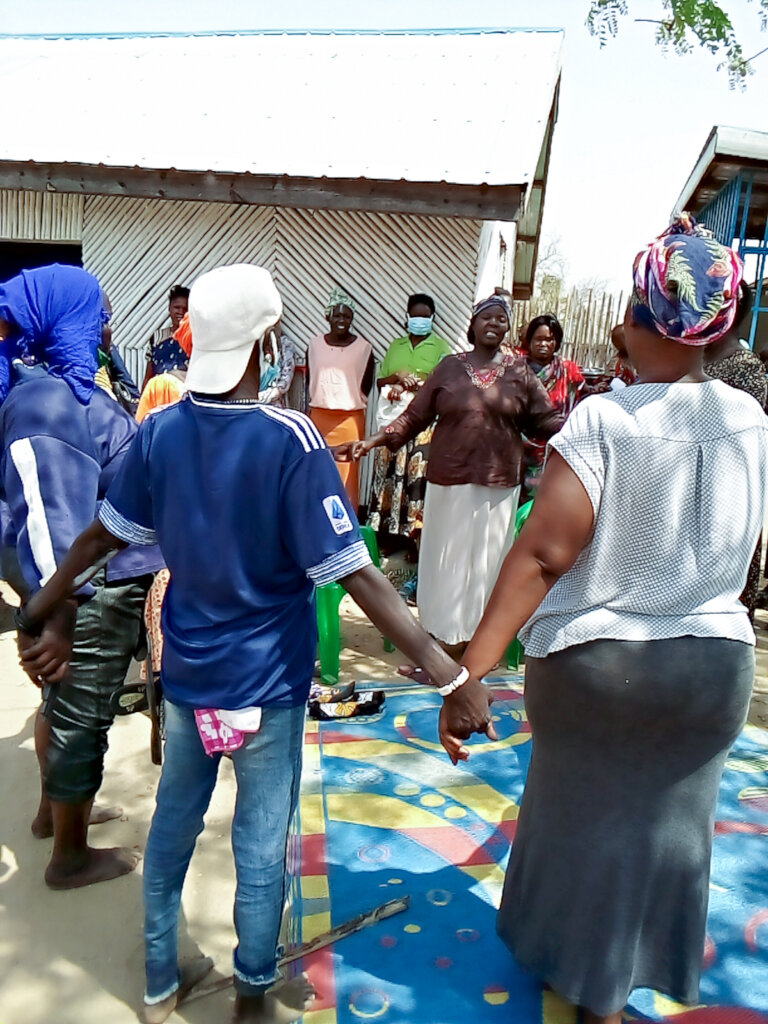
Our Women & Girl Friendly Spaces have helped thousands of gender-based violence (GBV) survivors with complex physical and emotional needs to process trauma, move toward recovery, and strengthen their resilience. We’ve referred hundreds to government services, medical care, and legal support, helping them overcome cultural stigmas and fear to do so. Our support is holistic and practical as well as emotion-centered; for example, our Livelihood programs tackle survivors’ financial dependence on spouses or relatives who abuse them.
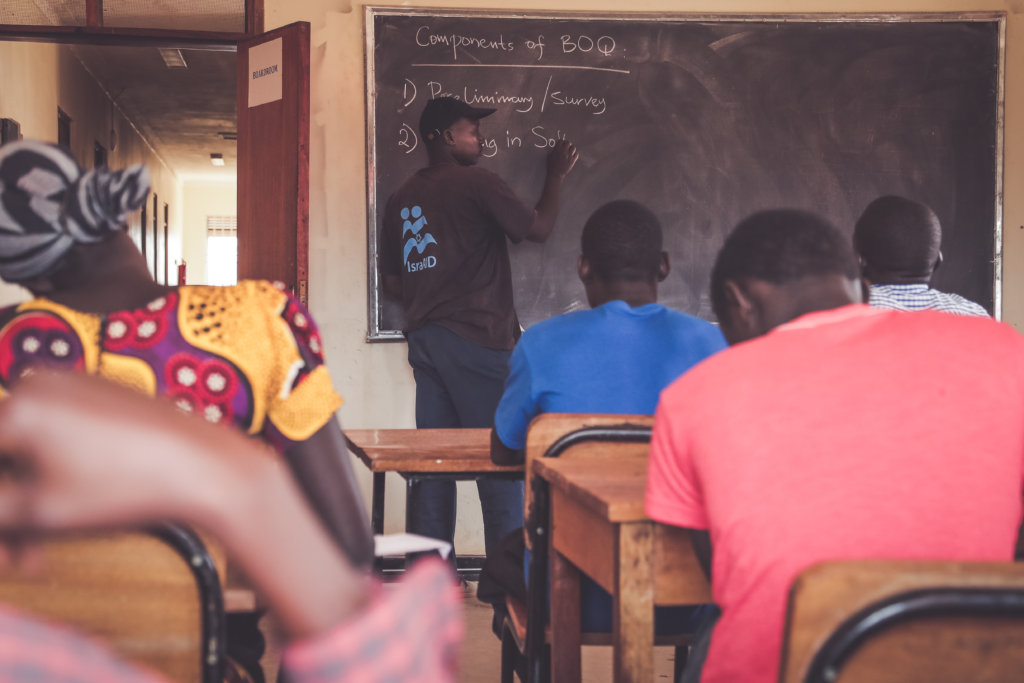
Another major achievement has been fostering community-wide cultures of prevention. Attitudes don’t change overnight; this has been achieved through persistent, sustained endeavors for a decade. In 10 years, we’ve trained and mentored hundreds of Community Focal Points and helped them sustain Community Emergency Councils to deeply embed sustainable mechanisms for survivor support and reporting. Leaders include chiefs, religious leaders, elders, people with disabilities, and teachers; many are men. We’ve also discussed GBV with thousands of community members, including men and boys. As such, we’ve facilitated communal responsibility and empowered communities to implement, develop and own their own GBV prevention and response programs. Indeed, we are always keen to elevate local community-led organizations. We’ve supported 7 South Sudanese NGOs to access high-profile partnerships and funding opportunities, e.g. with UNICEF. We were also honored to be asked to co-chair the GBV Working Group in Juba, and to establish the Working Group in Maridi.
Project reports on GlobalGiving are posted directly to globalgiving.org by Project Leaders as they are completed, generally every 3-4 months. To protect the integrity of these documents, GlobalGiving does not alter them; therefore you may find some language or formatting issues.
If you donate to this project or have donated to this project, you can receive an email when this project posts a report. You can also subscribe for reports without donating.



Support this important cause by creating a personalized fundraising page.
Start a Fundraiser