By Lydia Layaa | IsraAID South Sudan Program Manager
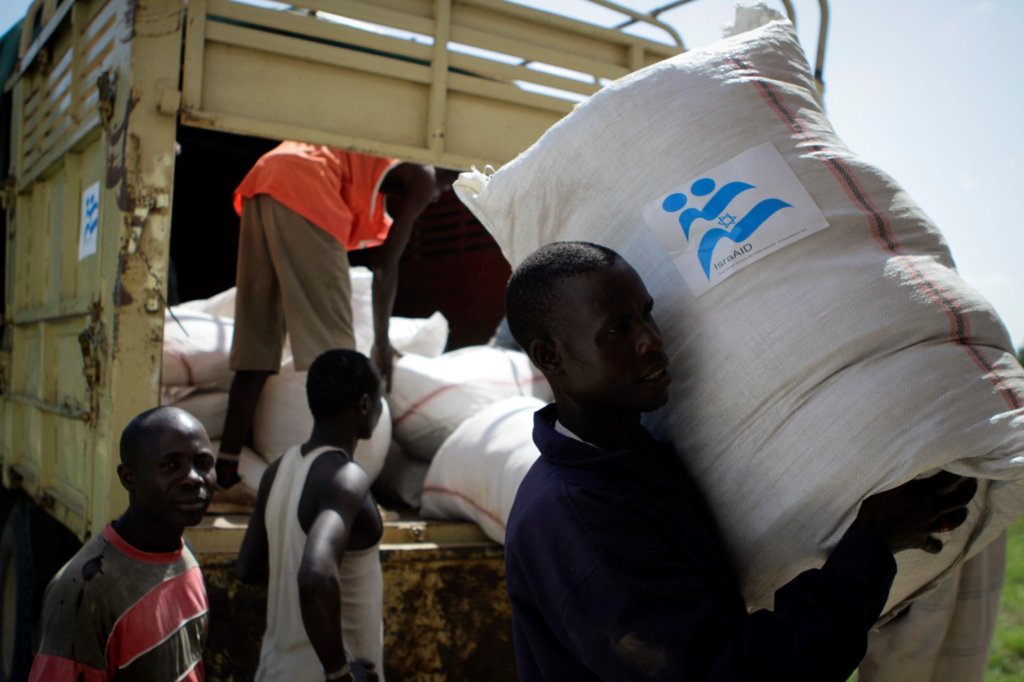
South Sudan became the world’s newest country in 2011, but after just two years, fell into civil war. IsraAID has been active in vulnerable communities since the new state was founded, modifying and expanding activities to fit the ever-changing needs of thousands of displaced families. Our approach is an integrated one as for displaced communities it’s impossible to separate nutrition challenges, access to healthcare, and mental health support.
Sustained conflict and natural disasters, such as droughts, famine, seasonal floods, and cholera and malaria outbreaks, have resulted in an estimated 1.6 million internally displaced persons (IDPs). Around 172,000 people live in and around six current and former Protection of Civilians (POCs) camps, settling in the proximity of the POCs, churches, schools, abandoned factories, and other so-called collective sites, or moving into spontaneous settlements and villages further from the fighting.
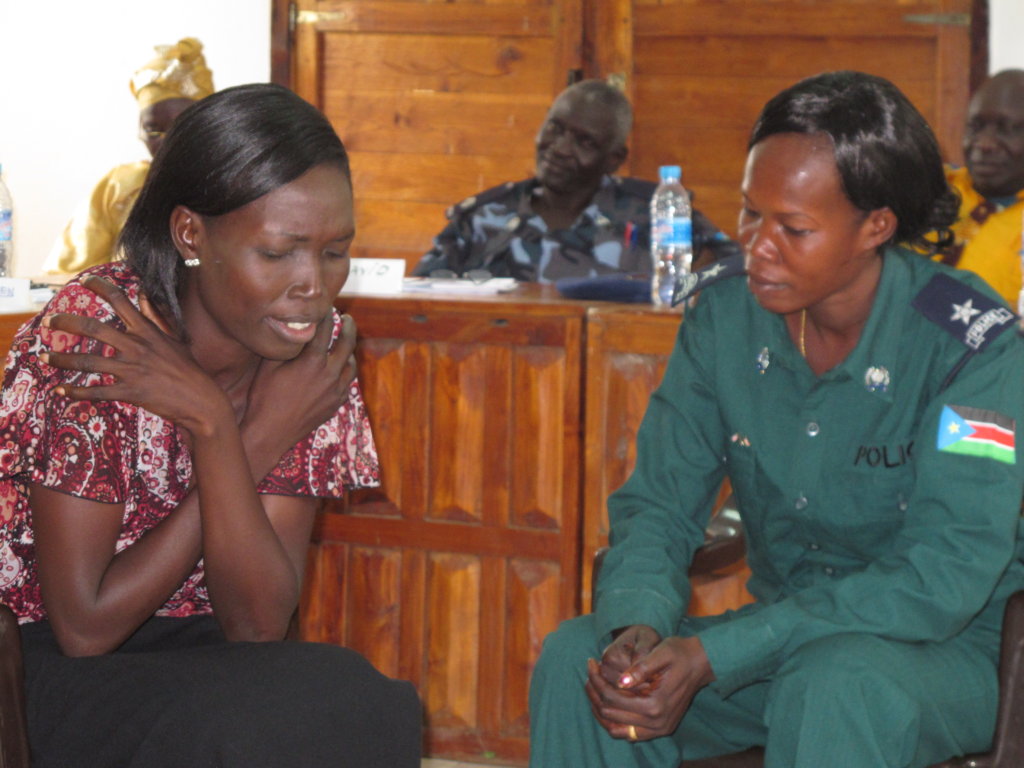
Since the establishment of the Juba IDP camp in 2014, over 32,000 people have settled in the area seeking protection, however reports of sexual and gender-based violence have increased, as well as high risk levels of physical and psychological trauma. Due to the semi-temporary nature of the settlement and multiple relocations to seek better living conditions or flee violence, women, girls and people with disabilities remain exposed to sexual-based violence, both inside displacement sites and outside when collecting fuel or food. Combining this, and long-standing housing concerns, the most vulnerable groups continue to face a myriad of protection concerns.
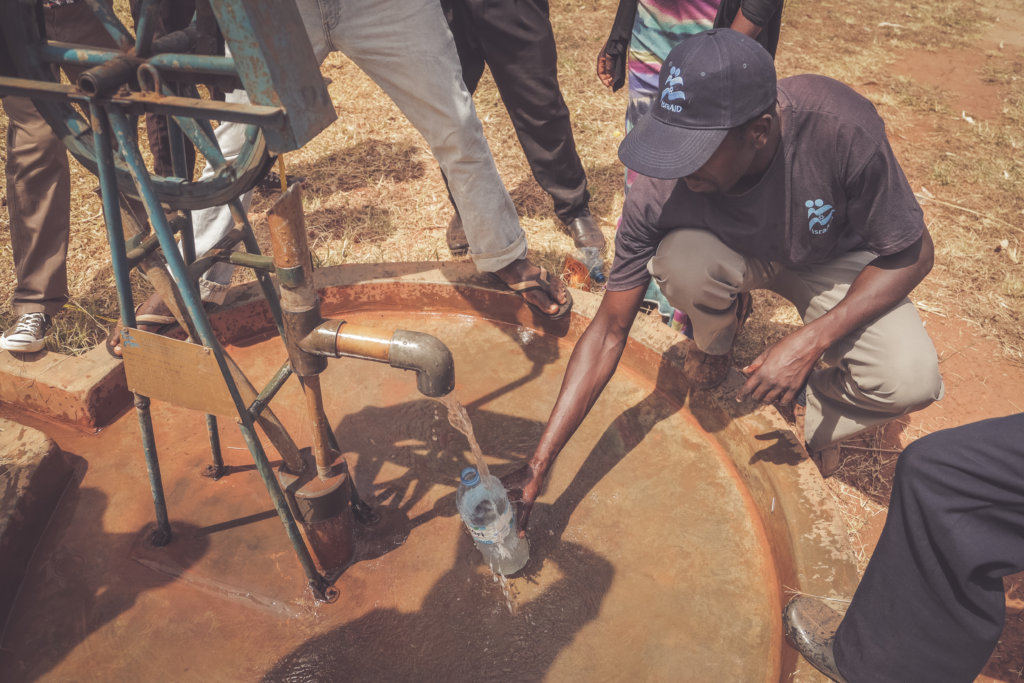
With stretched funding and a growing population, thousands of families living in Juba need support. IsraAID’s integrated protection, sexual reproductive health, and soft WASH (Water, Sanitation, and Hygiene) will target over 30% of the population living in Juba IDP camps 1 and 3. Through existing partnerships with like-minded organizations mandate, we are focusing on comprehensive humanitarian relief with a strong protection component that will tackle the root of relevant problems while enhancing community resilience as a whole.
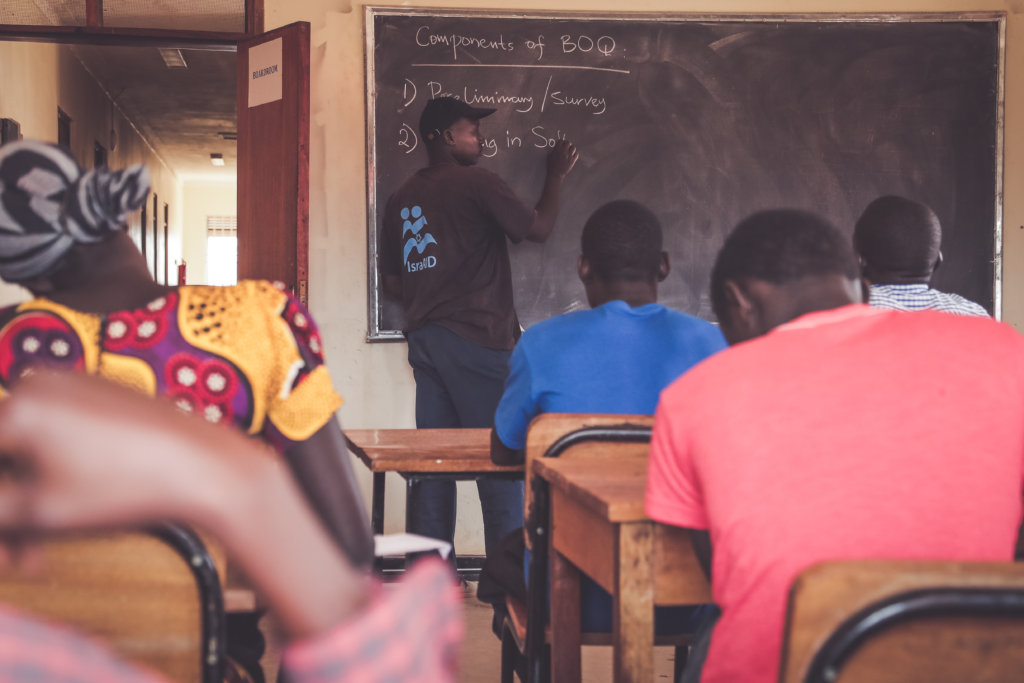
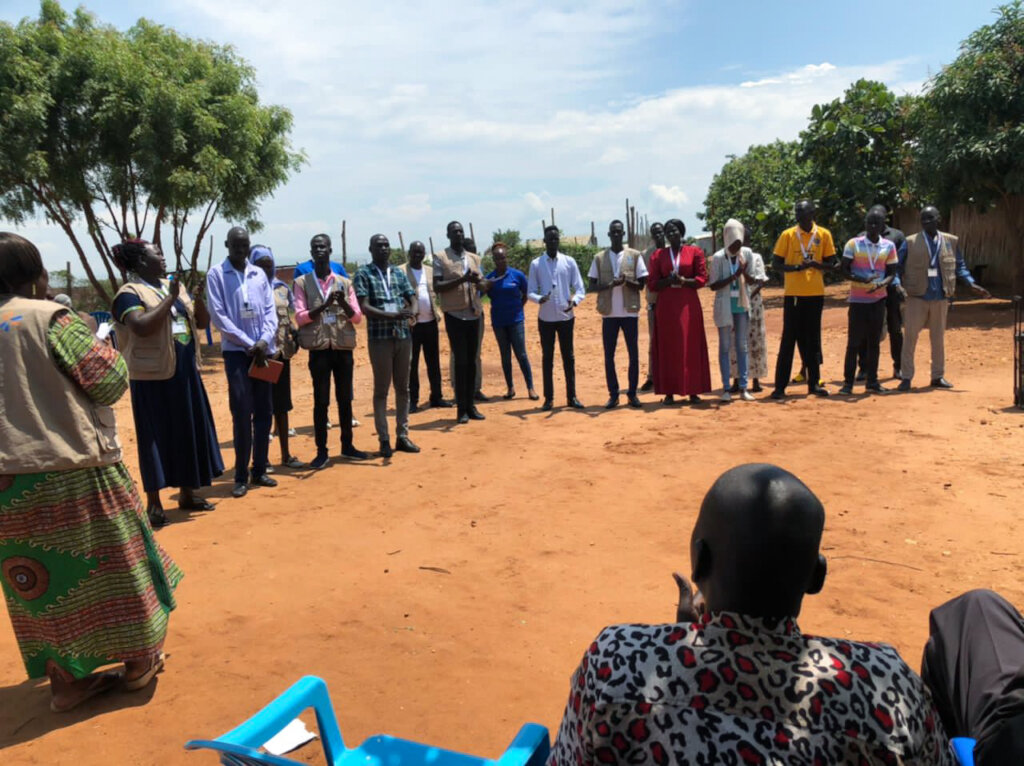
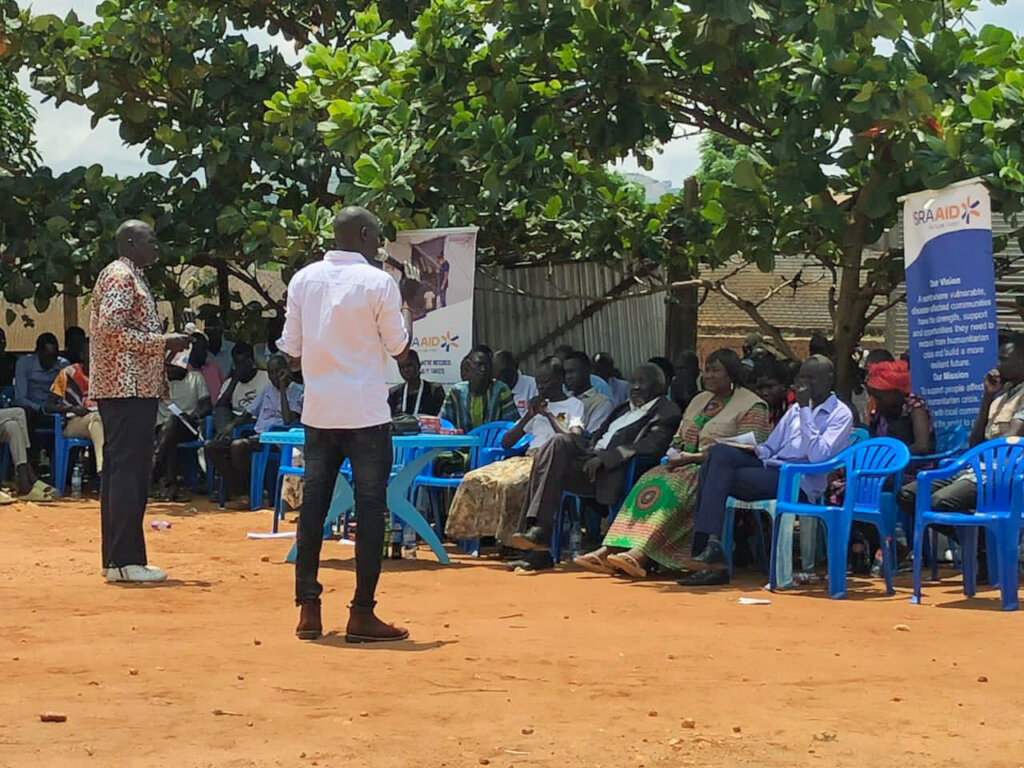
Affected by reduced income and often poor sanitation in over-crowded IDP camps, access to health and medical services is essential. In both Juba IDP 1 and 3, IsraAID directly oversees a number of health-related services, referring patients to community or humanitarian partners where necessary. Through our strong partnership with the government through the Ministry of Gender and Social Welfare and the Ministry of Health, we are able to provide capacity-building workshops and coordination for staff and departments at all levels. This is most visible through the Community Outreach Network composed of reproductive health officers, community case workers, community mobilizers, and community engagement facilitators that promote the empowerment of all community members. A Community Outreach Network reinforces protection monitoring, referral mechanisms, sexual reproductive health and hygiene, and awareness raising of local IDP population rights and needs.
Protection mainstreaming within IsraAID’s global and South Sudanese activities are essential for capacity building of communities and our staff. From safe water and nutrition to shelter and protection, the needs of IDPs are growing. The resources have dwindled, but lives should not.
Project reports on GlobalGiving are posted directly to globalgiving.org by Project Leaders as they are completed, generally every 3-4 months. To protect the integrity of these documents, GlobalGiving does not alter them; therefore you may find some language or formatting issues.
If you donate to this project or have donated to this project, you can receive an email when this project posts a report. You can also subscribe for reports without donating.



Support this important cause by creating a personalized fundraising page.
Start a Fundraiser