By IsraAID Staff | Kenya
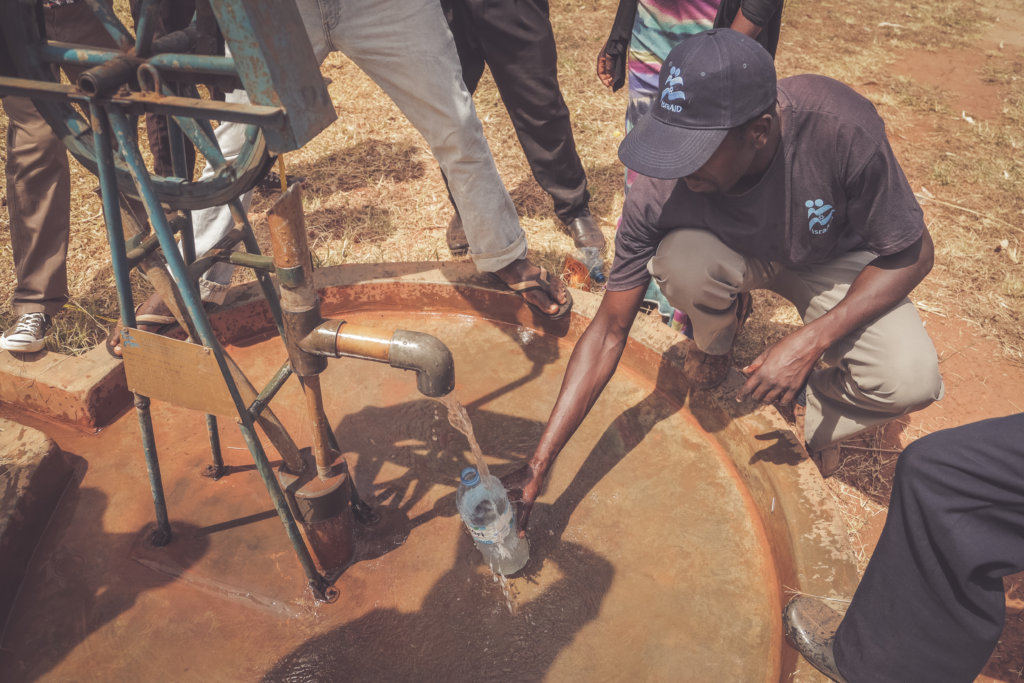
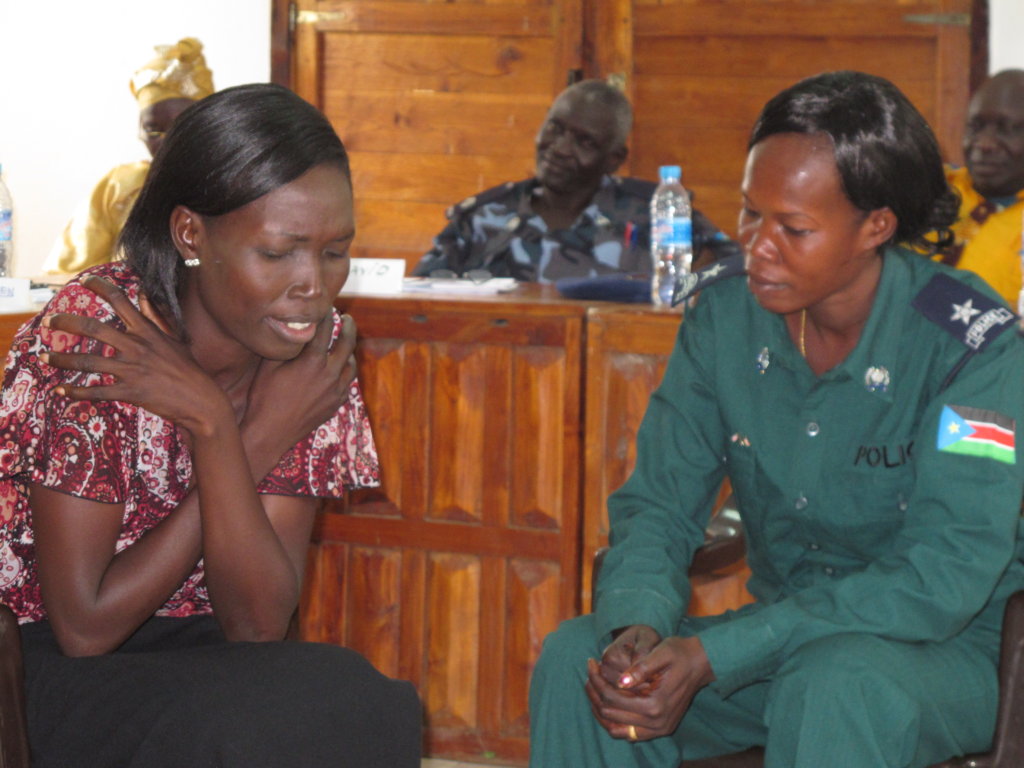
IsraAID has been working in mutliple locations in East Africa since 2011. The organization has programs in Uganda, Kenya and South Sudan - countries that are severely affected by the drought. In South Sudan, IsraAID is accompanying government and civil socity workers, police and others as they build community based prevention and response mechanisms to fight gender-based violence. In Kenya and Uganda, psychosocial support for children and vulnerable groups is combined with the unique WaMTech water, sanitation and hygiene program to improve access to safe water and give refugees and host communities income generating oportunities.
One of IsraAID's doctors, family practitioner, working in the medical clinic in Kakuma refugee camp, Kenya shared his personal thoughts and experiences:
"I want to talk for a minute about starving children in Africa - that almost meaningless cliche. But nevertheless, every day here I meet a few little cliches on the ward struggling to survive another few days and to stabilize their impossibly low body weights. The UN has declared an official famine in South Sudan and the ecology of the desolate Turkana county in Northern Kenya is in exactly the same situation. Droughts are expected every few years, but they have been coming more frequently in recent years (probably due to climate change) and the communities are not able to recover quickly enough in the good years. The price of maize flour has doubled so that people living on a dollar a day now cannot afford to eat. The newly weaned children are at the greatest risk, especially if mother fell pregnant again and if father refuses to slaughter the family nest egg (the goats and cows). New arrival refugees and traditional Turkana are the worst affected. All this leads to severely malnourished children whose resilience to everyday infections drops dangerously low - and they get sick and die in unacceptable numbers.
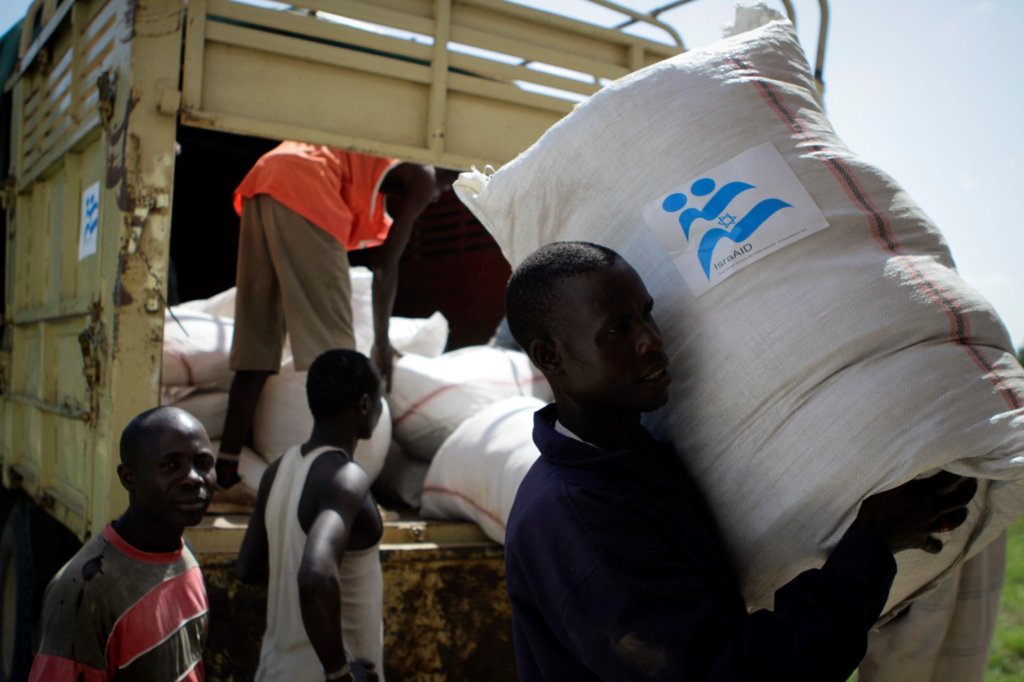
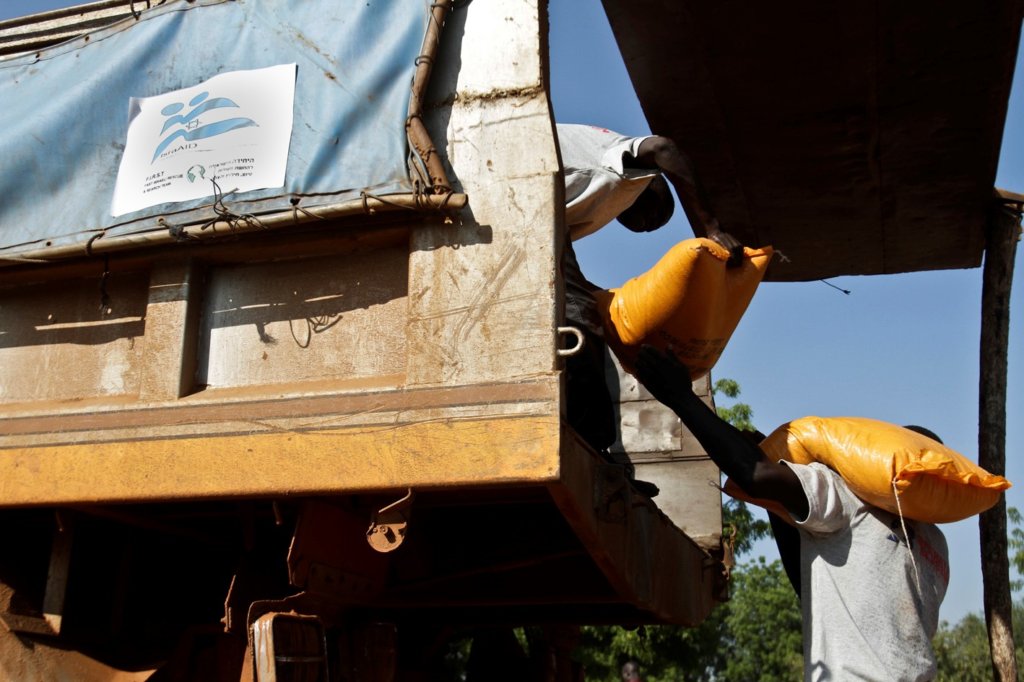
There are so many starving kids that there is a supplemental pediatrics ward at the IRC hospital just for this problem - and its full. Right now we have about 25 kids there and another half a dozen at the Mission Hospital. The skinniest is a 12 month old kids with some sort of developmental disorder who weighs 3.45kg (MUAC less than 8cm). They need to be carefully re-fed with formula and then with a high nutrient paste (kind of like eating peanut butter out if the jar) all the while receiving antibiotics and other supportive care. The key seems to be vigilance - making sure that parents and staff get the food in and that weight is properly monitored. A group of Mexican Jews will be doing a food distribution in remote ares of the county on Thursday…and maybe more than and medicine... this maize flour will make a serious public health impact.”
“I'm not an expert, but the factors contributing to the famine are both natural and man made and the the upstream determinants leading to a specific child dying of malnutrition are complex. The child itself may be naturally disadvantaged by a genetic disorder, premature birth or poor immune system which puts them at increased risk. The family may have social disadvantage of poverty, refusal to use family planning, gender discrimination (father eats first), or dangerous cultural practices like healing by blood letting or refusal of modern medicine/vaccines. The community may be geographically disadvantaged in terms of distance from economic and political centers such that they get no attention. Until recent years, they used to say that this county has no government or that the missionaries were the government. Then there are national and global processes which impact on commodity prices, conflict and security, migration etc... The responsible bodies in this equation are many even if their relative ability to impact is of great differences in scale.”
To end on a more positive note, the doctor explains,
“of the 250,000 people in this area... 125,000 are kids... and of these, probably a few thousand are mildly malnourished, a few hundred are moderately malnourished and "only" several tens are hospitalized. So it’s not that failure is total... just that we have the expectation that we should be doing better.”
Our work is only possible to the support from people such as yourself - thank you!
Project reports on GlobalGiving are posted directly to globalgiving.org by Project Leaders as they are completed, generally every 3-4 months. To protect the integrity of these documents, GlobalGiving does not alter them; therefore you may find some language or formatting issues.
If you donate to this project or have donated to this project, you can receive an email when this project posts a report. You can also subscribe for reports without donating.



Support this important cause by creating a personalized fundraising page.
Start a Fundraiser