By Danielle Riley | GVI Chiang Mai, Base Manager
Dear Supporters,
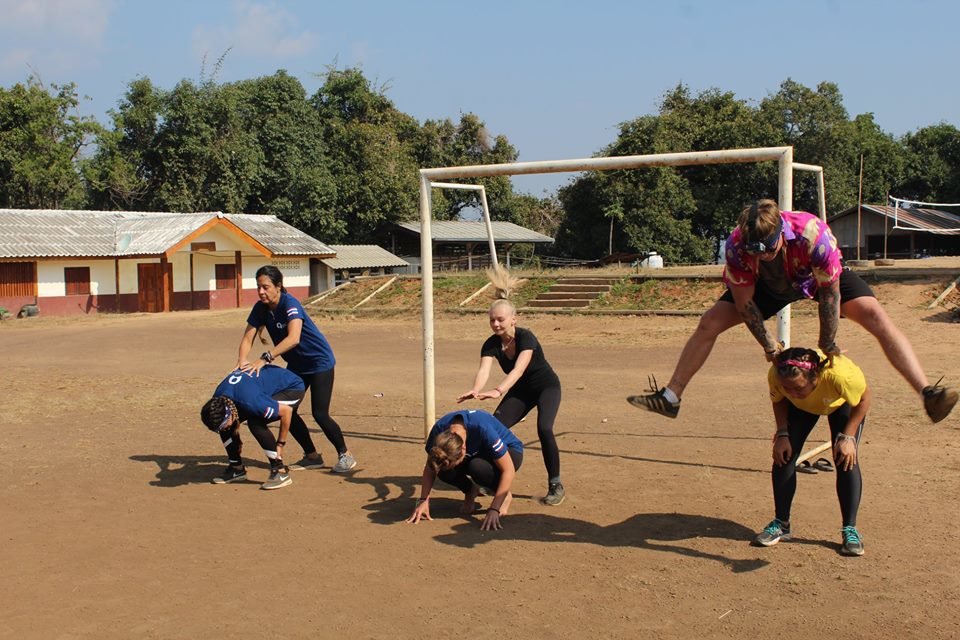
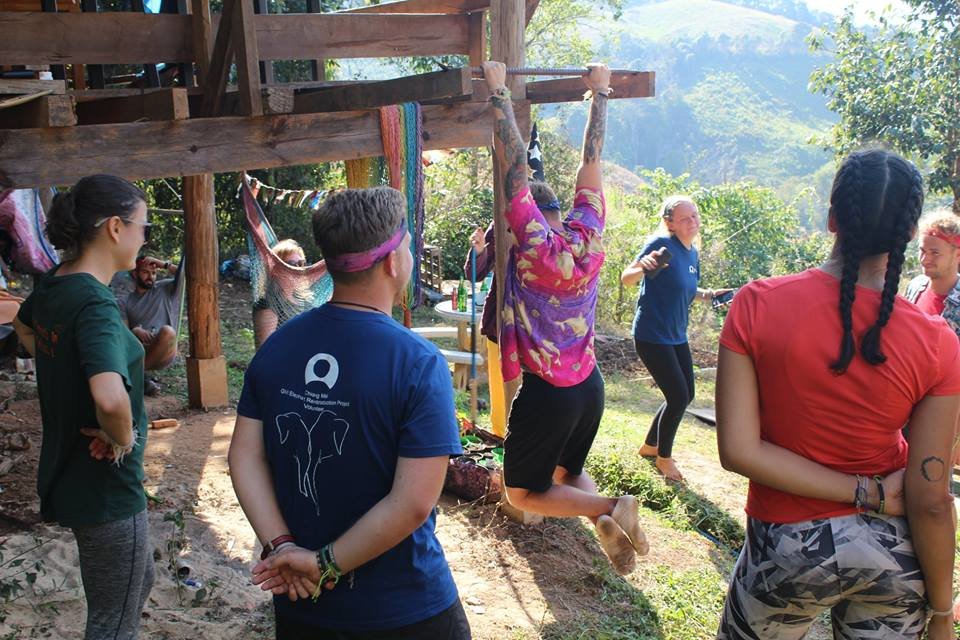
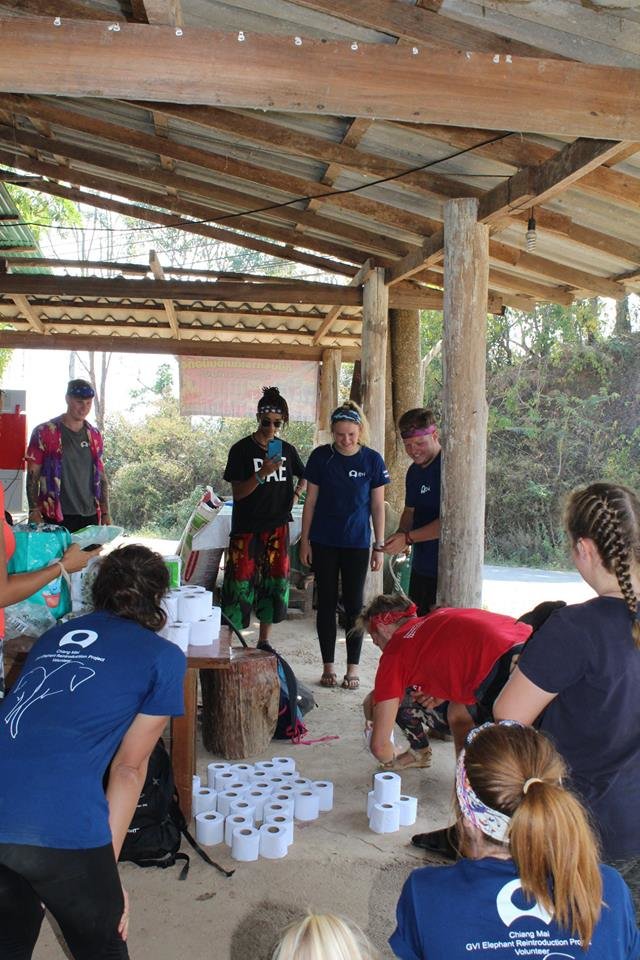
It’s integral to the success of the project that the villagers, particularly the mahouts, learn to speak English sufficiently to ensure they can communicate effectively with visitors coming to the village. We are constantly brainstorming new ways to interact and integrate with the community, whilst attempting to drive more English lessons that are engaging, yet productive.
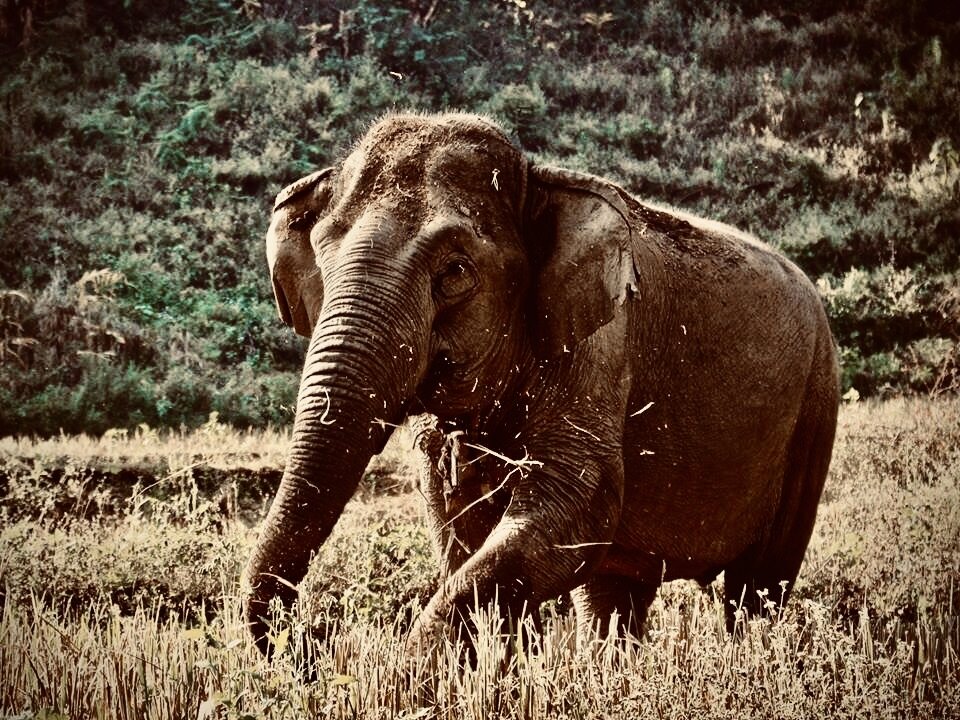
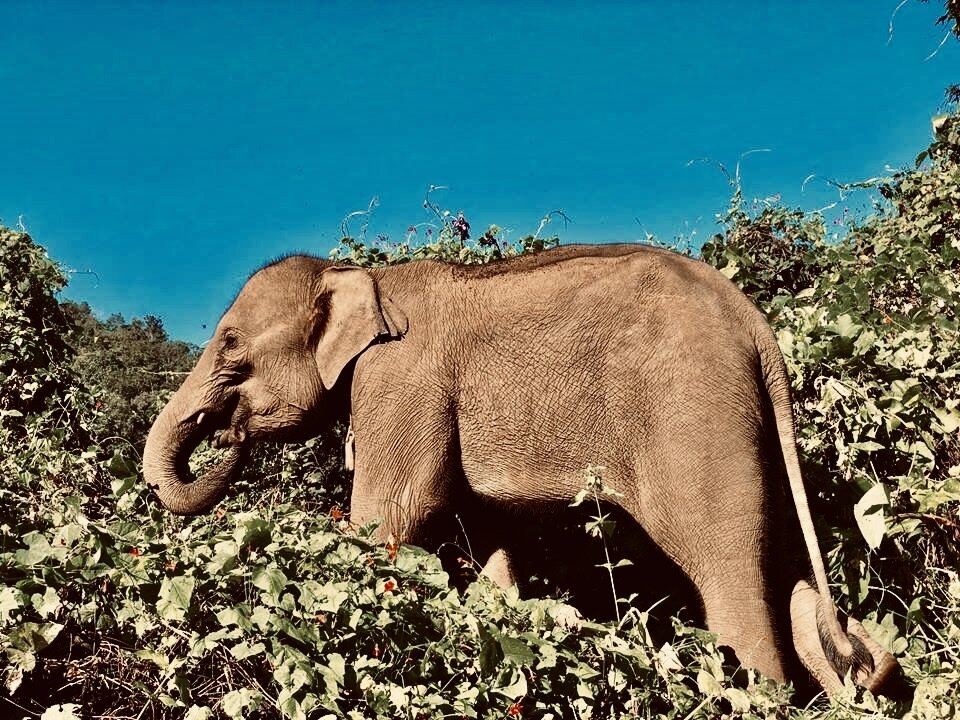
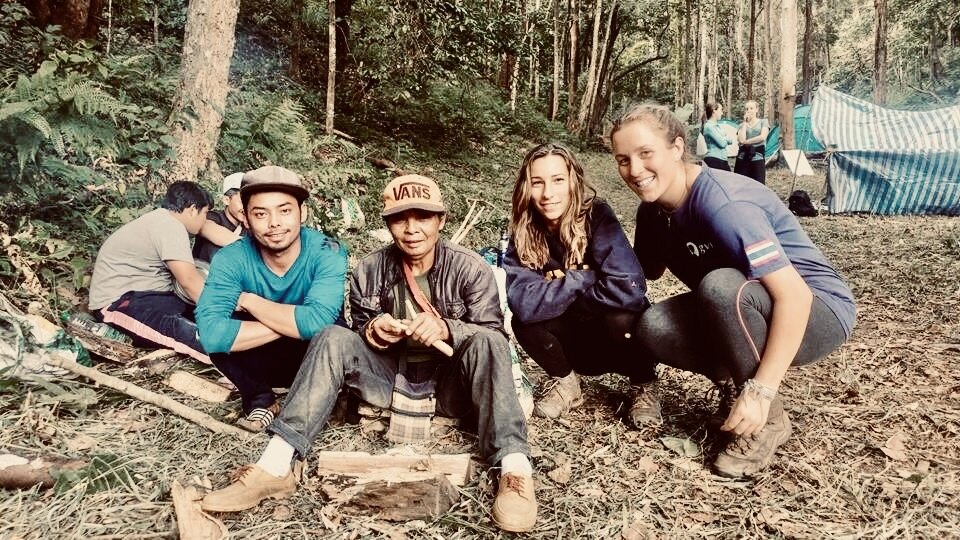
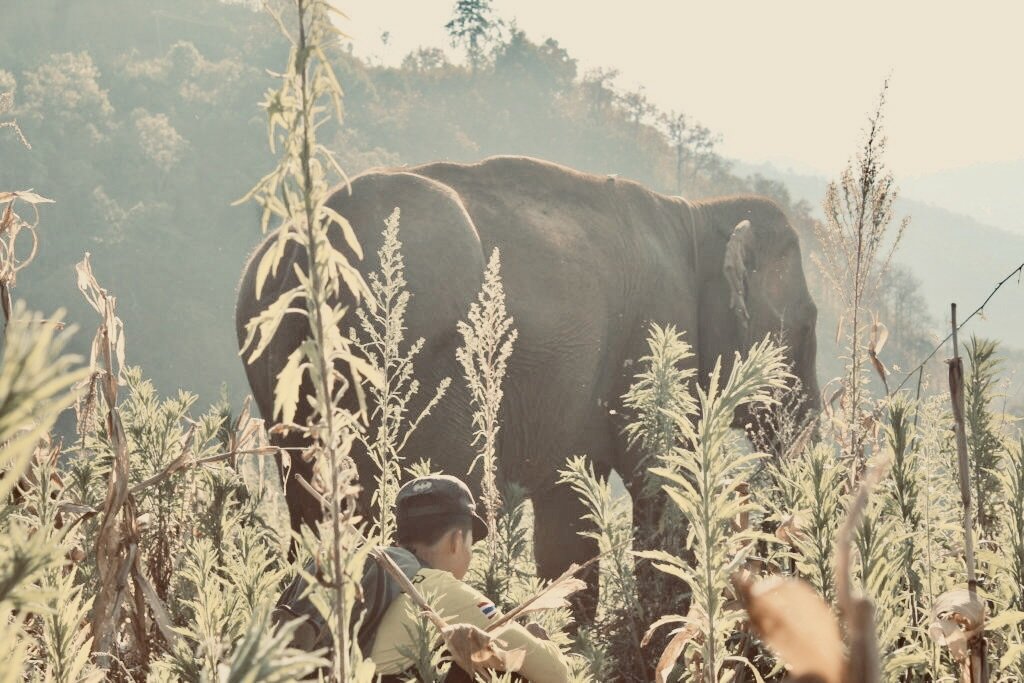
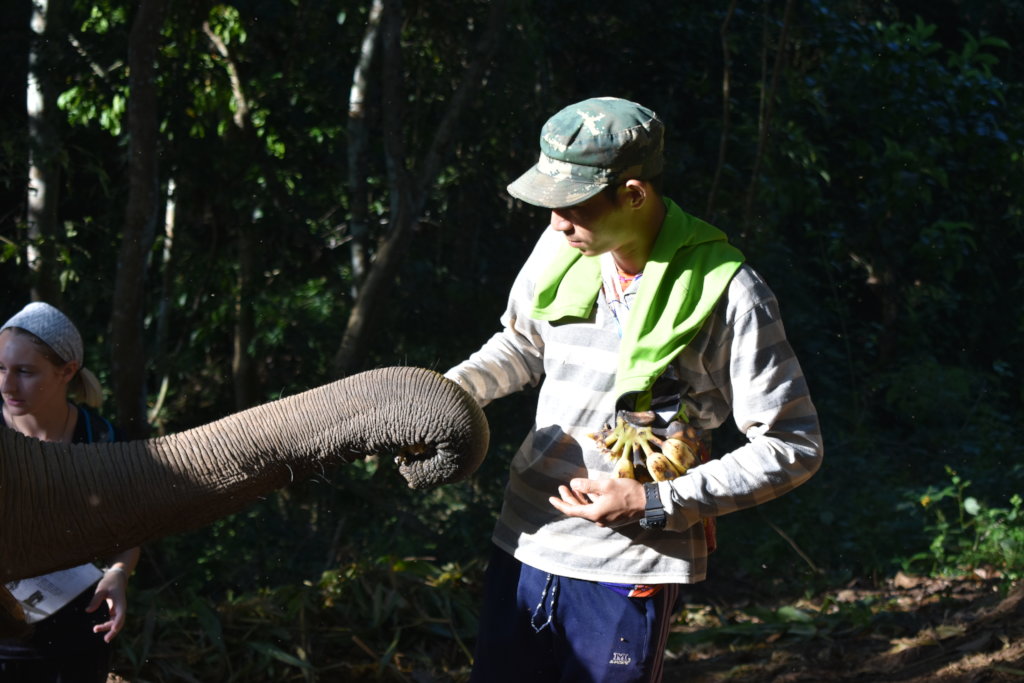
The village of Huay Pakoot is an indigenous Karen Hill Tribe in Northern Thailand, renowned throughout the country for their knowledge of elephants. The language that is predominantly spoken within the village is Pakinyaw, although a lot of the younger generations do speak, read and write Thai after being taught this at school.
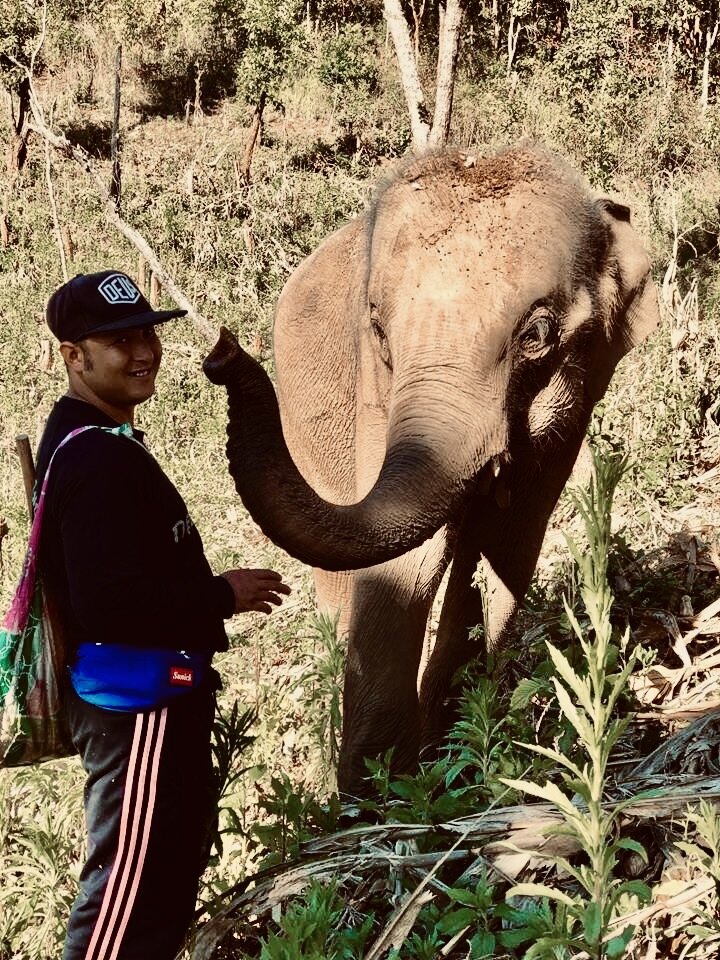
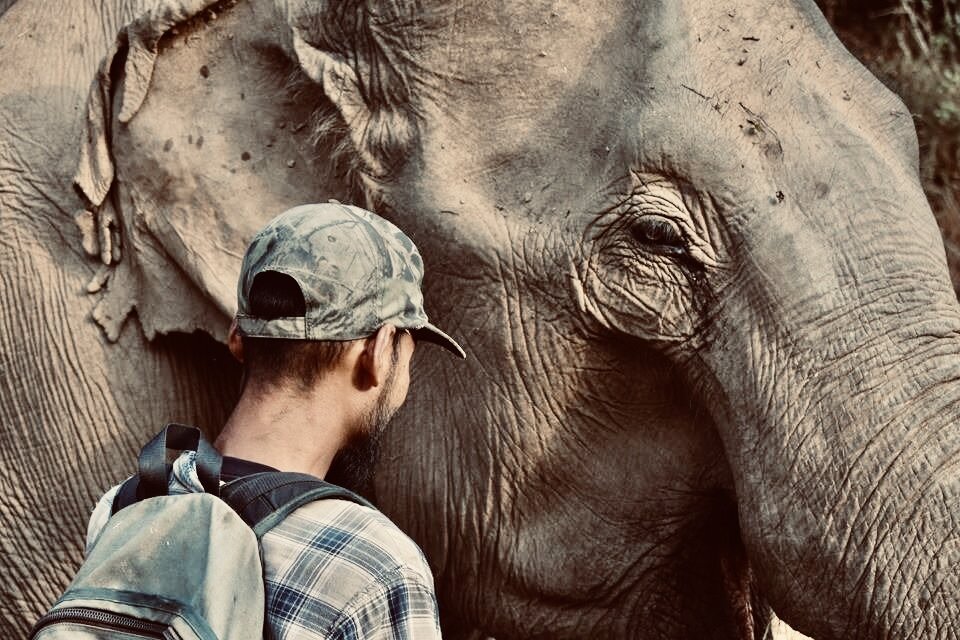
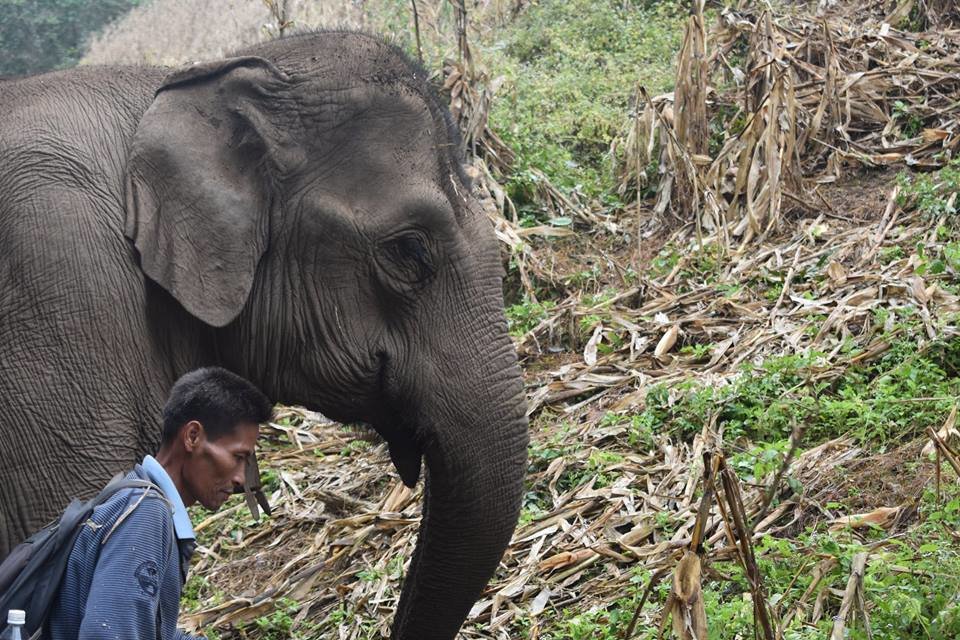
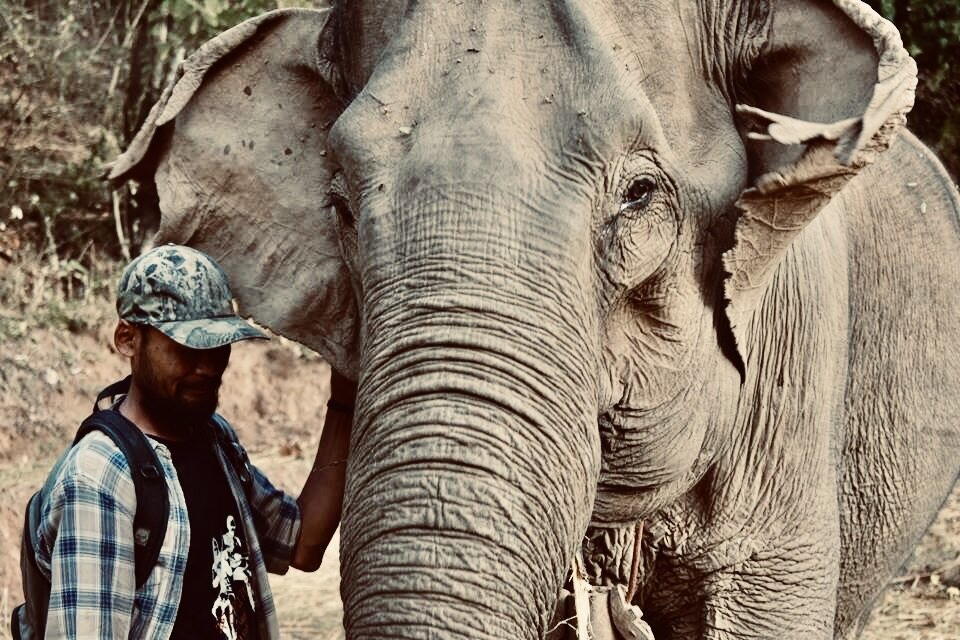
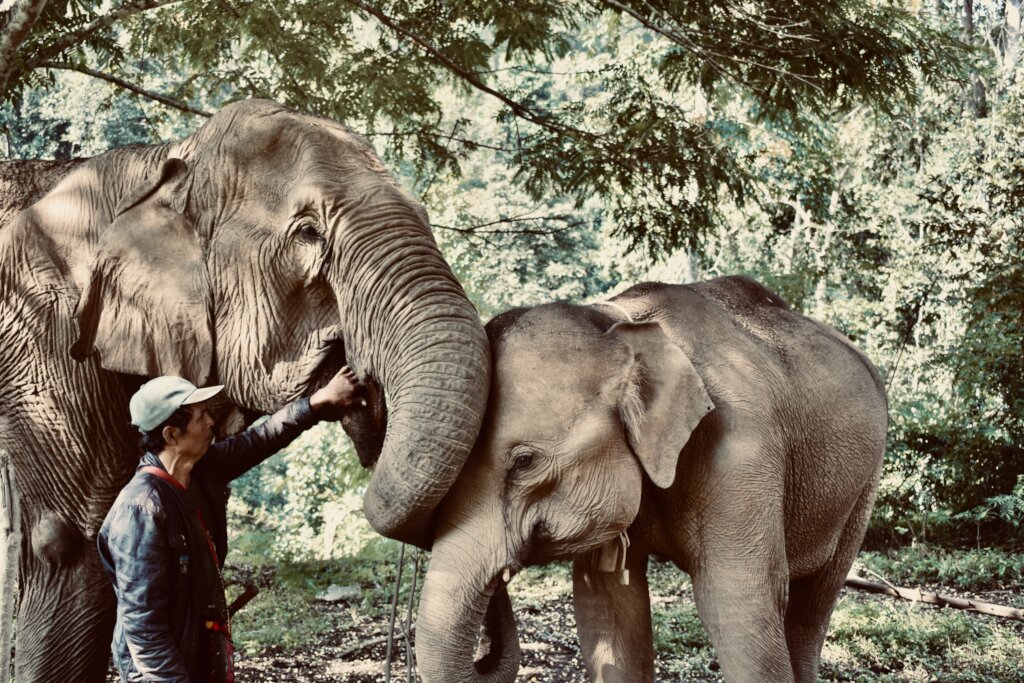
Typically, the tradition of being a mahout is a skill that has been passed down from generation to generation and knowledge that is only acquired through practice. As a result of these traditions, the majority of our mahouts left school around the age of 12, usually upon completing primary school, to help care for their families’ elephants in tourist camps; therefore cutting their education short.
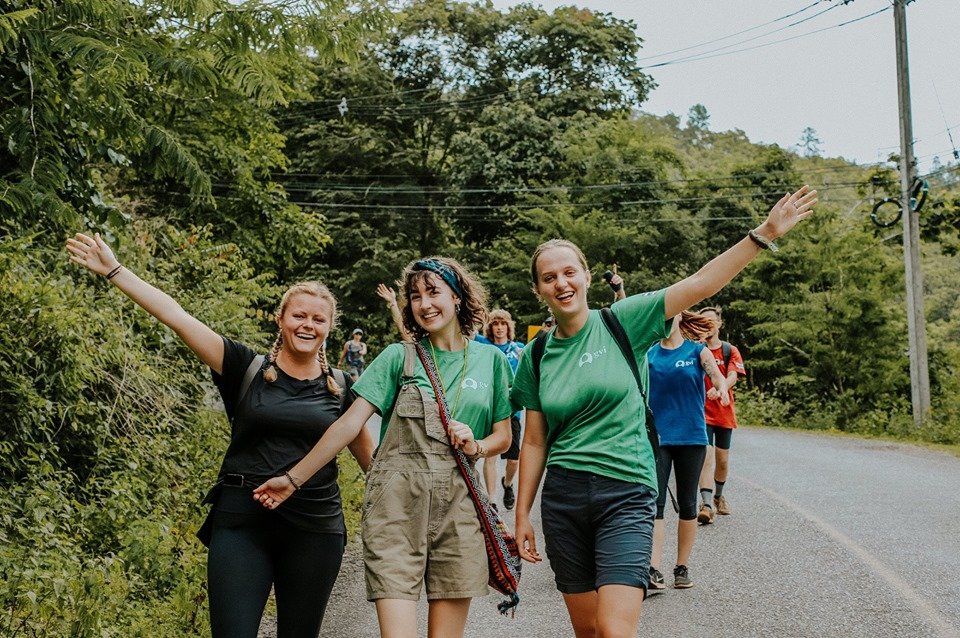
As the GVI project has been running here for nearly six years, most of the mahouts have managed to absorb a fair amount of English vocabulary from volunteers, however, they do not usually feel confident enough to put this knowledge into practice.
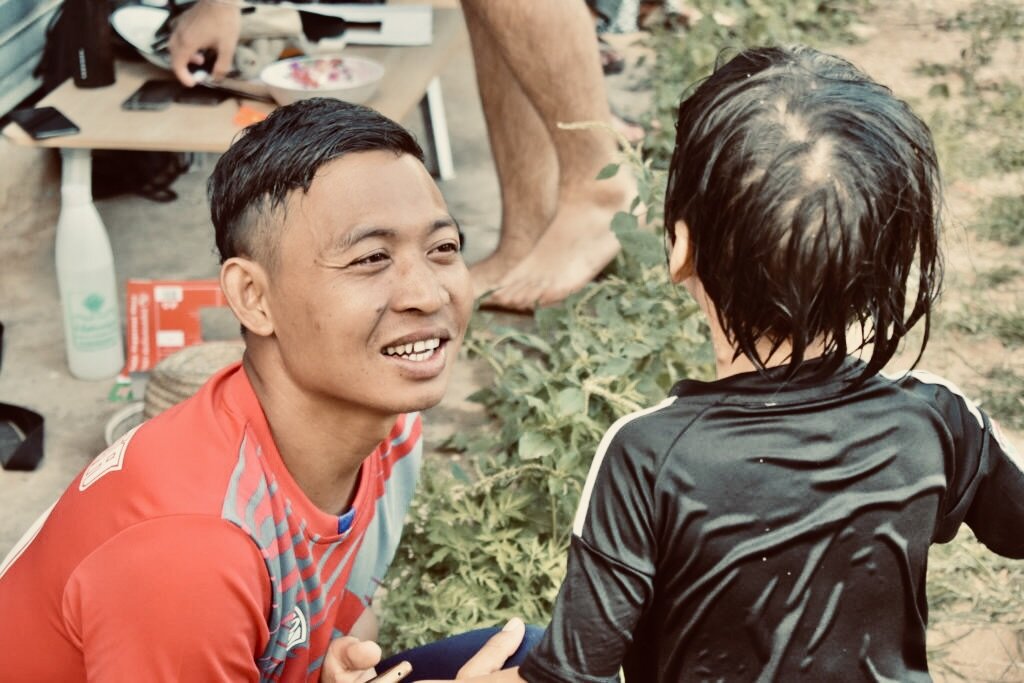
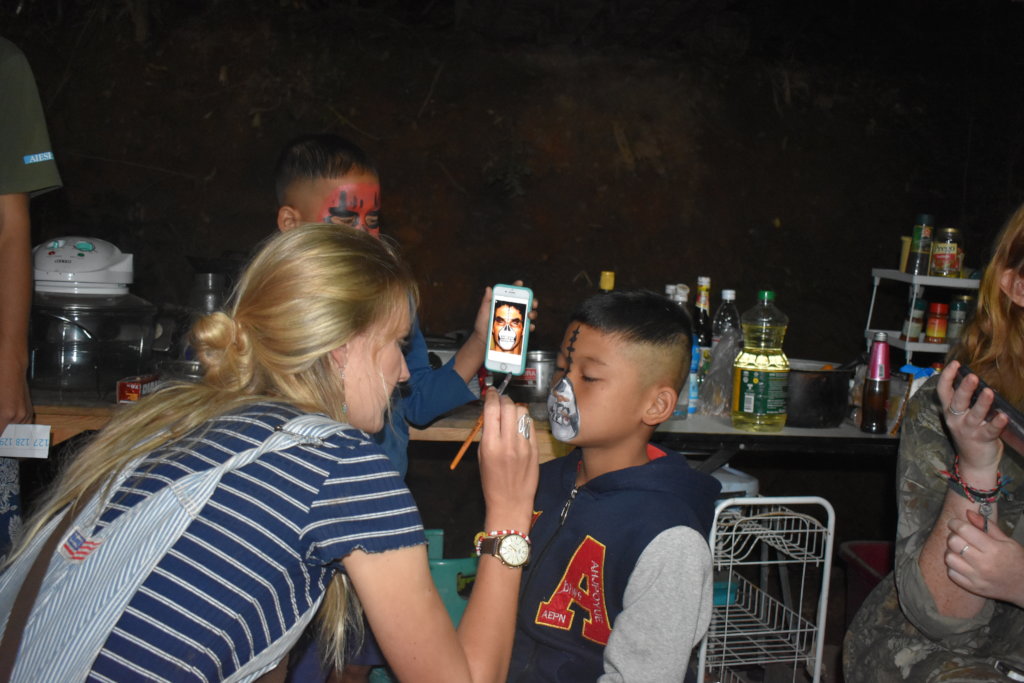
Whilst we have successfully been running a bi-weekly English class with some of our older mahouts for the past few years, we have never managed to consistently get the younger mahouts to partake in these classes. Over the last month, we have trialed a new location for a new mahout English class, in the hope that the younger mahouts would feel more comfortable and under less pressure with fewer people attending.
The class has been working really well so far with three mahouts (Towie, Suwit, Root) regularly turning up for lessons twice a week. When new volunteers arrive on project, we have a 5-day lesson plan for them to learn Pakinyaw. We have also been doing this with the mahouts but in reverse, so they can understand the same basics that volunteers are being taught and this may encourage everyone to communicate during hikes. Ensuring that the mahouts can communicate effectively using English is vital for the future of the project.
Ensuring that the mahouts can communicate effectively using English is vital for the future of the project.
Thank you for your support!
With Gratitude,
GVI Thailand
Project reports on GlobalGiving are posted directly to globalgiving.org by Project Leaders as they are completed, generally every 3-4 months. To protect the integrity of these documents, GlobalGiving does not alter them; therefore you may find some language or formatting issues.
If you donate to this project or have donated to this project, you can receive an email when this project posts a report. You can also subscribe for reports without donating.



Support this important cause by creating a personalized fundraising page.
Start a Fundraiser