By Diane Weatherup | Development Director
The goals of Orbis are to eliminate the threat of avoidable blindness in low-income nations, restore the sight of people, where possible, and build a lasting legacy of quality eye care, that will ensure no one goes needlessly blind in the future.
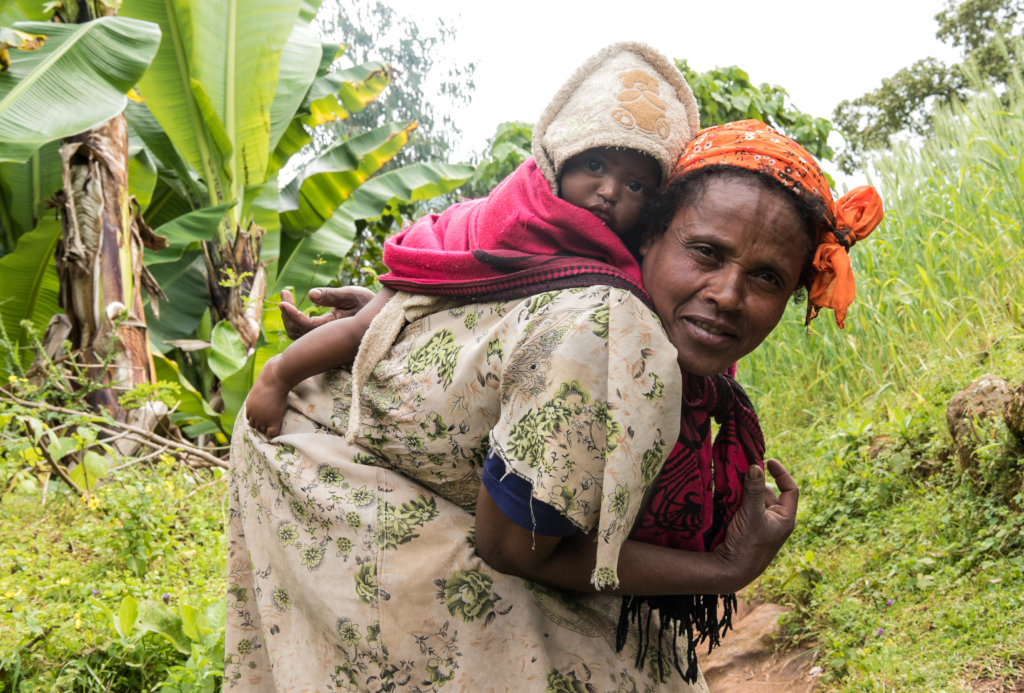
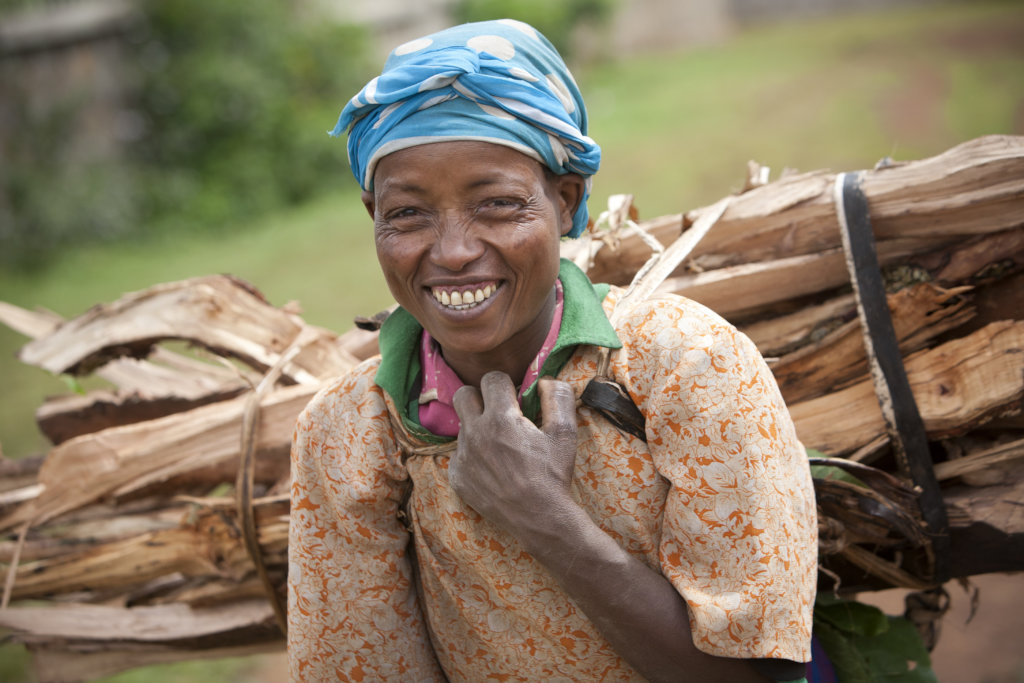
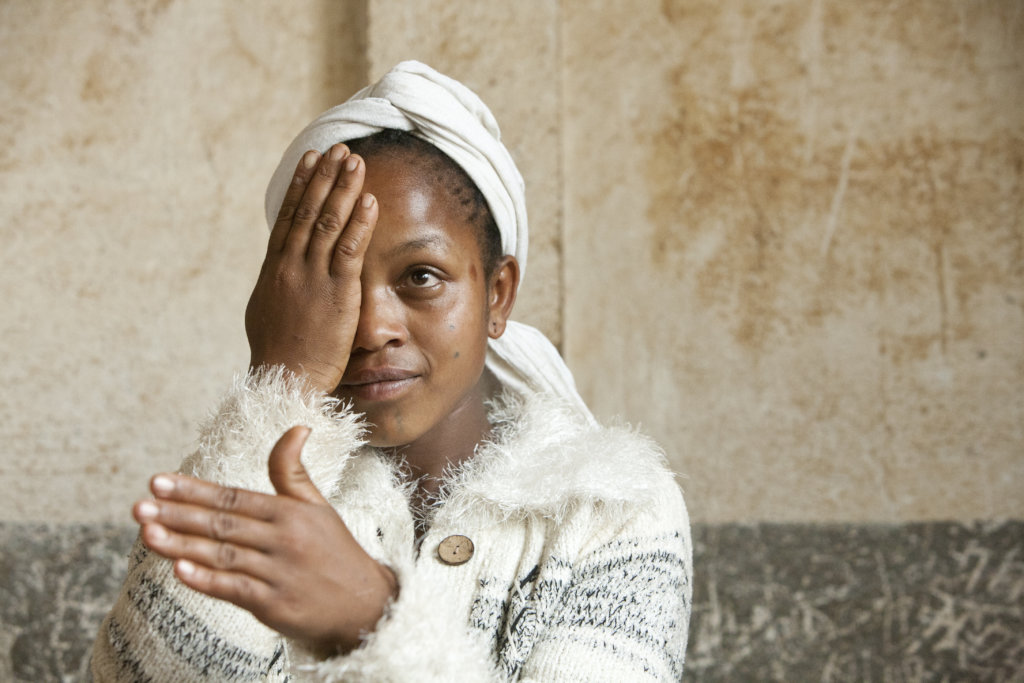
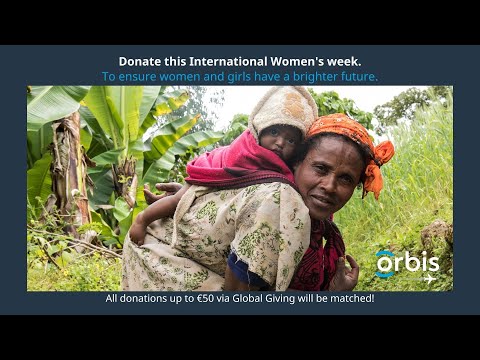
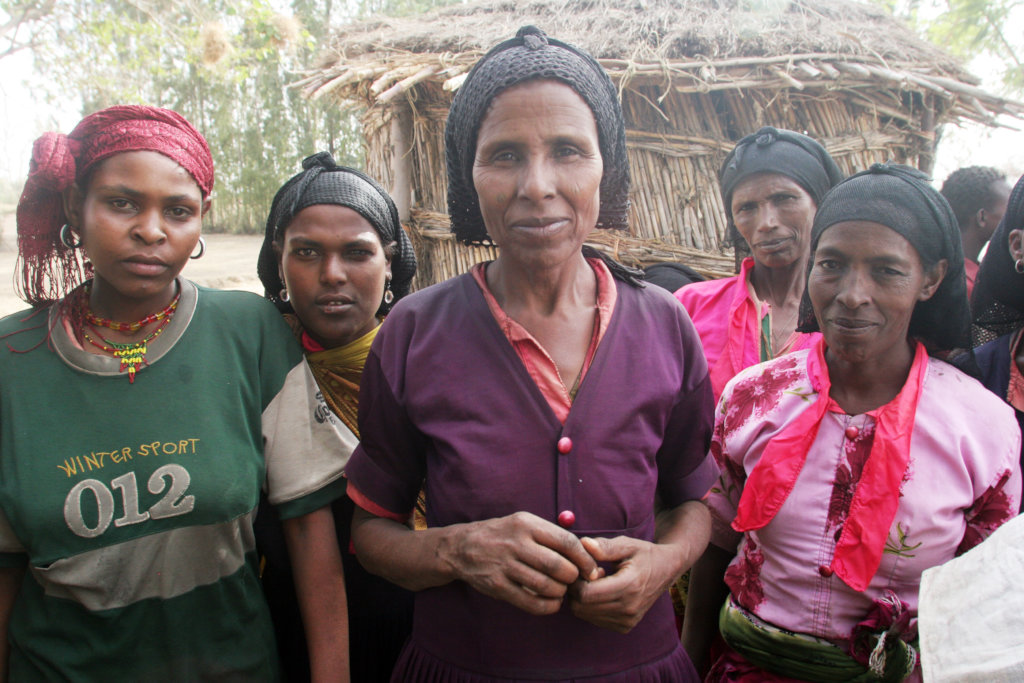
The devastating consequences of avoidable blindness and visual impairment, of which trachoma, cataract and refractive errors are the leading causes, are deeply felt by poor and marginalised people in Ethiopia. The loss of sight severely impacts an individual and often limits their ability to engage in productive work, conduct basic household tasks and care for oneself and family. This inhibits development and translates into significant economic losses that can cripple communities where the disease is endemic. Women are two-thirds more likely than men to become blind, primarily because they are less likely to receive services.
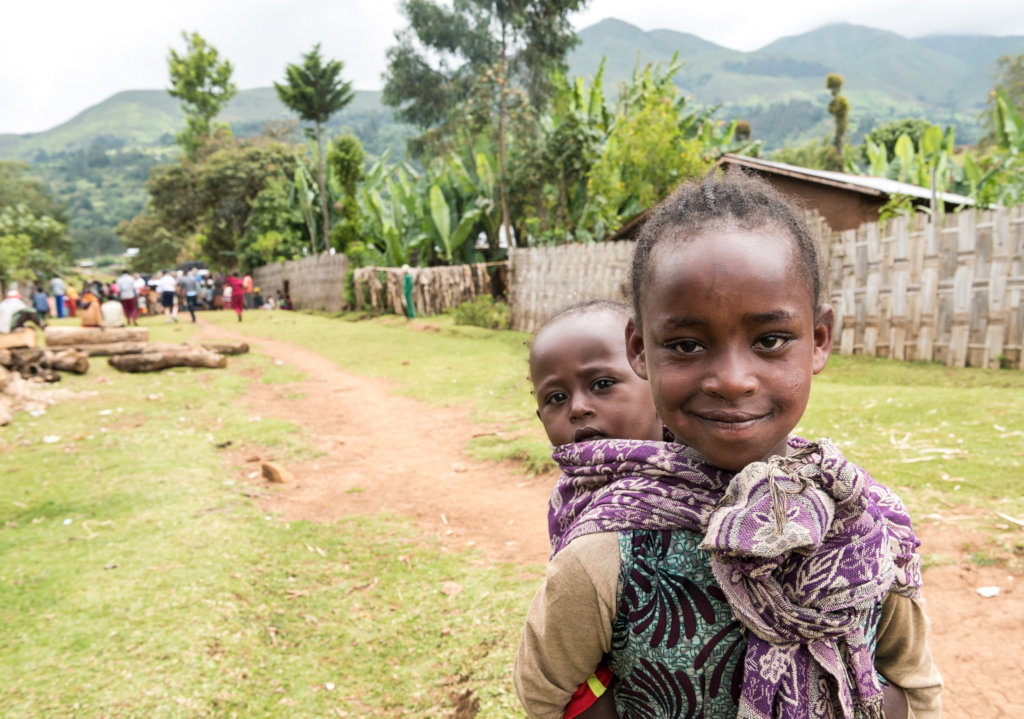
Women and girls face an unfair burden of blindness secondary to trachoma and cataract and they face a number of intersecting barriers to accessing eye care services, such as: the prohibitive cost of services combined with women’s lack of control over financial resources in the home; fewer travel options available for women to travel to an eye health facility along with the time it takes to travel and the resulting absence from caretaking responsibilities; and socio-cultural norms which de-prioritise women and girls’ eye healthcare needs.
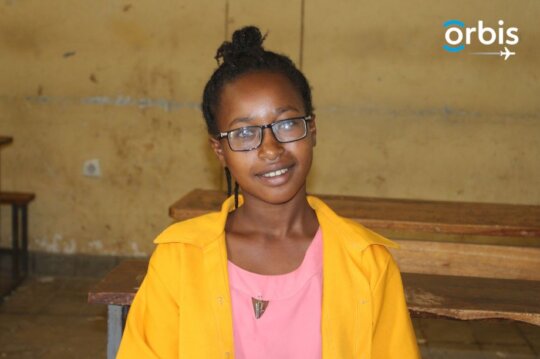
As a result of this, women fall far behind their male counterparts in the uptake of basic eye care services, such as surgery to treat blinding trachoma and cataract surgery and glasses for refractive error. It has been estimated that if women received cataract operations at the same rate as men globally, blindness from cataract worldwide would be reduced by over 10%.
Female eye health workers, who can be particularly effective in reaching out to women with eye diseases, may suffer from lack of support and community bias in many regions, impairing their effectiveness.
As such, Orbis is providing eye surgeries for free to ensure optimal access to services for women. However, if the Health Centres, in which primary eye care units will be established, are in the right areas, they still might not be accessible to vulnerable groups like women, children and people with disabilities for reasons including distance, cost of transport and opening hours. Therefore, after consultation with the communities, Orbis will put in place appropriate measures to improve accessibility, which may include a transport subsidy to and from screening.
Orbis will employ a number of measures to ensure that the gender responsiveness of the project is maintained and the disaggregated target, that 2/3 of the surgeries will benefit women and girls, will be reached. In order to address accessibility barriers, where possible, Orbis will ensure the provision of surgery closer to home, with minimal travel for beneficiary communities, and where necessary, Orbis will provide transportation for women for surgeries. Orbis will further target male partners to provide financial support and share caretaking responsibilities so that women can undergo the surgery through specific messaging towards men via radio and community leaders.
None of this would be possible without your support - thank you!
Project reports on GlobalGiving are posted directly to globalgiving.org by Project Leaders as they are completed, generally every 3-4 months. To protect the integrity of these documents, GlobalGiving does not alter them; therefore you may find some language or formatting issues.
If you donate to this project or have donated to this project, you can receive an email when this project posts a report. You can also subscribe for reports without donating.