By Ciara Hennebry | Development Manager
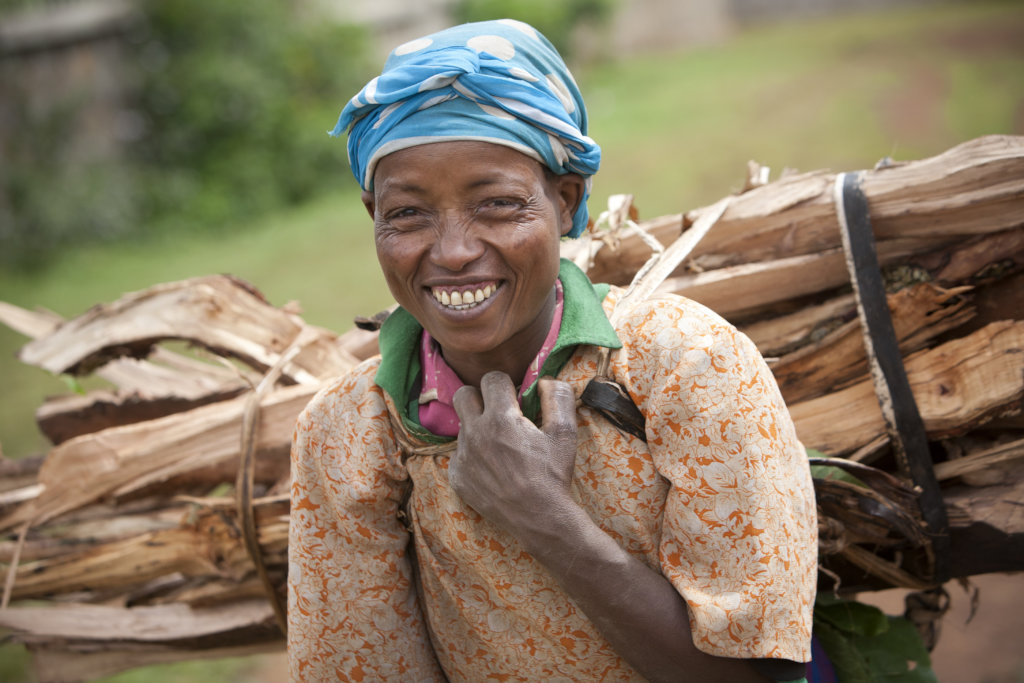
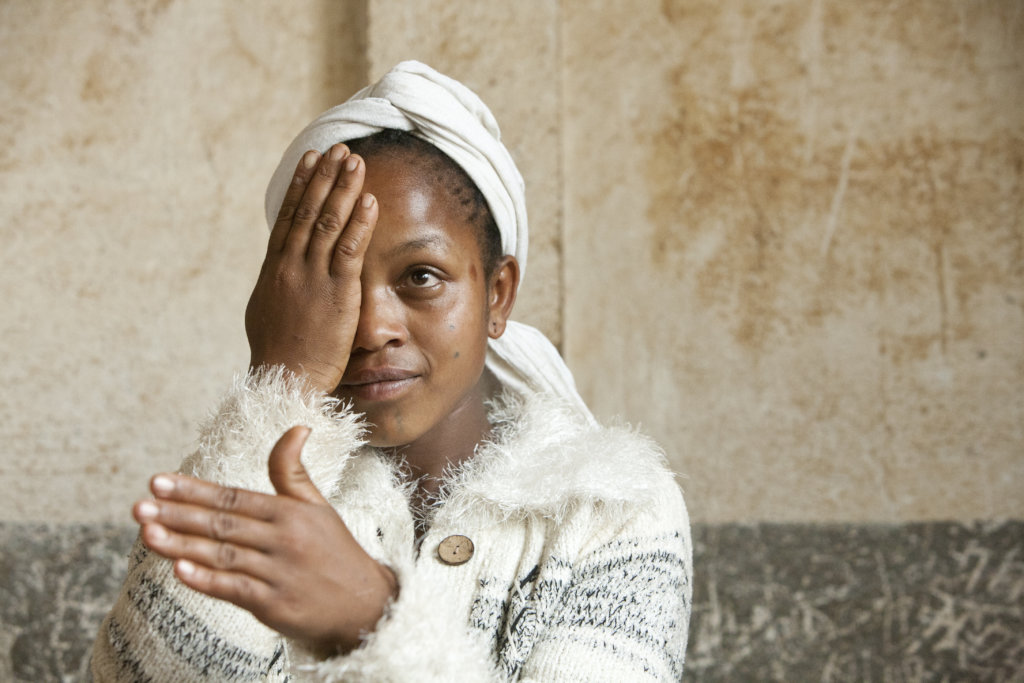
55% of people who are visually impaired are women. Two thirds of children who are blind are female. Below, we explore the reasons behind this injustice and meet some of the women who are doing something about it.
In many parts of the world gender inequality means women face additional barriers to accessing eye care that men don't.
These barriers might include a lack of education, limited decision-making power and restricted access to financial resources to pay for treatment. Lower levels of literacy in women can also mean that women aren’t aware of
WOMEN MORE AT RISK OF BLINDING TRACHOMA
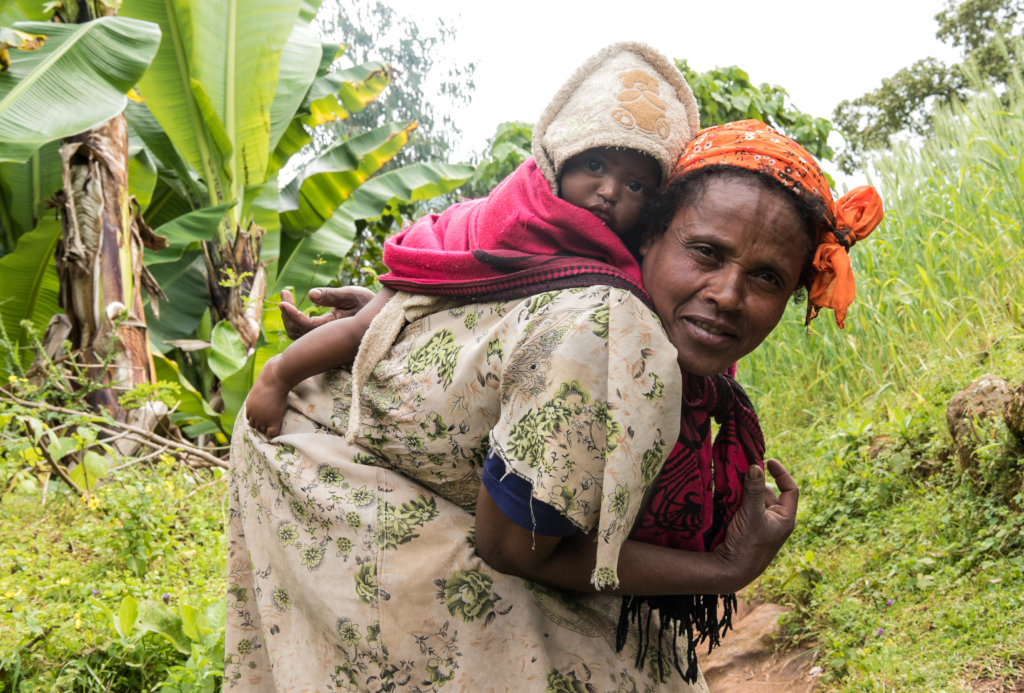
Traditional gender roles also put women more at risk of infectious eye diseases. Take trachoma, the world’s leading infectious cause of blindness which results in a blinding condition called trachomatous trichiasis, where the eye lashes rub painfully against the eye.
In areas where trachoma is endemic, it is common among young children. Women make up 70% of people affected by this painful and blinding disease because of their caregiving duties. Women become blind from trachoma up to four times as often as men – most likely because of repeated infections from contact with children.
70% of people affected by blinding trachoma are women
WOMEN, BLINDNESS AND EDUCATION
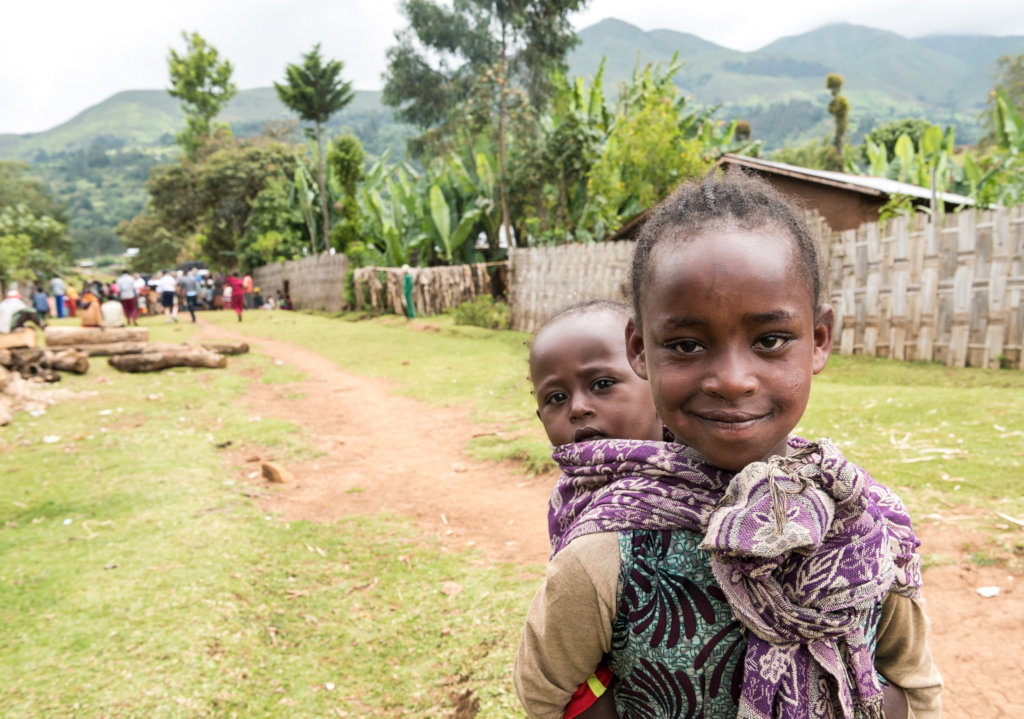
While it is true that visual impairment affects all children’s access to education in low and middle income countries, girls with visual impairment are even less likely to attend school than boys living with the same conditions.
A lack of education for girls means a lack of opportunity, higher instances of child marriage, less earning power, less autonomy and a higher risk of ill health.
Women who haven’t been through education themselves are also less likely to educate their children, which can lead to a cycle of poverty.

The burden of care giving restricts opportunities & exposes women to a greater risk of infectious eye diseases
WOMEN WHO ARE BLIND CARRY A DOUBLE BURDEN OF DISCRIMINATION
(According to the UN) Women with disabilities are some of most vulnerable in society. Women living with visual impairment can be subject to social exclusion and discrimination, and are more vulnerable to abuse, due to both their disability and their gender. Yet 80% of women living with visual impairment have conditions that are avoidable or could be treated.
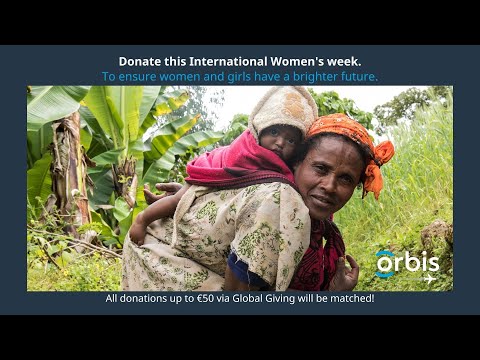
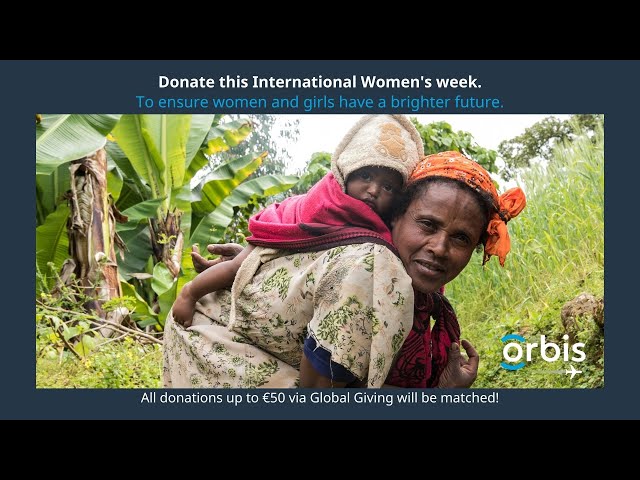
Thanks to your help you are helping us ensure that women and girls in Ethopia have a brighther future.
Thank you,
Orbis Ireland.
Project reports on GlobalGiving are posted directly to globalgiving.org by Project Leaders as they are completed, generally every 3-4 months. To protect the integrity of these documents, GlobalGiving does not alter them; therefore you may find some language or formatting issues.
If you donate to this project or have donated to this project, you can receive an email when this project posts a report. You can also subscribe for reports without donating.