By Development Team | Kidsave Staff
At Kidsave, we believe every child deserves to feel proud of who they are. Through our EMBRACE program, we work to ensure that children and youth in foster care feel safe, supported, and affirmed in their identity — and we are sincerely grateful to the youth and Kyla Jones at Jack and Jill of America, Inc. for helping us advance that mission.
Thanks to their generous donation of 30 Crown Care Kits, youth in our Weekend Miracles programs will receive essential hair and self-care items that support natural and protective styles. These kits are more than products — they are a powerful affirmation of identity, culture, and confidence.
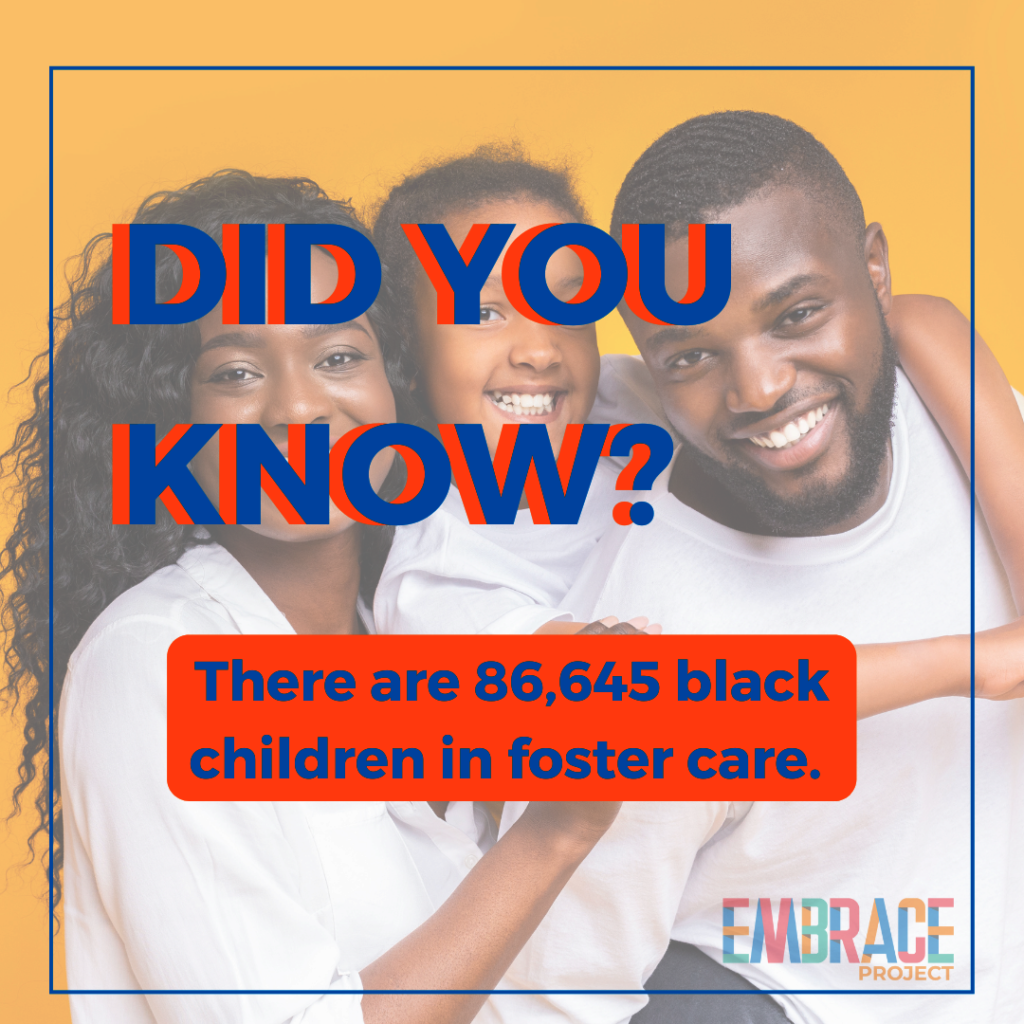
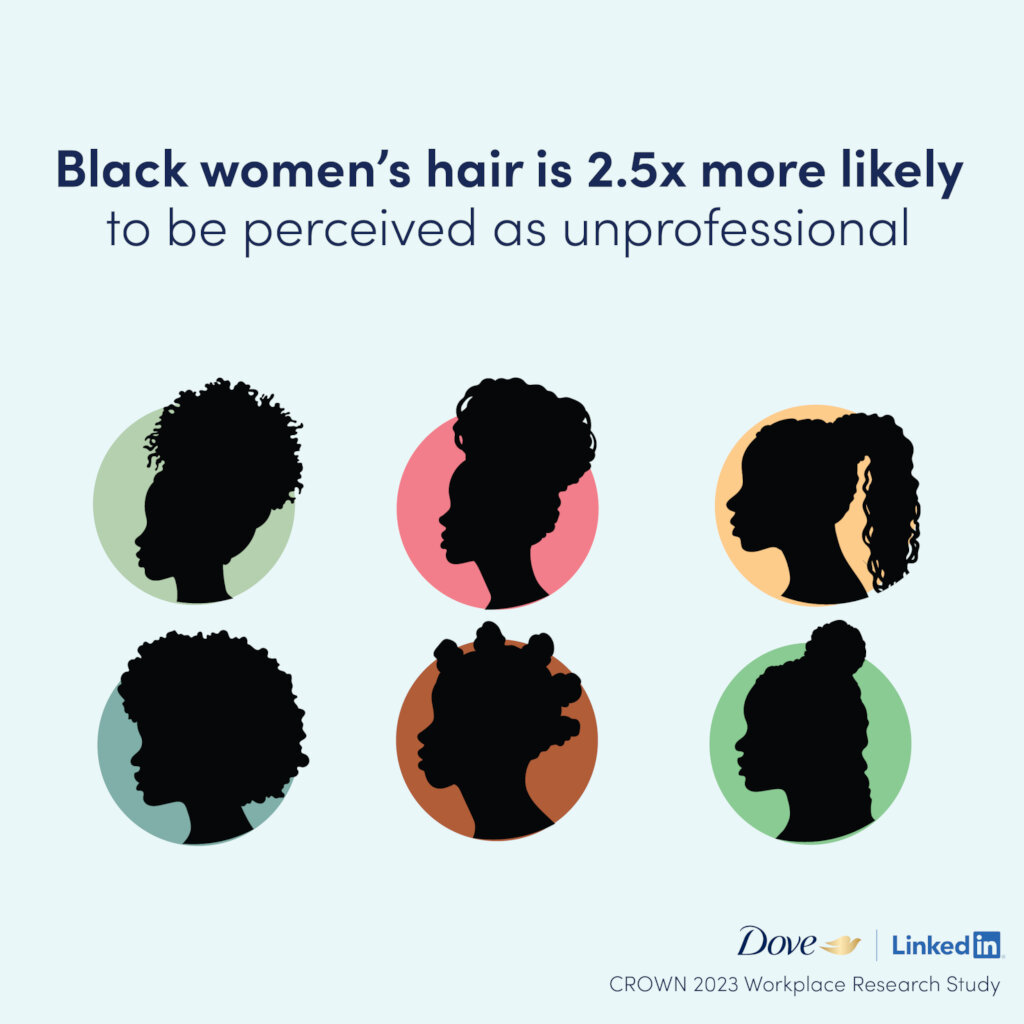
Black children in foster care often face discrimination or lack access to culturally responsive care. Access to appropriate hair and self-care products directly supports dignity and self-expression, aligning with the spirit of the CROWN Act, which works to end race-based hair discrimination and protect the right to wear natural hairstyles.
Through EMBRACE, Kidsave works intentionally to remove barriers that can make it harder for Black, Latino/a, and LGBTQ+ youth in foster care to find mentors, foster families, and adoptive families. Culturally responsive and identity-affirming support is central to helping young people thrive.
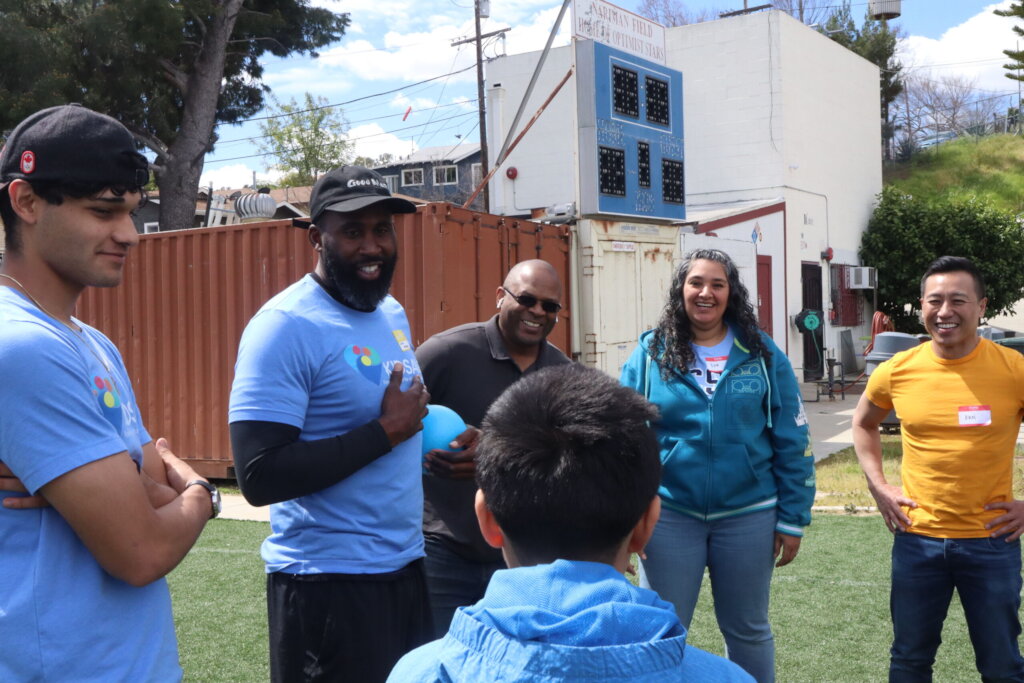
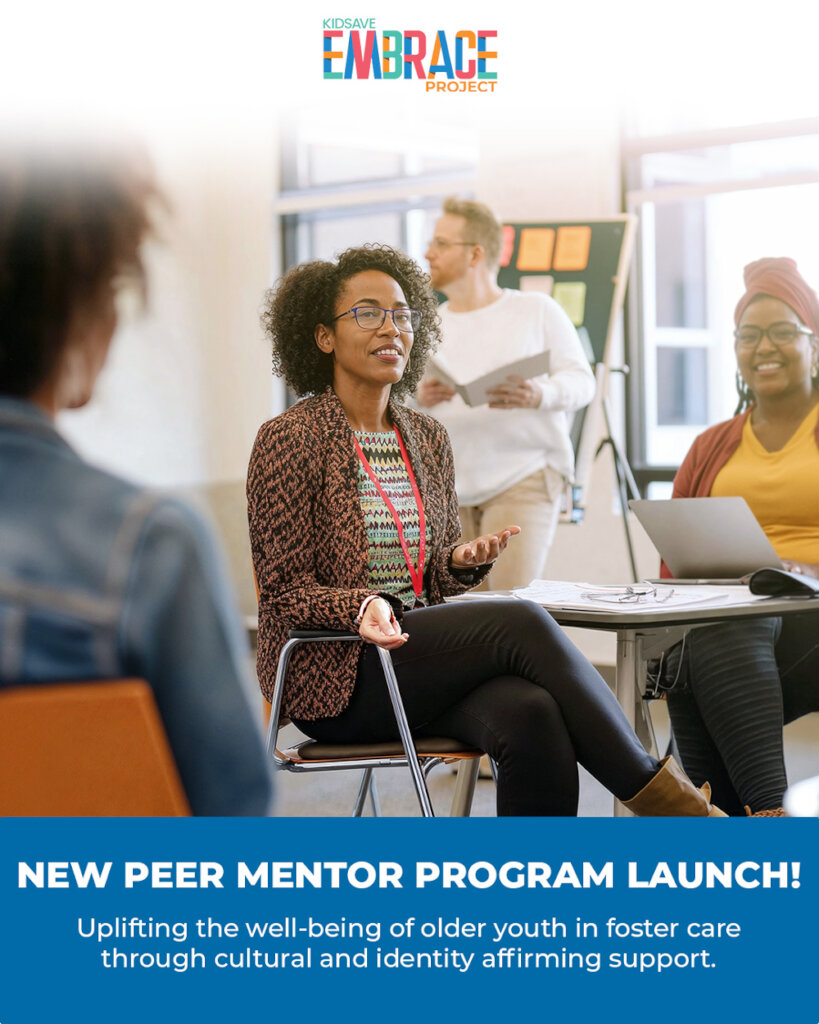
In addition to providing tangible resources like the Crown Care Kits, EMBRACE connects youth with caring adult mentors who are committed to supporting and celebrating who they are. Our mentorship component creates consistent, trusted relationships where youth can feel seen, heard, and encouraged. Mentors play a critical role in reinforcing positive identity development, building self-esteem, and helping youth navigate school, career exploration, and life transitions with confidence.
The Crown Care Kits will be distributed to youth in our Weekend Miracles programs in Los Angeles, CA, Houston, Texas, and Virginia — ensuring that children across our communities benefit from this thoughtful and empowering gift.
Together, these kits send a clear message: you are valued exactly as you are, and your identity matters. They equip youth with the tools to present themselves with confidence — whether preparing for school, interviews, or new opportunities — and they reinforce the broader support system EMBRACE provides through mentorship and community.
We are deeply thankful to Jack and Jill of America, Inc. for standing with our youth. Crown Care Kits are a meaningful way to say: we believe in you, we support you, and you are worth investing in.
Because when children feel affirmed in who they are, they are empowered to step into who they can become.
Links:
By Development Team | Kidsave Staff
By Development Team | Kidsave Staff
Project reports on GlobalGiving are posted directly to globalgiving.org by Project Leaders as they are completed, generally every 3-4 months. To protect the integrity of these documents, GlobalGiving does not alter them; therefore you may find some language or formatting issues.
If you donate to this project or have donated to this project, you can receive an email when this project posts a report. You can also subscribe for reports without donating.



Support this important cause by creating a personalized fundraising page.
Start a Fundraiser