By Head of Mission | Mexico
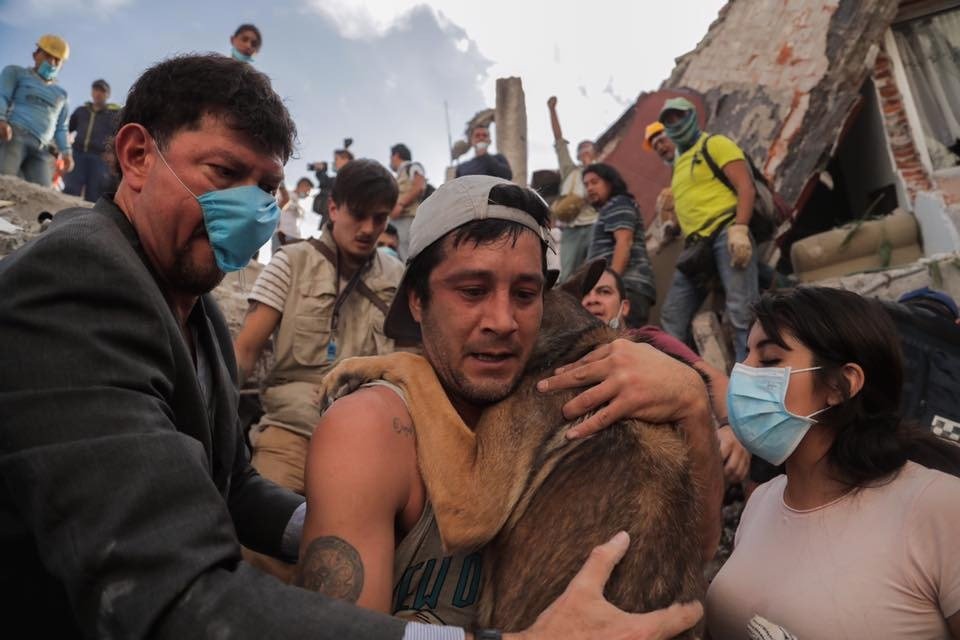
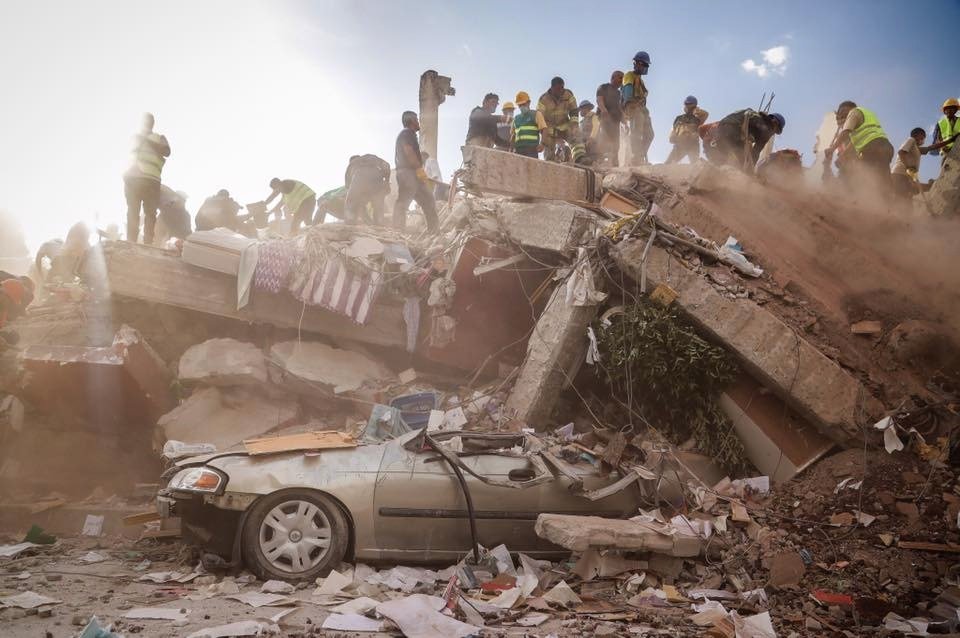
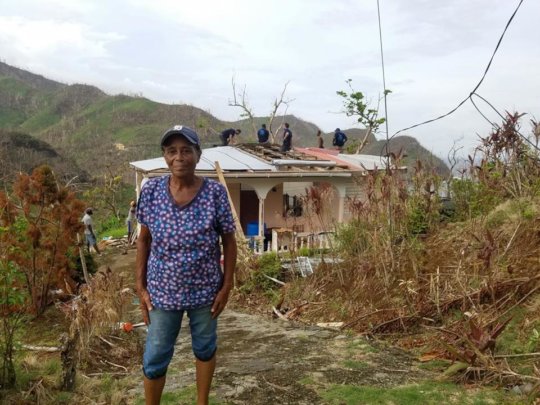
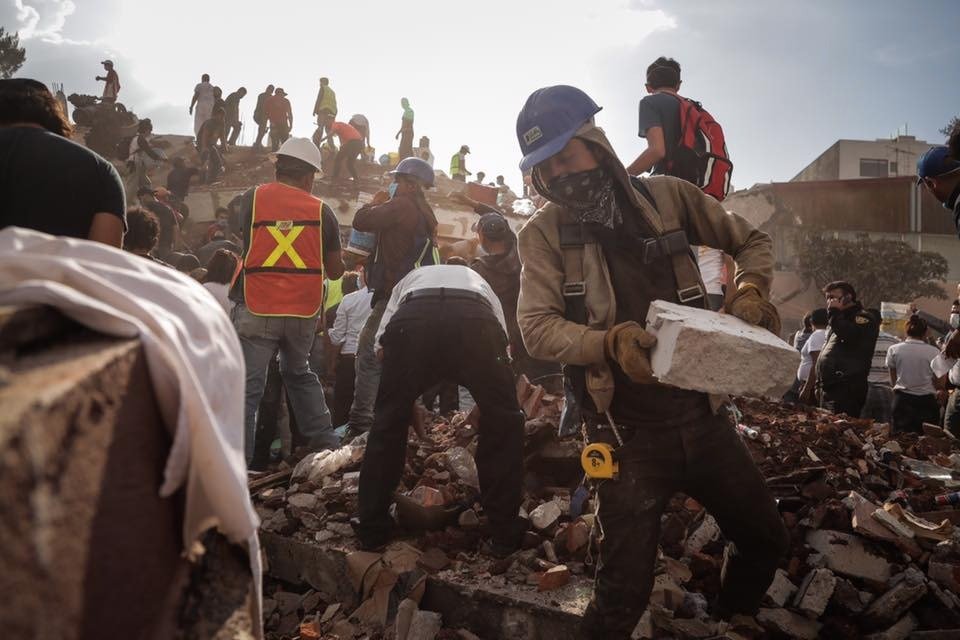
On September 19th, a 7.1 magnitude earthquake hit near Puebla, Mexico. The earthquake struck approximately 140km south-east of Mexico City, just two weeks after the last lethal earthquake, magnitude 8.1, hit Mexico’s southern coast. The destruction, from the most powerful earthquakes to hit Mexico since 1985, was immense. There were over 230 confirmed fatalities and thousands of houses and buildings, as well as key infrastructures, were damaged, including: public buildings; churches; town halls; historical buildings and health clinics.
“My name is Israel and I am a volunteer in my hometown of Tlaltizapan in Morelos, Mexico. On the first night following the earthquake, I encountered a family in the street; their 3-year-old son was crying inconsolably and the mother was overwhelmed, so I tried to calm him down. He told me, ‘My house fell down, my bed is gone, and now I have nowhere to sleep’. I have had many difficult moments and feel very heartbroken, seeing the devastation the earthquake has caused. After this horrible first night, I couldn’t just stand by and do nothing. I feel it’s a moral obligation - these are my neighbors, these are the people in my municipality, and these are the people in my state.” Israel, from Morelos.
Two current needs identified include:
Safe water and promotion of hygiene and sanitation practices in schools:
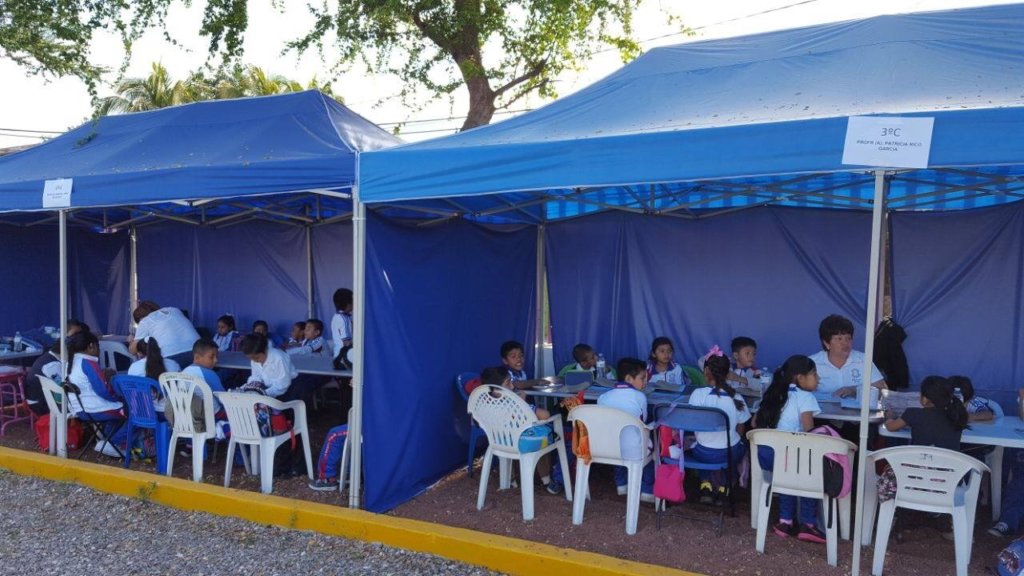
Many students are currently unable to return to their original schools as the buildings were destroyed or severely damaged by the earthquake. The rebuilding process will take several months, and therefore IsraAID, together with Cadena, has built temporary tented classrooms for the interim period. Due to the transitory nature of these locations, they lack sufficient access to safe water points, bathrooms and/or hand-washing stations. It is critical to run hygiene promotion programs in schools, install water filters and construct temporary bathrooms and hand-washing stations.
Family Mental Health Support Program:
In addition to teachers, parents and families are in increasingly urgent need of support, to deal with post-trauma mental health issues and learn how to build resilience in both the family and school community unit.
So far IsraAID’s Emergency Response team has provided:
Temporary classrooms: In partnership with Cadena, IsraAID provided earthquake-damaged schools with temporary tented classrooms. So far, they have constructed 149 tents, which ensures over 3,300 students can return to their studies.
Lezareth, a School Director noted: “Today they started demolishing our school, where some of us have worked for over 20 years. It was destroyed in the earthquake. IsraAID has not only given us the opportunity to go back to our classes but has helped us directors to cope through these difficult moments, and understand that there is a new, better beginning.”
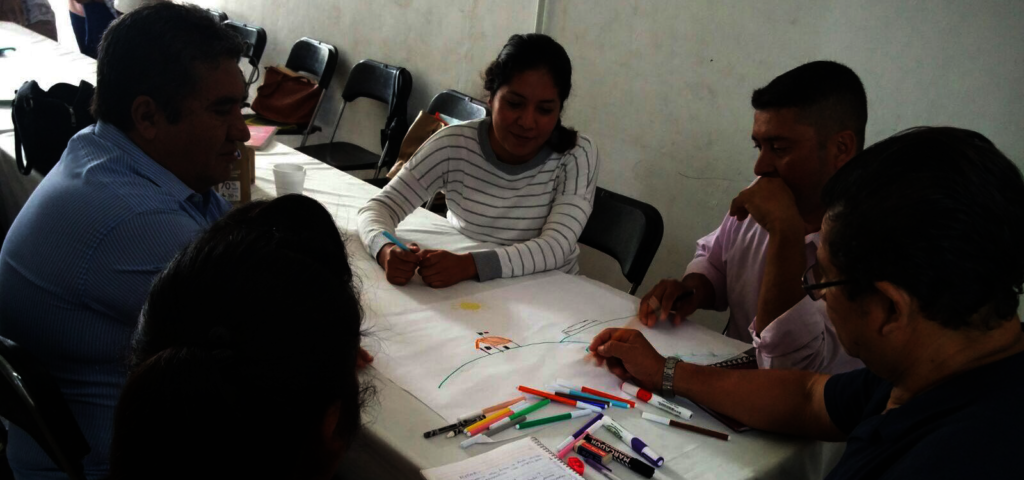
Mental health support and training for school staff: IsraAID’s team ran training sessions to support school directors and teachers, from the most-affected schools in the region, preparing for their return to classes. The program gave the educational staff key tools and knowledge in how to provide mental health support to their students, post-disaster. The team has so far trained over 120 school directors, benefitting over 2,400 teachers.
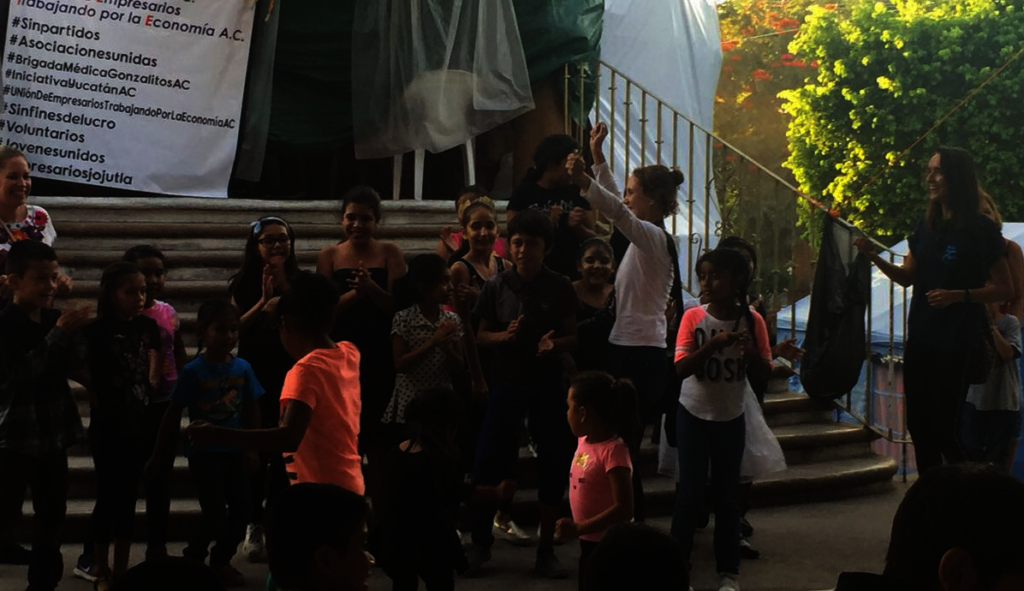
Children’s theater: IsraAID’s drama specialist volunteer produced an adapted version of ‘The Fisherman and His Wife’ by Brothers Grimm, starring children who attend the Child Friendly Space in Alameda temporary refugee camp in Jojutla - near the epi-center of where the earthquake hit. The play, which central themes are strength and resilience, premiered in the camp with an
audience of over 50 people. The children and IsraAID’s team created the set and all the costumes, and are already rehearsing a new performance.
Child Friendly Spaces: IsraAID’s team continues to facilitate Child Friendly Spaces in the two biggest temporary refugee sites in Jojutla, caring for approximately 60 children every day.
Medical assistance: IsraAID’s medical volunteers treated over 200 people in our mobile medical unit. IsraAID’s medical professionals provided treatment to patients in the most remote areas, yet to receive any aid.
IsraAID will continue to support the affected communities in Morelos, reaching the most vulnerable populations. Immediate activities will include:
Thank you for your continued support!
Project reports on GlobalGiving are posted directly to globalgiving.org by Project Leaders as they are completed, generally every 3-4 months. To protect the integrity of these documents, GlobalGiving does not alter them; therefore you may find some language or formatting issues.
If you donate to this project or have donated to this project, you can receive an email when this project posts a report. You can also subscribe for reports without donating.