By Amit Gerstein | IsraAID Humanitarian Fellow, Mexico
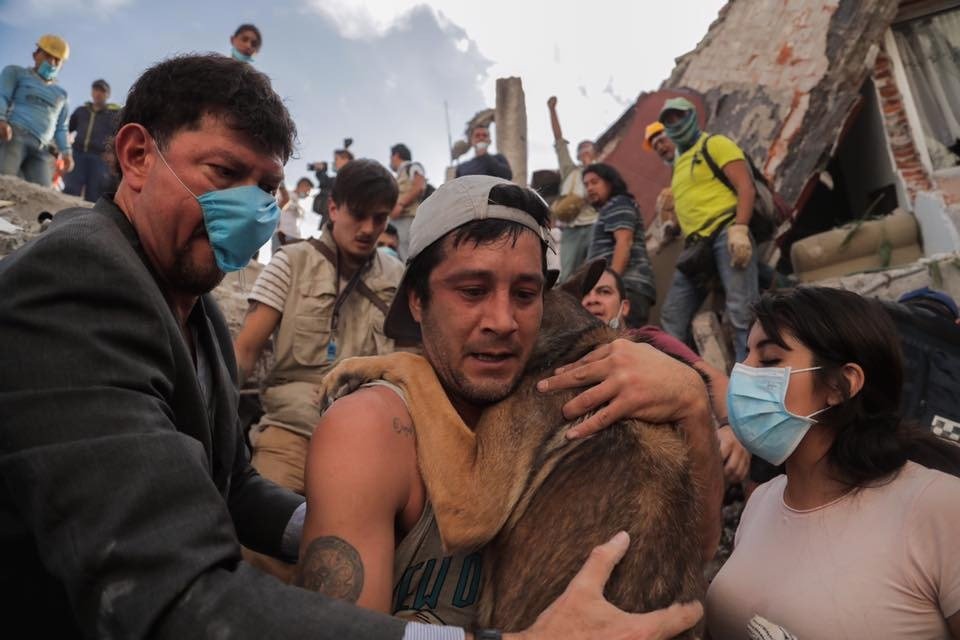
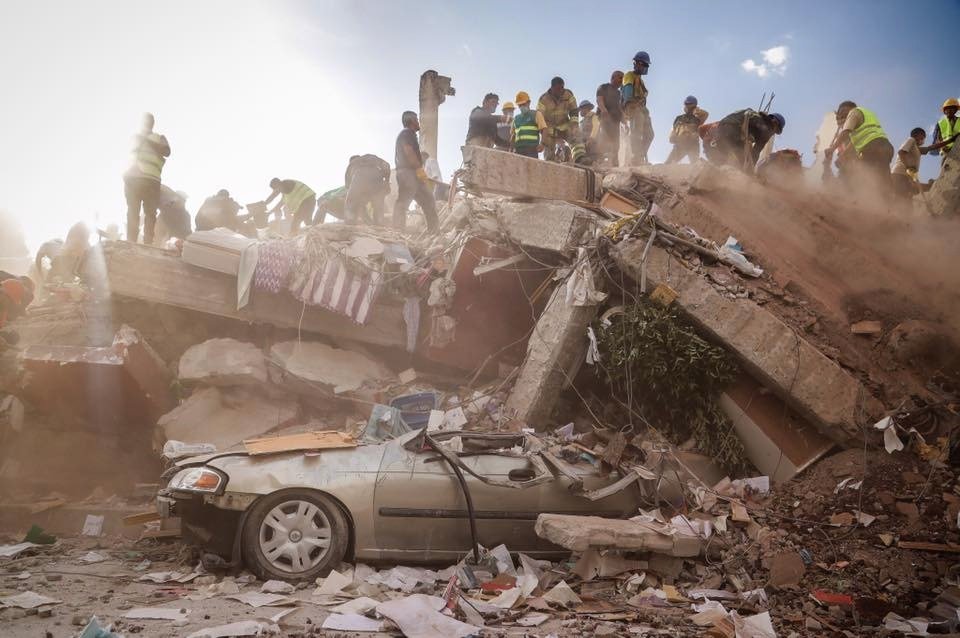
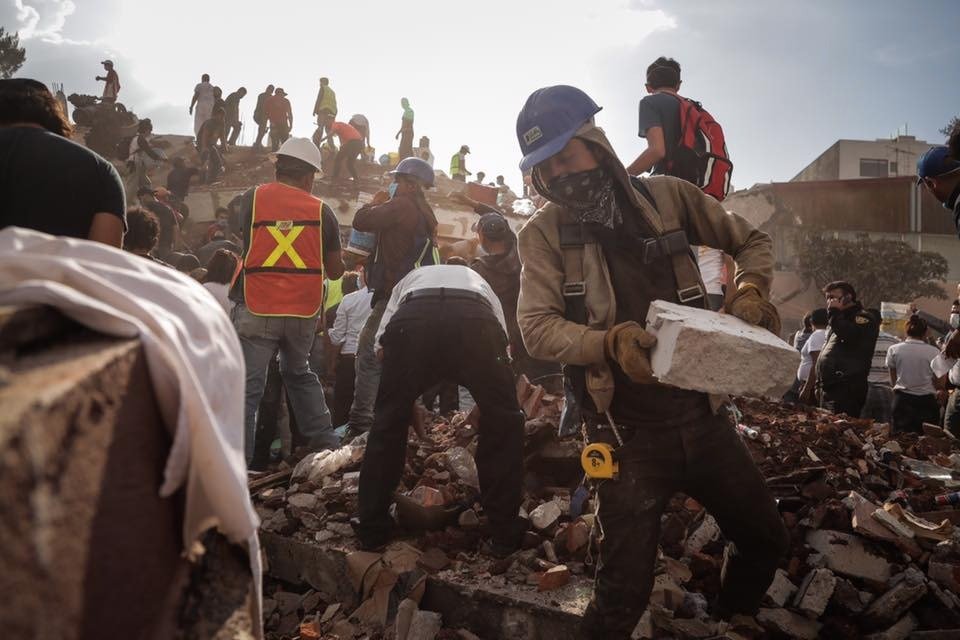
IsraAID arrived in Mexio shortly after 19th September 2017, when a 7.1 magnitude earthquake hit near Puebla. The earthquake claimed the lives of over 200 people, and caused drastic devastation to buildings and other key infrastructure in the area. IsraAID remains on the ground, where Disaster Risk Reduction Specialists are implementing a state-wide Emergency Preparedness curriculum in partnership with the Ministry of Education. This blog was written by Amit Gerstein, a IsraAID Humanitarian Fellow, and a senior at George Washington University studying International Affairs.
They knew it was funny. The kids lined up on the pavement yard in two rows and got ready for the music to start, giggling in preteen self-consciousness as we watched from the side. A trumpet began the song, followed by a chorus of instruments and voices singing the fun, fast-paced melody typical of Mexican folk. The row of boys walked around to the front of the row of girls, beginning the steps of a traditional dance under the supervision of the dance teacher who would intermittently shout out a correction or tip.
For a moment, it seemed perfect: the laughing kids, the sunny day, our team sitting in the shade setting up our camera and microphone for an interview, the smell of quesadillas gently wafting towards us from the outdoor kitchen. The teacher we were interviewing sat down. A round of holas and brief introductions before we began to film.
“Just make sure to look at me while you are talking and not at the camera” one of IsraAID’s team members requested in Spanish as Lauren and I turned on our cameras, ready to record. The soft smiles on our faces quickly faded into concentration and the teacher described her experience during the 2017 earthquake. As she talked, I tried to picture it: the buildings shaking, rocks falling, screams amidst a chaos of people attempting to seek shelter, teachers trying to both stay calm and direct their students while internally afraid for their own lives.
It almost didn’t make sense. Did that really happen here? It seemed impossible that the courtyard of children dancing, the hallway where two kids furtively attempted to cut class, the kitchen where the cook was making quesadillas were the sites of such pain and fear.
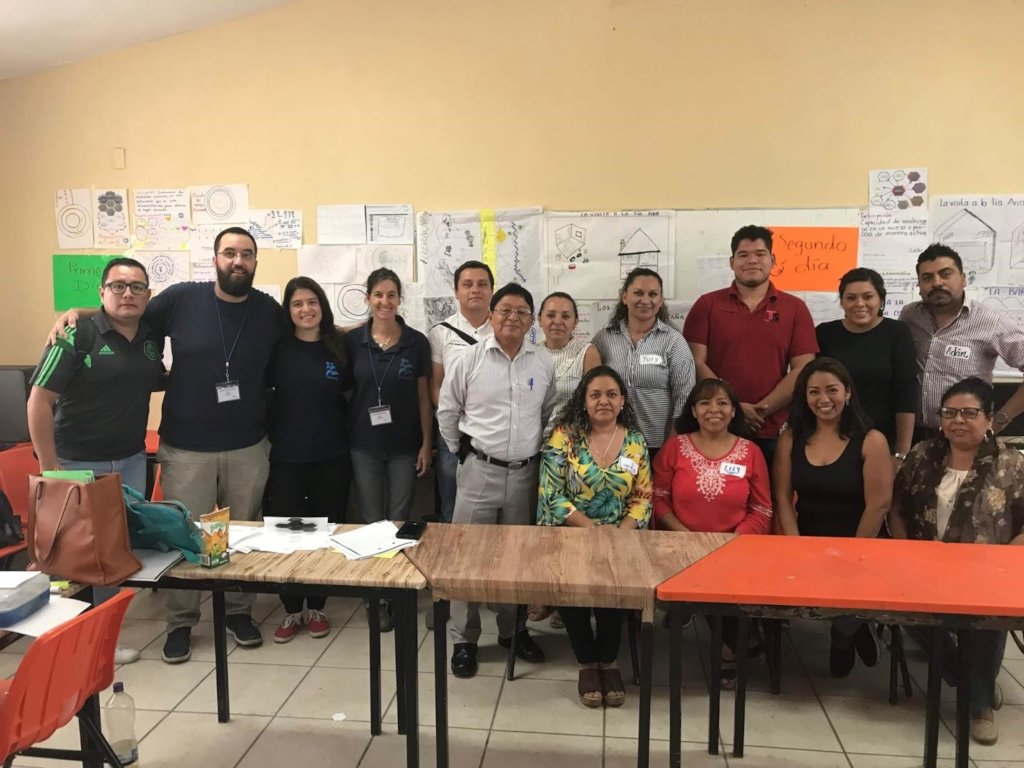
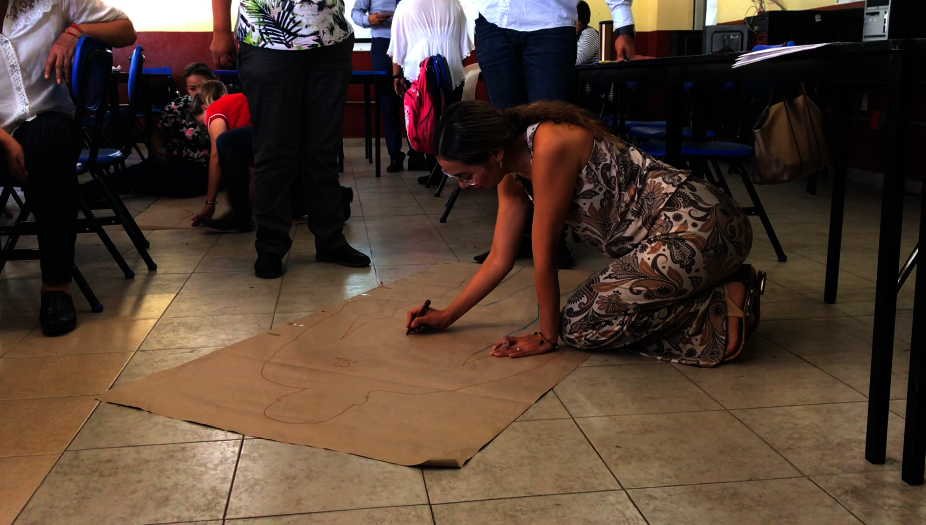
Two days ago, we visited an urban school during a teacher training. It was one of the first of IsraAID’s Disaster Risk Reduction (DRR) trainings, and one of the first activities included an introduction of the teachers, their families, hobbies, and experiences during the 2017 earthquake. After a few teachers made their introductions, one teacher, Maria, stood up. Wearing a paisley pantsuit, Maria was one of the younger teachers in the room, but her experiences struck a chord with everyone there. She told of her husband, parents and kids, her hobbies and teaching style. She then began to describe her experiences during the earthquake, adding to the verbal collection of stories that was filling the room.
For her, however, the greatest pain she experienced during the earthquake was psychological rather than physical. As the ground started to shake and the chaos began, she was momentarily paralyzed. “I was afraid for my students. I knew that I needed to help them,” she explained. “But I also wanted to go home and make sure my kids were safe.” She remembered seeing other teachers running from the school to go to their families. “But how can I blame them? It’s their family.”
“I needed to stay for my students” she continued, “but I was afraid for my own kids the whole time.”
For the schools implementing IsraAID’s DRR program, attending trainings and implementing drills and projects is not just a box on a checklist. Mexico was not prepared for its last earthquake, and these teachers know first-hand the consequences of that lack of preparedness. The importance of such a training was not theoretical. It was almost too real.
So they went to trainings and planned activities, ran drills and discussed logistics because they knew what their school was lacking and were driven to close that gap. At the beginning of the DRR program, teachers share their experiences regarding the earthquake both in order to help them deal with the trauma they experienced and to remind themselves and others of the road ahead and the work they need to do to make sure they are ready for the future.
Thank you for your support of this program!
Project reports on GlobalGiving are posted directly to globalgiving.org by Project Leaders as they are completed, generally every 3-4 months. To protect the integrity of these documents, GlobalGiving does not alter them; therefore you may find some language or formatting issues.
If you donate to this project or have donated to this project, you can receive an email when this project posts a report. You can also subscribe for reports without donating.