By Juliana Pena | Country Director, Sierra Leone
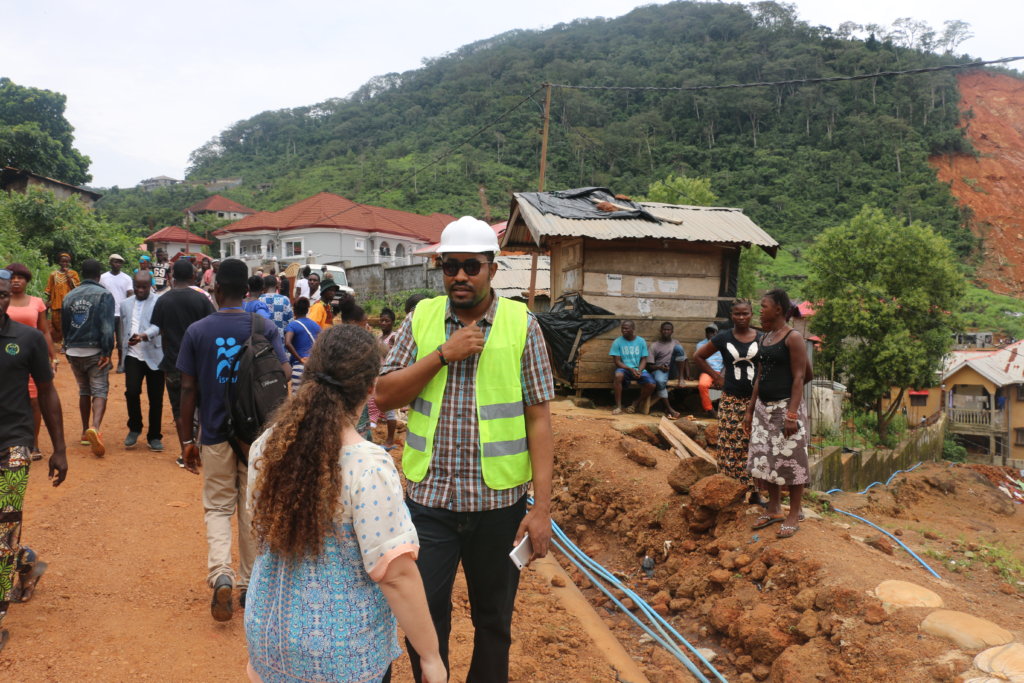
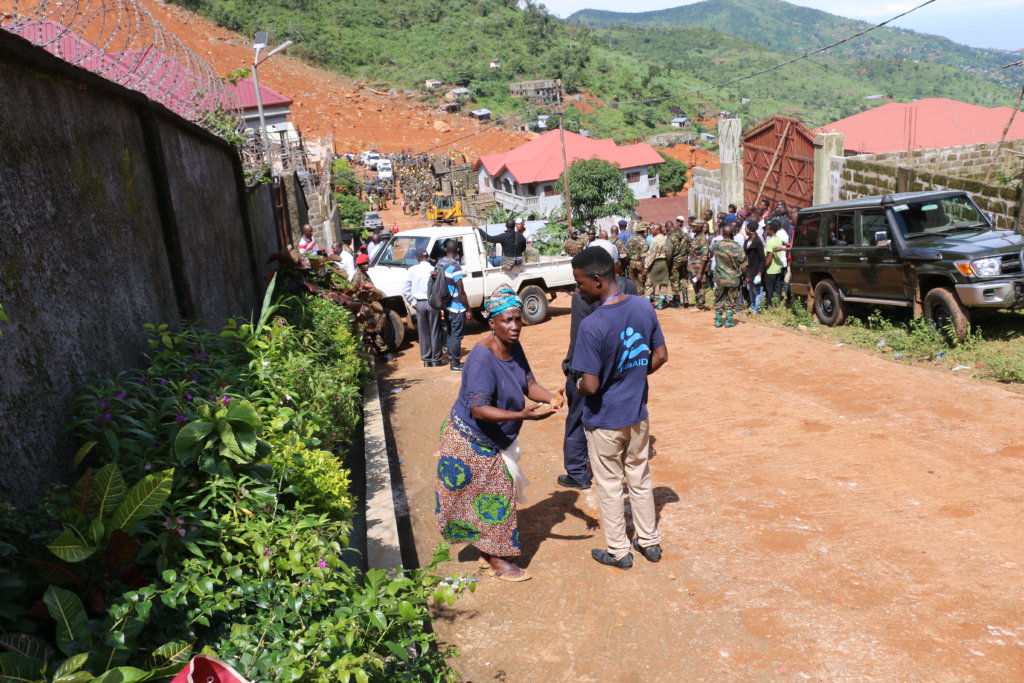
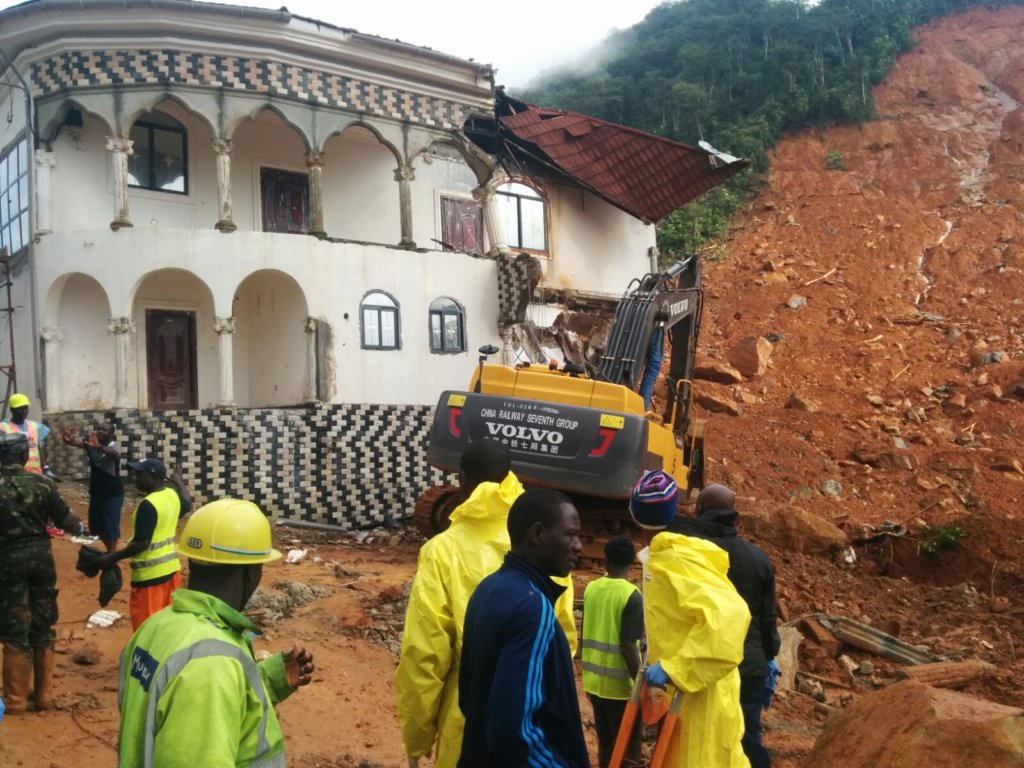
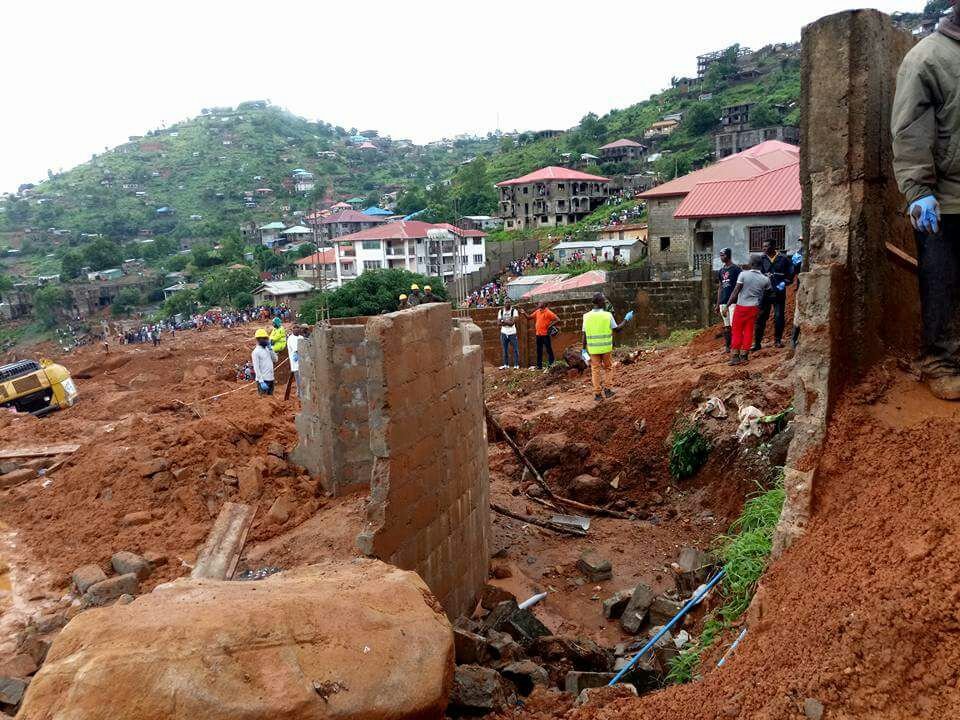
Incessant heavy rainfall on 13-14th August left areas of Freetown in Sierra Leone devastated by flooding and mudslides; some communities were buried in more than 50 feet of mud and boulders. The city's insufficient drainage system, poor waste management and overcrowded urban dwellings further amplified the destruction. There were reportedly 500 fatalities, with over 900 men, women and children registered as missing.
Overwhelmingly, the disaster affected the most impoverished families in Freetown. This is an already vulnerable population who were hit hardest during the Ebola outbreak, and who have experienced recurrent flooding over recent years. The overcrowded areas and buildings' poor structural integrity had little hope of resisting the flood waters. A total of 5,262 people were registered by the Ministry of Social Welfare Gender and Children’s Affairs, in need of recovery assistance.
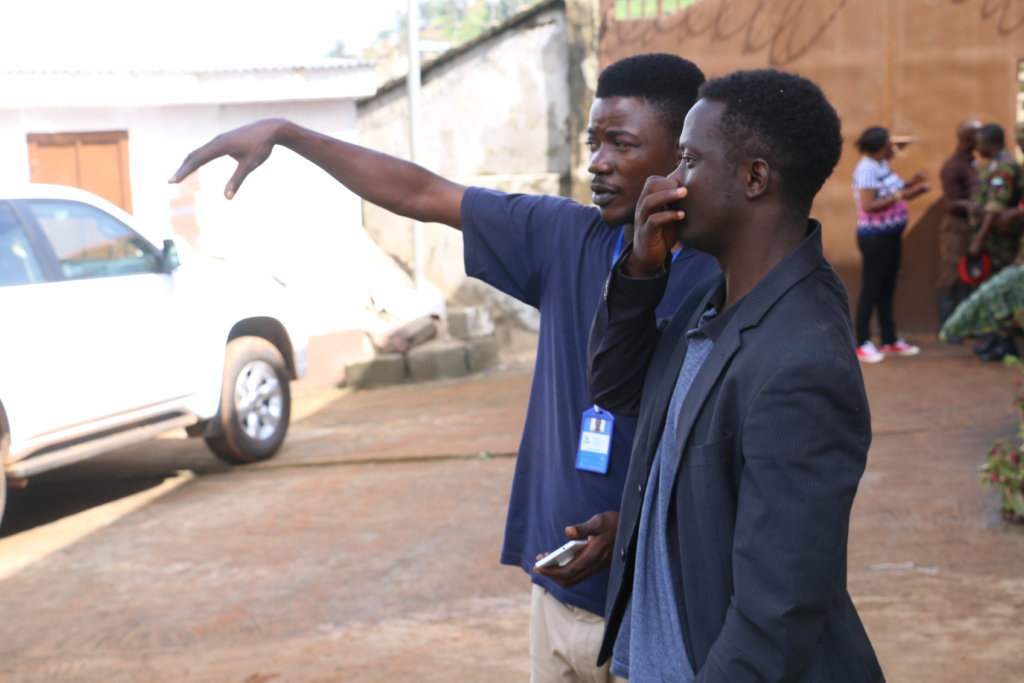
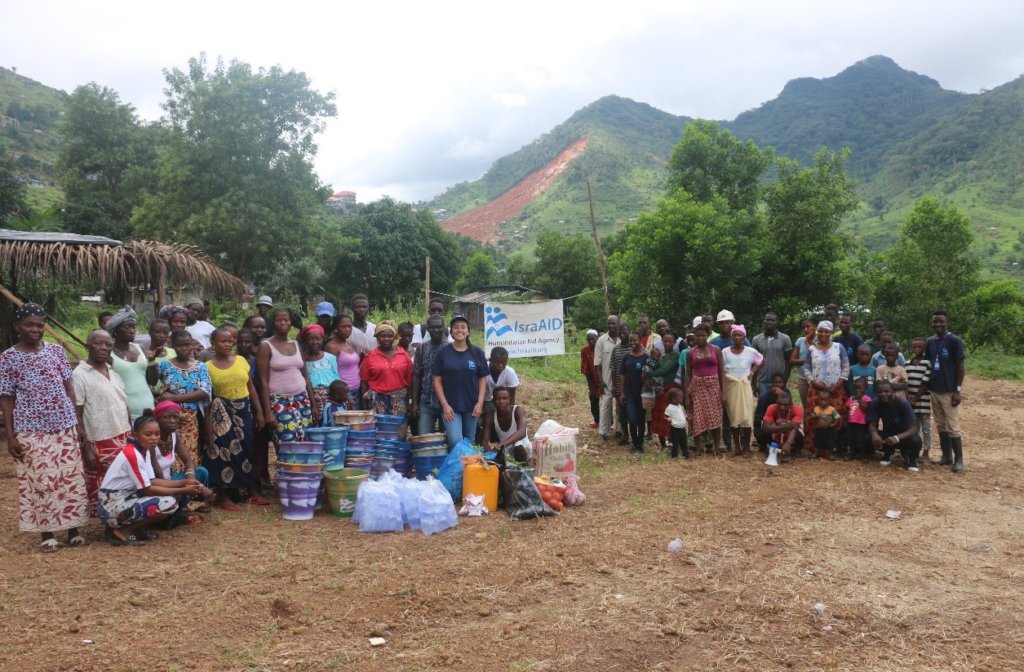
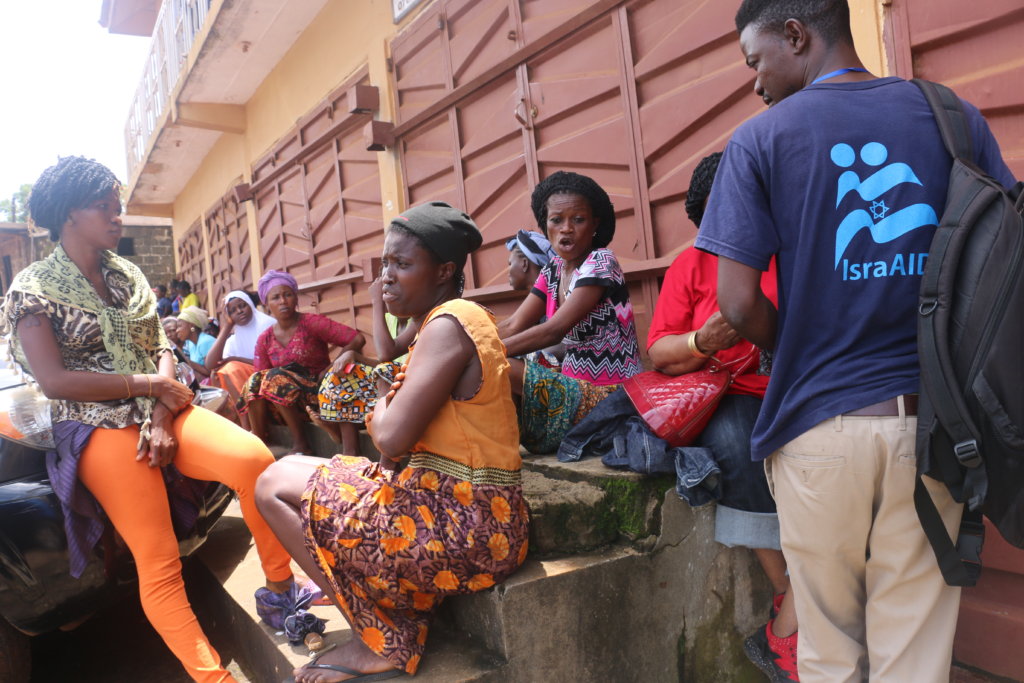
Following the mudslides, our professionals in Sierra Leone provided psycho-social support to the most affected community members; they also set up water, sanitation and hygiene measures and distributed hygiene kits!
During the project, IsraAID's team in Sierra Leone;
Psycho-social and mental health support:
The effects of this disaster were felt across the country. As families grieved for their lost relatives and despaired at the loss of homes and possessions, there was confusion, anger, hopelessness and fear with every new drop of rain. IsraAID accompanied the communities and provided psycho-social and mental health support to those most in need.
Here are two stories of impact:
One young girl aged 14, who our team supported, lost 19 members of her family. Because she had just finished her exams, her family had sent her away for a holiday trip, saving her life in the process. She expressed grave survivor’s guilt, crying that she would have preferred to be taken with her family then go through her life alone. She feared being taken advantage of because she had nowhere to sleep, and she worried how she will continue school, where she will live, and who will support her. She is just a child who now has to deal with the trauma of losing her entire family in an instant. Our team gave her Psychological First Aid (PFA), to ease her initial distress, and referred her for longer-term support.
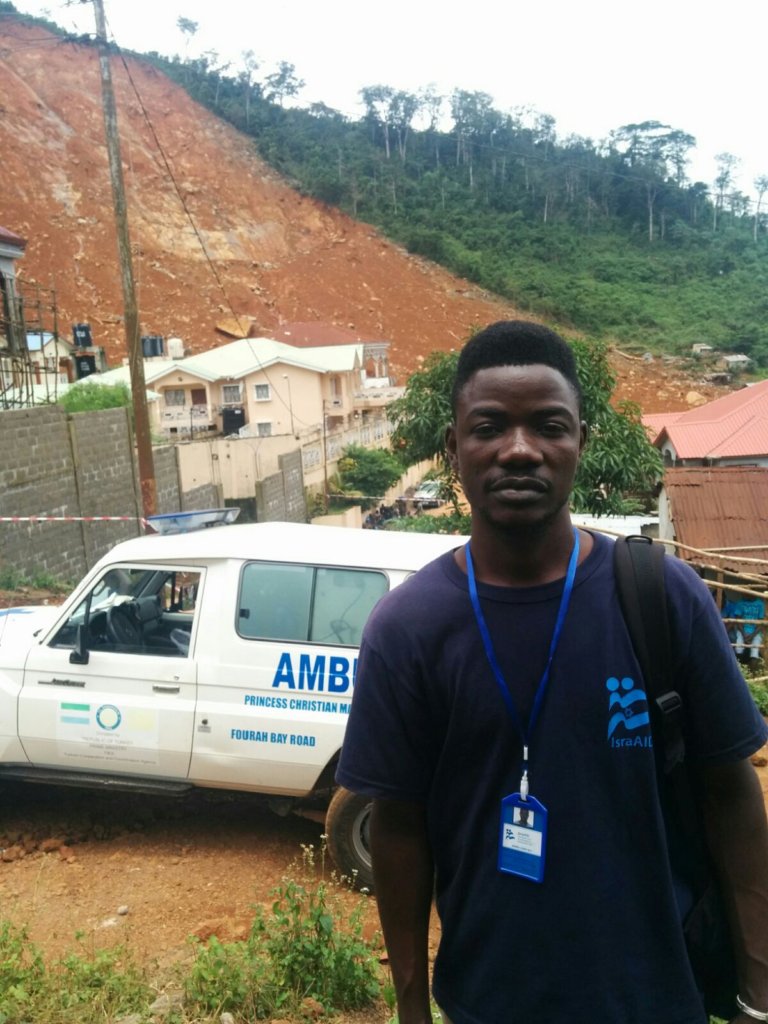
Sulaiman, part of the IsraAID Emergency Response Team: "The emergency response was very challenging. Listening to the traumatic stories of victims has not been easy. During this time, I had the opportunity to hear many personal stories of the flood and mudslide victims.
The psychological impact was very severe. Our team provided psycho-social support to help the victims process the disaster's negative effects. It gave them to a safe space to share their stories and build resilience. We also referred some of those who needed, for further and more long-term health and mental health care.
Also, the health and hygiene messages we shared, were important. Our field officers taught communities about hygiene practices post-disaster to prevent the spread of disease. We also built tippy taps to give the communities greater accessibility to hand washing facilities."
At the Kamayama memorial ceremony, the key message focused on walking into a hopeful future, while never forgetting their lost loved ones, friends and neighbors.
Links:
Project reports on GlobalGiving are posted directly to globalgiving.org by Project Leaders as they are completed, generally every 3-4 months. To protect the integrity of these documents, GlobalGiving does not alter them; therefore you may find some language or formatting issues.
If you donate to this project or have donated to this project, you can receive an email when this project posts a report. You can also subscribe for reports without donating.