By Anne Sapir | Country Director, Lesbos, Greece
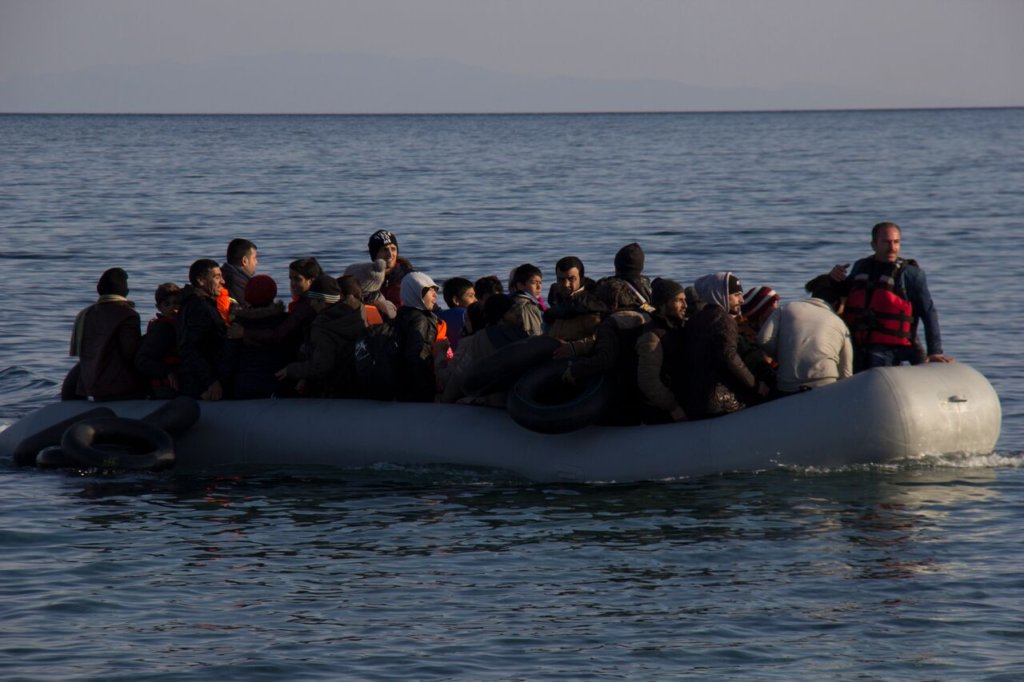
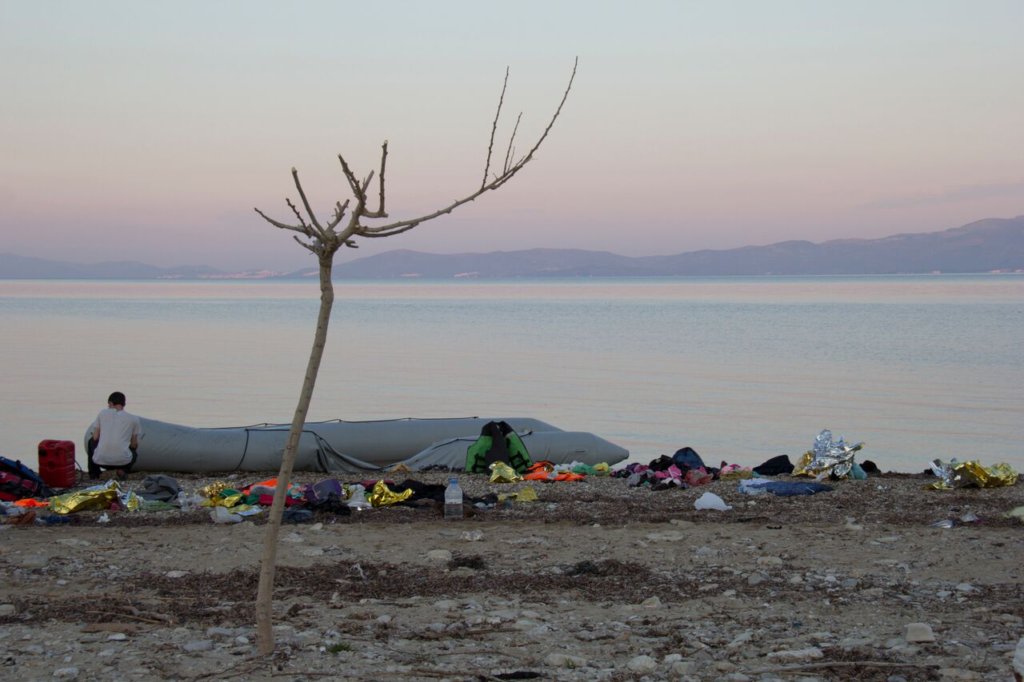
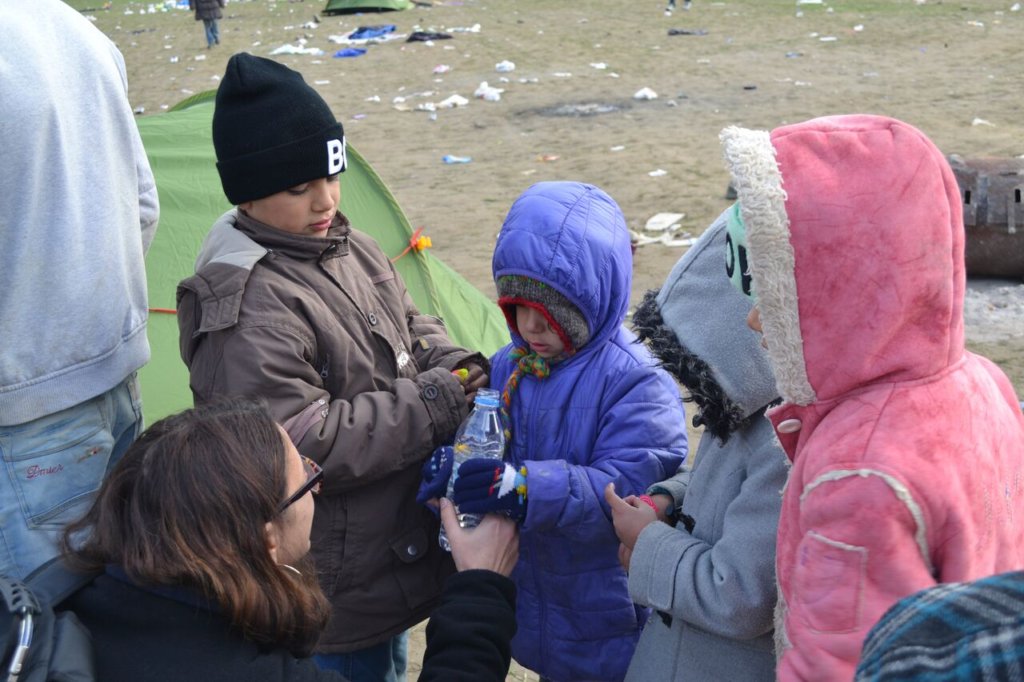
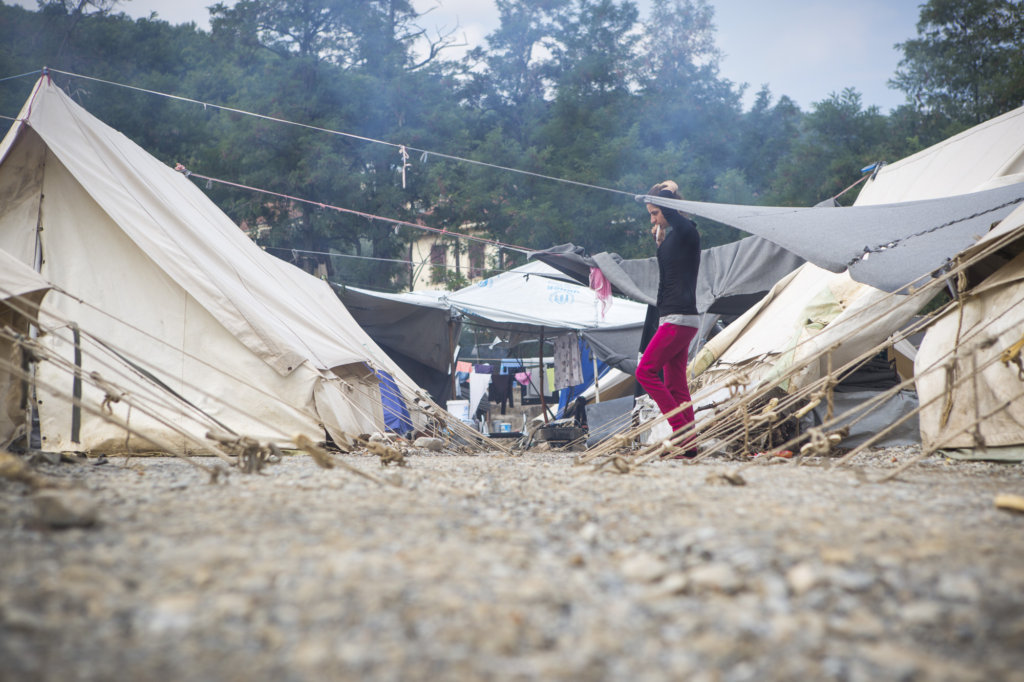
Since mid-August 2017, over 6,000 refugees and migrants, 40% of which are children, fleeing conflicts and economic hardship in Syria, Afghanistan, Iraq and other Middle East and African countries, arrived on the island of Lesbos, seeking passage into Western Europe. This total, is more than double the number of new arrivals for the same period in 2016. A continuous increase in arrivals is expected as winter approaches.
School of Peace:
In Lesbos, over 1,500 refugee children currently do not attend school. Worryingly, this number is likely to rise due to the increased numbers of arrivals, and the slow asylum processes which cause families to remain on the island for a prolonged, unpredictable and uncertain amount of time. While there has been some progress in safeguarding refugees access to education by the Greek Ministry of Education, enrollment in formal education remains problematic on the Aegean Islands
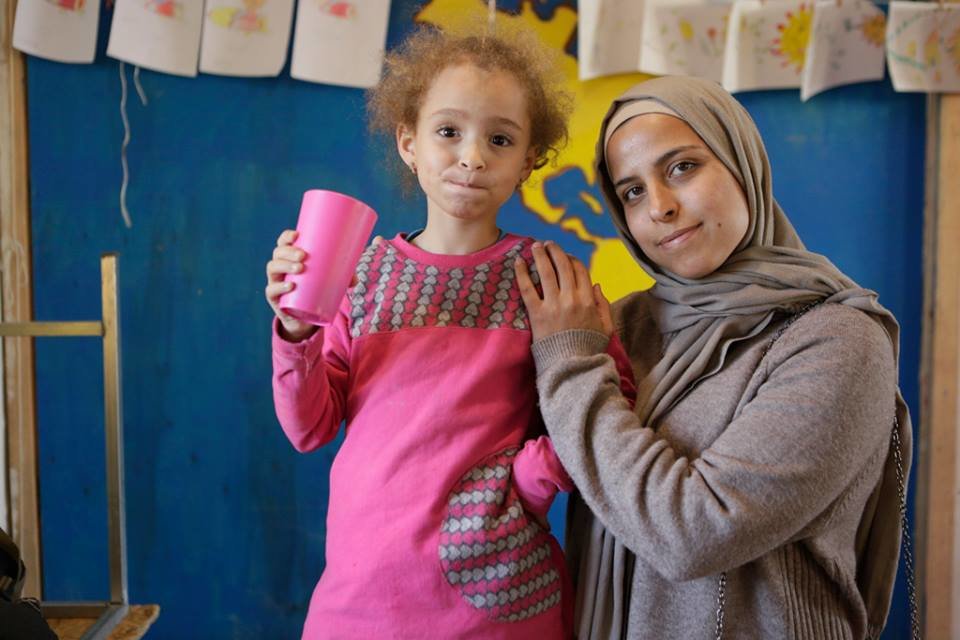
For these children, going to school is of critical importance. Beyond fulfilling their basic right to education, it also gives them an opportunity for childhood experiences, a peer and school community and a warm meal, in a safe and multicultural space.
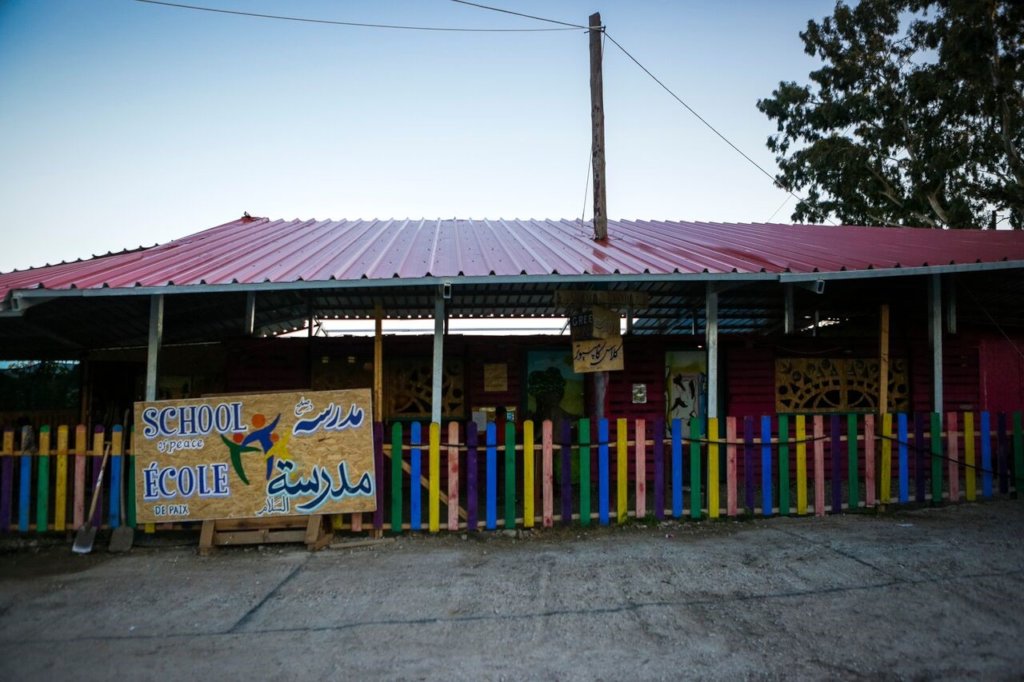
IsraAID, Hashomer Hatzair and the Ajial Movement of Arab educators, are implementing a community education initiative in Lesbos – the School of Peace.
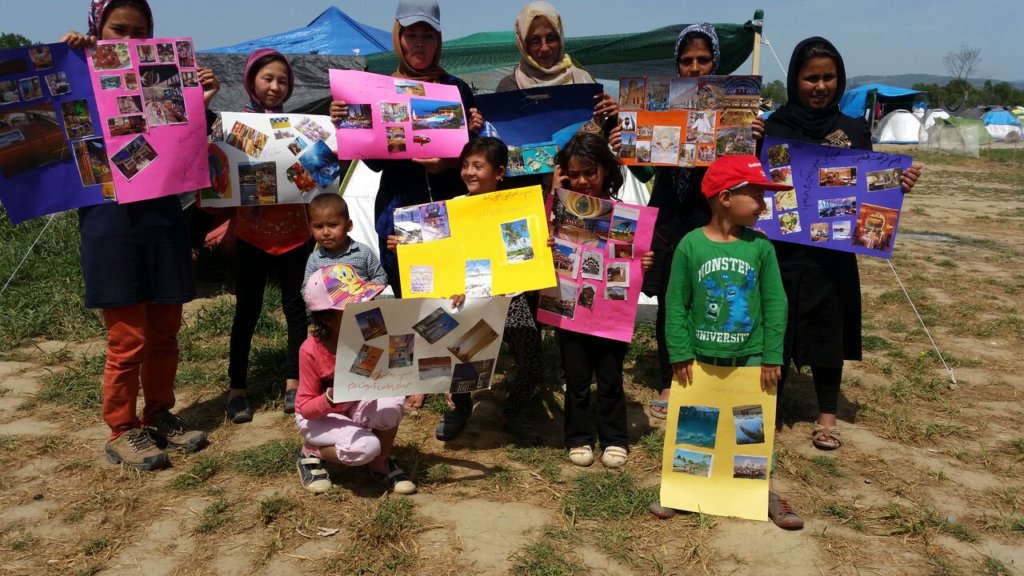
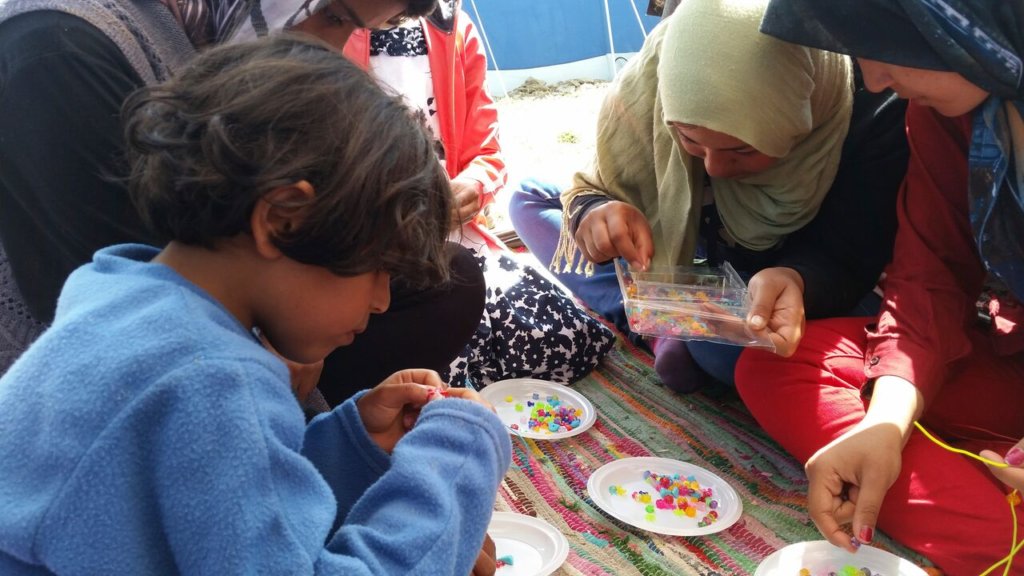
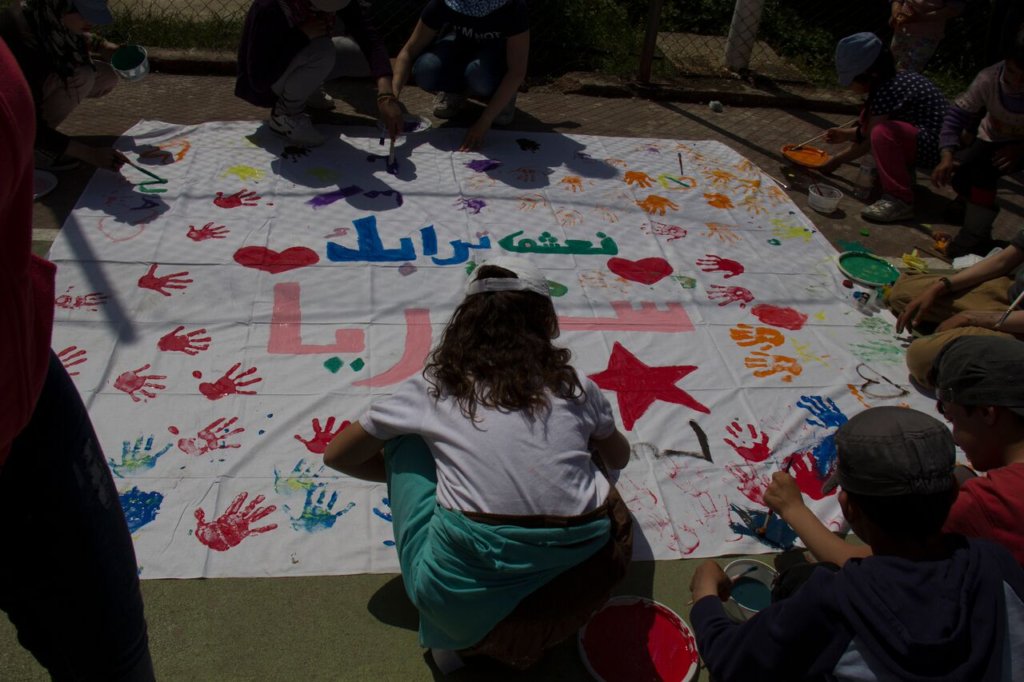
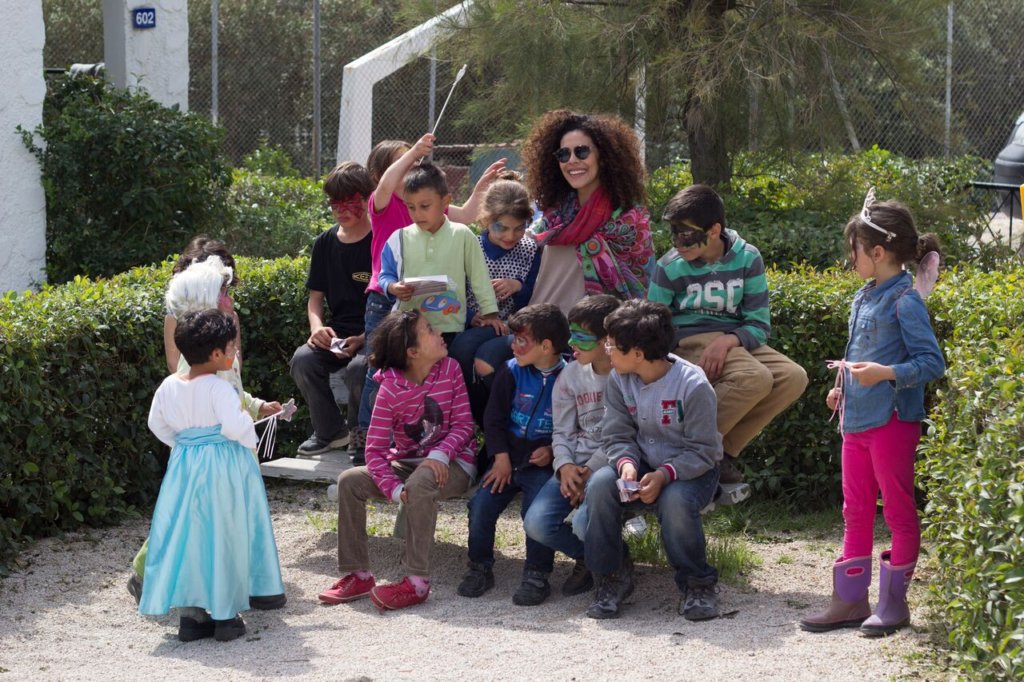
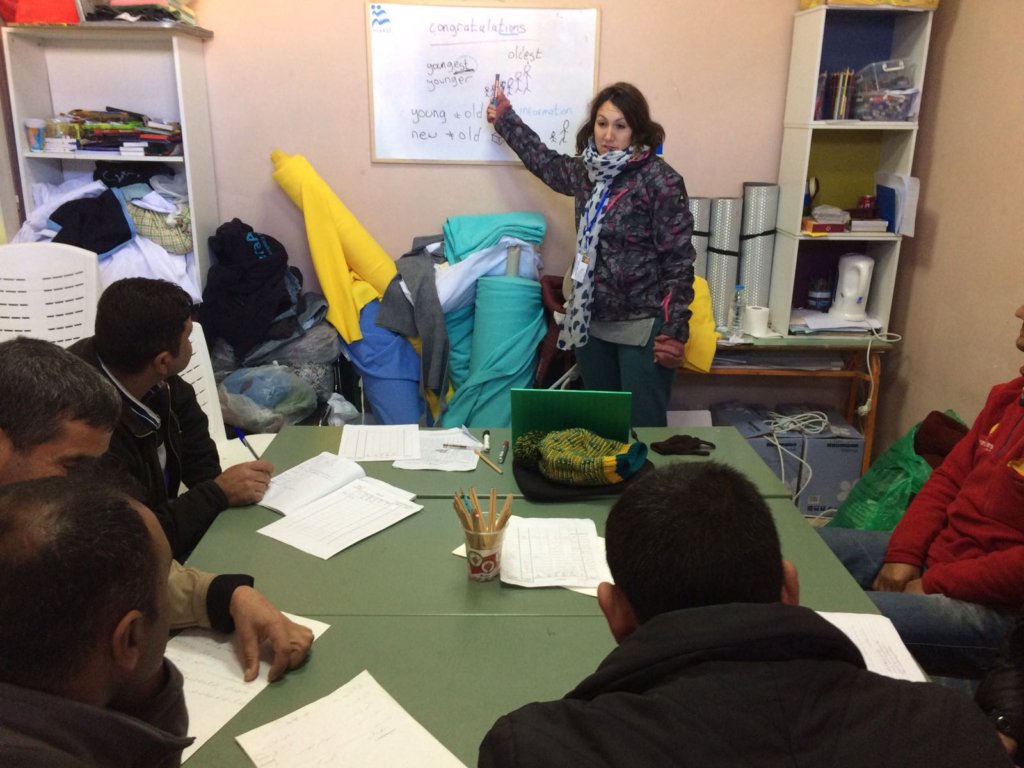
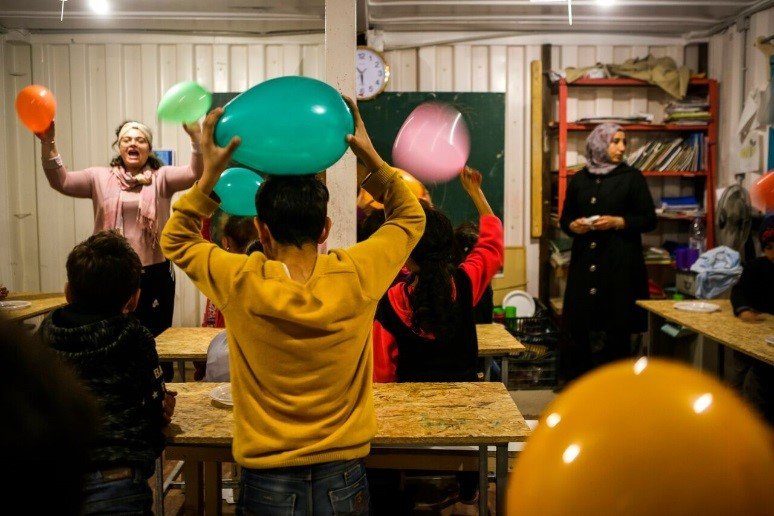
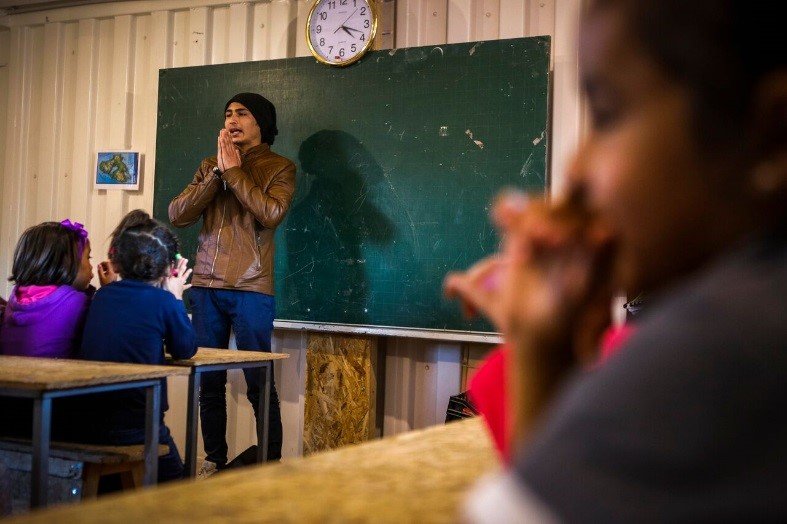
The School of Peace is located between the two existing refugee camps in Lesbos, and provides a daily, stable environment and educational framework for 150 refugee children, between the ages of six and 16 years old. The children learn the major academic subjects in their mother tongue (Arabic, Persian, French) and are taught by teachers from their own refugee communities. Throughout the week, each class also enjoys extra-curricular enrichment activities and shares a warm meal together every evening. This initiative utilizes a unique approach of community empowerment through education.
Story of Impact:
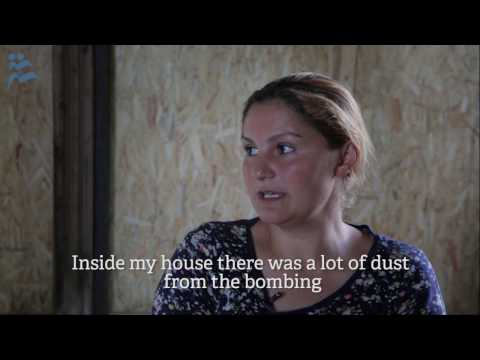
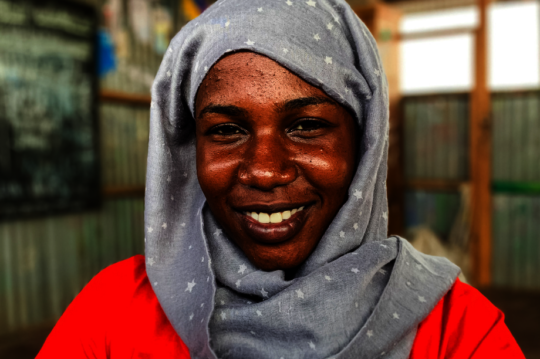
Shiba, 23, from Afghanistan, has been living in Lesbos for 14 months after a harrowing journey by boat, and is now a teacher in the School of Peace. Although this was not her profession in Afghanistan, Shiba really wanted to teach the children at this school!
"Most of the refugee children in Lesbos do not have access to any formal or informal education, and I want to help give them a chance! I most enjoy watching the children suddenly understand something that they didn't know before. This is a special school, run by a very special community!"
Medical response for new refugee arrivals to Lesbos, Greece:
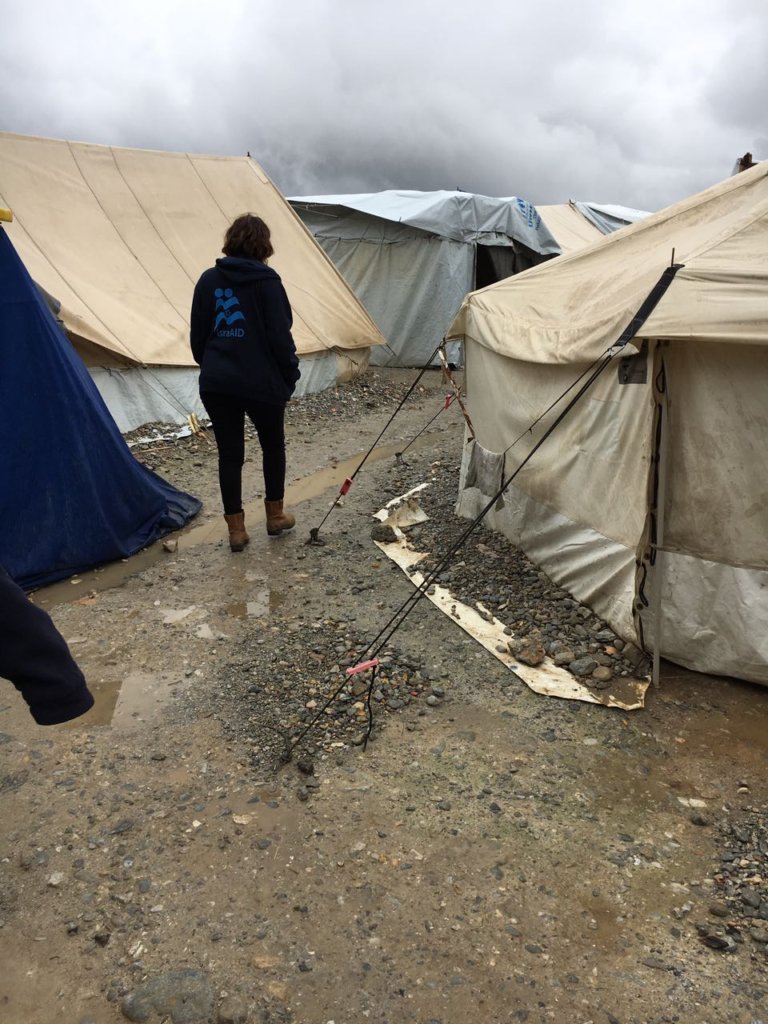
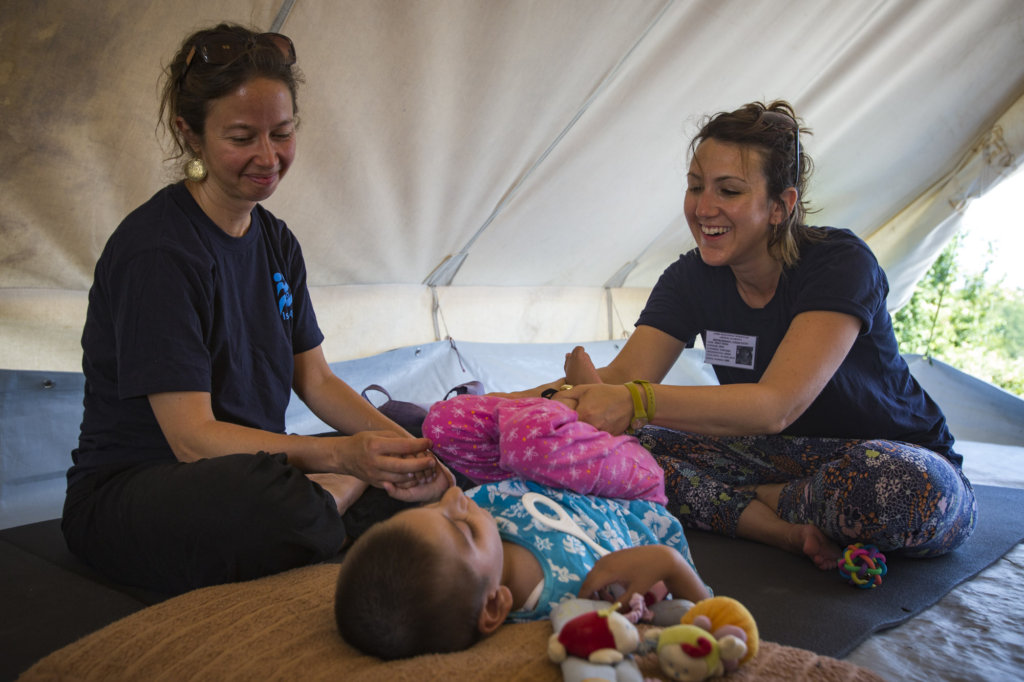
In 2015 and early 2016, many international aid organizations were stationed on the island to receive and provide aid to the new refugees. However, after mid-2016, many left Lesbos, as the number of arrivals gradually reduced; this included all international medical actors. Since then, IsraAID has been a key part of UNHCR's central response plan, providing urgent medical care to the refugees arriving on the shoreline.
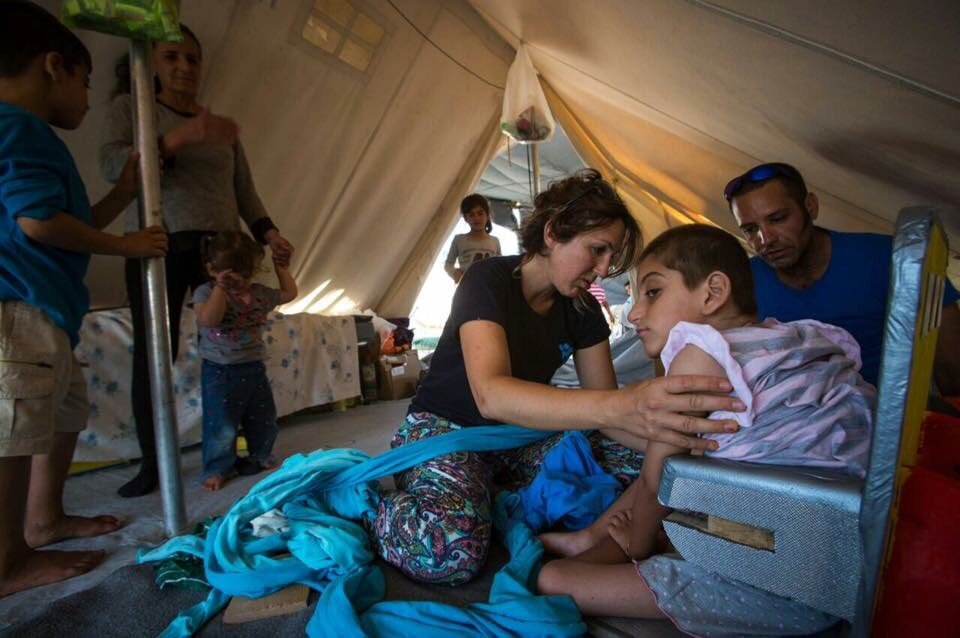
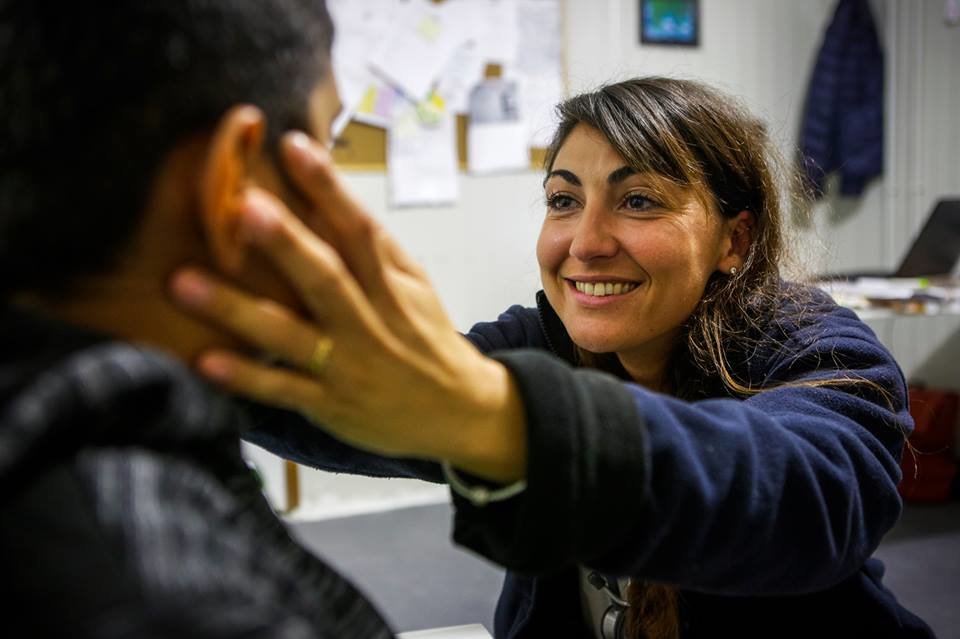
The team operates on the island's northern shore, from a local clinic, and in IsraAID's medical tent at the UNHCR reception facility. The doctor and nurses quickly identify cases of medical or protection concern, and take appropriate action, in a timely manner.
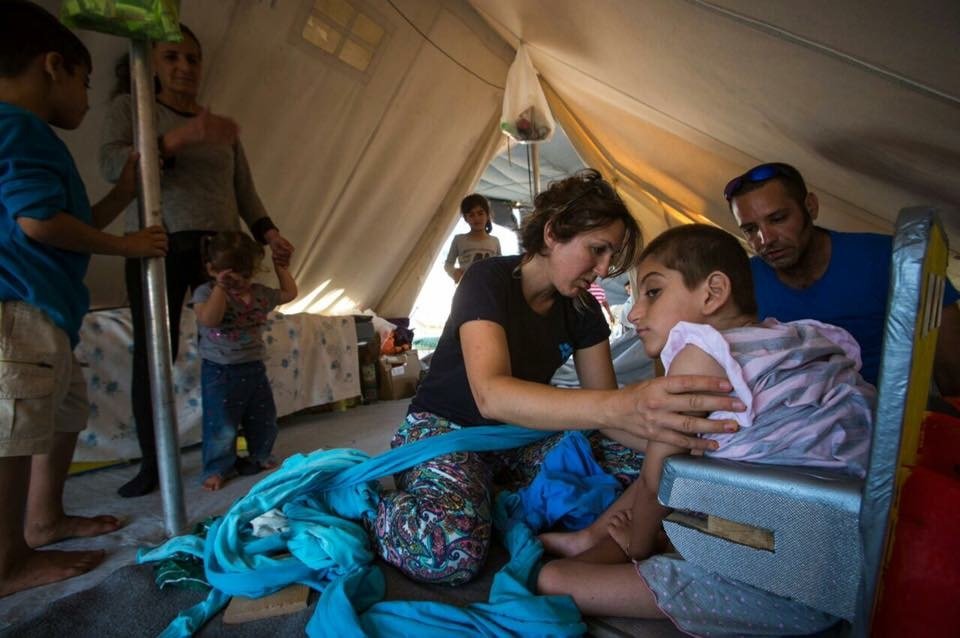
IsraAID has so far provided direct medical assistance to over 300 newly arrived refugees, including women at a late stage of pregnancy, as well as individuals and children suffering from diabetes or hepatitis, epilepsy, hypothermia and deep wounds. In view of the lack of public medical facilities in the area, IsraAID also provides medical assistance to the local Greek host population, and regular first-aid training to all of members of the North Shore emergency response group in Lesbos.
Due to the increasing number of refugee arrivals, likely to escalate as winter continues, and the lack of any other medical actors on the north shoreline, there is an urgent and ongoing need for IsraAID's Emergency Medical Response Program.
Some recent highlights:
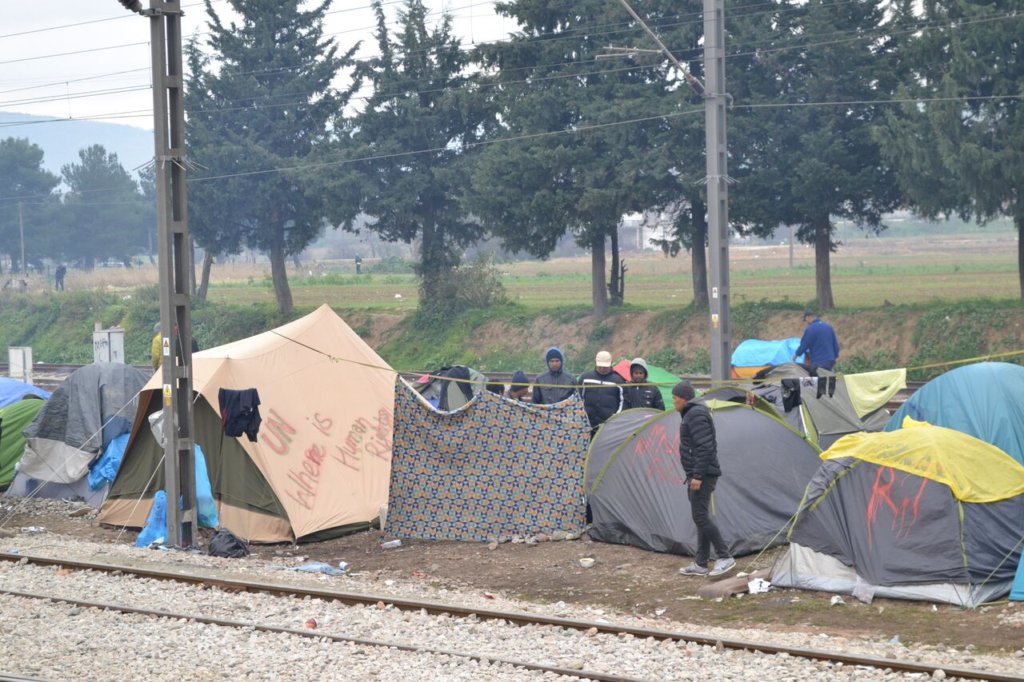
Vaccination initiative: IsraAID's medical team, in collaboration with Doctors Without Borders / Médecins Sans Frontières (MSF) and DocMobile - Medical Help e.V., just completed a full MMR vaccination campaign for refugee children in Lesbos, Greece. Our volunteer doctors and nurses vaccinated all children aged six months to 16 years old, who live in the six emergency refugee shelters on the island. Many of the children have never been vaccinated against MMR or have no records of their past vaccinations. To enter the Greek education system, all children are required to have a record of receiving this vaccine. We are really pleased to have provided this vital medical care to the refugee community.
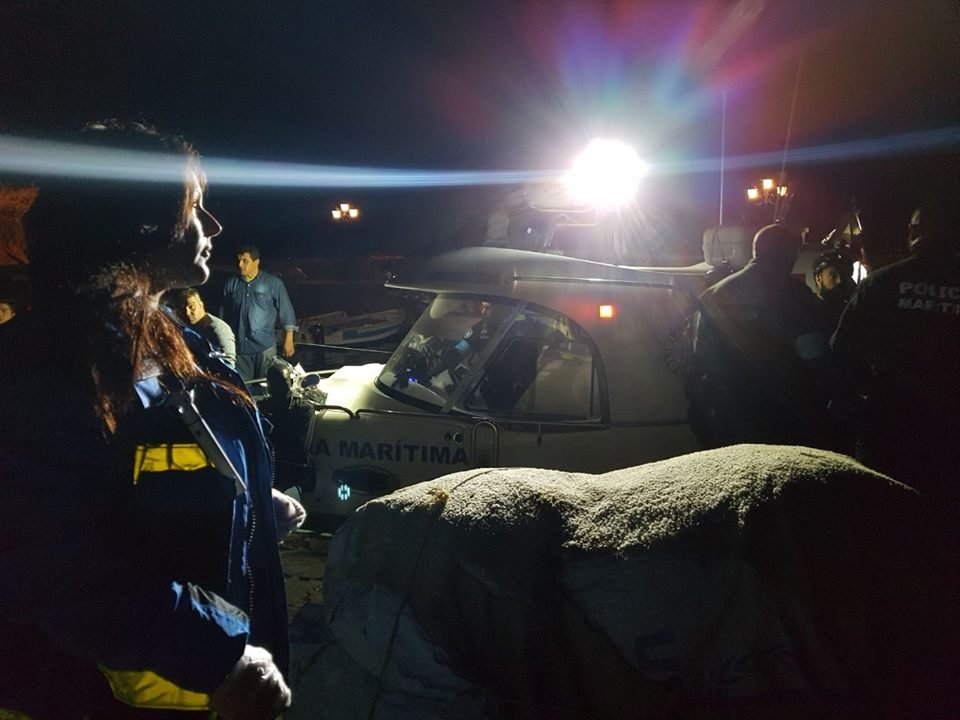
One week in February: Over four nights one week in February, IsraAID's volunteer doctors provided emergency medical assistance to refugees as they arrived by boat, to the island of Lesbos, Greece. Nearly half of the arrivals were very young children. "At this time of year, as the temperatures drop down to near zero at night, our team pays special attention to the young children - often wet and exhausted - because they are at a higher risk of having hypothermia after a long journey in the cold," explains Anne , IsraAID Head of Mission in Lesbos.
Around 40 children arrived that week, via Lesbos' northern shoreline, and were seen by our medical team before being treated in UNHCR's transit camp.
Thank you for your ongoing support! More updates to follow!
Project reports on GlobalGiving are posted directly to globalgiving.org by Project Leaders as they are completed, generally every 3-4 months. To protect the integrity of these documents, GlobalGiving does not alter them; therefore you may find some language or formatting issues.
If you donate to this project or have donated to this project, you can receive an email when this project posts a report. You can also subscribe for reports without donating.