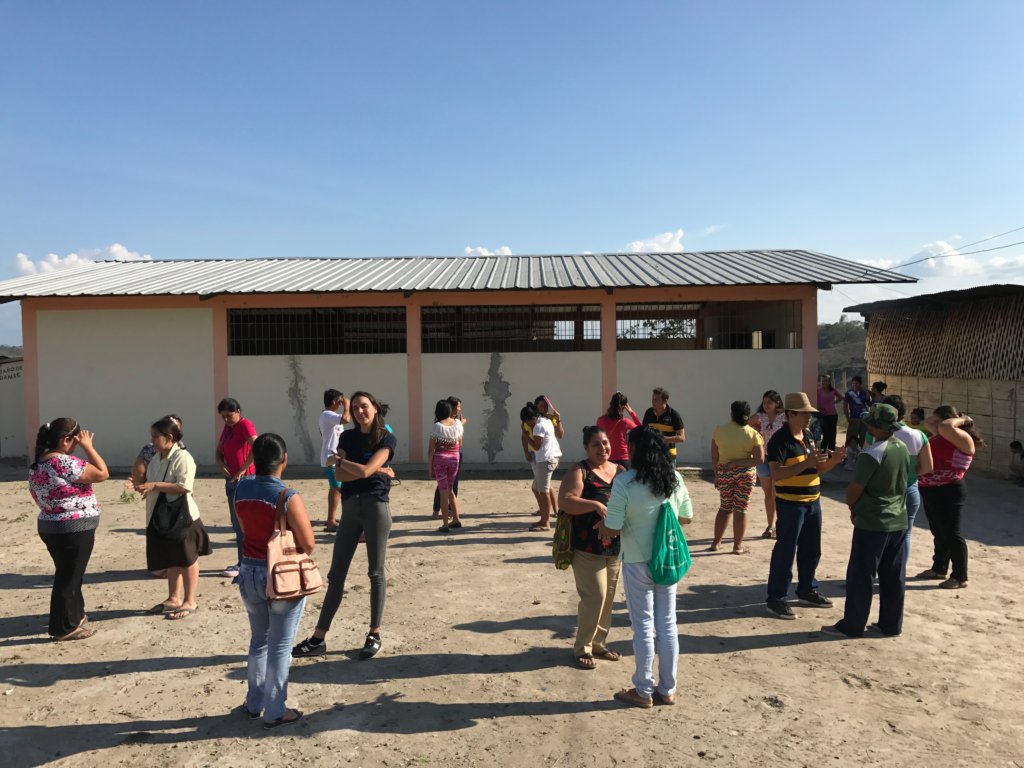
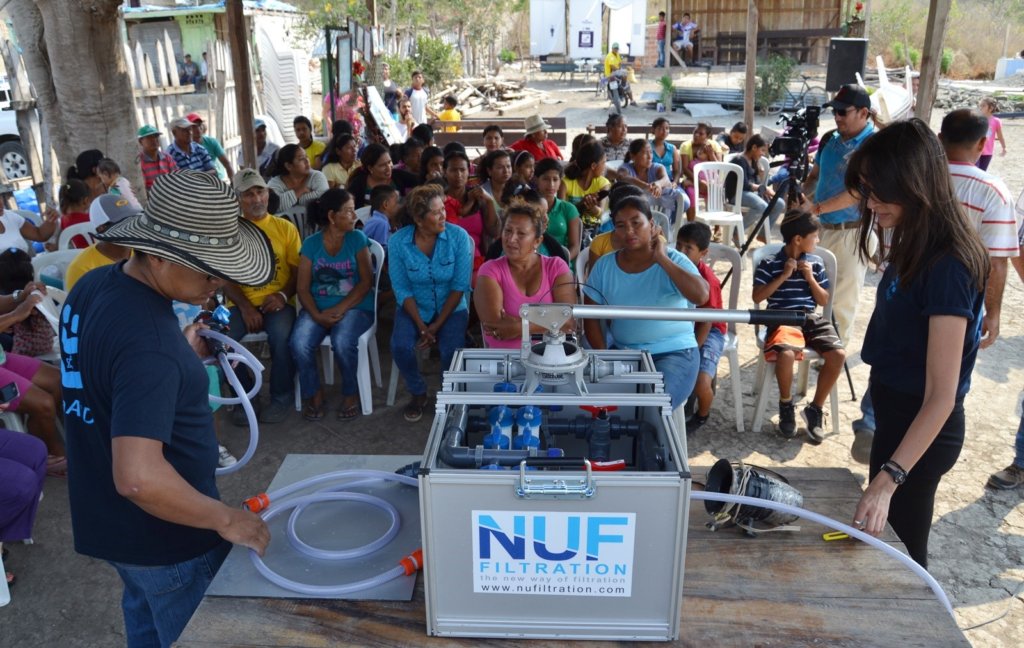
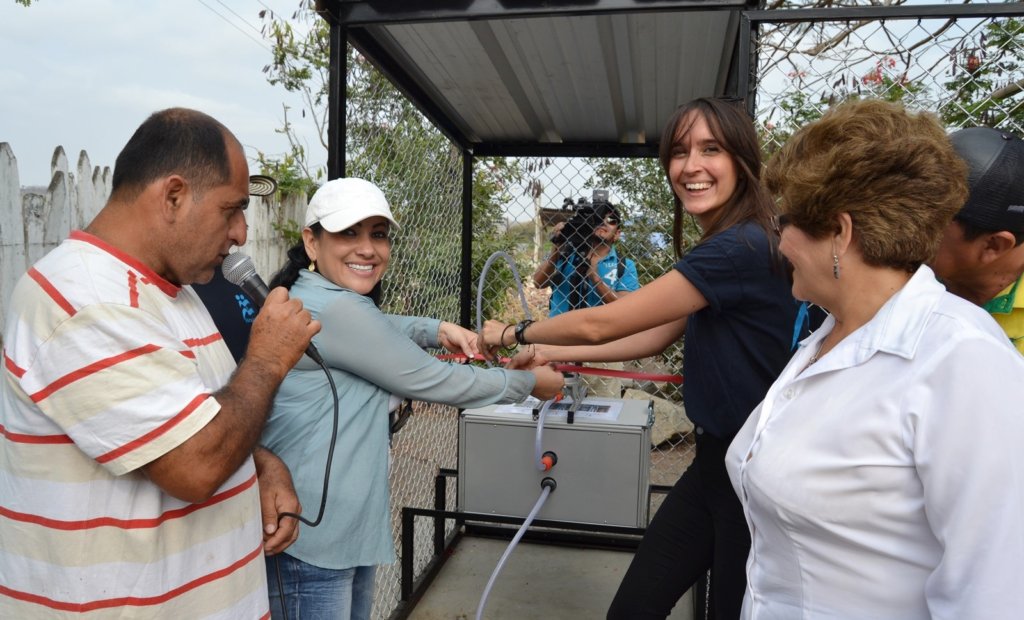
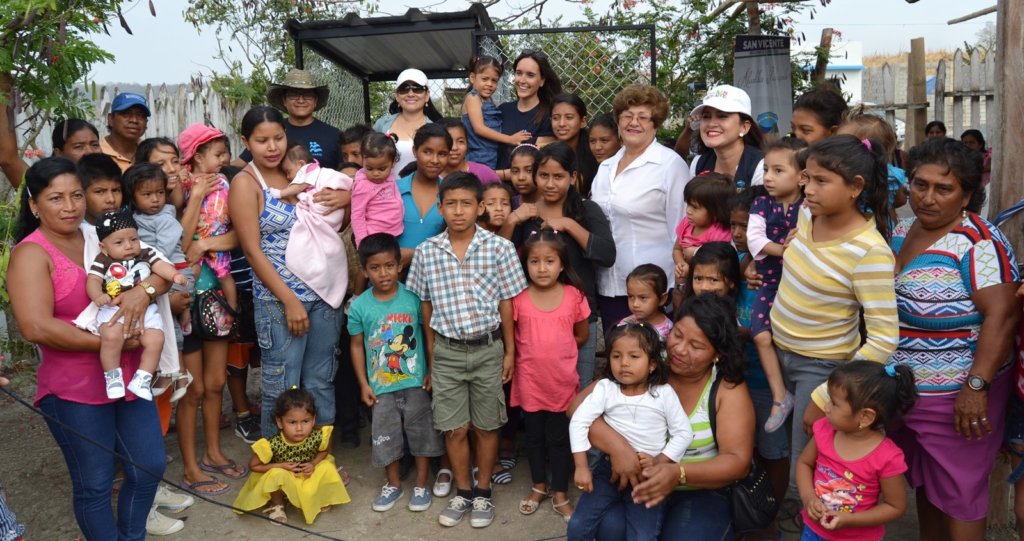
![Implementing NUF to 400 people in San Vicente]()
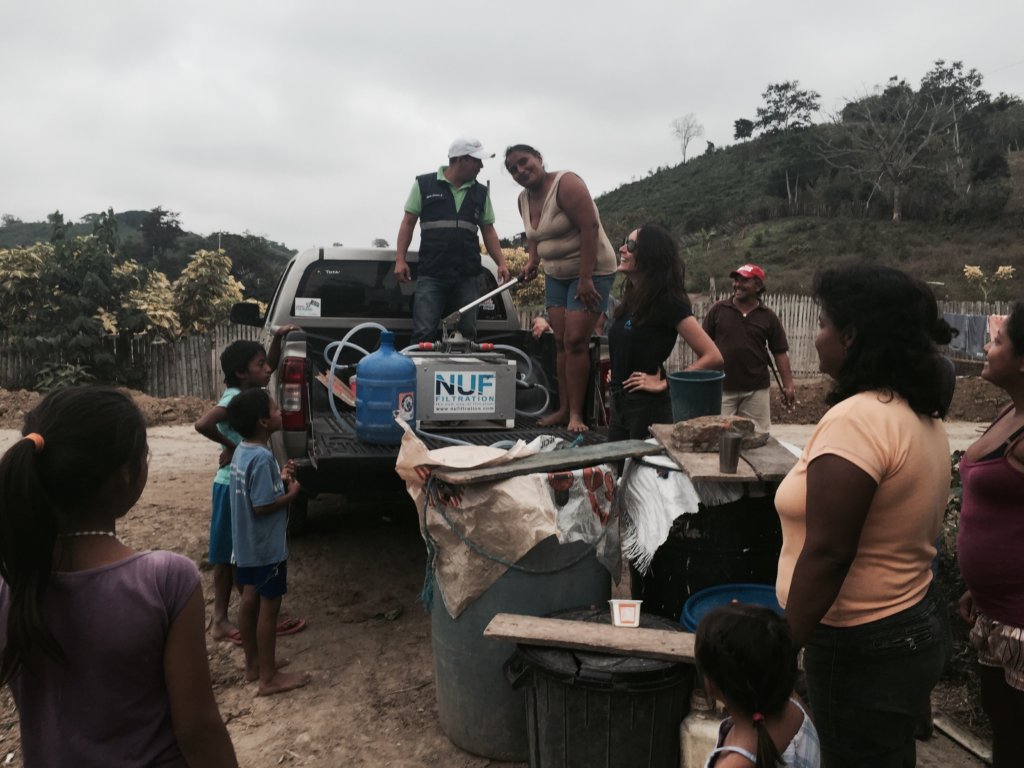
Implementing NUF to 400 people in San Vicente
From October 11th - Your donation will be 100% matched by GlobalGiving
Thank you for your continued support! By donating now, your contribution will help make a long-term impact on earthquake affected communities in Ecuador.
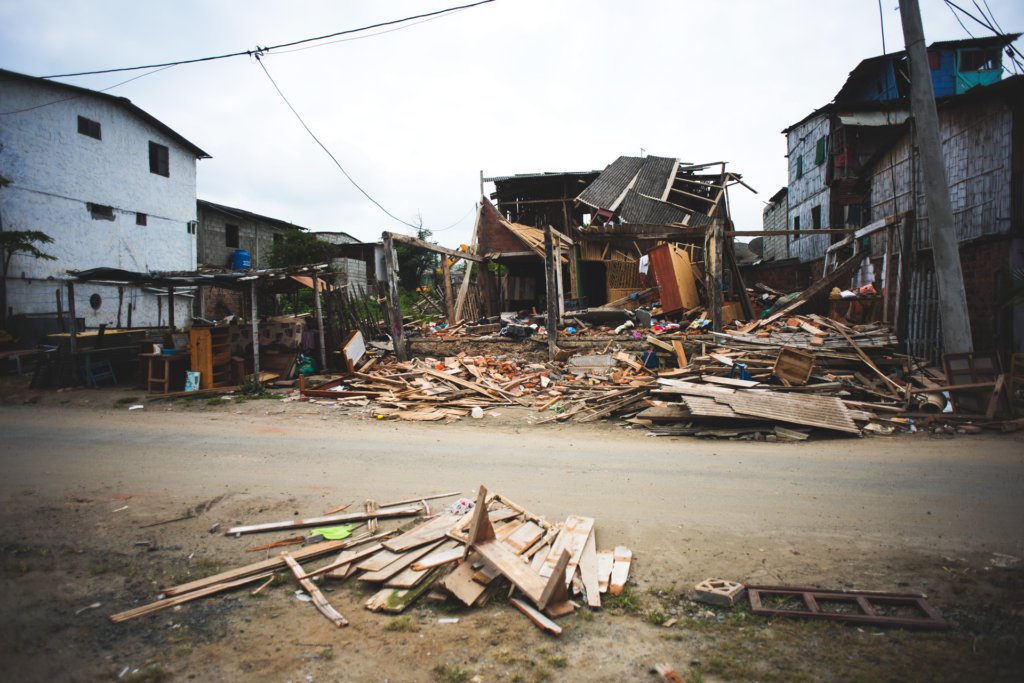
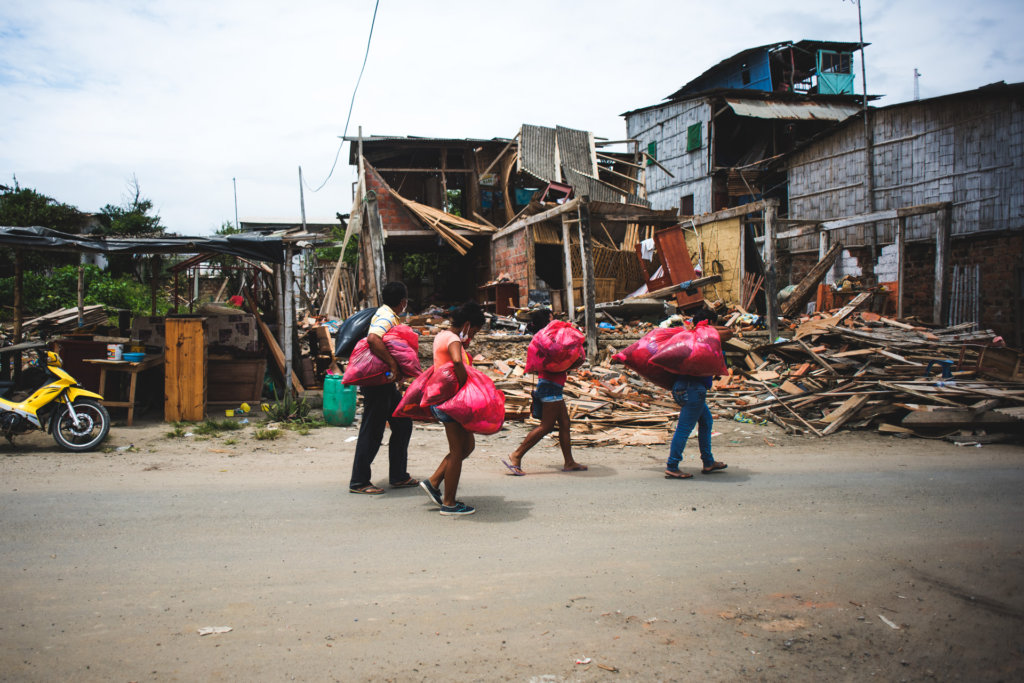
October 16th will mark six months after the devastating earthquake, yet Ecuador continues to be in a state of emergency. Over 380.000 people continue to be affected by the consequences of the earthquake; more than 35.000 houses are deemed inhabitable, 7880 people live in governmental-run refugee camps, and almost 11.000 people live in spontaneous and informal refugee sites lacking basic utilities which critically compromises the Water Sanitation and Hygiene (WASH) circumstances. These numbers continue to increase due to the constant aftershocks – since April 16th there have been 2,220 aftershocks, of which 45 were stronger than 5 on the Richter scale.
Therefore, rebuilding efforts continue to be very needed and essential, particularly in the sectors of protection, livelihood and shelter.These three sectors have been identified by the various UN agencies as insufficiently addressed and co-dependent on one another for improvement; without a steady income, people cannot rebuild their homes, they cannot move out of the refugee sites, and will therefore continue to be exposed to protection hazards. Especially vulnerable groups such as women, children, and elderly people living in spontaneous and informal refugee sites and rural areas are at high risk. The earthquake also took a great toll on Ecuador’s economy, for that reason Ecuador continues to heavily rely on international relief efforts.
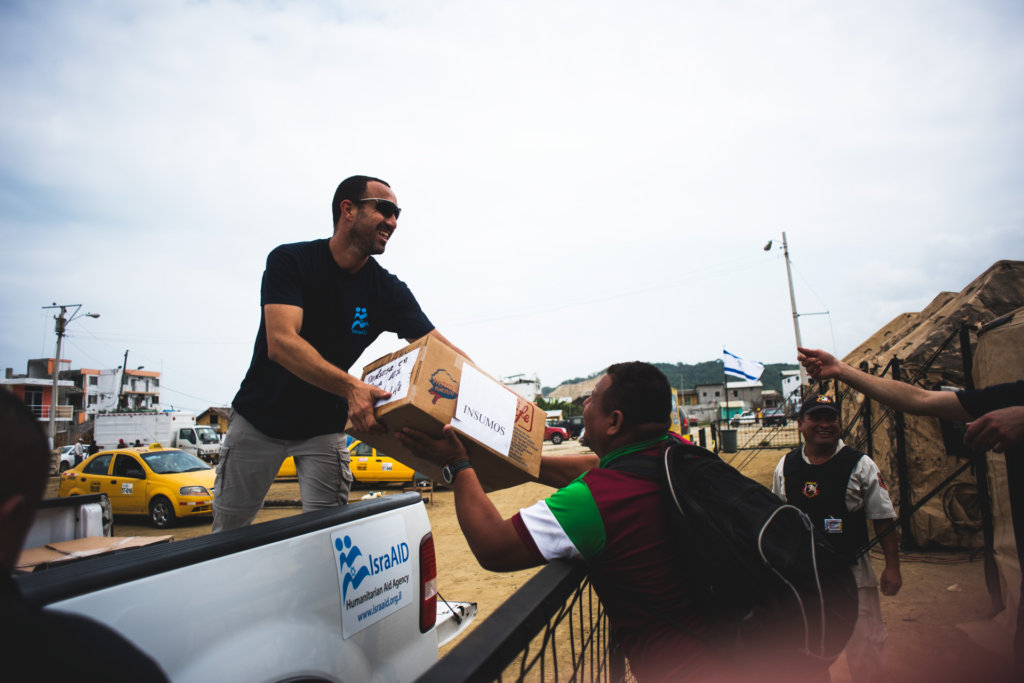
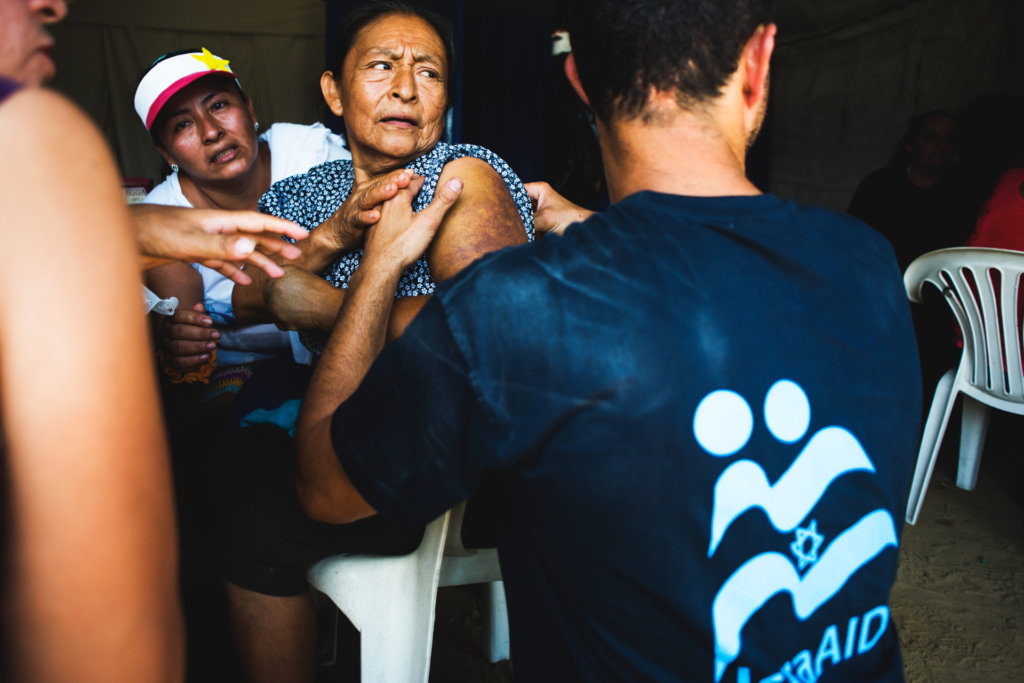
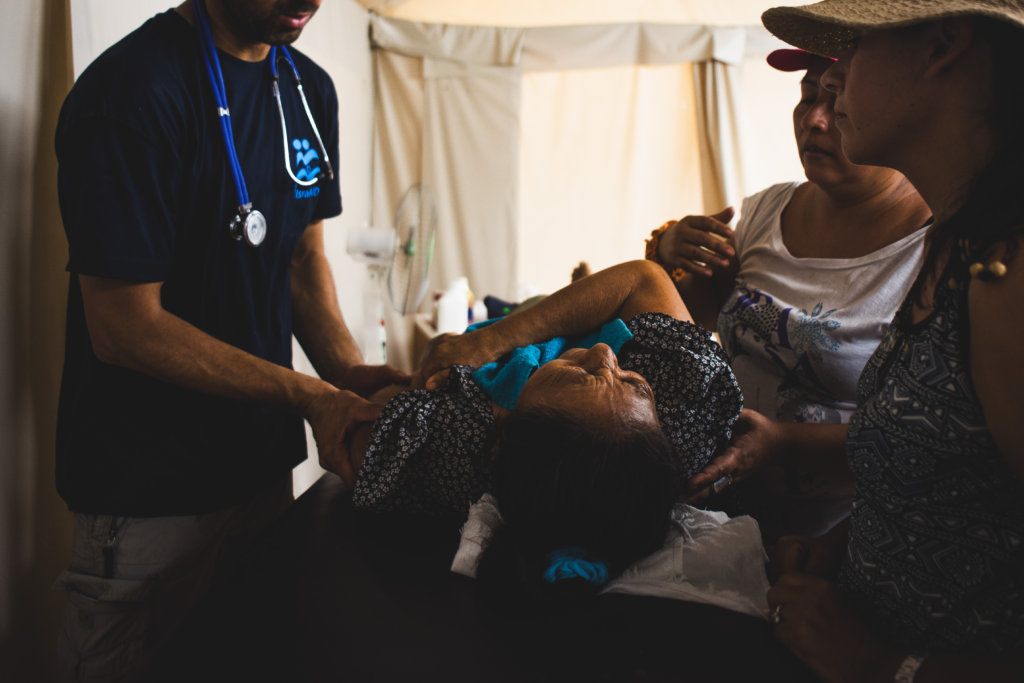
Since its initial Emergency Response Mission, IsraAID has supported the affected communities by providing thousands of people with clean water, raising awareness about crucial issues, and building capacity to make communities more resilient. So far IsraAID provided over 1800 people with psychosocial support, almost 800 people with medical assistants, 10 families with a home, 400 children with back-to-school kits, 250 families with hygiene kits, 150 women with protection kits, and 6 communities with permanent and sustainable water solutions. Still this is not enough, many more people are in need of similar support. Our goal is to continue supporting Ecuador in its rehabilitation efforts and create a long-term recovery strategy. Through coordinating and engaging with local Ecuadorean authorities and international response teams, we aim to continue sharing our extensive expertise and knowledge in the sectors of WASH, MHPSS and Protection.
This is an overview of our main achievements
v 766 patients have received medical assistance from our Medical Emergency Relief Team
v 1843 people have received psychosocial support
v 619 families were provided with clean water during the emergency response, benefiting approximately 2400 people
v 252 hygiene kits were distributed, benefiting approximately 1000 people
v 10 shelters were distributed, benefiting 10 teachers and their families
v 67 beds were distributed, benefiting 67 teachers
v 400 back to school kits were distributed
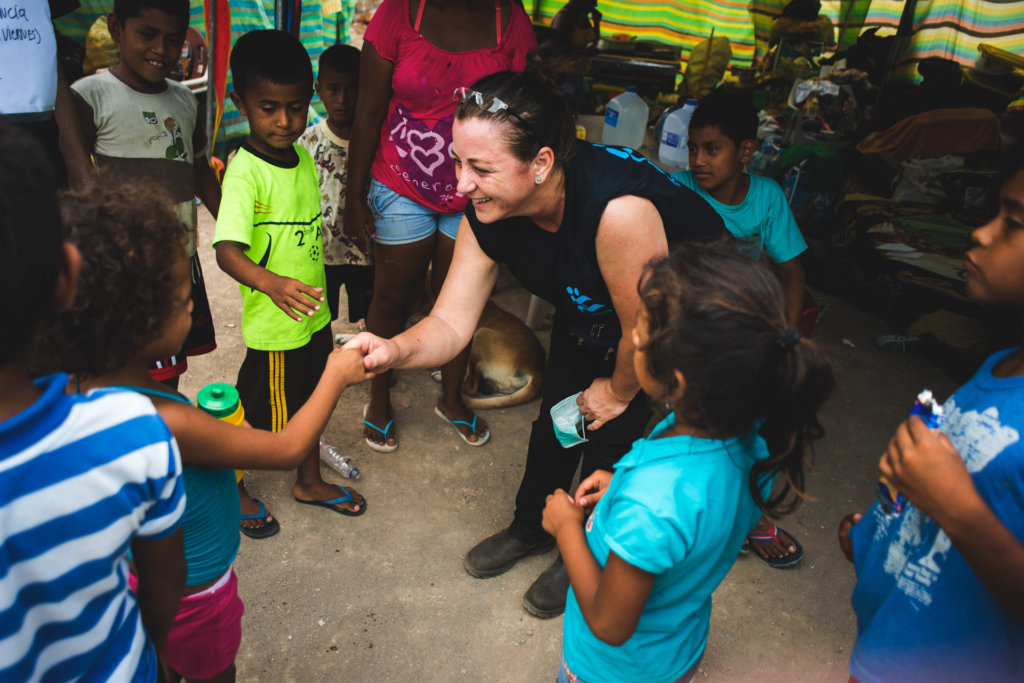
v 150 protection kits for women in the informal refugee site of Maria Auxiliadora
v 1755 people now continuous access to clean water after implementing 6 water filtration systems in the rural areas of San Vicente
Protection Kits
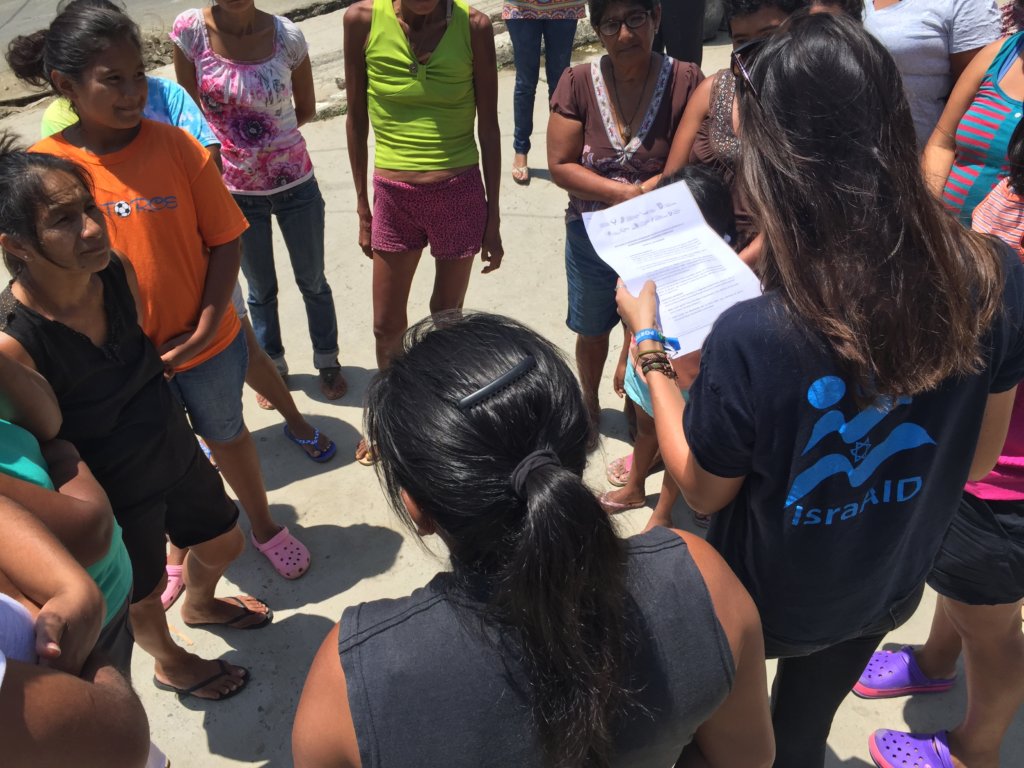
IsraAID team has assembled and distributed 150 protection kits to women and girls of the Maria Auxiliadora neighbourhood,located in the marginalized urban area of Bahía de Caráquez. The earthquake has heavily affected the neighbourhood, destroying 80% of the houses. The destroyed houses have been replaced by various temporary structures, turning the neighbourhood into an informal refugee camp hosting around 120 families. Maria Auxiliadora was an impoverished neighbourhood even before the earthquake, suffering from high crime rates, violence and drug abuse – especially the female residences of the neighbourhood were and at risk of harassment, abuse and violence. Following the earthquake and emergency situation, this vulnerability has only increased, in particular the vulnerability to gender-based violence (GBV). In order to mitigate further GBV risks, IsraAID distributed protection kits that included relevant items such as; a solar powered flashlight, whistles, and a ‘route to assistance’ developed by the Ministry of Justice, containing relevant information on gender-based violence during emergencies and how to access assistance. IsraAID also provided information on gender-based violence services before distribution to ensure that GBV survivors are connected to critical care and support. The distribution was also accompanied by discussion; information sharing and awareness raising on the topic of GBV in order to further understand concerns and needs of the female residence of the neighbourhood. In order to map the female population and prioritize vulnerable groups such as pregnant women, female-headed households and disabled women, IsraAID worked in close collaboration with the organizational leaders of the neighbourhood and the Ministry of Health. Due to the rising numbers of ZIKA infections – the protection kits also included a mosquito repellent suitable for pregnant women.
NUF implementation
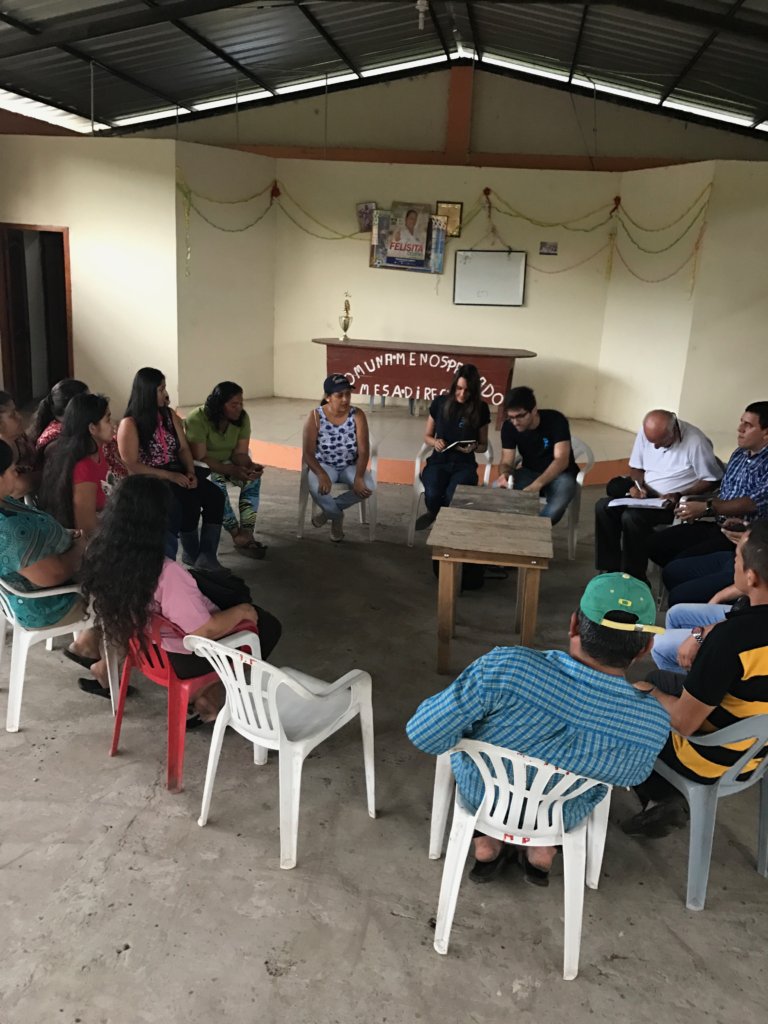
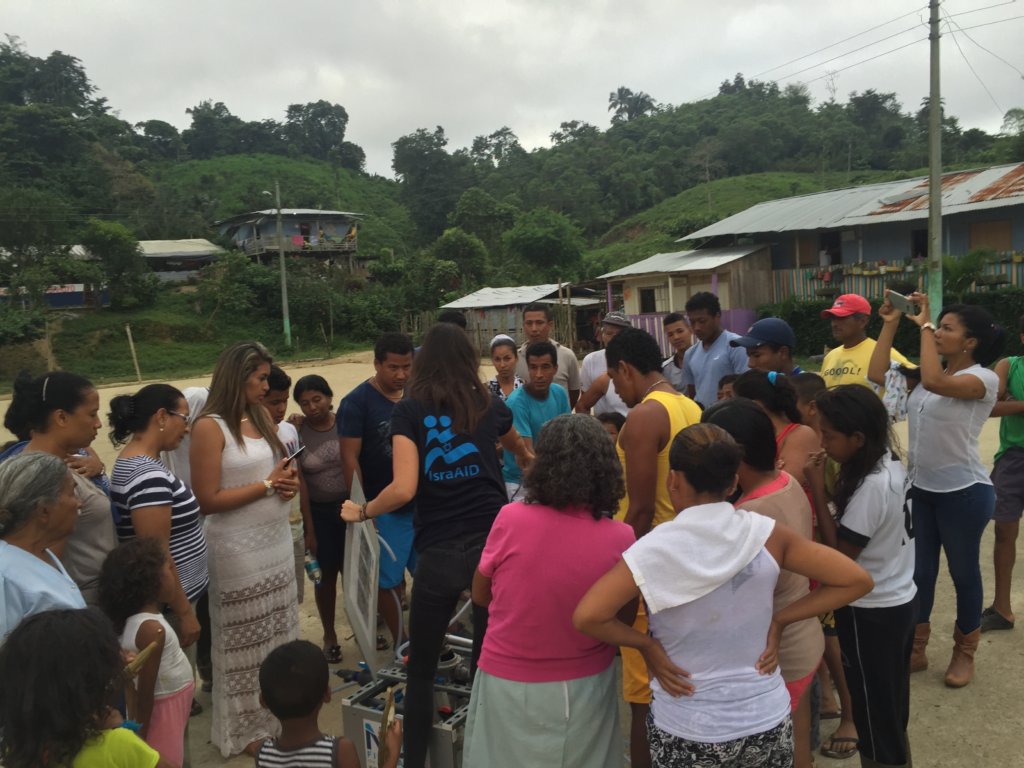
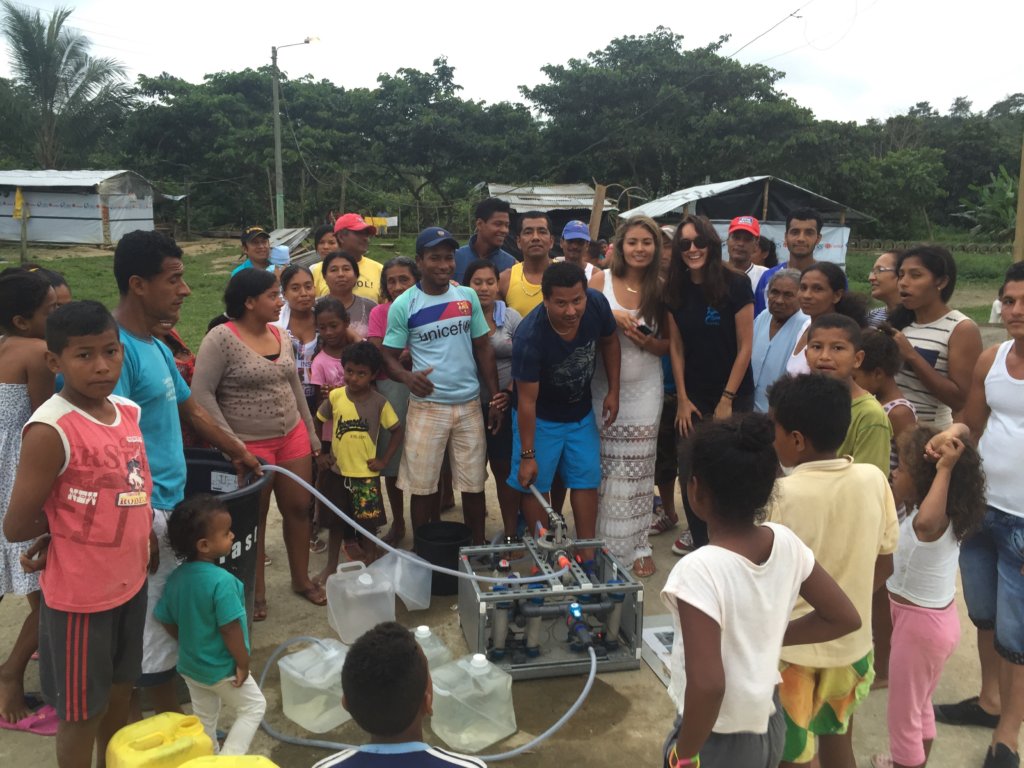
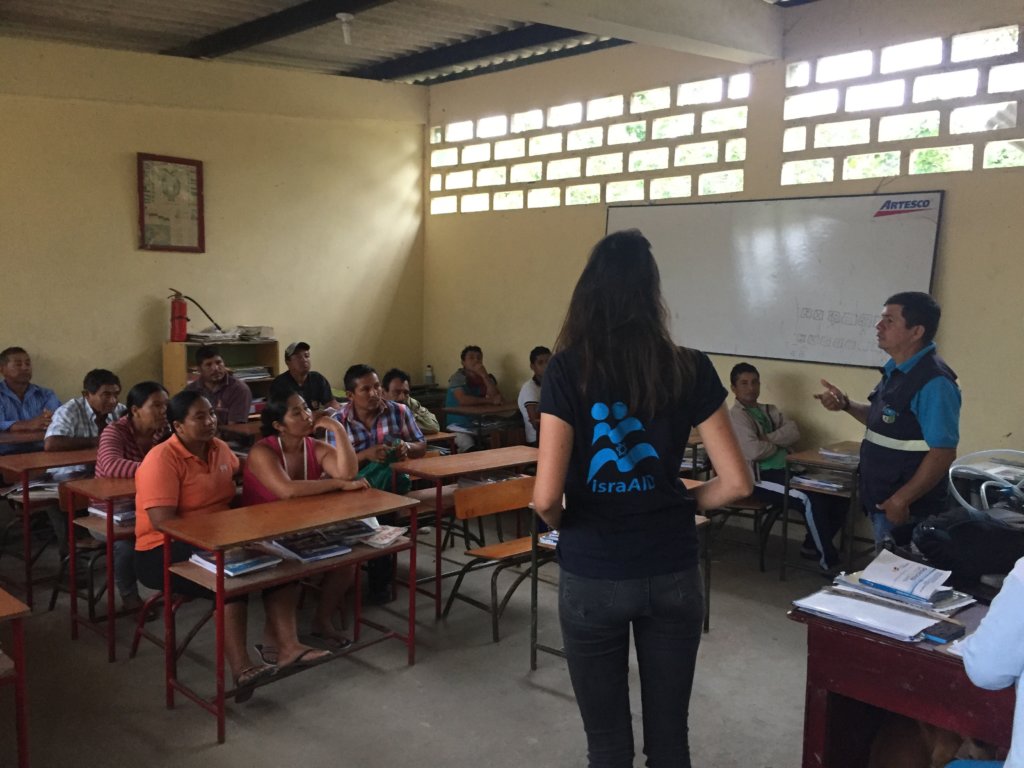
IsraAID is implementing ‘safe water’ programs in 6 identified communities, villages, and refugee camps that were heavily affected by the earthquake and are in immediate need for WASH solutions. Especially in the rural areas, there is a dire need for clean drinking water – families are forced to purchase drinking water by the bottle, costing them up to $30 a month, often an unaffordable expense. IsraAID will implement another 5 NUF water filtration systems, reaching over 1450 people with clean water. Through a holistic approach, the program will introduce a simple and effective technological WASH solution to provide immediate and sustainable response to the dire need of clean water. IsraAID believes in the implementation of holistic programs as a key component for success and integration of technologies within communities. The introduction of water filtration systems will be accompanied by trainings for proper system maintenance and safe water storage, since filtrated water has no residual disinfection effect. Safe sanitation and hygiene promotion are key components of preventing water borne disease outbreaks and community resilience. IsraAID aims to implement 35 more water filtration systems in the counties of Chone and Sucre providing over 7000 people permanently with clean drinking water.
Thank you again for all your crucial support!
![Implementation of NUF in Palma Real]()
Implementation of NUF in Palma Real
![Implementation of NUF in Palma Real]()
Implementation of NUF in Palma Real
![Implementation of NUF in La Humedad, San Vicente]()
Implementation of NUF in La Humedad, San Vicente
![Distribution Protection Kits in Maria Auxiliadora]()
Distribution Protection Kits in Maria Auxiliadora
![Ecuadorean Ministry of Risk, Jorge Martinez]()
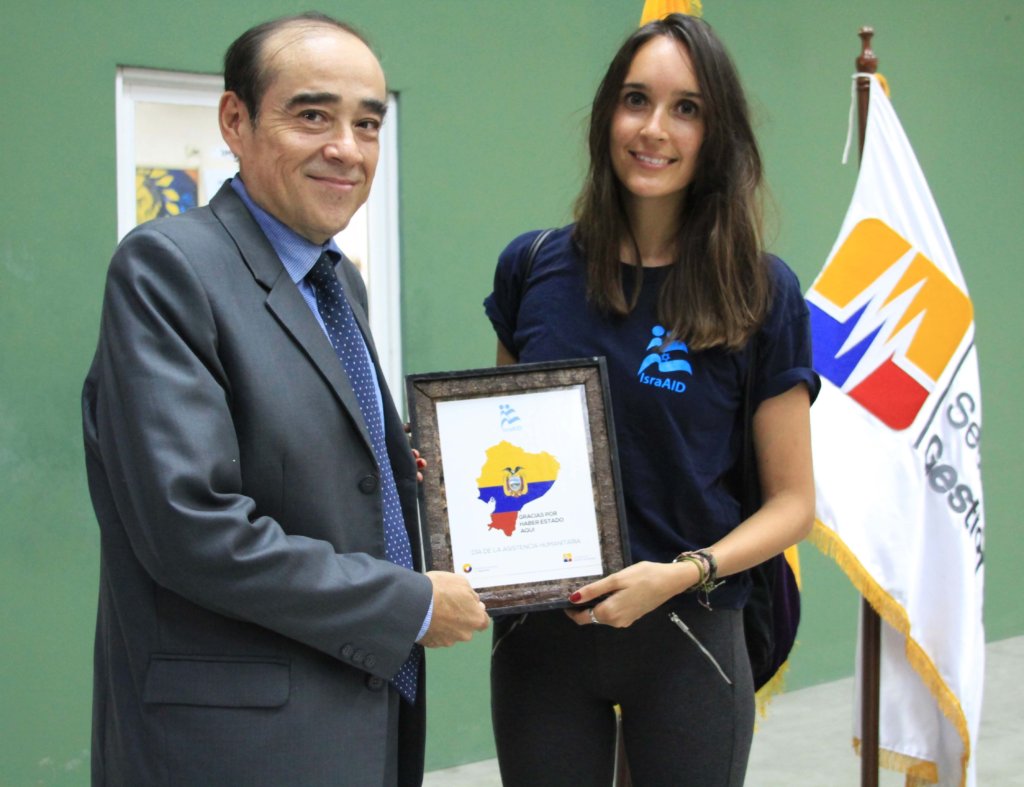
Ecuadorean Ministry of Risk, Jorge Martinez
![Share on Twitter]()
![Share on Facebook]()