By Tempa Wangdi | Communications (Programme) Officer
Basic Photography for Adolescents
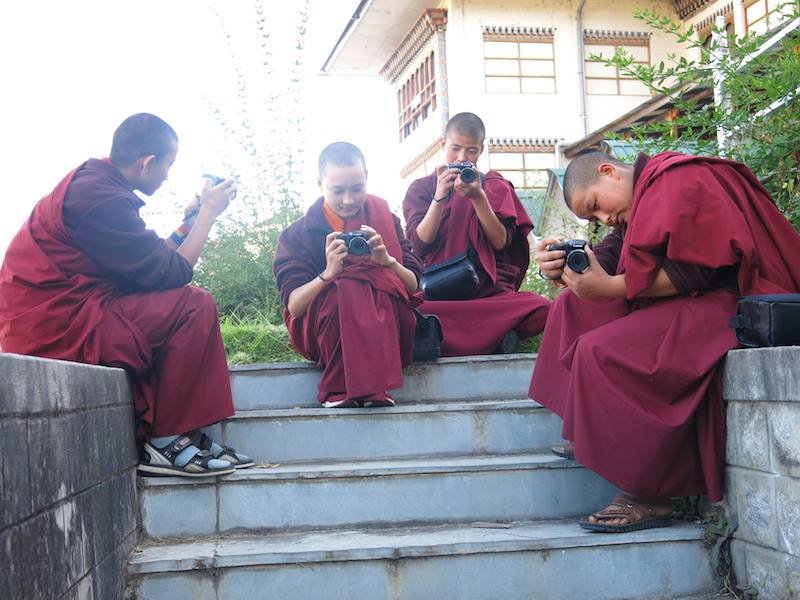
Adolescents from monastic schools, schools, and out-of-school of ages between 14-19 underwent a five-day ‘Basic Photography Training’ with five members of Civil Society Organisations (CSOs) from October 17-21, 2017 at Nazheon Pelri in Thimphu.
The training was held at Bhutan Centre for Media and Democracy (BCMD) media lab at Nazhoen Pelri.
BCMD in collaboration with UNICEF conducted the training to give adolescents including monks and nuns an opportunity to learn ‘Basic Photography’ to be able to express themselves and record issues and concerns affecting their lives and society at large.
UNICEF has been using training in ‘Basic Photography’ as one of the many ways to empower and enable adolescents to record and document issues and concerns affecting their lives. A total of five nuns from Drubthob Thangthong Dewachen Nunnery and five monks from Dechen Phodrang Lhakhang participated in the training. All the monks and nuns were among the age group of 14-19.
Nuns and monks alike expressed their joy in having been given the opportunity to participate in the training. “I really enjoyed using the camera and meeting new people and interacting with them while taking pictures,” a nun from Drubthob Thangthong Dewachen Nunnery, Tsheltrim said.
Adolescents Conducts Photo Exhibition
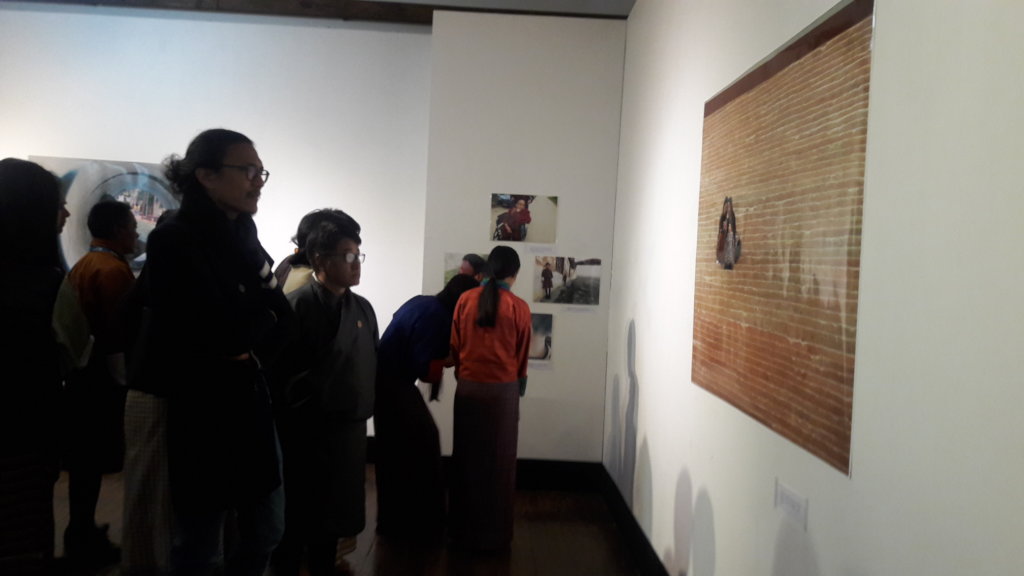
Coinciding with “World Children’s Day”, adolescents from monastic schools, out-of-school, and school-going children who have been taking photographs since their recent training, shared their results in a “Photo Exhibition” on November 20-21, 2017 at Royal Textile Academy in Thimphu.
The exhibition was a result of five-day training that BCMD conducted in collaboration with UNICEF Bhutan on October 20-25, 2017 at BCMD’s media lab in Nazhoen Pelri Complex.
The exhibition, which carried the theme “The World Around Us” #We Are The Future #Children Take Over was an exhibition # By The Children #For The Children to “Celebrate the Creative Spirit of The Bhutanese Children”.
The exhibition displayed over 40 best photographs taken by adolescents including the nuns from Durbthob Thangtong Dewachen Nunnery, monks from Dechen Phodrang Lhakhang (monastery), school-going, and out-of-school children.
Besides landscapes, adolescents had documented the myriad of issues such as poverty, sanitation, social media, disabilities, and lack of recreational facilities for children, etc. Speaking at the end of the exhibition, UNICEF Bhutan, Head of Child Protection and Adolescent Development, Aniruddha said that the participants have done extremely well in photography. “They took so many good pictures that we had difficulty in selecting pictures because all the pictures were really good,” he said.
The same batch of adolescents will conduct another round of photo exhibition in February 2018. BCMD in collaboration with UNICEF Bhutan conducted the training and exhibition for 20 adolescents and five CSO members.
Students Complete Local Action Plans in Paro
BCMD's Community Mapping project in Paro has contributed to the growth of some young active citizens.
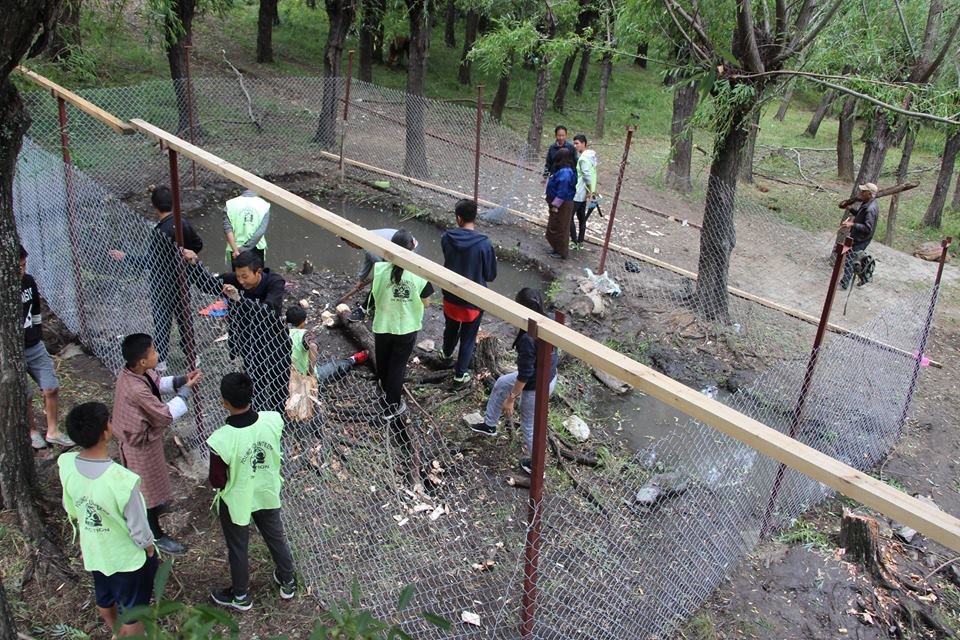
Youth were involved in five projects over a span of three months. The Community Mapping was initiated to help build community initiative among the citizens including local residents and students.
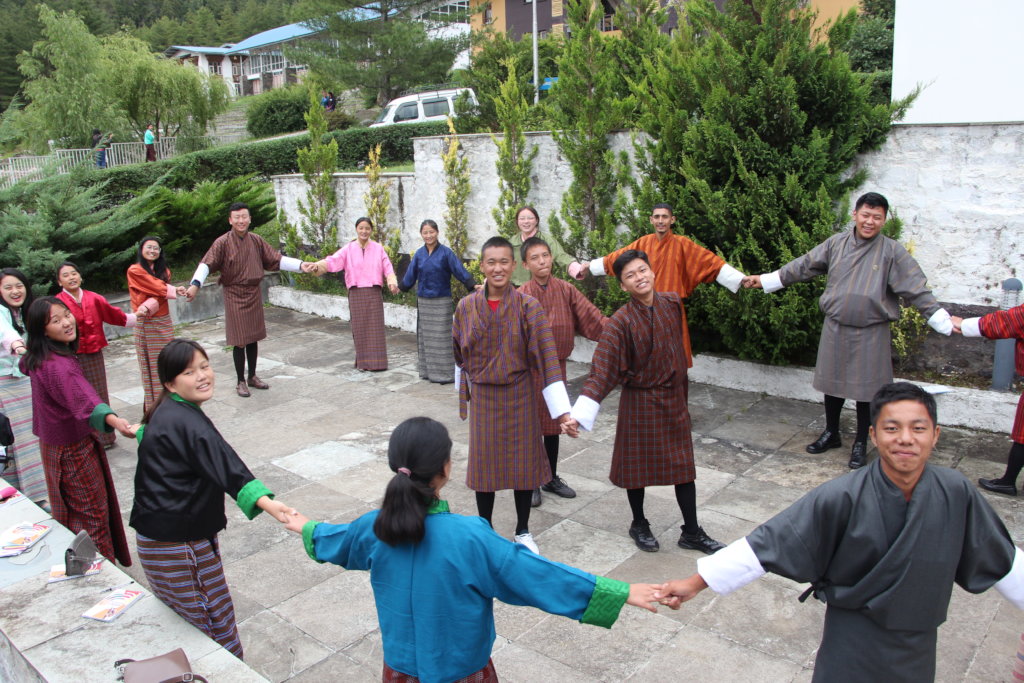
After participating in the project, students from Paro schools and college say they have learned to develop a sense of belongingness and ownership in the community they live in. The students say they learned to be responsible, active, and take part in volunteer activities through community mapping.
Khangkhu Middle Secondary School student, Ruth said that their attitude towards the community changed following the community mapping and implementation of a local action plan to address local challenges. “We now have a sense of ownership because we carried out the work and feel the pinch if something goes wrong with our project,” said Ruth. Her school tool up a project to renovate a school canopy on campus.
Students of four schools and Paro College of Education shared their experience while presenting the outcome of their local action plan on December 3, 2017, to the Paro Town Committee.
Shaba Higher Secondary School (SHSS) student, Kinga shared that he learned the skills to examine more closely the issues affecting the community such as social, economic, and environmental and how to address those issues. The higher secondary school’s initiative has ensured safe drinking water through the adoption of Kesa community’s only drinking water source.
A student from the Paro College of Education, Sonam said that his team had rich learning experience despite the challenges of achieving the outcome of their waste management advocacy programme. “My team had learned a lot like communicating with the stakeholders and community, and tackling issues within issues,” Sonam said.
Students of Drugyal Central School stayed late into the night to complete their project on time. The students repaired the dilapidated drains in the school. The mappers from the school also acknowledged a huge turn out of volunteers, some of whom they had to turn down since they already had enough.
Shari Higher Secondary School took up maintenance of water pipes and taps at Shari. A total of about 120 students from four schools and Paro College of Education were involved in the Community Mapping exercises - a joint pilot project Bhutan Centre for Media and Democracy initiated by Paro Dzongkhag. IDEA International supported the local action plan projects.
Students from schools and a college in Dewathang in Samdrup Jongkhar Dzongkhag (district) have improved road safety and infrastructures such as public toilets through their community mapping initiatives last year.
Dewathang is one of the gewogs (blocks) located in the southeast of Bhutan, which is about two days drive from Thimphu via India.
Bhutan Centre for Media and Democracy (BCMD) with Samdrup Jongkhar Initiative trained students of Dewathang Primary School (DPS), Garpawoong Middle Secondary School, and Jigme Namgyal Engineering College (JNEC) in community mapping. The training was to inculcate civic consciousness in young minds to take up simple local action plans in their community.
DPS put up road safety sign boards along the Samdrup Jongkhar-Trashigang Highway. The students also painted zebra crossings and speed breakers to ensure safety for school children, teachers, and pedestrians.
Garpawong Middle Secondary School carried out maintenance and clearing of 3.5 km of drains along the Samdrup Jongkhar - Trashigang Highway through mobilisation of about 300 volunteers from the school. Trashigang-Samdrup Jongkhar Highway is the lifeline for people of the east, which connects the region with the rest of the country.
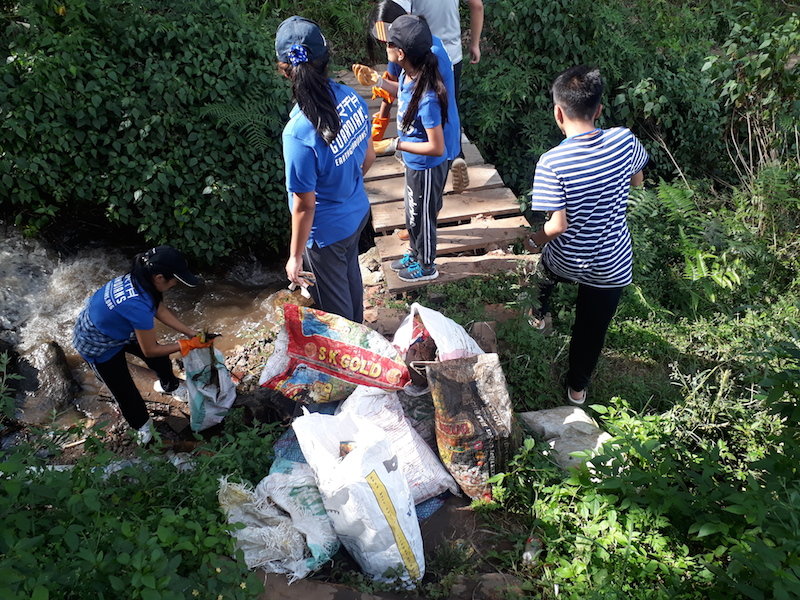
The other group from Youth Development Centre and out-of-school carried out advocacy on waste management and cleaning campaign at National Housing and Development Cooperation. The advocacy programme helped 56 households in understanding waste management and segregation.
Students of Jigme Namgyel Engineering College built 4 units of public toilets for Dudjom House, which is a popular picnic spot and also most visited the place by outsiders.
The project involved more than 350 people including students and community people. Canada Fund supported the community mapping exercise of Samdrup Jongkhar Initiative.
Training and Empowering CSOs
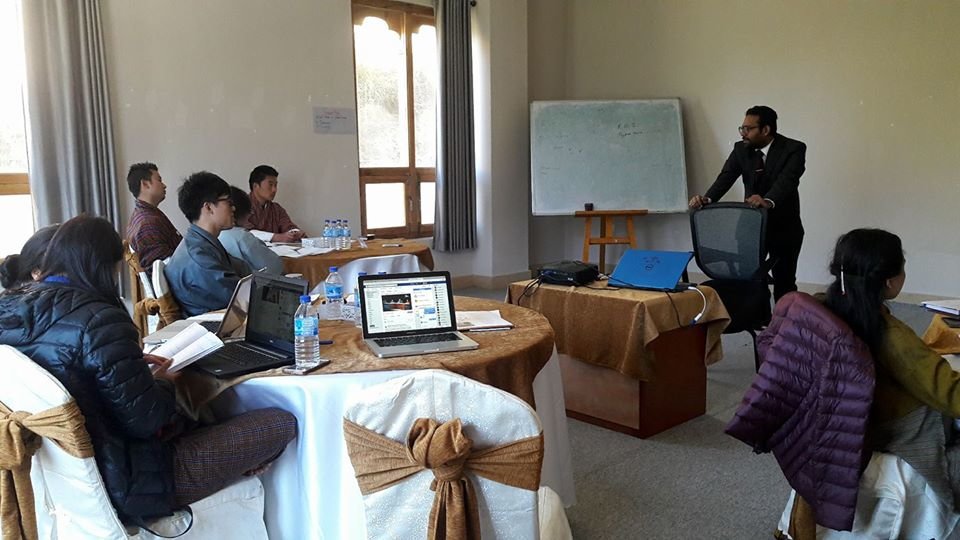
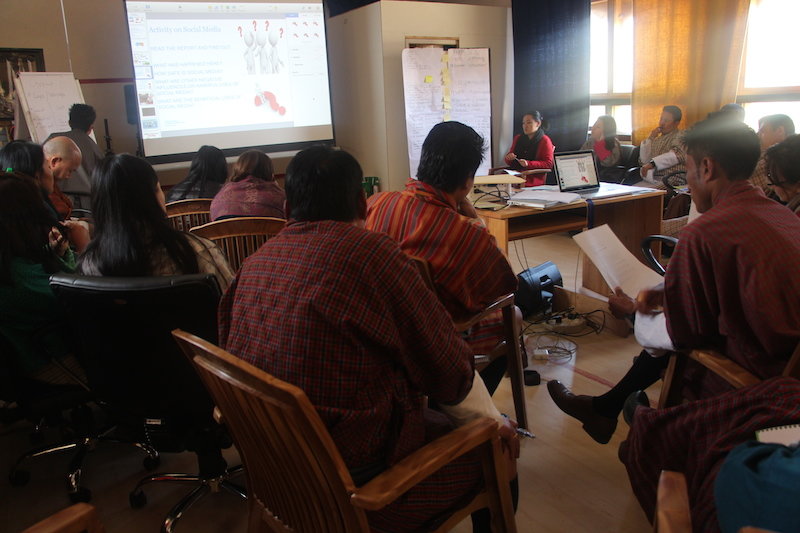
Members of Civil Society Organisations (CSOs) and media professionals were trained in recognising sensitive issues and effective story-telling to advocate for issues considered “sensitive” at Media Lab in Nazhoen Pelri Complex in November last year.
Teachers Trained in Media Literacy Training
Teachers from schools in Thimphu, Paro, Wangdue Phodrang, and Chukha Dzongkhags who attended the three-day Democracy and Literacy Training found the BCMD's training relevant as it comes at a time when there is a proliferation of information through media.
“We would like to thank BCMD for a very insightful and eye-opening session on democracy and news and media literacy,” one of the teacher participants, Kinley said.
Others said that media literacy has become a day-to-day need more than ever with increasing number of children and villagers gaining access to Smartphones, which is a source of infinite information. “I think it's high time that news and media literacy is spread to the villagers since this is where people need it the most,” said another participant teacher.
Democracy and Media Literacy was the first such pilot training for teachers that BCMD conducted from December 19-21, 2017. The three-day training was conducted for 24 teachers. The workshop enabled teachers to explore democracy and roles of active citizen and news media in a democracy.
Though the country saw a growth of newspapers since the inception of democracy, people are yet to understand the power of information and benefits of an open society in a democracy.
Many still express reservations to express their opinions freely. Sharing information even for constructive reasons remains a challenge. BCMD’s training was a small initiative to help people open up and accept different culture, class, ethnicity, and views with respect.
The democracy and news media literacy training was funded by Bhutan Foundation and DIPD.
Public Service Announcements on Democratic Values
Released
Bhutan is going to the polls next year, but many people still do not understand fundamental democratic values like equity, equality, mutual respect, and civic engagement, among others.
Most people still confuse equality with equity. Bhutanese, in general, are also yet to learn mutual respect and how to respect freedom of expression and be inclusive while democracy becomes competitive with election campaigns.
To help people understand and learn about the fundamental aspects of democracy, BCMD in collaboration with IDEA International produced a series of Public Service Announcement (PSA) on eight core values of democracy. The eight short PSAs are on equity, equality, inclusiveness, mutual respect, freedom of expression, transparency, accountability, and gender equality.
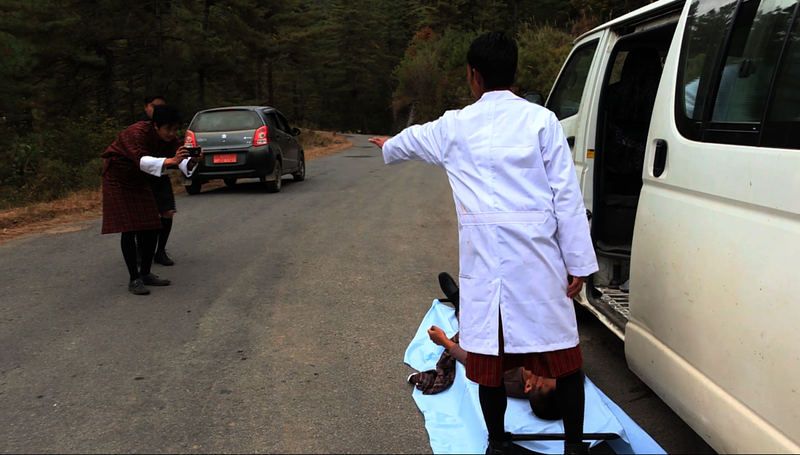
The PSA on mutual respect talks about the increasing culture of taking pictures and sharing it online. The film raises the question of whether it is right to take pictures of accident victims to share it online and how posting such inappropriate and disturbing visuals can impact the victims and their families.
The other PSAs also raise a number of questions about democratic values. The film on freedom of expression talks about inculcating a culture of healthy debate to develop tolerance to opposing views.
All eight PSAs that were produced last year were aired on national television, Bhutan Broadcasting Service and were uploaded to our youtube.
Project reports on GlobalGiving are posted directly to globalgiving.org by Project Leaders as they are completed, generally every 3-4 months. To protect the integrity of these documents, GlobalGiving does not alter them; therefore you may find some language or formatting issues.
If you donate to this project or have donated to this project, you can receive an email when this project posts a report. You can also subscribe for reports without donating.



Support this important cause by creating a personalized fundraising page.
Start a Fundraiser