By Tila Maya Kharka | Asst. Communications Officer
Research Assistants of National Assembly Equipped with Advocacy, Media, and Policy Review Skills
A three-day training workshop titled, Advocacy Skills, Strategic Media Engagement, Research and Policy Review for the research assistants of the National Assembly of Bhutan was successfully conducted from 6th to 8th November 2024. Designed to enhance the participants' ability to support parliamentarians in evidence-based policy and decision-making, the programme emphasised key skills in advocacy, research, and strategic communication.
The workshop, co-facilitated by local and international experts, offered a blend of theoretical insights and practical exercises that was designed as per needs of the research assistants to serve their work requirements. Most of the participants were relatively new at their roles, and therefore the training provided them hands-on knowledge about their responsibilities as parliamentary research officers and skills to execute and navigate the political work environment. The training focused on equipping them with tools to provide legislative briefings, facilitate effective communication, and support Members of Parliaments in carrying out their functions and in serving their constituents .
The training covered topics on designing advocacy and communication strategies, managing stakeholder engagement and included practical sessions on building strategic alliances, controlling public narratives, managing public feedback, and enhancing visibility of parliament’s work in the national development process. The research officers also learnt about writing effective press releases, organising press conferences, and conducting interviews to ensure effective engagement of the parliament with the media. The training also covered topics on understanding government policies and legislation, and how fact-checking, combating misinformation and using digital tools can be used in policy review and formulation.
The workshop underscored the importance of evidence-based research, transparent communication, and media engagement to foster a stronger and more accountable government and engaged citizens. The workshop empowered the participants with enhanced skills relevant to their world of work and left them with a greater understanding of their roles in supporting the National Assembly's legislative and advocacy efforts which ultimately contributed to nation building and .
Empowering Youth Advocates: Voices for Change Workshops to tackle Child Protection and Gender-Based Violence
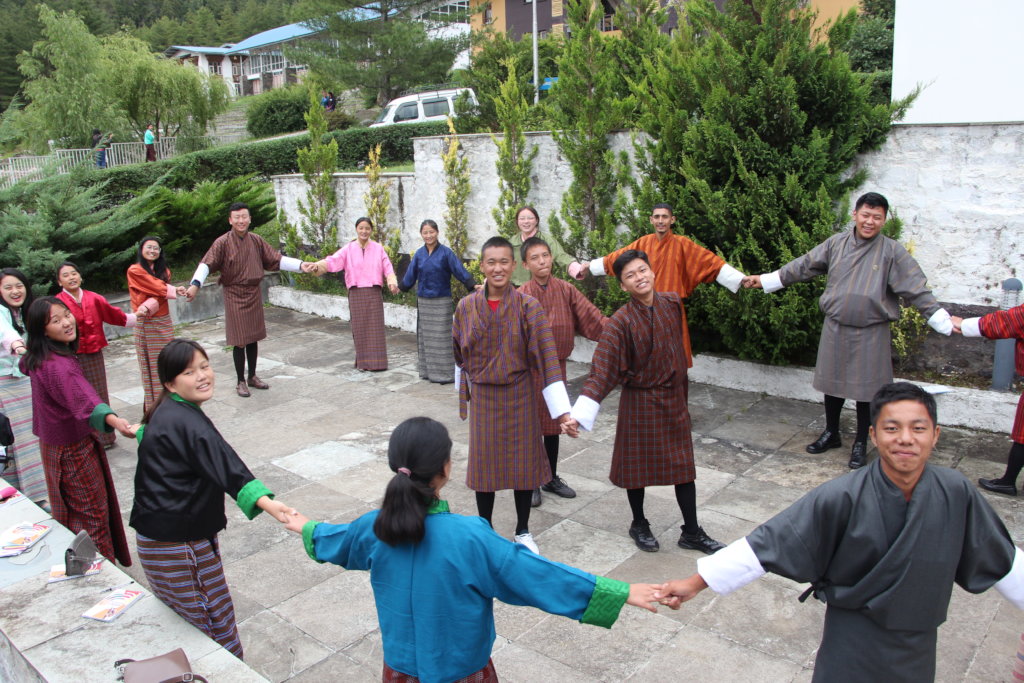
During the month of October, a series of transformative workshops under the Voices for Change initiative were undertaken in various schools. These workshops empowered students to become proactive citizens and advocates for positive change within their communities. The workshops also equipped young advocates with the knowledge and skills to address critical issues related to child protection and gender-based violence.
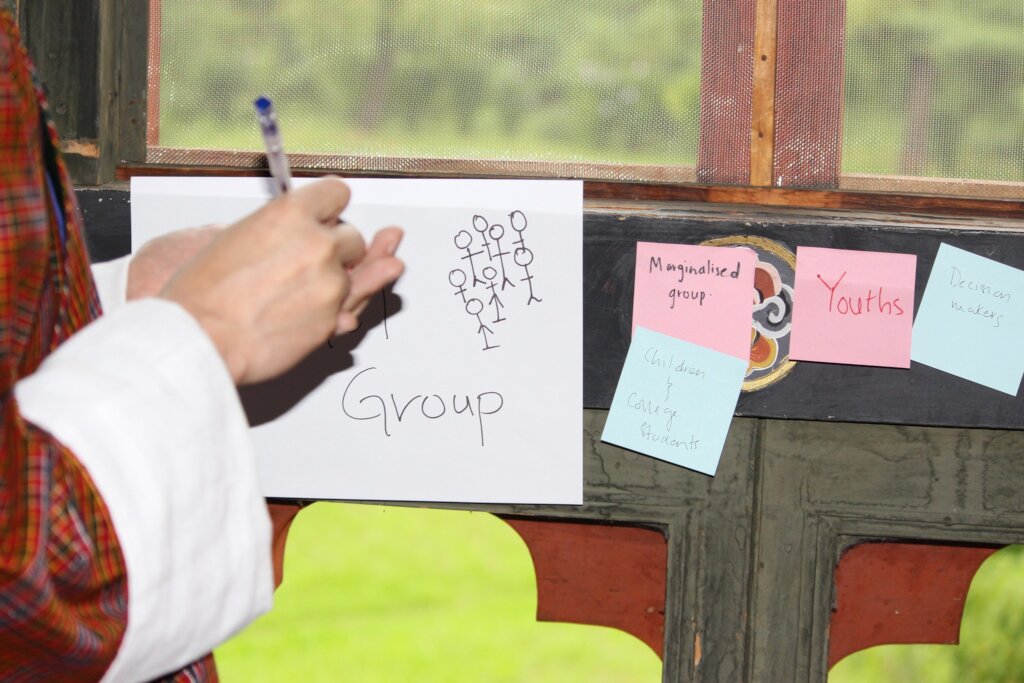
20 enthusiastic youths from Tang Central School, Bumthang engaged in discussions on pressing issues like the inaccessibility of clean toilets, academic stress, theft, and truancy from 3rd to 6th of October. Through problem tree analysis and creative performances, students highlighted how broken sanitation facilities disproportionately impact girls, leading to health problems such as urinary tract infections. The session emphasised the importance of hygiene, with students proposing inviting a health assistant to raise awareness about sanitation and sexual and reproductive health. They also discussed the responsibility of students in fostering a supportive and safe school environment for all. The workshop concluded with the production of four podcasts, allowing students to creatively express their solutions and experiences.
The success of the first workshop was carried forward to another school in Bumthang, Jakar Higher Secondary School from 8th to 11th of Octoberwith another 20 students. This group identified issues such as classroom disengagement, substance use, and peer support limitations and used media tools to amplify their advocacy efforts, producing another series of podcasts. Through these workshops, students identified the crucial role that students played in fostering and nurturing positive change and environment in their schools, from reducing substance abuse to improving academic performance.
From 17th to 20th of October, 47 students deliberated at Bitekha Middle Secondary School, Haa on critical issues like bullying, gang-violence, academic decline, and exam malpractice that affected students' lives. Over four days, participants collaborated on advocacy messages and created six podcasts to raise awareness among their peers. The school administration, in response to the discussions, pledged to take immediate action on the issues raised.
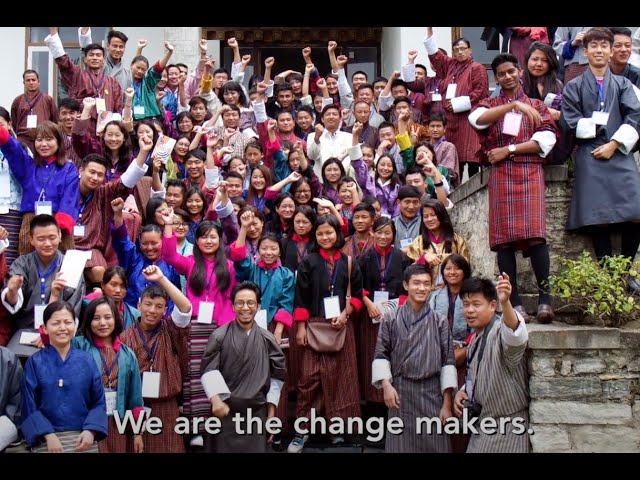
Across all schools, students embraced their role as responsible members of their communities, drawing a strong focus on accountability, fairness, and inclusivity. The workshops, enriched by sessions on news literacy, empowered these young advocates to discern credible information and use media to drive positive change in their communities. It also complemented the ongoing advocacy efforts on media literacy, and students identified their active role in ensuring responsible consumers of news and social media, and thwarting the spread of fake news, misinformation and disinformation in their communities.
CSO-Media Engagement Forum to foster Collaboration and Enhance Advocacy
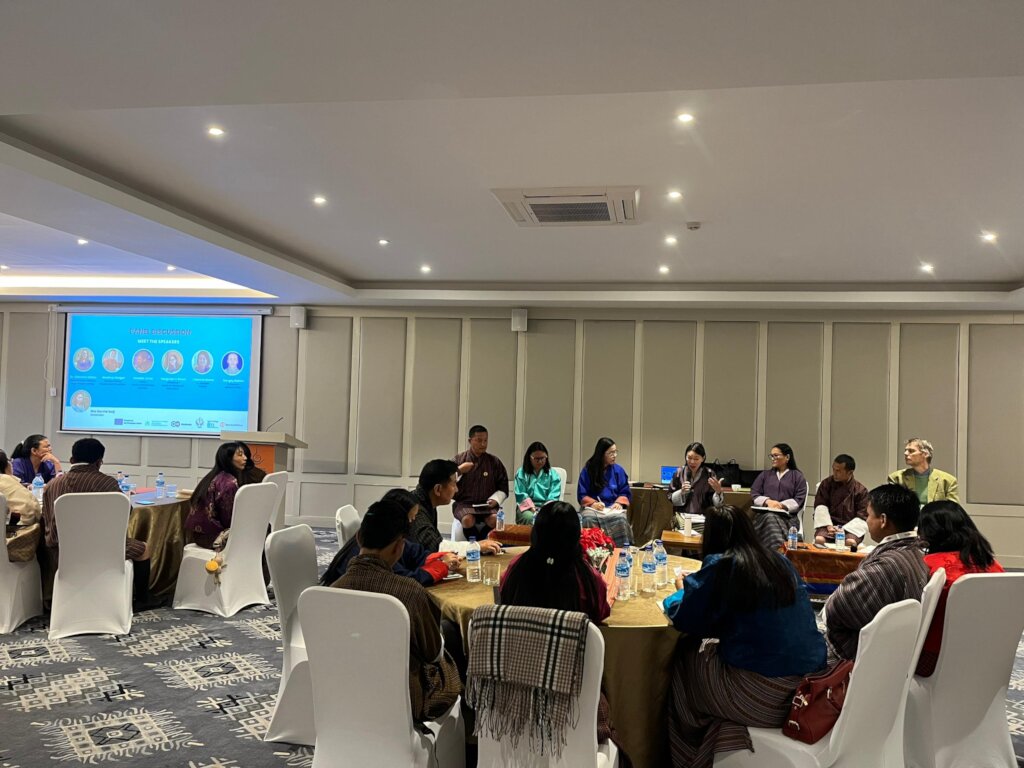
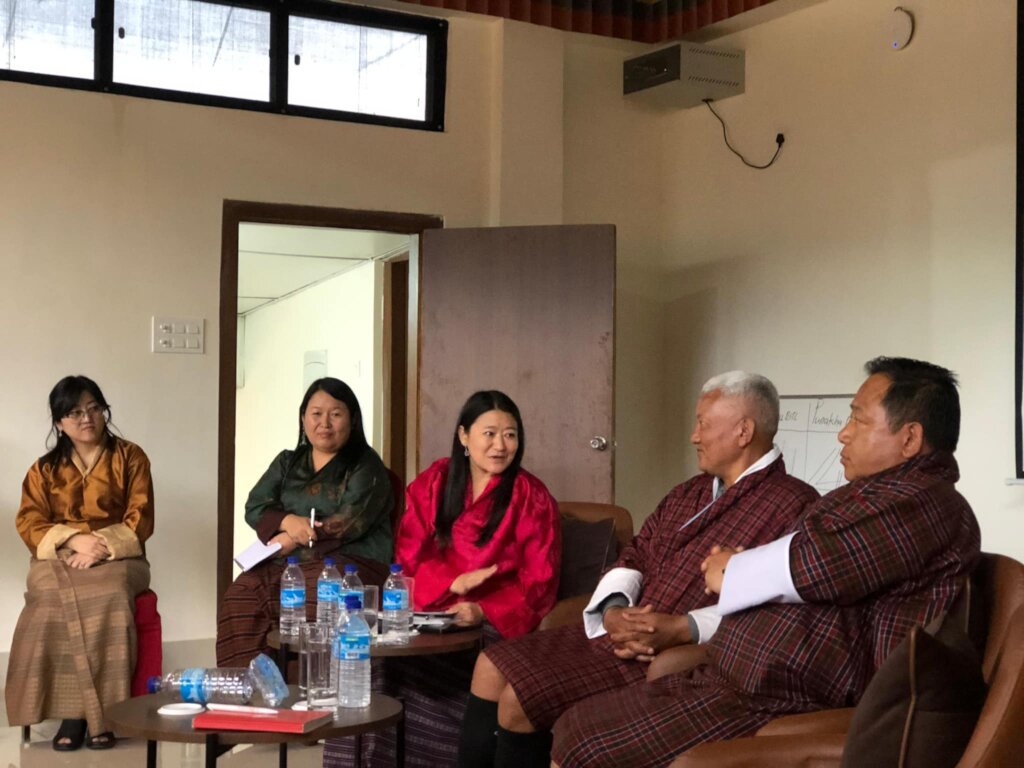
The first Civil Society Organisation (CSO)-Media Engagement Forum convened on 29th October, bringing together 50 representatives from CSOs, media, development partners, and students from the Royal Thimphu College (RTC). Organised by the Bhutan Centre for Media and Democracy (BCMD) in partnership with few other local partners, the forum aimed to strengthen collaboration, trust, and transparency between CSOs and the media for better advocacy, fact-based reporting, and inclusive development. The forum also provided a candid space for mutual understanding, as participants shared the challenges unique to each sector.
A panel discussion brought forth insights from CSO and media representatives, who examined challenges and opportunities affecting partnership building between the two sectors. CSO representatives emphasised the importance of presenting clear, well-prepared stories to the media to minimise misinterpretation and increase public awareness. Media representatives, on the other hand, underscored the need for CSOs to be transparent, noting that critical, balanced reporting can reinforce public trust in CSO-driven initiatives. Participants highlighted the potential of collaborative storytelling to influence policy and make a lasting social impact, calling for a consistent approach in advocacy reporting to drive meaningful policy changes.
There was a shared acknowledgment of the differentiated roles that various CSOs play in the development landscape, with recommendations made to strengthen inter-sector collaboration. Emphasising that neither sector should undermine the other’s independence, participants agreed that fostering trust is essential for gaining citizen confidence in both sectors.
The forum concluded with a joint commitment to enhance capacity-building efforts and maintain open lines of communication to better serve the public. Both sectors vowed to build a shared responsibility in shaping Bhutan’s socio-economic and value-based growth, contributing to the country’s development narrative through enhanced cooperation and collective efforts.
Consultation on Enhancing Women’s Political Participation in Bhutan
A two-day consultation workshop meeting on Enhancing Women’s Political Participation in Bhutan was held from 19th to 20th September. It brought together Local Government (LG) leaders from Punakha, and women leaders from Paro and Thimphu. The meeting aimed to explore the unique challenges faced by women in politics, from a gender perspective, and was attended by a mixed group of both male and female LG leaders. The group deliberated on social and cultural norms, the opportunities and challenges women faced, and existing and emerging perceptions about female representation in politics at decision-making levels.
The participants highlighted the need for action in enhancing voter education and awareness, alongside interventions to increase women’s political participation both at the local and at national level. Discussions raised concerns about the perceived gaps and limitations of existing policies and regulatory instruments, calling for a review to identify and make necessary amendments.
There was consensus that women’s low participation in politics could be due to absence of influential women role models within communities that could encourage women and young girls to step forward for leadership roles. This was perceived to further affect in terms of lower confidence among women to stand for elections and take up decision making roles. Voter behaviour, including societal preferences for male leadership, was identified as a key challenge, underlining the urgent need for awareness and advocacy at the community level to break down existing stereotypes before this became deeply rooted culturally thereby oposing a balanced or acceptable gender representation in the political sphere. Such developments if left unattended would entail policy deliberations being non-inclusive and thereby missing out on the opportunity for diverse representations, views and solutions. Policy discourse therefore may be inadequate to capture fully the development needs of the society and communities, thereby affecting policy and decision-making outcomes and inclusive and sustainable good governance in the long run.
Capacity development in areas like presentation, communication, networking, negotiation, planning, budgeting, and digital skills was seen as essential for empowering local leaders, particularly women. The consultation was also attended by key officials from the Parliament and government, including Hon’ble Member of Parliament , the Election Commission of Bhutan and the National Commission for Women and Children. The officials from these centres engaged with the participants and discussed issues and opportunities to promote women’s political participation at a critical juncture when female representation has been declining and at its lowest. It was deliberated that a balanced representation is critical for fostering an inclusive and progressive democracy in Bhutan.
Youth Initiative Alumni Reunion and Strategic Planning
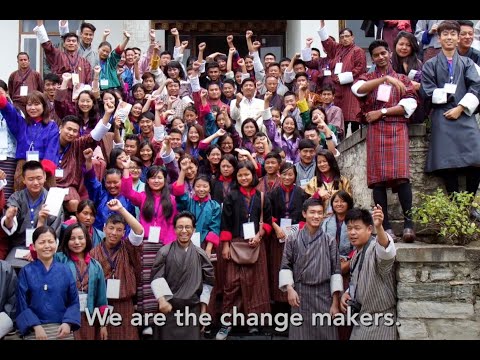
BCMD hosted a strategic planning event for Youth Initiative (YI) alumni from 17th to 21st August. The event brought together alumni from both early and recent cohorts to reflect on the programme’s evolution since its 2013 inception and strategise for its future.
The strategic planning session provided alumni with a platform to discuss their personal experiences and the profound impact the YI programme has had on their perspectives, critical thinking, and careers. Discussions focused on refining the programme’s approach to enhance mentorship, improve communication, re-engage alumni, and innovate feedback and fundraising strategies.
Participants emphasised the role of youth as change agents and advocates for their communities. The event set the stage for a more dynamic YI programme, aimed at remaining relevant to Bhutanese youth and effectively fostering personal agency. BCMD expressed gratitude for the alumni’s support and insights, which will contribute to strengthening the YI programme’s impact.
Journalists Trained on effective Reporting
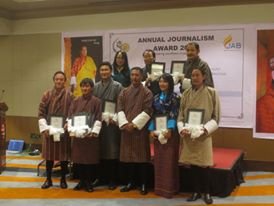
A five-day intensive training programme was organised for 21 journalists from various media houses in Bhutan from 12th to 16th August. The training equipped the reporters with skills critical in delivering impactful stories and bringing out critical issues to light. The sessions covered essential journalism skills, such as news writing, interview techniques, multimedia journalism, and investigative journalism.
Participants learned methods for gathering and planning investigative stories, crafting hypotheses, navigating ethical dilemmas, and selecting the appropriate media platforms for their stories. The training also covered practical insights into journalism standards, lead story writing, and multimedia storytelling.
Training on Advocacy Skills, Strategic Media Engagement, Research, and Policy Review
A training on Advocacy Skills, Strategic Media Engagement, Research, and Policy Review for research assistants from the Parliament of Bhutan and Civil Society Organisations was organised from 30th July to 1st August. The content was developed to cater to building the capabilities of young research officers in order to enhance their efficiency at work.
The training aimed to empower the participants with the knowledge and skills necessary to drive positive change within their respective field. Participants were equipped with essential skills in advocacy, media engagement, research techniques, and comprehensive policy and legislative review and methodologies and briefs, that are relevant to their work.
Focused and advanced training to research officers is critical in strengthening democracy through enabling an inclusive and consultative environment conducive for undertaking informed and evidence-based policy discussions and decisions to foster good governance and sustainable progress.
Training on Gender and Minority Inclusion, Civic Engagement and Public Participation
A one-day training on Gender and Minority Inclusion, Civic Engagement and Public Participation was organised on 29th July with esteemed Members of Parliament of the National Council of Bhutan and the Secretariat staff.
Such training programmes are organised as a way of creating awareness and bringing about buy-in by the policy makers so that policy discourse and public policies are inclusive and takes account of the needs and interests of all relevant sections of the society. Acknowledgement of the issue that gender and minority voices and interests are not adequately addressed by existing gender-neutral policies and interventions is a step in the right direction, particularly when it garners the attention of the policy makers.
This initiative was a significant step towards fostering a more inclusive, engaged, and participatory democracy in Bhutan, through the active participation of the legislators in understanding the need of inclusion in civic engagement and public discourse. It was deemed important to build a resilient and inclusive society by equipping policy makers with the knowledge, skills and attitude to support gender minorities and promote active citizen involvement. The training explored why and how inclusive approaches to national and global development are good for society as a whole, and policy making is taken up in relevance to socio-political context and the relevant national and international goals such as the Sustainable Development Goals.
Links:
Project reports on GlobalGiving are posted directly to globalgiving.org by Project Leaders as they are completed, generally every 3-4 months. To protect the integrity of these documents, GlobalGiving does not alter them; therefore you may find some language or formatting issues.
If you donate to this project or have donated to this project, you can receive an email when this project posts a report. You can also subscribe for reports without donating.



Support this important cause by creating a personalized fundraising page.
Start a Fundraiser