By Kencho Tshering | Programme/Communications Officer
GNH-Based Participatory Planning and Community Analysis
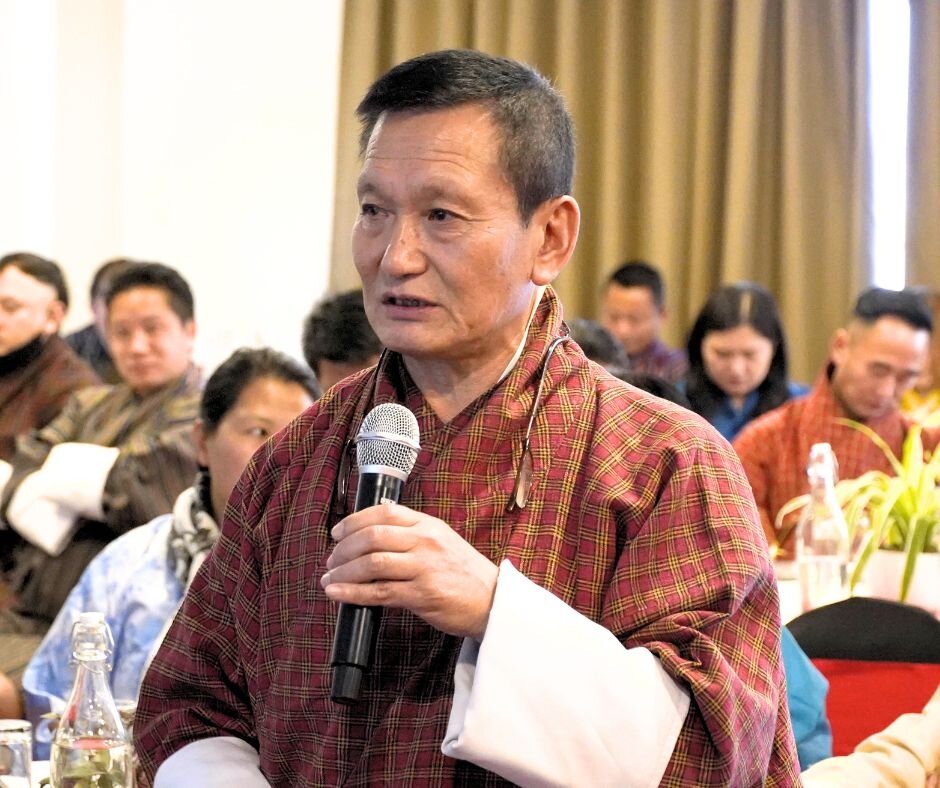
Local government leaders like Leki Dorji, a Gewog Administrative Officer, have long followed a familiar process, community consultations done at the surface, and development plans drawn without much dialogue from the people they’re meant to serve. “We were consulting just for the sake of it,” Leki admitted. “We rarely spoke with youth or women, and never really saw them as part of the planning process.”
Like many others, Leki believed that community planning was the responsibility of the state and its officials. This belief was deeply rooted in Bhutan’s historically hierarchical governance system, where the state took care of its citizens and the latter both accepted and expected the former to decide and act for them. Although Bhutan’s Constitution and Local Government Act champion participatory planning, the reality on the ground often tells a different story. Gewog plans were being repeated year after year, with minimal grassroots engagement, plans that weakly reflected the community needs,a nd ultimately resulted in misplaced funding priorities. Across the country, since the start of the five-year plans inthe early 1960s, the local government development grants were largely spent on farm roads, irrigation canals, rural water supply schemes and cultural pursuits alone, while crucial sectors like education, health, and economy were left for the centre to implement.
But Leki had a desire to do better. To involve more voices. To truly serve. He just didn’t know how.
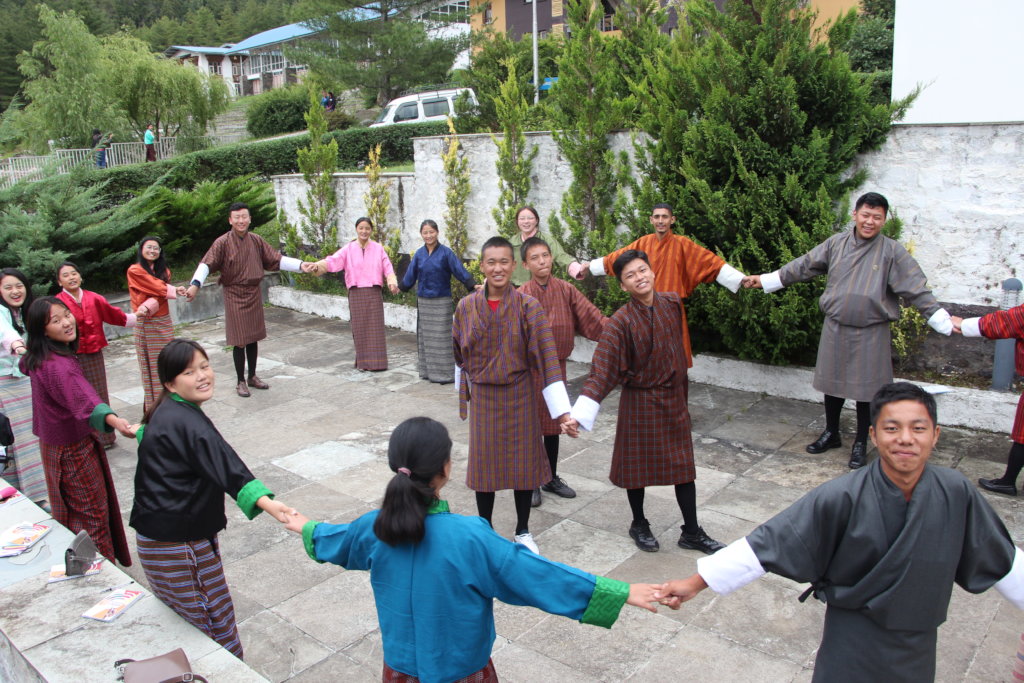
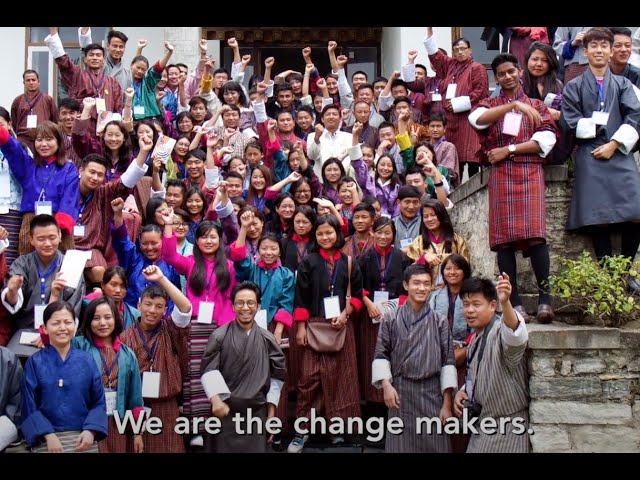
That changed during a five-day Training of Trainers (ToT) on GNH-Based Participatory Planning and Community Analysis in Tsirang. Along with 40 other LG leaders, sector heads, Gewog Administrative Officers, engineers, finance officers, and civil society representatives, Leki embarked on a journey that would fundamentally shift how he viewed his role.
Participants were introduced to eight easy-to-use and powerful planning tools grounded in Bhutan’s Gross National Happiness philosophy. These tools helped them see their communities with a new perspective, mapping economic and social resources, identifying underserved groups, analysing gender gaps, and evaluating how public services are perceived and delivered. The tools empowered them not only to understand their communities and needs but also to make decisions that affect their development and livelihood.
For the first time, many of the leaders recognised how youth, persons with disabilities, and women had been left out of their planning. Thrizin Beda Moni Chamlagai reflected, “We’ve never really reached these groups before. But they are part of our community too.” And leaders like Padma Lal Subba, an Agriculture Officer, committed to changing that.
The training also sparked ideas for youth engagement. One group proposed training out-of-school youth to support Gewog administrations in digital service delivery, a solution that not only builds youth capacity but also enhances an inclusive local governance that responds to all in their communities.
Yet, barriers remained. Participants lacked access to reliable, real-time data. They struggled with understanding policy linkages between Gewogs and Dzongkhags. Coordination among sectors was poor, and central agencies were often out of the loop. “We didn’t even know how our Gewog plans linked to the Dzongkhag strategies,” shared Dawa, finance officer. There was a clear gap between the theory of decentralisation and its practice.
But through collective reflection, skills-building, and peer learning, participants began to deconstruct these barriers. Kintu, the Chief Engineer, expressed, “This was the first training where everything just made sense. We saw how planning could be people-centred and strategic at the same time.”
The ToT didn’t just change mindsets, it laid the foundation for systemic change. Local government leaders now understand their democratic responsibility, not just to plan and implement their ideas, but to listen to the community's needs. Not just to serve, but to engage. They are beginning to see the value in partnerships with civil society, youth, private sector actors, and even international organisations. As Bhutan enters midway into its 13th Five-Year Plan, these leaders understand better why and how participatory planning is beneficial for the sustainable development of the communities that they serve.
Leki sums it up best: “Now, I won’t go back to the old way. Community voices will shape our plans, because that’s what real democracy looks like.”
Bhutan Centre for Media and Democracy Hosts Virtual Exchange on Good Governance
On 26th March 2025, the BCMD organised a Virtual Exchange Session on Good Governance, bringing together members of parliament, civil society representatives, development partners, and the media.
Dr. Sonja Schirmbeck from the Friedrich Ebert Foundation emphasised the importance of democratic engagement through political education, informed voting, and Citizens’ Assemblies, an innovative approach promoting inclusive decision-making.
Dr. Ansger Klein from the German Federal Network for Civic Engagement explored the evolving role of civil society in Bhutan’s democracy, highlighting youth and media engagement and international cooperation opportunities.
Dr. Paulo Rosa and Mateusz Tokarski from the European Commission’s Joint Research Centre introduced participatory democracy models, including citizen panels and the Young Citizens Assembly on Pollinators, empowering youth in policymaking.
The discussion reinforced the importance of collaboration among key stakeholders in fostering a more inclusive and participatory democratic process. The session also addressed the role of social media in youth engagement and the need for inclusive mechanisms that enable the participation of vulnerable groups. The platform also allowed both the Bhutanese participants and the panelists to learn from each other and take cognisance of common but differentiated issues, challenge,s and opportunities.
Strengthening the Capacity of CSOs with Strategic Planning Training
In a country where civil society plays an increasingly vital role in supporting democratic governance, the need for coherent and strategic planning has never been more urgent. Yet, many of Bhutan’s Civil Society Organisations (CSOs) face challenges in linking their day-to-day activities with long-term impact, national priorities, and global goals.
To address this, the Bhutan Centre for Media and Democracy successfully organised a three-day training on Strategic Planning for CSOs, equipping 24 participants from diverse organisations with essential tools to enhance their programmatic coherence, accountability, and impact. While many CSOs are deeply committed to social change, few have access to structured training in core strategic planning frameworks such as the Theory of Change, Logical Framework Approach, or Results-Based Management (RBM). There was also a gap in operationalising plans, particularly around setting clear indicators, monitoring outcomes, and aligning efforts with national and international development goals.
With expert facilitation through scenario-based exercises, group discussions, and real-life application, participants were able to:
By the end of the training, participants had collaboratively developed strategic plans tailored to their respective organisational contexts. These plans were not theoretical; they were actionable, measurable, and aligned with national priorities. Beyond the acquisition of technical skills, the training revitalised CSOs with a renewed sense of direction. Participants left the session with a deeper understanding of how their work contributes to Bhutan’s development agenda and with the confidence to lead more inclusive, accountable, and evidence-based initiatives in their communities.
As Bhutan’s civil society landscape continues to evolve, this training marks an important step in professionalising and strengthening the sector, ensuring that CSOs are not just doing good work, but doing it with purpose, strategy, and measurable outcomes.
Training Parliamentarians on Gender, minority Inclusion and Citizen Engagement
On 28th April, the Bhutan Centre for Media and Democracy organised a one-day training in Thimphu on Gender and Minority Inclusion, Public Participation, and Citizens’ Engagement.
A total of 34 Members of Parliament from the National Assembly and National Council, along with Secretariat staff, took part in the training. The session delved into the conceptual foundations of inclusion, examining structural and cultural barriers that hinder the full participation of women, persons with disabilities, and other vulnerable communities in Bhutanese society.
Key discussions highlighted the persistent gap between policy and practice, including the underrepresentation of women in political and economic sectors and the social stigmas still faced by persons with disabilities.
Drawing on global best practices from countries such as Bolivia, the session introduced participants to transformative approaches such as constitutional reforms, gender parity laws, and quota systems, sparking dialogue on their relevance in the Bhutanese context. The benefits of an inclusive society in national and global development were presented through the successes of mixed teams across various sectors in economic, social and political areas.
The training also explored the challenges of civic engagement from geographic isolation and limited digital literacy to deeply rooted cultural norms. Participants proposed strengthening participatory platforms through civic education in schools and enhancing the roles of media, civil society organisations, and local governments.
This timely engagement allowed for reflection on Bhutan’s commitments to both national and international frameworks for inclusion and good governance. It also allowed acknowledging the government’s actions and initiatives towards enabling the achievement of the commitments as well as the gaps.
The Suja & Dzaw Conversation on Climate Change in Bhutan- Impact and Response
On 8th May 2025, the Bhutan Centre for Media and Democracy brought together nearly 100 students, educators, experts, and policymakers at the College of Natural Resources (CNR) in Lobesa for the Suja & Dzaw Conversation on the 21st edition of The Druk Journal, themed “Climate Change in Bhutan: Impact and Response.”As Bhutan grapples with the reality of being carbon-negative yet increasingly climate-vulnerable, this gathering served as a dynamic platform for intergenerational dialogue, critical thinking, and collaborative problem-solving on one of the country’s most urgent challenges. The event wasn’t just about discussing the problem. It was about giving voice to those committed to being part of the solution.Speakers ranged from government planners and hydrology experts to a young journalist and a PhD student researching melting glaciers. Their diverse voices revealed a common desire to ensure Bhutan’s unique environmental values are not lost in the noise of global inaction.Yet, barriers to action remain stark:
But something powerful happened at this gathering. Presentations from four contributors to the journal brought science, policy, journalism, and youth perspectives to life:
The conversations sparked actionable ideas from participants:
This wasn't just another academic discussion. It was a transformative civic dialogue. By placing youth, experts, and decision-makers in the same space, BCMD helped create a platform for shared learning and action. Bhutan’s climate future will require this kind of cross-generational, cross-sector collaboration, and this conversation was a step in that direction.With continued support, BCMD will expand these platforms across Bhutan, ensuring that every citizen, from remote farmers to urban students, has a voice in shaping a sustainable, resilient future.
CSO Quarterly Meet 2025
The Bhutan Centre for Media and Democracy (BCMD), in partnership with the two elected Civil Society Organisation (CSO) Representatives to the CSO Authority, convened the first CSO Quarterly Meeting of 2025 in Thimphu today. The gathering brought together representatives from 35 CSOs across Bhutan to review recent developments and discuss shared priorities for the sector. To ensure continuity, BCMD delivered a brief update on the key outcomes of the previous Annual CSO Summit, helping to orient new and returning participants to ongoing discussions.
A key highlight of the meeting was the presentation of the final draft of the CSO Bi-Annual Meeting and Annual Summit Guideline, prepared by the Handicraft Association of Bhutan (HAB). The draft, which integrated feedback from earlier consultations, was presented for endorsement by the wider CSO community.
The CSO Authority Secretariat also shared an overview of the Bhutan Civil Society Accountability Standard (BCAS) screening and evaluation process. In response, CSO representatives offered several practical suggestions, including simplifying documentation requirements, introducing a grace period for appeals related to missing submissions, accounting for the diverse capacities of CSOs in evaluations, and providing disaggregated performance data to help organisations identify areas for improvement.
Mr. Hendrick Visser, Coordinator of the Wellbeing Thematic Group of CSOs, led a session on the evolving role of CSOs within Bhutan’s broader policy and development landscape. He emphasised the need for early consultations between CSOs and the government during the formulation of laws and policies. To support this, a proposal was made to allow relevant thematic CSO committees to formally seek engagement through the CSO Authority Secretariat for direct dialogue with policymakers.
The meeting also raised a common concern regarding the imposition of overlapping penalties for late document submissions and annual renewals, with participants calling for greater clarity and fairness in these processes.
As CSOs continue to navigate complex operational and governance challenges, the Quarterly Meeting reaffirmed the critical importance of sustained engagement, institutional support, and unified advocacy to strengthen Bhutan’s civil society ecosystem, a cornerstone of a vibrant democracy.
Project reports on GlobalGiving are posted directly to globalgiving.org by Project Leaders as they are completed, generally every 3-4 months. To protect the integrity of these documents, GlobalGiving does not alter them; therefore you may find some language or formatting issues.
If you donate to this project or have donated to this project, you can receive an email when this project posts a report. You can also subscribe for reports without donating.



Support this important cause by creating a personalized fundraising page.
Start a Fundraiser