By Ruth Nakalembe | Program Officer
From Isolation to Empowerment: Supporting Mental Wellbeing and Inclusive Parenting in CP Caregiver Communities
Introduction
This report presents progress from the last quarter( February,March and April 2025) for the project “Empowering Caregivers of Children with Cerebral Palsy.” The core objective of this phase was to support the mental wellbeing of caregivers, promote inclusive parenting, and strengthen community-based support systems. The burden of caregiving for a child with CP is often isolating, emotionally draining, and misunderstood in the community. This quarter, we focused on providing caregivers with tools to manage stress, improve their parenting confidence, and build supportive peer networks.
Major Activities Conducted
Mental Health and Stress Management Training
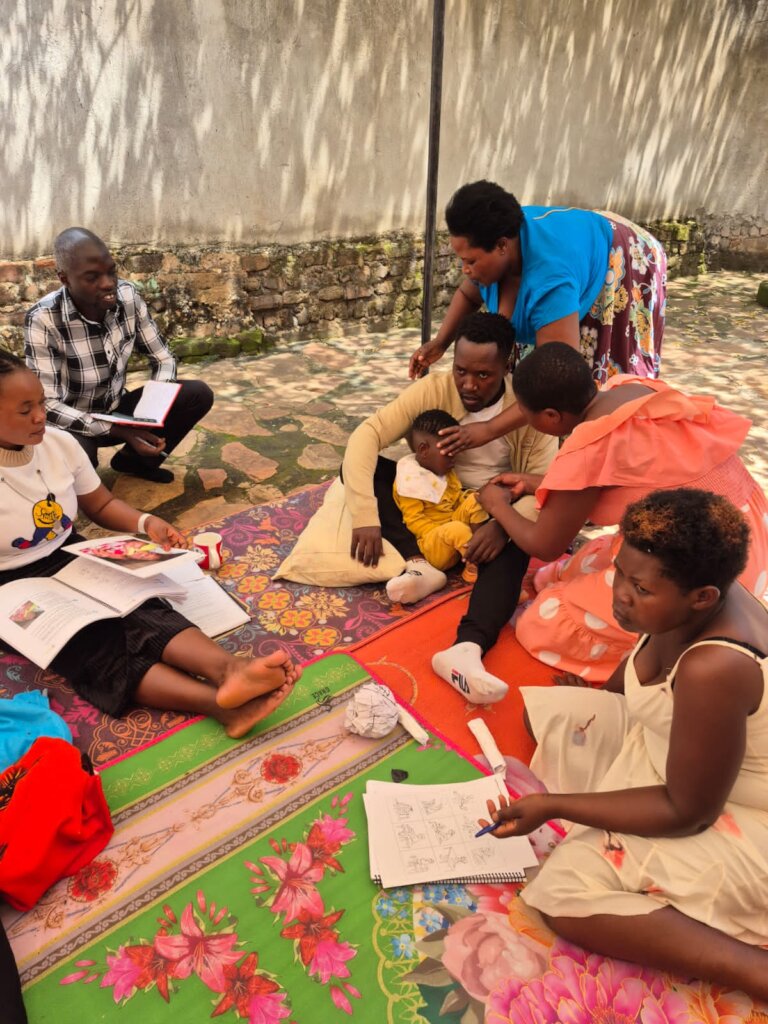
Over the quarter, we conducted three group-based psychoeducation sessions targeting primary caregivers of children with CP. These sessions aimed to provide a safe space to:
Participation and Outcomes:
47 caregivers (41 women, 6 men) participated.
92% of participants reported feeling “less alone” after the session.
Group discussions uncovered common stressors including: public stigma, child health uncertainty, lack of partner support, and economic strain.
One mother shared that after attending the session, she was able to sleep through the night for the first time in weeks after trying the relaxation technique introduced.
Inclusive Parenting Skills Sessions
We conducted two practical sessions focused on inclusive parenting. The goal was to:
Key content covered included:
Outcomes:
Strengthening Social Support through Caregiver Groups
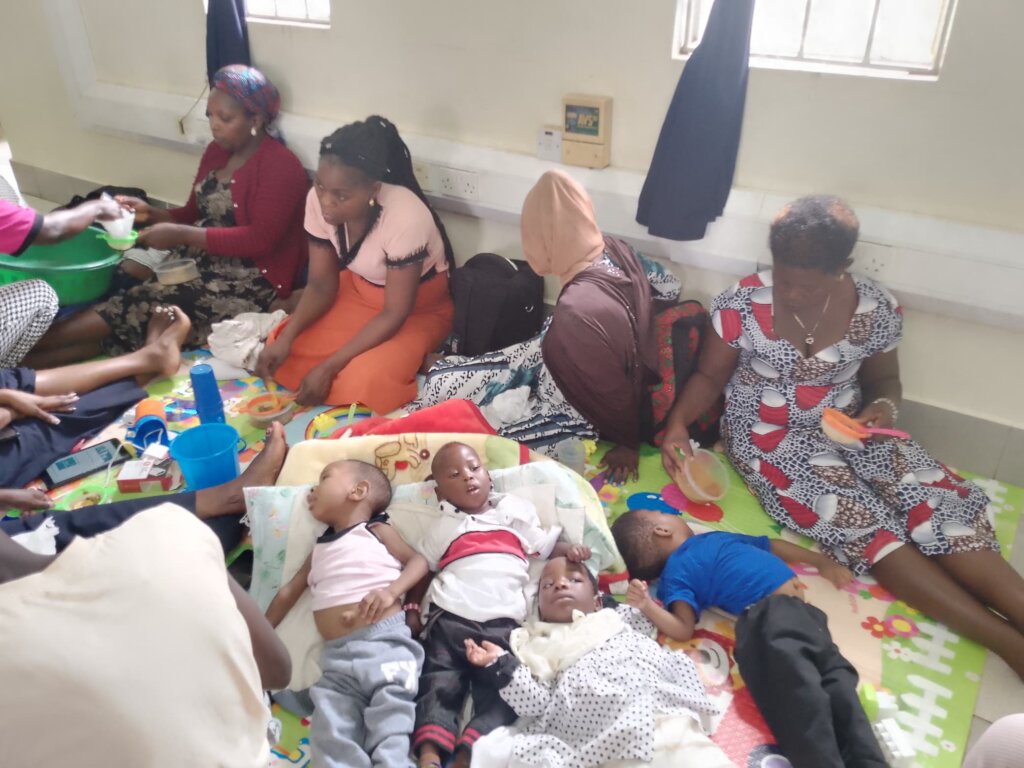
We focused on building peer support structures to reduce isolation and improve knowledge-sharing.
Two new caregiver support groups were launched in Katanga and Kavule communities.
These groups meet biweekly and are facilitated by trained volunteers with lived experience or basic rehabilitation knowledge.
Group topics are rotated, but time is always reserved for open sharing, encouragement, and affirmations.
Highlights:
Some caregivers reported that this was the first time they had talked openly about their child’s condition in a group setting.
A grandmother raising two children with disabilities noted that the group “feels like family, where I am understood without judgment.”
One group established a small rotating savings initiative to help meet emergency transport needs.
Referrals and Follow-Up Support
Challenges Faced
Emotional sensitivity: Some sessions triggered difficult emotions for caregivers, which required trained facilitators to debrief and follow up.
Lack of male involvement: Despite efforts, only a small number of fathers or male guardians attended.
Lessons Learned
Conclusion
This quarter has shown that mental health and inclusive parenting are not luxuries, but essentials for families living with CP. The progress made is both personal and communal: caregivers are beginning to feel seen, heard, and capable. We invite donors and partners to walk with us as we continue building resilience, one caregiver group at a time.
Project reports on GlobalGiving are posted directly to globalgiving.org by Project Leaders as they are completed, generally every 3-4 months. To protect the integrity of these documents, GlobalGiving does not alter them; therefore you may find some language or formatting issues.
If you donate to this project or have donated to this project, you can receive an email when this project posts a report. You can also subscribe for reports without donating.



Support this important cause by creating a personalized fundraising page.
Start a Fundraiser