By Mary Ann Gabino | Senior Vice President
In the aftermath of hurricanes Irma and María during September 2017, Culebra and Vieques, two municipal islands in the north-eastern coast, remained without electricity for more than a year. During this period residents and businesses received their energy supply from power generators, representing a substantial daily cost and a damaging impact to the environment.
Fundación Comunitaria de Puerto Rico proposed to transform Culebra's energy system into a renewable energy system by establishing a two-phase scalable project: 1) the development of a micro-grids network that will provide energy to commercial and non-profit organizations in the island; and 2) a distributed solar energy generation and storage system that will be supplied to critical facilities that provide essential services to Culebra's social and economic ecosystem.
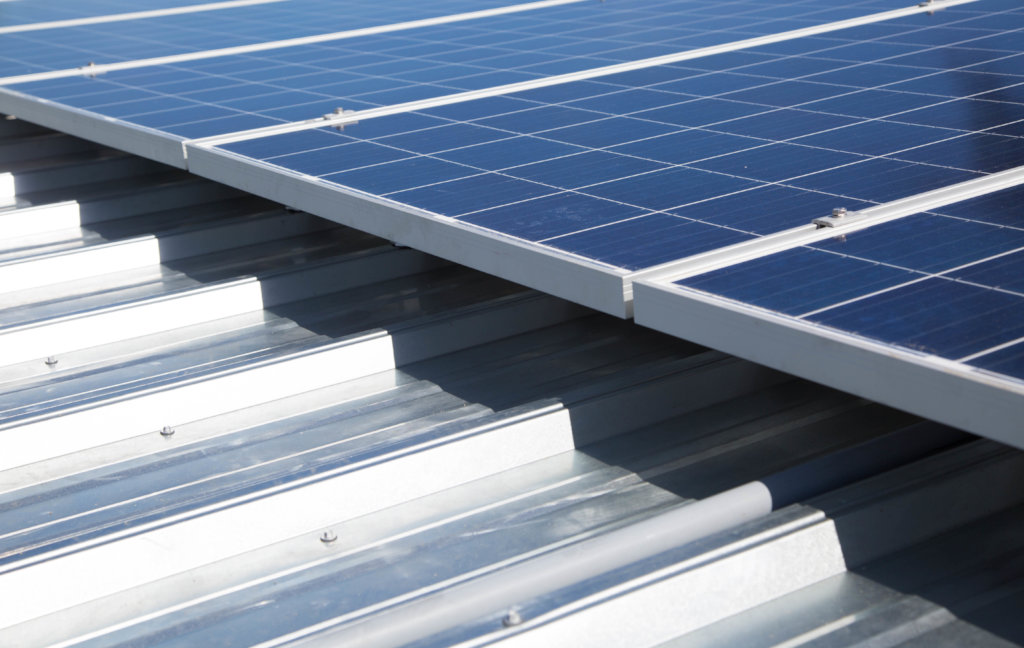
This proposal was presented to EDA (Economic Development Administration) in late 2018. During summer of 2019 a $4 million grant was approved and was able to define a specific quantitative goal:+ 40 sites with 2,695 solar panels with hurricane-resistant racking, AC inverter batteries, metering and appurtenances that will allow to solarize most of small business and non-profit organizations in Culebra. The small island will become sustainable in terms of energy but also in terms of economic development, as these infrastructures will guarantee sustained economic activity among the islanders. It will also create construction and installation job on the short term and potential maintenance and repair entrepreneurship activity on the long term.
The project will provide a more robust and resilient energy infrastructure, uninterrupted services and year-long economy on energy costs. It will also lower the cost of doing business for Culebrenses.
Some projected outcomes are:
1. This is the first phase of Culebra becoming the first island in America to have a renewable energy infrastructure.
2. Provide renewable energy infrastructure to 100% of Culebra’s business and non-profit sector.
3. Retention of current jobs and the creation of new economic opportunities.
4. Increase the ability to anticipate, withstand and bounce back from future catastrophic events
Because the complexity of the project and the regulatory processes involved we began the Request For Proposals (RFP), to contract engineering services by December 2019 and with the expectation to complete all contracting process by May 2020. With the January 2020 earthquakes and now the COVID-19 pandemic, we may be delayed. Meetings with the Major of Culebra, and the leaders of the Non-Governmental Organizations were held on March 12. An onsite walkthrough and preliminary inspection of all the properties was also performed in March 13, 2020. We foresee to start on-site installation by the beginning of 3Q of 2020.
As part of this proposal, we have to engage in a $1 million matching, we had previously received $100,000 from GlobalGiving and on January 2020, they awarded an additional $150,000, to increase their total contribution to $250,000, that is added to the $120,000 Prudential grant and an anonymous donor with $25,000. We’ve reached $345,000 from our matching requirement. We’re still $655,000 under, which we’re looking forward to continuing to engage new partners.
Project reports on GlobalGiving are posted directly to globalgiving.org by Project Leaders as they are completed, generally every 3-4 months. To protect the integrity of these documents, GlobalGiving does not alter them; therefore you may find some language or formatting issues.
If you donate to this project or have donated to this project, you can receive an email when this project posts a report. You can also subscribe for reports without donating.










