By Sultan Ahmed | Project Leader
Organization Background
Since 2006, the French Medical Institute for Mothers and Children (FMIC) in Kabul has been a beacon of hope and a model of healthcare excellence in Afghanistan. Established through a pioneering public–private partnership among the Governments of Afghanistan and France, La Chaîne de l’Espoir, and the Aga Khan Development Network (AKDN), and managed by the Aga Khan University, FMIC has transformed healthcare delivery across the country.
With 176 beds and a multidisciplinary team of highly trained Afghan and international professionals, FMIC provides advanced diagnostics, life-saving surgeries, emergency care, and specialized consultations to patients from all 34 provinces. To date, FMIC has welcomed over 2.3 million patient visits, performed more than 59,000 surgeries, and processed 6.8 million laboratory tests. Its Patient Welfare Program has supported more than 840,000 patients with financial assistance exceeding USD 60 million, ensuring that even the most vulnerable have access to high-quality care. Beyond clinical services, FMIC has trained 92 specialists across nine disciplines and more than 8,000 healthcare professionals nationwide, strengthening Afghanistan’s health system for the long term.
Project Update: Solarizing Healthcare for Resilience
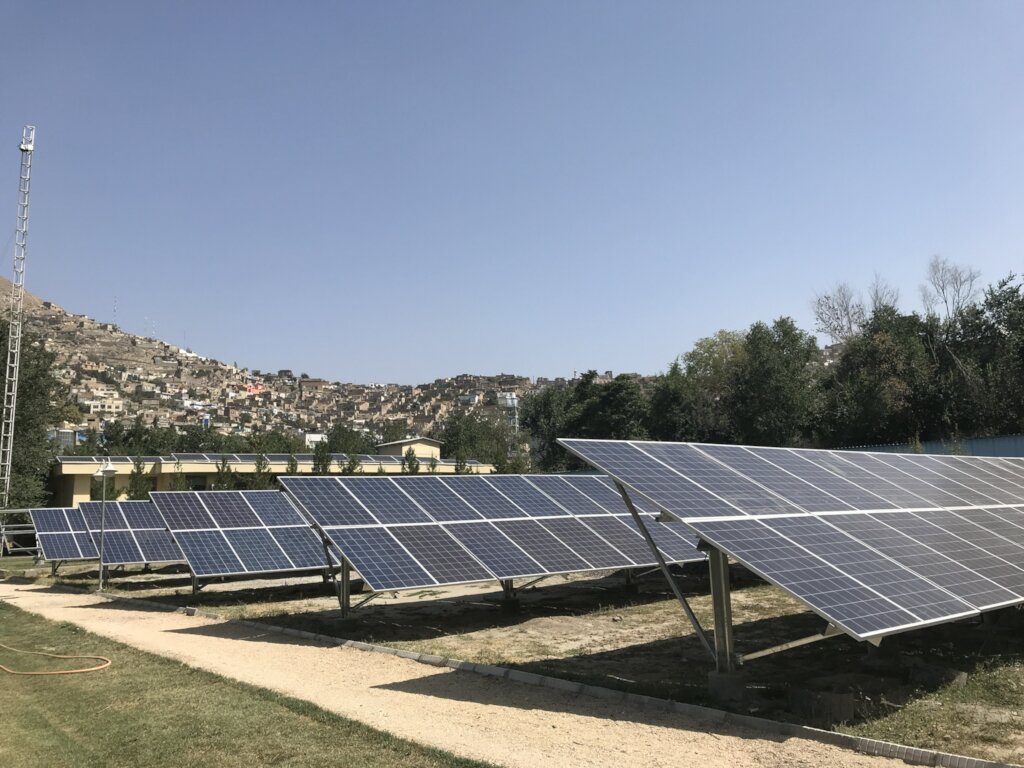
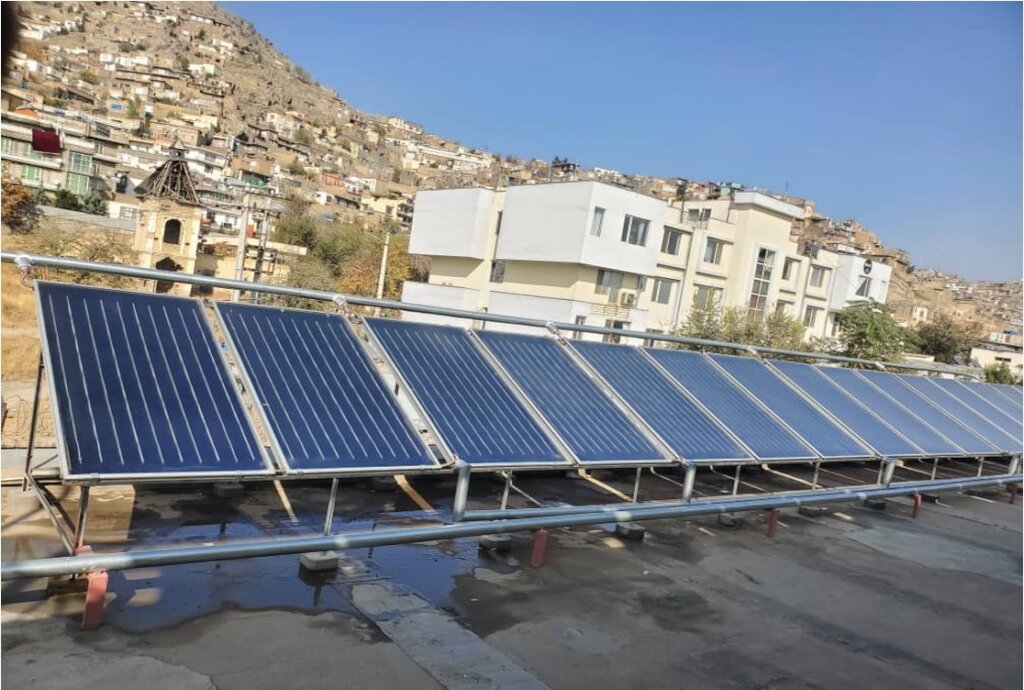
FMIC’s solarization journey is transforming healthcare sustainability in Afghanistan. Phase I, completed in 2019, installed a 160 kW rooftop solar plant, covering 14% of the hospital’s electricity needs and preventing over 300 tons of CO emissions annually.
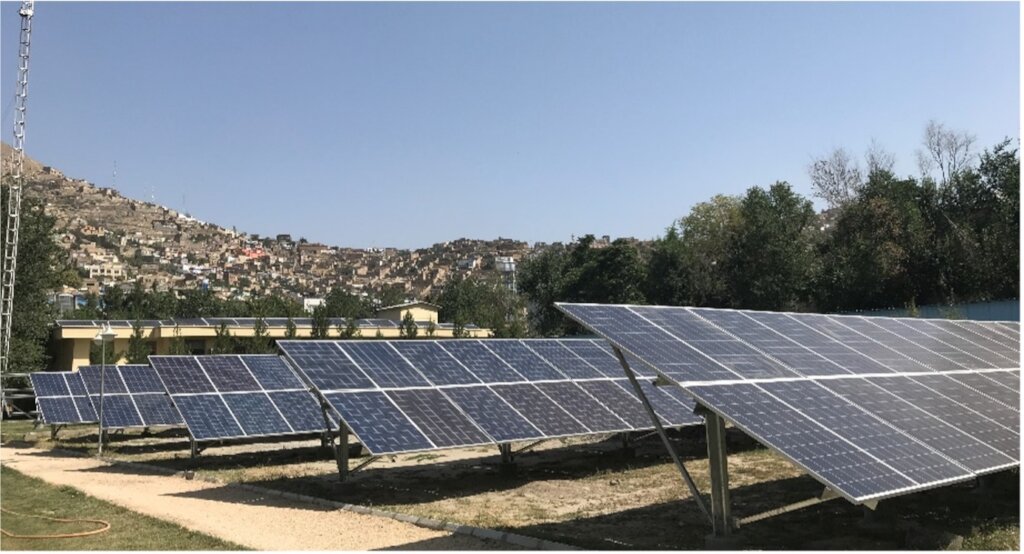
In a major milestone, Phase II (1 MW capacity) was inaugurated recently and is now fully operational. This expansion now allows FMIC to cover most of its daytime electricity demand with clean energy, significantly reducing dependence on diesel generators and mitigating frequent grid outages. It has already lowered energy costs and ensured more stable power for critical units, including operating rooms, ICUs, and laboratories.
Looking ahead, Phase III will add an additional 3 MW of solar power through a wheeling arrangement, enabling FMIC to become fully energy self-sufficient during the day. Once complete, FMIC will cut over 1,500 tons of CO emissions annually, reduce energy expenses by up to 60%, and free over USD 825,000 per year to be reinvested into patient welfare and care for underserved communities.
Why Your Support Matters
Your contributions have made these milestones possible. Reliable solar energy is already protecting premature babies in neonatal intensive care, powering surgeries without interruption, and keeping diagnostic labs running — even during grid failures. By supporting Phase III, you are helping FMIC reach full clean-energy coverage and set a replicable model for other hospitals across Afghanistan.
Next Steps
With Phase II successfully completed, FMIC is now seeking USD 2.7 million to implement Phase III and achieve full solarization. Your continued partnership will power a greener, more resilient health system and ensure sustainable, life-saving care for millions of Afghans for years to come.
Project reports on GlobalGiving are posted directly to globalgiving.org by Project Leaders as they are completed, generally every 3-4 months. To protect the integrity of these documents, GlobalGiving does not alter them; therefore you may find some language or formatting issues.
If you donate to this project or have donated to this project, you can receive an email when this project posts a report. You can also subscribe for reports without donating.



Support this important cause by creating a personalized fundraising page.
Start a Fundraiser