By Ana Godinez | Project Leader
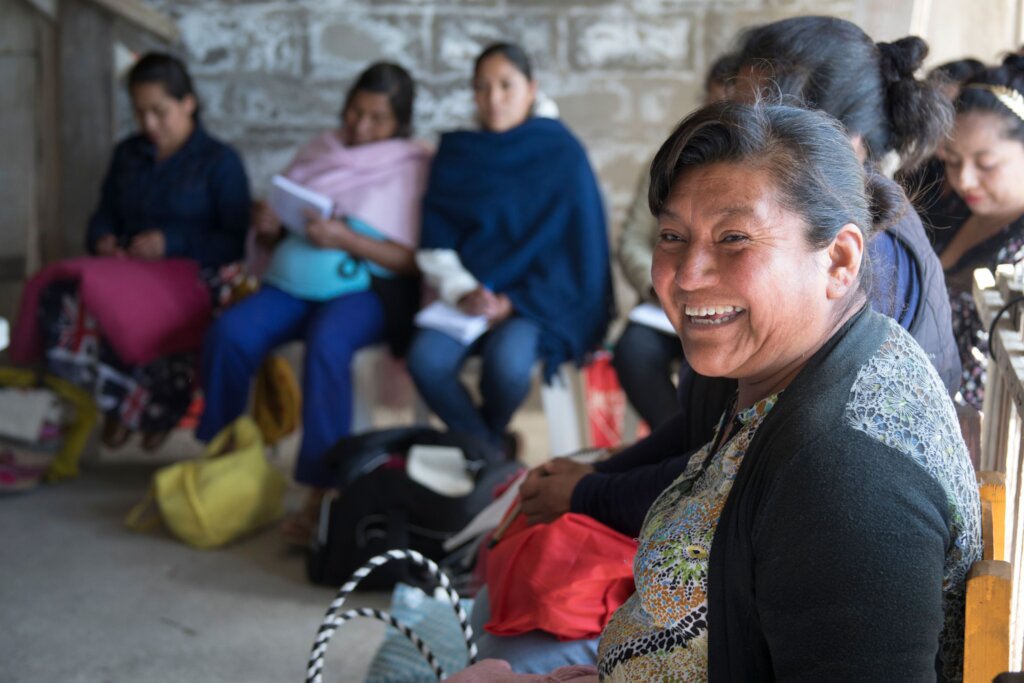
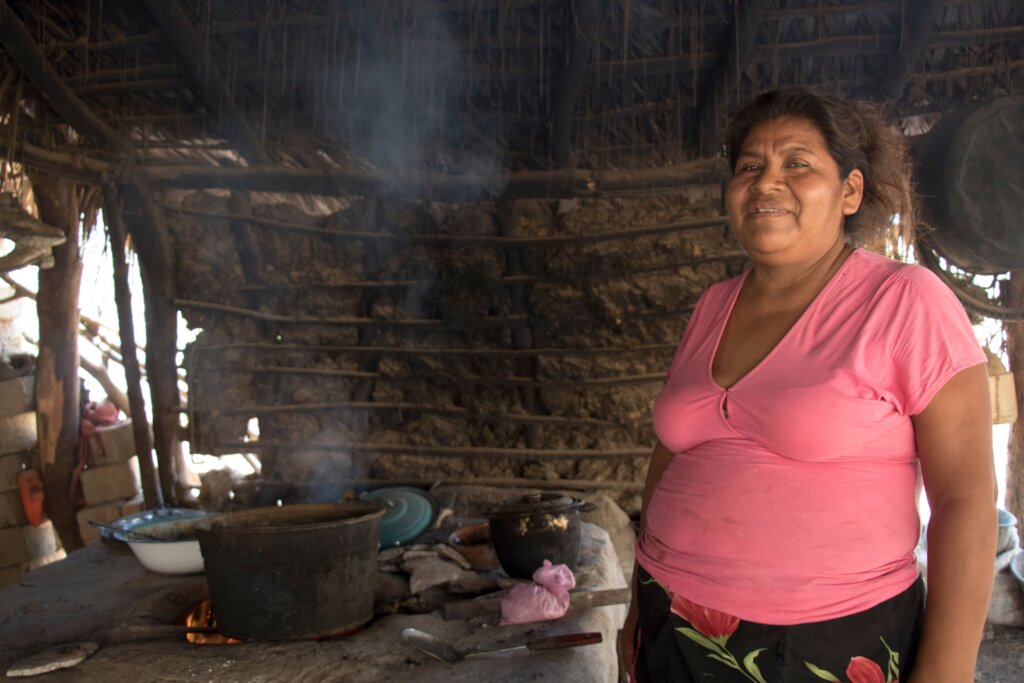
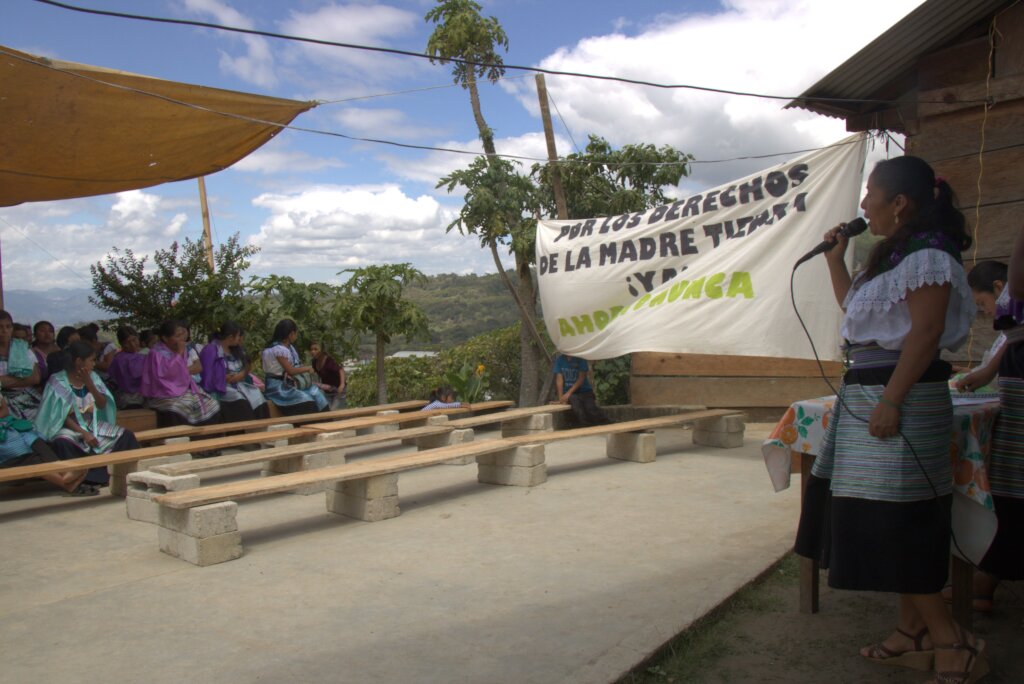
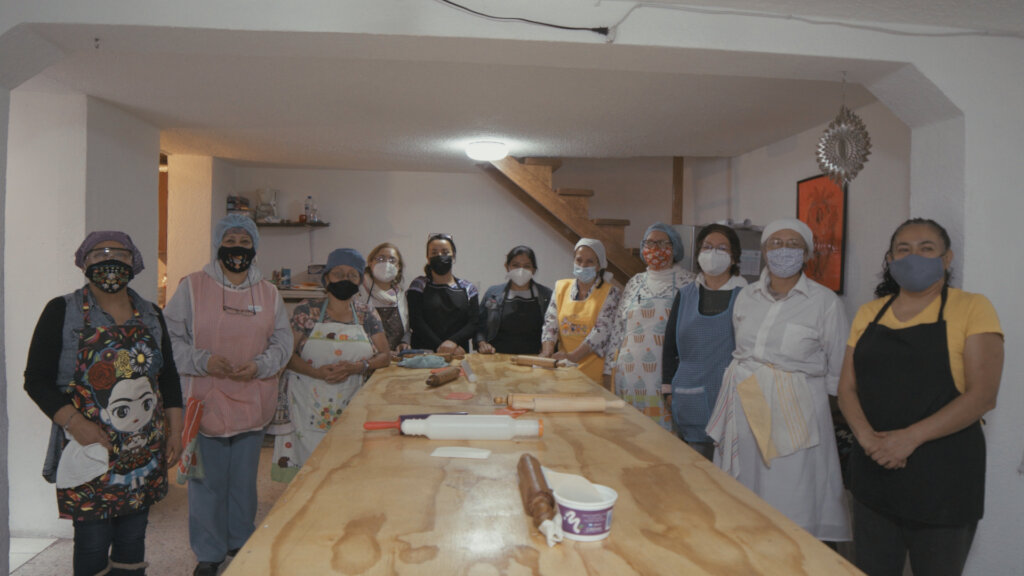
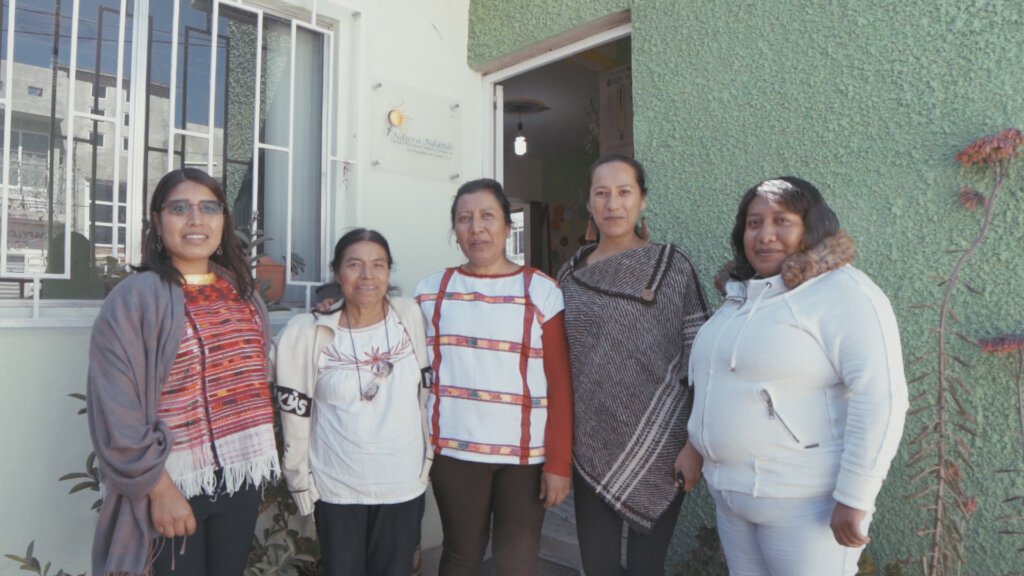
The grassroots organizations[1] supported by Fondo Semillas, working on the prevention and response to violence against women, continue to strengthen their efforts across 30 states[2] in Mexico, reaching a wide diversity of populations, such as: trans* and cisgender women; girls, youth, and older women; Indigenous and Afro-Mexican women; migrants; women with disabilities; rural women; women in prison and formerly incarcerated; bisexual women; lesbians; sex workers; and non-binary people. In total, 641 activists make up this portfolio, committed to transforming realities directly from the territories.
During this period, we highlight the work of Anagúpi Nikúroka and Enraizarte, which led processes aimed at children and Indigenous communities, promoting access to information on rights and violence prevention from a culturally relevant perspective. A valuable aspect of these initiatives is the use of Indigenous languages, such as Rarámuri and Maya, which not only expand the reach of the content but also strengthen community ownership. Along these lines, Igualdad Sustantiva Yucatán has developed materials that bring prevention processes closer to more women in their own language.
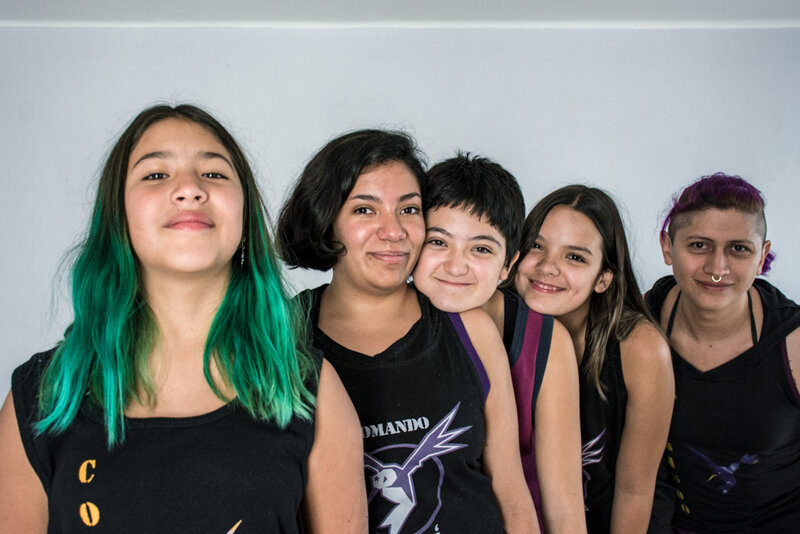
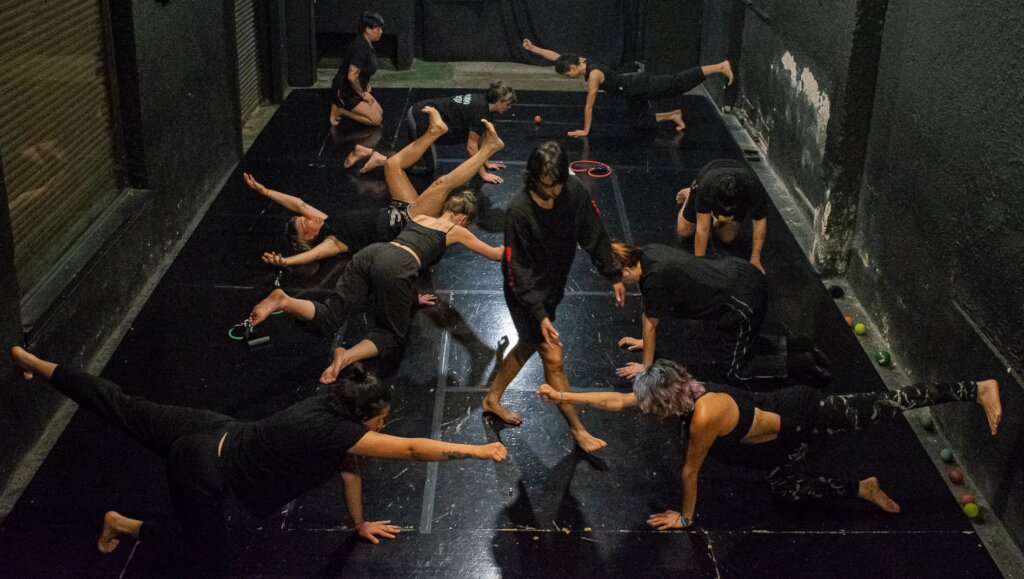
The strategies of the organizations are diverse and creative. Some focus on close accompaniment, legal counseling, and research, while others use play, art, and joy as tools for healing for girls and women who have experienced violence. Groups such as Comando Colibrí and Mutatis offer feminist self-defense classes, while Igualdad Sustantiva has taken firm steps in the prevention and response to digital violence, a growing concern in the lives of children and youth.
“Back in 2019, eleven of Mónica’s classmates took and circulated an intimate video of her without her consent. They even charged others to access it. Facing ongoing harassment, she decided to report the crime. The process of seeking justice has been long and revictimizing… Despite the obstacles, Mónica has not given up: today she demands that all those involved be held accountable and that local authorities, particularly the State Attorney General’s Office (FGE), be trained to treat victims with dignity and investigate crimes with a gender perspective. Our program for victim support was born from conversations and emotional accompaniment with Mónica and her family.”
— Igualdad Sustantiva Yucatán
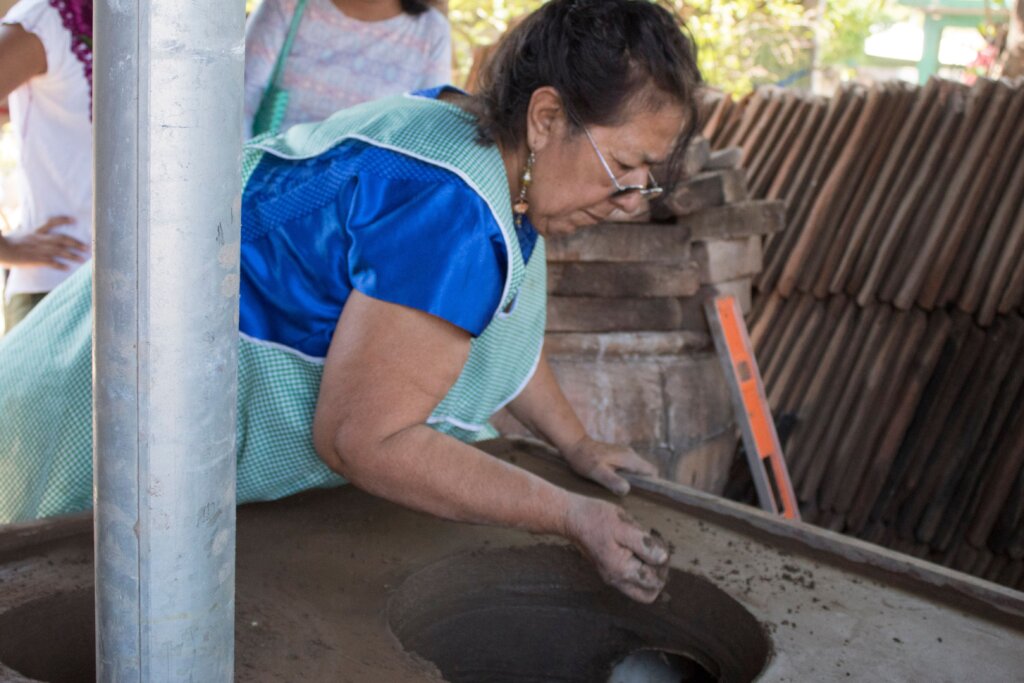
Recognizing the importance of strengthening and expanding community services to address diverse needs in a comprehensive way, the groups reported an increase or improvement in services in areas such as food, education and culture, legal services, health, security, recreation, self-care and collective care, as well as shelter. They also provide legal defense and psycho-emotional support.
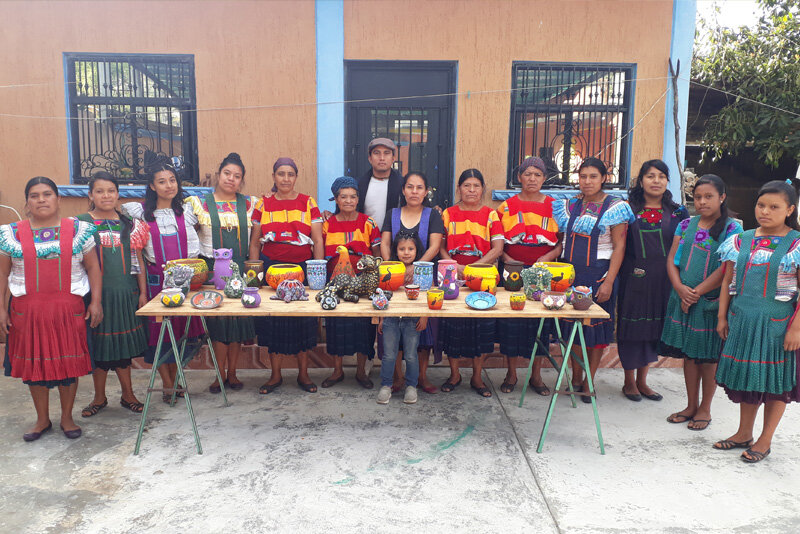
For example, members of SIWA gave talks and lectures to families and survivors of feminicidal violence. They also run the PsicoSIWA program, facilitated by a specialized psychologist, which seeks to promote practices of self-care, collective care, and positive conflict management. In addition, they carry out strategic litigation in 22 cases involving attempted feminicide, feminicides, disappearance, sexual violence, and domestic violence.
Furthermore, the organizations have promoted the participation of 40 women in decision-making spaces and facilitated access to resources that strengthen their capacities and autonomy. Significantly, 16 survivors of feminicide have become community leaders. This milestone has a profound social and cultural impact, as it transforms women who have faced one of the most extreme forms of violence into referents of resistance, organization, and collective defense. Their leadership not only makes visible the violence that persists but also reshapes narratives of victimization, placing survivors at the center of struggles for justice and reparation.
The results reported during this period show that the supported organizations are not only expanding their services and strengthening their structures, but also achieving significant institutional and legislative changes. Community organizing, comprehensive support, and political advocacy are consolidating as key strategies to confront the multiple forms of violence and inequality that persist across the country.
[1]Anagúpi Nikúroka;Alerta Violeta, A.C.; Afrochingonas; Centro Comunitario Gúwa Kúma “Inés Fernández Ortega”; Colectivo Proyecto de Búsqueda Guanajuato; Colibrí por la Legítima Defensa, A.C.; Me Cuido, Nos Cuidamos, A.C.; Hasta encontrarte; Ja Ixuke´i Wane Sjaljel b´ej; Mutatis Mutandis; Psicología Feminista y Justicia, A.C.; Red Regional de Familias Migrantes; Resistencia Feminista por la Igualdad Sustantiva, A.C.; Siguiendo Tus Pasos, Colectivo de Familiares de Desaparecidos-Ensenada; SIWA - Artesanas de Paz y Justicia; Sobrevivientes de Feminicidio en México, A.C.; Sorece, Asociación de Psicólogas Feministas, A.C.; Veredas Psicosociales, A.C.; Yip Yatel Tseltal Antsetic, A.C.
[2]Aguascalientes; Baja California; Baja California Sur; Chiapas; Chihuahua; Coahuila; Colima; Durango; Ciudad de México; Estado de México; Hidalgo; Guanajuato; Guerrero; Jalisco; Michoacán, Morelos; Puebla; Oaxaca; Querétaro; Quintana Roo; Nuevo León; Veracruz; San Luis Potosí; Sinaloa; Sonora; Tamaulipas; Tabasco; Tlaxcala; Yucatán; Zacatecas.
Project reports on GlobalGiving are posted directly to globalgiving.org by Project Leaders as they are completed, generally every 3-4 months. To protect the integrity of these documents, GlobalGiving does not alter them; therefore you may find some language or formatting issues.
If you donate to this project or have donated to this project, you can receive an email when this project posts a report. You can also subscribe for reports without donating.



Support this important cause by creating a personalized fundraising page.
Start a Fundraiser