By Yossef Ben-Meir | President
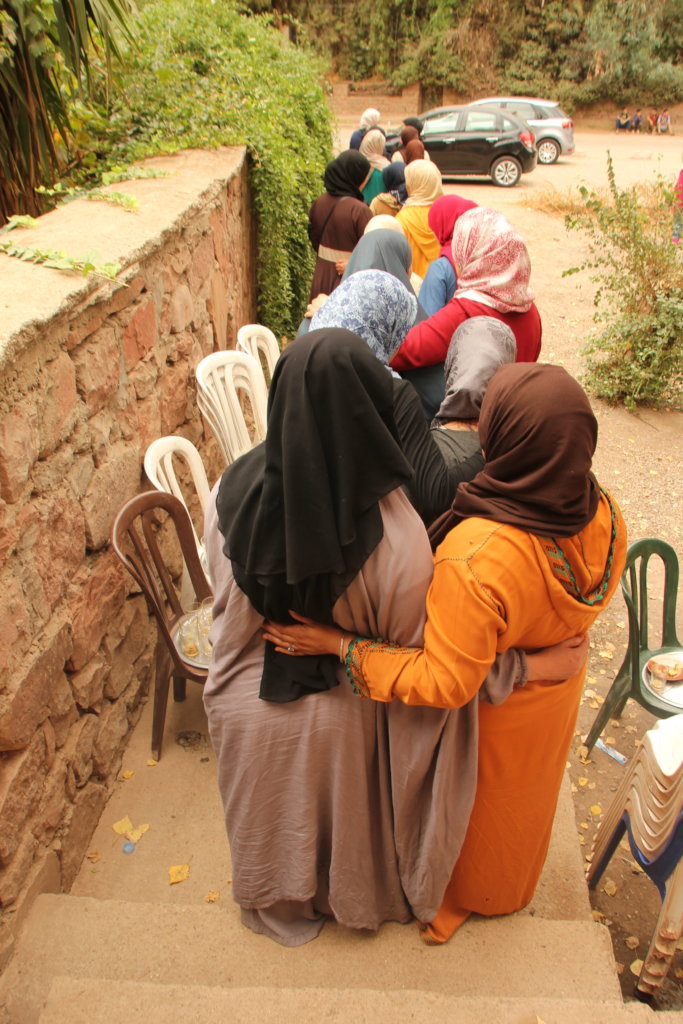
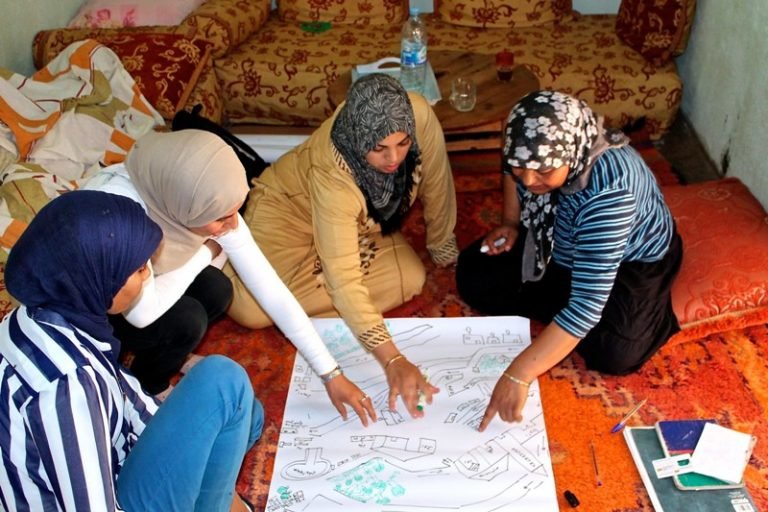
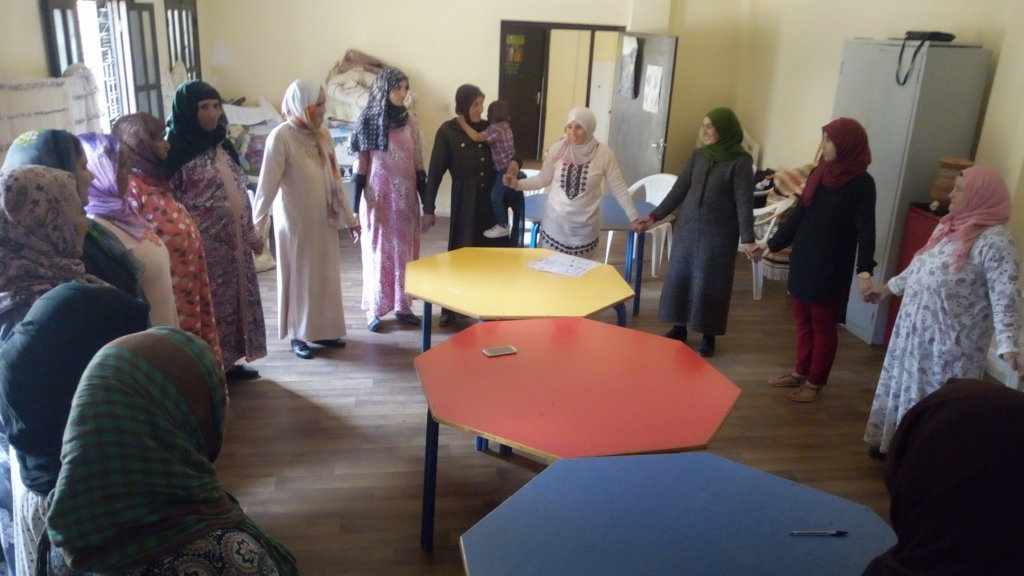
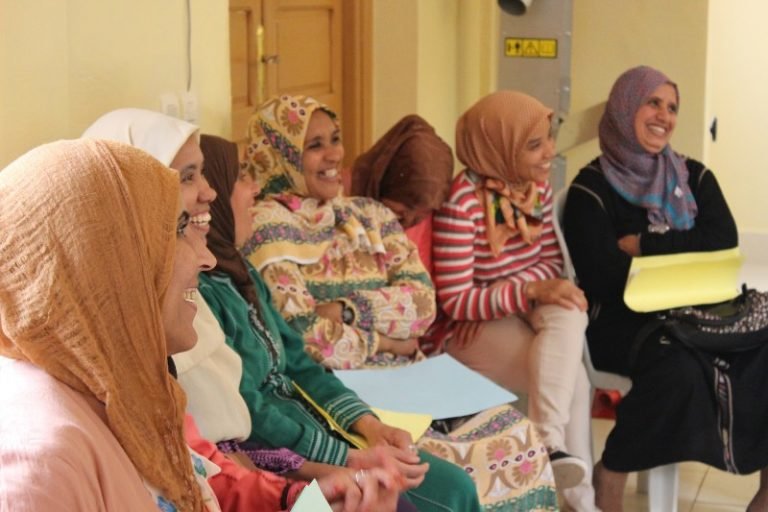
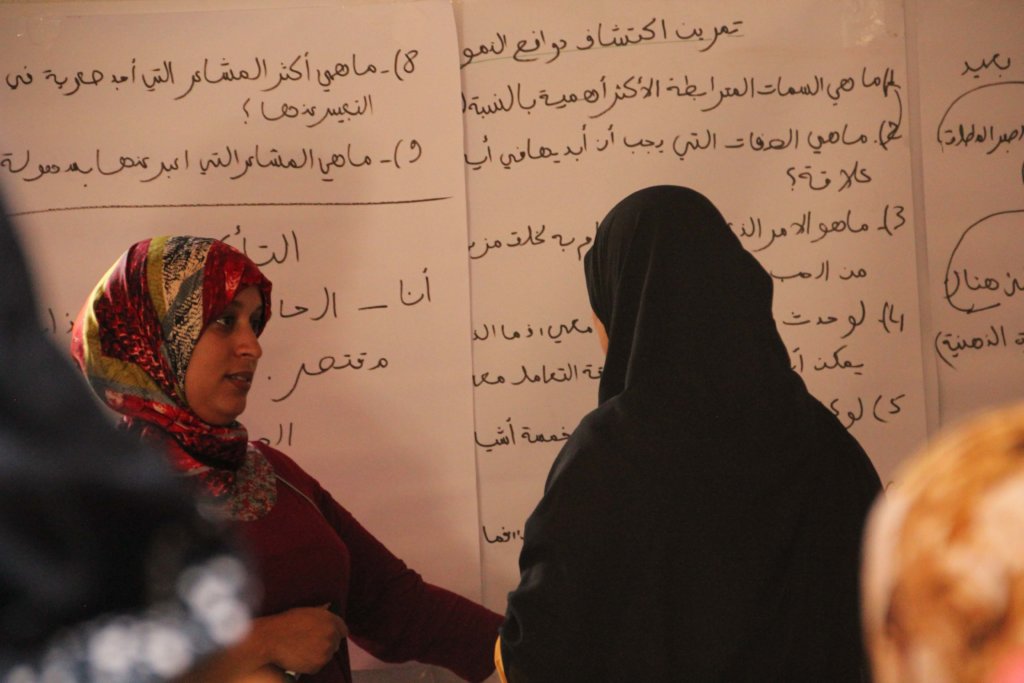
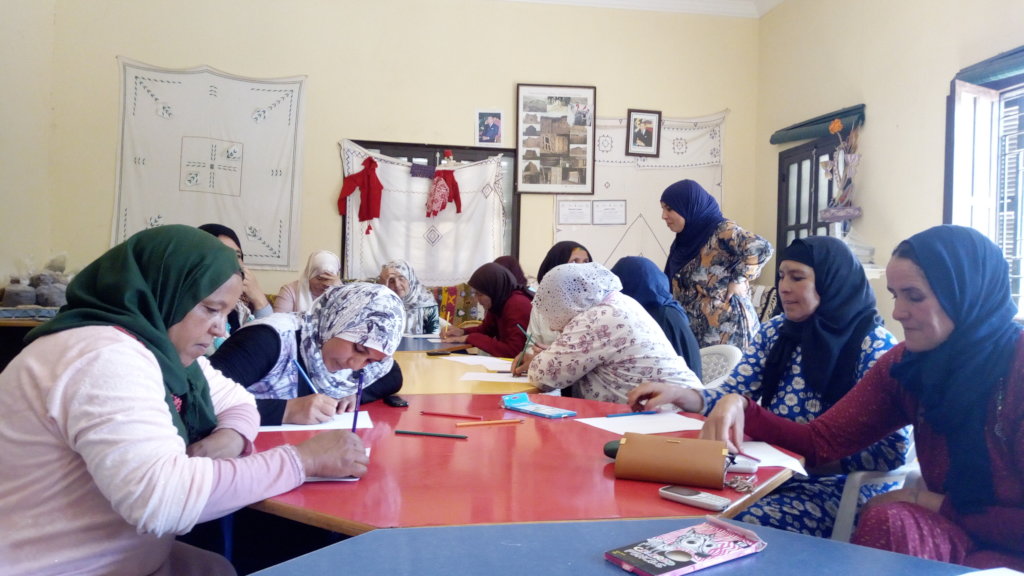
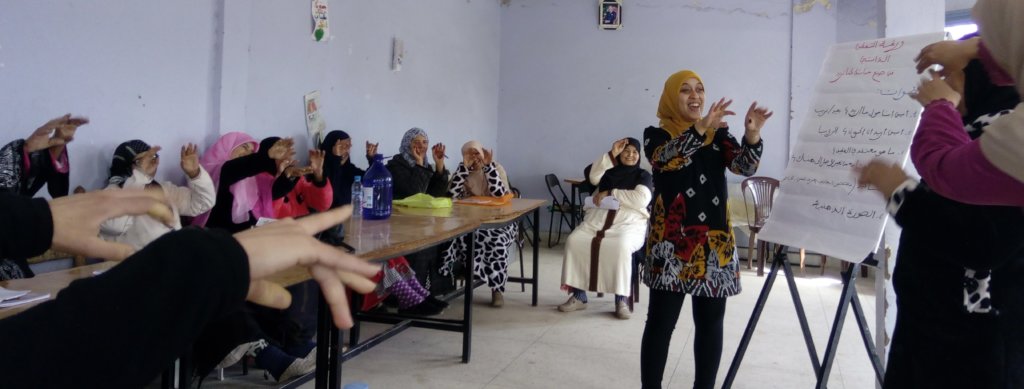
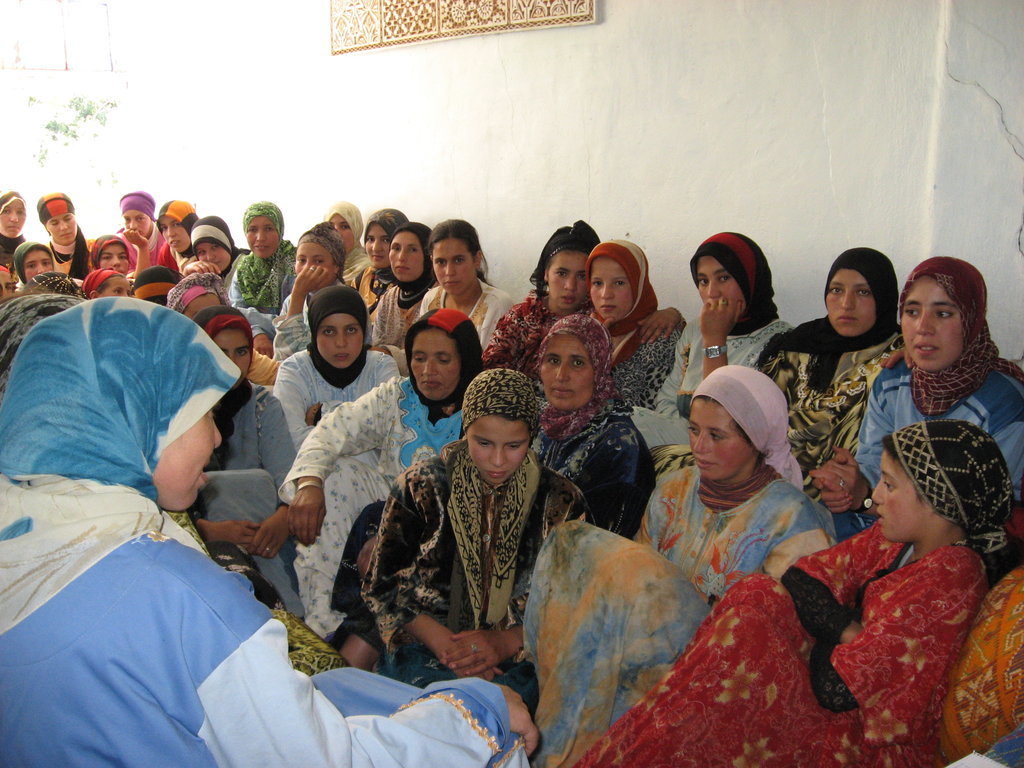
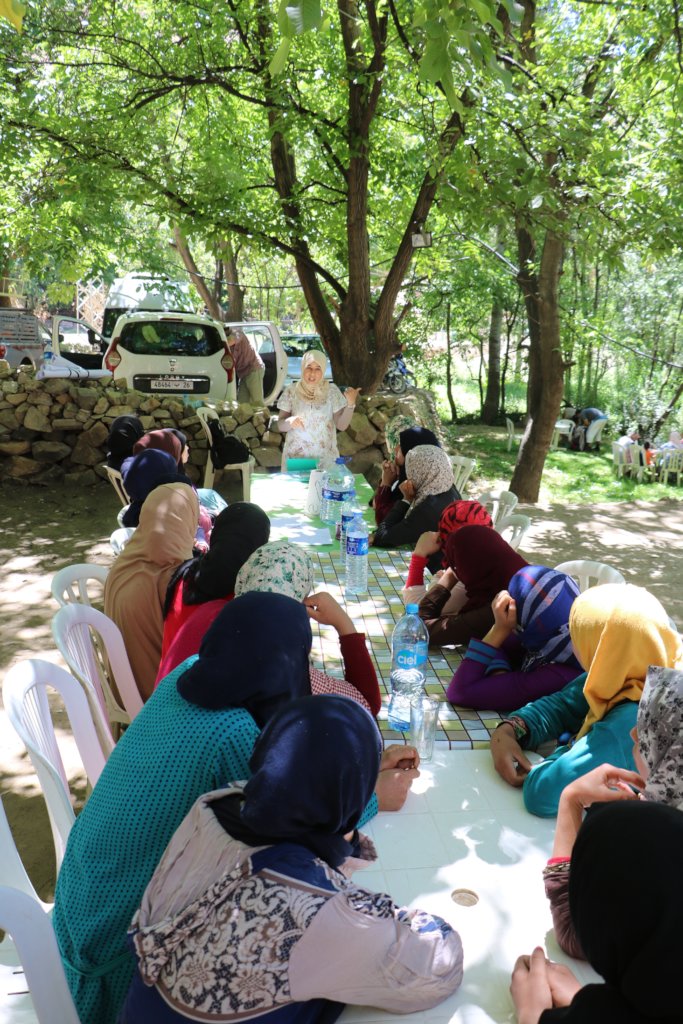
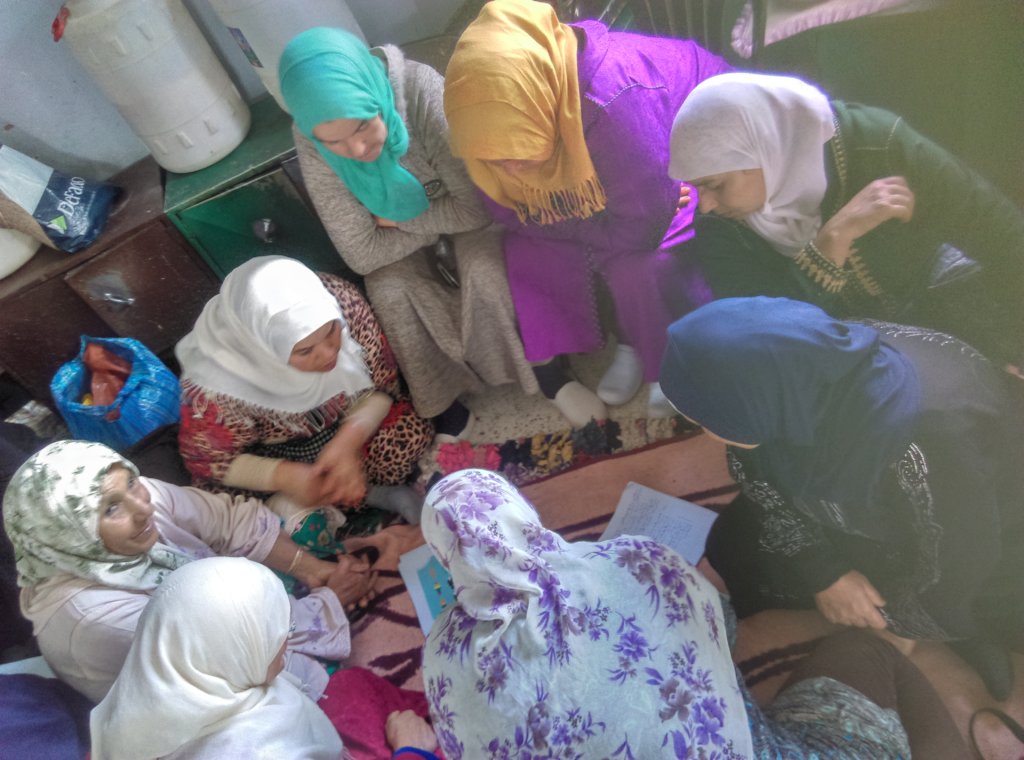
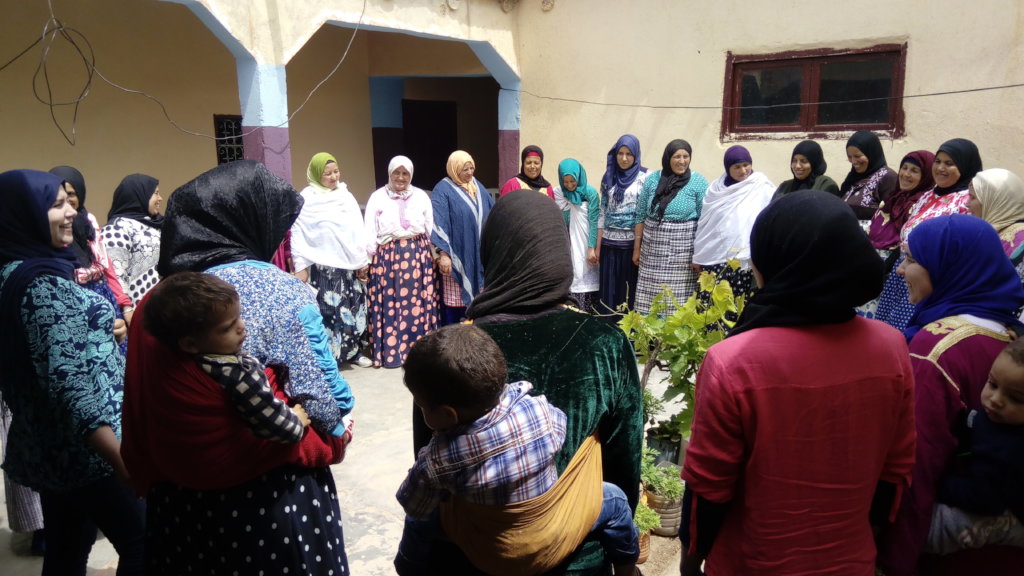
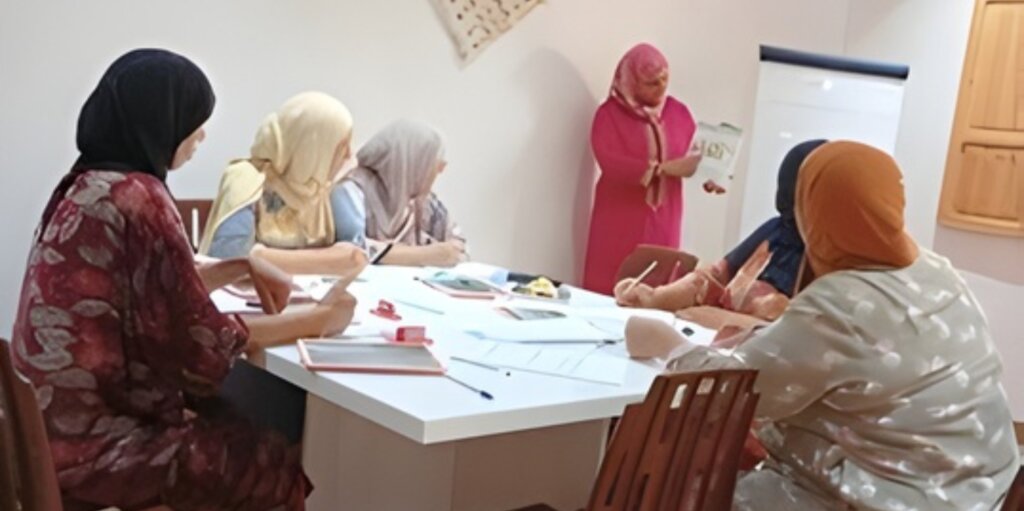
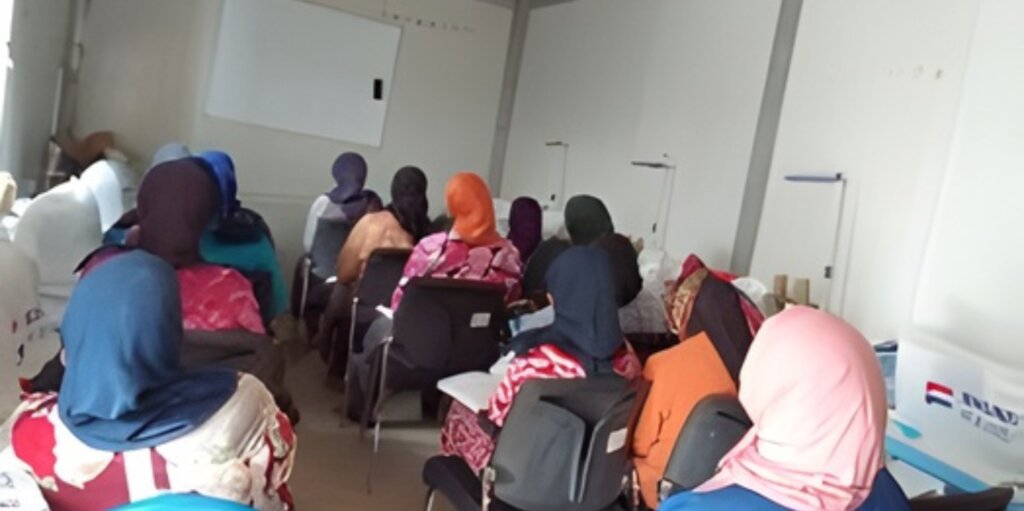
The High Atlas Foundation has recently begun the next phase of its literacy program, marking a significant milestone for women across several cooperatives affected by the 2025 earthquake.
Recognizing that each community faces unique challenges, particularly those still rebuilding their homes, the literacy classes have been implemented using a flexible, context-sensitive approach.
The launch of the literacy classes was deliberately phased, allowing each cooperative to join the program when conditions were favorable.
This approach aligns closely with the Training of Trainers methodology, which emphasizes tailoring adult literacy instruction to learners’ real-life circumstances rather than adhering to a fixed schedule.
By putting women’s lived realities at the center of planning, we aim to foster engagement, consistency, and meaningful learning.
To strengthen the program, we partnered with the National Agency for the Fight Against Illiteracy(ANLCA)in Marrakech, who provided training for all instructors. After the training, we received tailored books for the participants.
These materials are specifically designed for different types of cooperatives (agriculture and artisanal) helping women not only develop reading and writing skills but also gain practical knowledge and guidance to support and grow their businesses.
Once the supplies were prepared, we distributed them to each group, ensuring that every participant had the resources necessary to engage fully in the literacy classes.
The materials immediately began supporting women in applying what they learn to their work, from managing agricultural tasks and understanding business records to improving artisanal techniques and marketing strategies.
This integration of literacy and practical business skills has helped create a smooth start for each group and reinforced the program’s dual focus on education and economic empowerment.
Group-Specific Implementation
1. Zarbiat Achbarou Cooperative (Tameslouht Commune)
2. Sal Atlas Cooperative (Ethnayn Ourika Commune)
3. Timiyourine Nissae Tinmel Cooperative (Talat N’Yacoub Commune)
4. Tifawt Ouidraren Cooperative (Aghbar Commune)
5. Jawhara Ourika Cooperative (Ourika Commune)
All instructors, trained with ANLCA’s support, use learner-centered, participatory methodologies. Classes are adaptive, step-by-step, and responsive to each group’s context.
This flexibility allows instructors to provide high-quality literacy education even in post-crisis environments, creating a supportive space where women can learn at their own pace.
By phasing the start of classes according to each group’s needs, and providing relevant, business-oriented materials, the program ensures sustainability, inclusivity, and meaningful participation.
It also reflects a broader philosophy: literacy programs are most effective when they acknowledge and adapt to learners’ realities, particularly in communities recovering from natural disasters.
HAF would like to sincerely thank Josh Hooper-Kay and Samar Abdelwehab, and their family and friends, for the financial support to make this literacy empowerment program experienced.
Project reports on GlobalGiving are posted directly to globalgiving.org by Project Leaders as they are completed, generally every 3-4 months. To protect the integrity of these documents, GlobalGiving does not alter them; therefore you may find some language or formatting issues.
If you donate to this project or have donated to this project, you can receive an email when this project posts a report. You can also subscribe for reports without donating.



Support this important cause by creating a personalized fundraising page.
Start a Fundraiser