By Doris Kananu | Program Director
Dear Esteemed Partners,
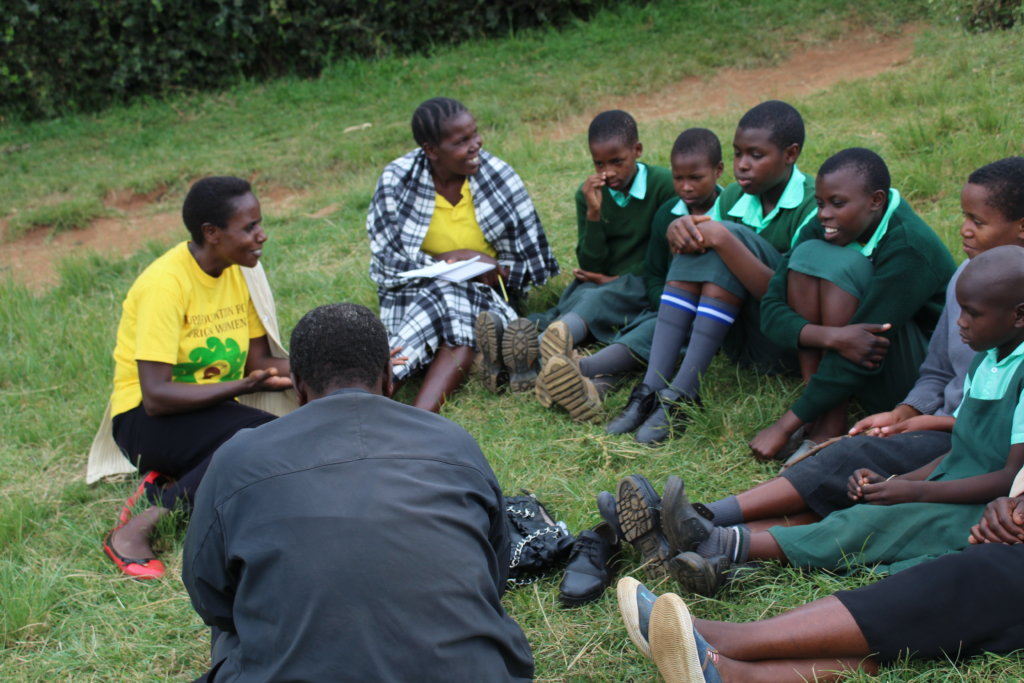
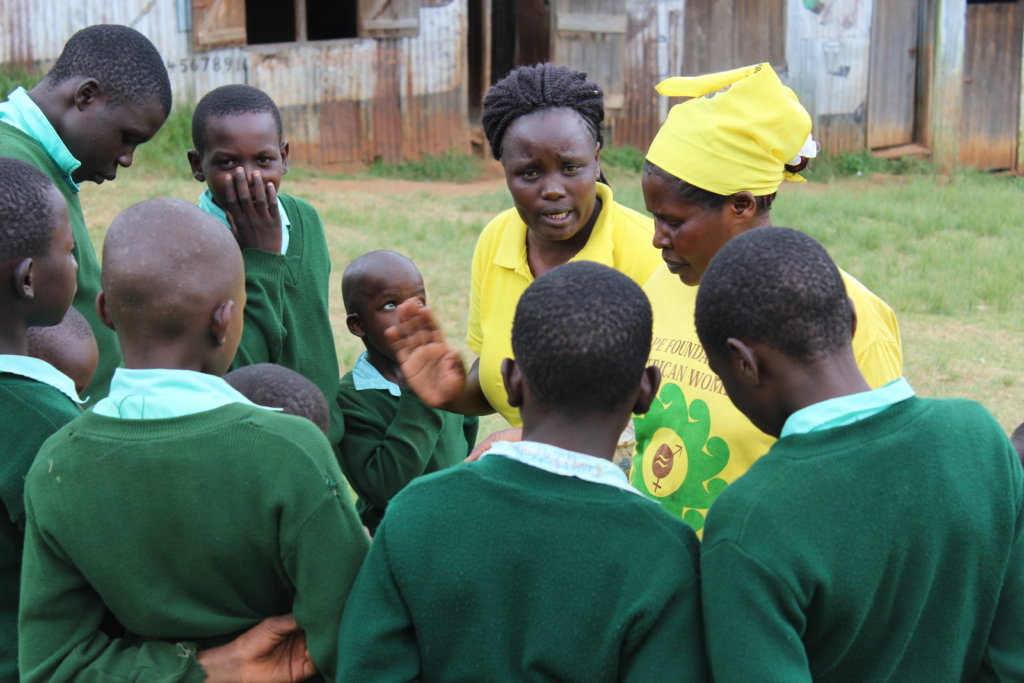
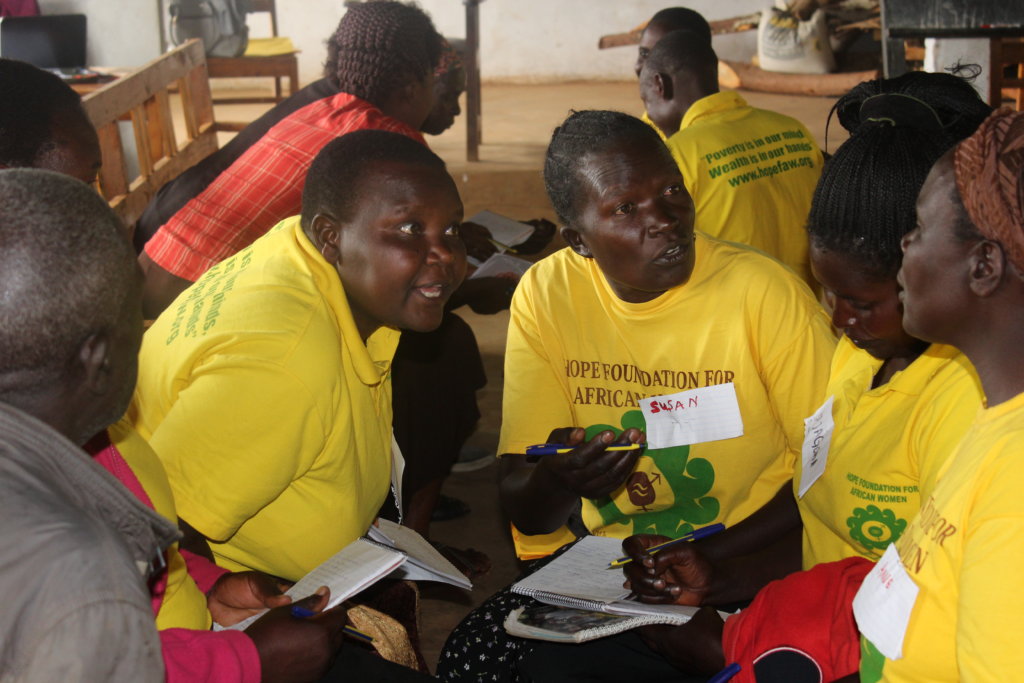
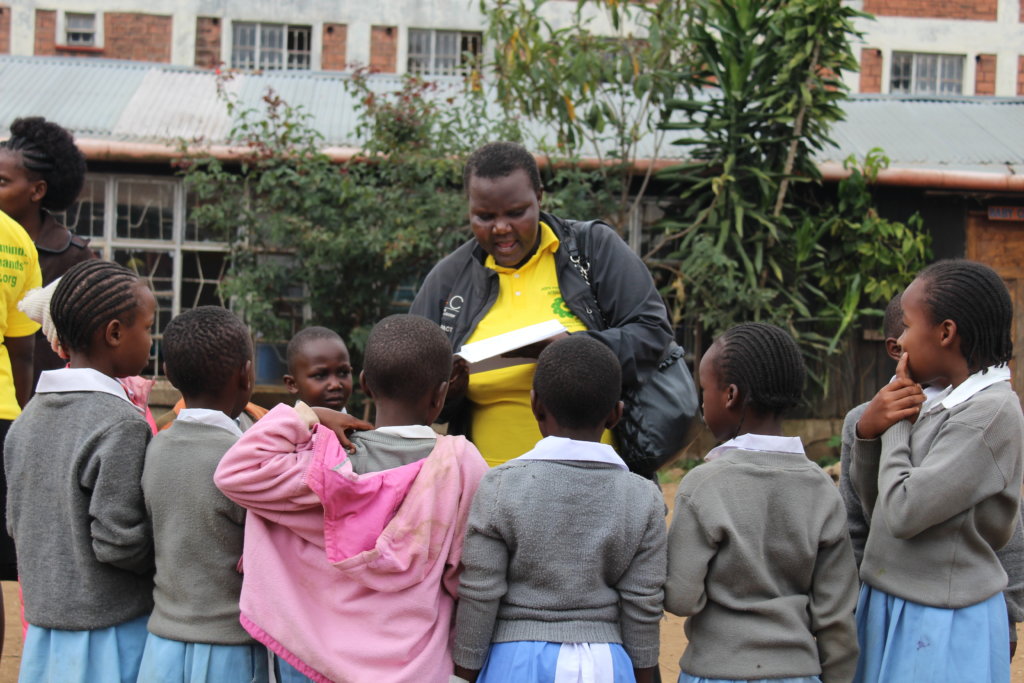
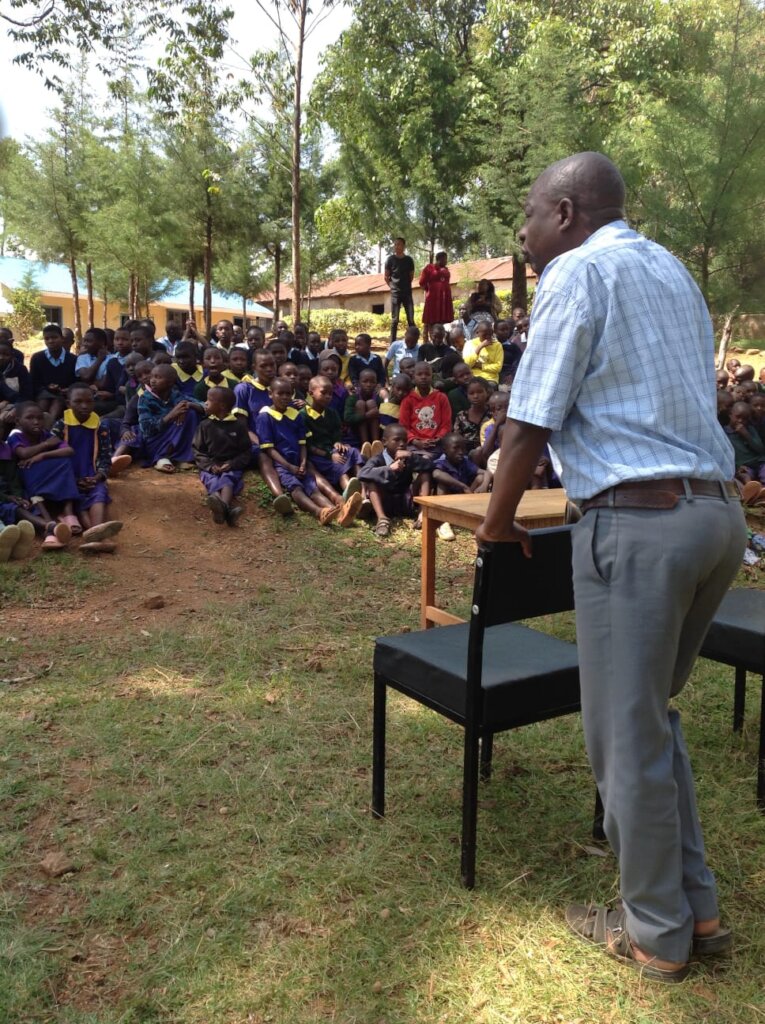
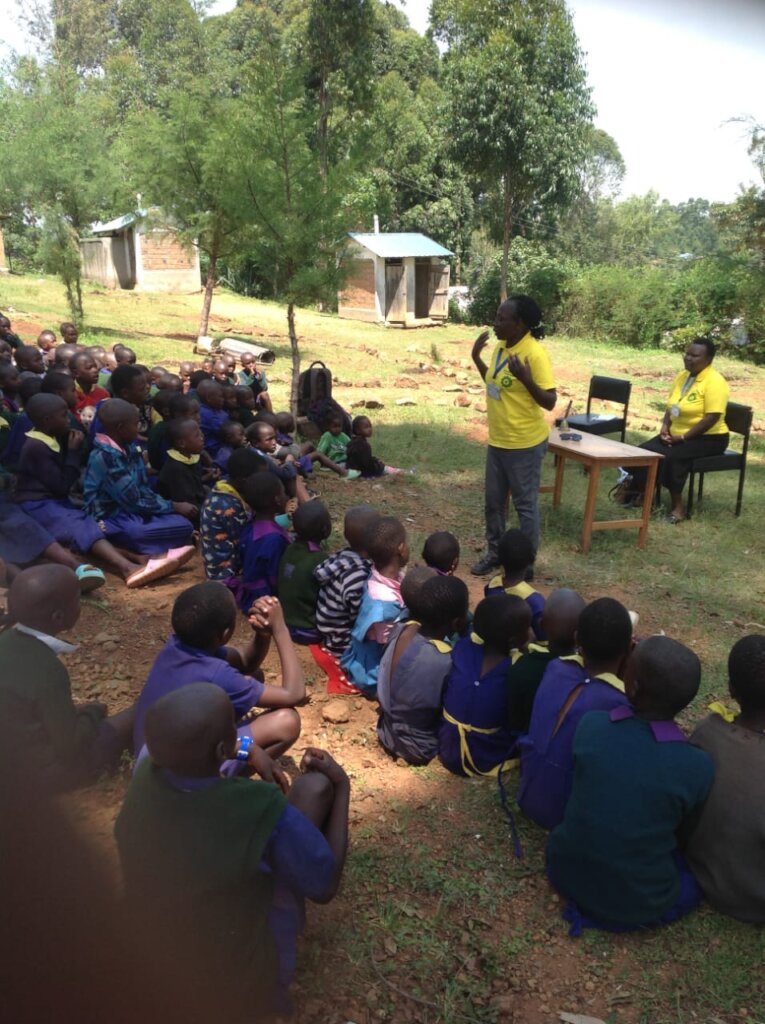
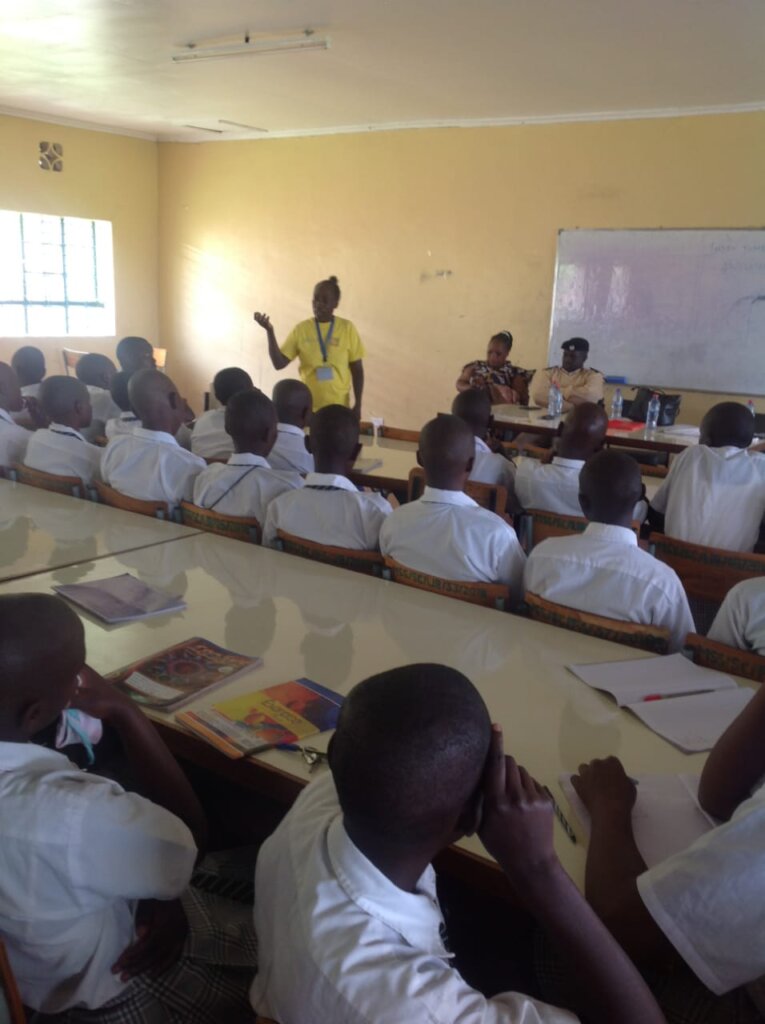
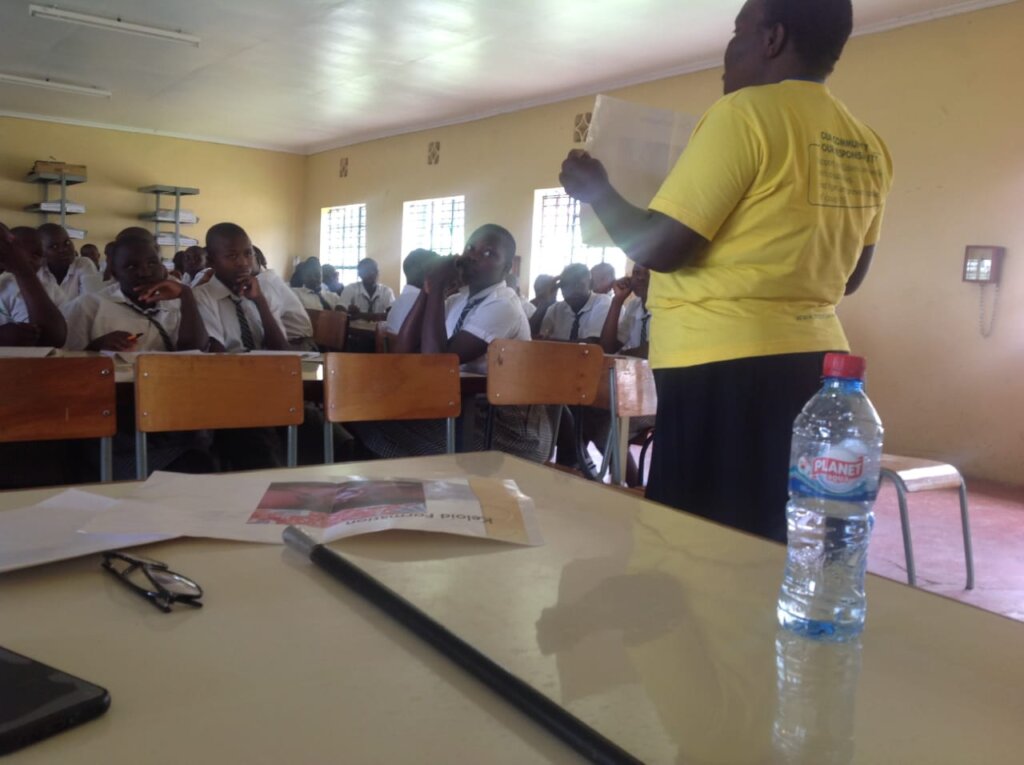
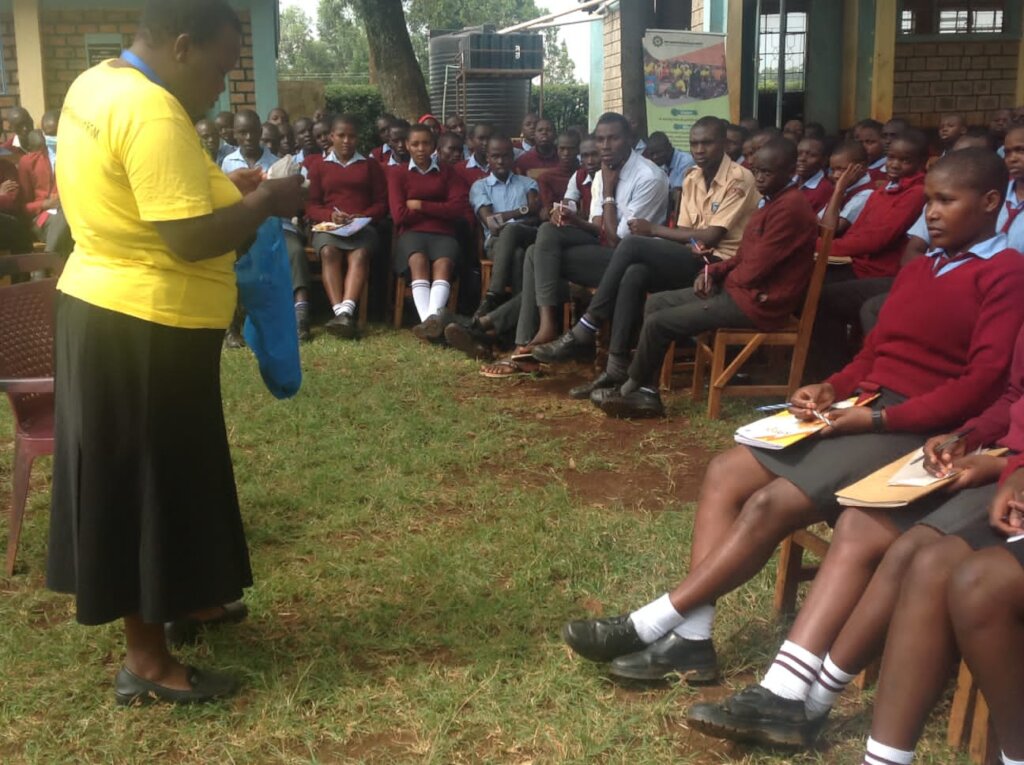
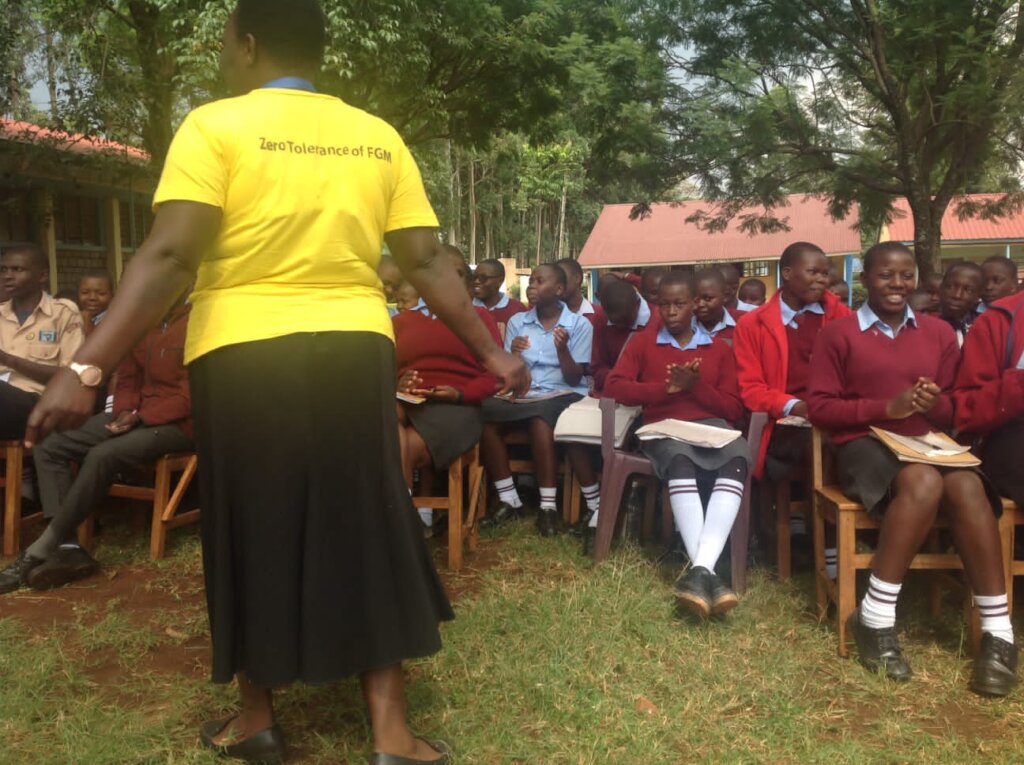
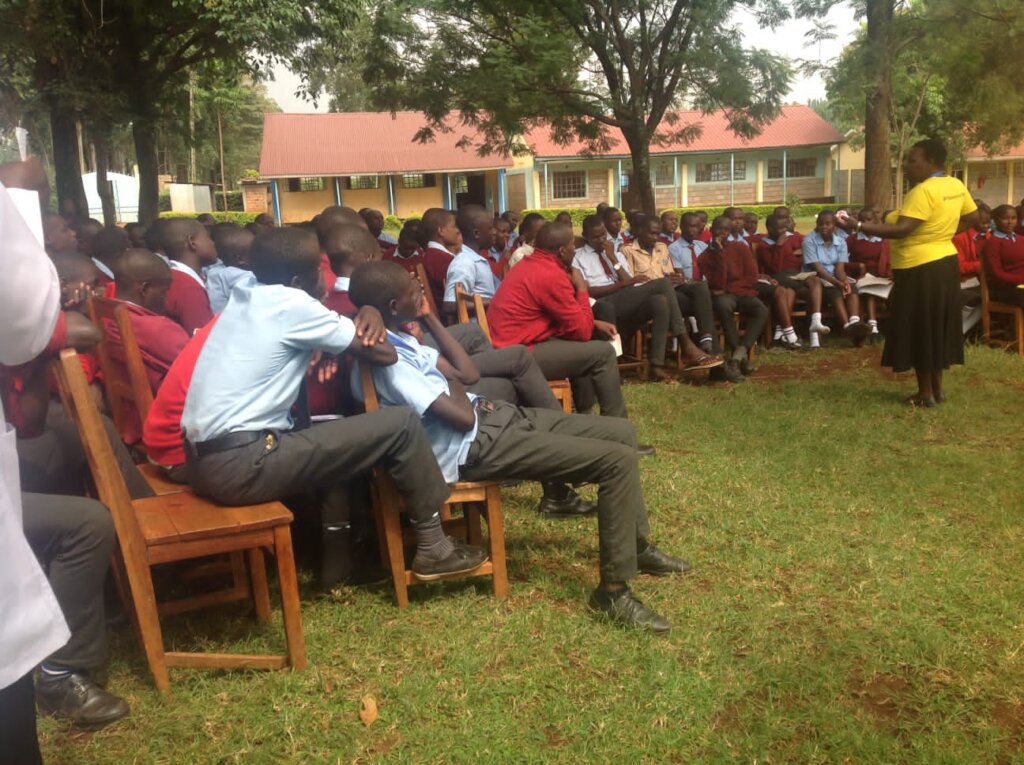
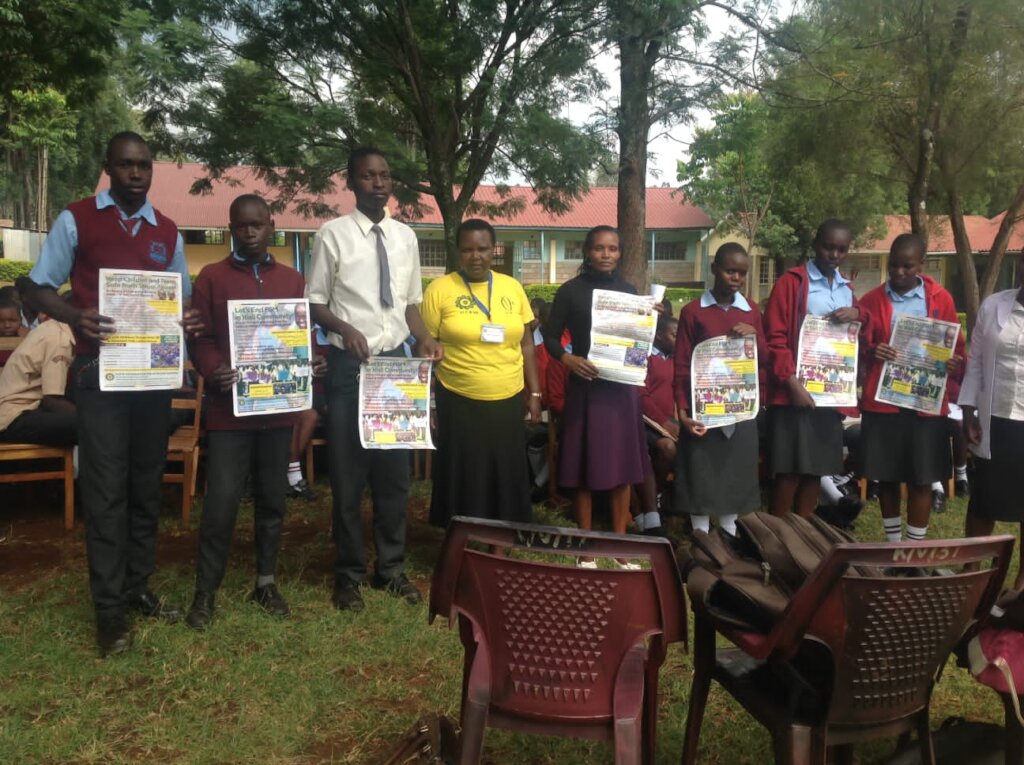
On our recent visit to Kenyerere D.E.B School, the HFAW team conducted an impactful school-based advocacy session focusing on Female Genital Mutilation (FGM) and teenage pregnancy—two interlinked challenges that continue to undermine the health, dignity, and educational outcomes of learners.
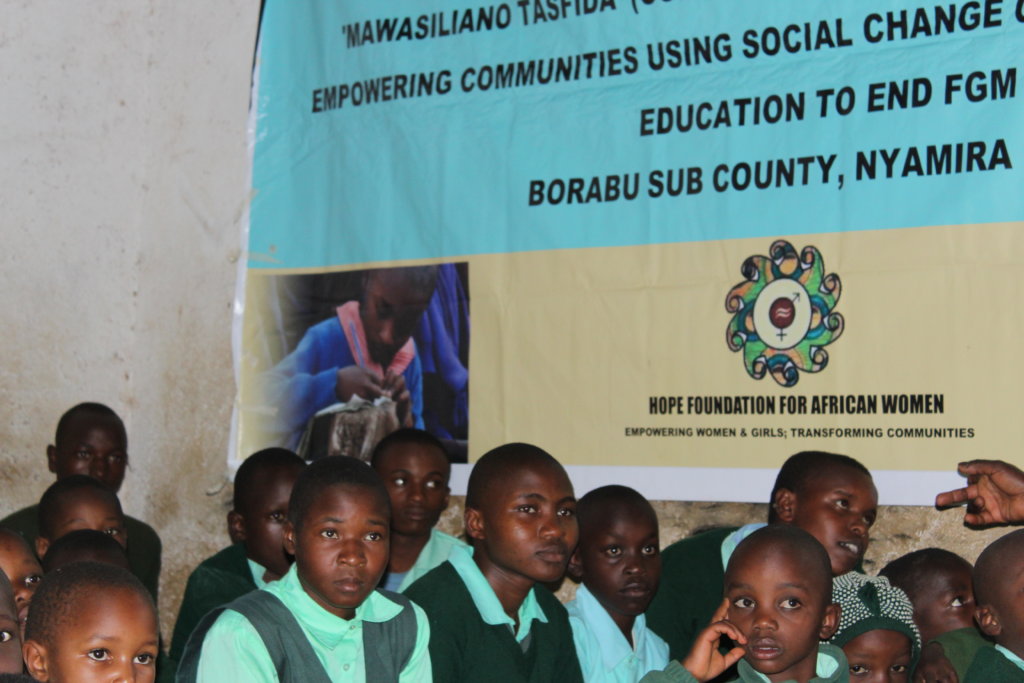
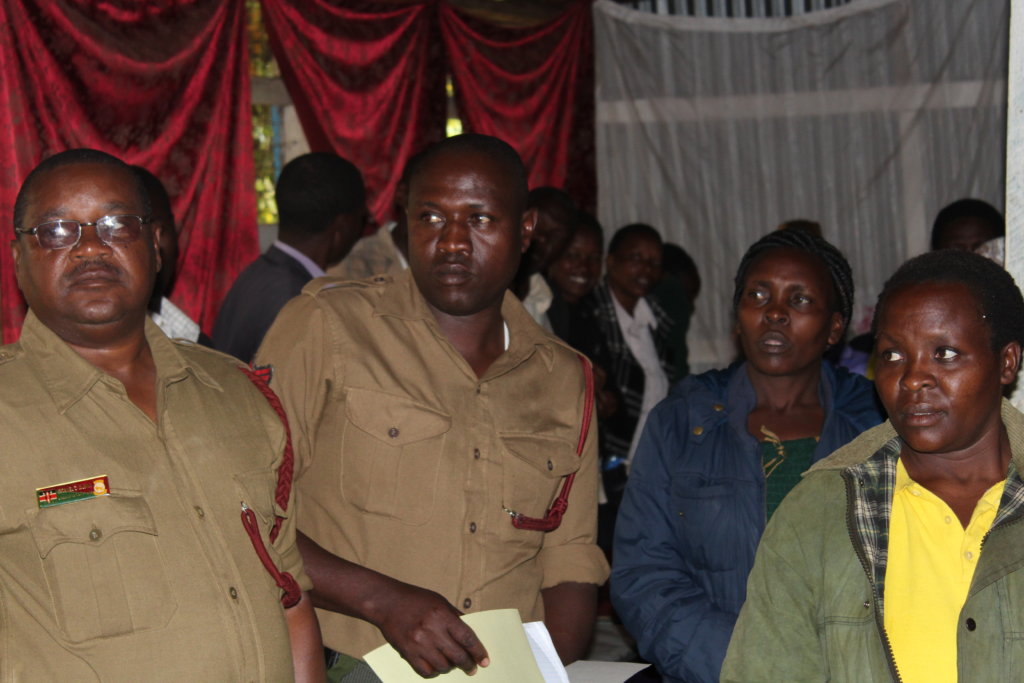
Kenyerere D.E.B School has a total population of 273 learners, comprising 143 girls and 130 boys. The school is supported by 14 teachers (8 male and 6 female) and 4 subordinate staff (2 male and 2 female). The school administration warmly welcomed the HFAW team and expressed appreciation for the initiative, recognizing the importance of open dialogue on Gender-Based Violence (GBV) and adolescent sexual and reproductive health.
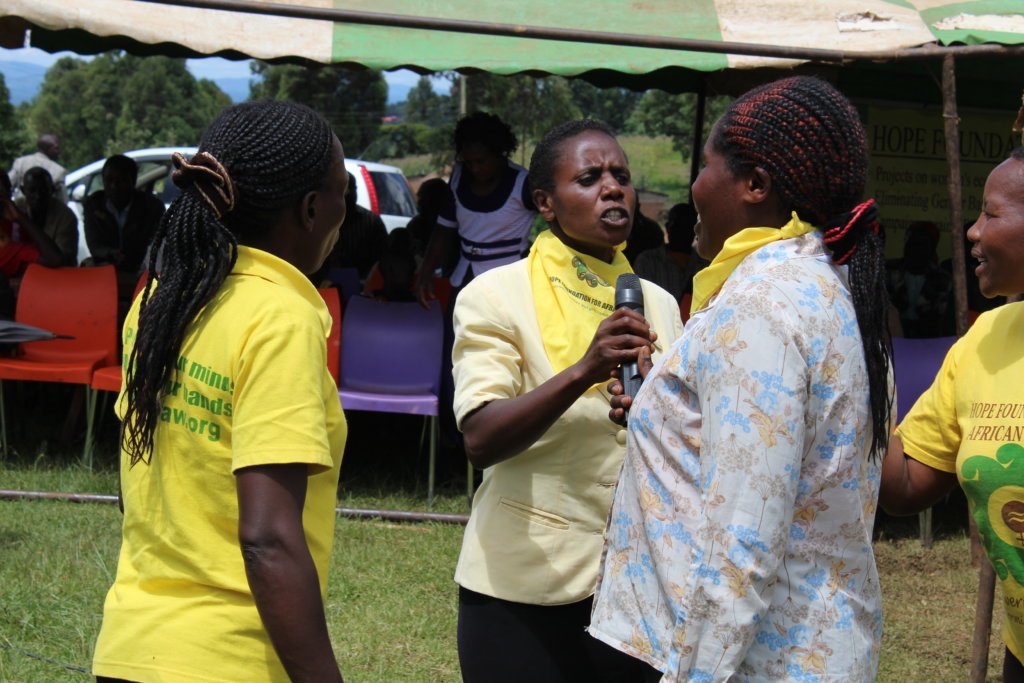
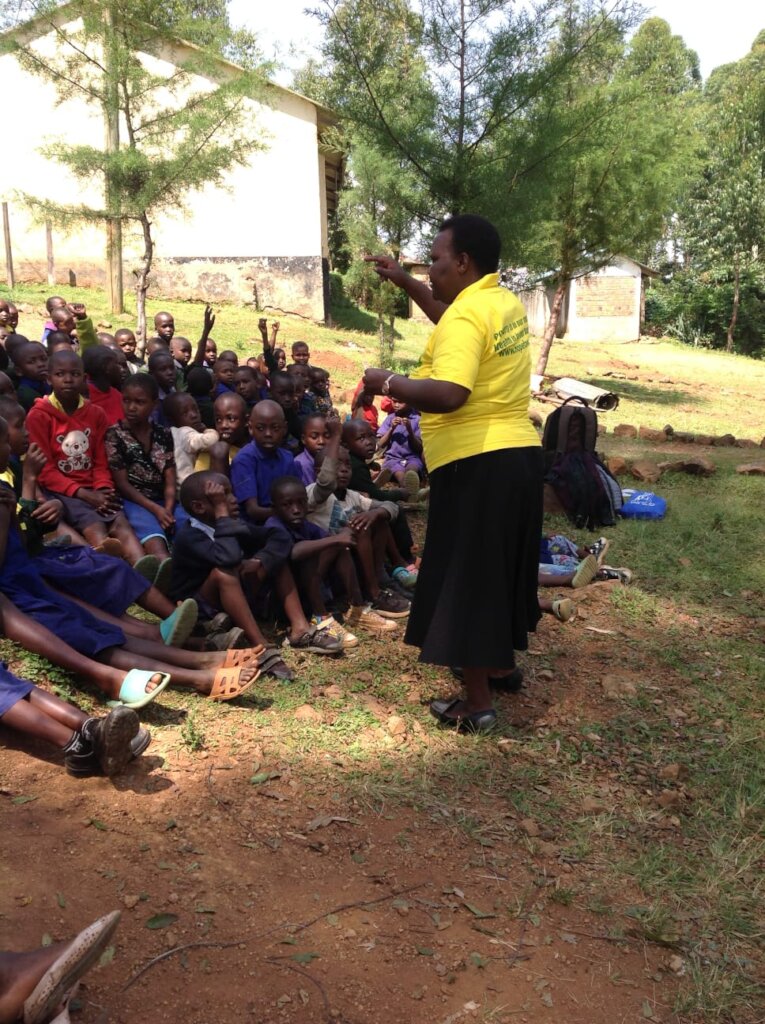
The session raised awareness on FGM and teenage pregnancy, highlighted their health and social consequences, and promoted safe, respectful learning environments. Gladys led the discussion on FGM, emphasizing that FGM is a form of Gender-Based Violence that affects individuals of all genders but disproportionately harms women and girls. She explained that the practice takes many forms and constitutes physical, emotional, and psychological abuse. Joyce facilitated discussions on teenage pregnancy and early sexual debut, guiding learners on making informed and safe life choices.
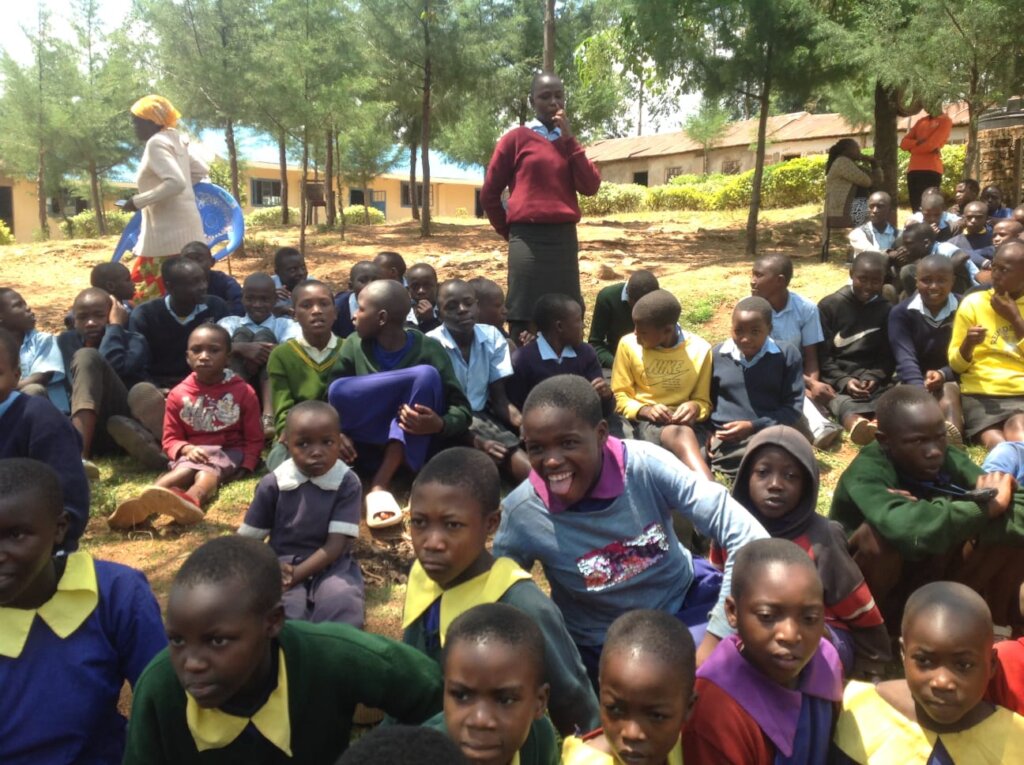
After the presentations, learners actively participated in a candid question-and-answer session, sharing experiences and asking thoughtful questions that demonstrated remarkable honesty and courage.
One learner, Gift (not her real name), asked: “My friends told me that if I don’t want to get pregnant, I should use family planning. Is family planning the best way to prevent pregnancy?”
Responding to this, Joyce clarified that family planning methods are primarily intended for adults and married couples, and emphasized that for young children as them, the safest choice is to focus on education, abstain from risky behavior, and seek guidance from trusted adults.
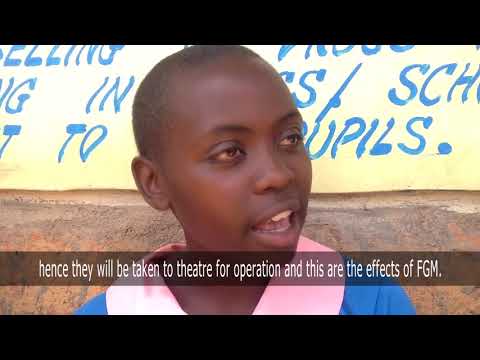
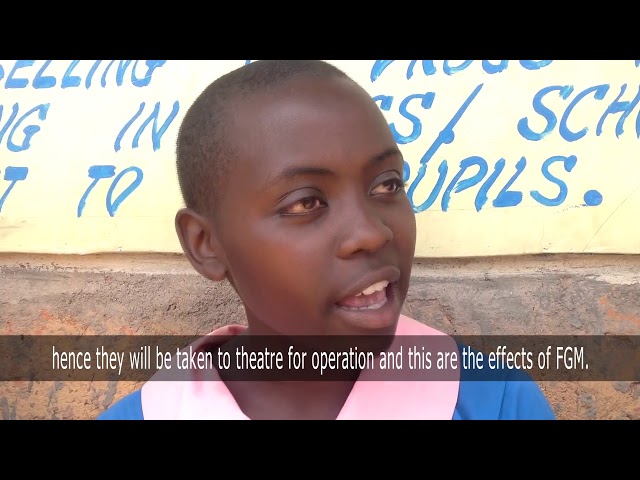
When Gladys asked the learners about the effects of FGM, Daphine (not her real name) shared: “It can cause serious bleeding which might even lead to death.” This response opened a deeper discussion on the immediate and long-term health risks associated with the practice.
Another learner, Valentine (not his real name), asked: “Is abortion dangerous to the body?”
Bright (not his real name) responded: “Yes, abortion can cause heavy bleeding and even lead to death. Some girls turn to abortion because of pressure, rejection, or poverty.” The discussion further revealed that poverty and fear of rejection often push girls into unsafe decisions, with some parents sending pregnant girls away due to shame, leaving them even more vulnerable.
Joyce reminded learners that if anyone of them is faced with a situation requiring an abortion,(and recognizing that many schools here don’t have school social workers/nurses) they should speak with one of the trusted teachers, health promoter and or parent immediately for guidance.
The learners also reflected on the impact of FGM on childbirth. Fridah (not her real name) noted: “When you are cut, you are not able to deliver the baby easily.” Supporting this, Joyce explained that FGM causes severe complications during childbirth, including intense pain and obstructed labor because the body cannot open adequately.
Cultural myths surrounding FGM were openly challenged during the session. Bety (not her real name) asked: “Is it true that being cut makes me more beautiful and a strong girl? My grandmother said if I’m not cut, I’ll run after many men.”
In response, Faith (not her real name) confidently stated: “That is not true. Being cut does not stop someone from running after men. Self-control is a personal choice. That belief is a big lie.”
We were deeply impressed by the learners’ confidence, critical thinking, and willingness to speak openly about sensitive issues. Their contributions reaffirmed the importance of school-based advocacy in raising awareness, correcting harmful myths, and empowering young people to protect themselves and others.
We sincerely thank the Kenyerere D.E.B School community for the warm welcome and active participation. We believe this session helped raise awareness, challenge harmful norms, and plant seeds of positive change. HFAW looks forward to continued engagement with the school and the wider community as we work together to end FGM and reduce teenage pregnancy.
With appreciation,
Doris Kananu
Program Director, HFAW
By Doris Kananu | Program Director
By Doris Kananu | Program Director
Project reports on GlobalGiving are posted directly to globalgiving.org by Project Leaders as they are completed, generally every 3-4 months. To protect the integrity of these documents, GlobalGiving does not alter them; therefore you may find some language or formatting issues.
If you donate to this project or have donated to this project, you can receive an email when this project posts a report. You can also subscribe for reports without donating.



Support this important cause by creating a personalized fundraising page.
Start a Fundraiser