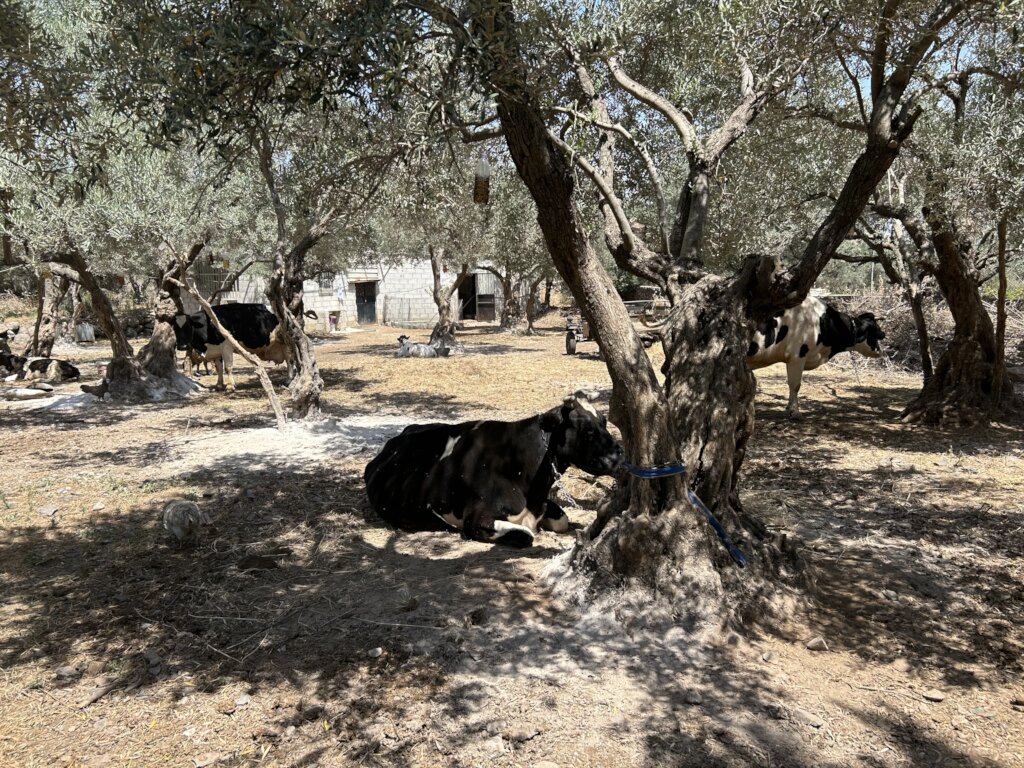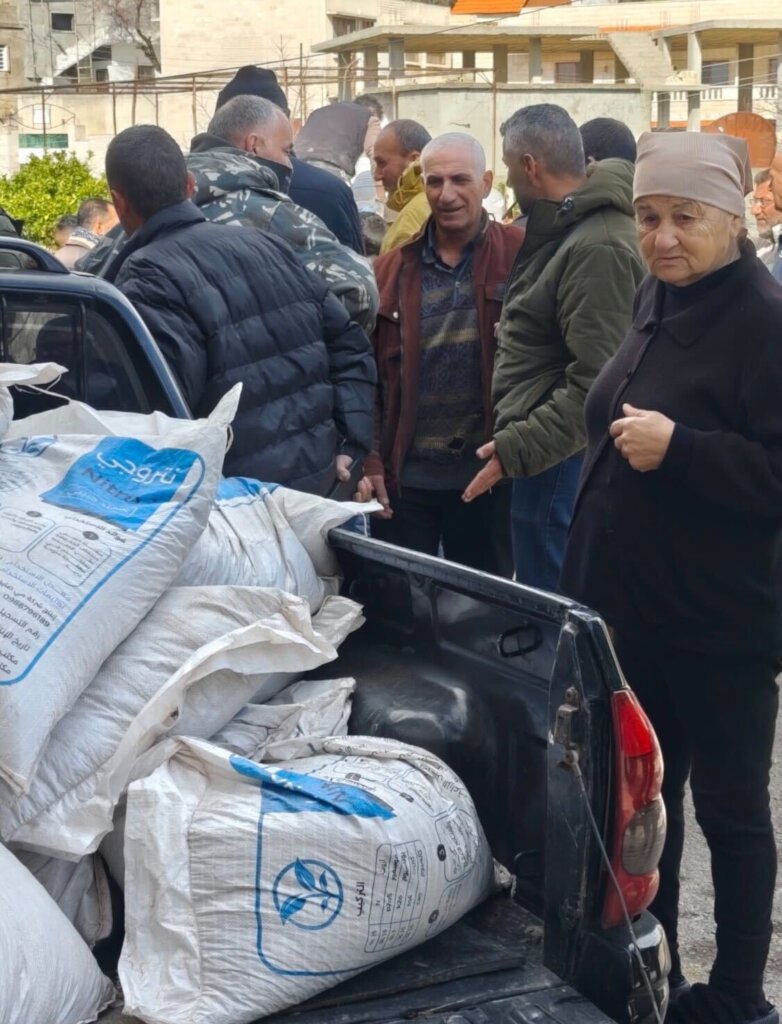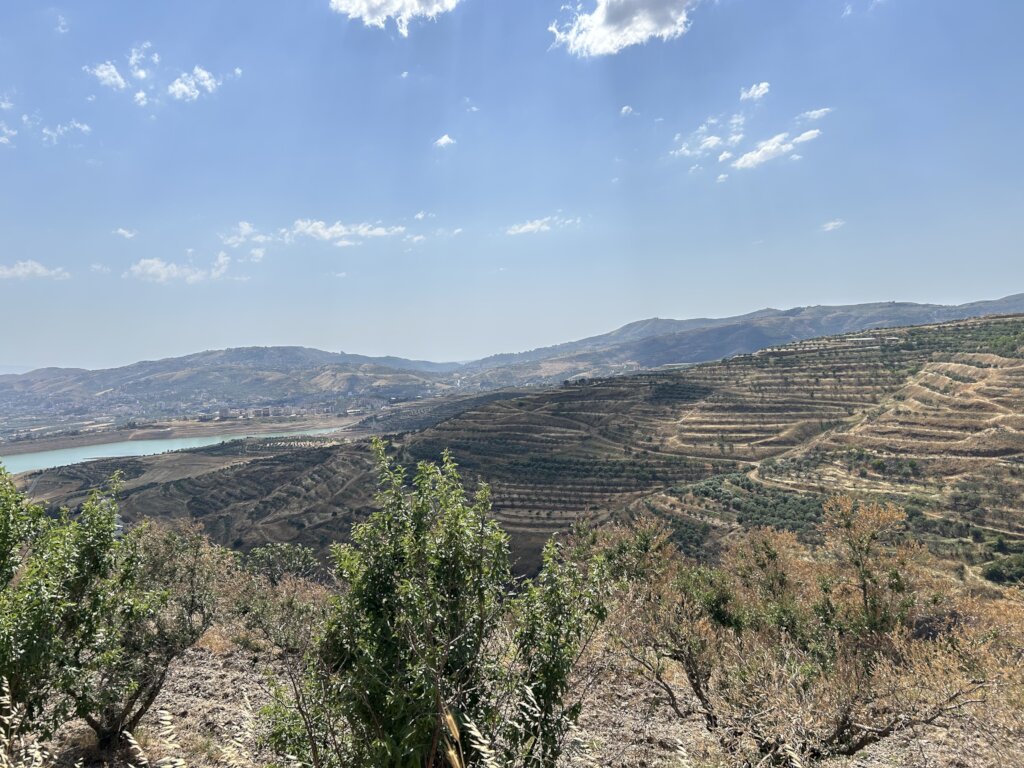
Wadi al-Nassara, in western Homs, is a rural area known for its olive groves and historic villages. Wildfires have devastated its farmland, destroying tens of thousands of trees and threatening the livelihoods of farming families. This project restores damaged olive trees, replants lost ones, improves soil fertility, and trains local volunteers in fire prevention. It supports economic recovery, environmental protection, and long-term community resilience.
Repeated wildfires have devastated Wadi al-Nassara in western Homs, destroying more than 90,000 olive and fruit trees across hundreds of hectares. Olive farming is the main source of income for local families, and the loss of trees has caused severe economic hardship. Environmental damage has increased soil erosion and drought risks. Limited public resources and weak infrastructure mean affected farmers receive little institutional support, leaving livelihoods and the local ecosystem at risk.
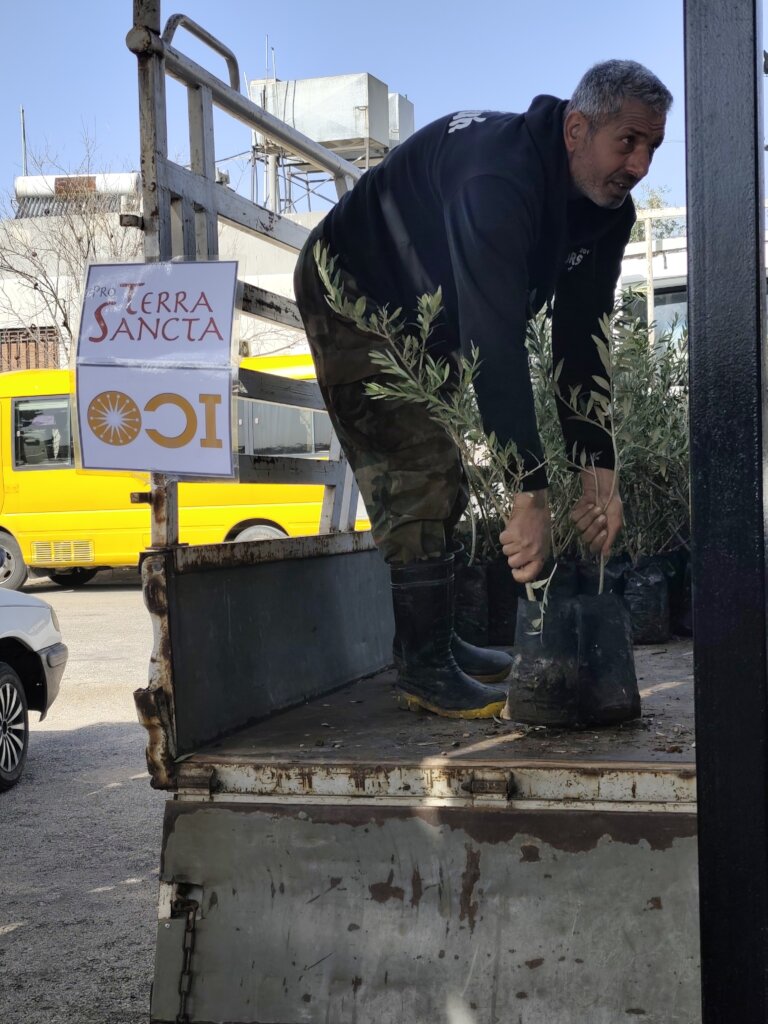
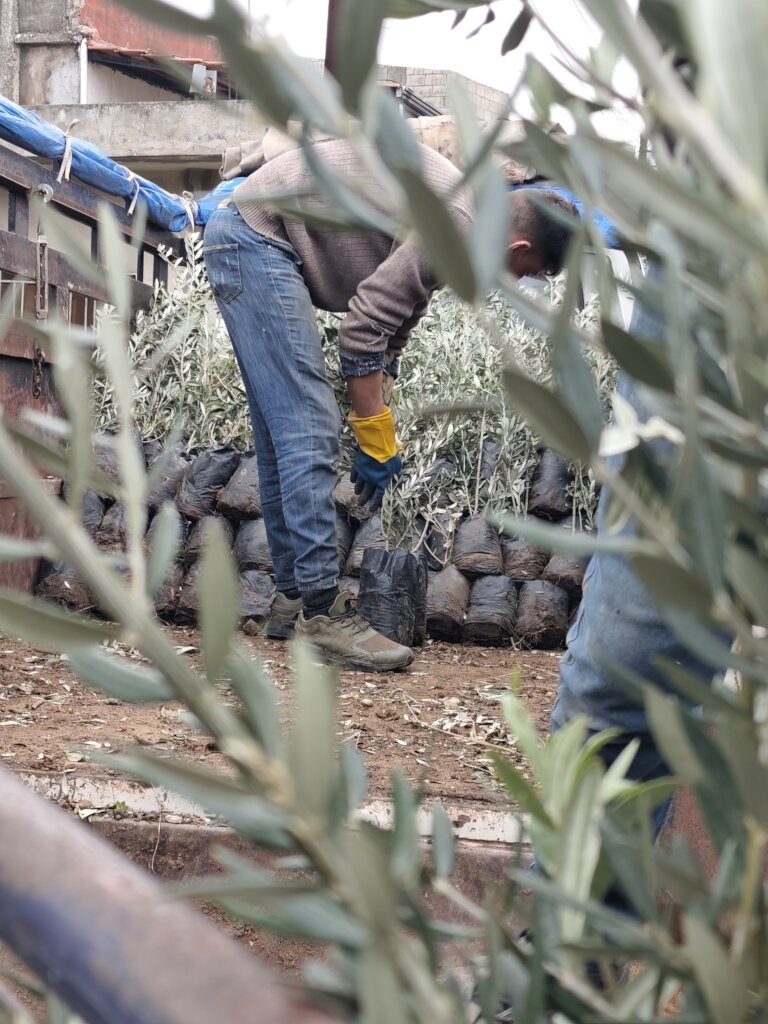
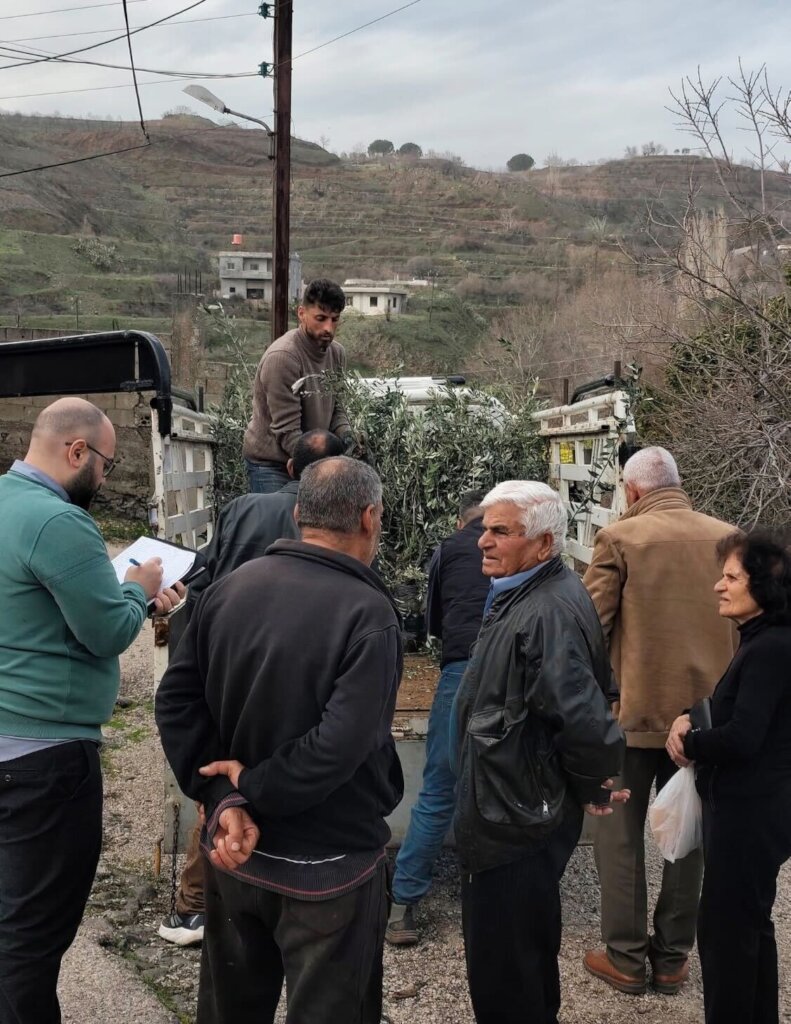
The project will rehabilitate partially damaged olive trees through soil treatment and organic fertilization, allowing faster recovery of production. Completely destroyed trees will be replaced with new saplings from local nurseries. Farmers will be directly involved in pruning and maintenance to ensure sustainability. The initiative also introduces fire prevention measures, including firebreak creation, community awareness sessions, and training local youth to respond quickly to emergencies.
Restoring olive groves will stabilize income for farming families and reduce economic vulnerability. Improved soil conditions and replanting efforts will protect biodiversity and prevent further land degradation. Fire prevention systems and trained local volunteers will strengthen community preparedness and reduce future risks. Over time, the project will help rebuild agricultural productivity, preserve cultural heritage linked to olive cultivation, and create a sustainable model of recovery.



Support this important cause by creating a personalized fundraising page.
Start a Fundraiser