By Kencho Tshering | Programme/Communications Officer
Youth Initiative 2025: The Ripple Camp
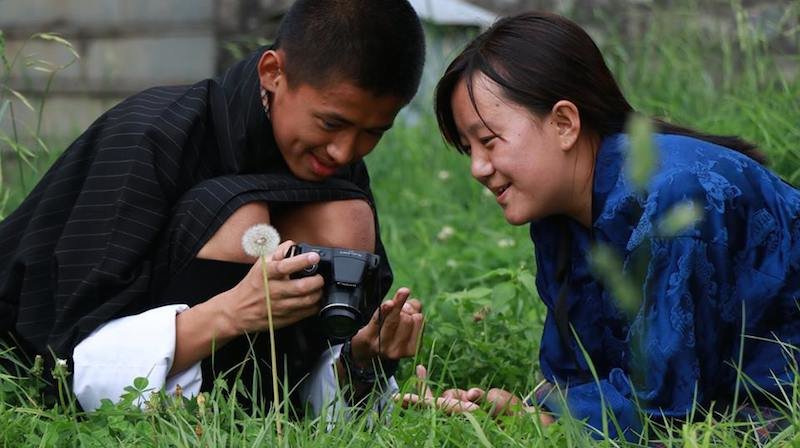
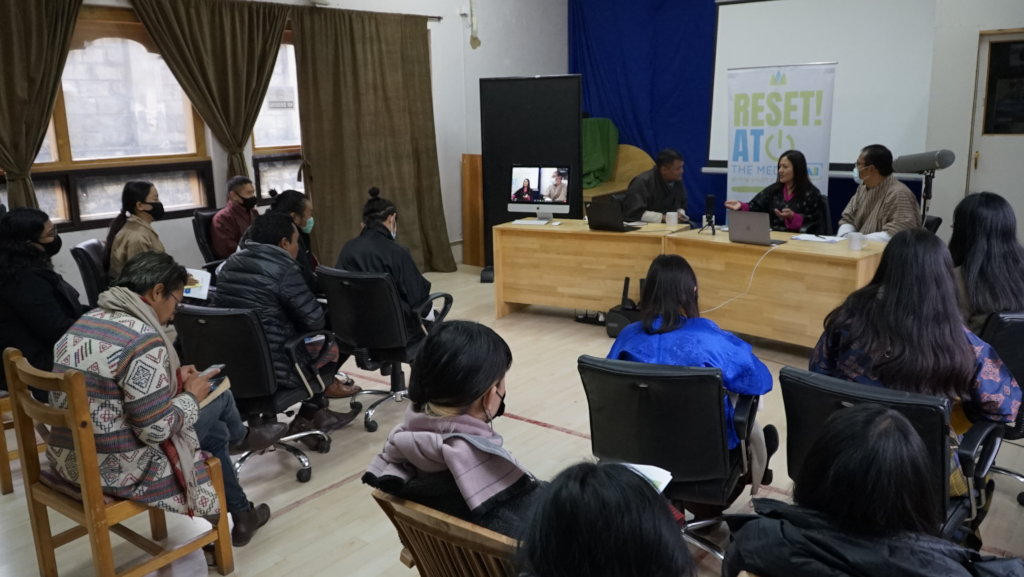
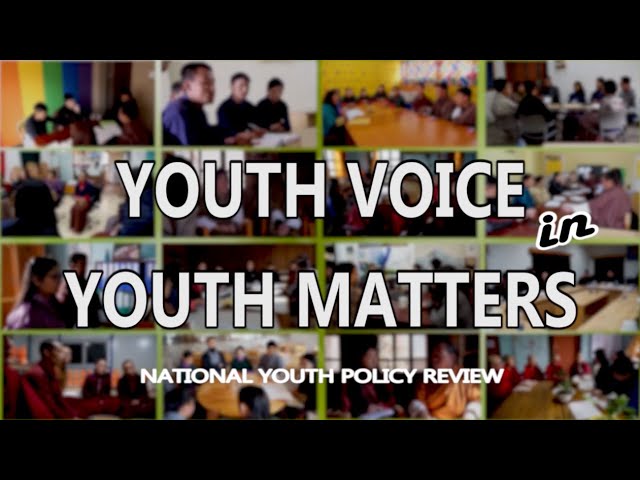
A transformative six-day programme designed to amplify youth voices and equip young people with leadership, advocacy, and civic engagement skills brought together diverse youth from across Bhutan. The camp created a safe and engaging space for youth (18-24 years) to critically examine the pressing issues affecting their lives and communities. Youth reflected on their roles as active citizens and co-creators of social change in their communities. A highlight of the programme was the Youth–Parliamentary Engagement Forum, which gave participants a unique opportunity to visit Bhutan’s Parliament House, witness live deliberations, and voice their concerns directly to Members of Parliament. Students engaged with Members of the Parliament in meaningful dialogue, asking questions about democratic processes, gender representation, and youth inclusion in policy-making. One participant, Karma, shared, “Engaging in youth parliamentary sessions is very important because it helps represent the voiceless youth across the nation.”
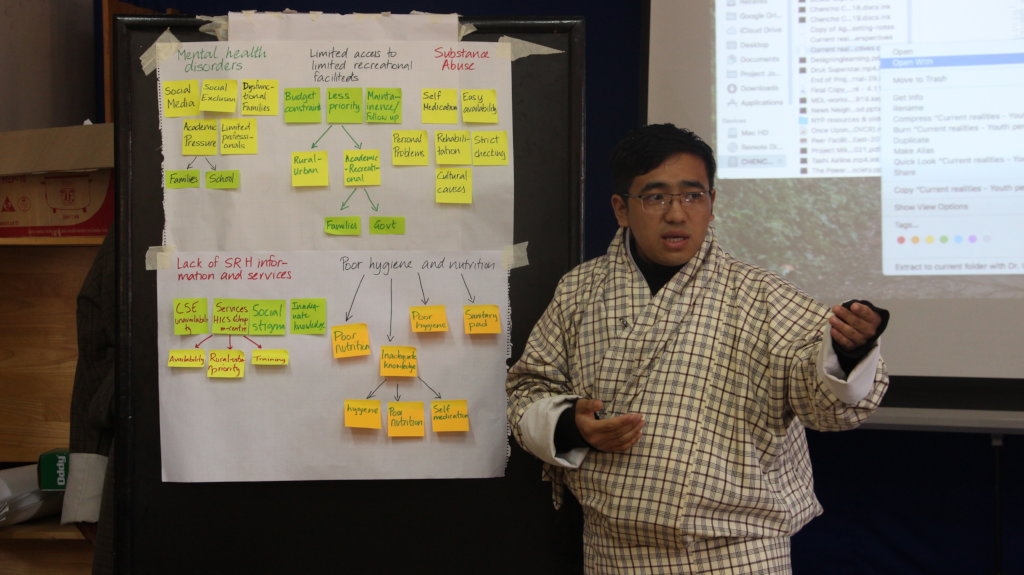
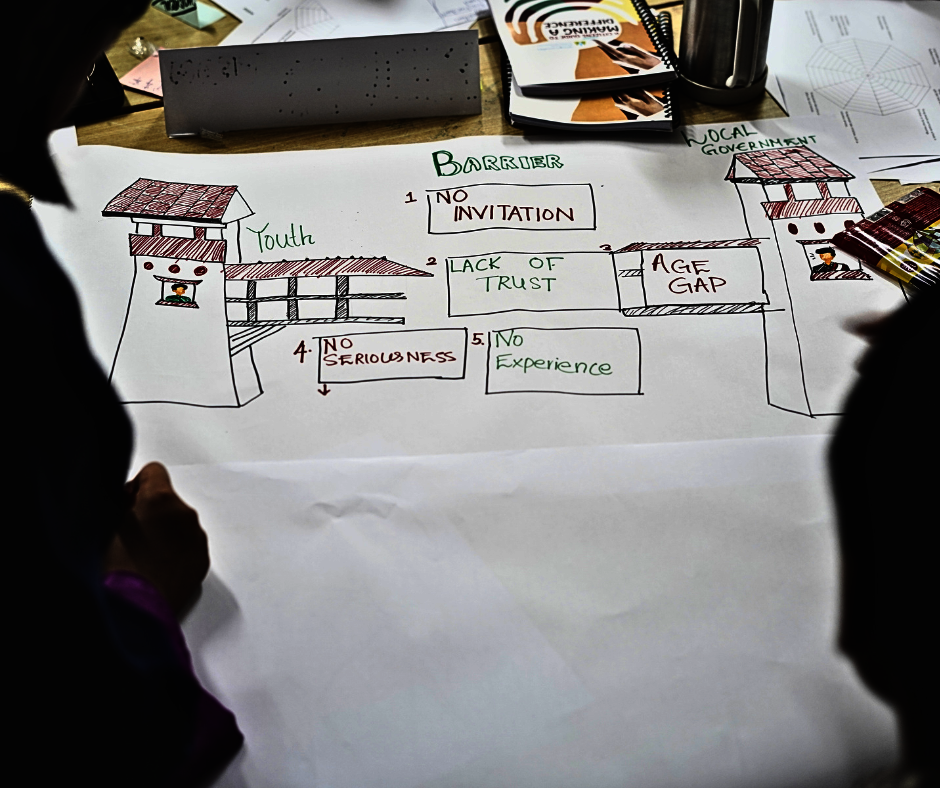
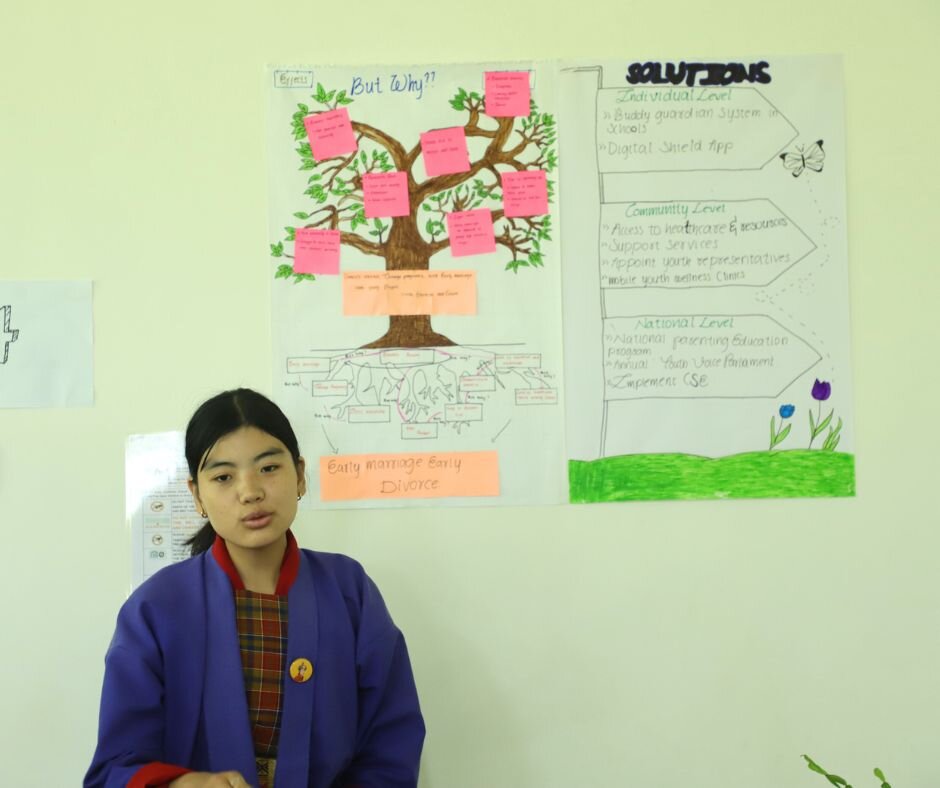
Throughout the camp, participants identified and discussed major social challenges such as easy access to clubs and alcohol by underaged children, calling for stricter identity verification and digital checks, teenage pregnancies and early marriages, advocating for open parent–child conversations, inclusion of Comprehensive Sexuality Education in schools, and youth exclusion from local decision-making, pushing for youth representation at community and national levels. They also raised concerns around gang violence, mental health, and the bias against students pursuing Arts and Humanities studies, highlighting the need for career guidance, Technical and Vocational Education and Training (TVET) awareness, and inclusive opportunities.
These discussions culminated in actionable policy recommendations addressing issues at the individual, community, and national levels. Suggestions included establishing 24/7 counselling services, youth committees at gewog and dzongkhag levels, integrating youth perspectives in planning spaces, launching a National Parenting Education Programme, and providing targeted scholarships and career pathways for arts students.
Youth participants built confidence, forged meaningful friendships, and discovered that even the smallest ripple can spark powerful social transformation. As one participant, Rada, beautifully expressed, “Each conversation and every insight helped illuminate paths we may not have seen before.”
**Participant consented to name use in report.
Youth Summit 2025: Voices for Change
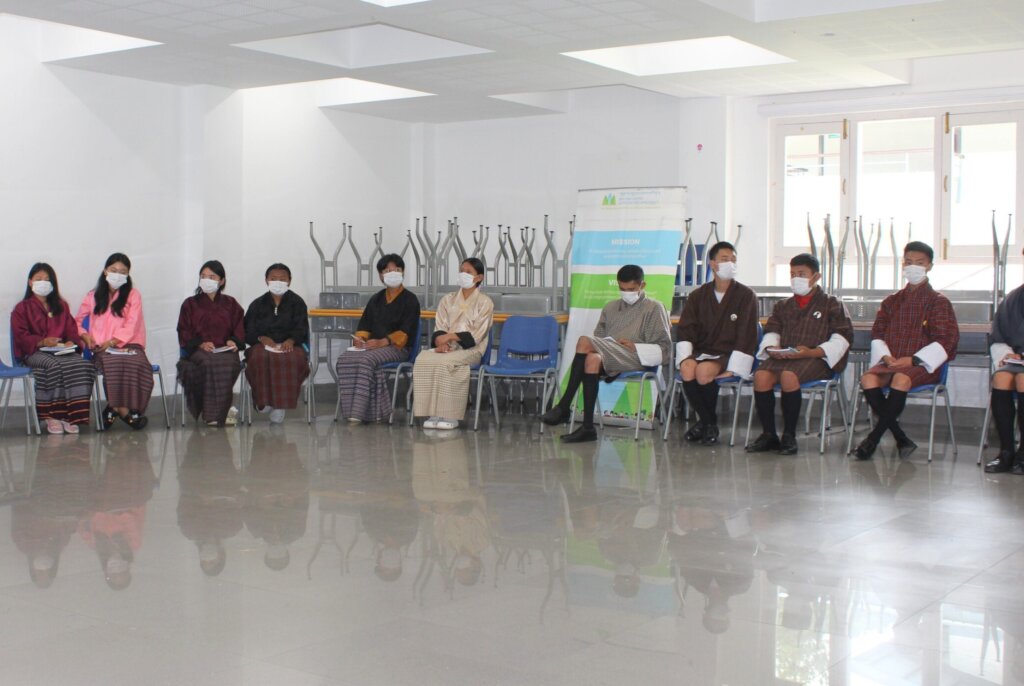
The Youth Summit 2025, jointly organised by the Bhutan Centre for Media and Democracy and UNICEF Bhutan, brought together 45 students from 13 schools to address some of Bhutan’s most pressing community challenges. Using hands-on participatory methods like social mapping, public service delivery analysis, gender, and environmental analysis, students uncovered systemic issues in education, health, gender equality, disability inclusion, youth protection, and mental well-being. The summit empowered young people by making them aware about and equipping them with skills to identify issues, design actionable solutions and translate their lived experiences into policy-level recommendations.
The students developed Community Development Plans featuring practical ideas such as rural teacher retention packages, stronger mental health services in schools, building disability-friendly infrastructure, and stricter enforcement of laws preventing the sale of tobacco and alcohol to minors. “We are not just highlighting problems, we are offering clear, data-backed solutions,” shared Sonam. This spirit of solution-oriented leadership was evident throughout the summit.
Students also voiced concerns about education quality and rural inequities. “When our Maths teacher teaches Dzongkha, and our matron teaches Economics, how can we succeed in board exams?” a student, highlighting the urgent need for trained and subject-specific teachers in rural schools. Others called for reforms to ease academic pressure. “Education should build us, not break us. Creativity, rest, and care are not distractions; they are essentials,” a participant said, referring to the need for balanced, supportive learning environments.
The Youth Summit 2025 demonstrated that Bhutanese youth are capable of thinking critically and objectively and are powerful agents of change. Their evidence-based recommendations and rich lived experiences call for immediate action to build a more inclusive, equitable, and resilient Bhutan.
**Participant consented to name use in report.
Youth-Led Initiatives in Tsirang: Students Taking Ownership of Their Communities
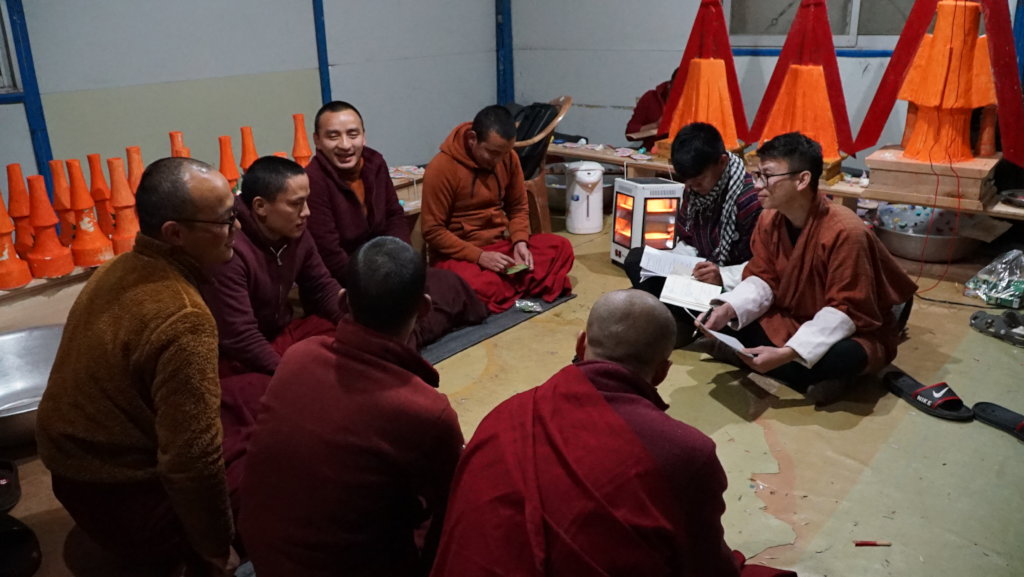
In Tsirang Dzongkhag, students across six schools are stepping forward as changemakers through a youth-led initiative that began with community mapping training. The process allowed young people to map their schools and communities, identify pressing local issues, and propose solutions that are both practical and creative. What started as an exercise in observation has now grown into a movement of action, responsibility, and empowerment, proving that young people can be powerful agents of change when given the opportunity.
At Mendrelgang Primary School, students identified plastic waste as a growing concern in their school. Rather than stopping at a conventional solution, they proposed designing a waste disposal bin shaped like a fish. The idea is symbolic and educational, it not only provides a practical way to manage plastic waste but also reminds students of the harmful effects of plastic on animals, particularly aquatic life. This initiative turns an environmental challenge into a living classroom, where waste management becomes a lesson in stewardship and awareness.
Similarly, students of Tsirangtoe Central School recognised the challenge of paper waste and, after much discussion, came up with an innovative recycling solution. They decided to process paper into bricks that could be used for building small structures and beautifying the school environment. This creative approach transforms what was once discarded into a resource, teaching students about sustainability and the potential of circular economies.
For Damphu Middle Central School, the challenge was not waste but the absence of a proper playground for their primary students. Concerned about the lack of safe and joyful spaces for younger children, the students identified an area within the school grounds and proposed building a small playground. This simple yet thoughtful solution reflects their awareness of well-being, inclusivity, and the importance of nurturing spaces where children can grow and thrive.
At Mendrelgang Central School, the issue raised was student safety. The footpath to the toilet block had become muddy and slippery, especially during the monsoon season, making it unsafe for children. Highlighting the urgency of this concern, the students proposed building a proper footpath to ensure that everyone could move safely within the school premises. Their initiative demonstrates a practical approach to safeguarding health and safety in daily life.
These initiatives go beyond problem-solving, they are lessons in empowerment. By identifying issues and cocreating their own solutions, students are learning to take ownership of community matters. They are gaining confidence in decision-making, practising teamwork, and discovering that their voices have the power to influence change. Through this process, young people in Tsirang are not only addressing real challenges but are also being equipped with civic values, problem-solving skills, and a sense of responsibility that will serve them throughout their lives.
In Tsirang, students are not waiting for adults to act, they are already building a safer, cleaner, and more sustainable future for their schools and communities.
**School consented to name use in report.
Project reports on GlobalGiving are posted directly to globalgiving.org by Project Leaders as they are completed, generally every 3-4 months. To protect the integrity of these documents, GlobalGiving does not alter them; therefore you may find some language or formatting issues.
If you donate to this project or have donated to this project, you can receive an email when this project posts a report. You can also subscribe for reports without donating.



Support this important cause by creating a personalized fundraising page.
Start a Fundraiser