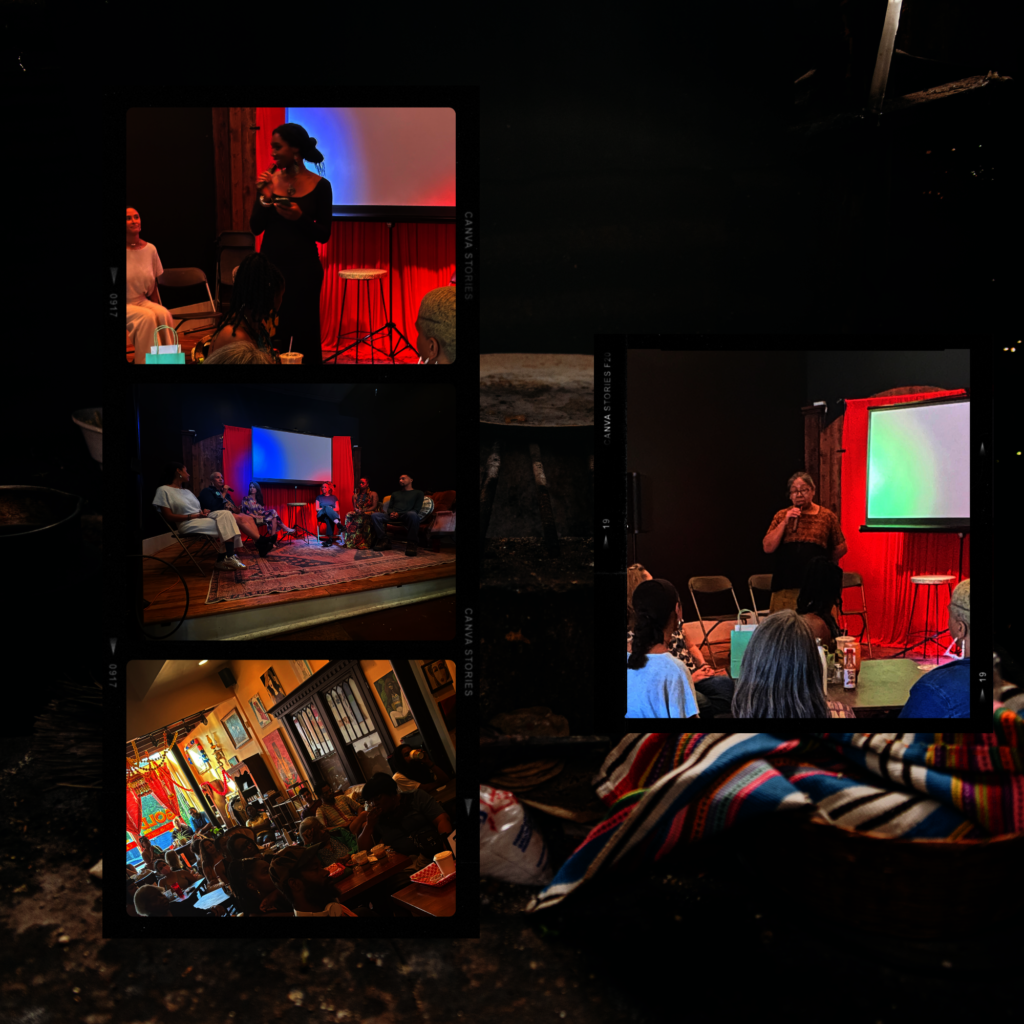
![Deep Ecology Educator Leading Workshop]()
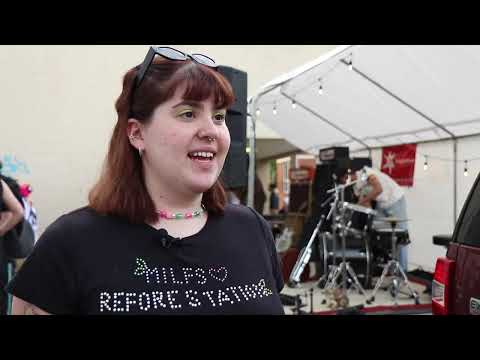
Deep Ecology Educator Leading Workshop
Cultivating Kincentric Education Through Collective Inquiry
The Deep Ecology Education Program (DEEP) has evolved as a collaborative, participatory action research network that unites students and faculty from the University of Richmond, Virginia Commonwealth University, Prescott College, York College School of Engineering, and Dickinson College, alongside high school students from Richmon, Virgina, the Western Highlands of Guatemala, and the White Mountain Apache nation. Together, this network drives a design-based research (DBR) project that fosters kincentric education through immersive, project-based learning. Our initiative is rooted in the belief that meaningful ecological education is best achieved through partnerships that cross institutional boundaries, honoring diverse perspectives and expertise.
Central to our approach is kincentric education, drawing on the concept of kincentric ecology developed by E. Salmón, which emphasizes the profound interconnectedness of humans within the ecological family of life. We seek to move beyond traditional classrooms by developing experiences that heal relationships between people, place, and the more-than-human world. This collaborative network allows students at all levels to engage as co-researchers and knowledge-creators, ensuring that learning is relational and grounded in both local and global contexts.
This report details the development of our DBR project, explains its core concepts, outlines key fieldwork and installations, and illustrates the breadth of interdisciplinary learning catalyzed by this unique partnership.
Core Concepts of Our Framework
Our work is grounded in concepts pioneered by leading thinkers whose scholarship continues to inspire and guide our research network:
- The Plantationocene: Coined and developed by Donna Haraway—alongside contributions from Anna Tsing, among others—the term “Plantationocene” reframes our current environmental era by emphasizing the legacy of plantation systems and the enduring structures of extraction, commodification, and exploitation. By engaging with Haraway’s scholarship, all network participants—students and faculty alike—are challenged to understand how specific historical and social forces have disrupted both ecological and human communities, highlighting that environmental crises are rooted in particular histories rather than generalized human impact.
- Unforgetting: The concept of “unforgetting,” as articulated by Christina Sharpe in her work on the wake of slavery and memory, informs our approach as both method and commitment. We move beyond remembrance to actively uncover and engage with the silenced stories, wisdom, and ecological practices of Indigenous and Afro-diasporic peoples. By centering Sharpe’s call to “unforget,” we strive to bring marginalized knowledge traditions into our curriculum and collective inquiry.
- Rewilding Project: Drawing from the work of Robin Wall Kimmerer—who champions kincentric ecology and the restoration of relationship with the land—our rewilding efforts are a living application of these principles. Through hands-on ecological restoration, particularly habitat creation for migratory birds in Central Virginia, we build on Kimmerer’s vision of reciprocity and stewardship. This networked, participatory model ensures that restoration is not only ecological, but also educational, providing an inclusive living classroom for all involved to experience interdependence, resilience, and collaborative care.
Collaborative Implementation: From Research Community to Living Learning Spaces
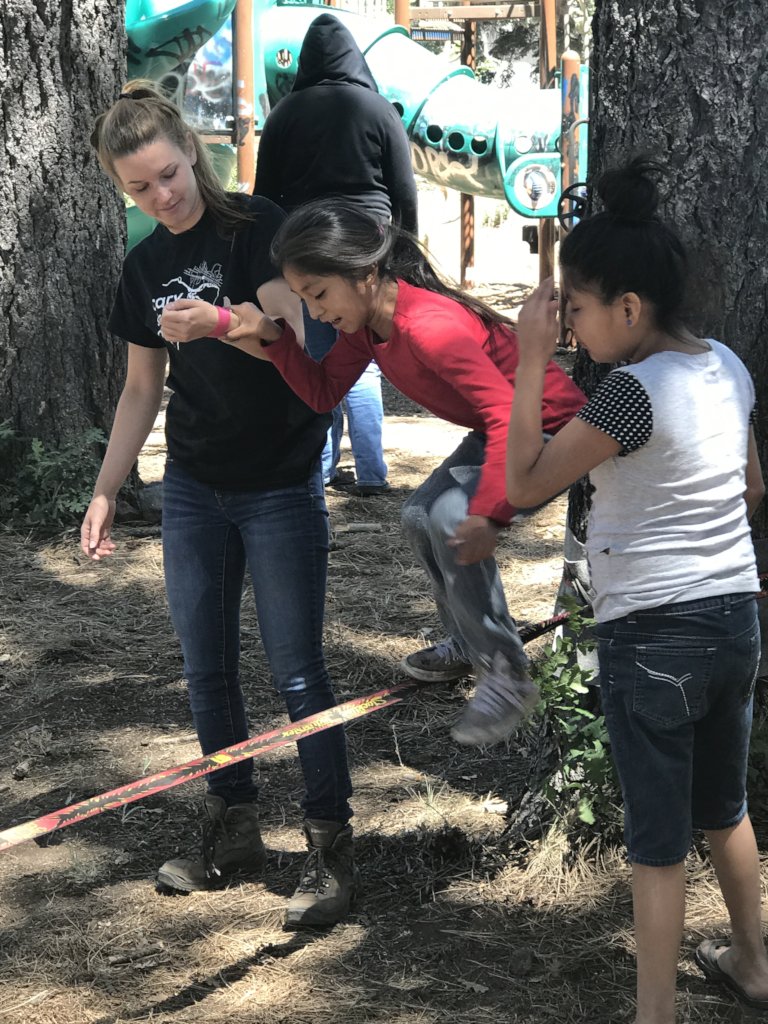
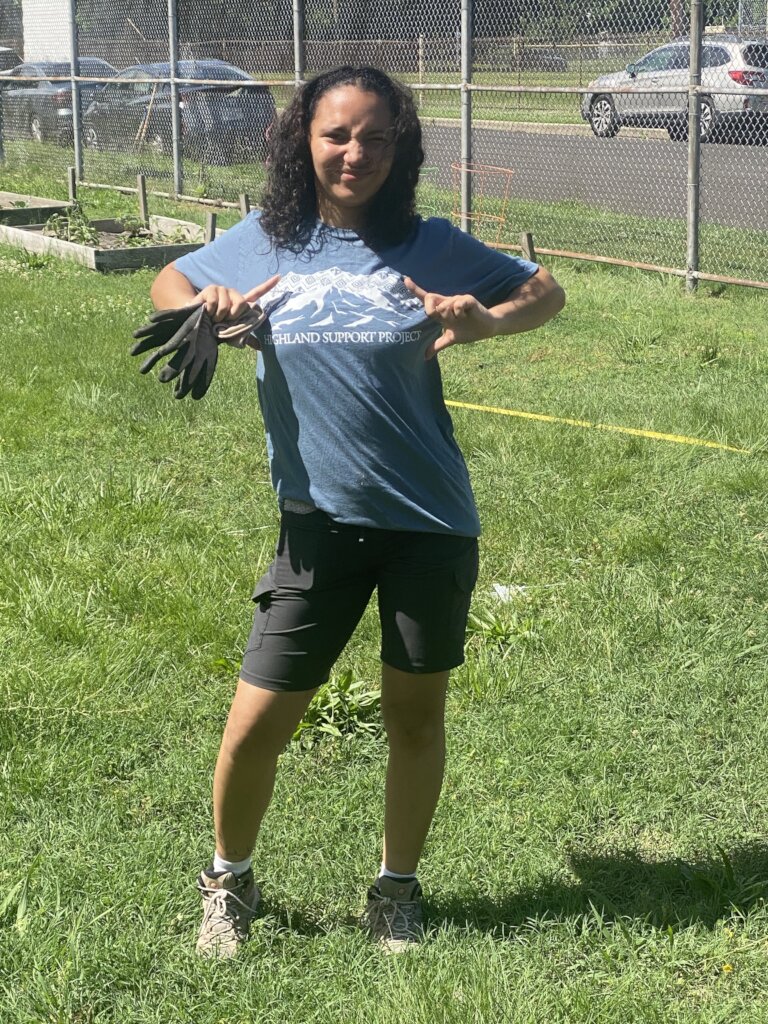
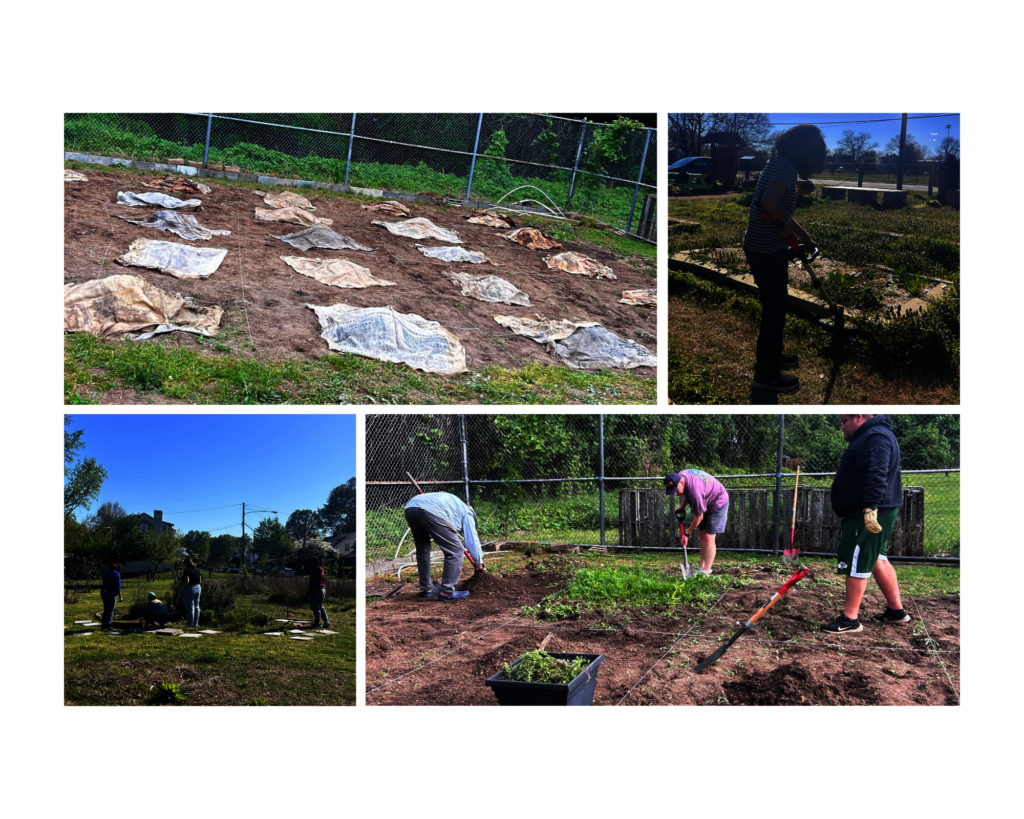
A central milestone of this network has been our co-created projects at Richmond Community High School, where university students and faculty work side-by-side with high school students in genuine partnership. Through this alliance, our DBR principles are translated into concrete, student-led research and action.
Installation of a Rainwater Harvesting System
Together, participants from all collaborating institutions and schools completed the design and installation of a rainwater harvesting system at Richmond Community High School. This system is more than green infrastructure—it is a co-managed educational tool. By capturing rainfall to support the cultivation of native plant species, it lays the groundwork for the rewilding of school grounds and local habitats. Students directly participate in its maintenance and use, developing research skills in:
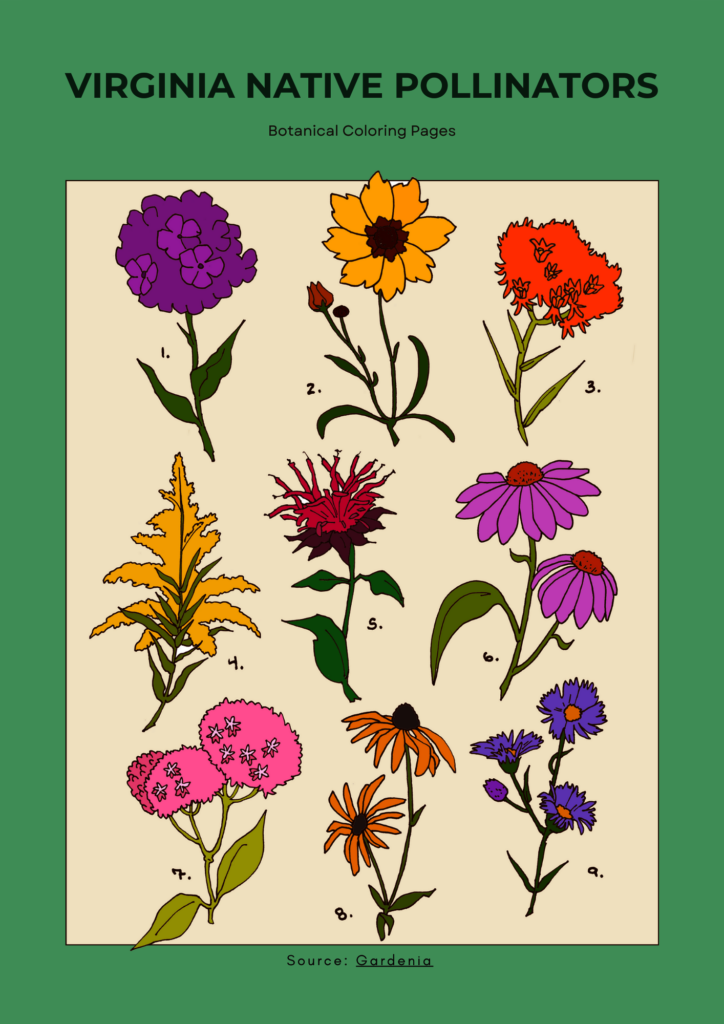
- Plant Propagation: Participants follow native plants from seed collection and germination to transplanting, with university mentors and high school students learning from one another and sharing research findings across institutions.
- Soil Creation: The network collectively studies and applies composting and regenerative soil-building strategies, using this work to investigate soil biology, nutrient cycling, and the critical role of healthy soil in ecological restoration.
- Research Skills: Students across grade levels work together to monitor plant growth, test soil composition, and document the ecological impacts of their interventions. They co-design inquiry protocols and share data, fostering scientific literacy and collective analysis.
These efforts are complemented by active participation from faculty, who facilitate reflection sessions, support skill-building, and help students connect their findings to broader environmental and social contexts.
Interdisciplinary Project-Based Learning: Inquiry Across Institutions
Our participatory research network has collaboratively planned and developed a series of rich, interdisciplinary project-based learning initiatives inspired and shaped by leading thinkers in ecological and decolonial education. Drawing from Gregory Cajete’s foundational work on kincentric pedagogy—which emphasizes the interconnectedness of all living beings—and Boaventura de Sousa Santos’s scholarship on the "epistemologies of the South," we are now actively implementing these cross-institutional programs. Key examples include:
- Community Story Mapping: Guided by place-based and Indigenous methodologies informed by Doreen Massey and Linda Tuhiwai Smith, cross-institutional teams have begun creating digital and physical maps that overlay historical narratives, ecological data, and community memory across the Powhatan River watershed and other Richmond sites. These collaborative projects unite students from multiple schools and universities, integrating insights from geography, history, and environmental science to illuminate connections between land, history, and identity.
- Eco-Historical Role-Playing Simulations: Building on the ideas of Robin Wall Kimmerer and Donna Haraway regarding multispecies relationships, university and high school students and faculty are co-designing and launching immersive simulations. These activities give participants roles as historical actors as well as ecological entities—such as rivers or birds—deepening empathy and encouraging holistic understanding of how human choices intertwine with ecological systems.
- Decolonial Digital Archives: Influenced by Boaventura de Sousa Santos and Linda Tuhiwai Smith, our network has started curating digital archives that collect oral histories, artifacts, and multimedia records highlighting marginalized and community-generated knowledge. Contributors from all partner institutions ensure diverse perspectives are preserved and conventional boundaries over whose stories matter are continuously challenged.
- Regenerative Design Challenges: Drawing upon the systems thinking approaches of Fritjof Capra and the eco-justice education advocacy of C. A. Bowers, mixed teams from our partner institutions have developed, and are now initiating, hands-on design projects to address challenges such as habitat fragmentation and water quality issues. Through these challenges, teams employ systems thinking and collaborative problem-solving, leveraging the unique perspectives and expertise present in both the university and high school communities.
The Deep Ecology Education program’s participatory action research network has created a vibrant collaborative learning community extending across universities and high schools. By centering kincentric education, project-based learning, and an ethic of unforgetting, we have generated dynamic opportunities for all participants to act as co-researchers and co-stewards of their communities and local ecologies. The success of our interdisciplinary projects, especially the rainwater harvesting and rewilding efforts at Richmond Community High School, demonstrates the transformative potential of education grounded in partnership, shared inquiry, and collective action. Working together across institutions, we are nurturing future leaders committed to relational, ecological, and social renewal.
Attachments:
![Share on Twitter]()
![Share on Facebook]()