By Michelle Tribe | Board Director
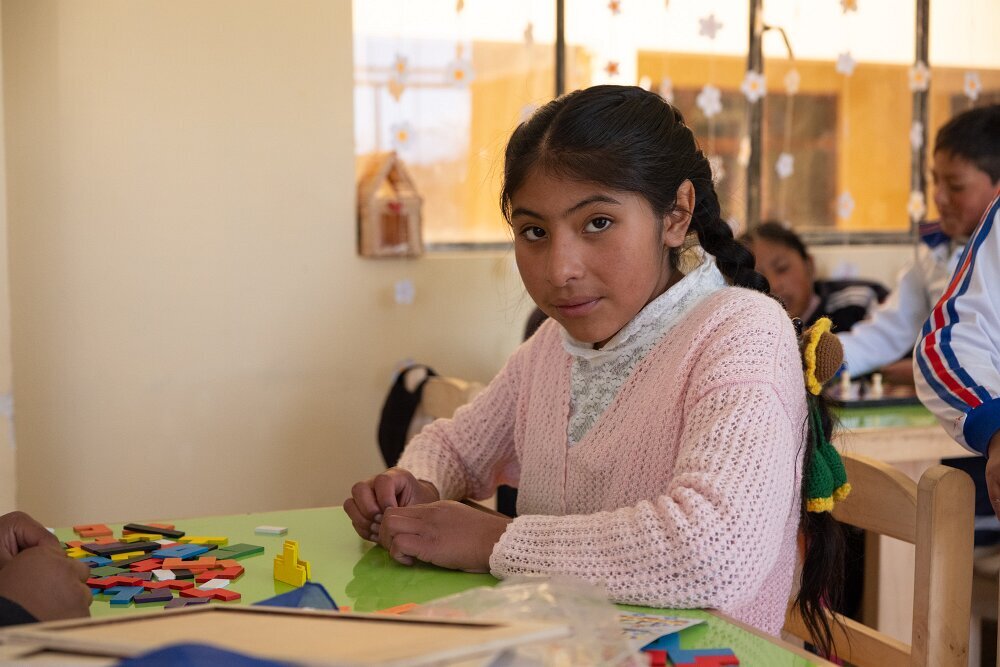
Between August and January, children and youth in El Alto moved through the school term and holiday period with reliable meals, safe spaces to learn, and hands-on skills training that strengthened both confidence and possibility. These programs did more than respond to immediate needs — they created continuity in lives often shaped by uncertainty, and they continue to do so as a new school year begins.
Nutrition that helped children arrive ready to learn
Throughout this period, the kitchens at the Juk’at Juk’ata Centre (JJC) and Casa Kusisiña remained constant points of care.
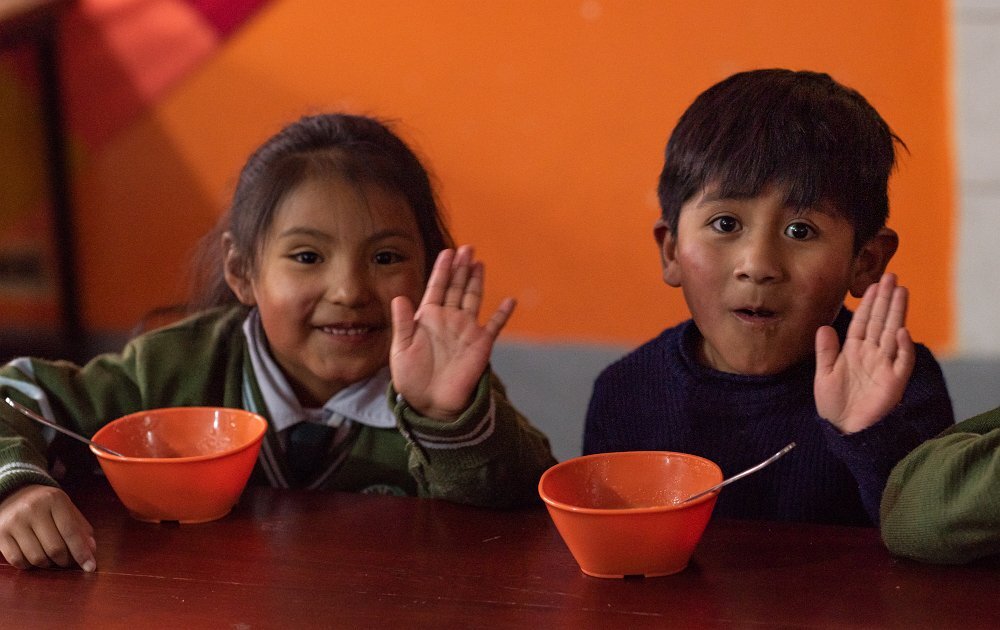
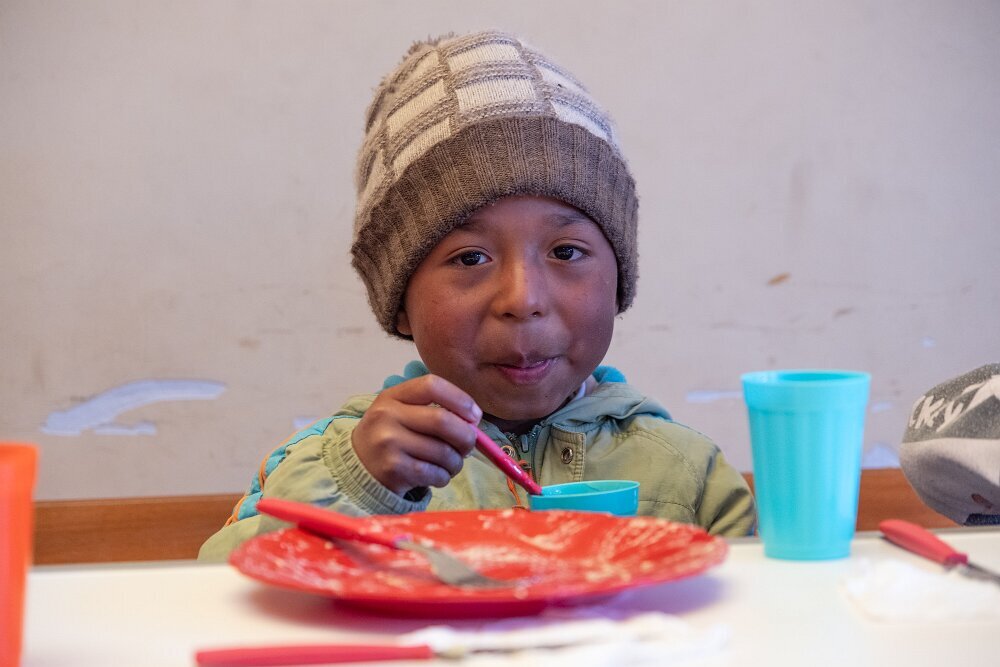
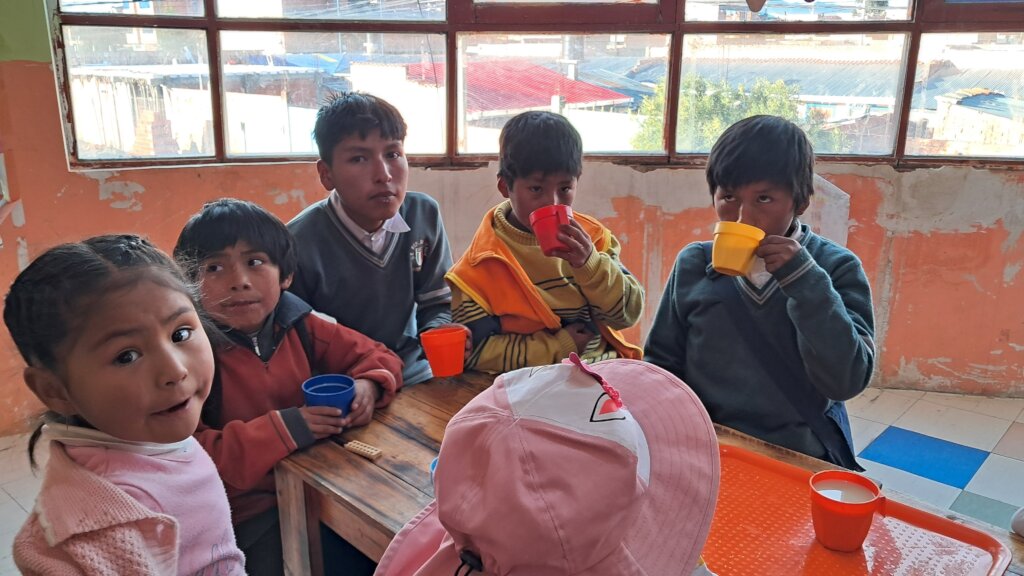
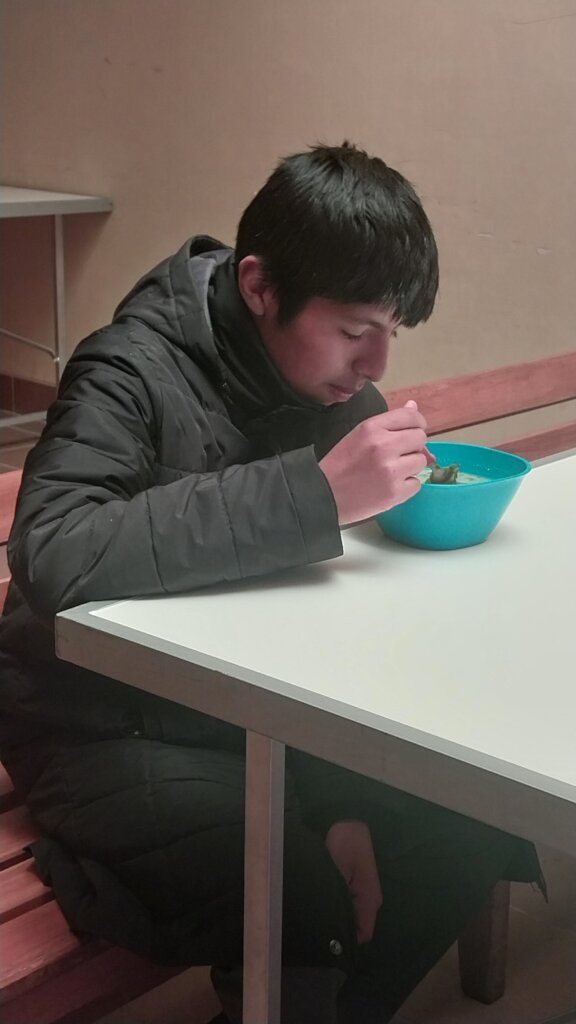
At Casa Kusisiña, Cecilia and her team prepared 20 healthy lunches and 40 nutritious snacks every day, five days a week, funded by HBF donors. For many children, this was the most substantial meal they received. That consistency became especially important during the school break, when household income was stretched and food insecurity intensified.
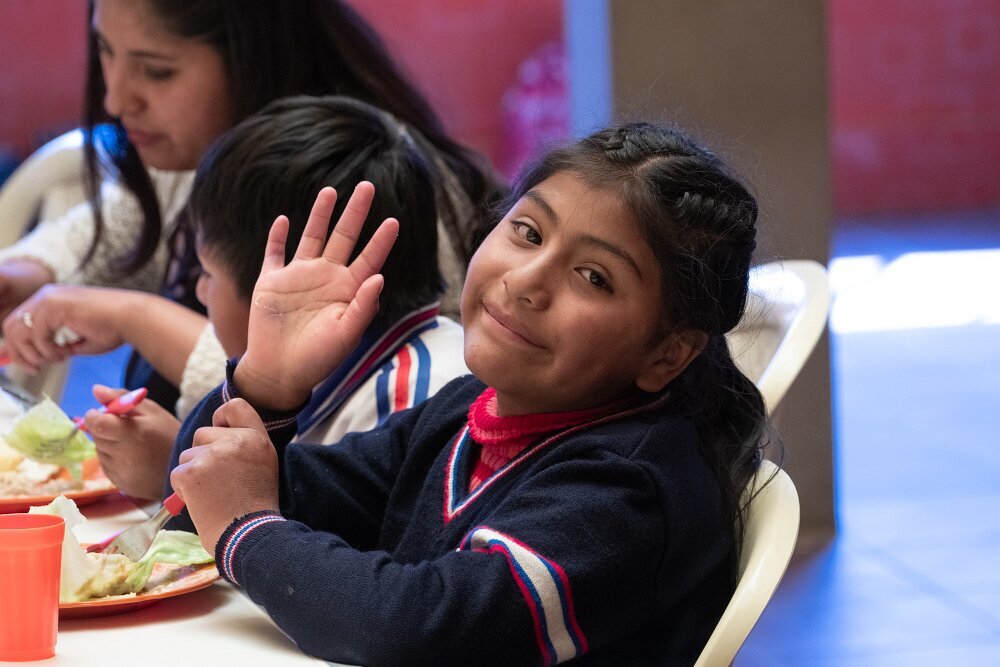
At the JJC, meals also created space for connection. During a parents’ gathering, food was shared by children and caregivers together — turning the Centre into a place not only for learning, but for community support. In homes where time and resources for schoolwork are limited, this kind of steady, welcoming environment continues to be essential.
Joy, routine, and the freedom to simply be children
Winter break (July and August) in El Alto can be a period of isolation for many children. Instead, the Centre stayed active.
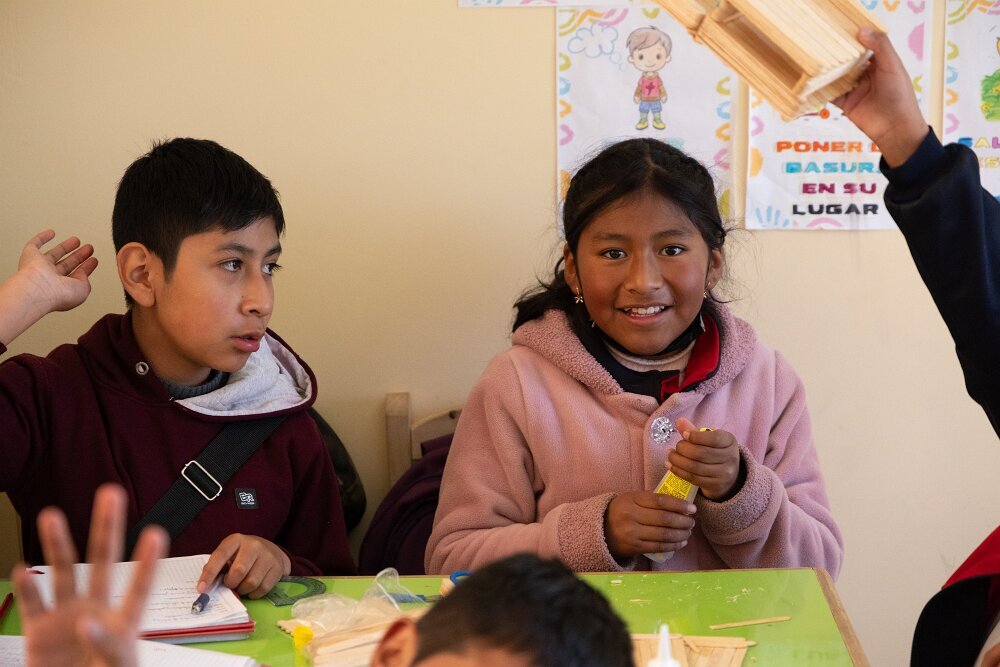
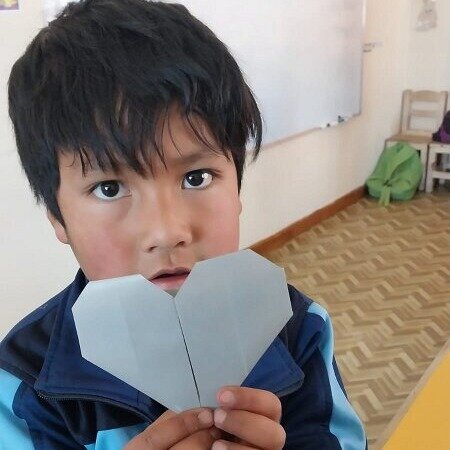
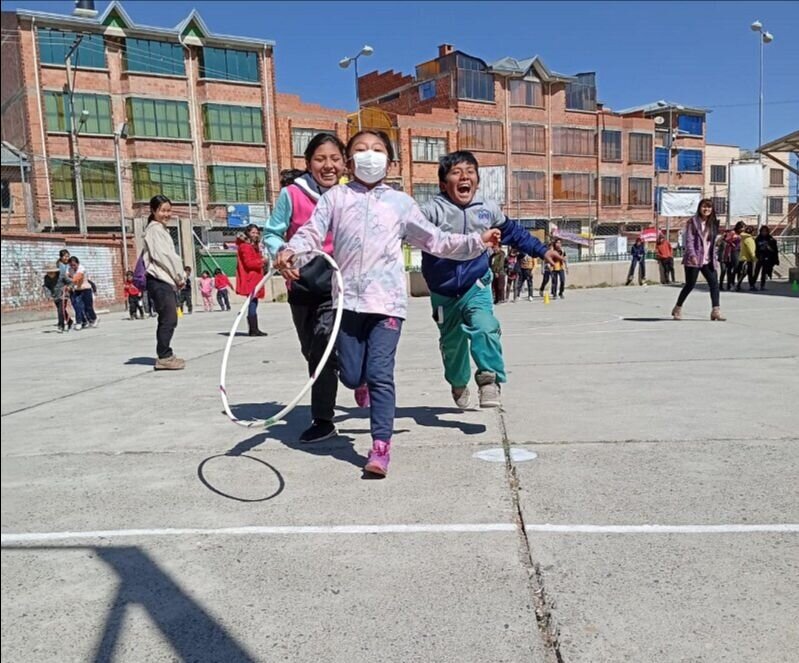
Days were filled with relay races on the court, origami workshops, karaoke, and traditional games like spinning tops. These moments were simple and joyful, but they carried real weight: they created routine, strengthened friendships, and allowed children to experience safety and belonging.
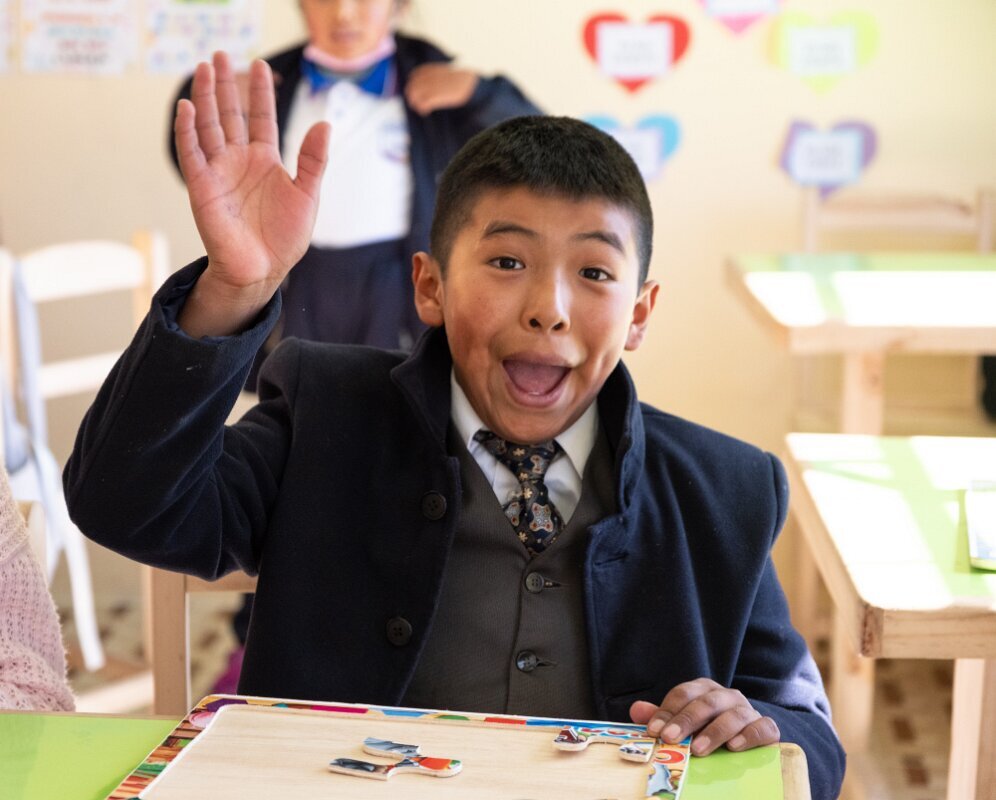
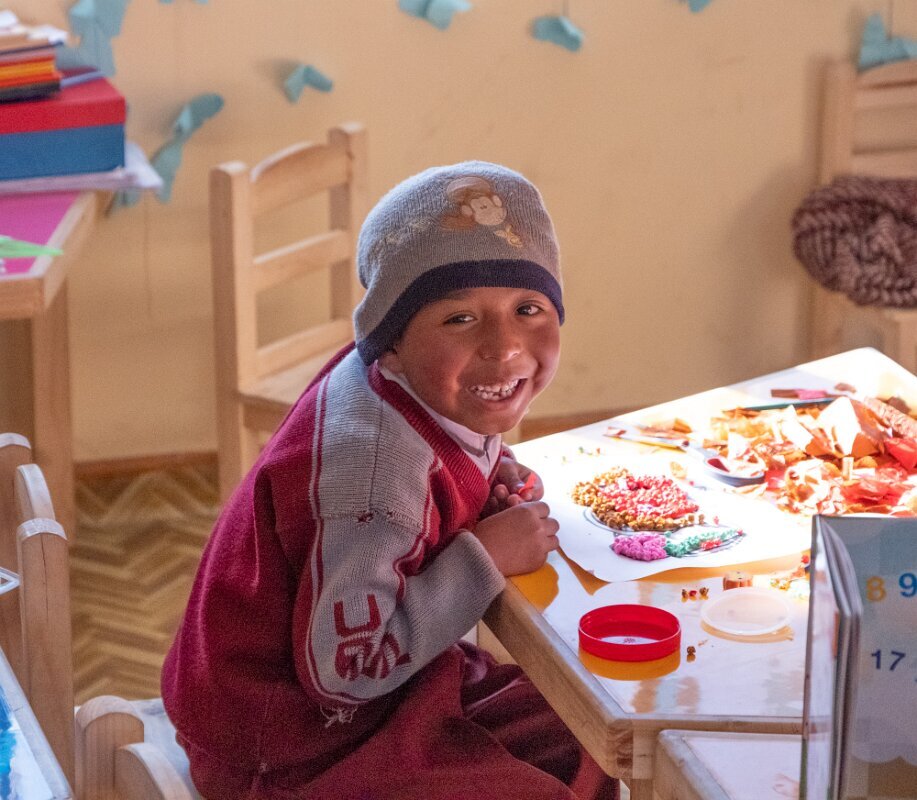
That sense of structure continued through the school term with Creative Fridays. Storytelling, outdoor games, crafts, and paper folding gave children regular opportunities to imagine, move, and create — experiences that support emotional wellbeing as much as academic growth.
La Higuera Community Bakery: a milestone for bakers
This period marked a turning point at the La Higuera Community Bakery.
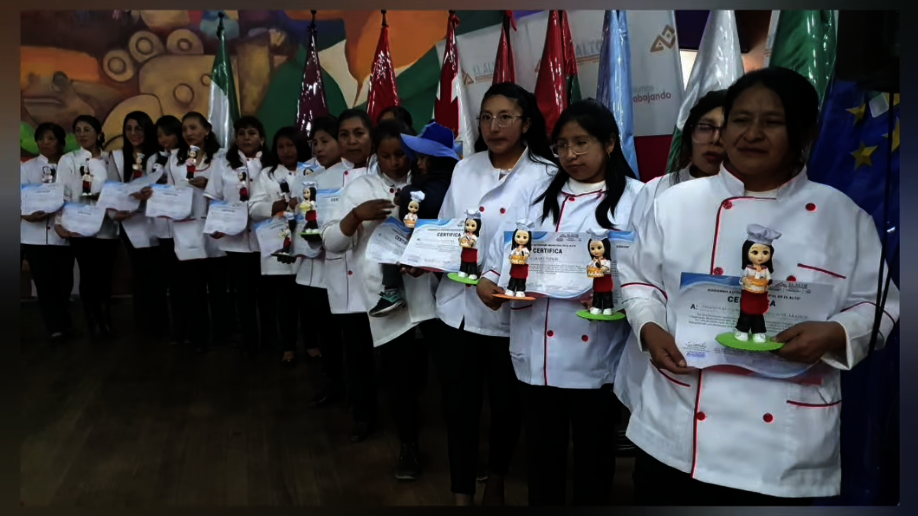
The second cohort of pastry and bakery students completed their training and graduated with certificates, a milestone celebrated by families and the wider community. For these students, the certificate represented far more than a course completion — it marked the beginning of new economic possibilities and the confidence that comes with mastering a skill.
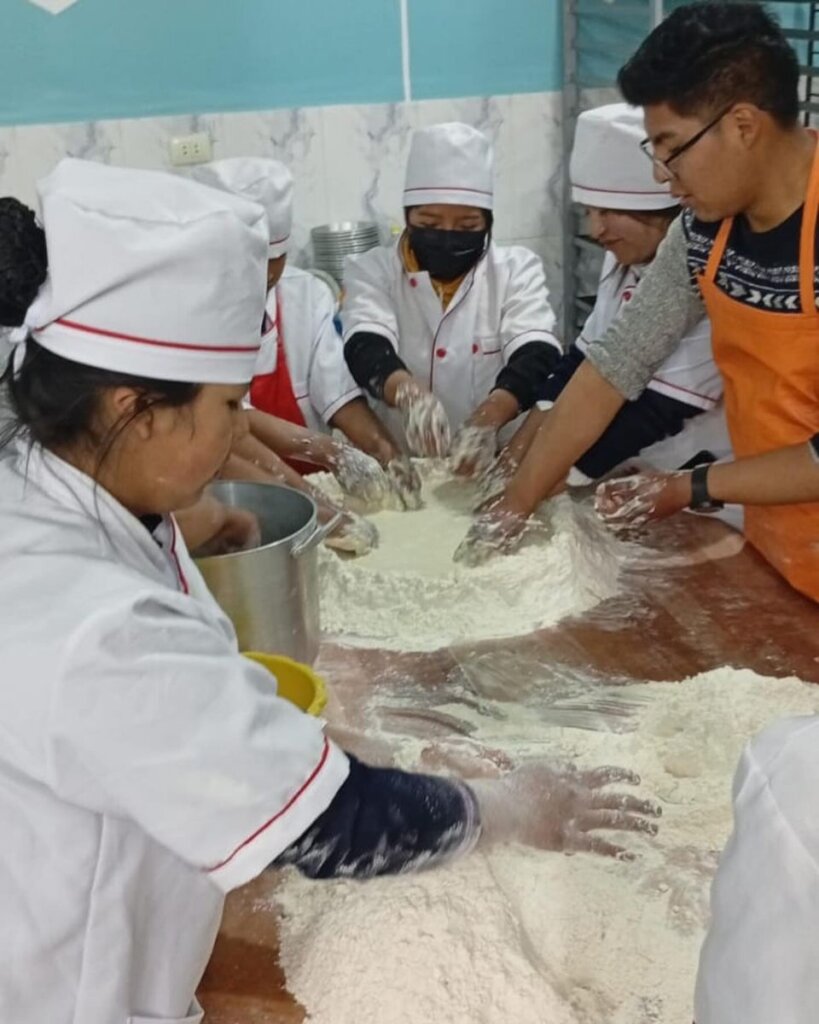
The program also expanded to include dedicated baking sessions for teens. They learned to prepare bread, cookies, and empanadas while practicing punctuality, teamwork, and shared responsibility.
Younger children from the JJC joined in as well, carefully rolling dough, shaping cookies, and watching their work come out of the oven. In these moments, the bakery functioned as a classroom, a workshop, and a source of pride.
As the program grows, the next phase will require sustained support — from ingredients and instruction to the hiring of a professional baking teacher — so that more youth can follow the same path to graduation.
Casa Kusisiña: a new oven and new possibilities
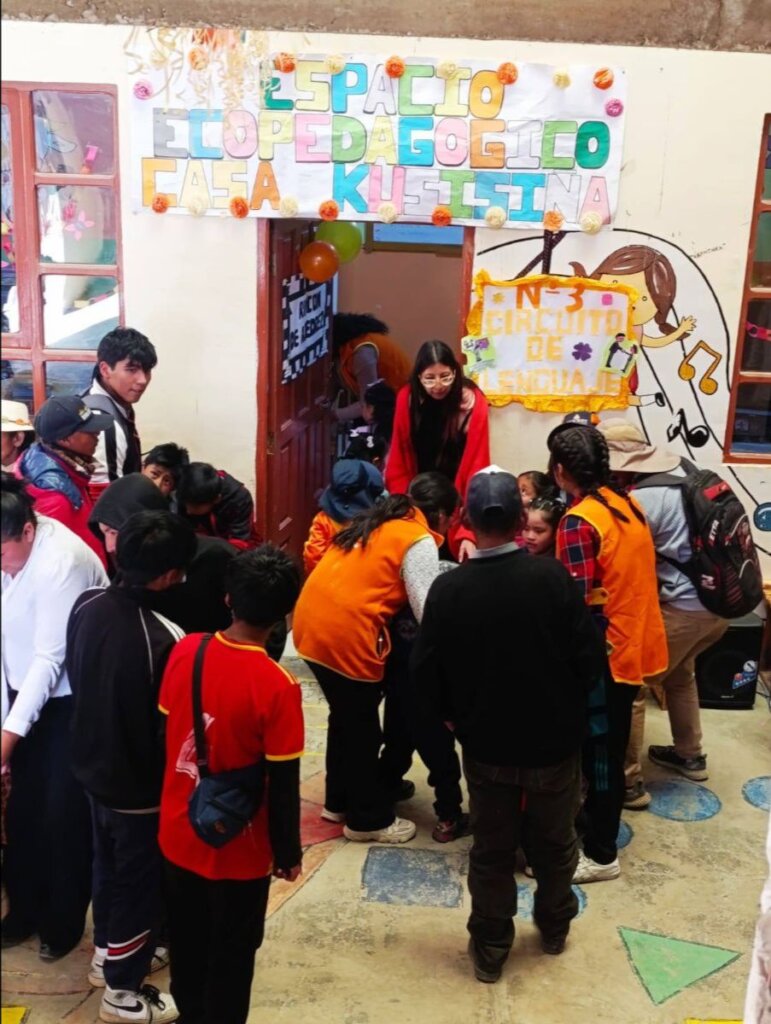
At Espacio Ecopedagógico Casa Kusisiña, El Alto – an HBF partner organization, daily life in the kitchen changed with the arrival of a new oven.
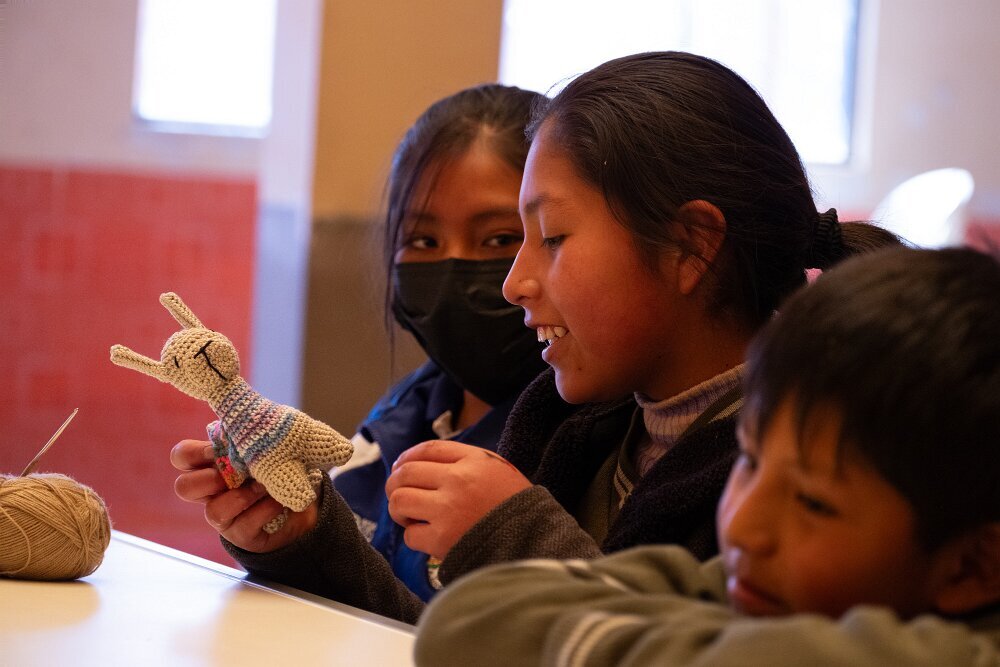
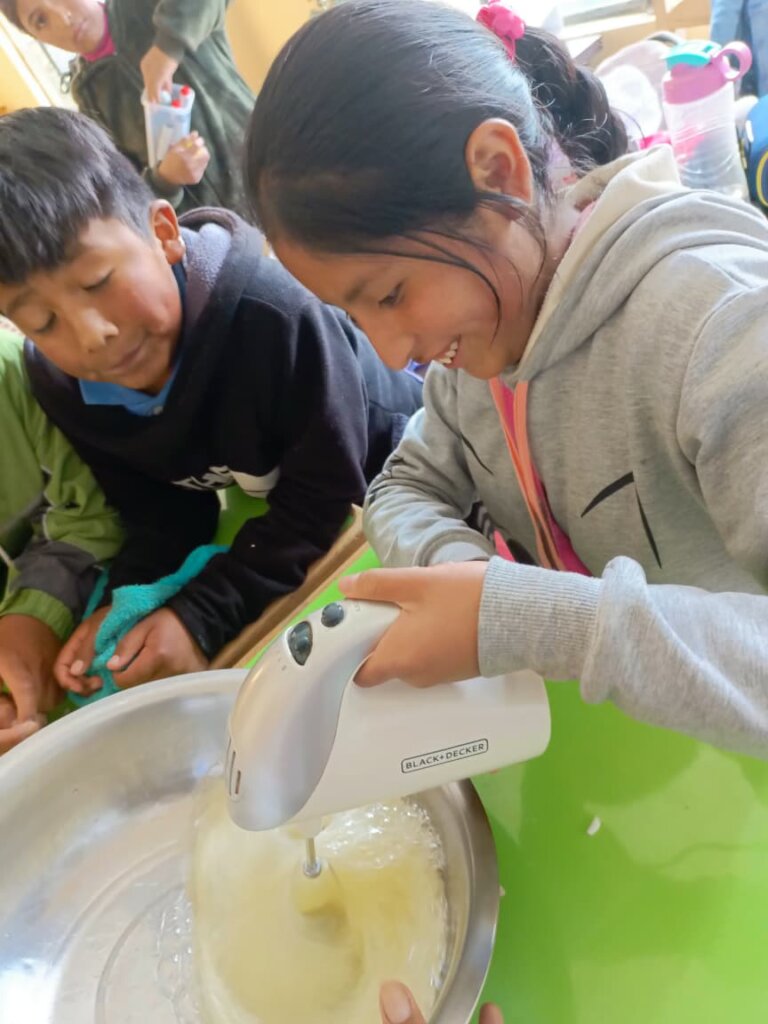
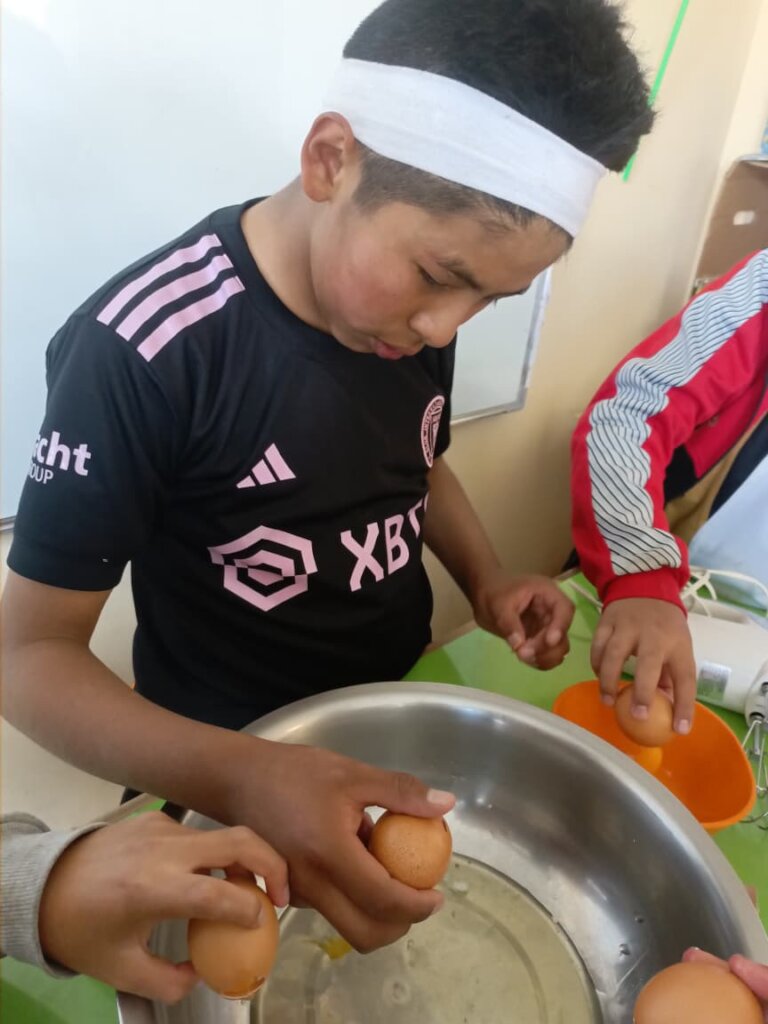
Children and staff baked quinoa cookies together for the first time, learning to measure, mix, and share responsibilities as a team. What looked like a simple baking activity quickly became something more: a lesson in cooperation, patience, and pride in creating something with their own hands.
The oven is now central to the nutrition program, where 20 healthy lunches and 40 snacks are prepared each day. As food prices continue to rise, the ability to cook and bake on site is helping the Centre maintain consistent, nutritious meals for the children who rely on them.
A Christmas celebration that went ahead against the odds
In December, Bolivia experienced sudden disruption when fuel subsidies were removed and transportation blockades spread across El Alto and La Paz.
Despite this, the Christmas celebration at the JJC took place.
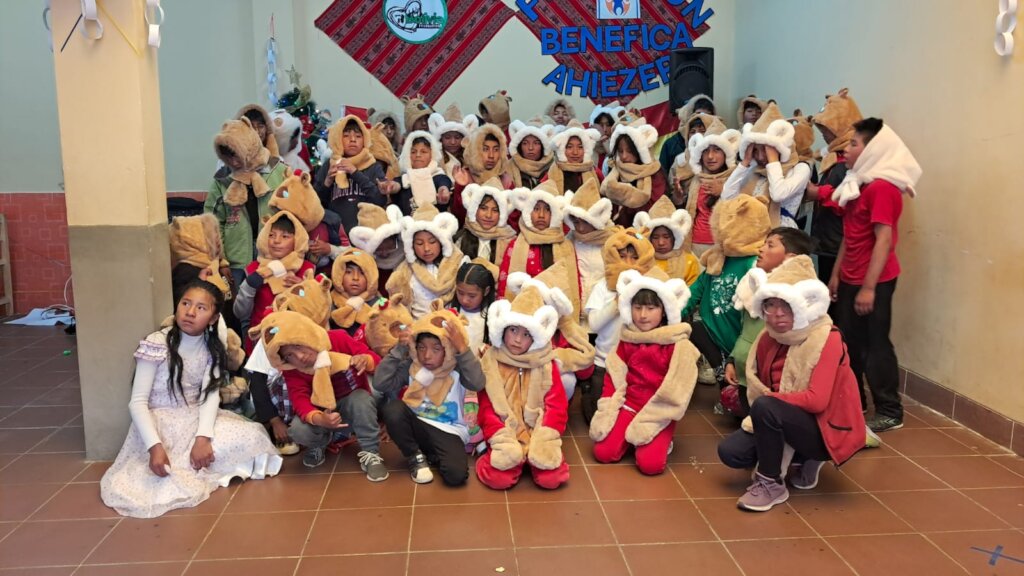
Staff walked for hours to reach the Centre. Children travelled on foot as well. Food and supplies were coordinated and delivered through blocked routes. Inside the Centre, the day unfolded as planned: traditional dances, a Christmas play, music, and a shared meal that included foods many children were tasting for the first time.
Each child also received warm winter clothing — a practical support that continues to matter through the cold season.
At a time when daily life outside felt uncertain, the Centre remained steady.
January: listening to educators and preparing for what comes next
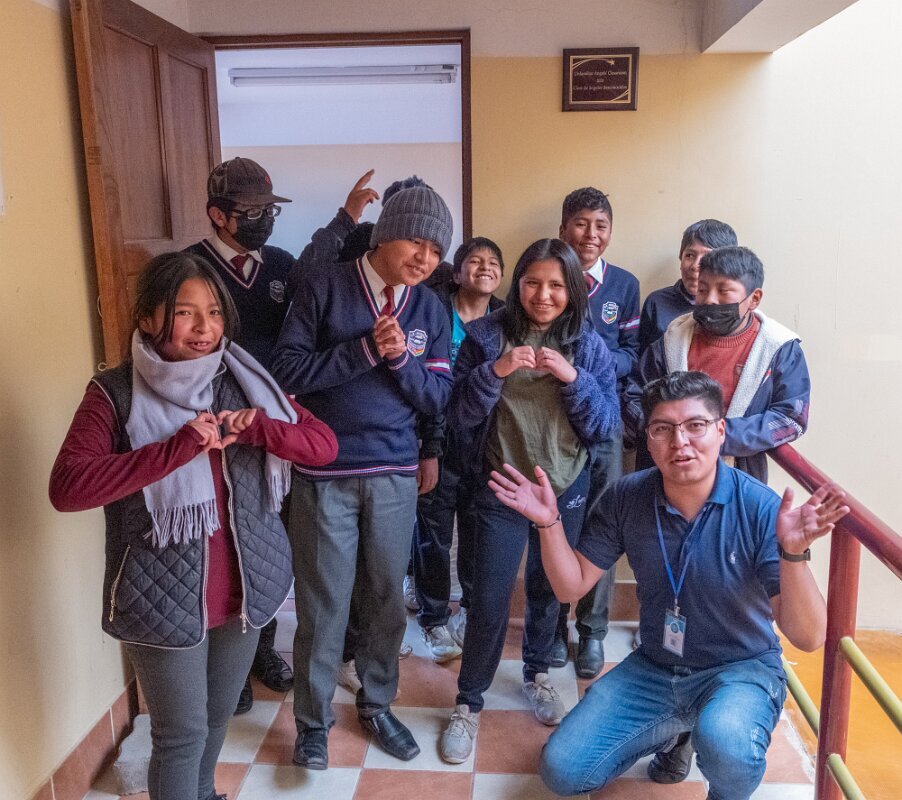
In January, the program team met with educators in El Alto to plan for the new school year and to understand what children would need in the months ahead.
Teachers identified practical priorities:
These conversations reflected the realities many families face — single-parent households, grandparents raising children, and caregivers working long hours. In this context, the Centre’s role as a place of daily academic reinforcement and encouragement is not temporary support; it is a foundation children continue to rely on.
Two children whose progress shows what sustained support makes possible
Jesús (13)
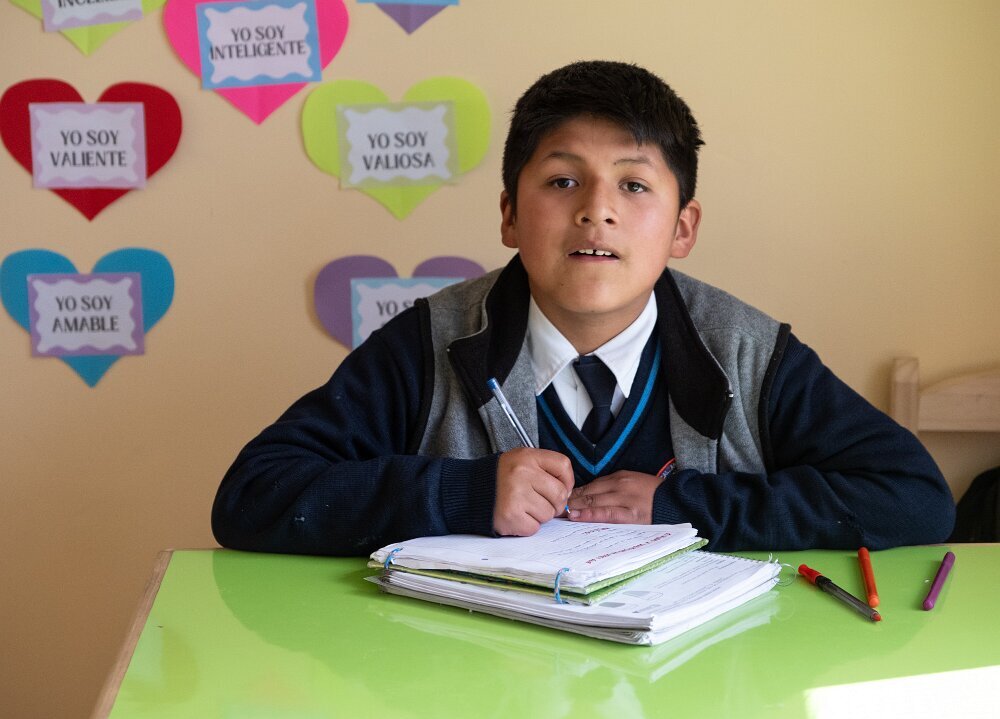
At the Centre, Jesús found structure and adults who listened to him. Through sports and group activities, he channelled his energy into teamwork and discovered a passion for football. With steady academic reinforcement, his reading and math improved. Over time, he began to see himself differently — as a leader among younger children and as someone who could one day coach others.
Belinda (12)
After losing her mother and falling behind in school while living in a remote rural area, Belinda arrived in El Alto with significant learning gaps. Regular educational support at the Centre helped her rebuild her reading skills step by step. Just as important, she gained confidence. Today, she speaks about her future with optimism and a growing sense of her own ability.
Their progress continues — and so does the need for consistent academic support for all the children at JJC.
Looking ahead
The past six months showed what becomes possible when nutrition, education, and skills training are sustained together.
They also made clear what is still required:
These are not short-term interventions. They are long-term commitments that allow children to move forward with stability and dignity.
Project reports on GlobalGiving are posted directly to globalgiving.org by Project Leaders as they are completed, generally every 3-4 months. To protect the integrity of these documents, GlobalGiving does not alter them; therefore you may find some language or formatting issues.
If you donate to this project or have donated to this project, you can receive an email when this project posts a report. You can also subscribe for reports without donating.



Support this important cause by creating a personalized fundraising page.
Start a Fundraiser