By Chelsea Zfaz | Head of Mission Mynmar
Mission Report: IsraAID Mission in Myanmar
Report Overview: Providing Emergency Relief Aid and Services to Flood-affected Communities across the Country
The Mission in Context
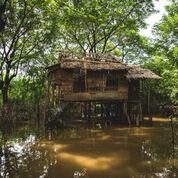
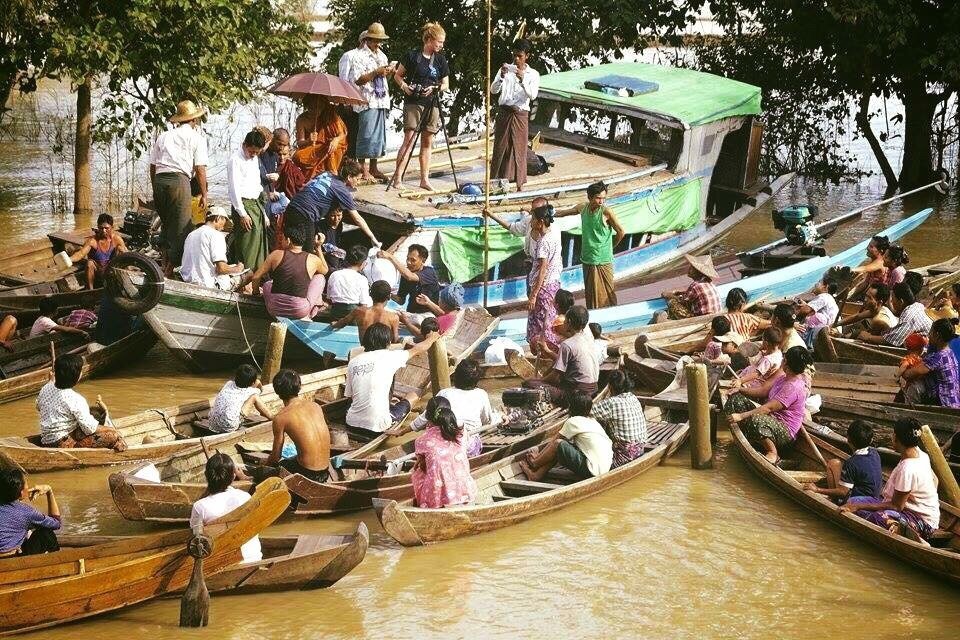
In early July, 2015, a majority of Myanmar became inundated by flood waters. Over 1.6 million people have been affected by the flooding, and hundreds of thousands of families are still displaced. Over 450,000 people remain food insecure.
The situation is made more complex by the hundreds of thousands of acres of damaged cropland, which is too devastated to be re-planted by the end of the harvest season. This means that many families have not only lost their land and their food source, but also their livelihoods.
Whether displaced or not, communities across the entire country now face a myriad of challenges in returning to some level of normalcy. Many of the most severely affected communities are from a low socioeconomic status and have very limited resources at their disposal, making recovery extremely difficult.
An additional inseparable aspect of this crisis is the impact on Water Sanitation and Hygiene (WASH). Houses were completely washed away or severely damaged, forcing families to find temporary living solutions on the street or in temporary camps with little to no WASH facilities. To compound this, major sanitation facilities along rivers were washed away, raising serious public health concerns and fears of outbreaks of diarrhea and other water borne diseases.
In several areas of Myanmar, such water related emergencies and water shortages are frequent and reoccurring. In such crisis situations, the initial response to clean water shortage is the distribution of bottled water, a very expensive and short lasting practice, and combined with the general low quality of fresh river water in the country, there remains an obvious need for quality sustainable solutions and resilient water availability.
On August 24th, 2015, IsraAID’s emergency response team landed in Yangon. Assessments revealed a critical and time-sensitive need not only for WASH-related assistance, but also for Psycho-Social Service (PSS) support.
Although psycho-social support and service provision is very limited in Myanmar, there is a growing understanding of the need to provide Psycho-social support and services to the millions of flood-affected individuals in the country, many of whom have lost their homes and sources of livelihood and who have been indefinitely relocated to IDP camps.
Overview: A Two-pronged Response Program- WASH and PSS Activities
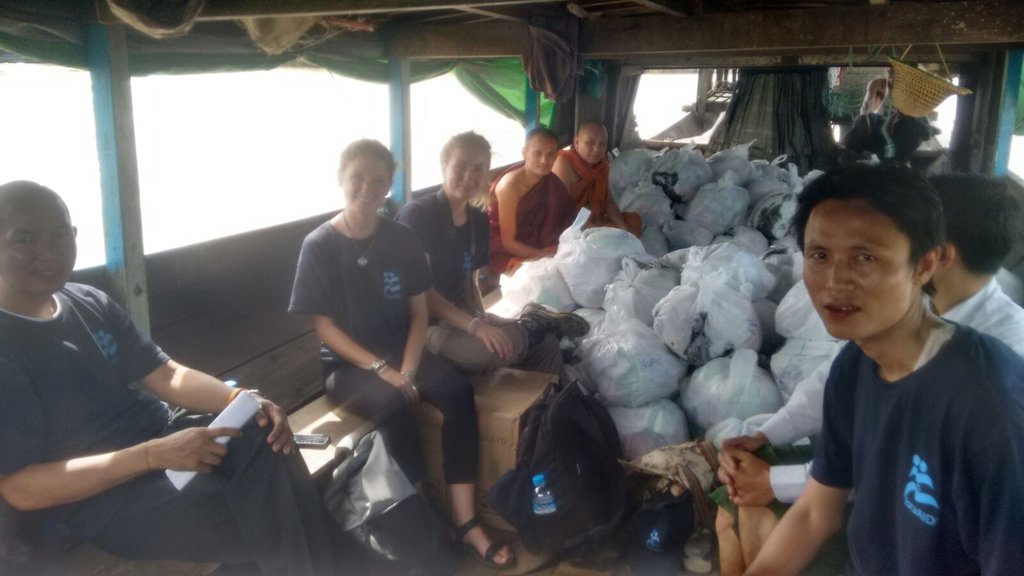
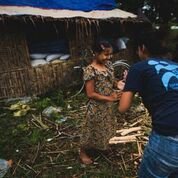
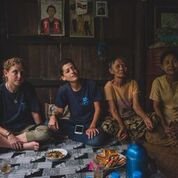
IsraAID activities in Myanmar have consisted primarily of trainings and consultations for community leaders and local partners in the fields of Water, Sanitation and Hygiene (WASH) and Psycho-Social Support (PSS). Our trainings have reached a diverse network of government workers, IDP camp leaders, religious leaders, and local and international NGO staff, who are now equipped with the practical knowledge and skill sets to return to their communities and facilitate trainings on their own.
The WASH Program
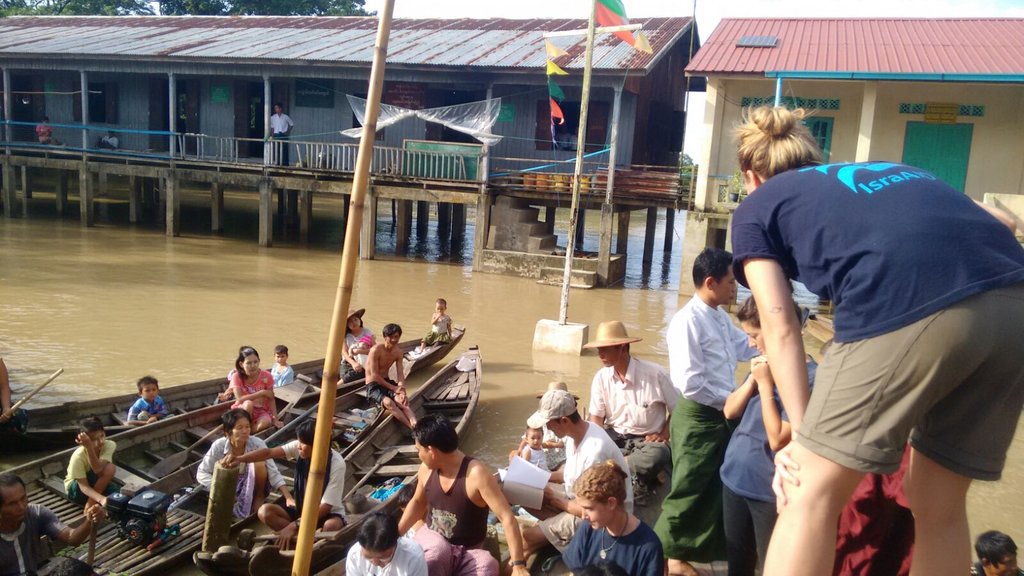
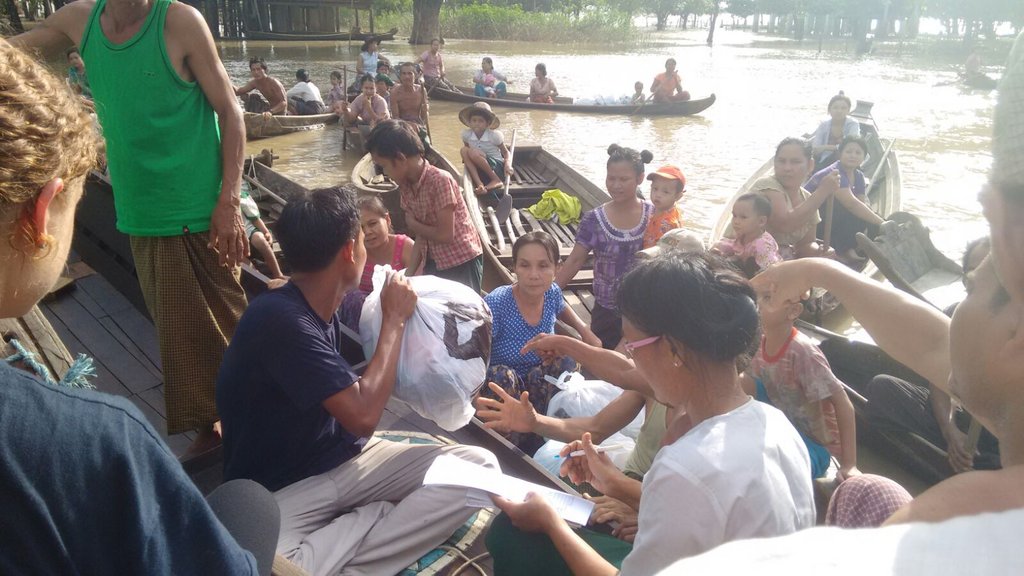
IsraAID’s Water, Sanitation and Hygiene program included distributions of hygiene kits, water chlorination tablets and toilet bowls in addition to trainings and consultations. Our WASH program reached over 2,260 people from villages and towns across Myanmar. From flood-affected communities in Ayeyarwaddy, Magwey, and Sagain, to NGO leaders from a grassroots, national and international level, the impact of our distributions, trainings, and consultations is felt by individuals of varying backgrounds.
Beneficiaries of WASH Activities:
Outcome of the WASH Activities
Participants of IsraAID WASH trainings now understand the fundamental concepts involved in WASH in general and WASH minimum standards in particular, and will be able to train others in hygiene promotion, reduction in water-borne disease transmission, water chlorination, tip-tap construction and pump maintenance and repair.
The impact of the WASH training will be healthier communities with improved access to clean water. Specifically, more people in more villages will learn of the importance of proper personal hygiene and of the threats related to field defecation and to latrine installation in close proximity to water pumps. Additionally, people will learn when it is appropriate to use chlorination tables and how to use them properly.
The Psycho-Social Support Program:
IsraAID’s Psycho-Social Support Program reached 118 community leaders, local partners and government workers from Sagaing, Chin, Kachin and Yangon. We trained staff from UN agencies, international NGOs, national NGOs, the Department of Social Welfare and Relief Works and the Department of Education in identification of causes and effects of tramatization and of maladaptation to crisis, of coping mechanism development, of burn-out and self-care techniques.
Beneficiaries of PSS Activities:
Outcome of the PSS Activities
People from the government sector non-governmental sector, grassroots sector and religious sector now have an understanding of what psycho-social support is and how to offer support in a way that fits the needs of their respective communities. Trainees now understand the causal factors behind trauma and how to identify early signs of unhealthy coping mechanisms after crisis. Each trainee has a specific skill-set which can be used to help support members of their communities, and is now equipped to train other people in their communities similarly to the way they were trained
The impact of the PSS trainings involves the informing of hundreds/thousands of people on psychological ailments such as anxiety, depression, ASD and PTSD and their causes as well as their effects; the offering of support systems to individuals and families in villages, towns, IDP camps and cities; improved/increased coping mechanisms and thus overall strengthened mental health and resilience of individuals in villages, IDP camps, towns and cities in Myanmar.
Critical Review of the PSS Trainings
Our psycho-social support trainings were welcomed as a service necessary to the early recovery phase. Two surveys were conducted in two separate trainings to measure participants’perceptions of the training material, the training style and the training efficacy. 22 respondents answered the 20-question surveys anonymously. Overall, the participants felt that the trainings were effective and imparted new and relevant information and skills.
Regarding the Quality of the Workshop
Fifty-four percent of respondents felt strongly that the workshops presented new ideas; thirty-two percent largely agreed. Thirty-six percent of respondents felt strongly that the activities in the trainings offered new perspectives on the issues discussed, and forty-five percent largely agreed. Forty-one percent of respondents strongly felt that a positive atmosphere was created among participants and thirty-two percent largely agreed; twenty-seven percent partly agreed. Thirteen percent strongly agreed that they felt comfortable sharing their ideas with their groups; 54 percent largely agreed and thirty-two percent partly agreed. Fifty-nine percent felt strongly that the practical methods taught were relevant; twenty-seven percent largely agreed. Fifty percent of respondents strongly felt comfortable sharing information; thirty-two percent largely agreed; eighteen-percent agreed that they partly felt comfortable. Fifty-four percent of respondents felt strongly that the program was considerate of their needs; eighteen percent largely agreed, and eighteen percent partly agreed. Thirteen percent expressed a strong desire for a more practical emphasis; thirty-sex percent expressed a large desire and thirty-six percent expressed a partial desire. Twenty-seven expressed a large desire for more of a theoretical emphasis of training; forty-one percent expressed a partial desire. Fifty-four percent strongly agreed that the training improved their understanding of the needs of the people they are responsible for. Thirty-six percent largely agreed, and eighteen percent partially agreed. Forty-five percent of respondents felt strongly that the training improved their understanding of their own needs regarding their abilities to cope with their own situations. Forty-five percent largely greed, and one percent partly agreed.
Conclusion
The IsraAID emergency response mission in Myanmar levelled a moderate impact on flood-affected communities in Ayeyarwaddy Division, Magwey Division, Sagaing Division, Chin State, Kachin State and Yangon City, notwithstanding the challenges posed to foreign intervention by the government.
Project reports on GlobalGiving are posted directly to globalgiving.org by Project Leaders as they are completed, generally every 3-4 months. To protect the integrity of these documents, GlobalGiving does not alter them; therefore you may find some language or formatting issues.
If you donate to this project or have donated to this project, you can receive an email when this project posts a report. You can also subscribe for reports without donating.