By Amna Hassan Kazmi | CEO
“Khamosh Umeedon Ka Safar: The Hamara Kutub Khana Journey”
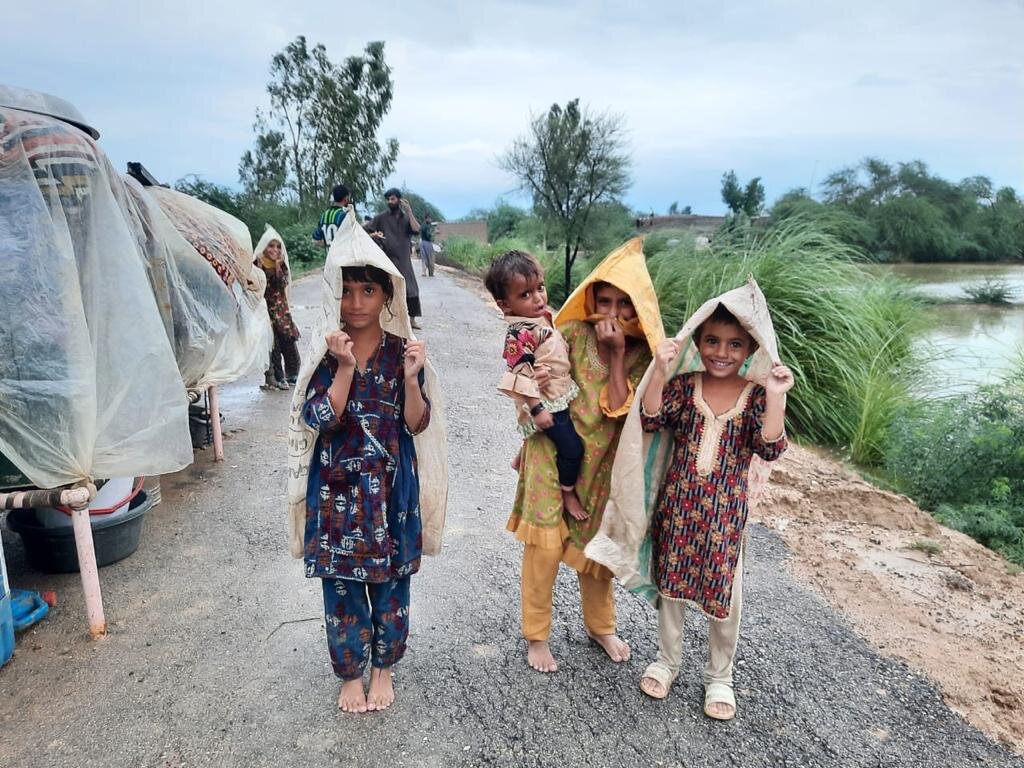
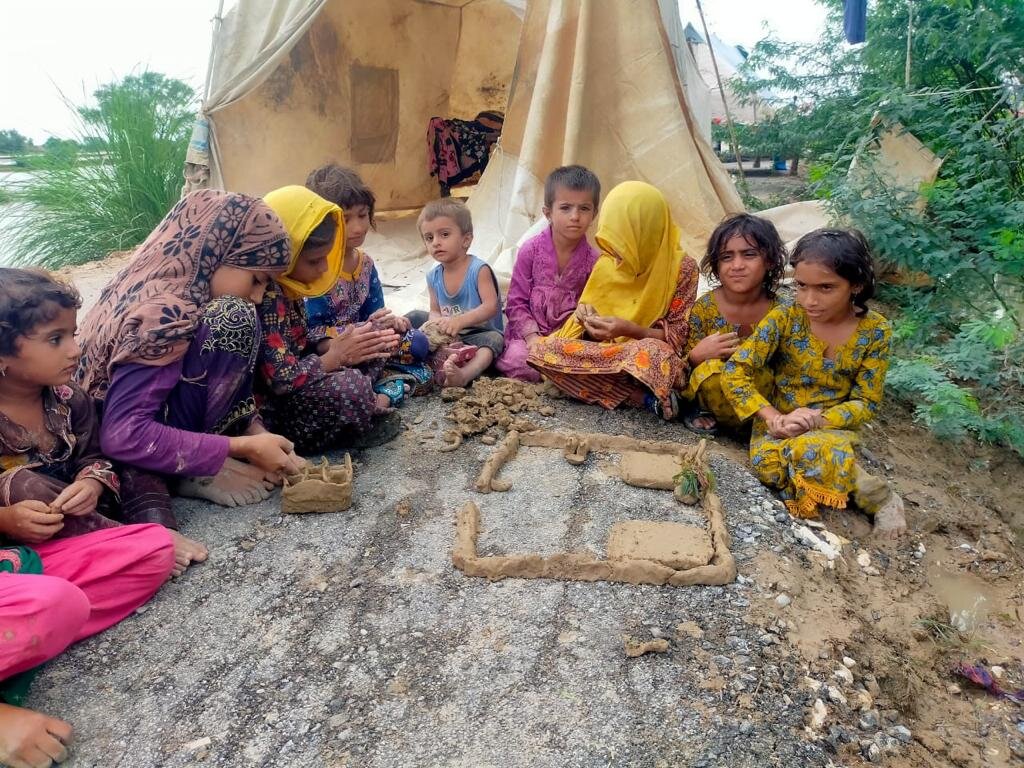
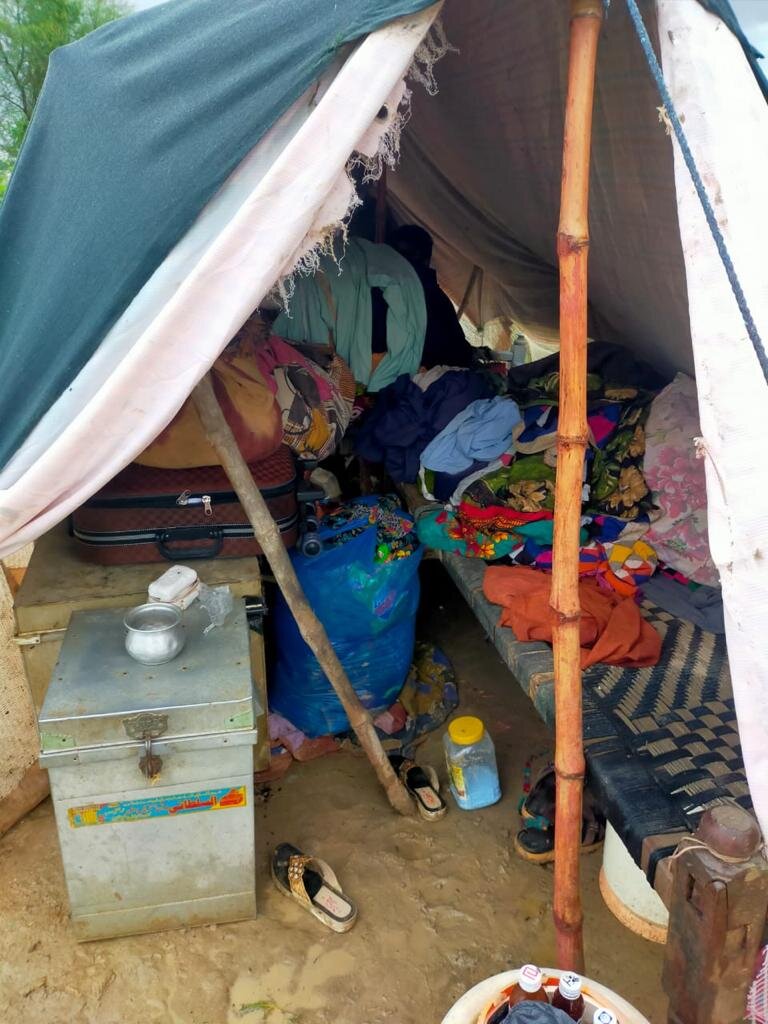
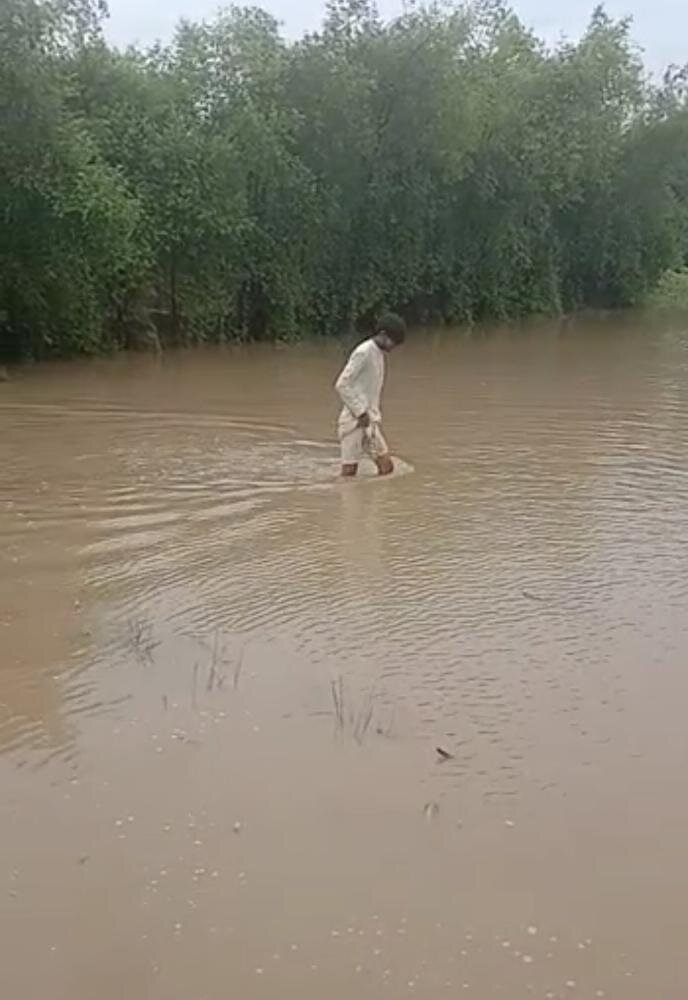
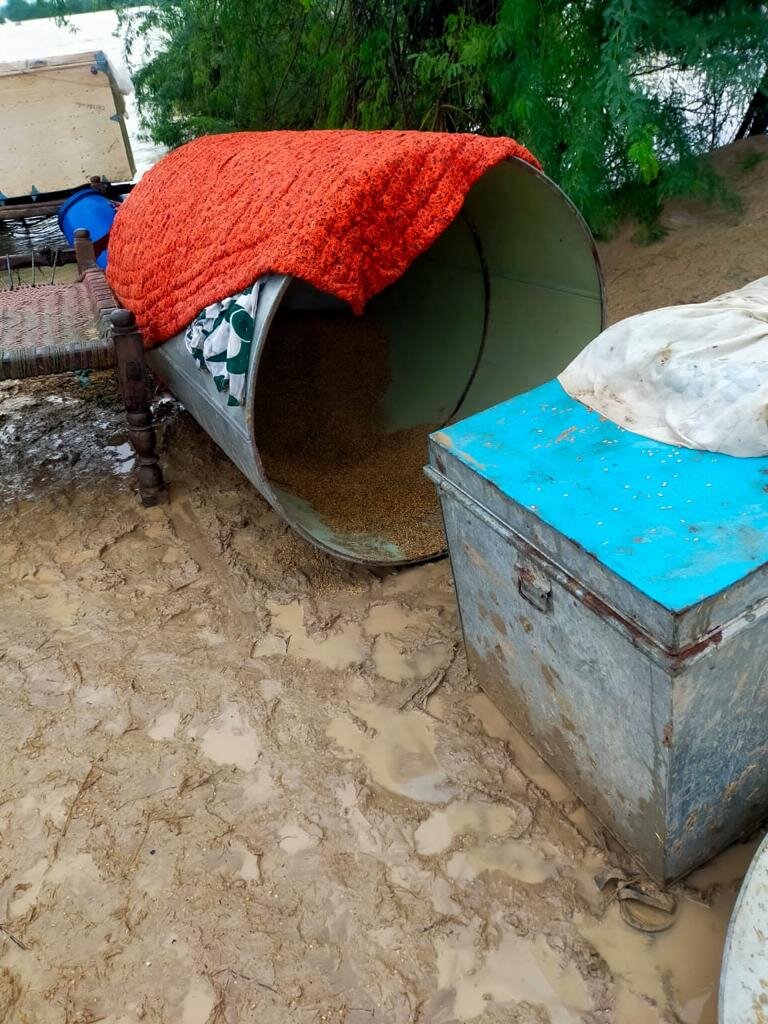
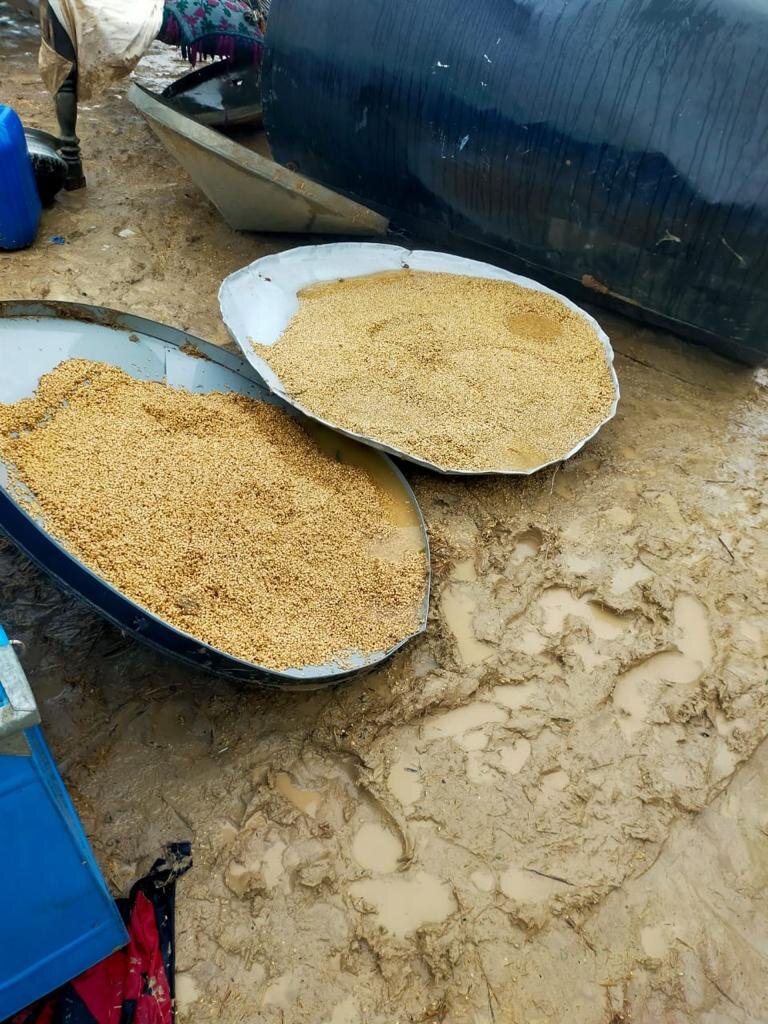
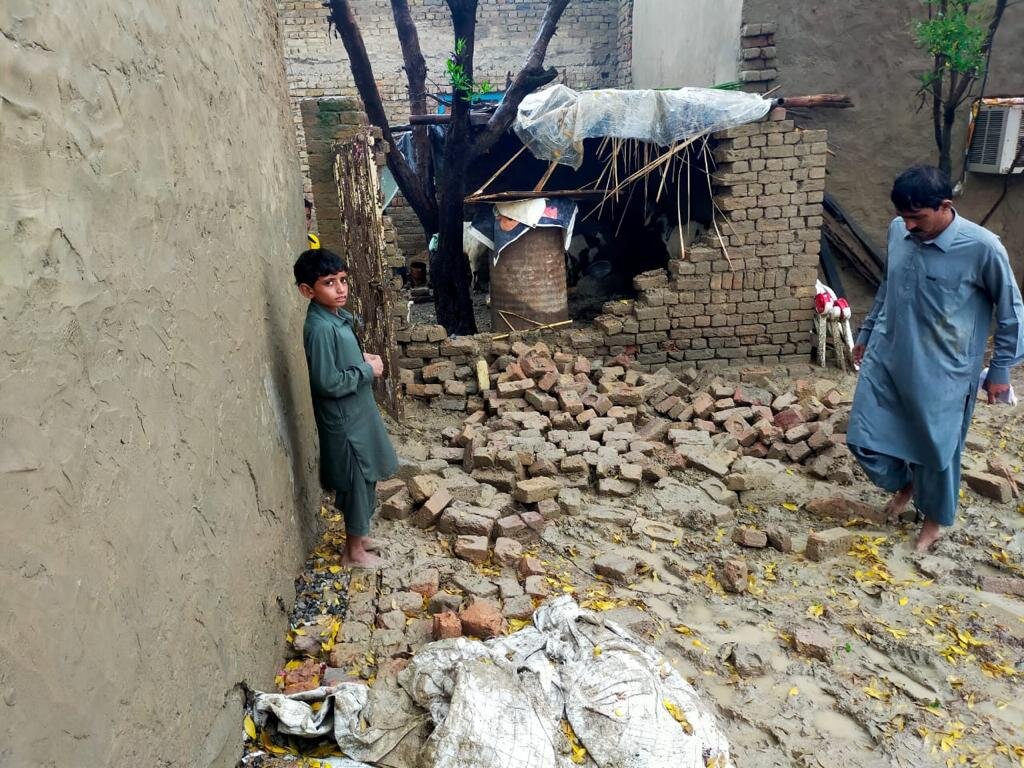
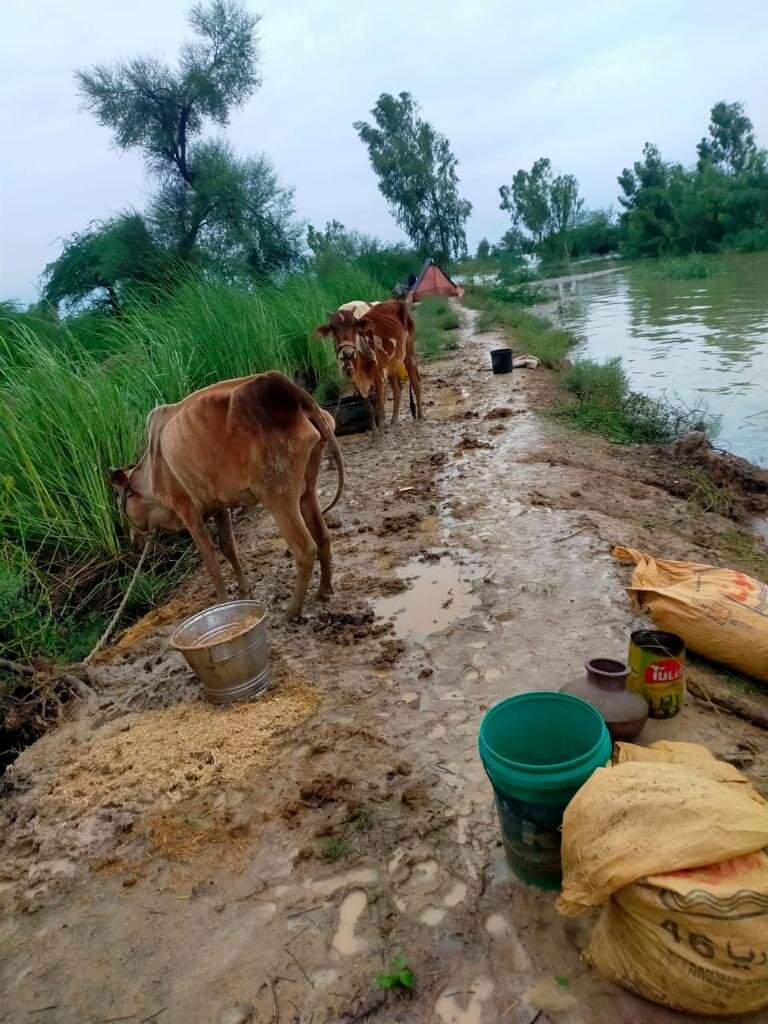
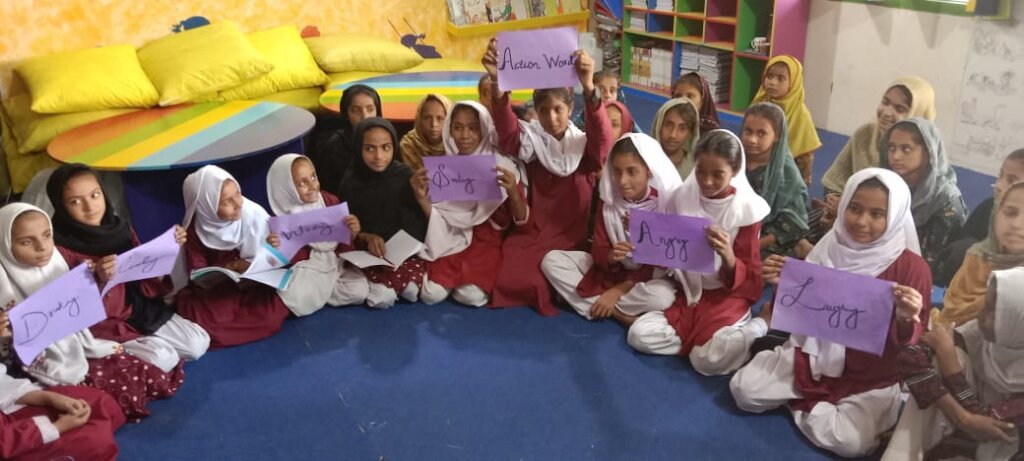
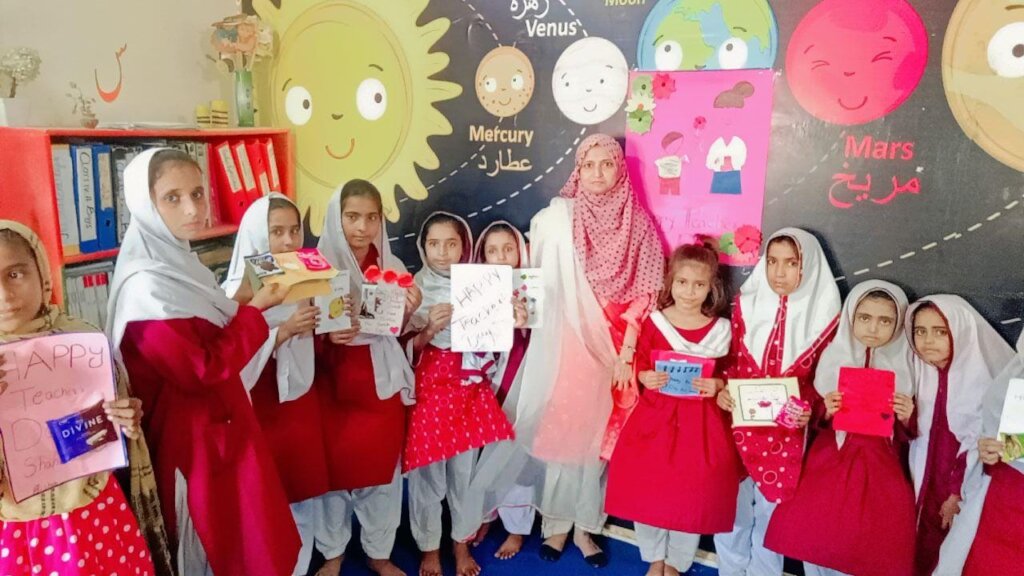
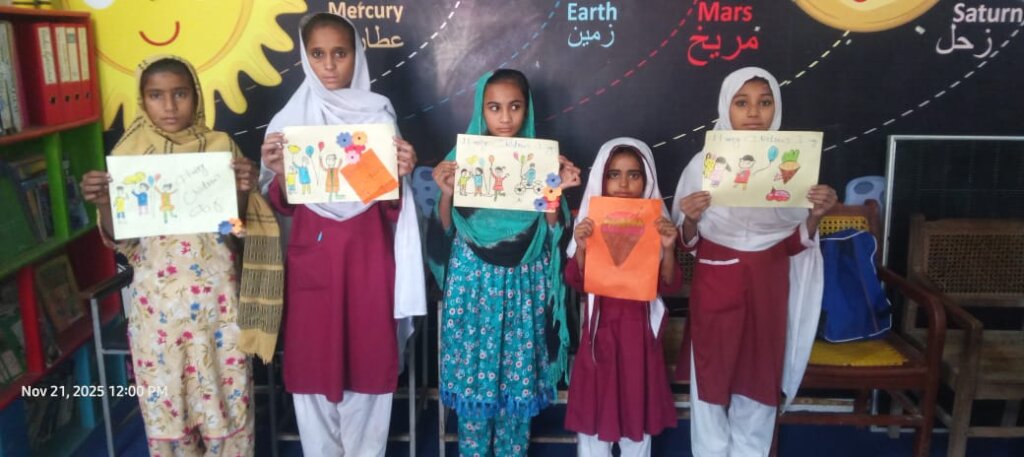
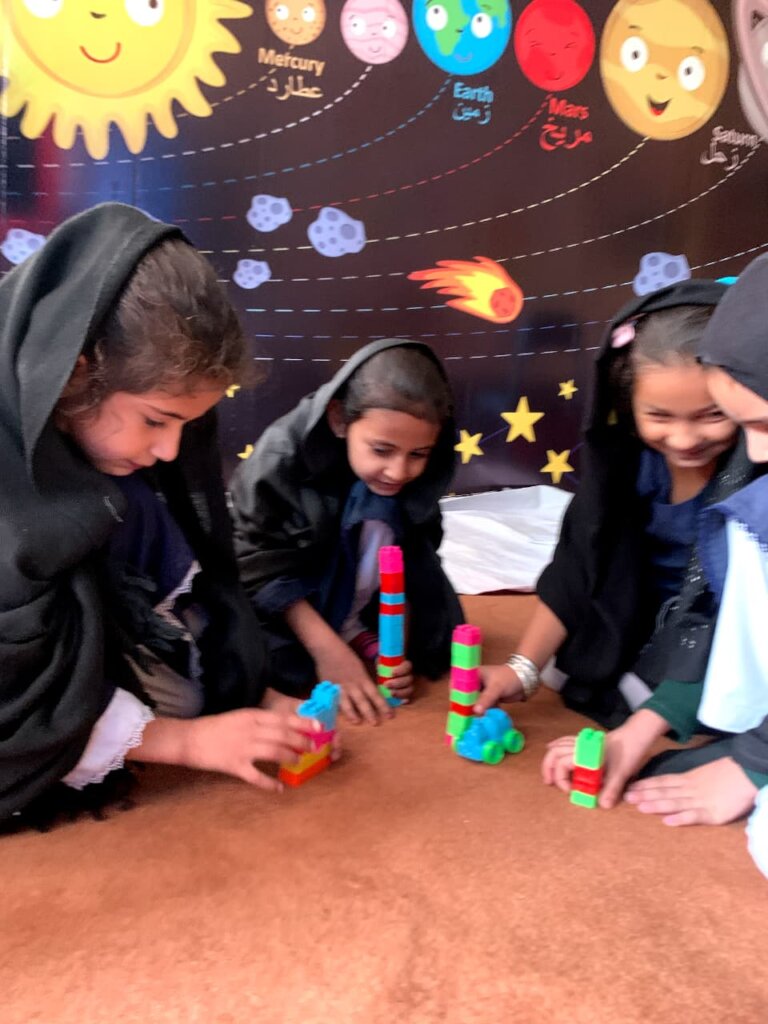
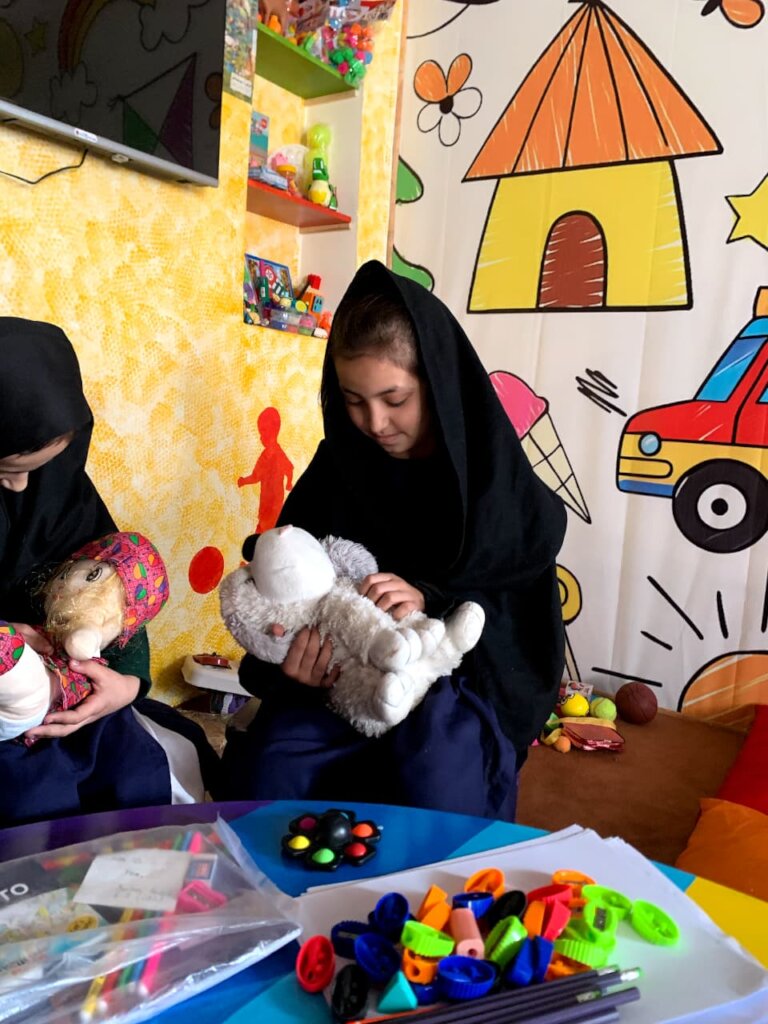
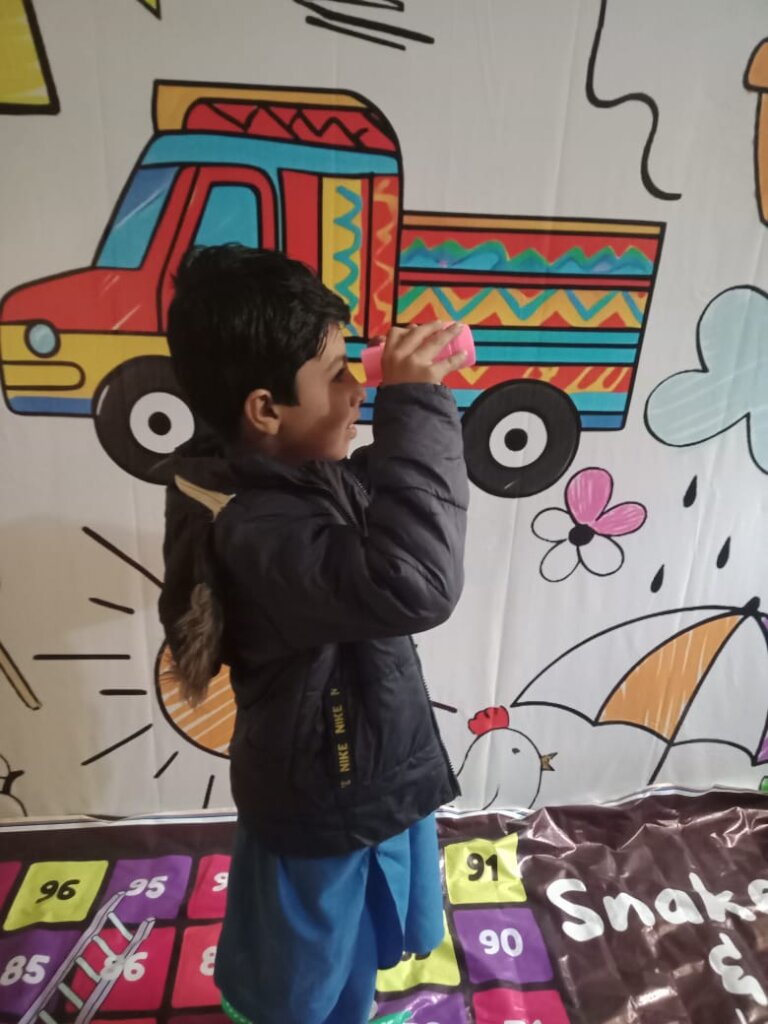
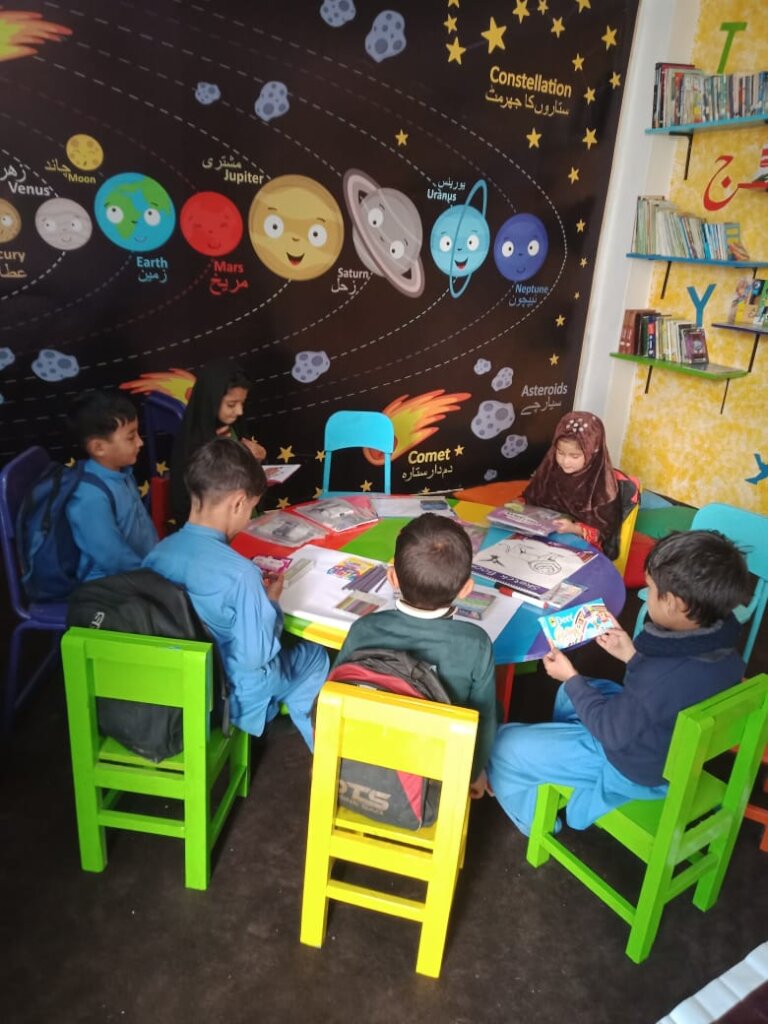
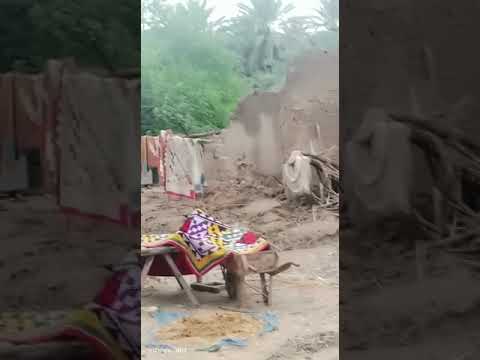
The Hamara Kutub Khana initiative continues to quietly expand the world of reading for children across Pakistan. Through the establishment of well-equipped, child-friendly school libraries, the project is cultivating a culture of curiosity, imagination, and lifelong learning in communities that have long lacked access to quality educational resources. This quarter, the initiative progressed steadily across Jamshoro, Sukkur, and Buner, each region witnessing renewed engagement, strengthened literacy practices, and deeper school-community involvement. In Jamshoro, seven libraries established with the support of the Indus Resource Center remain fully functional and well-maintained. These spaces have become central learning hubs where students gather each week for read-alouds, group reading, and structured literacy activities. Schools with enrollments ranging from 140 to 400 students now benefit from regular sessions that support vocabulary development, comprehension skills, and collaborative learning. The consistent use and upkeep of these libraries reflect the strong commitment of teachers and school leadership to nurturing reading habits. Similarly, seven libraries in Sukkur continue to operate successfully, offering children engaging environments filled with books, visual learning materials, and opportunities for creative expression. Weekly activity days have strengthened reading fluency and comprehension, while class-based sessions have helped teachers tailor instruction to varying grade levels. The structured routine of storytelling, guided reading, and foundational writing activities has contributed to noticeable improvements in confidence and participation across classrooms. In Buner, the progress carries an even deeper significance. Following the cloudburst and floods that damaged several schools, the establishment of four Hamara Kutub Khana libraries has played a vital role in restoring learning opportunities. After essential repairs and rehabilitation, these libraries have re-energized school environments, offering students a renewed sense of normalcy and joy. They now function as vibrant learning spaces where educational activities have fully resumed. Ongoing monitoring by Dr. Siddiq ur Rehman and active data collection have also paved the way for two additional libraries to be established in the coming months. Across all three regions, more than eighteen static libraries are now functioning effectively, offering thousands of children consistent access to books, structured literacy activities, and supportive learning environments. The project has strengthened school engagement, enhanced reading practices, and provided communities with reliable educational spaces, especially significant in post-disaster areas where continuity of learning is crucial. The Hamara Kutub Khana initiative remains a testament to the power of quiet, steady investment in children’s futures. These libraries are more than physical spaces, they represent opportunity, stability, and the promise of a better educational landscape for underserved communities. With continued support from our donors and partners, Alif Laila Book Bus Society is committed to expanding this work and ensuring that every child has a place where stories, knowledge, and imagination can flourish.
Project reports on GlobalGiving are posted directly to globalgiving.org by Project Leaders as they are completed, generally every 3-4 months. To protect the integrity of these documents, GlobalGiving does not alter them; therefore you may find some language or formatting issues.
If you donate to this project or have donated to this project, you can receive an email when this project posts a report. You can also subscribe for reports without donating.



Support this important cause by creating a personalized fundraising page.
Start a Fundraiser