By Ben Blevins | Deep Educator
Our work this quarter reflects a deepening commitment to decolonizing education—an effort fundamentally rooted in respectful partnership and ethical accountability. We recognize, as Ramon Grosfoguel observes, the delicate balance required in true decolonization: an approach focused only on the material often reduces itself to fundamental Marxism, while one preoccupied with the spiritual can slip into New Age escapism. Within this complexity, we face a profound ethical responsibility to consider the power dynamics embedded in both science and religion. Notably, even the choice to refrain from religious programming constitutes a spiritual position and shapes the cultural tenor of our work—much as stating “don’t be political” is itself a political act.
Through consistent engagement with Indigenous education leaders across diverse contexts, a recurring challenge has emerged: the struggle to be effective in faith-centered communities where faith is not only foundational but also a source of conflict, division, and tension. Imposing a purely Western scientific worldview is neither culturally relevant nor appropriate; similarly, sidestepping the spiritual needs and values of these communities hews uneasily to the model of absence, which can be exclusionary in its own right.
Summary
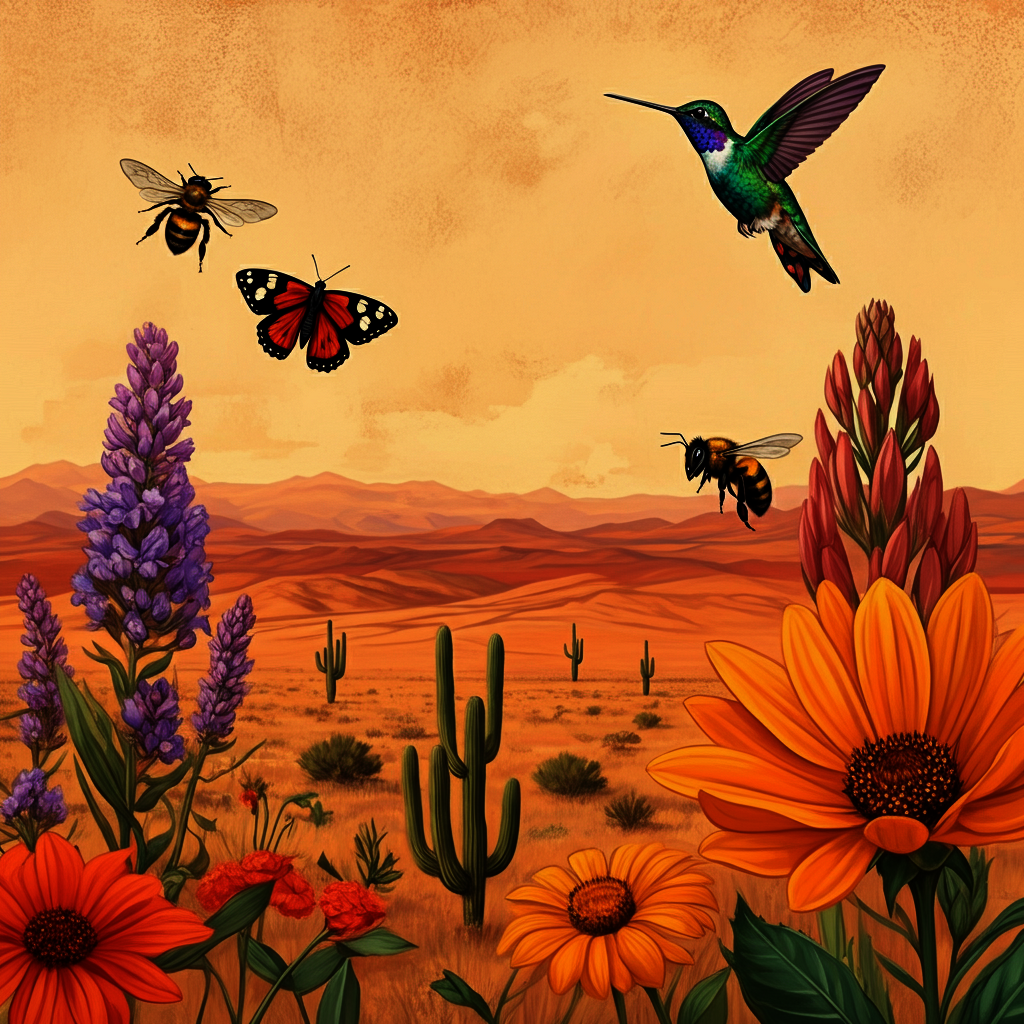
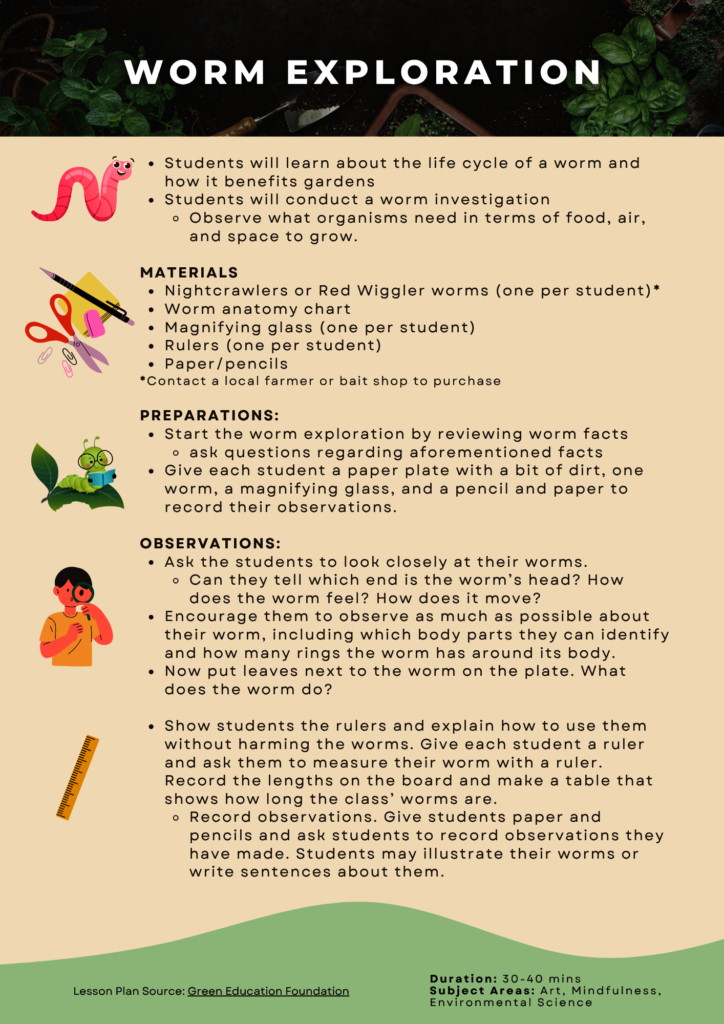
Over the past six months, we have developed and completed a secular K-12 pollinator lesson plan, designed to support project-based learning and extracurricular engagement grounded in STEM education objectives. While this resource addresses foundational scientific learning and was shaped in response to general community aspirations, emerging feedback from Indigenous education leaders and tribal partners has made it clear that there is a need for additional resources—specifically, activities that are framed within a faith-based or creation care context to better reflect the values and lived experience of the community.
Community-based education leaders have emphasized that, for extracurricular project-based learning activities to be truly relevant and effective, we must thoughtfully incorporate language and concepts that are responsive, respectful, and meaningful within both the Christian tradition and the ancestral ways of knowing in these communities. Moving beyond a purely secular lens, our next phase of work will focus on creating resources that honor this complex cultural landscape—embracing both kincentric Indigenous perspectives and core values from the Christian tradition. By intentionally engaging with these spiritual and cultural frameworks, we aim to develop educational materials that speak to the scientific and the sacred, fostering belonging, responsibility, and stewardship in ways that are relevant and resonant to the communities we serve.
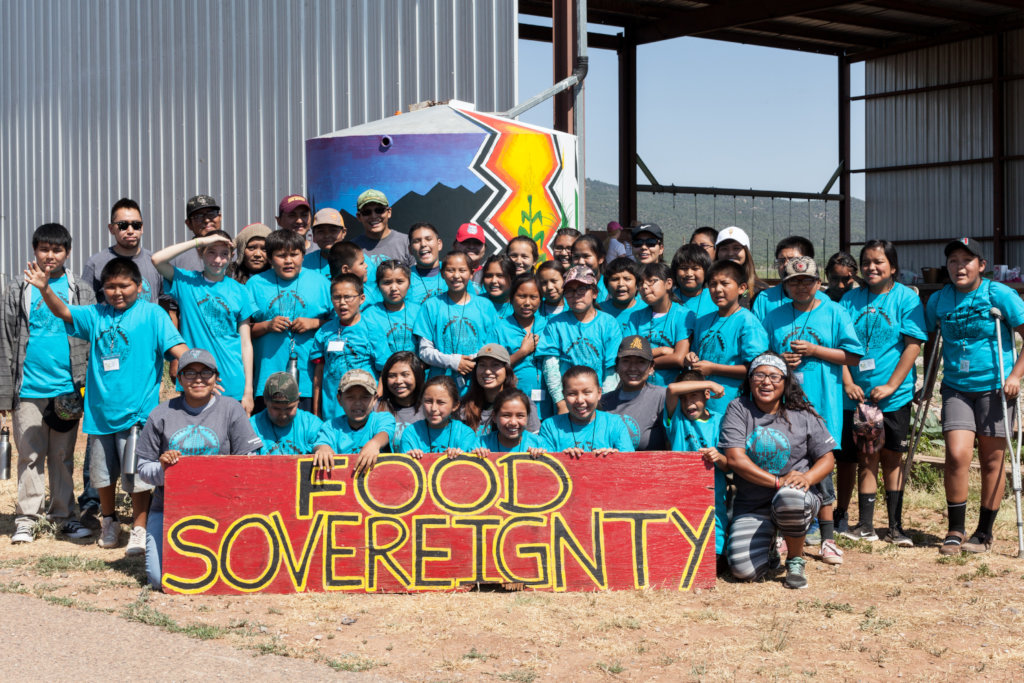
The pollinator lesson plan was collaboratively co-created, centering the voices of Indigenous partners and community members. It invites students to explore the interconnected patterns of pollinators and local ecology not as outsiders, but as active participants in a living system. In this framework, STEM learning is never divorced from culture or ethics, but woven into the fabric of daily and communal life.
Goals for Next Quarter
As we look ahead, our collaborations will deepen with tribal partners in Guatemala, Ecuador, Arizona, and Virginia, with the aim to develop project-based learning materials that remain adaptable, replicable, and grounded in lived wisdom. Our process seeks to model the very relationships that ecology teaches—embracing unity, reciprocity, and context—so that our educational work serves as a bridge, not a barrier, across difference.
This journey is not without challenge, but we remain committed to the ongoing process of decolonization—crafting resources and partnerships that empower communities to reclaim their own narrative and inspire future generations to care for both knowledge and kin.
Links:
Project reports on GlobalGiving are posted directly to globalgiving.org by Project Leaders as they are completed, generally every 3-4 months. To protect the integrity of these documents, GlobalGiving does not alter them; therefore you may find some language or formatting issues.
If you donate to this project or have donated to this project, you can receive an email when this project posts a report. You can also subscribe for reports without donating.



Support this important cause by creating a personalized fundraising page.
Start a Fundraiser