By Brian Stevens | Engagement Director
Because of you, girls are leading—and communities are sustaining the change.
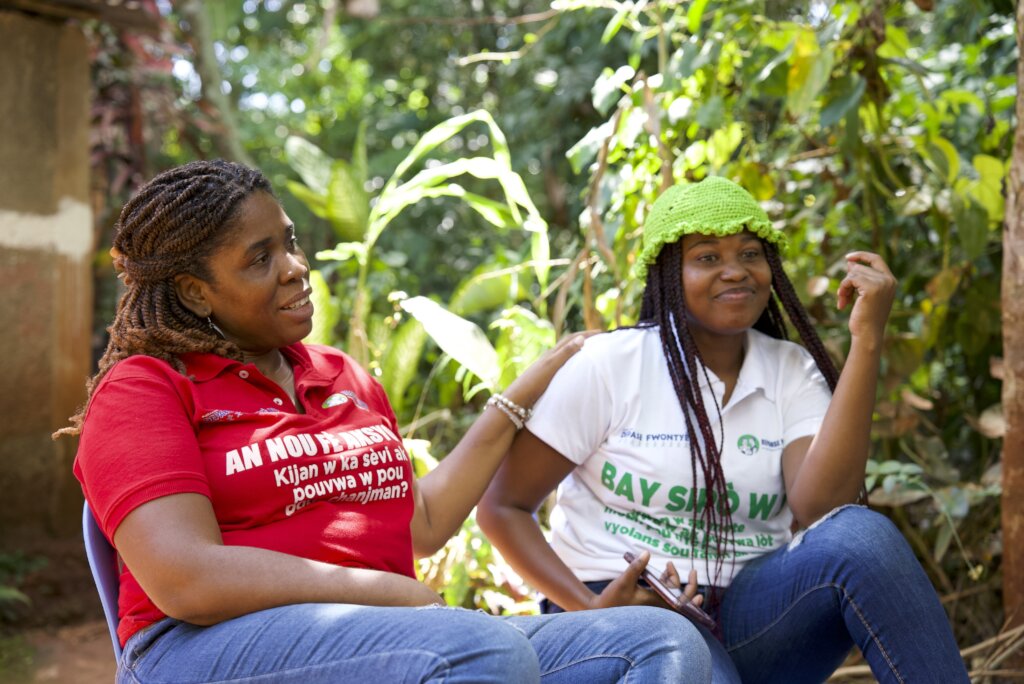
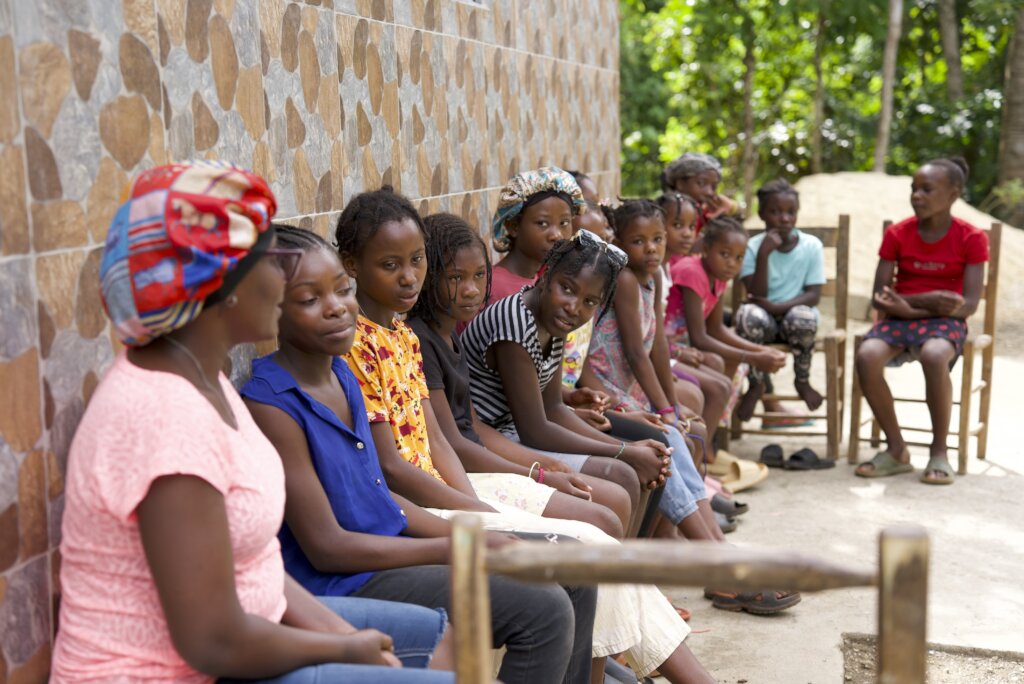
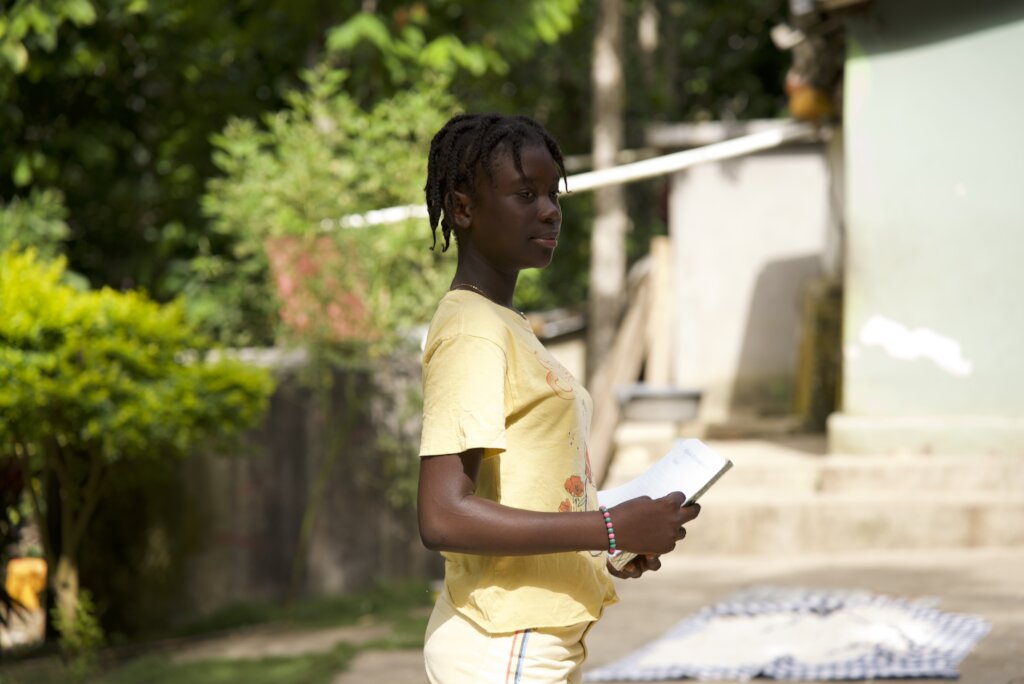
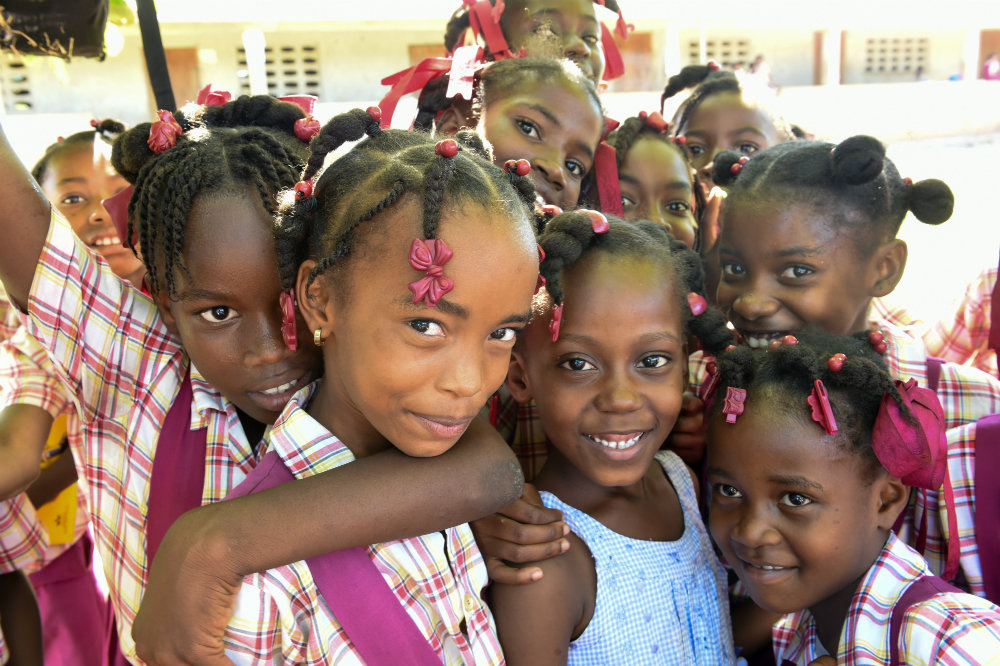
Your generosity kept learning, organizing, and action moving forward in Bainet and La Montagne. Girls turned knowledge into leadership; parents and community leaders turned support into structures that last. Thank you for standing with them through an extraordinarily challenging year in Haiti—your care shows up in every study circle, every committee meeting, and every small business a girl launched and managed with pride.
What your support accomplished this quarter:
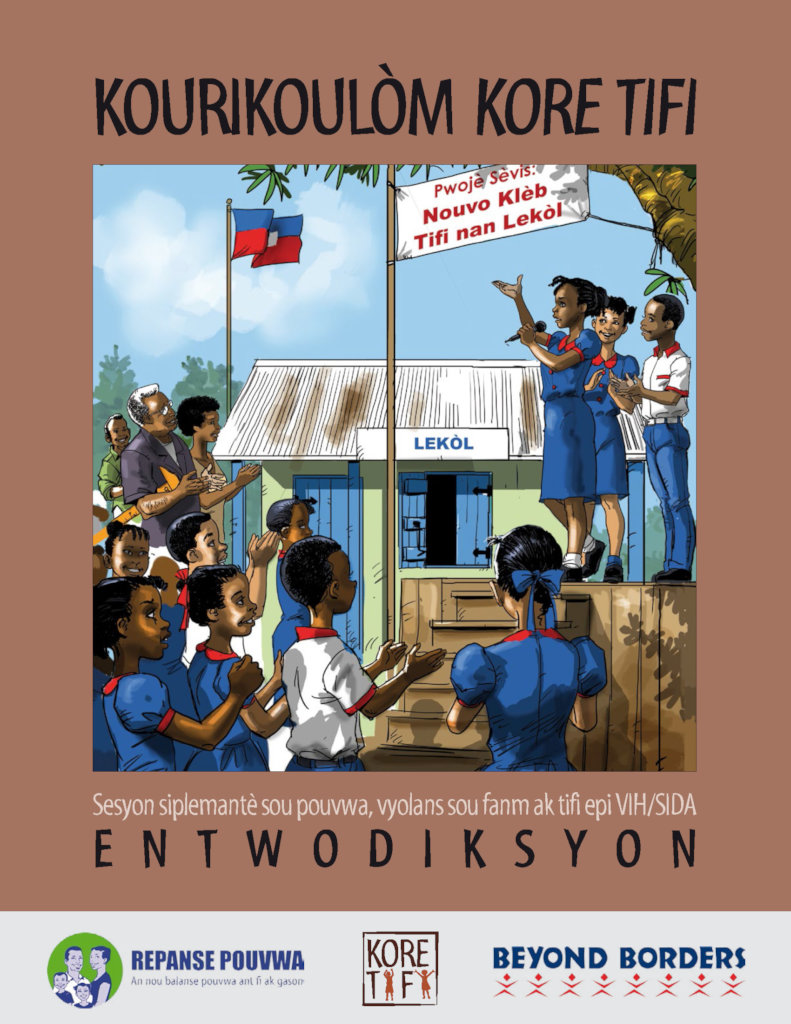
1) Completing the full SASA! Together / Power to Girls cycle & building local ownership
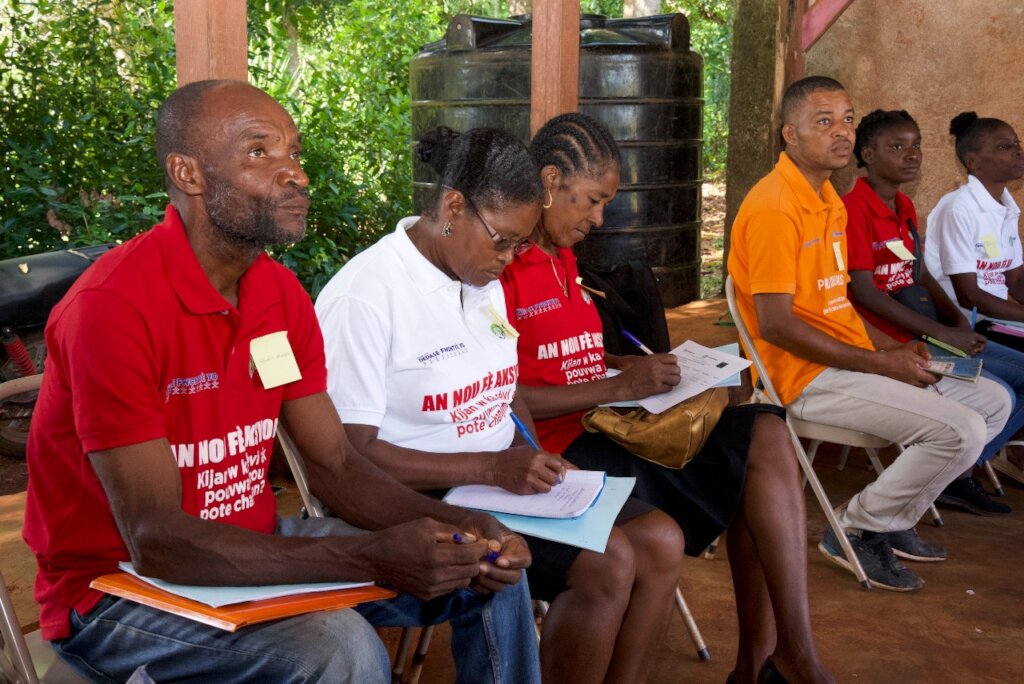
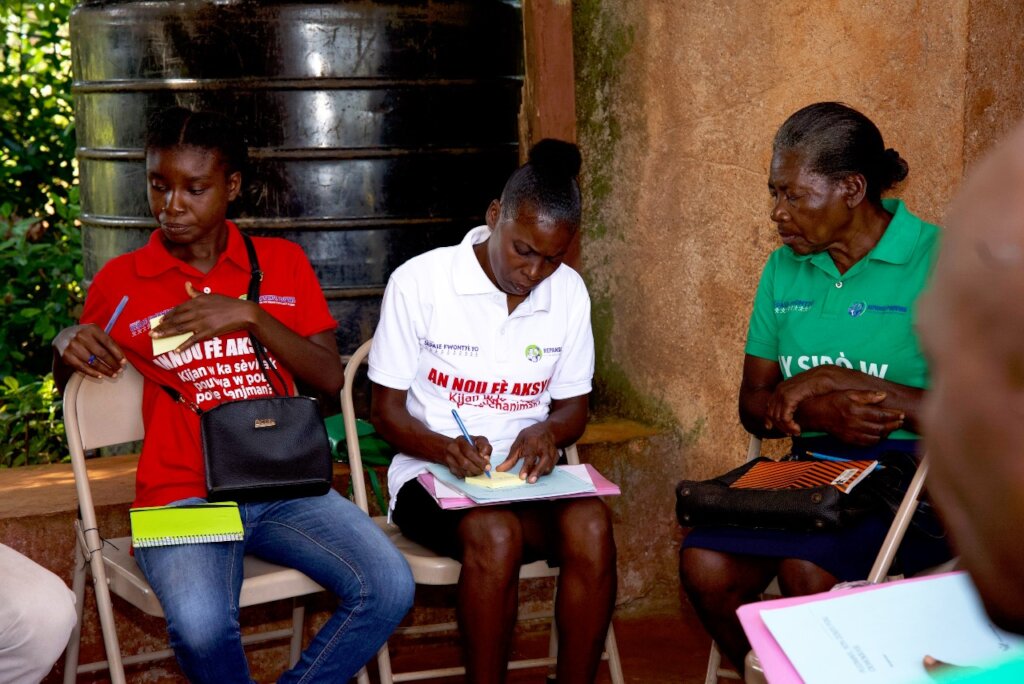
Communities finished the full cycle and—by design—shifted leadership and logistics into local hands. Four advocacy committees are now operating (two in Bainet and two in La Montagne), with a clear mandate that blends prevention, protection, and empowerment, and explicit inclusion of girls with disabilities. The handover included refresher trainings, joint planning, role agreements, and gradual transfer of responsibilities from the program team to local leaders.
Committees were equipped with practical advocacy skills—stakeholder mapping, message development, campaign planning, public communication—and basic monitoring and evaluation to run initiatives independently.
Why this matters now: these locally owned structures mean prevention and response continue between external visits and after the project concludes, with routine meeting cadence and simple budgeting/record-keeping to sustain momentum.
2) Girls’ economic empowerment—skills, income, and visible leadership
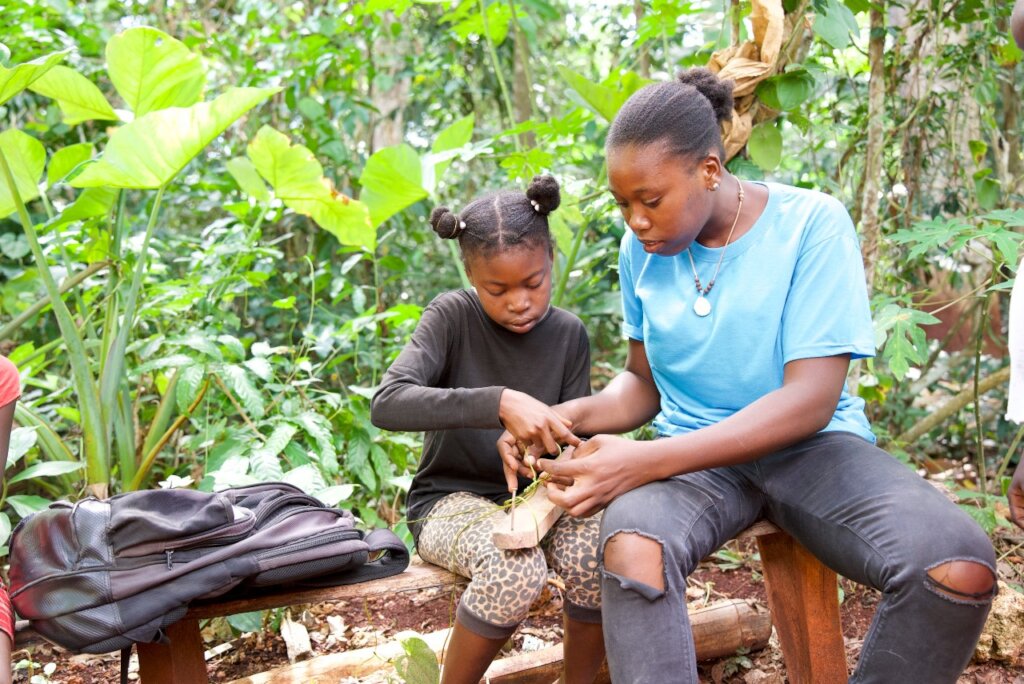
After completing the SASA!/Power to Girls sequence, 172 girls organized in 28 entrepreneurial groups launched and sustained small businesses using locally sourced inputs—peanut butter, kokiyòl (coconut sweets), almond/peanut brittle, leather goods, perfumes, handmade sandals, and more. Each group manages production, inventory, and simple bookkeeping with rotating roles for leadership, sales, and quality control. Immediate results include short-term earnings, stronger time-management (balancing school with business), and increasingly visible female leadership.
The module behind this growth covered: identifying talents, the link between “money, work, and girls’ power,” business planning, market research, starting savings groups, and basic advertising—designed specifically to grow agency and reduce dependence on male-provided resources.
Crucially, girls who run businesses are mentoring younger/non-club peers—teaching pricing, customer service, time management, and how to keep studying while earning—spreading both practical skills and a culture of aspiration.
3) Families and norms—parents shifting from skepticism to support
At the outset, some parents doubted whether girls should receive training or feared that entrepreneurship would distract from school or provoke community stigma. Over the quarter, as girls demonstrated sound bookkeeping, regular attendance, and teamwork, parental attitudes shifted measurably—toward celebration and active support.
This aligns with broader program observations: adolescents forming business groups, older girls mentoring younger peers, and parents backing both economic activity and continued schooling.
4) Inclusion & safety—“Safe and Capable” for girls with disabilities
The disability-inclusive focus strengthened community understanding of “double vulnerabilities” (gender + disability), adapted referral practices to be more accessible, and trained activists/committee members in inclusive protection. Early outcomes include integrating disability considerations into committee mandates and improving local awareness of specific risks faced by girls with disabilities.
In their words—what change feels like
A student reflected: “There are many types of violence against women… We will keep an eye on all children, especially girls.”
Another young woman in La Montagne shared that her parents now live “without violence… there is respect [and] love… now there is joy in our family.”
How your gifts helped us adapt to hard realities
Haiti’s operational environment forced constant adaptation. Transportation costs to reach implementation communities more than doubled against the original budget—impacting travel frequency and requiring consolidated multi-day field visits. Material availability and supply delays also slowed rollout in places, prompting local sourcing and flexible scheduling.
Despite these constraints, progress continued because the economic module was developed through action-research with participants, and because parents were actively engaged—two factors that proved critical to uptake.
What “sustainability” looks like on the ground
Operating Committees: Four committees (two per commune) now drive prevention and advocacy, with strong community support.
Routine & Records: Committees are formalizing meeting cadence, simple budgets, and recordkeeping to preserve institutional memory and continuity.
Peer Mentoring & Market Links: Girls’ groups continue role rotation, mentorship, and market engagement; recommendations include fostering local buyer linkages and maintaining simple group bookkeeping.
What we’re tracking next
To keep learning loops strong while minimizing burden, we’re prioritizing a small set of indicators:
Girls’ enterprises: # of active groups; gross/net revenues; reinvestment rate; savings uptake.
Education: school retention among participants (and mentees).
Protection: referrals and service uptake for girls with disabilities; accessibility of events/services.
Norms & leadership: changes in knowledge/attitudes on gender and power; frequency/quality of committee activities; mentorship reach.
What’s ahead
With the full cycle complete, the team is preparing the next startup phase by prospecting new communities, strengthening municipal linkages for disability-inclusive protection, and continuing light-touch coaching so committees can deepen advocacy and enterprise support without heavy external presence.
A note of gratitude
Your support is the quiet engine behind this: the power within a girl who now runs the numbers for her team; the power with peers who mentor younger girls; and the power to shift how families relate—replacing fear with respect. Thank you for investing in the dignity, safety, and leadership of girls in Haiti. Your gifts are creating change that communities can—and will—carry forward.
With deep gratitude,
The Beyond Borders Team
Project reports on GlobalGiving are posted directly to globalgiving.org by Project Leaders as they are completed, generally every 3-4 months. To protect the integrity of these documents, GlobalGiving does not alter them; therefore you may find some language or formatting issues.
If you donate to this project or have donated to this project, you can receive an email when this project posts a report. You can also subscribe for reports without donating.



Support this important cause by creating a personalized fundraising page.
Start a Fundraiser