By Lloyd | Project Volunteer
The Gift of Vision: Breaking the Cycle of Poverty
Introduction: Uncorrected vision is a pervasive issue affecting millions of adolescents worldwide, particularly in vulnerable areas. This common eye problem significantly contributes to school dropout rates and unemployment, perpetuating a cycle of poverty and disadvantage. By addressing this issue, we can provide children with the gift of vision, offering them a chance at a brighter future.
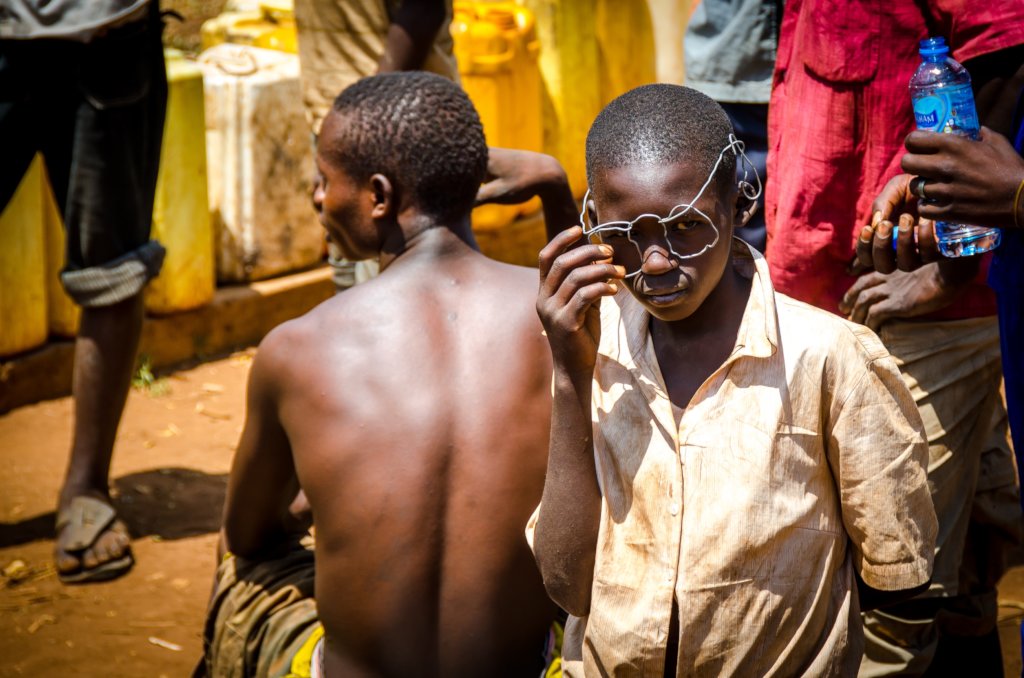
The Scope of the Problem: Globally, uncorrected vision is the most prevalent eye problem, impacting over one billion people. In low- and middle-income countries, the lack of sufficient eye testing and necessary care leaves millions of children struggling with vision impairments.These impairments hinder their ability to perform well in school, leading to higher dropout rates and limited educational attainment
Impact on Education and Employment: Children with uncorrected vision often fall behind in their studies due to their inability to see the board, read textbooks, or participate fully in classroom activities, this educational disadvantage translates into lower academic performance and increased dropout rates. Without a proper education, these children face significant barriers to employment, trapping them in a cycle of poverty
The Cycle of Poverty: The consequences of uncorrected vision extend beyond education. Uneducated and unemployed, these individuals are more likely to experience social isolation, reduced economic opportunities, and poorer overall health. The financial burden on families and society increases as these individuals require ongoing support and assistance. Breaking this cycle requires a comprehensive approach to vision care and education.
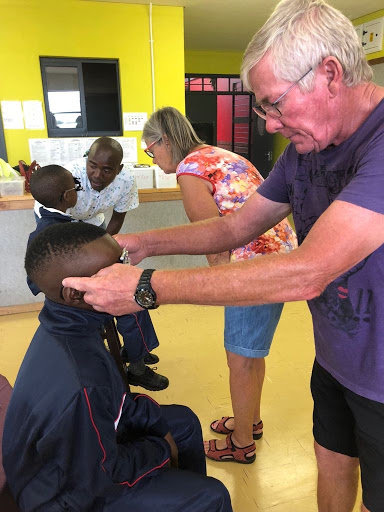
The Solution: Providing the Gift of Vision: Addressing uncorrected vision in children can have transformative effects. By ensuring access to regular eye testing and necessary corrective measures, we can significantly improve their educational outcomes and future employment prospects. Organizations and initiatives focused on providing eye care to vulnerable populations play a crucial role in this effort.
Case Studies and Success Stories: Numerous programs worldwide have demonstrated the positive impact of providing vision care to children. For example, school-based vision screening programs have successfully identified and corrected vision problems, leading to improved academic performance and reduced dropout rate. These success stories highlight the importance of investing in eye health to break the cycle of poverty.
Conclusion: Uncorrected vision is a significant barrier to education and employment for millions of children worldwide. By addressing this issue and providing the gift of vision, we can offer these children another chance at life. Ensuring access to eye care and corrective measures is not just a health issue but a crucial step towards breaking the cycle of poverty and unlocking a lifetime of opportunities.
Project reports on GlobalGiving are posted directly to globalgiving.org by Project Leaders as they are completed, generally every 3-4 months. To protect the integrity of these documents, GlobalGiving does not alter them; therefore you may find some language or formatting issues.
If you donate to this project or have donated to this project, you can receive an email when this project posts a report. You can also subscribe for reports without donating.



Support this important cause by creating a personalized fundraising page.
Start a Fundraiser