By Ana Godinez | Project Leader
In recent months, the situation for migrants in Mexico has become increasingly difficult. Persecution, human rights violations, and precarious conditions during their transit and stay in the country have worsened. At the same time, budget cuts at United Nations agencies and the United States Agency for International Development (USAID) have directly impacted the organizations that support these populations.
All this has serious consequences on the mental health of migrants, with an increase in cases of anxiety, insomnia, trauma symptoms, and severe stress among both adults and families with children. Among children, this is also reflected in aggressive behavior toward peers. Additionally, barriers to accessing healthcare, education, and legal assistance persist.
In this context, grassroots organizations have had to intensify their efforts to care for a growing population, mostly stranded at the country’s northern and southern borders, awaiting international protection and basic services. At times, this demand has overwhelmed their operational capacity, especially in the face of sexual violence, kidnappings, disappearances, mass deportations from the United States, and the increased military and police presence at the borders.
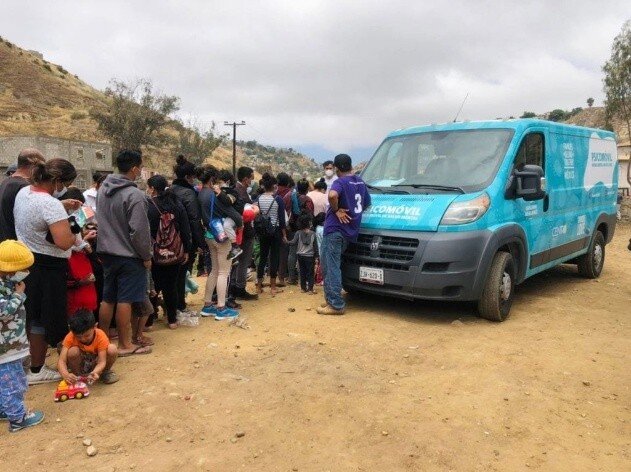
Despite this adverse context, organizations have maintained and expanded their work in humanitarian aid, legal assistance, healthcare, and psychosocial support. Food services were strengthened — including food banks, the distribution of food packages, and donation drives organized by collectives such asYaxchena – as well as health ones, with the distribution of first aid kits, medicines, hygiene supplies, and the provision of mental health services, psychosocial support, prenatal care, ultrasounds, breastfeeding and family planning education, sexual education, and pediatric follow-ups.
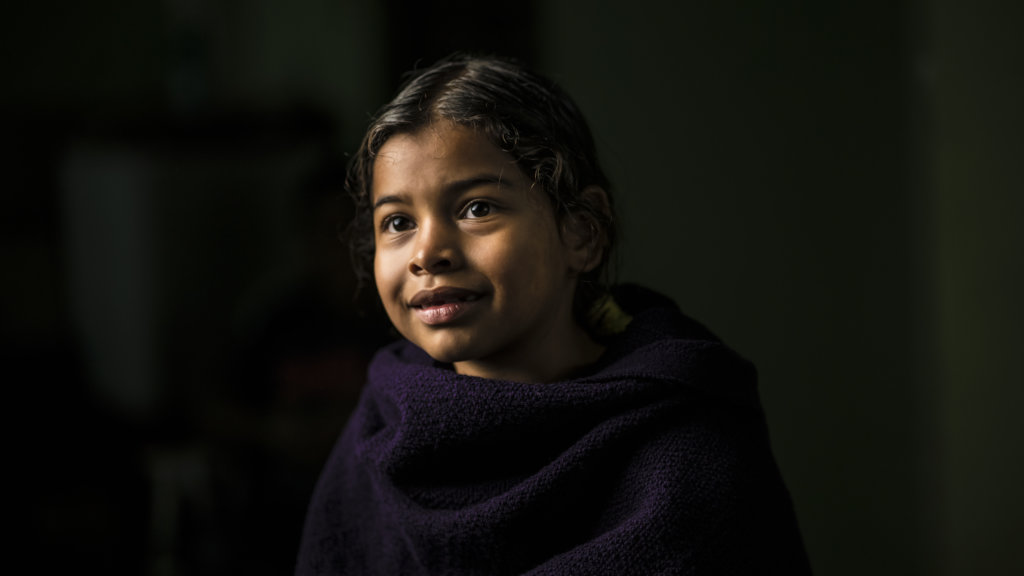
“A 14-year-old girl shared her experience during her journey to Tapachula when she got her first menstrual period. She didn’t dare tell her mother because she didn’t want to disrupt the pace of the trip. With little idea of what to do, she found a piece of cloth in her backpack and used it, although she felt uncomfortable all day, accompanied by pain, discomfort, and shame. Upon arriving at a park, they encountered several organizations offering services. At that moment, a talk on menstrual hygiene was taking place, which she decided to join. The volunteers calmly explained that menstruation is a natural process and that she should not feel ashamed of it. They offered her a kit with basic menstrual care products and taught her how to use them properly.”
IDEHU
They also provided guidance on migration procedures, support for obtaining identity documents, and assistance with asylum application processes, in addition to recreational and cultural spaces.
Additionally, 61.5% of organizations reported increased community engagement in recognizing the rights of sexual and gender-diverse migrants, adopting a gender equality approach. For example, the Centro de Atención Marista al Migrante (CAMMI) received volunteers from students of various undergraduate and engineering programs to complete their social service at the Center; meanwhile, Casa Arcoíris created a community garden together with migrant residents and people from Tijuana.
Several organizations have continuously raised awareness about the specific issues, needs, and rights of transgender people, migrant children, adolescents, and their families. In an increasingly restrictive and violent environment, grassroots organizations have sustained and expanded their defense and support efforts, adapting strategies to address the humanitarian crisis and human rights violations. Their work goes beyond meeting basic needs, providing emotional support, medical care, legal services, and community processes that foster a culture of hospitality and respect for the rights of people migrating.
Thank you for being part of this community.
Project reports on GlobalGiving are posted directly to globalgiving.org by Project Leaders as they are completed, generally every 3-4 months. To protect the integrity of these documents, GlobalGiving does not alter them; therefore you may find some language or formatting issues.
If you donate to this project or have donated to this project, you can receive an email when this project posts a report. You can also subscribe for reports without donating.



Support this important cause by creating a personalized fundraising page.
Start a Fundraiser