By Ana Godinez | Project Leader
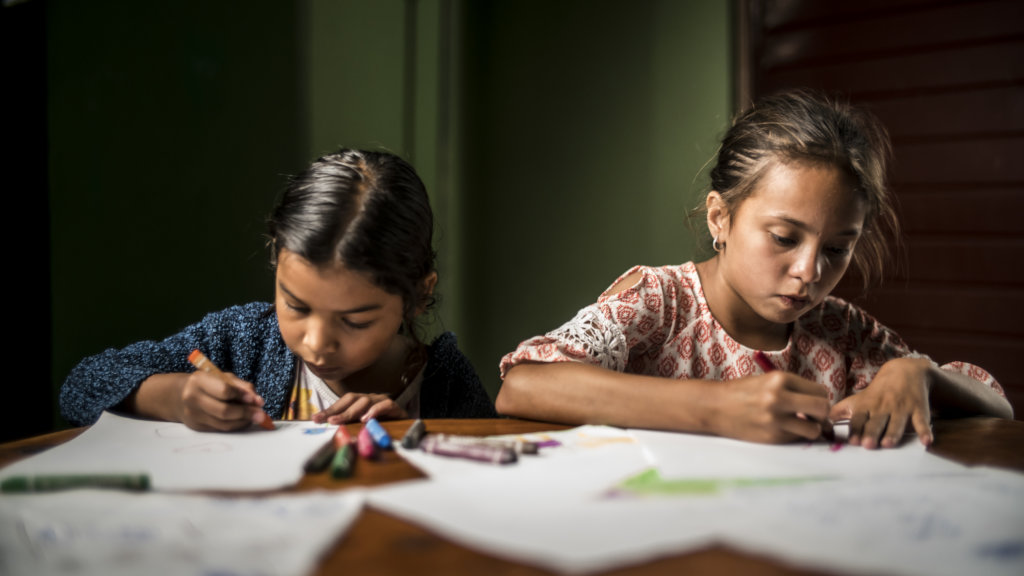
During this period, organizations reported that 2,346 people with whom they work had strengthened their knowledge of their human rights. Through workshops with different approaches, they created spaces for psychosocial support and community strengthening. For example, the organization Centro 32 uses art therapy as a tool to promote healing, reinforce self-esteem, and foster integration in a diverse environment.
Casa Colectiva has observed positive outcomes in the wellbeing of the migrant population, such as greater openness to share difficult experiences, increased group cohesion, and a reduction in the negative effects of migration-related stress. Several participants also reported enhanced mental stability and a smoother, healthier process of adaptation.
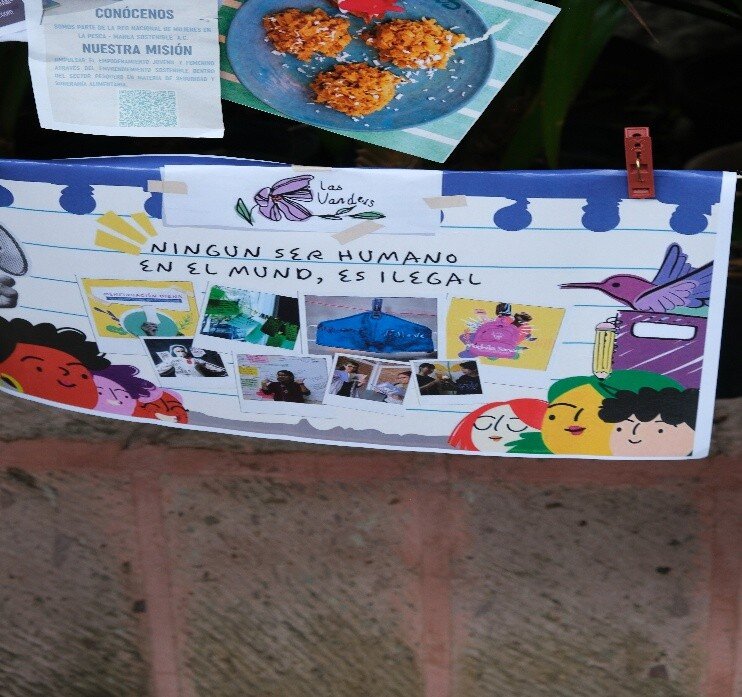
On the other side, access to information has become a key element for self-defense and accompaniment between peers. Organizations like Las Vanders distributed user-friendly fanzines about migrating regulations, legal advice, refugee applications, human rights, and dignified menstruation in mobility contexts. Another group, Una Mano Amiga, organized informative fairs, while Casa Colectiva has implemented workshops about labor rights for the migrant population.
“The workshops about human and labor rights, offered in collaboration with allied organizations, have been crucial so that the beneficiaries understood their rights as migrants in their work contexts, and they developed confidence to demand dignified work conditions. In this way, many people who are migrating and are part of the LGBTIQ population have managed to find formal and stable jobs, improving their quality of life and their economic autonomy… When empowering people with information and resources, Casa de Luz has facilitated that people get involved in their communities and become defenders of their own rights.”
-
- Casa Colectiva (Casa de Luz)
Likewise, half of the groups supported by Fondo Semillas that work with migrants reported that 18 public institutions had strengthened their capacities and commitment to enhance the wellbeing and exercise of rights of people on the move, especially those who, in addition to migrating, face other vulnerabilities, such as belonging to the sex-gender diverse community.
Casa Arcoiris, for example, collaborates with the Office of Diversity and Inclusion in Tijuana, which has supported shelters and initiatives serving migrants. In addition, the Centro de Servicios CSER trained local government council members and social welfare personnel on sexual diversity, gender, and human rights. Finally, Una Mano Amiga has raised awareness among government officials and strengthened its relationship with the Mexican Commission for Refugee Assistance (COMAR) to expedite asylum processes for women living with AIDS.
Regarding advocacy efforts, 80% of the organizations shared that 265 people have increased their participation in the decision-making process or have access to new resources that allow them to be visible and heard. Casa Frida, for instance, promotes work inclusion through alliances with progressive corporations, training spaces, and access to financial services and education.
Simultaneously, 70% of the communities that receive migrant populations demonstrated a greater commitment to valuing and defending their rights. To continue increasing the percentage, the groups implement awareness-raising activities that combat prejudices and foster a culture that celebrates diversity in all its forms. Among the most valuable achievements, we highlight the community garden of Casa Arcoiris, in Tijuana, where residents and migrants participate.
We also emphasize the advocacy efforts of Casa Frida in the encouragement of a new refugee and asylum law in Mexico, which recognizes discrimination based on sexual orientation and gender identity as grounds for applying for asylum. In addition, Centro de Atención Marista al Migrante (CAMMI) organized the first Human Mobility Forum in Querétaro with the participation of local authorities and institutions, and Una Mano Amiga successfully supported a lesbian woman’s election as a local deputy in Chiapas through affirmative policies for substantive equality.
In summary, the advances show that the work of grassroots organizations has contributed to positively transforming the lives of people on the move and to increasing understanding of the diverse contexts and challenges they face. This has led to the development of strategies that include improving their mental well-being, access to dignified employment, and the strengthening of institutional networks and public policy advocacy. These efforts have an immediate impact on quality of life, while also contributing to the construction of more equitable, inclusive, and sustainable societies.
Project reports on GlobalGiving are posted directly to globalgiving.org by Project Leaders as they are completed, generally every 3-4 months. To protect the integrity of these documents, GlobalGiving does not alter them; therefore you may find some language or formatting issues.
If you donate to this project or have donated to this project, you can receive an email when this project posts a report. You can also subscribe for reports without donating.



Support this important cause by creating a personalized fundraising page.
Start a Fundraiser