By Karlheinz Neumann | Founder and Project Leader
In the Indian states of Uttar Pradesh and Bihar, where we operate, child protection plays an important role. Nevertheless, it still happens again and again that children run away from home or are abandoned by their parents.
For this purpose, there are social institutions that must operate according to the "JJ Act 2015," officially titled "Juvenile Justice (Care and Protection of Children) Act 2015." This law consolidates and amends laws regarding children in conflict with the law and children in need of care and protection and focuses on a child-friendly approach to their basic needs, treatment, and social reintegration.
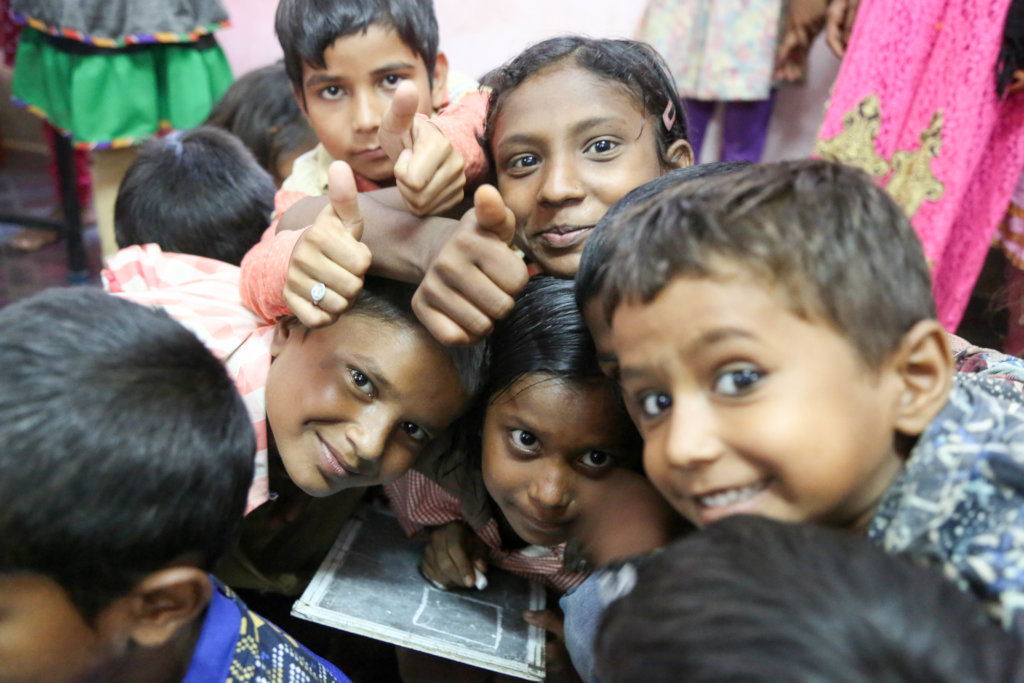
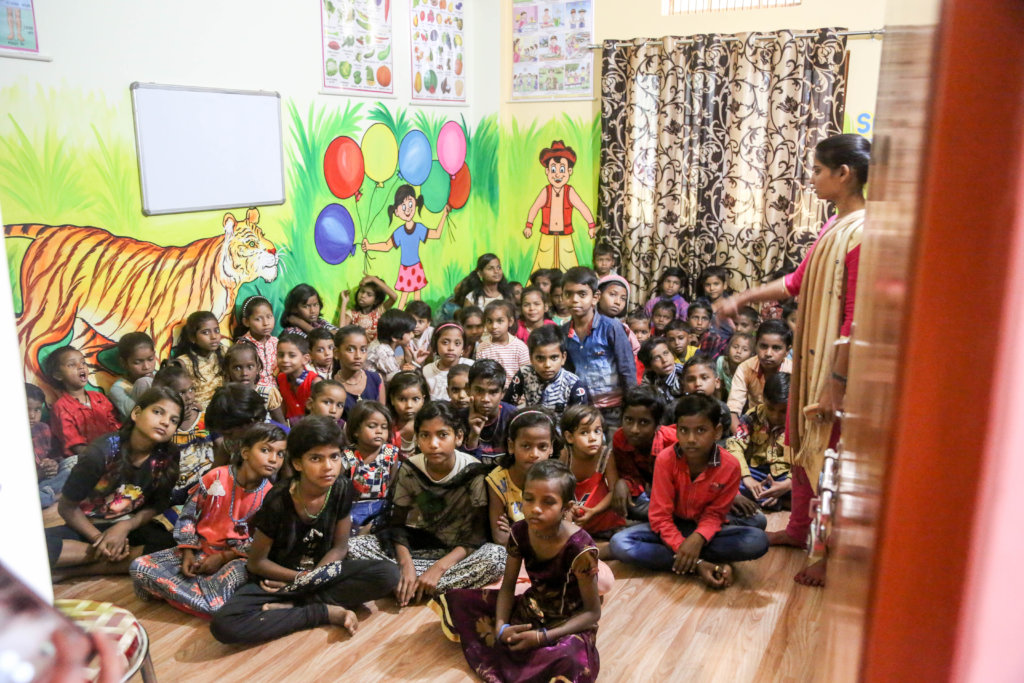
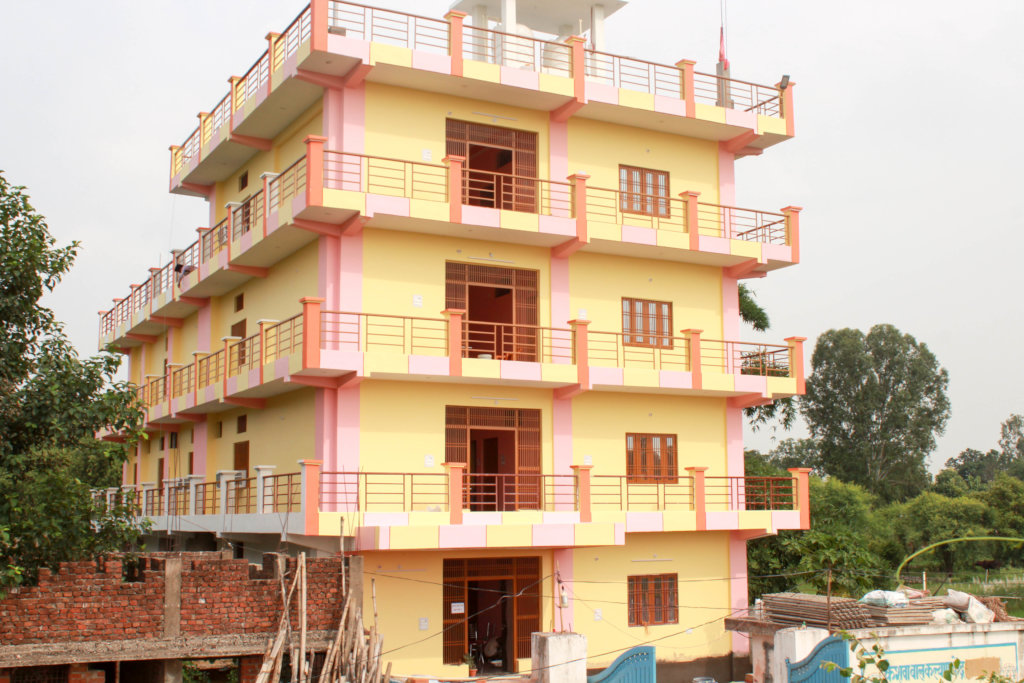
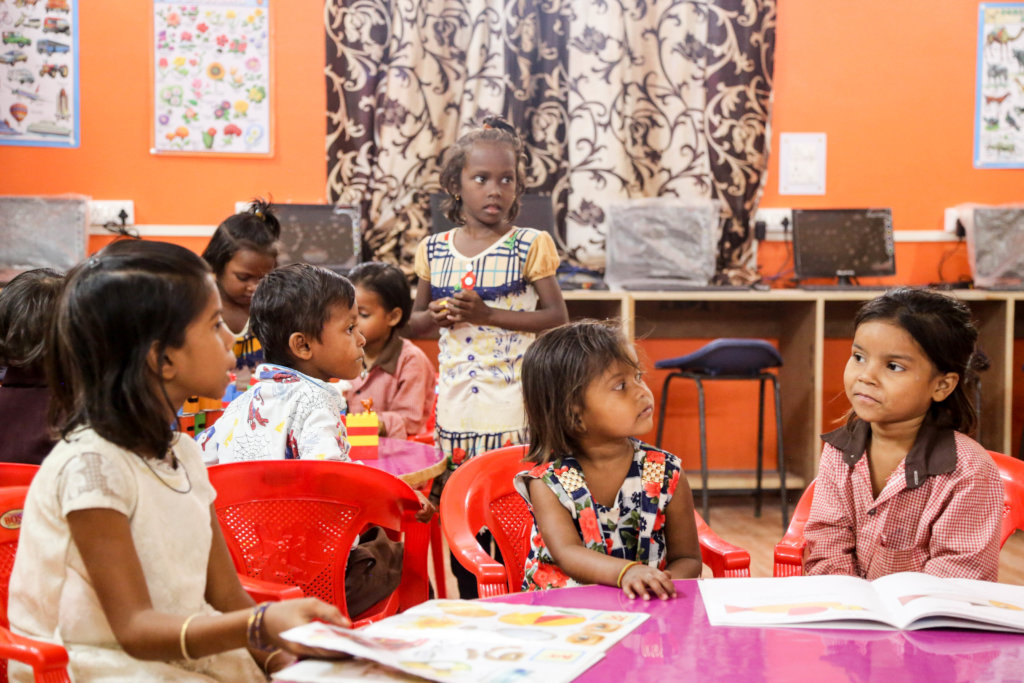
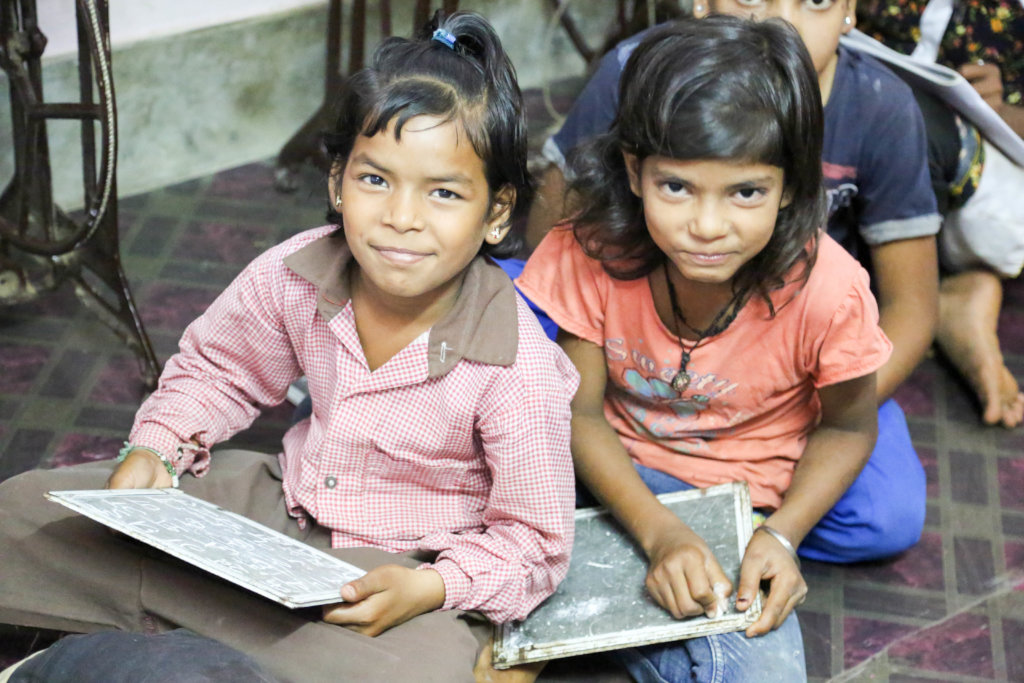
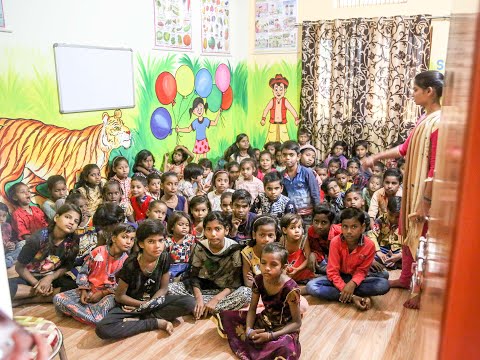
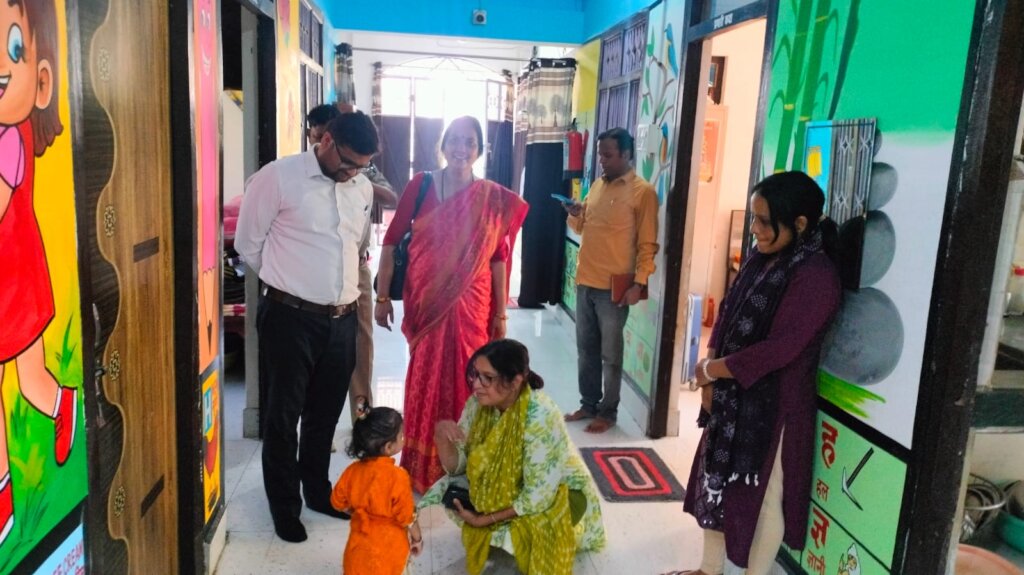
One of the institutions run by our partner organization in India, in Samastipur, Bihar, cares for these children aged 0 to 6. There are three types of children in need of protection and care: orphans, abandoned children, and surrendered children.
In all of these cases, the child (assigned by the local authorities) ends up in this home. Unfortunately, there are also many cases where the children are seriously ill and sometimes even die because they cannot be helped despite the best medical care.
There are many different reasons why children end up there: parents feel unable to raise a child, whether for financial reasons or because the child is seriously ill; children are mistreated or abused in the family environment; alcohol and drugs are involved, and many other reasons.
In the facility, the children initially receive round-the-clock care; seriously ill children receive special care. At the same time, attempts are made to find relatives of the children where the children can be rehomed. This is particularly difficult if the child has been sexually abused by an older family member within the family.
If the search for a family is unsuccessful, or the child is not taken by the relatives, adoption proceedings can be initiated. The decision whether the child is released for adoption or placed with the family is made by the Child Welfare Committee. The children’s home manages the adoption process until a successful conclusion. If a child is over six years old and is not adopted, the child must be transferred to another facility.
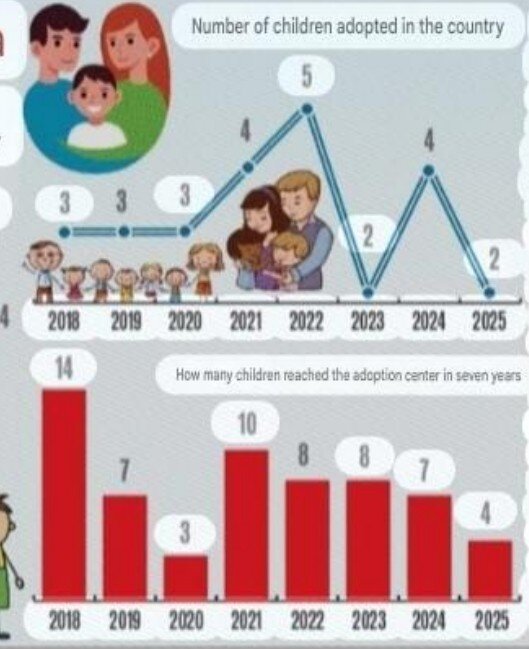
Since 2018, we have been able to place children with adoptive parents annually (a total of 36 children). These are often Indian families living either in India or abroad (26 children), and occasionally foreign parents from Europe or the USA (10 children in this period). An adoption in India costs approximately USD 5,000 for foreign couples. This does not include any fees in the home country.
It is always a wonderful feeling when children find foster parents, especially when the children are sick or disabled. Then these children have a real future again. Thanks to a lot of educational work, the number of children in need of care has declined somewhat.
Project reports on GlobalGiving are posted directly to globalgiving.org by Project Leaders as they are completed, generally every 3-4 months. To protect the integrity of these documents, GlobalGiving does not alter them; therefore you may find some language or formatting issues.
If you donate to this project or have donated to this project, you can receive an email when this project posts a report. You can also subscribe for reports without donating.



Support this important cause by creating a personalized fundraising page.
Start a Fundraiser