By Hannah | Project Manager
Dear Supporter,
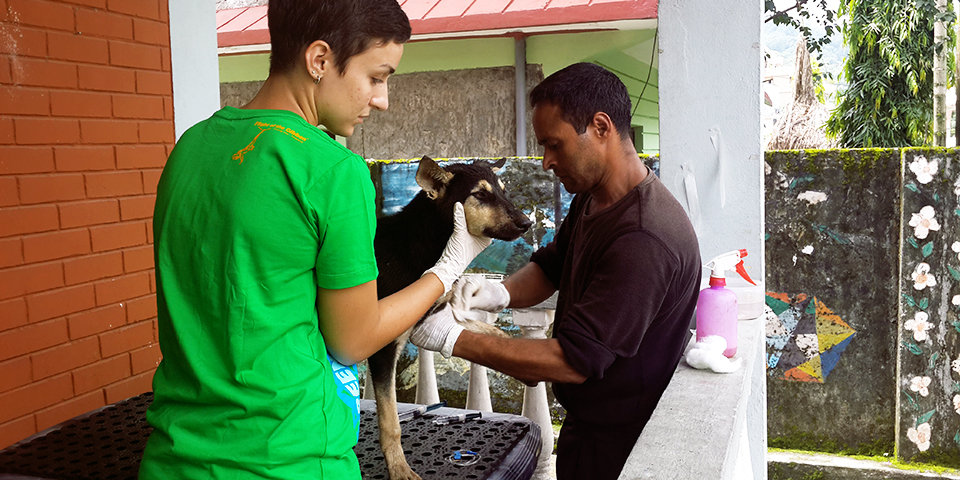
Education is such a key part of change and Anjani the Communications Officer from HART certainly does her part in ensuring that locals as well as visitors to Nepal are familiar with the role of HART as well as the issues they work to address. Meanwhile HART’s field team continues to do their work in improving the lives of animals in Nepal.
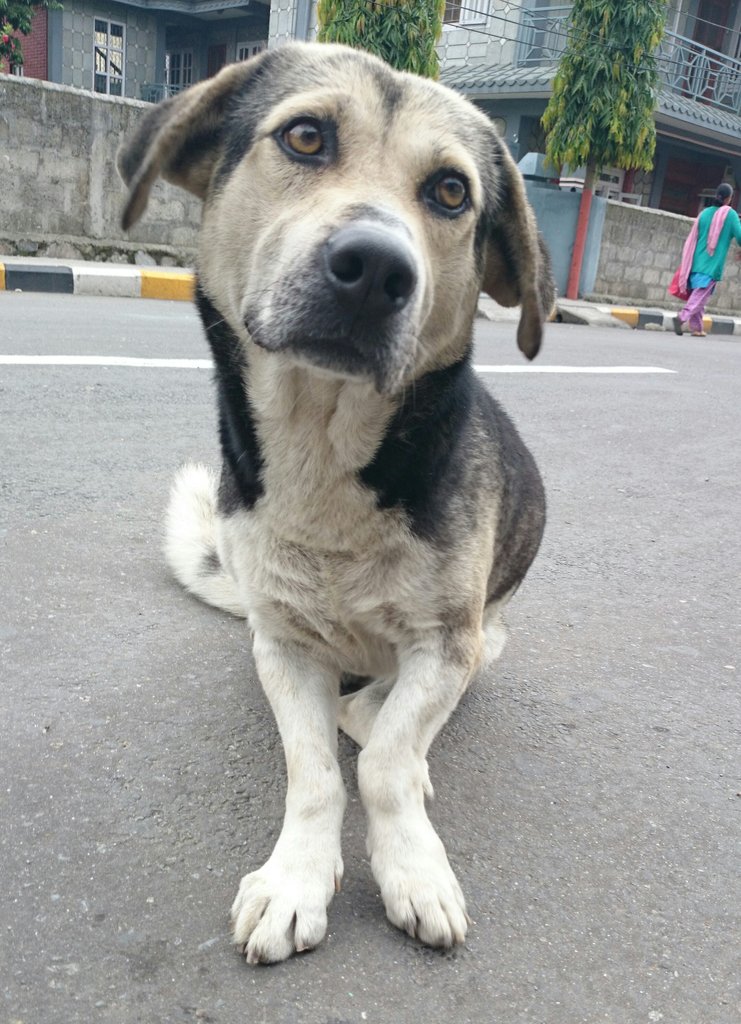
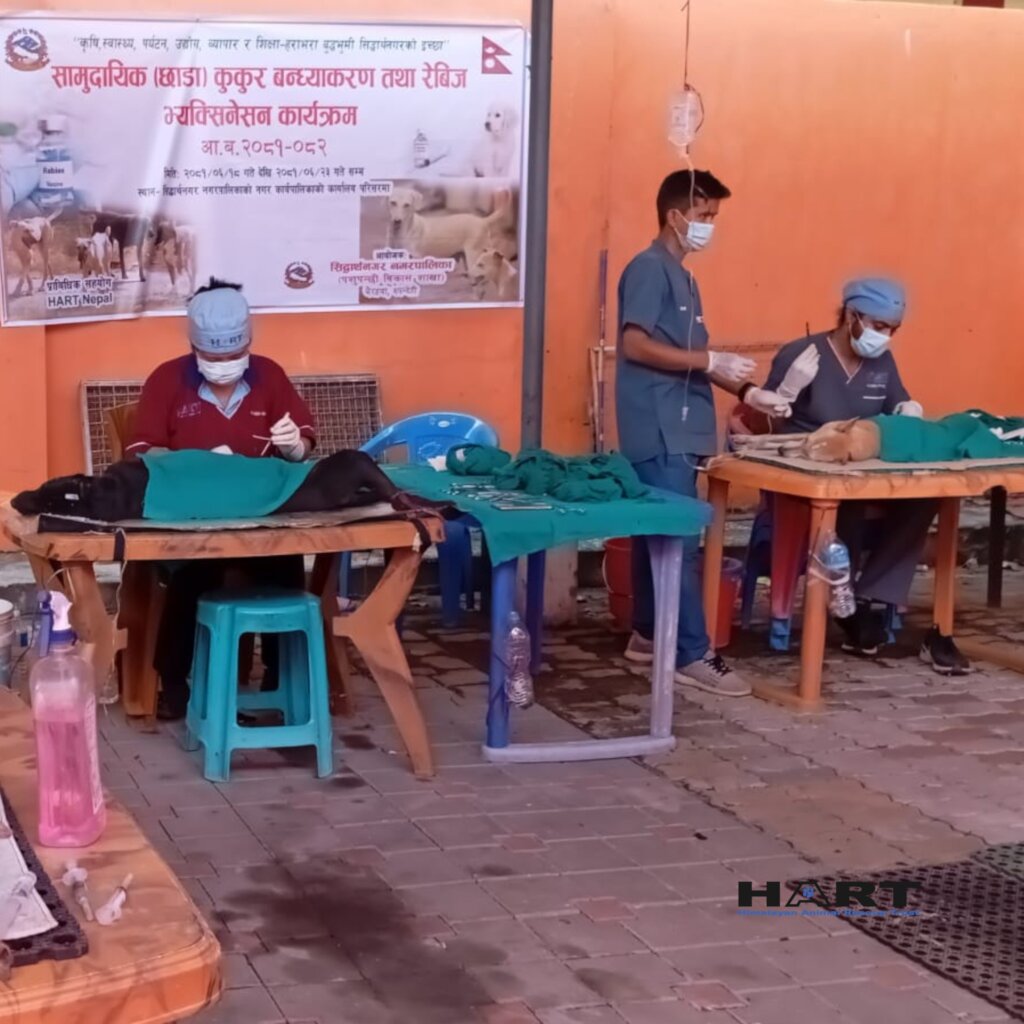
HART play such a significant role in the communities in Pokhara controlling the population of dogs in the area is one of their key outcomes. If the dog population can be controlled then also the spread of disease can be controlled. Rabies, Parvo and Distemper being three of the main diseases that HART seek to control.
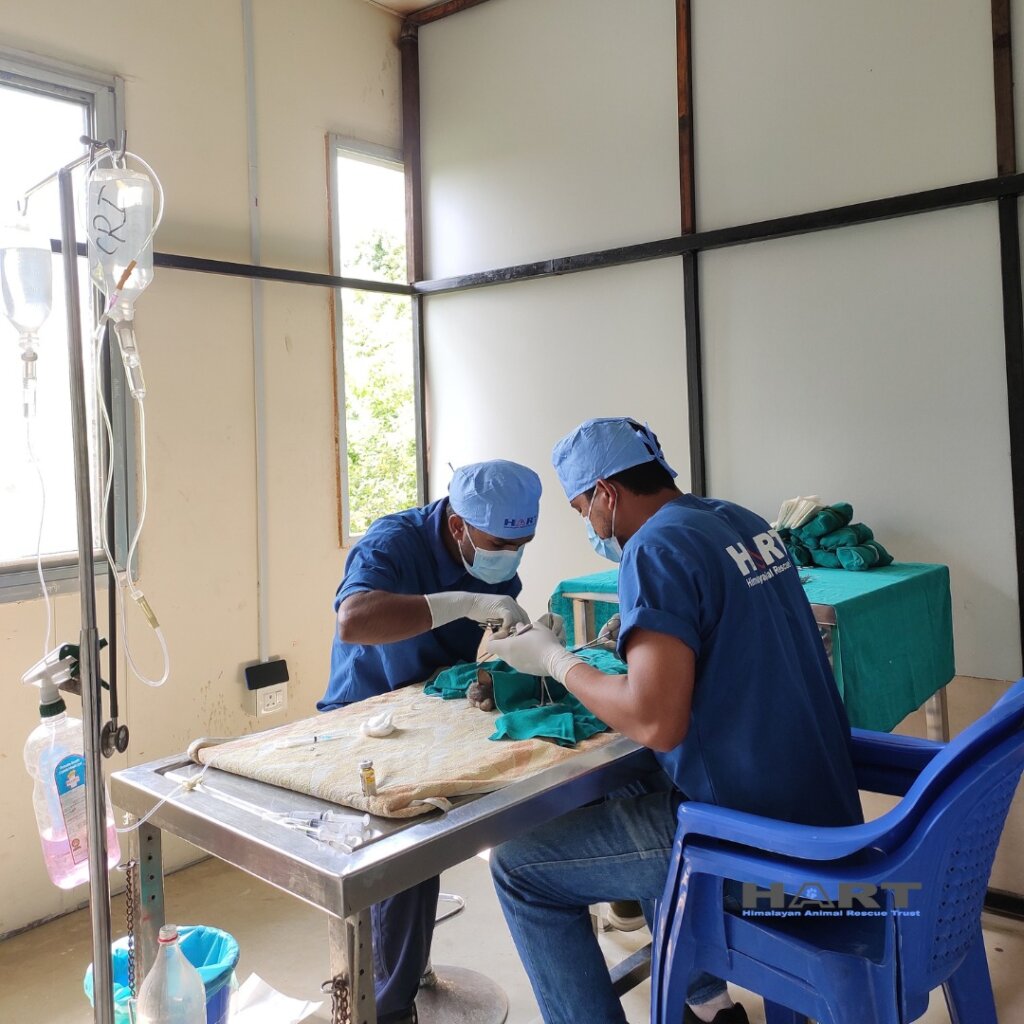
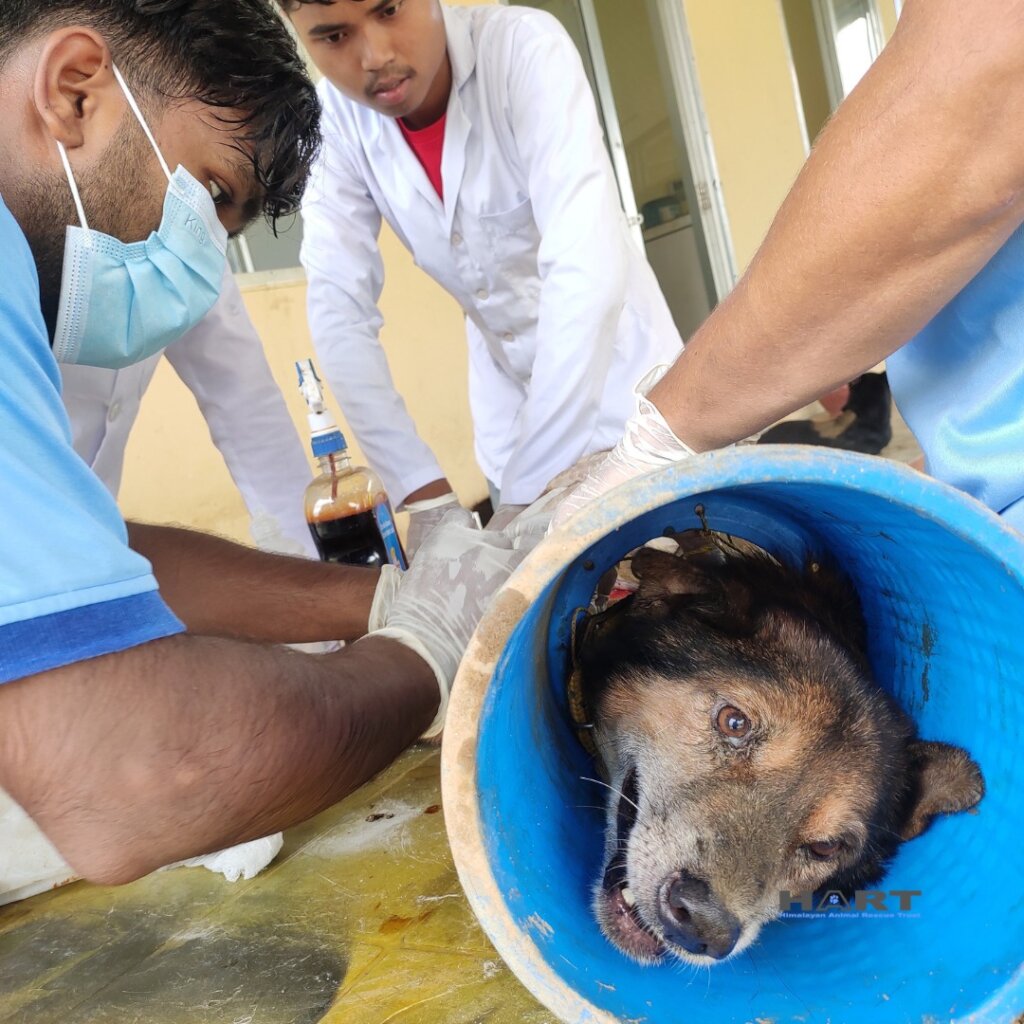
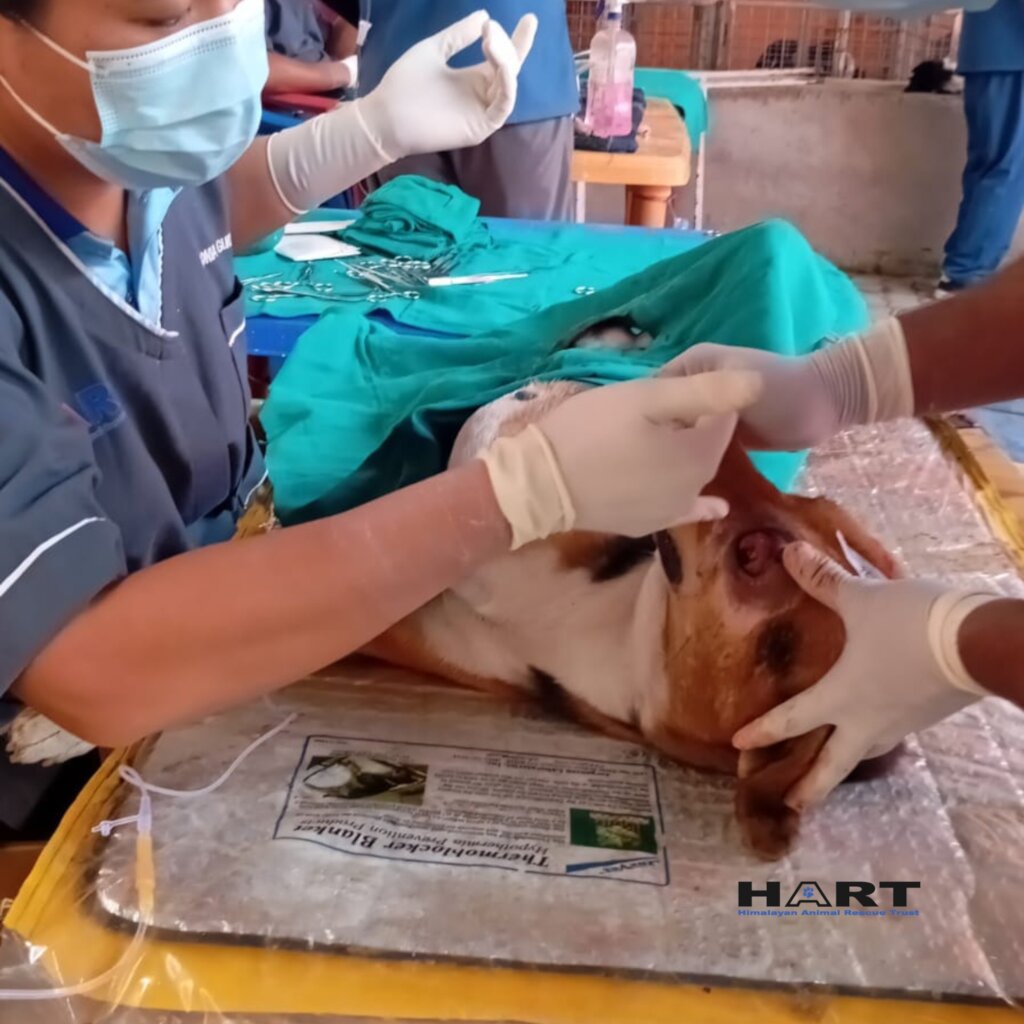
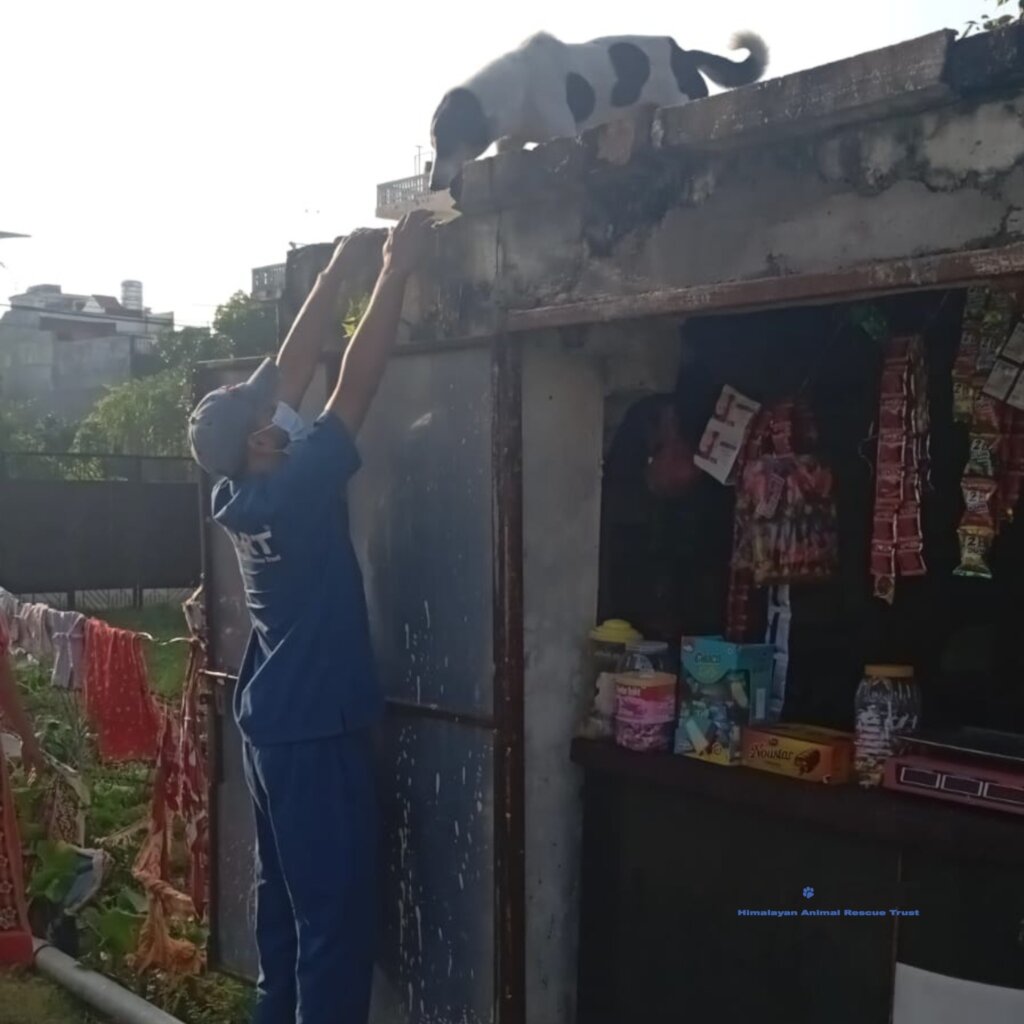
Anjani has joined our group on several occasions for a workshop, outlining the importance of HART and their role. Anjani explained HART’s approach, CNVR : Catch, Neuter, Vaccinate, Release which allows dogs to be vaccinated and immunised but then they are released back into their own community. It is generally not the role of HART to be housing the dogs once they are neutered, releasing them back to their own community is the most effective approach. One of the interesting things about the neutering process is that the incision is made on the side rather than under the dog. This helps reduce the risk of infection during the dogs recovery period. This way they are not lying on their wound and getting dirt and particles
Some of the recent records for HARTs work in the Pokhara area are;
WARD 10
Estimated Dog population 104
Total vaccinations 81
% of dogs vaccinated 77.9
WARD 11
Estimated Dog population 75
Total vaccinations54
% of dogs vaccinated 72
Ward 12
Estimated do population 64
Total vaccinations 54
% of vaccinated dogs 84.4
Ward 13
Estimated dog population 61
Total vaccinations 50
% of dogs vaccinated 82
Ward 16
Estimated dog populations 91
Total vaccinations 73
% of vaccinated dogs 80.2
Importantly Anjani also shared stories of animals in the community and some of the struggles that come with communities in Nepal understanding and being able to care for animals. Through school awareness programmes, the awareness of Animals Rights is becoming more understood and certainly there are many locals who have a high standard of care for their animals. As visitors to Nepal it’s important for us to understand and realise that people’s challenges with animals are quite different to our own.
Access to resources can be an and in Nepal. We were able to bring a range of elastic bandaging from Australia for the Hart team to use in their day to day work. Whilst they do have access to many of their necessary resources, items such as elastic bandging is difficult to access here so we were pleased to be able to help out the team with their supplies.
HART continues their fantastic work throughout Nepal and their continued work means increased health and safety for both animals and humans. In the future we plan to continue supporting their work with supporting the purchase of supplies, funding neutering and education programmes and helping HART to spread the word about animal rights through their school programmes.
With Gratitude,
GVI Nepal
Animal Welfare
Project reports on GlobalGiving are posted directly to globalgiving.org by Project Leaders as they are completed, generally every 3-4 months. To protect the integrity of these documents, GlobalGiving does not alter them; therefore you may find some language or formatting issues.
If you donate to this project or have donated to this project, you can receive an email when this project posts a report. You can also subscribe for reports without donating.



Support this important cause by creating a personalized fundraising page.
Start a Fundraiser