By David Cooper | Assistant Program Manager
Dear Supporters,
The main focus for the last quarter has been the building of composting toilets and workshops on water usage, hygiene and sanitation in Moturiki. After some delays within the community, we have started the construction of two composting toilets in Daku village.
In 2018 our main focus has been the building of composting toilets, finishing off Socioeconomic Surveys and WaSH surveys for the whole of Moturiki with the objective of building of two composting toilets in Daku village. We have currently completed one of the two toilets in Daku and we hope to start the second in January 2019. According to the Ministry of Health in Fiji, Daku is one of the priority villages in Moturiki for water, sanitation, and hygiene improvements due to its proximity to the sea, and limited resources of clean water and toilets. This has been the primary reason we have focused on this particular village.
We have now completed all Socioeconomic Surveys in all villages on Moturiki Island and we have starting to build the data base from all the data collected. All WaSH surveys have also been carried out and we are using this information to create our goals and objectives for 2019.
As part of the strategy for building the toilets in each of the villages, we hired a local carpenter to help lead the projects and we invited GVI volunteers and the youth from the villages to help. During the construction of the toilets in Daku, we invited the villagers to ask us any questions or concerns they might have about the project. This was the first time the community could physically see the toilets and it gave them an opportunity to engage with us and ask questions about the construction of the toilets. At first, the community members had doubts about the project, voicing concerns about smell and the practical side of maintenance and use of the toilets. However, a real positive sign was the different households in the villages invited us to have lunch with them to discuss the toilets in more detail. After the wonderful lunches we all enjoyed and once they started seeing the construction of the toilets and visualising the concept of the project, the option of the village (Daku) changed to a positive and enthusiastic one. As a result of this, the word has spread to the other villages and there is a much better level of engagement from all villages on Moturiki about the construction of composting toilets. We are hoping to start giving workshops throughout the other villages about the construction of toilets and to address any other issues they might have. We hope to also engage them in the planning stages of construction letting the community decide where best to build them within the villages so to benefit as many people as possible.
The first toilet built in Daku village has been a really good learning curve and we now know the full costs and exactly what materials are needed to build one. After consulting with the carpenter, we have a refined plan along with modified blue prints of how to construct further composting toilets in all the villages moving into the future. There were extra costs which were unforeseen with the construction of the first toilet in Daku village. This has now been incorporated into the budgets and planning for the next toilet construction.
This highlights some of the factors needed to be considered during the construction of composting toilet within the villages. Some extra materials may be need depending on the available resources within the community. We try and use local building methods and building materials when there is the opportunity to do so, however, some villages will have less local materials available during construction of their toilet. As a result, we need to request extra money to fill in the gaps of materials and skills. This is one of our variables for the building of composting toilets.
Other challenges we faced throughout 2018 were the many delays in the building of the toilets and the carrying out of the various surveys and workshops due to funerals, chiefly meetings and village activates being held in the different villages throughout the island. We have to be aware and accommodating to village life and we understand the obligations the community has to the island and other villages. We respect that village life takes priority over the building of the toilets and we try very hard to work closely with the village headmen to fit our schedules around their time. As a result, this sometimes leads to delays and changes of plans.
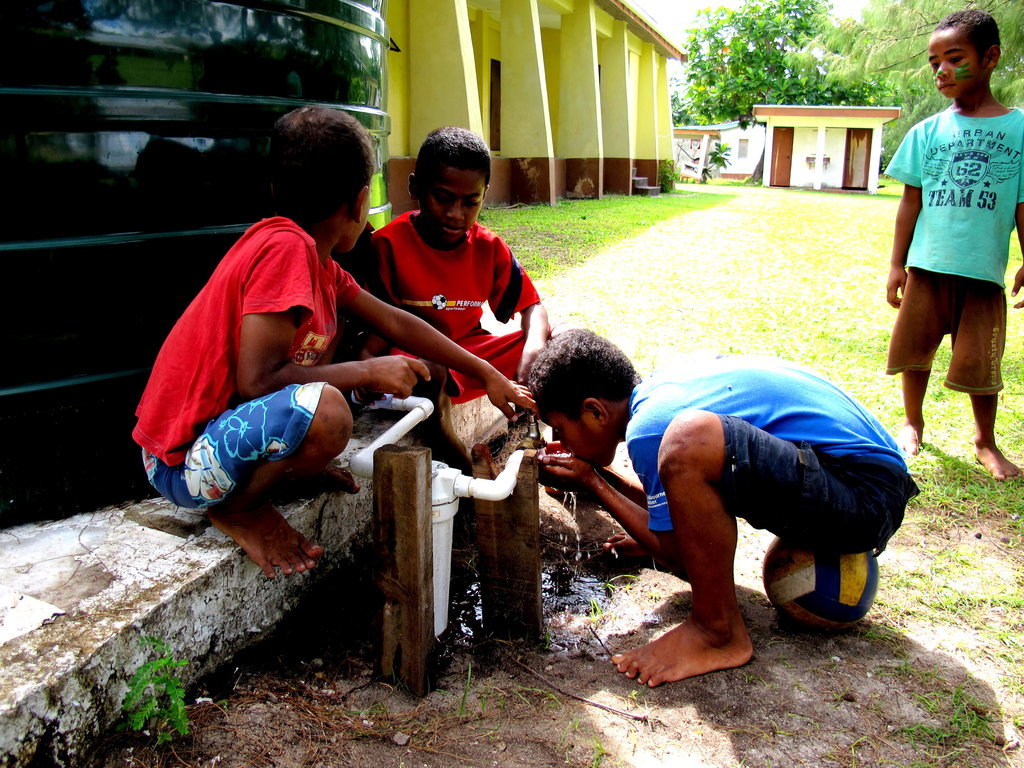
In the last quarter we had a fund raising event for a big and exciting project happening on for the island of Moturiki. The island is having a mains water pipeline built so that the all the villages can have mains drinking water for the first time! In recent times, there have been numerous outbreaks of diseases such as Typhoid which have had devastating effects on the community. This pipeline will dramatically reduce the spread of water-borne diseases, greatly improving the health and sanitation of the island. Furthermore, this year Moturiki experienced a prolonged drought leading to water shortages in all the villages on the island. This pipeline will also greatly improve the community’s resilience to climate change moving into the future.
Our base here on Caqalai is considered the 11th village of Moturiki island which is a great honour for us to be included in their community. All the villages, including Caqalai, are raising money to feed all the hungry workers that will be manually digging the trenches to lay the pipeline. We managed to raise in a swim around the island fundraising event £2,146.36 to contribute to the project.
We are working towards our goals of having at least one composting toilet in every village on Moturiki with the first one now complete. The reaction from the village has been positive, now that they can see the toilet, see how it works and the hard work and skills involved in building one. The youth have been helping us build the toilet and all the villagers have been keen to make us lunch and refreshments further highlighting their interest in our project. We hope to keep up this momentum and enthusiasm for 2019.
As usual, vinaka vakalevu to all who have donated towards improving water, sanitation, and hygiene in Fiji. We would not be able to have the impact we have if it wasn’t for your continued and generous support.
Caqalai Island
Project reports on GlobalGiving are posted directly to globalgiving.org by Project Leaders as they are completed, generally every 3-4 months. To protect the integrity of these documents, GlobalGiving does not alter them; therefore you may find some language or formatting issues.
If you donate to this project or have donated to this project, you can receive an email when this project posts a report. You can also subscribe for reports without donating.



Support this important cause by creating a personalized fundraising page.
Start a Fundraiser