By Ayushi Pandey, Shibapriya Dutta | Program Coordinators
“Earlier, our farming was about surviving from one season to the next. Now, for me, it is about learning how to do things better, earning with greater dignity and improving our home conditions.” - Devika Didi
These words, spoken by one of the 40 vulnerable women farmers in the water-scarce district of Nawada, Bihar, captures the heart of what we have been witnessing on the ground.
In our previous report, we shared how these women were stepping into climate-smart greenhouse farming with increasing confidence and learning something new with every crop season.
This time, their story feels even more inspirational!
Having grown and harvested three different crops in just over a year, something beautiful is unfolding for them!
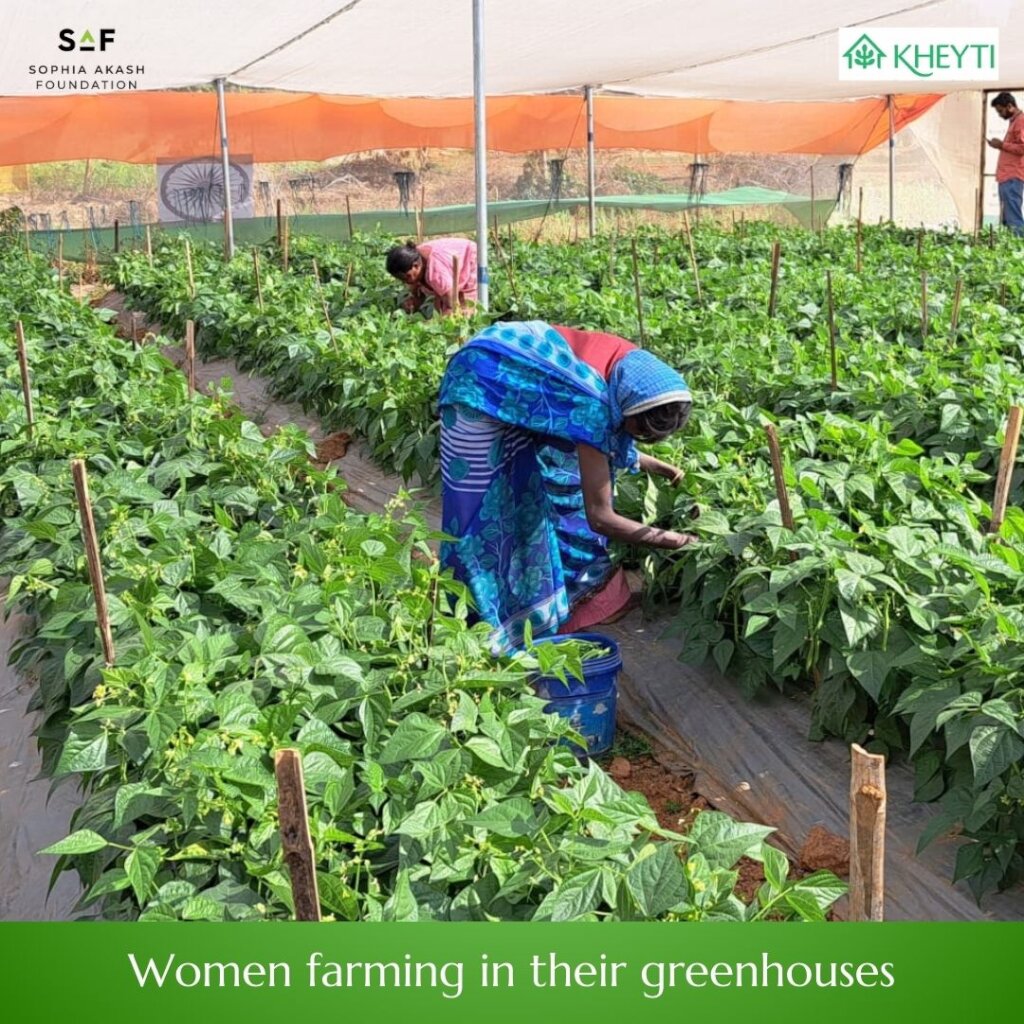
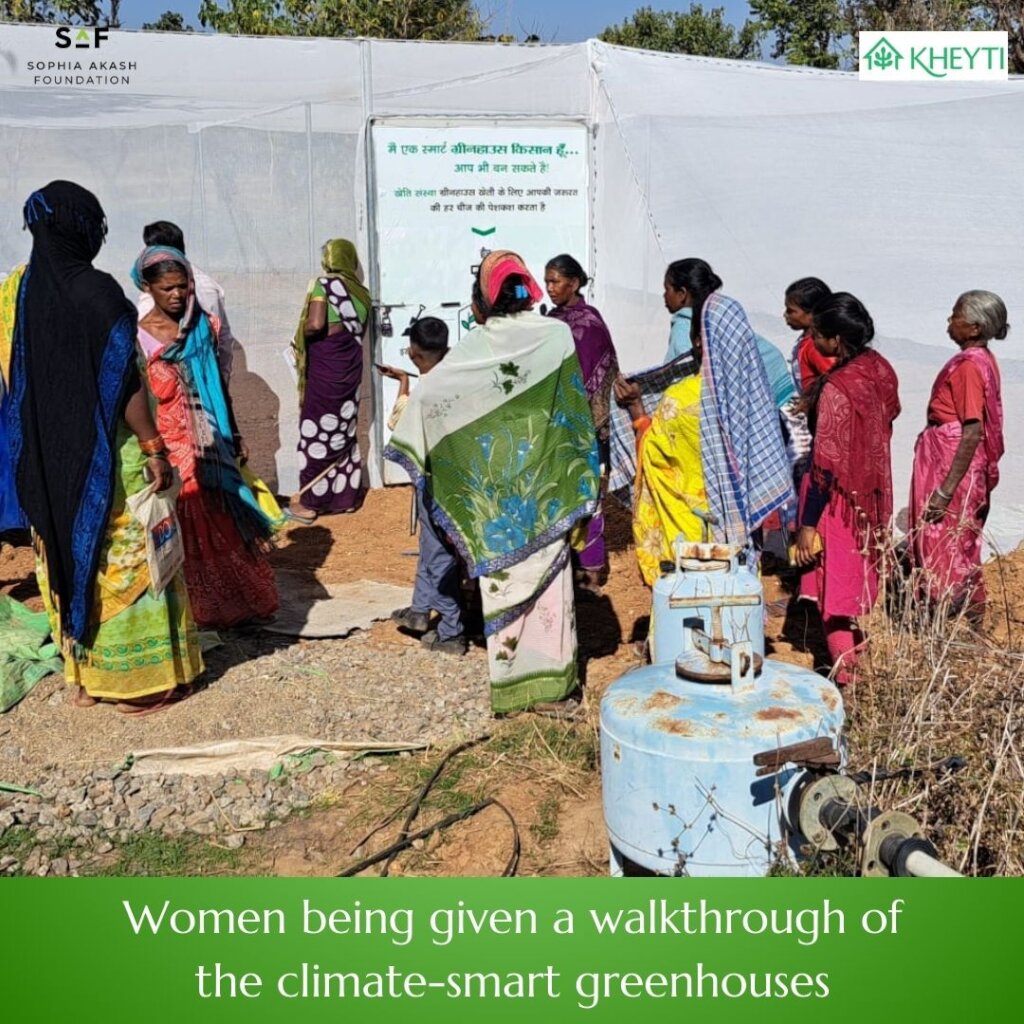
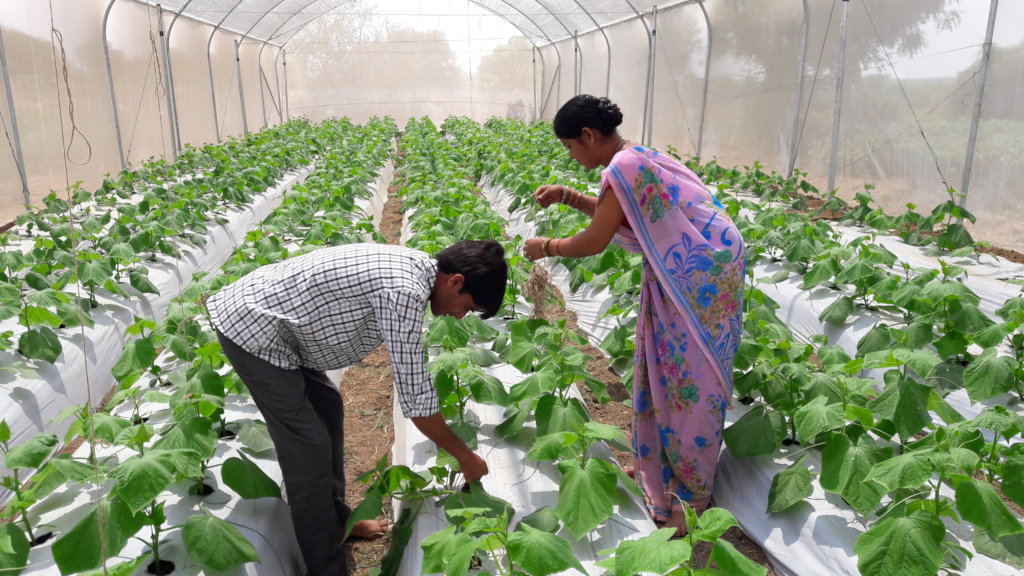
These women are no longer beginners. They have now learnt how to make best use of their climate-smart greenhouses, the climate, resilient sustainable farming practices they have been introduced and the transformation taking place is both visible and deeply inspiring.
What we are witnessing in Nawada is not just progress; it is a lasting shift. Climate Resilient Farming is becoming a sustainable way to earn a living, and these women are driving it forward with increasing confidence and pride.
Women Farmers Leading the Way
With each season, their farming skills, confidence and passionate desire to help themselves and improve their livelihoods continue to amaze us.
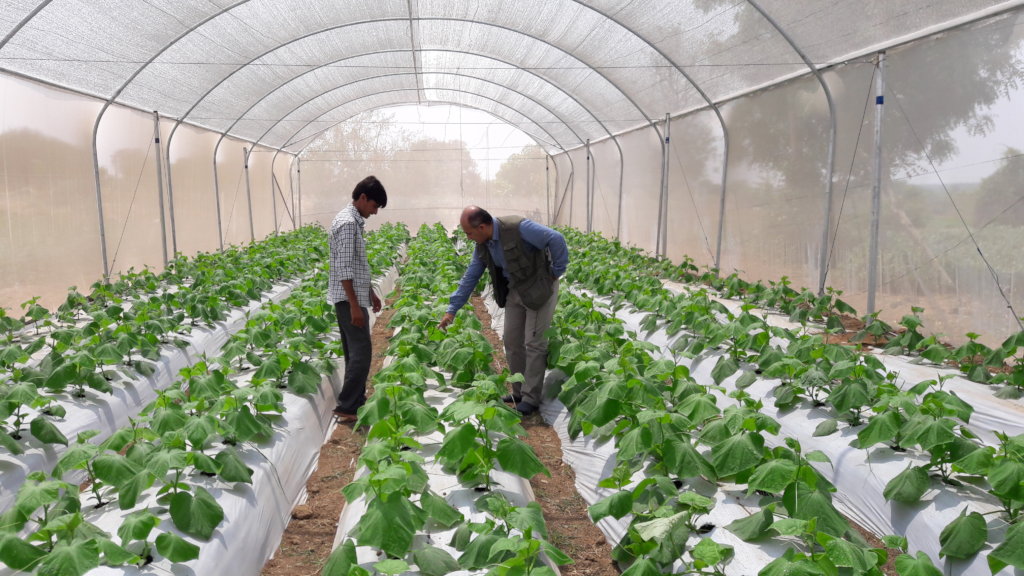
They are now selecting the right seeds, maintaining nutrient balance in the soil, preventing pests, producing and applying home-grown organic fertilizers and making informed decisions independently.
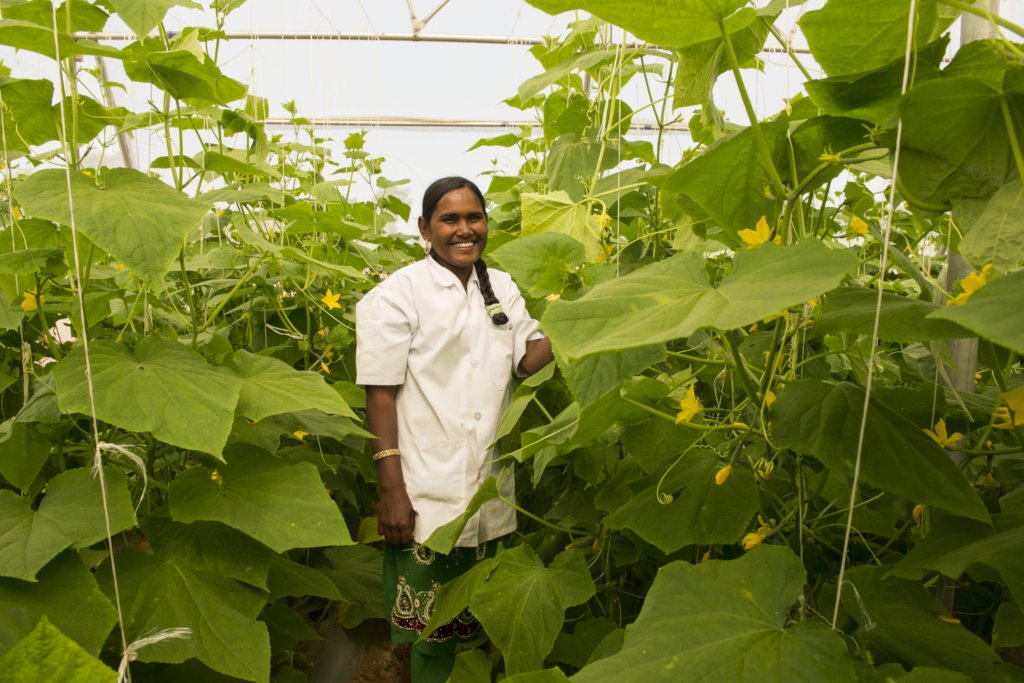
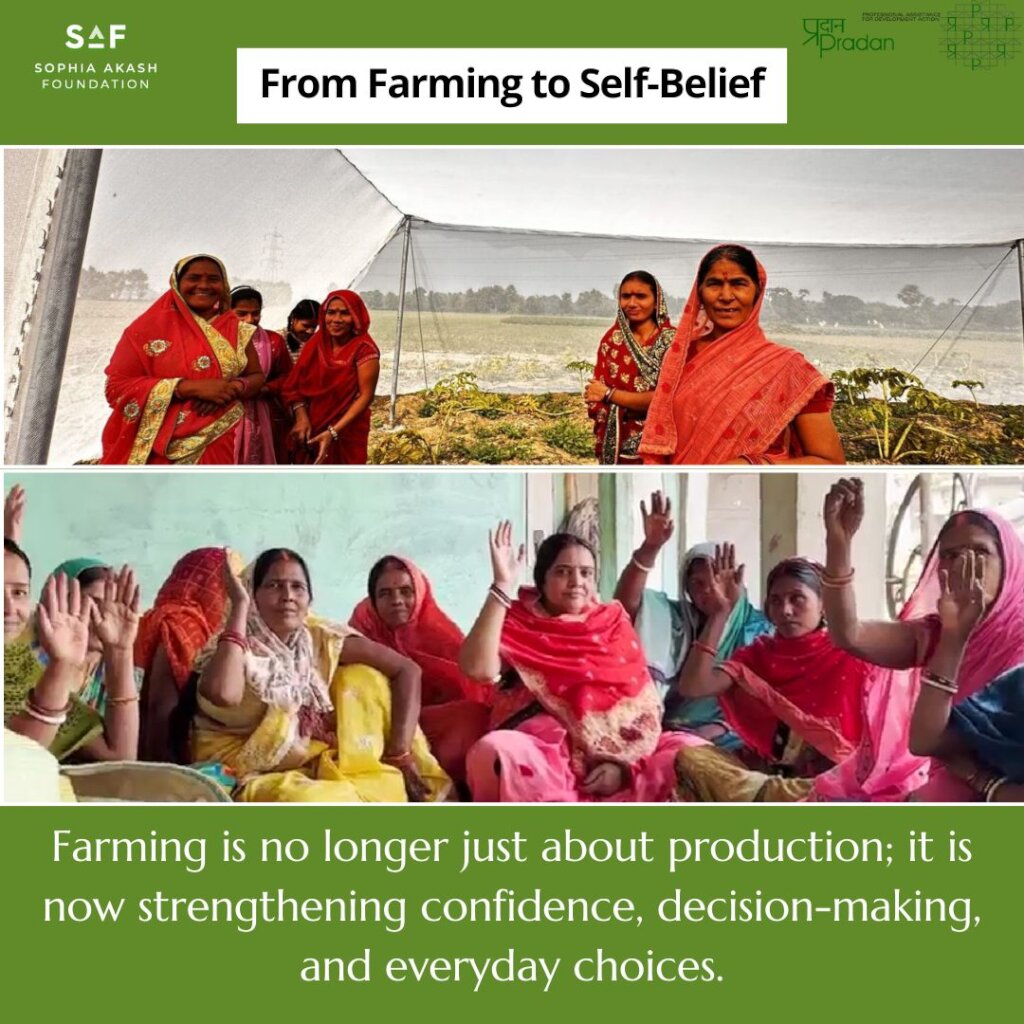
One farmer, Sujata Didi, put it simply: "Earlier, I depended on others to tell me what to do on my field. Now I am able to decide what to grow on my own. This has changed how I see myself. I never imagined I could be anything other than a housewife, but today I see myself as a successful farmer."
Her words reflect what we see across all the farmers; a quiet, yet profound shift in how these women carry themselves as confident decision-makers and community leaders. We are also proud to share that our partner’s field teams are gradually stepping back as the women take ownership of their greenhouses and their farming livelihoods, with increased belief in their own abilities.
The results also speak clearly: healthier crops, fewer pests, and crops grown all year around with each harvest producing 10–20% more compared to the previous harvest, even amid continuing unpredictable and challenging weather conditions outside.
Learning and Growing Together
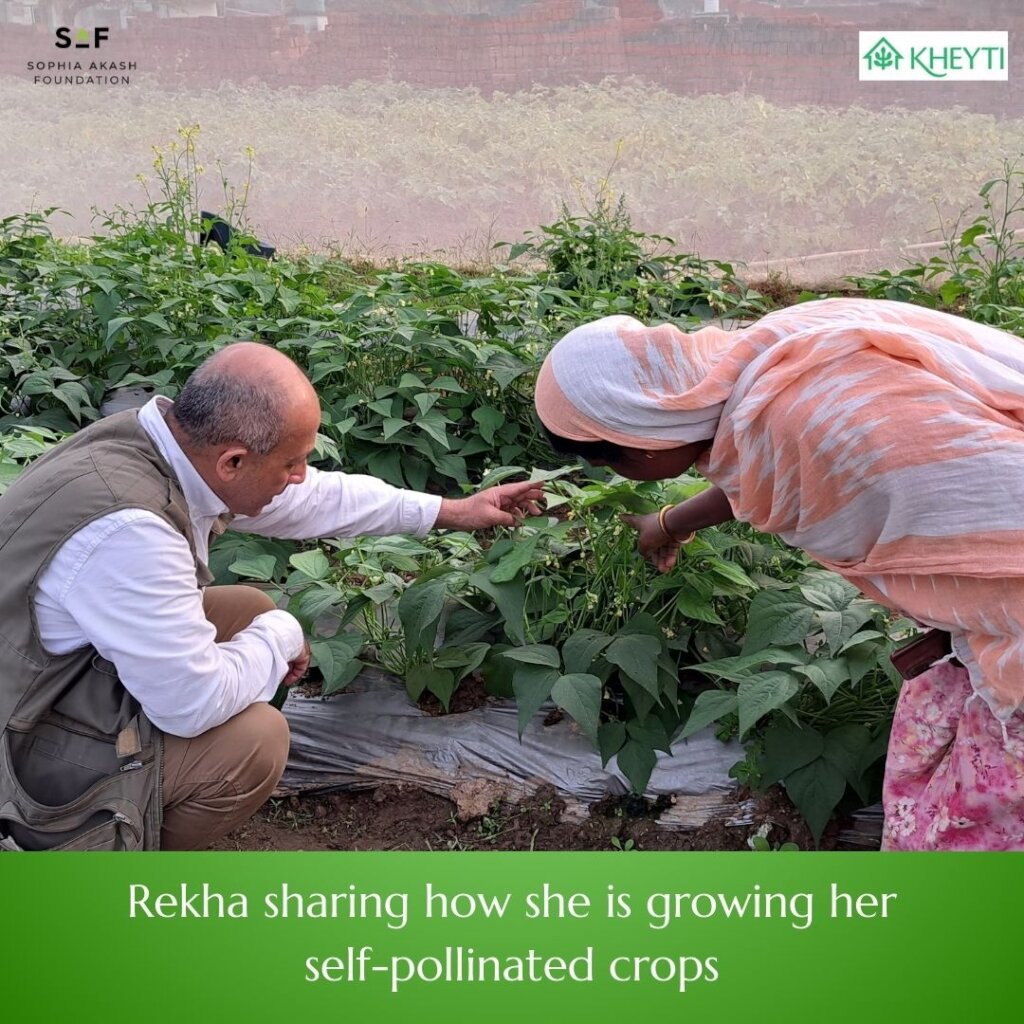
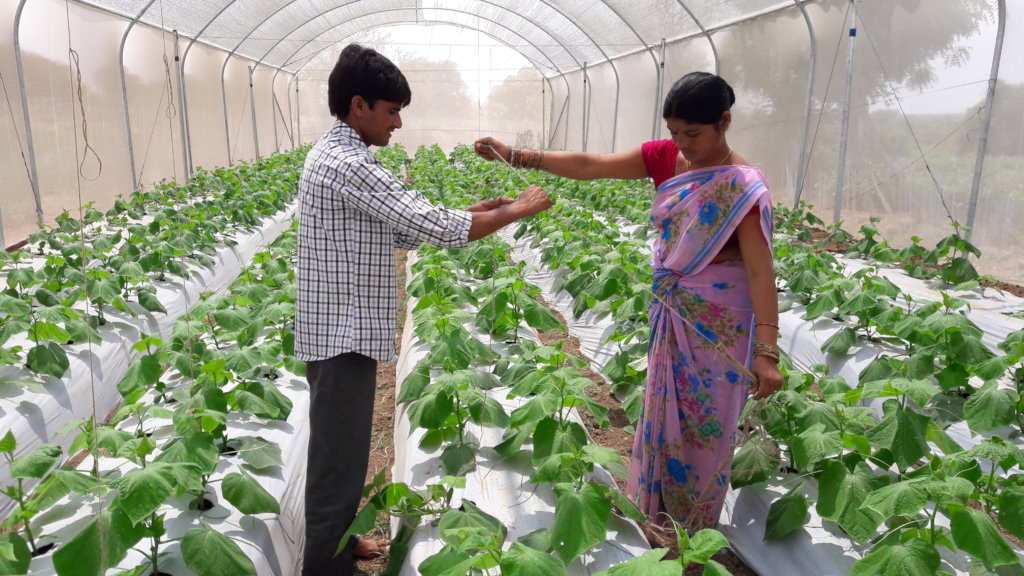
During our recent visits, we observed opportunities to further strengthen their farming practices, including improved use of organic mulching sheets to reduce weed growth, strengthen the protection for their crops and for optimizing drip irrigation spacing. Once these observations were shared, the women immediately embraced the recommended adjustments. Their willingness to learn and adapt continues to be remarkable.
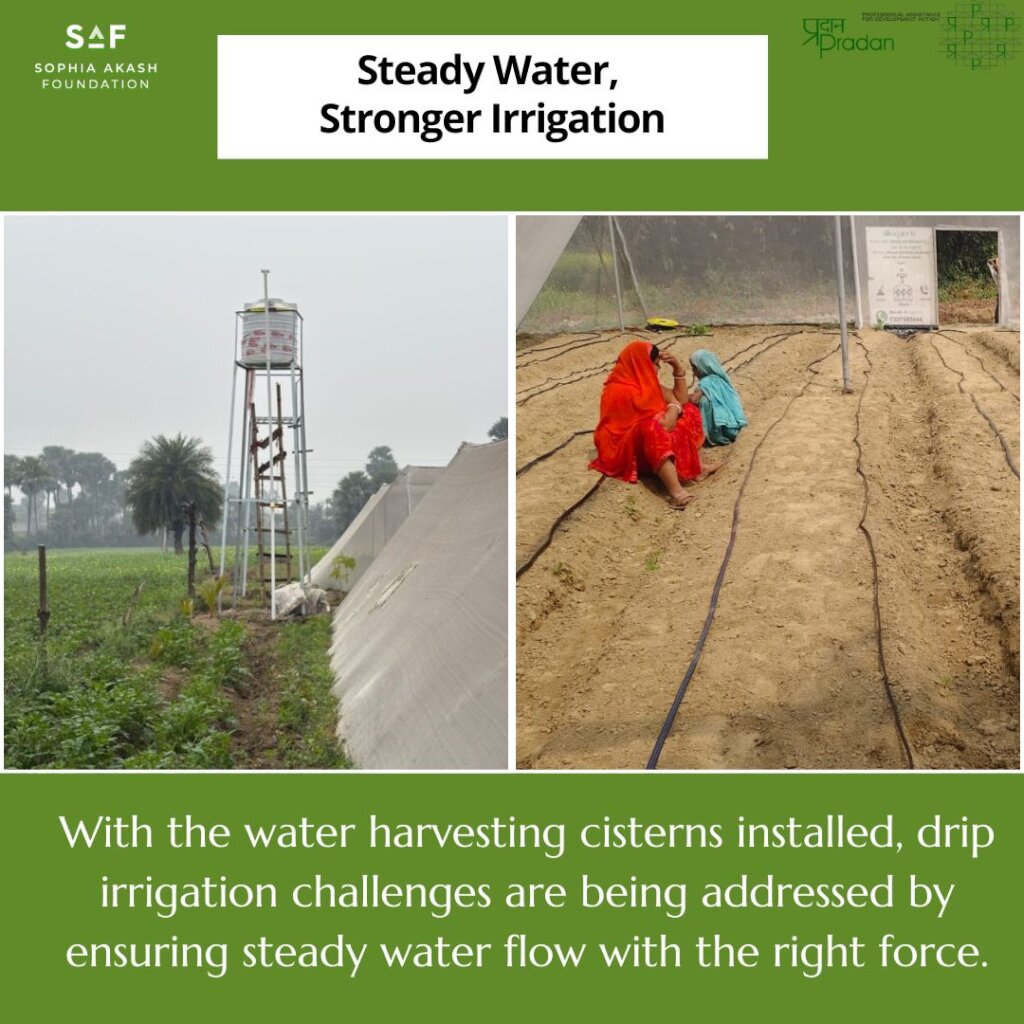
Another good news is that the drip irrigation systems are now fully installed. This has been made possible through the water harvesting systems organized since our last report to address the long-standing water supply challenges previously faced by some of the women farmers.
This has significantly reduced the physical strain of hauling water and provides greater reliability during critical growing periods. With these improvements in place, we are optimistic about even stronger outcomes in the coming year with harvests and income expected to increase by a further 30% to 40%.
Growing Dreams Beyond Imagination
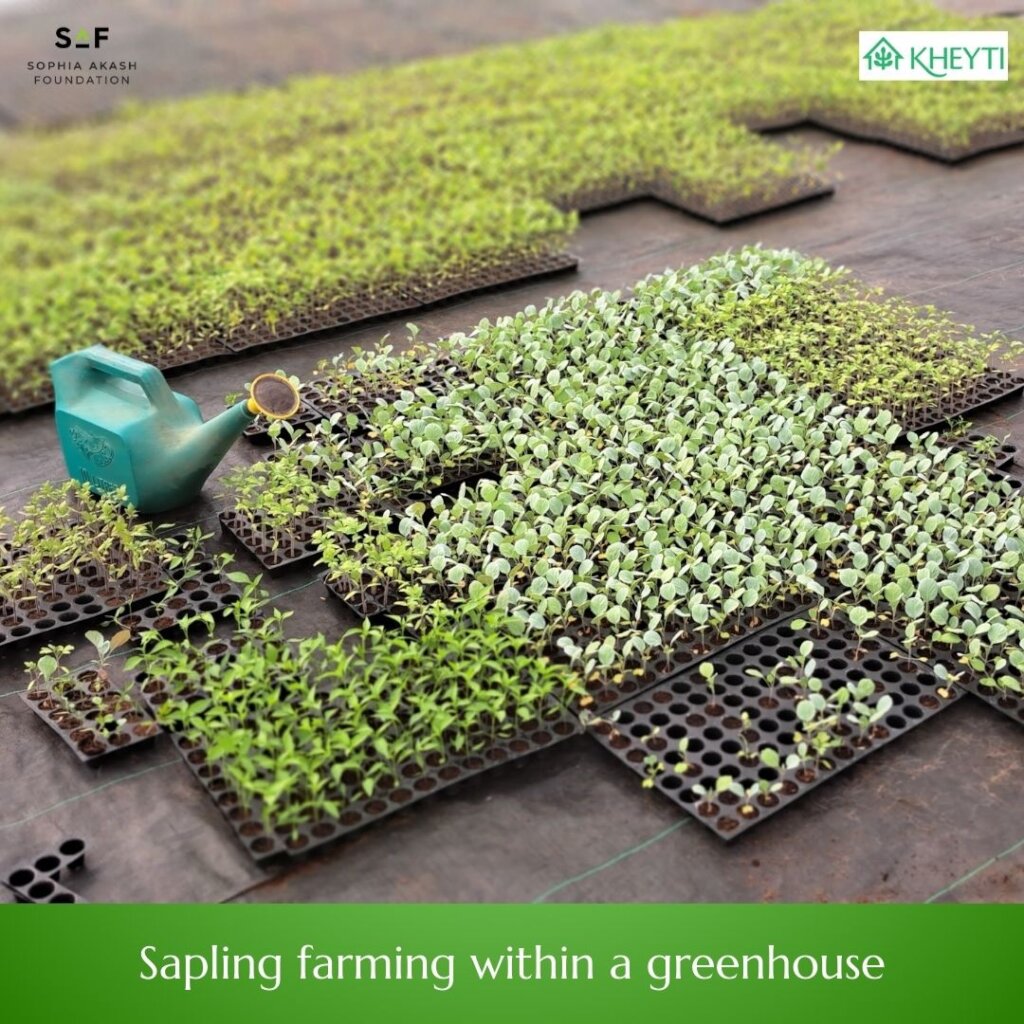
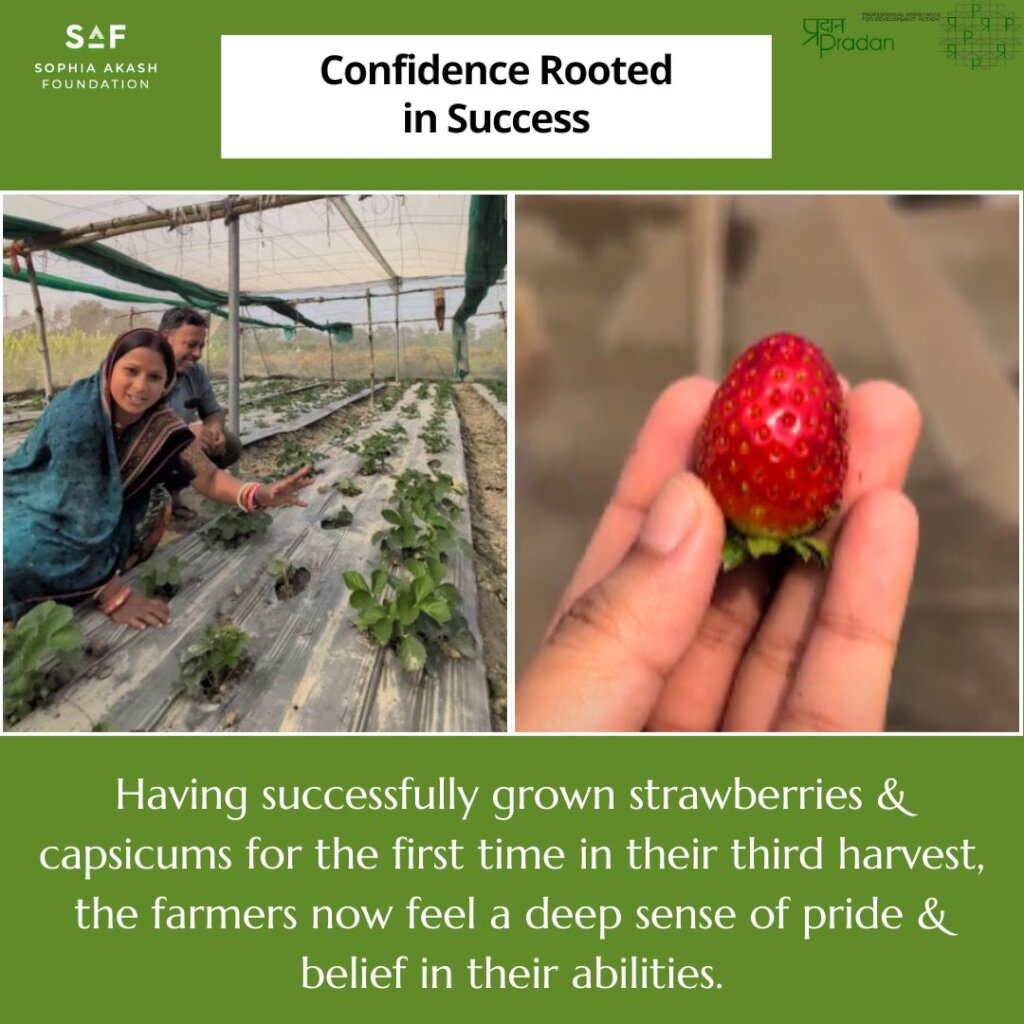
Encouragingly, these women have also learnt how to grow strawberries and capsicum inside their greenhouses. These are the crops many of the women had never imagined they could cultivate, let alone provide for their children to consume.
As Kiran Didi recalls: "Growing crops like strawberries and capsicum felt very risky at first. We had no knowledge about them, and in our whole lives we never thought we could grow such crops. But with the learning and support provided, we decided to try. When we saw the results, it gave us the courage to think bigger."
That courage is now bearing fruit. Strawberries, once seen as something only more affluent families could afford, are now being grown, eaten and sold with great pride and enjoyment throughout their own villages. As they harvest these higher-value crops, they also earn more, opening doors to new possibilities that they once believed were out of reach.
Stronger Families, Steadier Incomes
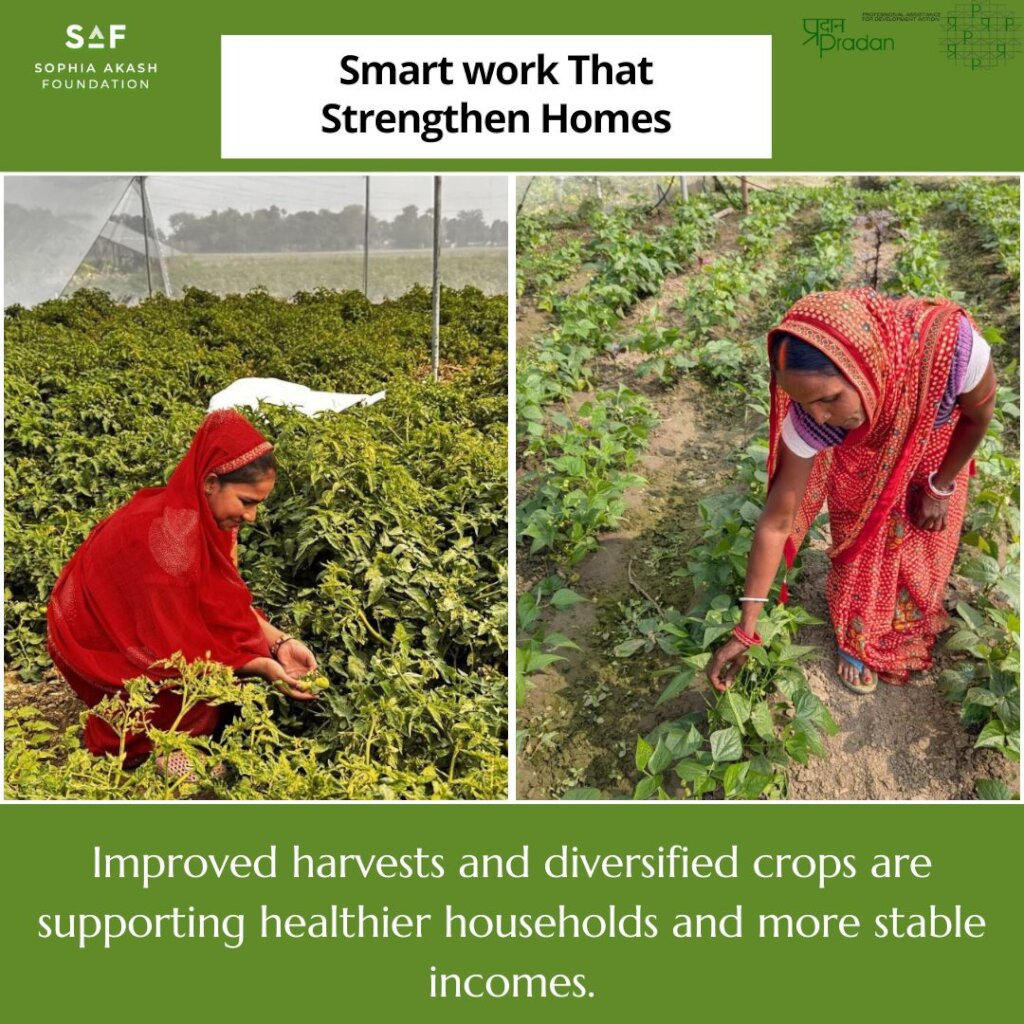
These families are eating better, with near-daily access to fresh leafy greens, seasonal vegetables, and now even healthy strawberries. Nutrition and food security for their children and their families have improved significantly as a result.
Monthly household savings have also increased by approximately 800–1,200, as families are less dependent on purchasing vegetables from the market. Their climate-smart greenhouses also enable off-season cultivation of higher-value crops such as capsicum, cluster beans, cauliflower, and coriander.
This allows women to sell when demand is high, produce is scarce and therefore prices for their hard work are considerably higher and more rewarding. Average annual household incomes have as a result also increased by almost 60% to 70%.
Women are reinvesting their earnings into quality seeds, bio-organic compost, fertilizers, pesticides, and mulching sheets. They are investing in their children’s education, healthcare, and for the first time are also able to put aside small savings. Some have even begun to repay long-outstanding debts and releasing previously mortgaged land. These were once heavy burdens they carried, and dreams that felt impossible to achieve just over a year ago.
Expanding the Circle of Change
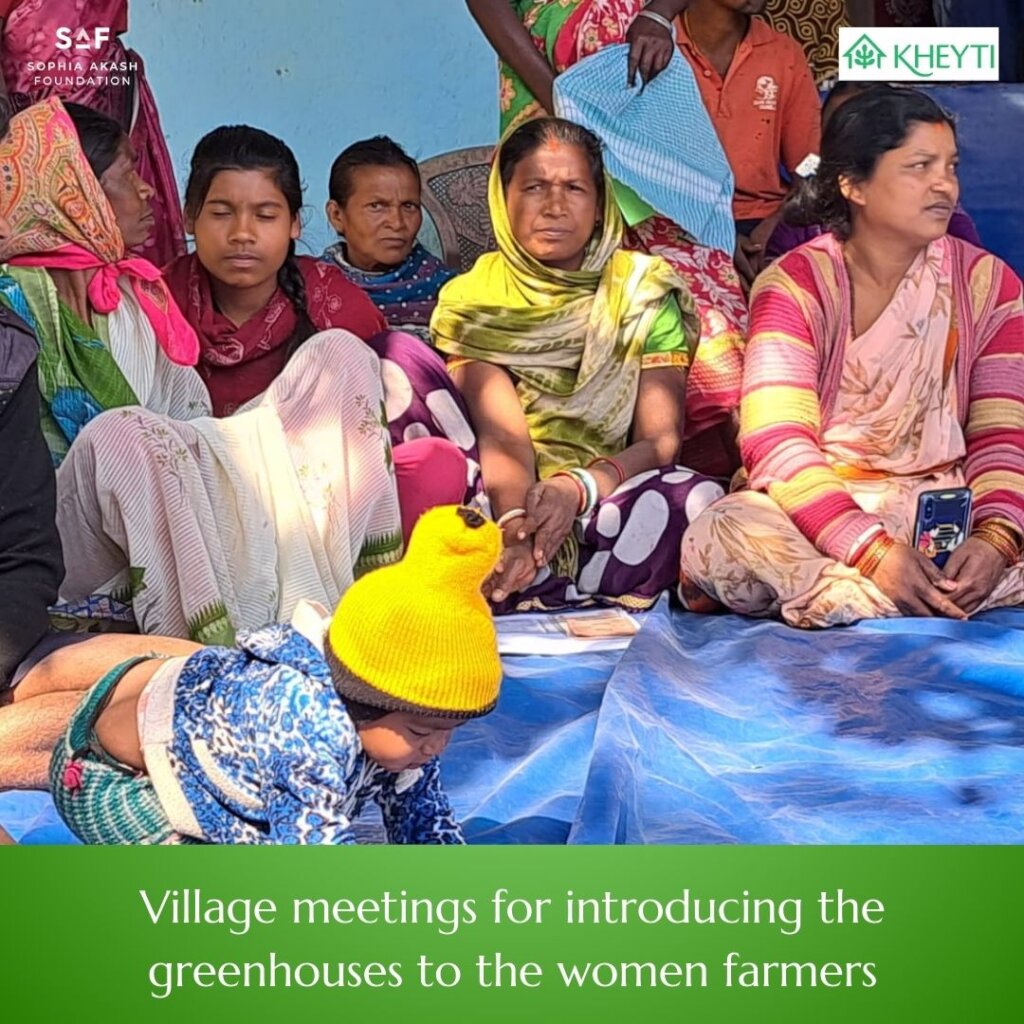
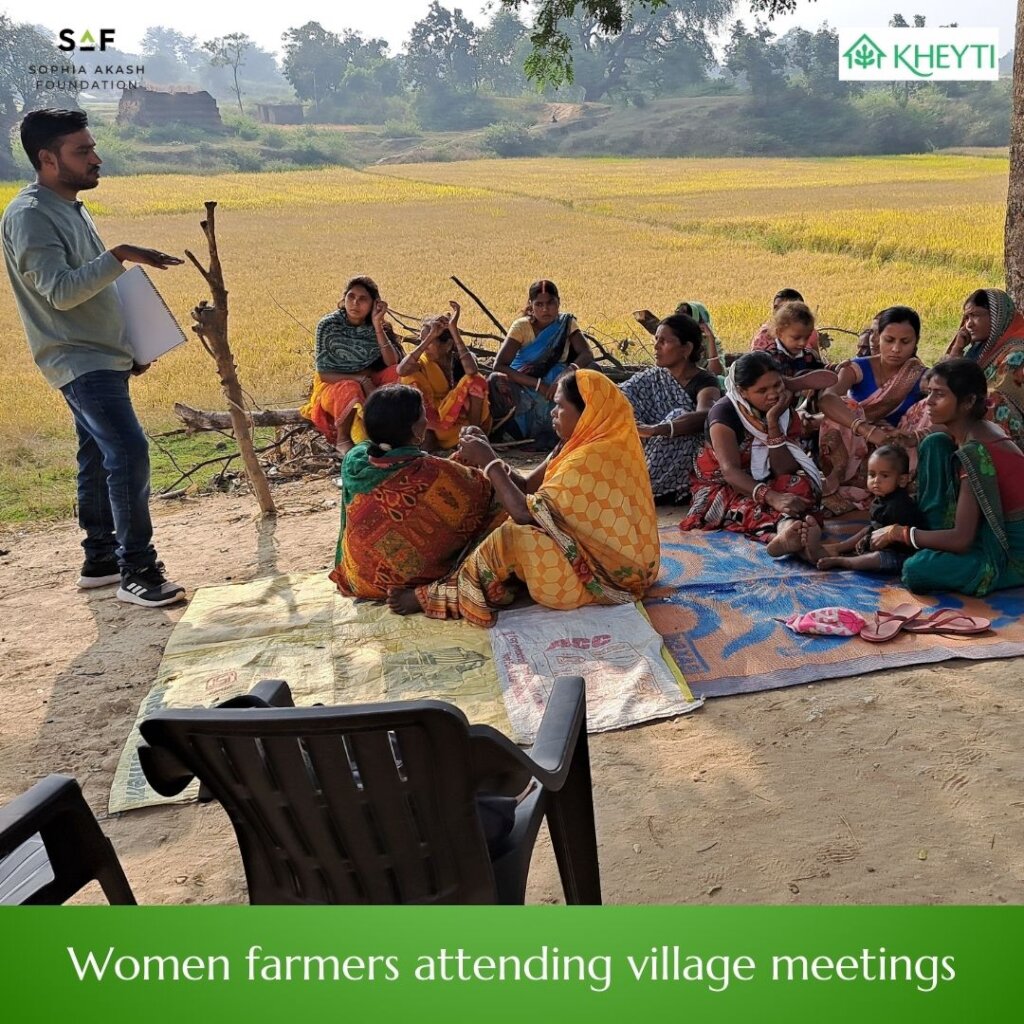
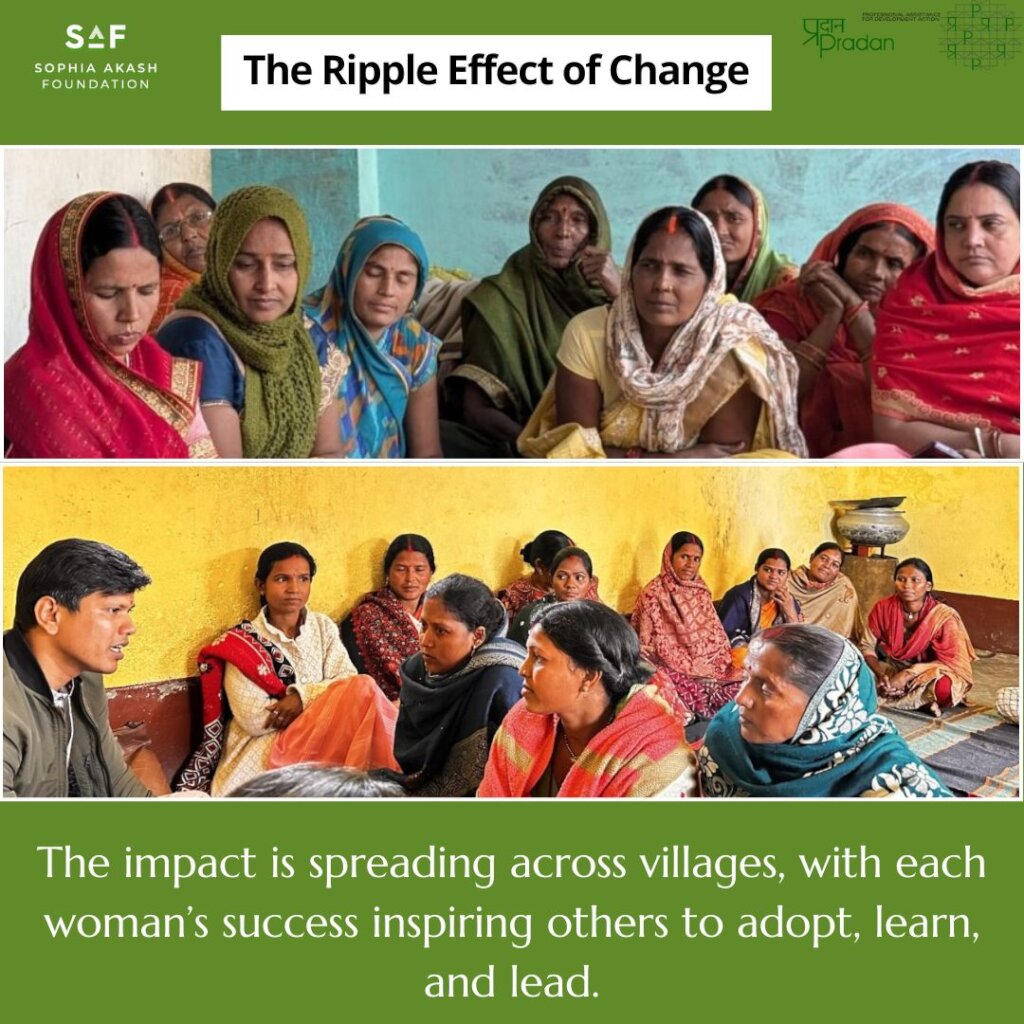
Encouraged by the progress of these 40 women farmers, another group of 45 equally vulnerable women from neighboring villages, who have also been inspired to follow suit and join our initiative. They are now growing their first crop inside their climate-smart greenhouses, and we are very excited to report their progress next time.
And with the encouragement from our on-the-ground partners, Pradan, we are extending this same sustainable, climate-resilient farming recipe to help another 40 highly vulnerable women farmers in the equally poverty-stricken district of Begusarai, Bihar, India.
By the end of this year, these 125 women will all be building and benefitting from stronger, more secure, climate-resilient farming livelihoods. With this, they will be joining the hundreds of others who have already benefited across India from your amazing and very generous support for transforming their livelihoods.
Looking Ahead with Hope
As these women move toward their fourth crop cycle, their confidence and harvests continue to grow. With each season, they are strengthening not only their incomes but also their climate resilience in the face of continued climate related uncertainty and adversity.
None of this is possible without your continued support, generosity and our collective belief in these women. Please continue to support their efforts and invite your friends too!
From all of us at Sophia Akash Foundation, we thank you for being part of their journey. Together, we are helping these women farmers to grow more than just their crops in a sustainable, climate-resilient manner; they are also growing hope, confidence, and sustainable futures for their children.
Project reports on GlobalGiving are posted directly to globalgiving.org by Project Leaders as they are completed, generally every 3-4 months. To protect the integrity of these documents, GlobalGiving does not alter them; therefore you may find some language or formatting issues.
If you donate to this project or have donated to this project, you can receive an email when this project posts a report. You can also subscribe for reports without donating.



Support this important cause by creating a personalized fundraising page.
Start a Fundraiser